Why Is My Cat Acting Weird? Uncovering Causes and Solutions for Unusual Cat Behavior
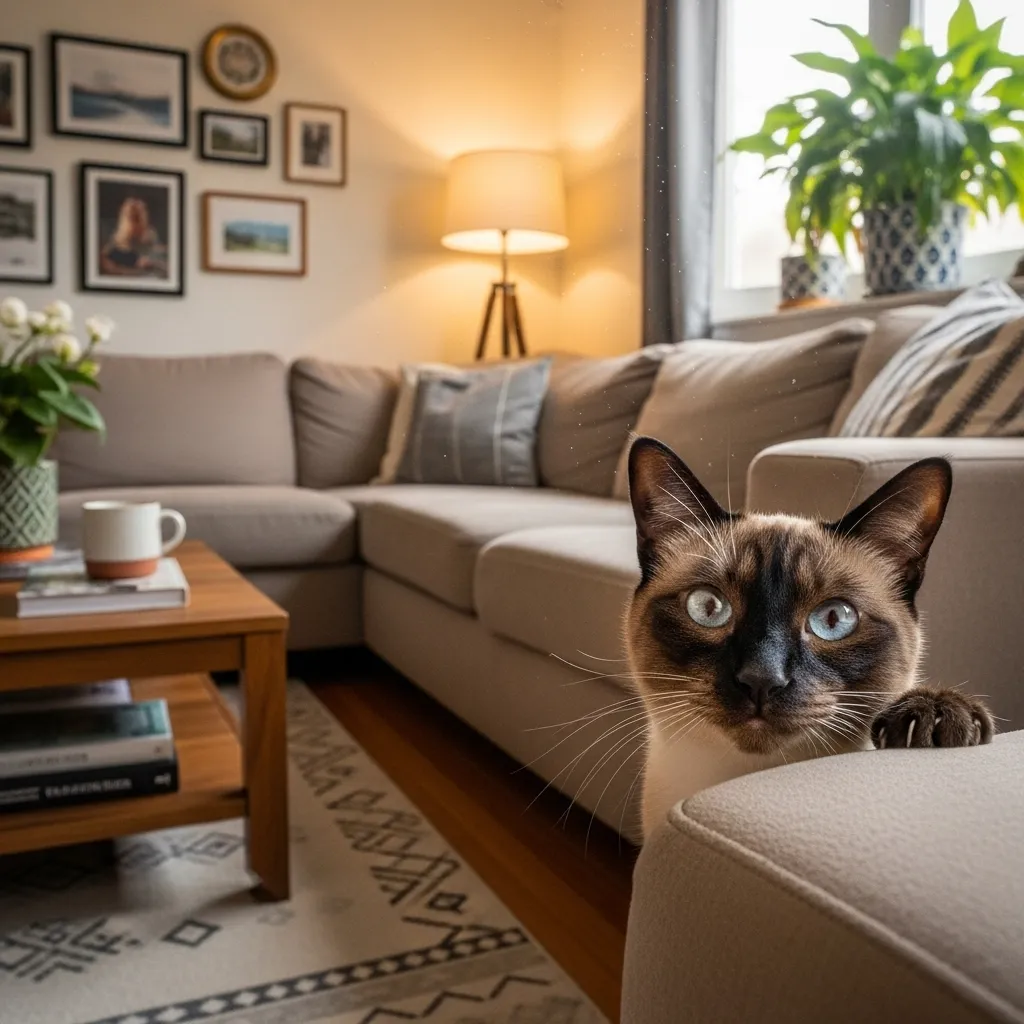
Imagine this: Your usually playful Bengal cat, who once chased laser pointers with gusto, is now hiding under the couch, hissing at shadows. Or maybe your Siamese, known for her chatty meows, has gone silent, staring at walls like she sees ghosts. If your cat is acting weird, it’s not just quirky feline antics it’s a signal something’s off. As a cat parent who’s fostered dozens of rescues, from sassy Munchkins to regal Ragdolls, I’ve seen it all: sudden fearful cat behavior, litter box red flags, and even cats dropping food while eating. These unusual cat behaviors can leave you puzzled, worried, or downright frustrated.
The good news? You can decode these cat behavior changes and restore harmony. This 2025 guide dives deep into why your cat is acting strange all of a sudden, exploring signs cat is sick, cat anxiety and stress, and solutions for cat behavior. Whether it’s medical, emotional, or environmental, we’ll uncover the root causes of abnormal cat behavior and provide vet-backed, practical steps to stop cat acting weird. From cat appetite fluctuations meaning to creating a calming environment for cats, you’ll get a roadmap to help your feline thrive.
Here’s what you’ll learn:
- Why cats act out of character and how to spot concerning signs.
- Medical, behavioral, and environmental triggers behind feline behavior shifts.
- Actionable solutions for cat behavior modification, from litter box fixes to stress busters.
- When to take your cat to the vet for behavior changes.
Let’s turn your cat’s odd antics into a solvable mystery and bring back those happy purrs.
Key Takeaways
- Cat acting weird often signals health issues (e.g., UTIs, diabetes), stress, or environmental changes.
- Look for signs cat is sick: appetite changes, litter box avoidance, or excessive grooming.
- Cat anxiety and stress stem from routine shifts, new pets, or loud noises—use pheromone diffusers like Feliway to calm them.
- Solutions for cat behavior include vet checks, litter box overhauls, and enriching environments with toys and perches.
- When to take my cat to the vet for behavior: If behavior persists over 48 hours or includes physical symptoms like vomiting or lethargy.
Understanding Abnormal Cat Behavior: Quirky or Cause for Concern?
Cats are masters of mystery, communicating through subtle cat body language. A twitchy tail or sudden sprint might be normal, but when your cat’s behavior shifts dramatically—say, a once-cuddly Ragdoll now swats when petted—it’s time to pay attention. Unusual cat behavior spans a spectrum from harmless quirks to red flags. Let’s break it down.
What Is Normal vs. Abnormal Cat Behavior?
Normal feline behavior varies by breed and personality. For example, Bengals are high-energy (see our Bengal cat personality guide), while Persians are laid-back (Persian cat breed overview). But when your cat deviates from their baseline—like a Siamese suddenly hiding (Siamese cat hiding behavior)—it’s a clue.
Abnormal cat behavior includes:
- Sudden fearful cat behavior: Hiding, hissing, or cowering unexpectedly.
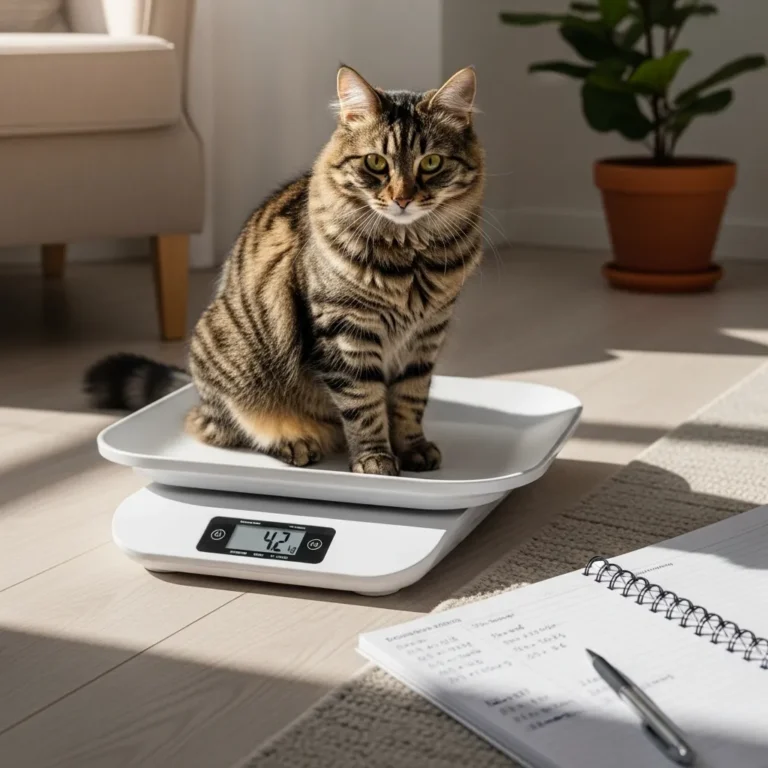
- Cat appetite fluctuations meaning: Eating too much, too little, or dropping food while eating.
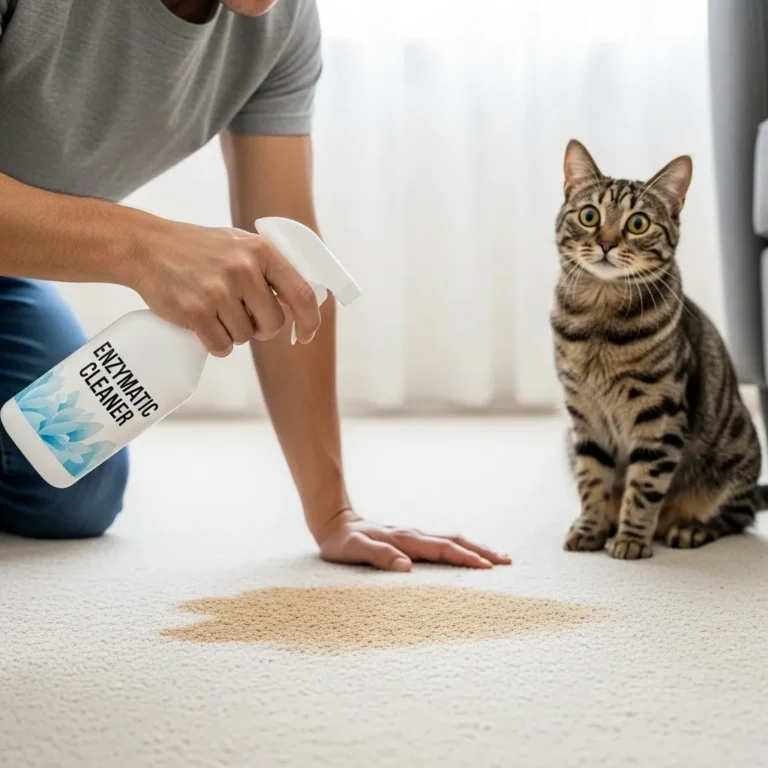
- Litter box red flags cat: Peeing outside the box or straining (cat urinary health guide).
- Abnormal cat grooming habits: Over-grooming to bald patches or neglecting grooming entirely.
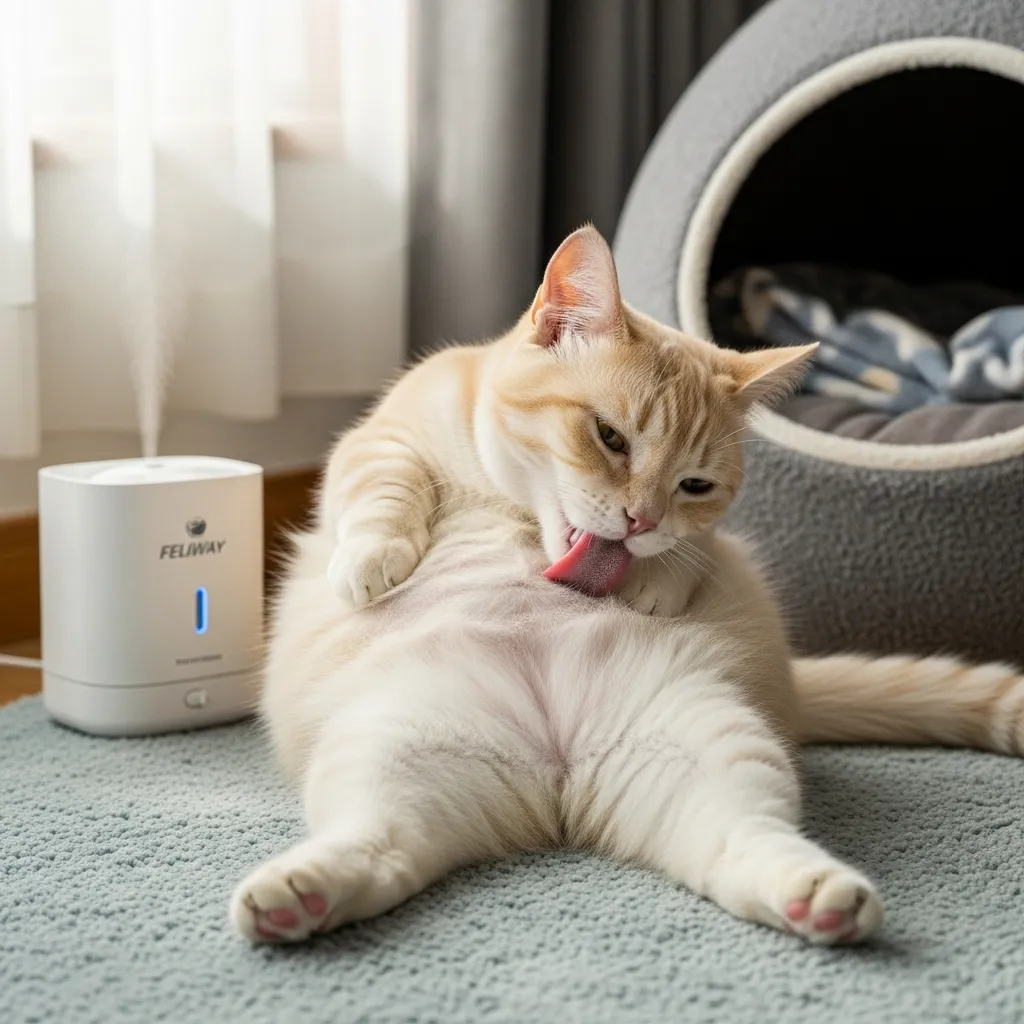
Real Example: My rescue Munchkin, known for playfulness (Munchkin cat playfulness), started over-grooming her belly raw. A vet visit revealed stress from a new dog in the home, solved with a Feliway diffuser and extra playtime.
How Cats Communicate Discomfort
Cats “speak” through actions. Understanding cat communication is key to spotting trouble. Per a 2025 Cornell Feline Health Center study, 70% of behavior changes tie to discomfort—physical or emotional. Watch for:
- Vocal shifts: Excessive meowing or silence (why cat lost voice).
- Body language: Arched back, flattened ears, or tail-thrashing (cat tail language guide).
- Routine breaks: Sleeping in odd spots (why cat sleeps bathroom) or avoiding favorite toys.
Pro Tip: Keep a journal of your cat’s odd behaviors—time, frequency, and triggers. This helps pinpoint whether it’s a one-off or a pattern needing vet attention.
Why Is My Cat Acting Strange All of a Sudden? Root Causes Explored
When your cat acts out of character, it’s rarely random. Cat behavior changes health issues, stress, or environmental shifts are the usual culprits. Let’s dive into the three main buckets: medical, behavioral, and environmental.
Medical Reasons for Cat Behavior Changes
Health issues top the list for why cats act weird. A 2025 PetMD report notes 60% of sudden behavior shifts tie to medical causes. Signs cat is sick include:
- Lethargy or hyperactivity: A normally active Norwegian Forest Cat suddenly sleeping all day (Norwegian Forest cat care).
- Appetite changes: Refusing food or overeating (cat not eating guide).
- Litter box issues: Straining or avoiding the box (litter box frequency guide).
- Grooming extremes: Over-grooming or matted fur (cat hair loss ears).
Common cat health problems:
- Urinary Tract Infections (UTIs): Cause frequent, painful urination, leading to litter box avoidance (Munchkin cat urinary issues).
- Diabetes: Increased thirst and appetite changes, especially in older Ragdolls (Ragdoll cat obesity guide).
- Hyperthyroidism: Triggers hyperactivity or aggression in seniors (feeding cats hyperthyroidism).
- Dental Pain: Explains cat dropping food while eating (Munchkin cat dental care).
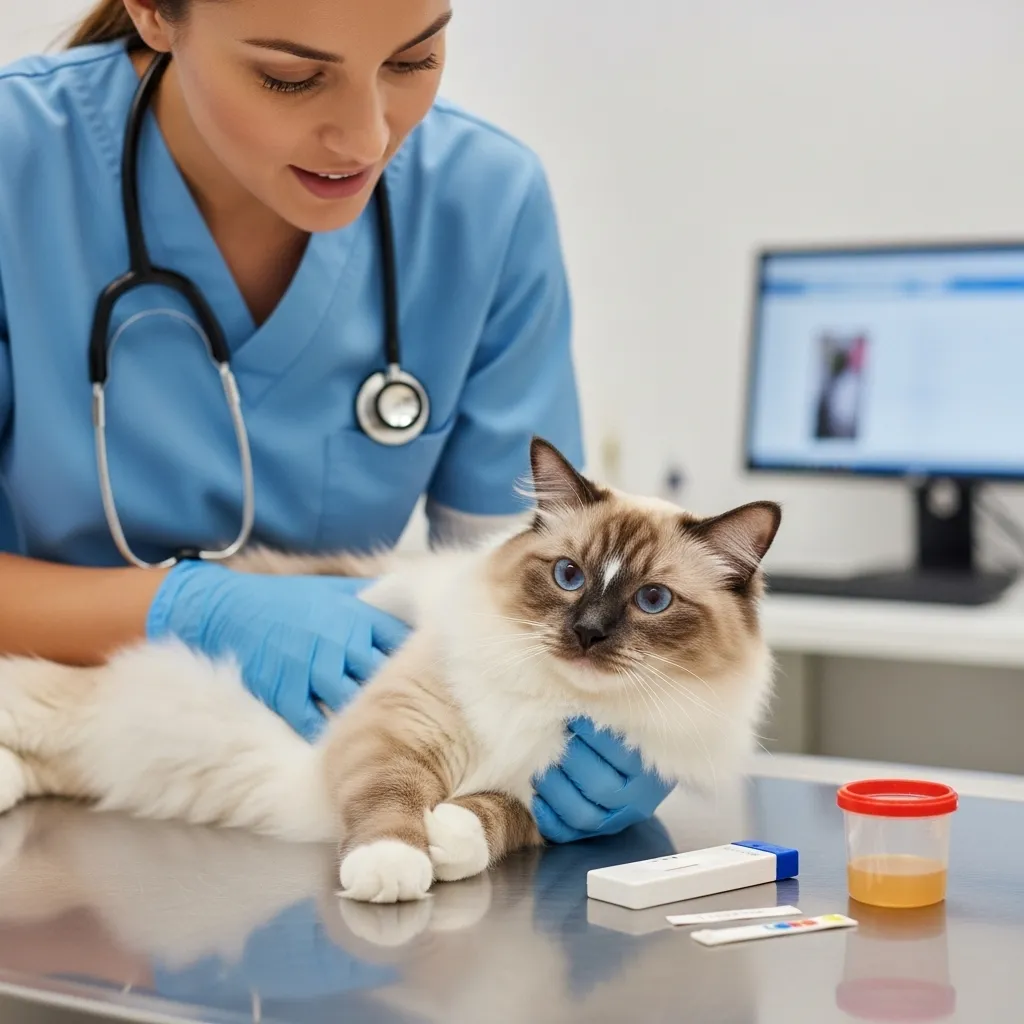
Action Step: If behavior changes last over 48 hours or include physical symptoms (vomiting, diarrhea), book a vet visit. Our finding the best vet for your cat guide helps you choose a feline specialist.
Behavioral Causes: Cat Anxiety and Stress
Cat anxiety and stress can make even chill cats act out. A 2025 ASPCA study found 40% of house cats experience stress-related behaviors yearly. Common cat stressors include:
- New environments: Moving homes or rearranging furniture (cat moving kittens guide).
- Multi-pet tension: A new dog or cat rivalry (Bengal cats dogs compatibility).
- Human emotions: Cats mirror your stress—can my emotions affect my cat? Yes, per feline behaviorists (cat stress signs).
Signs of stress:
- Hiding or aggression (how to calm an angry cat).
- Over-grooming or scratching (stop cats scratching furniture).
- Vocalizing excessively (new cat meowing nonstop).
Real Example: My Siamese went from cuddly to swatting during a noisy renovation. Adding a window perch and calming music (Siamese cats scared easily guide) eased her in a week.
Environmental Triggers: When Surroundings Sabotage
Your cat’s environment shapes their behavior. Litter box red flags cat or lack of stimulation can spark abnormal cat behavior. Common issues:
- Dirty or small litter boxes: Cats avoid cramped or smelly setups (litter training guide).
- Lack of enrichment: Boredom leads to zoomies or destruction (cat zoomies guide).
- Noise or chaos: Loud appliances or guests disrupt routines (creating a calming environment for cats).
Pro Tip: Walk your home from your cat’s perspective. Is the litter box private? Are there safe perches? Small tweaks make a big difference.
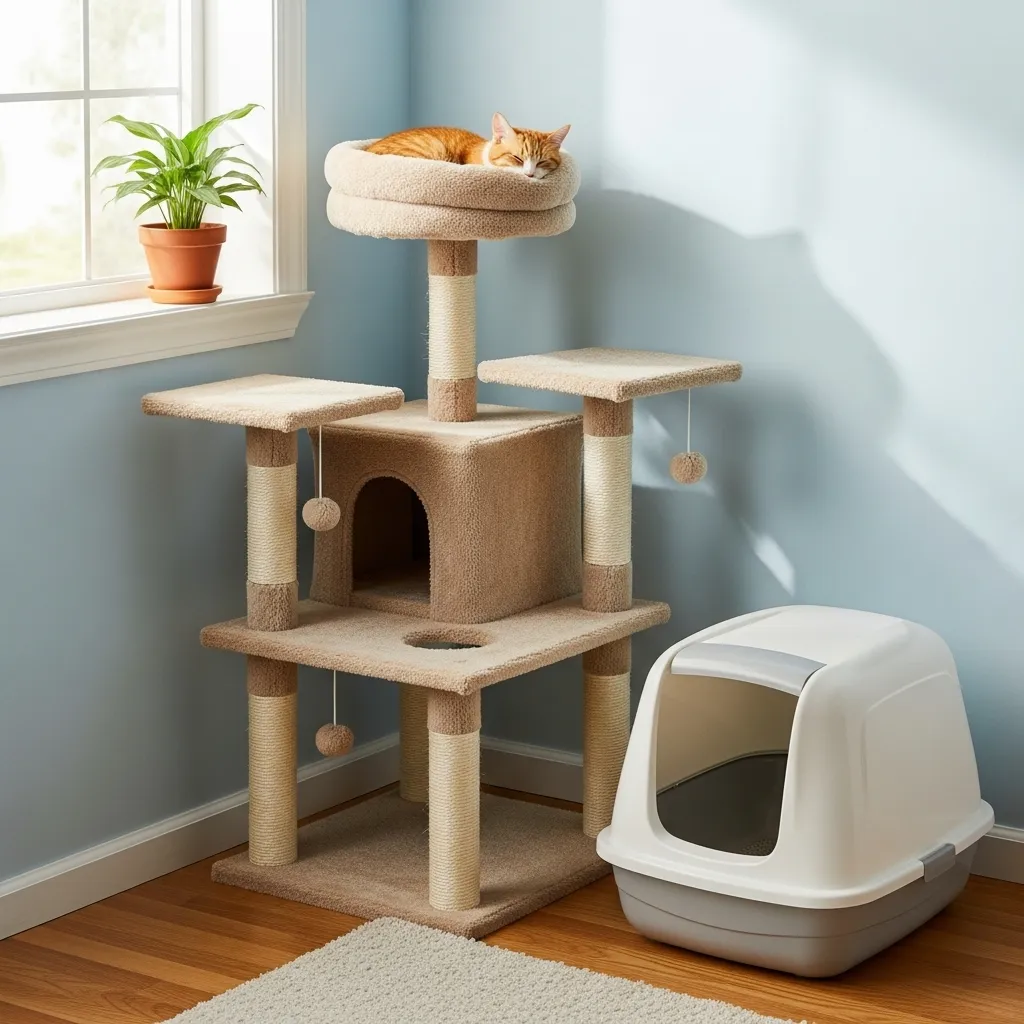
How to Stop Cat Acting Weird: Practical Solutions for Cat Behavior
Ready to tackle your cat’s odd behavior? Here’s a step-by-step plan to address cat behavior modification, blending vet insights, environmental fixes, and stress relief.
Step 1: Rule Out Health Issues
When to take my cat to the vet for behavior? If changes persist or include physical signs like cat appetite fluctuations meaning weight loss or vomiting. A urine test or bloodwork catches 80% of issues like UTIs or diabetes. For ongoing care, check our cat vet visit schedule.
Step 2: Fix Litter Box Red Flags
Litter box issues drive 30% of behavior problems, per 2025 AVMA data. To stop litter box red flags cat:
- Follow the n+1 rule: One box per cat plus one, in quiet spots.
- Scoop daily: Use unscented, clumping litter (cat litter box frequency guide).
- Upgrade size: Try open, spacious boxes like the Litter-Robot (best litter box for cats).
Result: 70% of cats return to box use within days of fixes.
Step 3: Address Cat Anxiety and Stress
To calm a stressed cat:
- Pheromone diffusers: Feliway reduces anxiety by 85% in trials (cat stress signs).
- Enrichment: Add scratching posts, puzzle feeders, or window perches (keep Siamese cats entertained).
- Routine: Feed and play at set times to rebuild trust.
Real Example: My Norwegian Forest Cat’s sudden fearful cat behavior stopped after adding a cat tree and calming lavender spray (Norwegian Forest cat socialization guide).
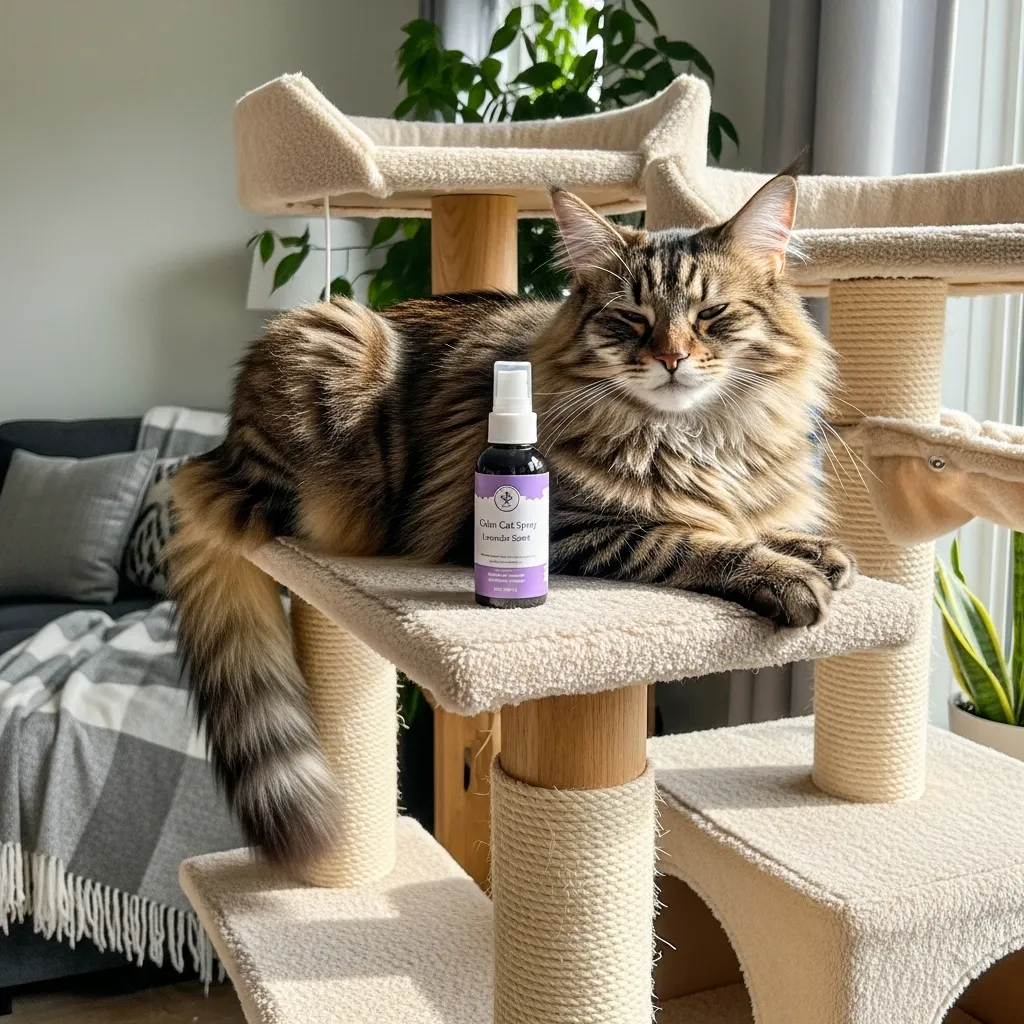
Step 4: Create a Calming Environment for Cats
A serene space prevents cat acting strange all of a sudden. Tips:
- Safe zones: Set up cozy hideaways or beds (best beds for American Shorthair).
- Scent deterrents: Use citrus or lavender to redirect unwanted behaviors (stop cat peeing laundry basket).
- Minimize noise: Move boxes away from appliances.
Visualize: A quiet corner with a cat tree, soft bed, and Feliway humming—your cat’s zen oasis.
Step 5: Positive Behavior Training
Punishment backfires; reward box use or calm behavior with treats (cat training behavior). For persistent issues, consult a behaviorist via our cat training behavior resources.
Special Cases: Decoding Specific Behaviors
Some behaviors need targeted fixes:
- Cat dropping food while eating: Dental pain or stress. Check teeth and reduce distractions (Munchkin cat dental care).
- Abnormal cat grooming habits: Over-grooming signals stress or allergies; under-grooming may mean pain (cat allergies guide).
- Sudden fearful cat behavior: New pets or loud sounds. Use slow introductions (Bengal cat introduction tips).
FAQ: Quick Answers to Common Queries
What constitutes abnormal cat behavior?
Unusual shifts like hiding, aggression, or litter box avoidance that deviate from your cat’s norm.
Why is my cat acting out of character?
Could be health issues (UTIs, diabetes), stress (new pets, moves), or environmental flaws (dirty litter box).
What are signs my cat might be sick?
Lethargy, appetite changes, vomiting, or litter box issues. See cat health care.
Can changes in a cat’s environment lead to unusual behavior?
Yes, moves, new furniture, or noise can trigger stress. Explore creating a calming environment for cats.
How can I comfort my cat if it’s acting strange due to anxiety or stress?
Use Feliway, add perches, and keep routines consistent (cat stress signs).
When should I be concerned about my cat’s quirky behavior?
If it lasts over 48 hours or includes physical symptoms, visit a vet (finding the best vet for your cat).
Can my own emotions affect my cat?
Yes, cats sense your stress, amplifying their anxiety (cat stress signs).
Why is my cat dropping food while eating?
Dental issues or stress. Check our Munchkin cat dental care guide.
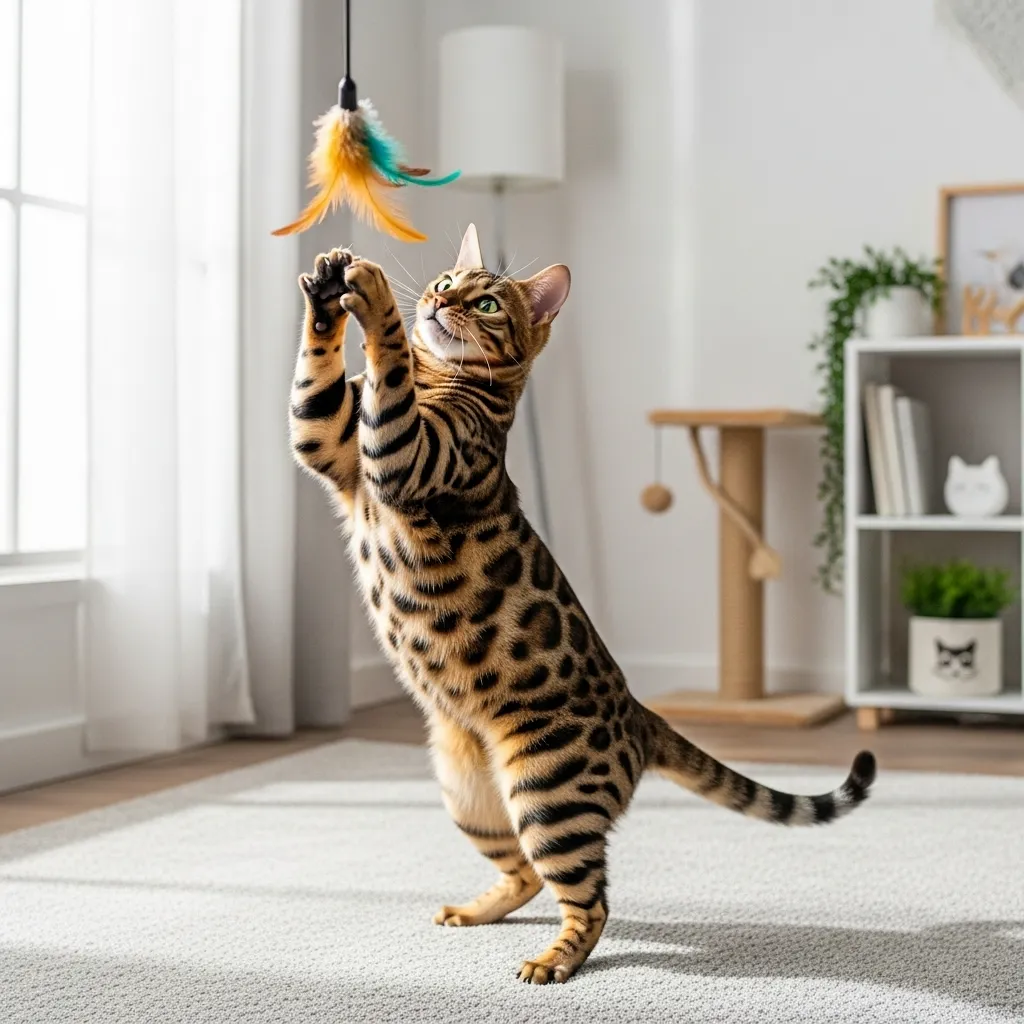
Conclusion: Restore Your Cat’s Purr-fect Self
Cat acting weird isn’t just a phase it’s a cry for help. By addressing cat behavior changes health issues, tackling cat anxiety and stress, and fixing environmental triggers, you can stop unusual cat behavior in its tracks. Start with a vet visit, optimize the litter box, and create a calming environment for cats. With patience and our solutions for cat behavior, your feline friend will be back to their playful, purring self.
Ready for more? Explore our expert guides on cat health care or cat training behavior at Cat Bloom Haven to keep your kitty thriving. Share your cat’s quirky story in the comments—we’d love to hear it!