Cat Peeing in the Same Spot? Proven Solutions to Stop It for Good
Is your cat repeatedly peeing in the same spot, leaving you frustrated and your home smelling like a litter box gone wrong? You’re not alone. Whether it’s the corner of your living room carpet or that cozy spot on the couch, this behavior can drive even the most patient cat owner up the wall.
The good news? You can stop your cat from peeing in the same spot with the right approach. This comprehensive guide dives deep into why cats do this, how to address it, and practical, vet-backed solutions to restore peace in your home. From medical issues to behavioral triggers, we’ll cover it all so you can get back to enjoying your feline friend.
Key Takeaways for Quick Reference
- Identify the Cause: Cats peeing in the same spot may signal medical issues, stress, or litter box problems.
- Act Fast: Promptly address the behavior to prevent it from becoming a habit.
- Clean Thoroughly: Use enzymatic cleaners to eliminate urine odors and deter repeat marking.
- Optimize the Litter Box: Ensure it’s clean, accessible, and in a quiet location.
- Address Stress: Environmental changes or anxiety can trigger inappropriate urination.
- Consult a Vet: Rule out urinary tract infections or other health issues.
- Explore more expert tips in our cat behavior guide.
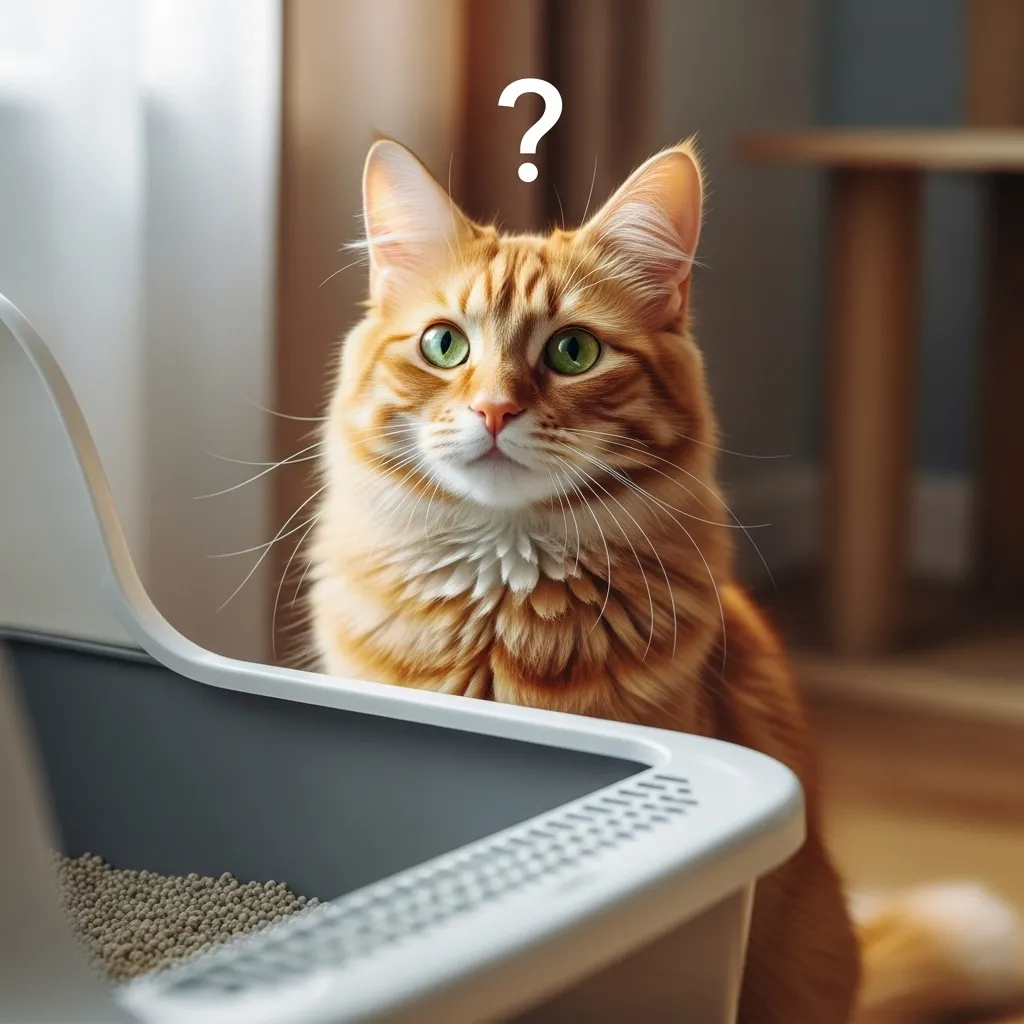
Why Does My Cat Keep Peeing in the Same Spot?
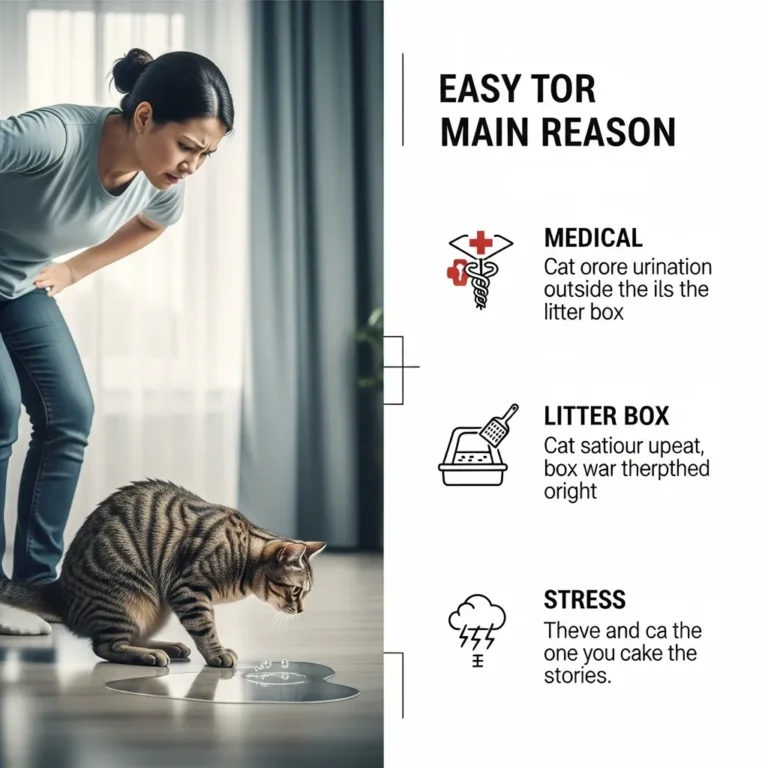
Understanding why your cat is peeing outside the litter box is the first step to solving the problem. Cats are creatures of habit, and when they choose a specific spot to urinate, it’s usually a sign of an underlying issue. Here’s a breakdown of the most common reasons:
Medical Issues Behind Cat Peeing Behavior
Health problems are often the root cause of litter box avoidance. A cat peeing in the same spot could be experiencing discomfort or pain, prompting them to associate the litter box with negative feelings. Common medical culprits include:
- Urinary Tract Infections (UTIs): Painful urination can lead cats to seek alternative spots. Symptoms include frequent urination, straining, or blood in the urine.
- Bladder Stones or Crystals: These cause irritation and may require dietary changes or surgery.
- Kidney Issues: Older cats, like senior Bengals, may develop kidney problems that increase urination frequency. Learn more in our senior cat care guide.
- Diabetes or Hyperthyroidism: These conditions can increase thirst and urination, overwhelming the litter box routine.
Action Step: Schedule a vet visit to rule out medical issues. Check our cat vet visit schedule guide for tips on preparing for the appointment.
Behavioral Triggers for Urine Marking
If your cat gets a clean bill of health, the issue might be behavioral. Cats use urine to communicate, and marking a specific spot often signals stress, territory issues, or dissatisfaction. Key behavioral causes include:
- Territory Marking: Unneutered males or females in multi-cat households may mark to establish dominance. Our cat territory marking guide explores this further.
- Stress or Anxiety: Changes like a new pet, moving, or rearranged furniture can trigger stress-related urination. See our cat stress signs guide for more.
- Litter Box Aversion: A dirty, cramped, or poorly placed litter box can push your cat to find another spot.
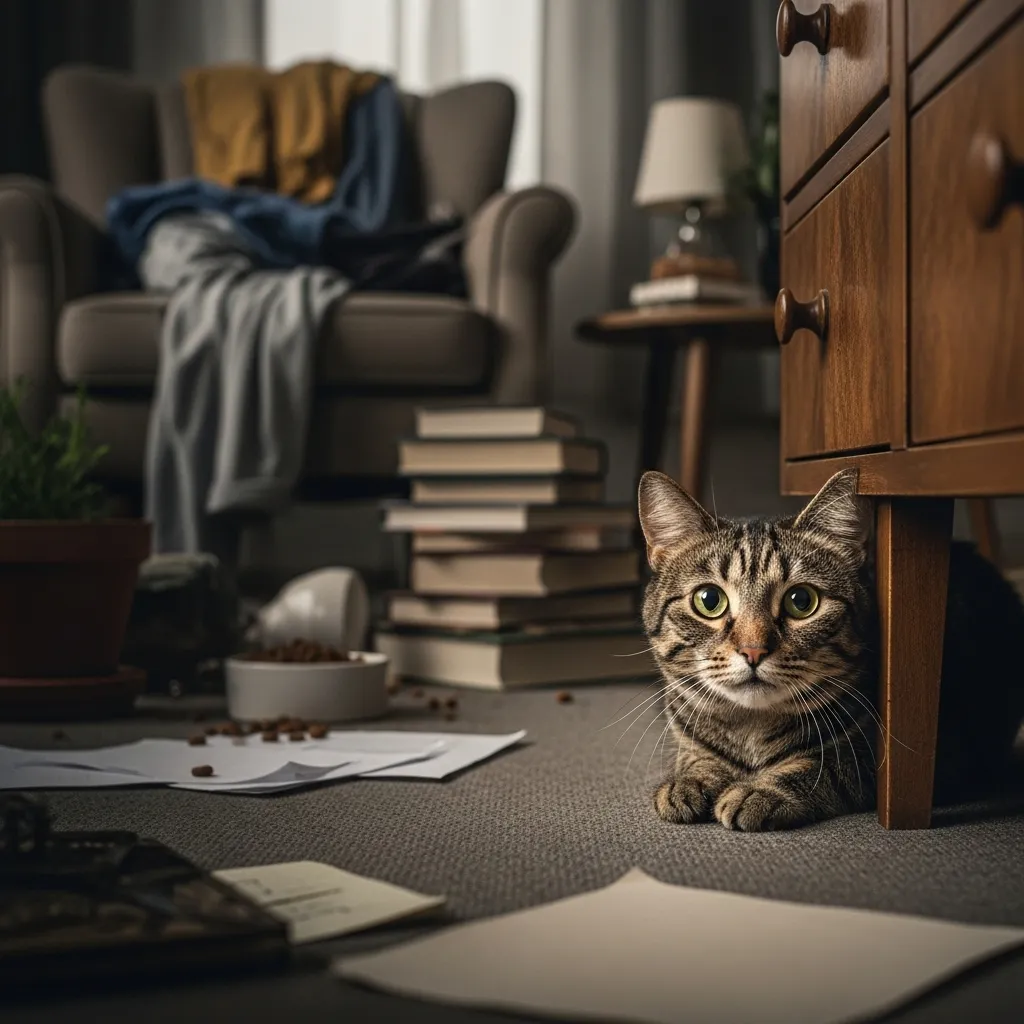
Real-Life Example: Sarah, a cat owner, noticed her Siamese was peeing on the living room rug after a new dog joined the household. By addressing the stress and adding a second litter box, she resolved the issue within weeks.
Environmental Factors Driving the Behavior
Your home environment plays a big role in your cat’s bathroom habits. Cats are sensitive to their surroundings, and small changes can disrupt their routine. Consider these factors:
- Litter Box Placement: A box in a noisy or high-traffic area (like near a washing machine) can deter use.
- Litter Type: Some cats dislike certain textures, like clay or scented litter.
- Household Changes: New furniture, guests, or even a new cleaning product’s smell can unsettle your cat.
Quick Tip: Observe your cat’s behavior around the litter box. Hesitation or avoidance could point to environmental issues. Dive deeper into solutions with our litter box training guide.
How to Stop Your Cat from Peeing in the Same Spot
Now that you know why your cat might be peeing in the same spot, let’s explore actionable solutions to stop it. These strategies combine veterinary insights, behavioral techniques, and practical home adjustments to address the problem holistically.
Step 1: Rule Out Medical Issues
Before assuming it’s a behavior problem, have your vet check for health issues. A urinalysis can detect UTIs, crystals, or other conditions. If your cat is diagnosed with a urinary issue, follow your vet’s treatment plan, which may include medication, dietary changes, or increased hydration. Our cat urinary health guide offers more insights.
Vet Tip: Dr. Jane Smith, a feline veterinarian, emphasizes, “Up to 30% of cats with litter box issues have an underlying medical condition. Always start with a vet visit.”
Step 2: Optimize the Litter Box Setup
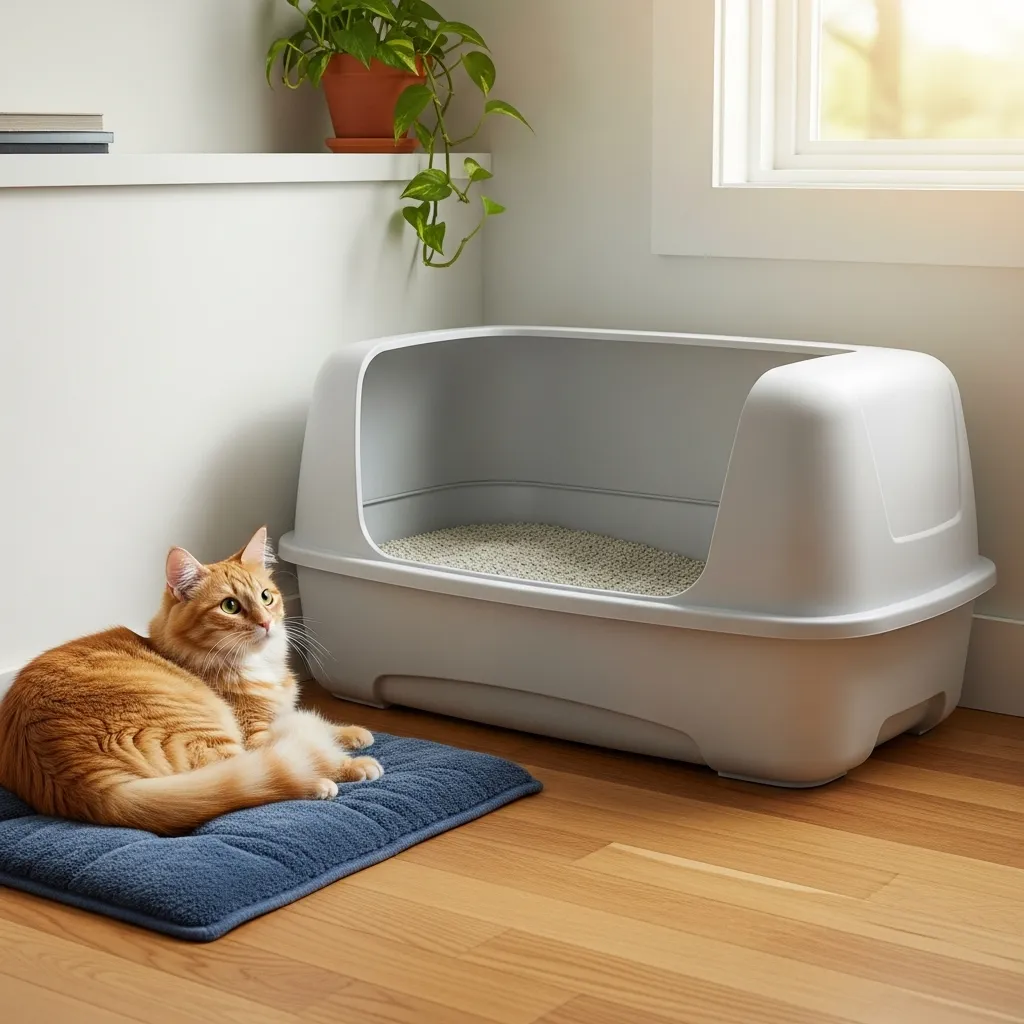
A cat’s litter box is their sanctuary, and any discomfort can lead to peeing elsewhere. Here’s how to make it inviting:
- Number of Boxes: Follow the n+1 rule—one litter box per cat plus one extra. In a single-cat home, have two boxes.
- Size Matters: Choose a box large enough for your cat to turn around comfortably. Munchkin cats, for example, need spacious boxes despite their small size (see our Munchkin cat care guide).
- Cleanliness: Scoop daily and deep-clean the box weekly with mild soap. Cats hate dirty boxes.
- Location: Place boxes in quiet, private areas away from food and water bowls.
- Litter Choice: Use unscented, clumping litter, as most cats prefer it. Experiment with textures if your cat is picky.
Table: Ideal Litter Box Setup
| Aspect | Recommendation |
|---|---|
| Number of Boxes | One per cat + one extra |
| Size | 1.5x the length of your cat |
| Litter Type | Unscented, clumping, fine texture |
| Location | Quiet, low-traffic, accessible |
| Cleaning Frequency | Scoop daily, deep clean weekly |
Step 3: Clean the Soiled Spot Thoroughly
Cats return to the same spot because they smell their urine, which acts like a neon sign saying, “Pee here again!” To break the cycle:
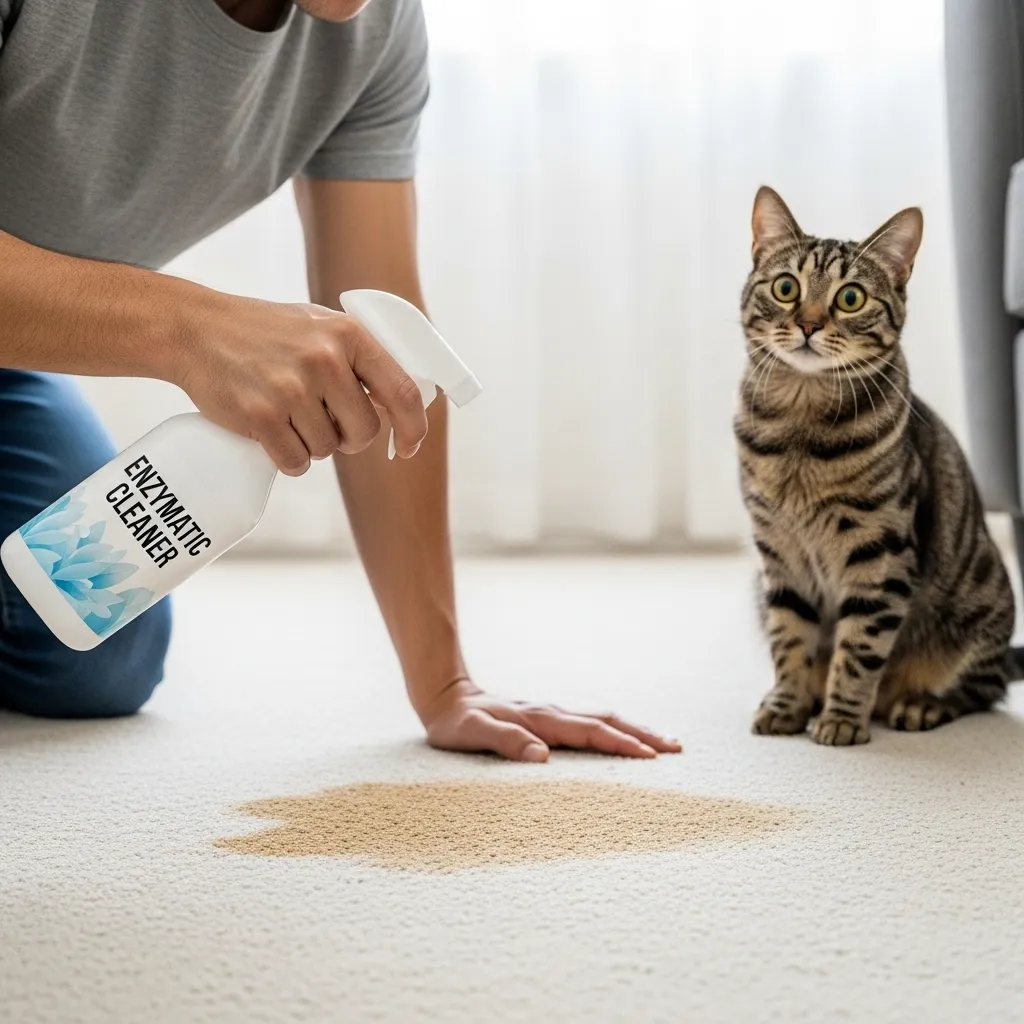
- Use an Enzymatic Cleaner: Products like Nature’s Miracle or Rocco & Roxie break down urine molecules to eliminate odors. Avoid ammonia-based cleaners, as they mimic urine’s smell.
- Blot, Don’t Scrub: Soak up fresh urine with paper towels, then apply the cleaner per instructions.
- Test the Spot: After cleaning, check if the odor is gone by sniffing closely (yes, really!).
Product Recommendation: For the best enzymatic cleaner for cat urine, try Rocco & Roxie Stain & Odor Eliminator, praised for its effectiveness on carpets and upholstery. Learn more cleaning tips in our cat pee odor removal guide.
Step 4: Address Stress and Anxiety
If stress is driving your cat’s behavior, create a calmer environment:
- Provide Safe Spaces: Offer hiding spots, like cat trees or cozy beds, where your cat can retreat. Check out our best beds for cats guide.
- Use Pheromone Diffusers: Products like Feliway mimic calming cat pheromones to reduce anxiety.
- Minimize Changes: Introduce new pets or furniture gradually to avoid overwhelming your cat.
- Enrichment: Interactive toys and playtime can reduce stress. Our keep cats entertained guide has great ideas.
Case Study: When Tom’s Ragdoll started peeing on the floor after a move, he used Feliway and added a second litter box in a quiet corner. Within two weeks, the behavior stopped.
Step 5: Behavioral Training to Retrain Your Cat
To retrain your cat to use the litter box:
- Positive Reinforcement: Reward your cat with treats or praise when they use the litter box correctly.
- Deter the Spot: Place double-sided tape, aluminum foil, or a citrus-scented mat on the problem area, as cats dislike these textures and smells.
- Gradual Reintroduction: If your cat avoids the litter box, temporarily move it closer to the problem spot, then gradually shift it back to the ideal location.
Explore more in our how to retrain a cat to use the litter box guide.
Step 6: Monitor and Adjust
Track your cat’s progress over a few weeks. If the behavior persists, revisit the vet or consult a feline behaviorist. Keep a journal of when and where the peeing occurs to identify patterns.
Common Cat Behavior Issues Linked to Peeing Problems
Inappropriate urination is one of the most common cat behavior issues, but it often ties to other quirks. Here are related behaviors to watch for:
- Scratching Furniture: Stress can manifest as scratching, too. See our stop cats scratching furniture guide.
- Hiding or Aggression: These can signal anxiety or territorial issues.
- Excessive Meowing: Cats may vocalize more when stressed or in pain. Check our cat meowing guide for insights.
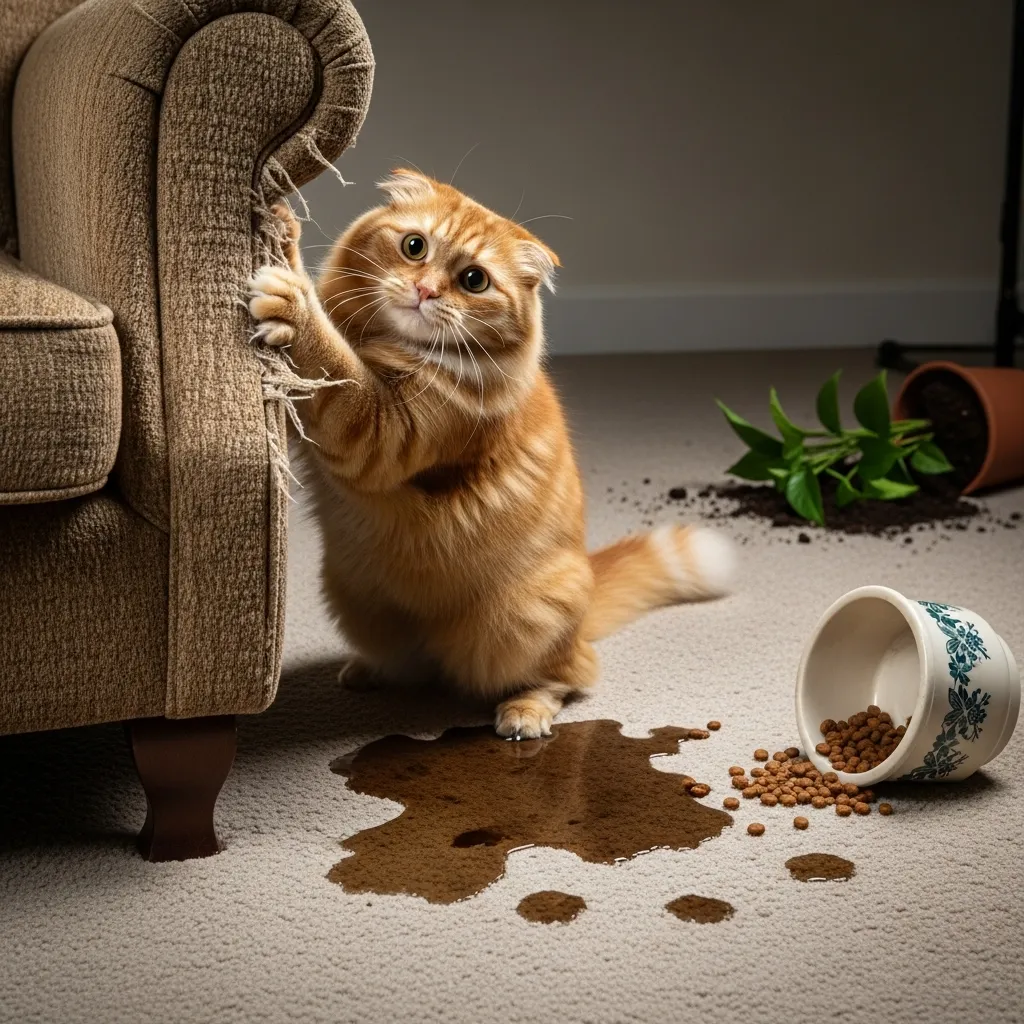
Cleaning Cat Urine Effectively: A Step-by-Step Guide
Cleaning is critical to prevent repeat offenses. Here’s a foolproof process:
- Blot the Area: Use paper towels to absorb as much urine as possible.
- Apply Enzymatic Cleaner: Spray or pour generously and let it sit for 10–15 minutes.
- Rinse and Dry: Dab with clean water and dry thoroughly to avoid lingering moisture.
- Neutralize Odors: Sprinkle baking soda before vacuuming for extra odor control.
- Prevent Access: Temporarily block the spot with furniture or a mat.
For stubborn stains, repeat the process or use a UV light to detect hidden urine spots. Our cat urine smell removal guide dives deeper.
Feline Stress Signs and How to Spot Them
Stress is a major driver of cat peeing behavior problems. Watch for these signs:
- Hiding or avoiding interaction
- Excessive grooming or hair loss (see our cat hair loss guide)
- Changes in appetite or sleep
- Aggression or sudden shyness
If you notice these, address environmental triggers and consider pheromone therapy or vet advice. Our cat anxiety guide offers more tips.
FAQ: Quick Answers to Common Questions
Why does my cat keep peeing in the same spot?
Cats may pee in the same spot due to medical issues (like UTIs), stress, territorial marking, or litter box problems. Check with a vet and optimize the litter box setup.
How can I stop my cat from peeing outside the litter box?
Rule out health issues, clean the soiled area with an enzymatic cleaner, optimize the litter box, and address stress with pheromone diffusers or enrichment.
What are common cat behavior issues related to urination?
Inappropriate urination often ties to stress, territorial marking, or litter box aversion. Other issues include scratching, hiding, or aggression.
Why is thorough cleaning important for cat urine?
Residual urine odor attracts cats back to the same spot. Enzymatic cleaners break down urine molecules to eliminate the scent.
Could my cat’s peeing be a medical issue?
Yes, UTIs, bladder stones, or diabetes can cause litter box avoidance. A vet visit is essential to rule these out.
How do I identify feline stress signs?
Look for hiding, excessive grooming, appetite changes, or aggression. Address stressors like new pets or loud environments.
What are the best enzymatic cleaners for cat urine?
Rocco & Roxie and Nature’s Miracle are top choices for removing urine odors and stains effectively.
How can I retrain my cat to use the litter box?
Use positive reinforcement, deter the problem spot with textures cats dislike, and ensure the litter box is clean and accessible.
Conclusion: Take Control of Your Cat’s Peeing Problem
Dealing with a cat peeing in the same spot can feel overwhelming, but with the right approach, you can turn things around. Start by ruling out medical issues, optimize the litter box, clean thoroughly, and address stress triggers. By combining these vet-backed strategies, you’ll not only stop the behavior but also strengthen your bond with your feline friend.
Ready to dive deeper into cat care? Explore more expert guides on Cat Bloom Haven for tips on everything from litter box solutions to managing cat stress. Your cat and your carpets will thank you!