Why Does My Cat Sit on My Laptop? Unraveling the Mystery Behind This Common Feline Quirk
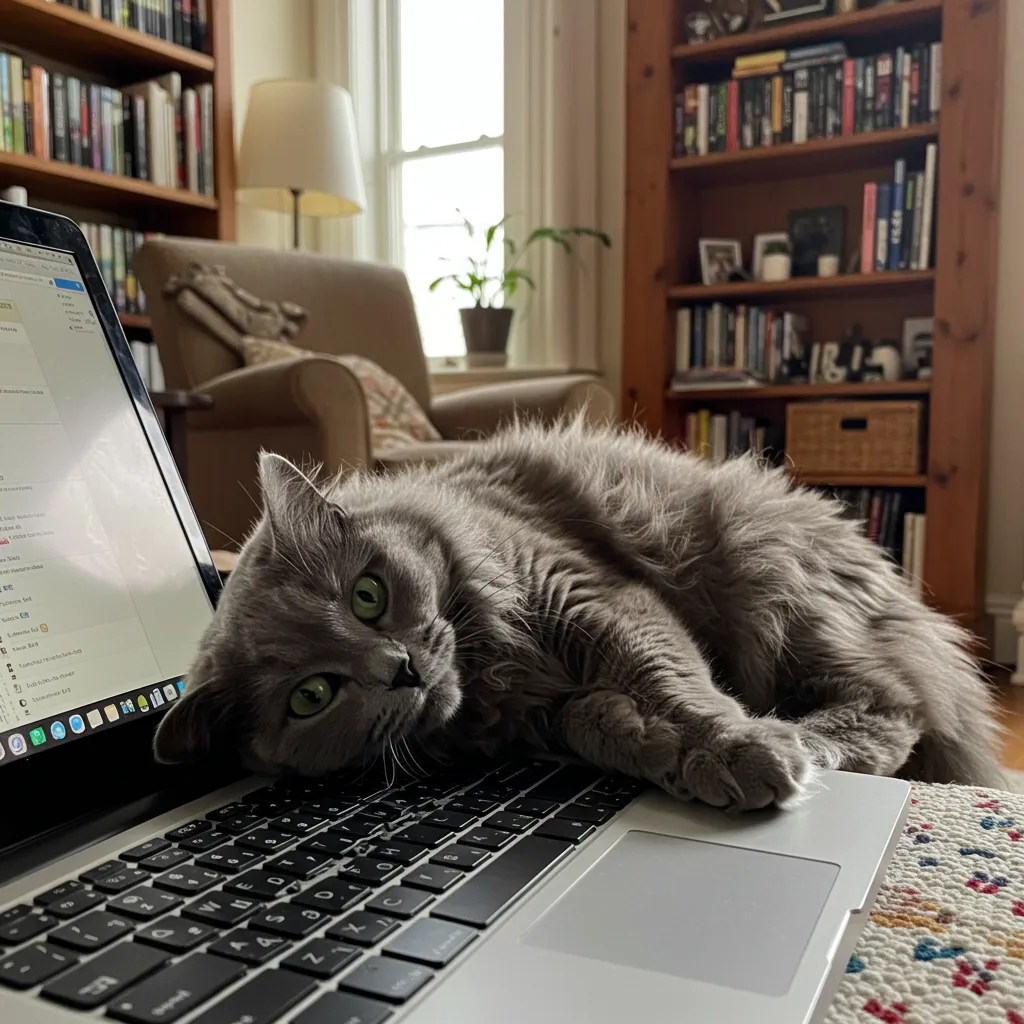
Picture this: You’re deep into a work email, fingers flying across the keys, when suddenly plop! your furry companion decides your laptop is the perfect throne. Sound familiar? If you’re a cat owner, you’ve probably asked yourself, “Why does my cat sit on my laptop?” at least once (or a dozen times).
It’s one of those adorable yet frustrating cat behaviors that leaves us scratching our heads. But don’t worry you’re not alone, and this isn’t just random chaos. Cats sitting on laptops is a widespread phenomenon rooted in their instincts, needs, and even a bit of affection.
In this ultimate guide, we’ll dive deep into the reasons cats like laptops, explore the potential dangers, and share practical tips on how to stop cats from sitting on laptops without turning your home into a battleground. Drawing from expert insights from veterinarians, animal behaviorists, and real cat owners (including hilarious stories from social media), we’ll cover everything you need to know.
By the end, you’ll not only understand your cat’s quirky habits but also have actionable strategies to keep your devices safe and your feline friend happy. Let’s get into it before your cat claims this screen too!
Understanding Cat Behavior: Why Cats Are Drawn to Our Devices
Cats aren’t just being mischievous when they park themselves on your keyboard; it’s often a mix of evolutionary instincts and modern-day adaptations. As indoor cats, they’ve traded jungle prowls for cozy home life, but their core behaviors remain. Let’s break down the cat behavior and device connection.
The Warmth Factor: Why Cats Are Attracted to Warm Places Like Laptops
One of the top reasons cats sit on laptops? Heat! Laptops generate warmth from their fans and processors, creating a toasty spot that’s irresistible to felines. Cats love temperatures around 86–97°F (30–36°C), much warmer than our typical room temps. This attraction to warmth stems from their desert-dwelling ancestors who sought out sunny spots to conserve energy.
- Real-life example: Many cat owners report their pets curling up on laptops during colder months. As one vet explains, “The heat from electronics mimics the sun-baked rocks their wild relatives lounged on.
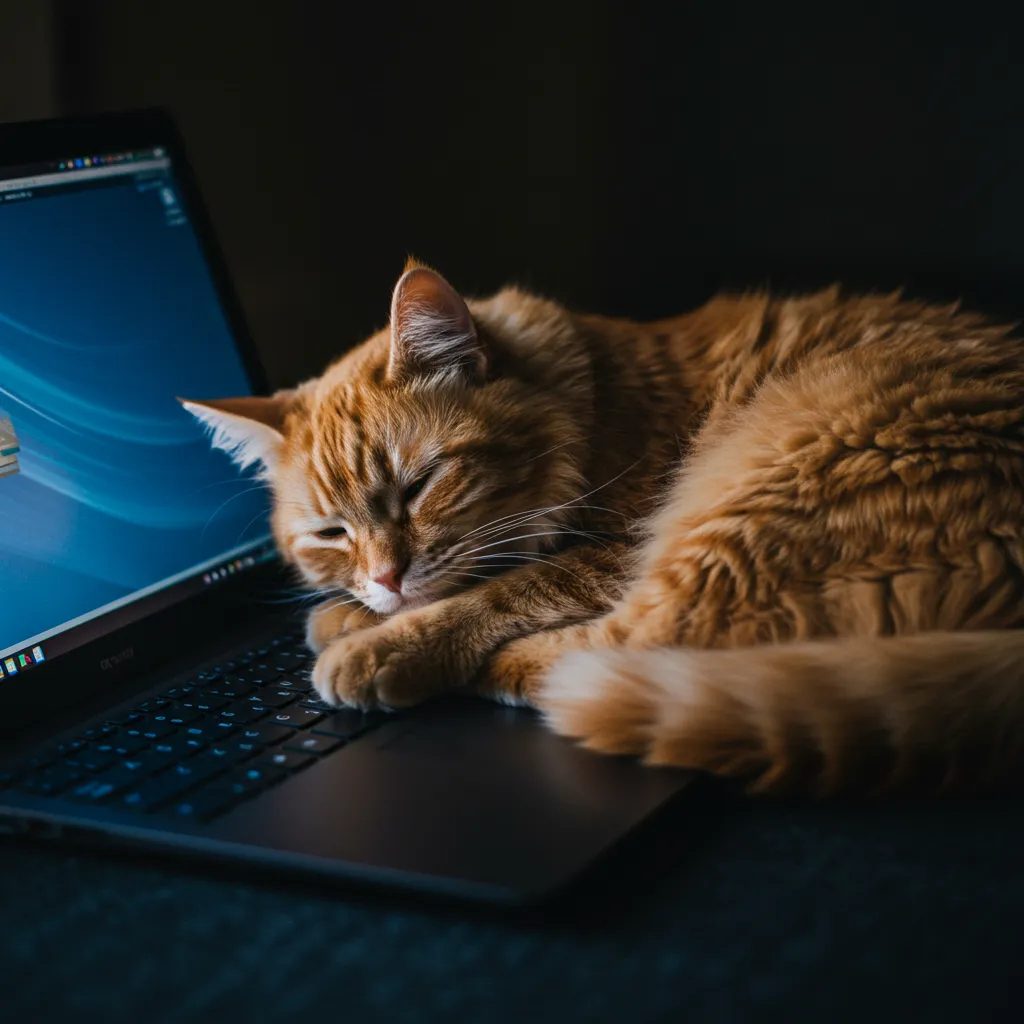
If your cat is always seeking warm places, consider this a sign that they might need more heated options in your home.
Seeking Attention: The “Hey, Look at Me!” Strategy
Ever notice how your cat only sits on your laptop when you’re using it? That’s no coincidence. Cats are smart—they know your device steals your focus, so they insert themselves (literally) to reclaim it. This is classic attention-seeking behavior.
- Why it works: By sitting there, they force interaction—whether it’s petting them or gently moving them aside.
- Mimicking you: Some behaviorists suggest cats mirror human actions. If you’re “working” on the laptop, they want to join in, like a furry coworker.
From X posts, cat owners share stories of setting up toy laptops for their pets, and it often works! One user posted: “Got an old laptop for my cat, and now we ‘work’ side by side.
Territory Marking: Claiming Your Laptop as Your Own
Cats are territorial creatures, and sitting on your laptop is a way to mark it with their scent via glands in their paws and cheeks. Your laptop smells like you (from hours of use), so by adding their scent, they’re saying, “This is ours now.”
- Scent science: Pheromones help cats feel secure in their environment. If your laptop is a high-traffic item, it’s prime real estate for marking.
This explains the “cat sitting on laptop symbolism”—it’s not dominance; it’s affection mixed with ownership.
Curiosity and Comfort: Exploring the Unknown
Cats are naturally curious, and the clicking keys, glowing screen, and humming fan pique their interest. Plus, laptops are often placed in comfy spots like laps or desks, making them ideal for napping near their favorite human.
- Comfort combo: The slight vibration and warmth create a soothing sensory experience, similar to a mother’s purr.
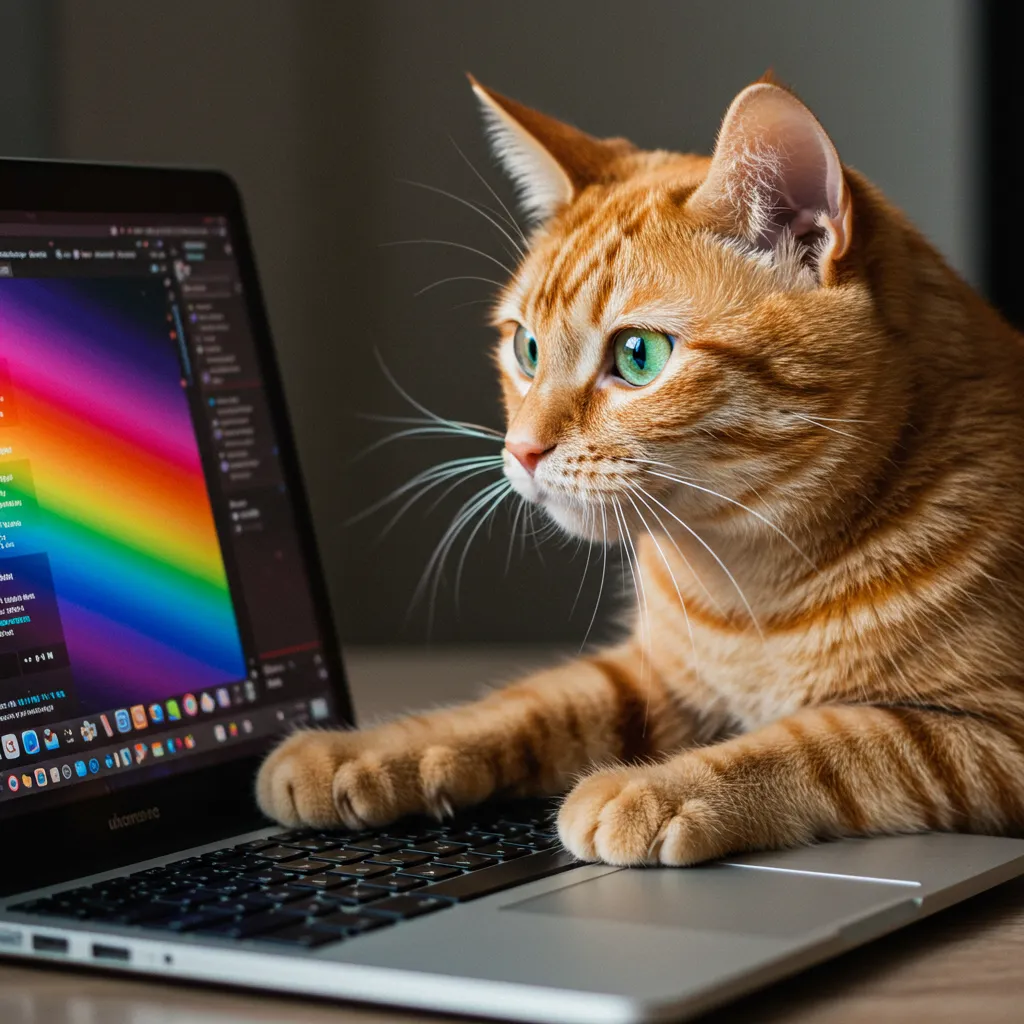
Understanding these feline habits helps us empathize rather than get frustrated.
The Risks and Dangers of Cats Sitting on Laptops
While it’s cute for memes (hello, “cat sitting on keyboard meme meaning”—it’s universal frustration turned funny), there are real dangers of cats sitting on laptops. Ignoring them could lead to costly repairs or health issues for your pet.
Physical Damage to Your Device
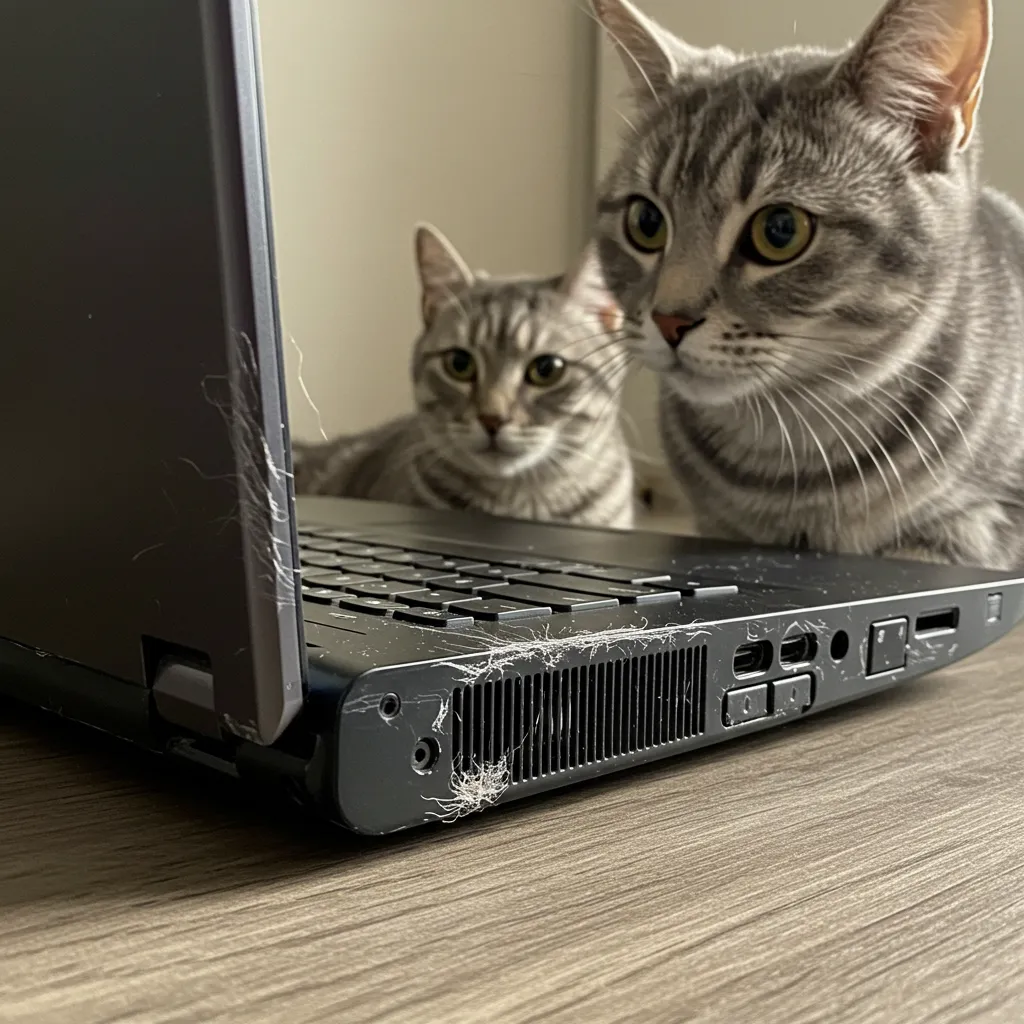
Cats’ claws can scratch screens, keys, and casings. Over time, this adds up.
- Scratching specifics: Even gentle paws can leave marks on glossy surfaces.
- Hair havoc: Fur sheds into vents, blocking airflow and causing overheating. One study shows pet hair can reduce laptop efficiency by up to 30%.
Overheating and Ventilation Problems
Blocked vents from cat hair or body weight can make your laptop run hotter, shortening its lifespan.
- Pro tip: Clean vents monthly if you have pets. Signs of issues: Loud fans or sudden shutdowns.
Electrical and Safety Hazards
Chewing on cords poses shock risks, and if your cat knocks the laptop off, it could break or injure them.
- Parasite potential: Outdoor cats might bring fleas or ticks, which could infest your workspace.
- Health for cats: Prolonged exposure to heat might overheat your pet, though rare. Always monitor.
Table: Common Dangers and Prevention
| Danger | Impact on Laptop | Impact on Cat | Quick Fix |
|---|---|---|---|
| Scratching | Surface damage | None direct | Use a cover |
| Hair in vents | Overheating | Allergens | Regular cleaning |
| Cord chewing | Electrical short | Shock risk | Cord protectors |
| Knocking over | Breaks/falls | Injury | Stable setup |
How to Stop Cats from Sitting on Laptops: Proven Strategies
Tired of typing around a tail? Here’s how to keep cats off laptops with kindness and consistency. Cat training and discipline focus on redirection rather than punishment.
Step-by-Step Guide to Deterring Your Cat
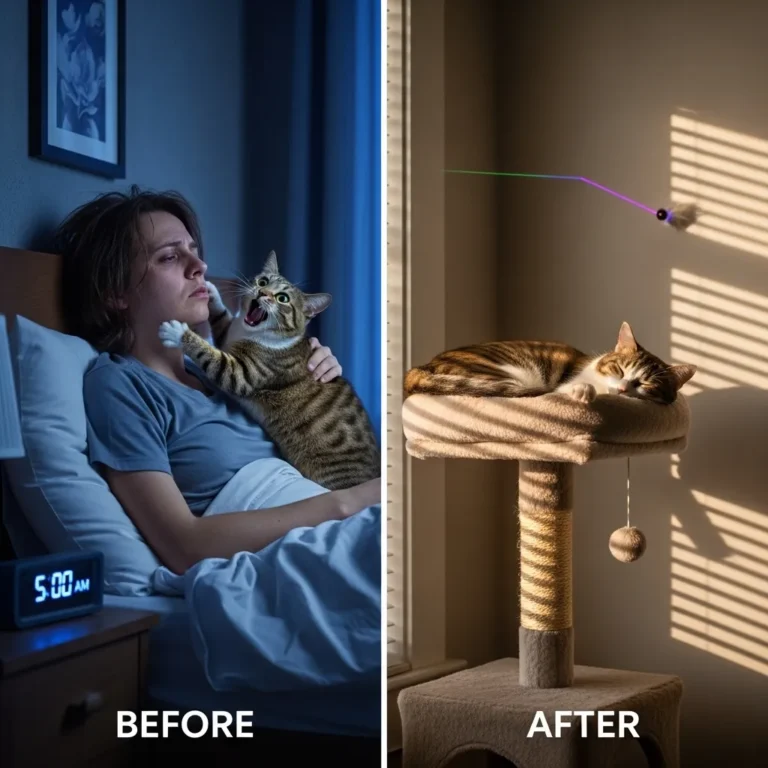
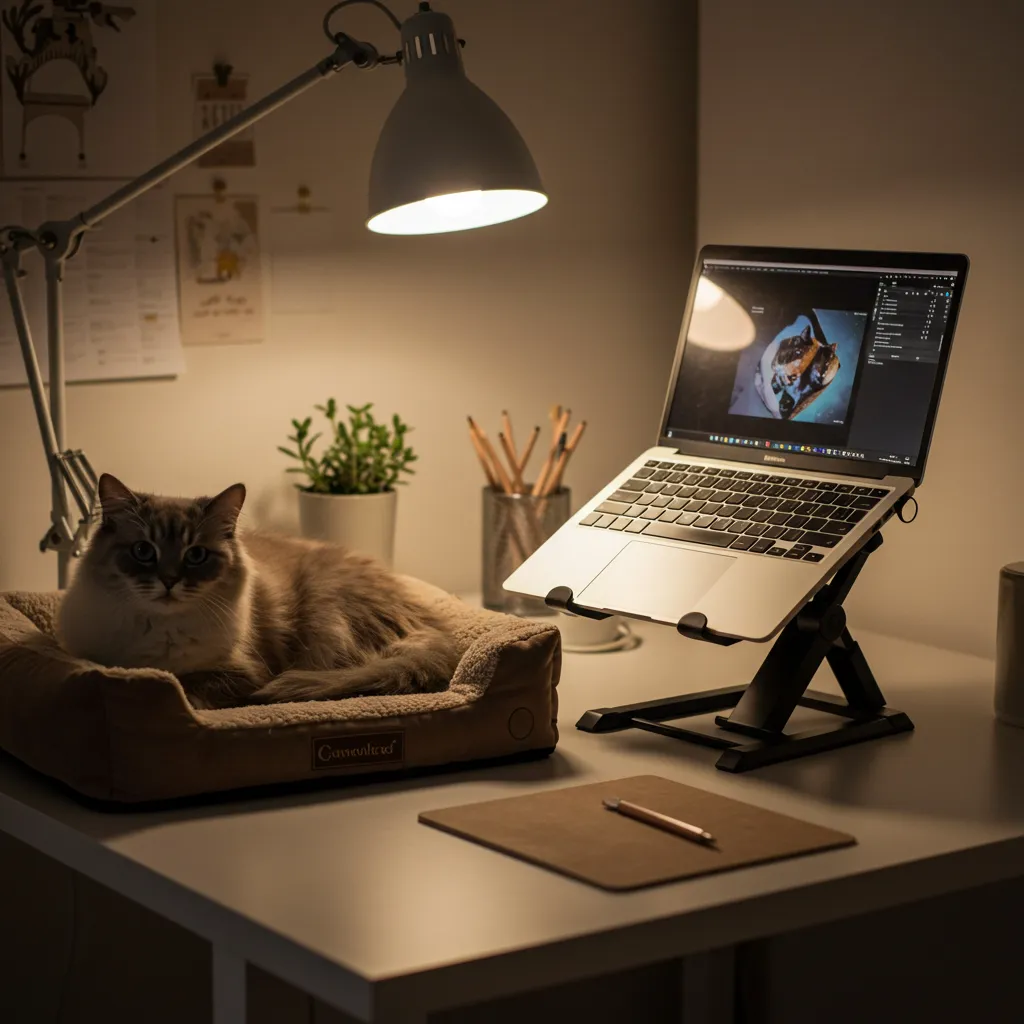
- Provide Cozy Alternatives: Set up a heated cat bed or blanket near your workspace. Warmth is key—try microwaveable pads.
- Use Natural Deterrents: Cats hate citrus smells. Spray a light lemon solution around (not on) your laptop.
- Positive Reinforcement Training: Reward your cat with treats when they choose their spot. Clicker training is highly effective in understanding feline habits.
- Physical Barriers: Invest in a laptop stand to elevate it, or use a clear acrylic cover to prevent sitting.
- Decoy Method: Place an old keyboard or laptop nearby. As seen in viral X threads, cats often prefer the “fake” one.
- Real example: A cat owner shared, “My cat now has her own ‘workstation’—no more interruptions!”
Cat-Proofing Your Laptop: Long-Term Solutions
Preventing cat laptop damage starts with setup.
- Elevate and isolate: Use a standing desk or close the office door.
- Tech aids: Anti-static covers or cord sleeves.
- Routine changes: Play with your cat before work to tire them out.
Pros and Cons of Popular Methods:
- Pros of decoys: Inexpensive, fun.
- Cons: Might not work for all cats.
- Pros of training: Builds bond.
- Cons: Takes time.
For cat care tips for indoor cats, link to our related post: Indoor Cat Enrichment Ideas.
The Deeper Meaning: What Cat Laptop Sitting Says About Your Bond
Beyond annoyance, “cat laptop sitting meaning” often signals trust and love. Your cat chooses you and your warm, scent-filled spot because they feel safe. It’s a compliment!
In memes, it’s humorized as cats “helping” with work, but symbolically, it shows their social side. Embrace it while setting boundaries.
Conclusion: Harmonizing Cat Love and Laptop Life
So, why does my cat love my laptop? It’s a blend of warmth, attention, territory, and curiosity—all wrapped in feline affection. We’ve covered the reasons cats like laptops, the risks involved, and effective ways to stop the habit while keeping your cat happy. Remember, understanding cat behavior explained here can strengthen your bond.
Your cat’s quirks make life fun—let’s keep it that way, safely.
FAQ
Why do cats sit on laptops?
Cats sit on laptops for warmth, attention, scent marking, and comfort. The heat from the device attracts them, while sitting there ensures they get your focus.
What are the risks of cats sitting on laptops?
Risks include scratching, hair clogging vents leading to overheating, electrical hazards from cords, and potential parasites. It can damage your device and pose minor risks to your cat.
How can I keep my cat off my laptop?
Provide alternatives like heated beds, use deterrents, train with rewards, and set up barriers or decoys. Consistency is key to redirecting this behavior.
What is the significance of cat laptop sitting?
It often means your cat trusts you and wants to be close, marking territory while seeking warmth and attention. It’s a sign of affection, not mischief.
How can I understand my cat’s needs when it comes to laptop sitting?
Observe patterns: If it’s for warmth, add cozy spots; for attention, increase playtime. Consult a vet if behavior changes suddenly, as it could indicate needs like more stimulation.