Why Cats Burrow Under Blankets: The Ultimate Guide to Your Feline’s Cozy Obsession
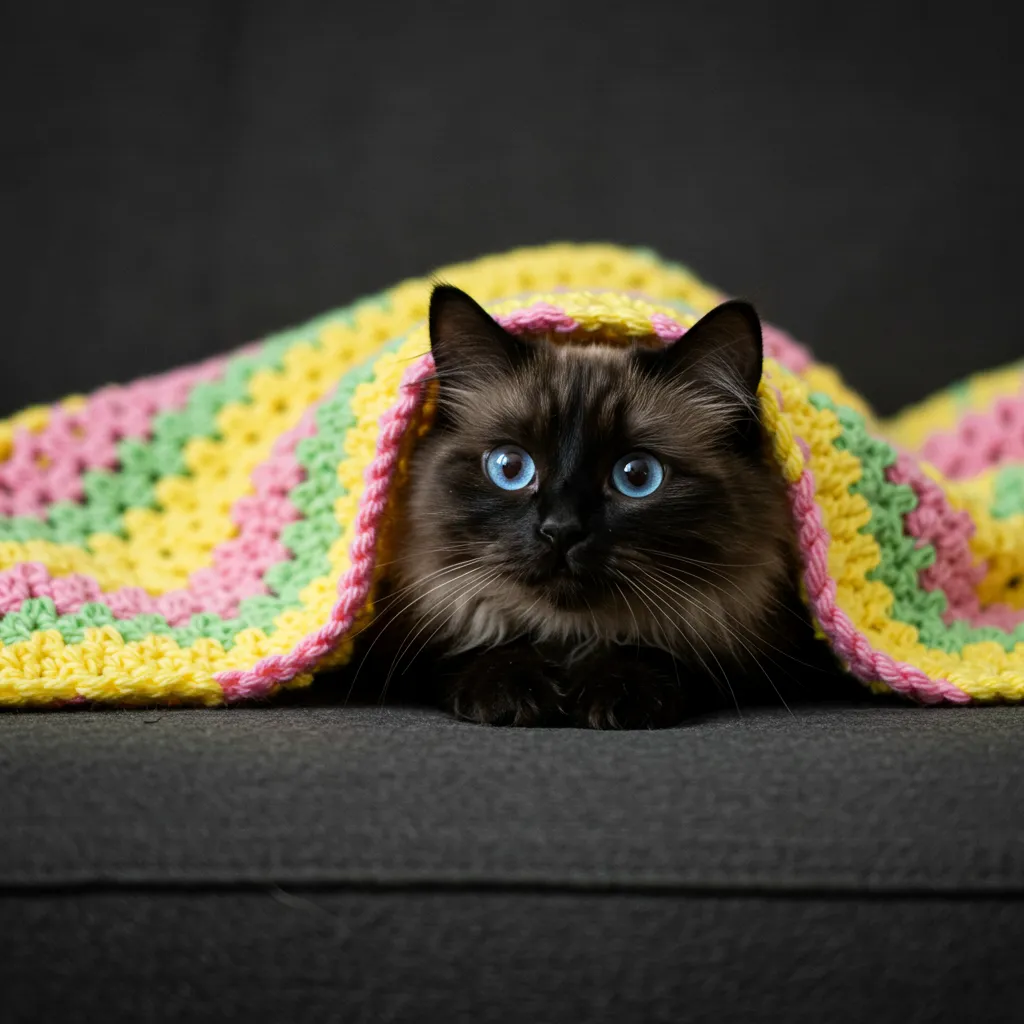
Have you ever tucked yourself into bed, only to feel a mysterious wiggle beneath the sheets? Or maybe you’ve spotted a suspicious lump on the couch that turns out to be your cat, blissfully hidden under a pile of blankets? If you’re a cat owner, you’ve probably puzzled over this adorable quirk: why cats burrow under blankets. It’s one of those charming cat behaviors that leaves us scratching our heads (pun intended), wondering if it’s just for fun or something deeper.
As a lifelong cat enthusiast who’s spent years observing and researching feline habits drawing from insights by veterinarians and behaviorists—this article dives deep into the reasons behind cat burrowing behavior. We’ll explore everything from instinctive drives to modern trends like the “why cats love blankets TikTok trend,” providing actionable tips to help your kitty feel even more secure.
By the end, you’ll not only understand your cat’s sleeping habits but also know how to enhance their comfort, potentially easing any cat anxiety and hiding tendencies. Let’s unravel this cozy mystery together!
Understanding Cat Burrowing Behavior: More Than Just a Cute Habit
Cat burrowing behavior isn’t random—it’s a fascinating blend of evolution, emotion, and environment. Cats, descendants of wild felines like the African wildcat, have retained many instinctive behaviors that help them survive and thrive. Burrowing under blankets mimics hiding in dense foliage or burrows in the wild, offering protection from predators while allowing them to ambush prey. In our homes, this translates to why cats hide under blankets for comfort and security.
But why does this matter to you? If your cat is frequently burrowing, it could signal they’re seeking warmth, dealing with stress, or simply enjoying a playful hideout. Ignoring these cues might miss opportunities to improve their well-being, like spotting signs of cat anxiety and hiding early. In this guide, we’ll break down the top reasons, backed by expert insights, and share practical ways to support your furry friend.
Key Evolutionary Roots of Cat Instincts and Comfort
To grasp why cats sleep under covers, we need to look at their ancestry. Wild cats often sought enclosed spaces for safety—think thick bushes or rocky crevices. This “bush dweller” instinct persists in domestic cats, making blankets an ideal modern substitute. It’s not just about hiding; it’s about creating a personal den that feels secure.
- Warmth Regulation: Cats have a higher body temperature (around 101-102.5°F) than humans, so they crave cozy spots. Blankets trap heat, turning them into perfect warm nests.
- Scent Marking: By burrowing, cats rub their scent glands on the fabric, claiming it as their territory.
- Sensory Comfort: The pressure from blankets can mimic the swaddling feeling from kittenhood, promoting relaxation.
Real-life example: My own tabby, Whiskers, would burrow under blankets during thunderstorms, emerging only when the noise stopped. This highlights how cat instinctive behaviors tie into everyday life.
The Top 8 Reasons Why Cats Burrow Under Blankets
Expanding on common explanations, here are eight detailed reasons your cat might be tunneling under the covers. We’ve gone beyond the basics with vet-verified insights and tips to make this more comprehensive than typical lists.
1. Seeking Ultimate Warmth and Coziness
One of the simplest answers to why cats like blankets is warmth. Cats are heat-seekers, and burrowing helps them conserve body heat, especially in cooler homes.
Pros of Blanket Burrowing for Warmth:
- Efficient heat retention without needing extra gadgets.
- Mimics natural denning for better sleep quality.
Cons:
- Risk of overheating in summer—monitor for panting.
- Potential for restricted airflow if blankets are too heavy.
Step-by-Step Guide to Creating a Warm Burrow Spot:
- Choose soft, breathable blankets like fleece or wool.
- Layer them in a quiet corner away from drafts.
- Add a self-heating cat pad for extra coziness.
- Observe your cat’s preferences—some love electric blankets on low (supervised only!).
If your cat’s burrowing spikes in winter, consider a heated bed to satisfy their cat comfort and warmth needs.
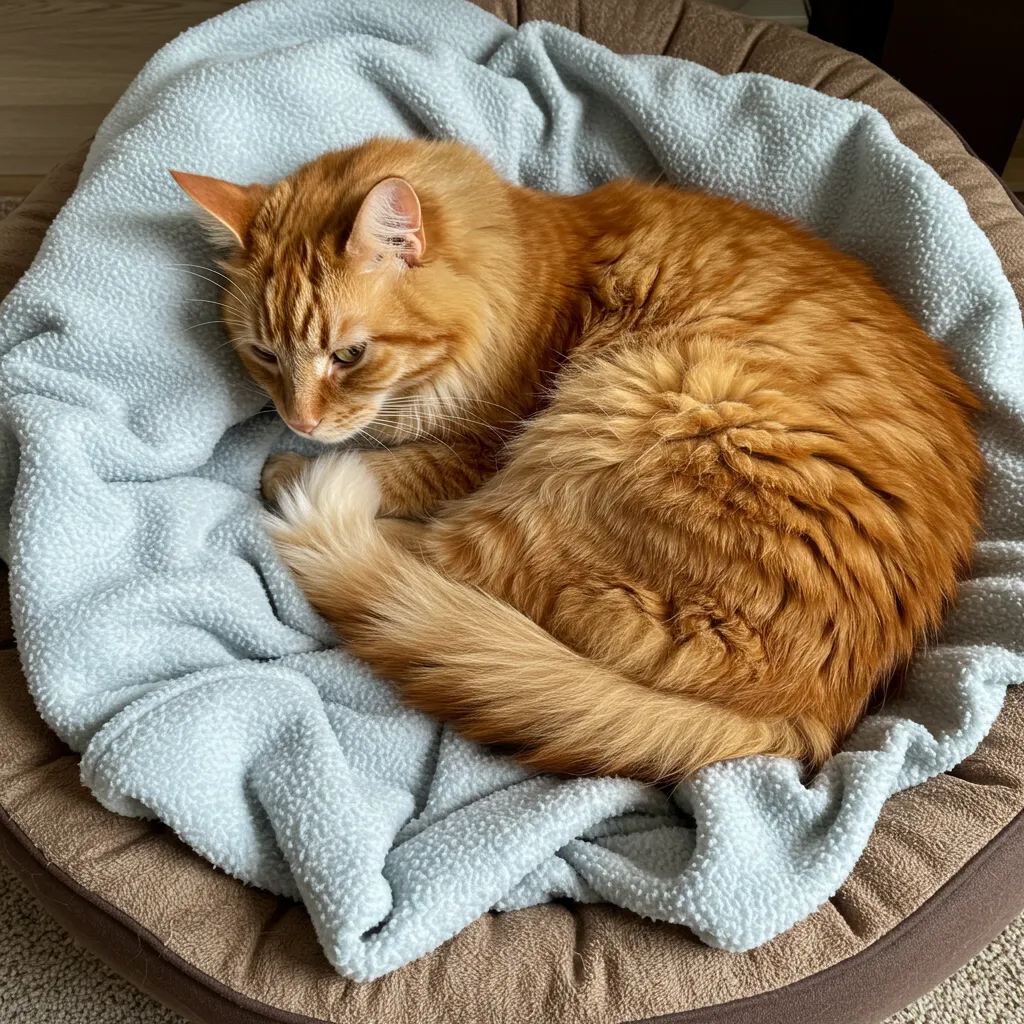
2. Instinctual “Bush Dweller” Behavior in Action
This ties directly to cat behavior explained through evolution. In the wild, cats burrow into bushes for camouflage and protection. Domestically, blankets serve the same purpose, explaining why cats feel safe in small spaces.
Table: Wild vs. Domestic Burrowing Behaviors
| Aspect | Wild Cats | Domestic Cats |
|---|---|---|
| Purpose | Ambush hunting, predator avoidance | Playful pouncing, stress relief |
| Environment | Bushes, dens | Blankets, boxes |
| Benefits | Survival edge | Emotional security |
Expert Tip: Encourage this instinct with tunnel toys or blanket forts to channel their energy positively.
3. Craving Safety and Emotional Comfort
Cats hiding for comfort is a big one—blankets create a barrier from the world, reducing vulnerability. This is especially true for shy or rescued cats.
Signs Your Cat Feels Stressed (And Might Burrow More):
- Excessive grooming or pacing.
- Avoiding eye contact or hiding more often.
- Changes in appetite.
How to Make Cats Feel Secure Indoors:
- Provide multiple hiding spots, like covered beds.
- Use pheromone diffusers for calming effects.
- Maintain a consistent routine to minimize surprises.
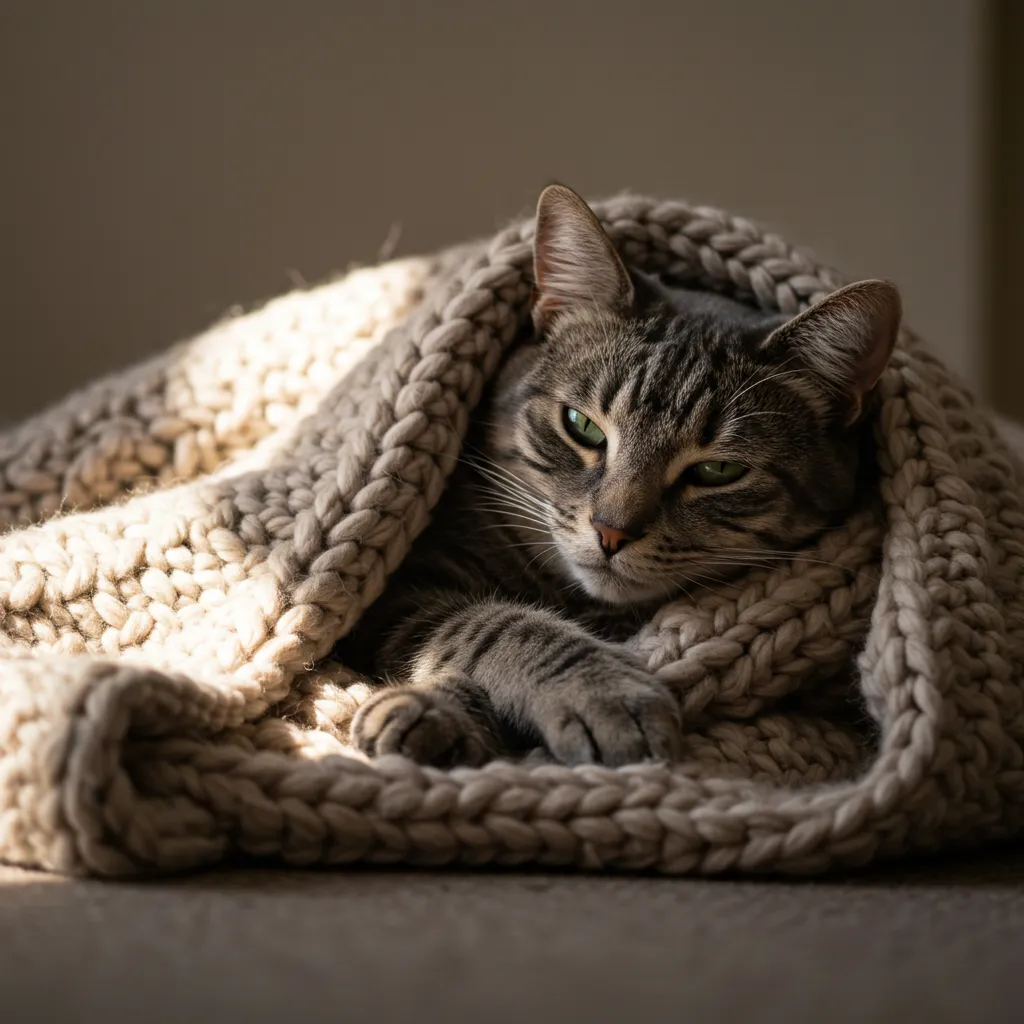
Anecdote: A friend’s cat, after moving homes, burrowed constantly until they introduced a blanket-lined crate—problem solved!
4. Playfulness: Turning Blankets into Hunting Grounds
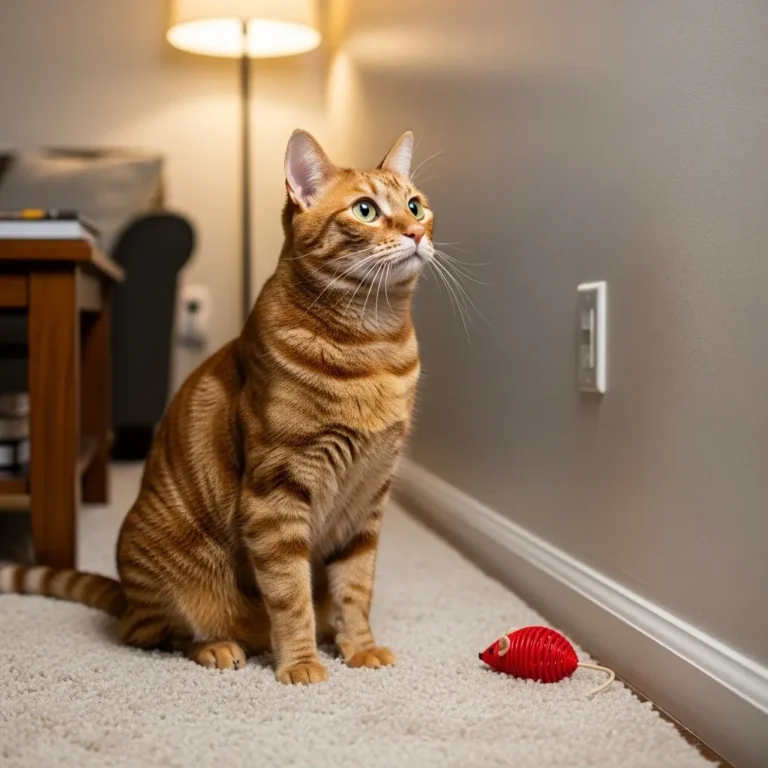
Ever seen your cat dart under the covers for a surprise attack? This playful side of cat burrowing behavior taps into their hunting instincts. It’s why cats love blankets as ambush spots.
Fun Games to Encourage Safe Play:
- Wiggle a toy under the blanket to simulate prey.
- Create a “blanket maze” with tunnels.
- Reward with treats post-play to build positive associations.
Watch for overexcitement—redirect if claws come out!
5. Anxiety Relief: A Cozy Escape from Stress
Cat anxiety and hiding often go hand-in-hand. Burrowing can be a self-soothing mechanism during loud noises or changes. With 2025 trends focusing on cat anxiety relief, more owners are noticing this.
Pros/Cons Table for Burrowing as Stress Relief:
| Pros | Cons |
|---|---|
| Natural, no-cost coping | Could mask underlying issues |
| Builds trust with owners | Excessive hiding needs vet check |
Tips: Incorporate cozy cat behavior routines, like daily play sessions, to reduce stress. For severe cases, consult a vet about anxiety aids.
6. Texture Preferences: The Appeal of Soft Fabrics
Cats are picky about textures—soft, plush blankets feel like mother’s fur, triggering comfort responses.
Best Blanket Materials for Cats:
- Fleece: Soft and warm.
- Cotton: Breathable and easy to clean.
- Avoid: Wool (if allergic) or synthetics that static.

Expert Tip: Rotate blankets to keep things fresh and engaging.
7. Potential Health Indicators: When Burrowing Signals Sickness
While usually harmless, excessive burrowing might indicate illness, like pain or fever. Monitor for other signs like lethargy.
When to See a Vet:
- Burrowing lasts days without emerging.
- Accompanied by vomiting or weight loss.
Preventive Steps: Annual check-ups and a balanced diet keep issues at bay.
8. Bonding and Affection: Burrowing Near You
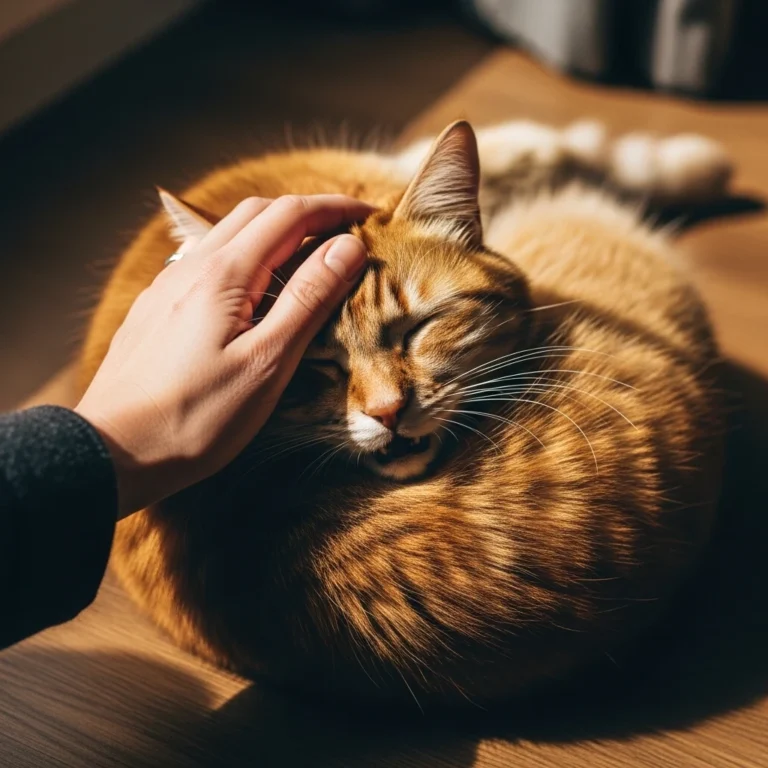
Sometimes, it’s about you! Cats burrow under blankets with your scent for closeness, showing trust.
Ways to Strengthen the Bond:
- Share blanket time with gentle pets.
- Leave worn clothes for them to burrow in.
This cozy cat behavior deepens your relationship.
Cat Sleeping Habits: How Burrowing Fits In
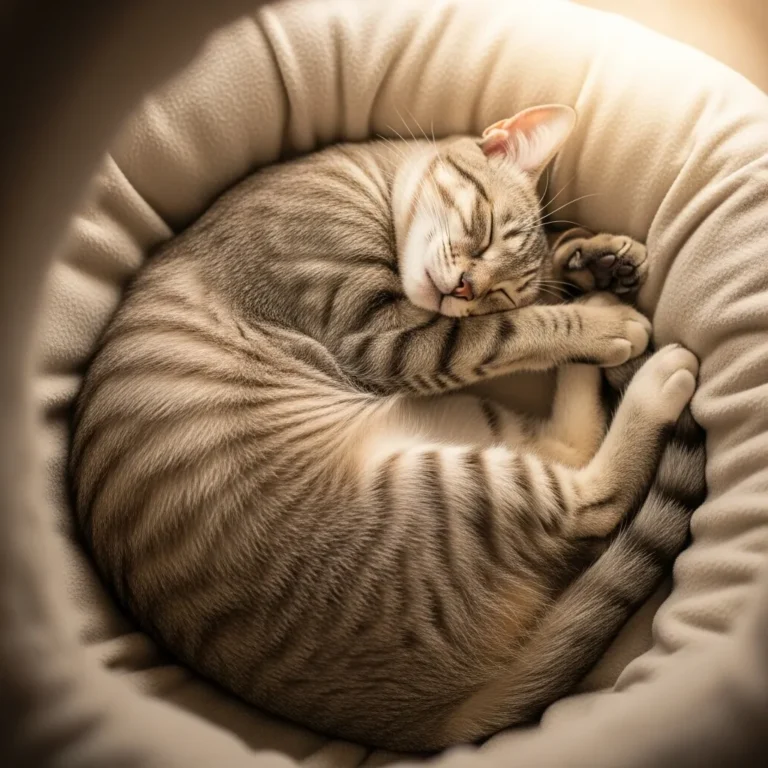
Cat sleeping habits are legendary—they snooze up to 16 hours daily! Burrowing enhances this by providing darkness and quiet, mimicking nocturnal instincts.
Comparison Table: Burrowing vs. Other Sleep Spots
| Sleep Spot | Benefits | Drawbacks |
|---|---|---|
| Under Blankets | Warm, secure | Potential suffocation risk |
| On Windowsills | Sunlight, views | Drafty, exposed |
| In Boxes | Enclosed, cheap | Less comfy without padding |
To optimize, combine: A box with blankets inside.
2025 Trends: Why Cats Love Blankets TikTok Trend and Beyond
The “why cats love blankets TikTok trend” has exploded, with videos of cats burrowing going viral. It’s not just cute—it’s sparking discussions on cat anxiety relief and signs your cat feels stressed.
Trending Tips:
- Film your cat’s burrows safely (no flash!).
- Share on socials with #CozyCatBehavior.
- Use trends to learn: Many videos highlight how burrowing helps indoor security.

Creating the Perfect Burrow-Friendly Home
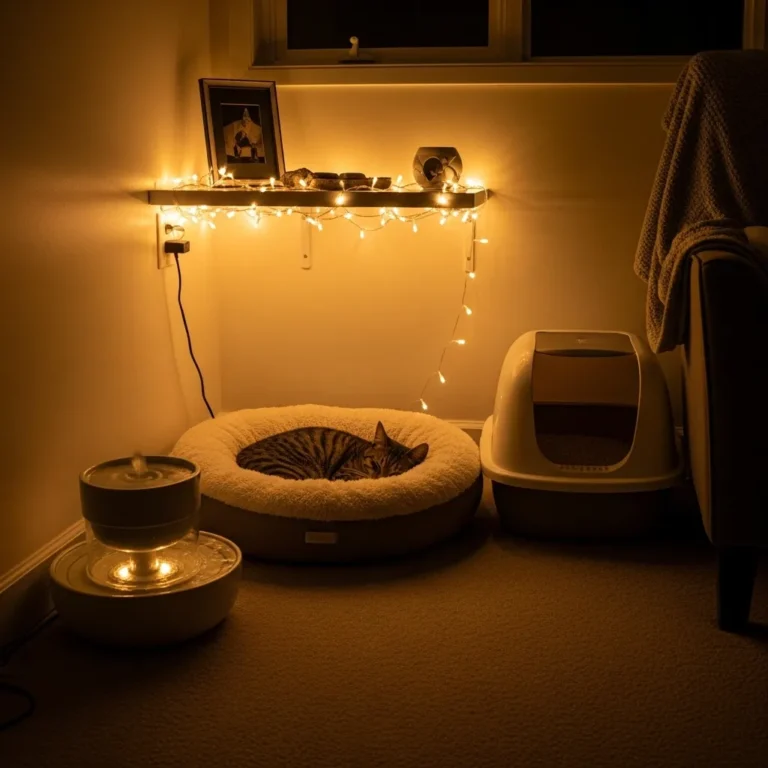
Step-by-Step Setup for Cat Comfort Zones
- Assess your space: Identify quiet areas.
- Gather materials: Blankets, beds, tunnels.
- Test and observe: See what your cat prefers.
- Maintain: Wash blankets weekly to prevent allergens.
Expert-Recommended Products
- Heated blankets (pet-safe).
- Anxiety wraps like ThunderShirts.
- Interactive toys for play-burrowing.
Conclusion: Embrace Your Cat’s Burrowing for a Happier Home
In wrapping up, why cats burrow under blankets boils down to a mix of warmth, security, play, and instinct—key elements of cat behavior explained. From the “bush dweller” roots to modern cat anxiety relief, understanding these habits lets you better support your pet’s well-being. Whether it’s cozy cat behavior or signs of stress, paying attention strengthens your bond.
Ready to enhance your cat’s life? Try setting up a dedicated burrow spot today and watch them thrive. Share your cat’s burrowing stories in the comments below—we’d love to hear! For more tips, subscribe to our newsletter or read our related post on [Cat Sleeping Habits]. If this helped, consider sharing with fellow cat lovers.
FAQ: Quick Answers to Your Cat Burrowing Questions
Why do cats burrow under blankets?
Cats burrow for warmth, security, and instinctual comfort, mimicking wild hiding spots.
What is the “bush dweller” instinct in cats?
It’s an evolutionary trait where cats hide in enclosed spaces like bushes (or blankets) for protection and ambush hunting.
Why do cats feel safe under blankets?
The enclosure reduces exposure, providing a sense of security similar to a den.
Do cats burrow in blankets for play?
Yes, it taps into their hunting instincts, turning blankets into fun ambush zones.
Can cats burrow under blankets to find relief from anxiety?
Absolutely—it’s a self-soothing behavior during stress, like loud noises or changes.
Why do cats have texture preferences when burrowing under blankets?
Soft fabrics feel comforting, reminiscent of kittenhood nesting.
What should I do if my cat burrows under blankets excessively?
Monitor for illness signs and consult a vet; it could indicate pain or anxiety.