Cat Escape Behavior: Why Your Feline Friend Keeps Bolting and How to Stop It for Good
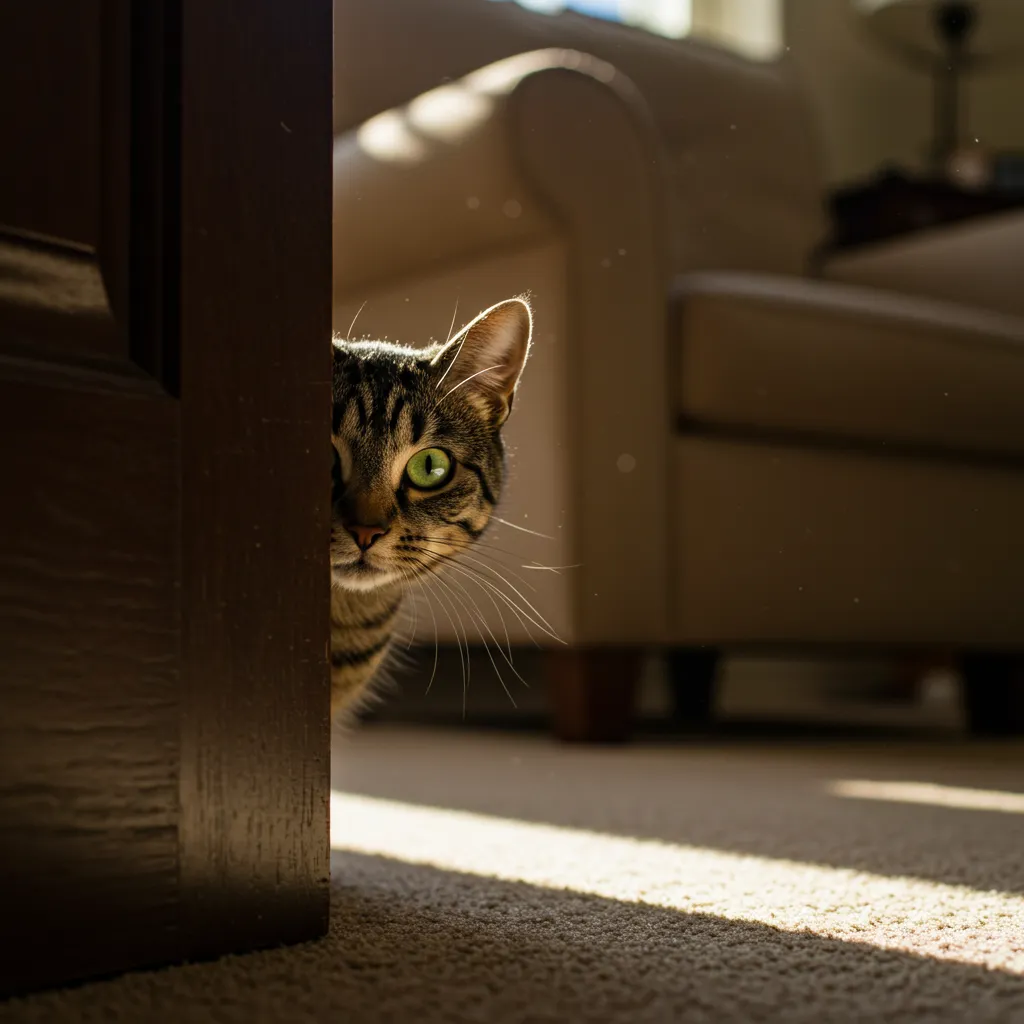
Imagine this: You’re juggling groceries, keys in hand, and as soon as the door cracks open, your cat darts out like a furry lightning bolt. Sound familiar? If you’re dealing with cat escape behavior, you’re not alone. Millions of cat owners face this frustrating—and potentially dangerous—issue every day.
Cats are natural explorers, but when that curiosity leads them outside unsupervised, it can spell trouble: traffic hazards, predators, or even getting lost. But don’t worry; this ultimate guide is your one-stop solution. As a seasoned cat behavior expert with years of experience helping pet parents create safe, stimulating homes for their felines,
I’ll dive deep into why cats try to escape, proven prevention strategies, and innovative ways to keep your indoor cat happy and secure. By the end, you’ll have actionable steps to curb those escape attempts and boost your cat’s well-being. Let’s turn your home into a cat paradise—no more heart-pounding chases!
Understanding Cat Escape Behavior: The Root Causes
Cat escape behavior isn’t just random mischief; it’s often rooted in instinct, environment, or unmet needs. Cats are descendants of wild hunters, so that urge to bolt outside stems from deep-seated drives. But understanding the “why” is the first step to finding effective cat behavior solutions.
Why Does My Cat Keep Running Outside? Top Reasons Explained
Ever wondered, “Why does my cat keep running outside?” It’s a common query, and the answers are multifaceted. Based on insights from veterinary experts and pet behaviorists, here are the primary culprits:
- Curiosity and Exploration Instincts: Cats are wired for adventure. The outdoors offers new sights, sounds, and smells that your home might lack. A simple bird chirping or rustling leaves can trigger that dash.
- Hunting Drive: Even well-fed indoor cats retain their predatory instincts. Spotting prey like a squirrel or insect outside can make them desperate to escape and chase.
- Mating Urges: Unspayed or unneutered cats are more prone to escaping in search of a mate. Hormones can turn your mellow kitty into an escape artist overnight.
- Boredom and Lack of Stimulation: If your home feels like a dull cage, cats will seek excitement elsewhere. This ties into indoor cat escape behavior, where insufficient playtime or toys leads to frustration.
- Stress or Anxiety: Changes like a new pet, moving house, or loud noises can cause cat anxiety and escape behavior. Cats might bolt to find a “safer” spot.
- Territorial Instincts: Outdoor cats mark territory, but even indoors, they might escape to patrol or avoid conflicts inside.
Real-life example: Take Max, a 2-year-old tabby I worked with. His owners noticed he started escaping after a new puppy arrived. It turned out to be stress—Max was seeking peace. By creating a puppy-free zone and adding enrichment, his escapes stopped cold.
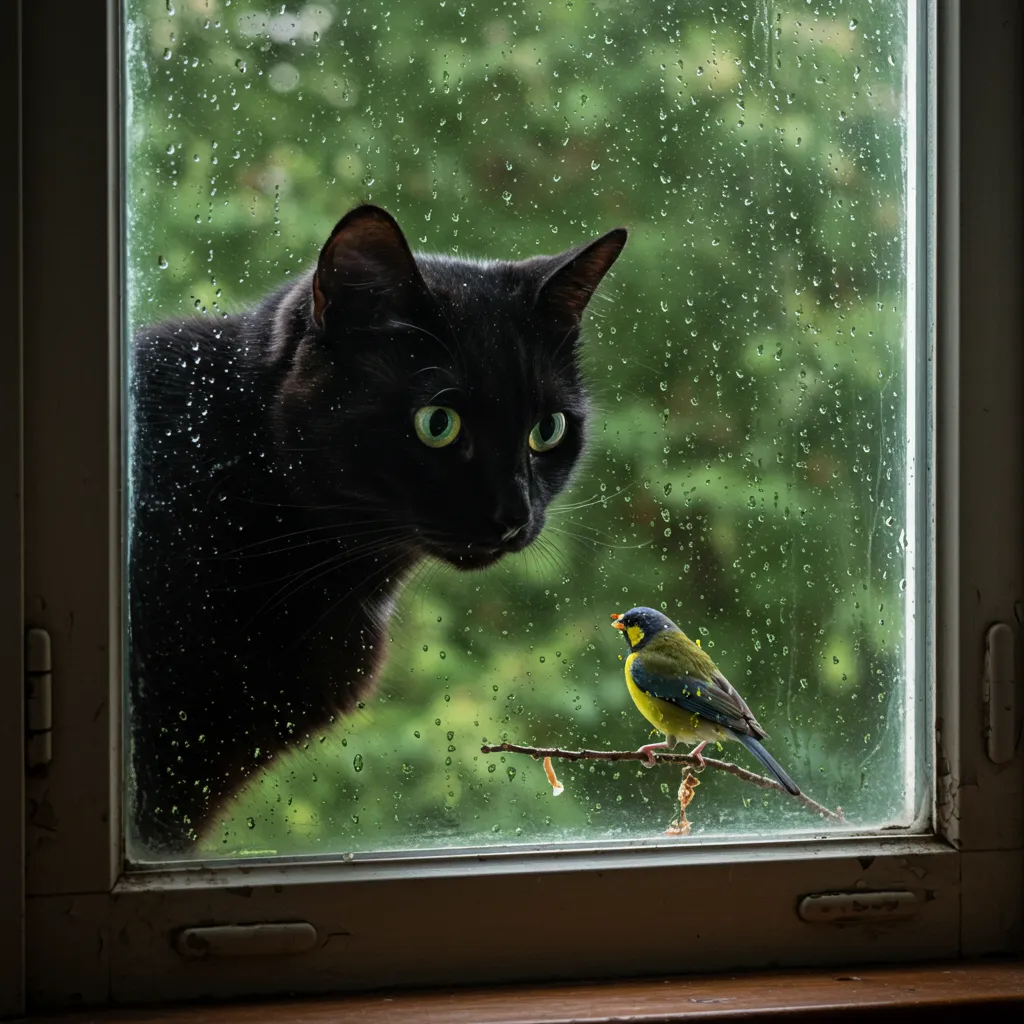
To gauge your cat’s motivations, observe patterns: Does it happen during feeding times, when doors open, or after play sessions? Tracking this helps tailor solutions.
Prevent Cats from Escaping: Foolproof Strategies and Tips
Now that we know the “why,” let’s tackle “how to stop cats from running outside.” Prevention is key to cat safety tips, and these methods are backed by organizations.
Door-Dashing Deterrents: Physical Barriers and Habits
Start with the basics—make escaping harder:
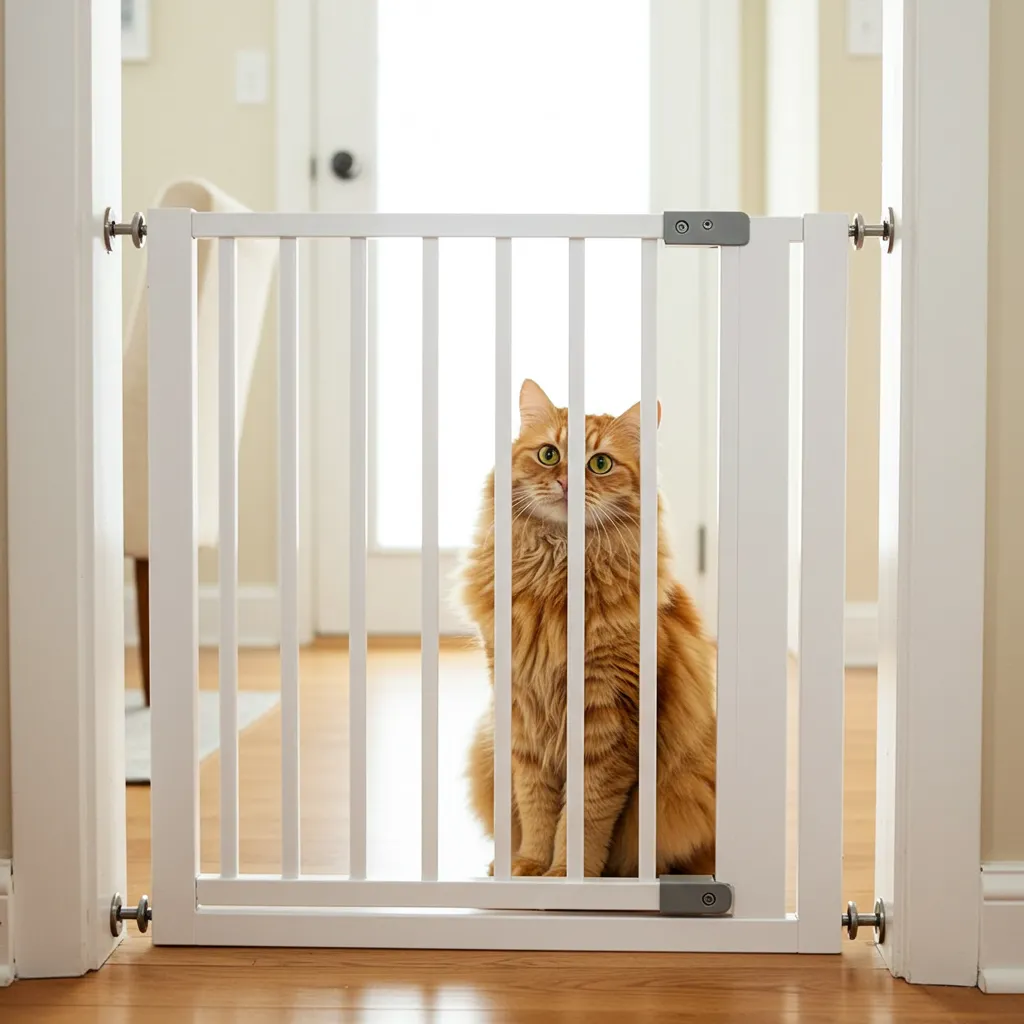
- Create an Airlock System: Use a garage, mudroom, or baby gate as a buffer zone. Enter the airlock first, close the inner door, then exit. This “double-door” trick prevents direct access.
- Block Preferred Routes: Place furniture or tall enclosures near doors to obstruct paths. For windows, use secure screens or deterrents like double-sided tape on sills—cats hate sticky feet!
- Train Family Members: Teach everyone to check for cats before opening doors. A simple “Cat check!” call can become a household habit.
Pros and Cons of Physical Barriers:
| Barrier Type | Pros | Cons |
|---|---|---|
| Baby Gates | Affordable, easy to install | Cats might jump over |
| Screen Doors | Allows air flow | Requires secure fitting |
| Enclosures | Highly effective | Can be pricey |
Behavioral Deterrents: Gentle Aversion Techniques
Not all prevention is physical. Use these to discourage without fear:
- Water Spray or Noise Makers: A quick spritz from a bottle or loud clap can startle without harm, associating doors with unpleasantness. Use sparingly to avoid stress.
- Foil or Sticky Surfaces: Line door areas with aluminum foil—cats detest the crinkle and feel.
Remember, positive reinforcement works best. Reward staying inside with treats to build good habits.
Environmental Enrichment for Cats: The Key to Indoor Happiness
One of the best cat behavior solutions is making the indoors irresistible. Environmental enrichment for indoor cats combats boredom, reducing escape urges. Experts from the American Animal Hospital Association emphasize that enriched cats are happier and less likely to bolt.
Benefits of Environmental Enrichment for Cats
- Reduces stress and anxiety
- Satisfies instincts like hunting and climbing
- Prevents destructive behaviors
- Improves overall health and longevity
Best Toys for Cat Enrichment in 2025
Stock up on these trending picks to keep your cat engaged:
- Interactive Puzzle Feeders: Hide treats in puzzles like the Trixie Activity Board. Great for mental stimulation.
- Wand Toys with Feathers: Brands like Go Cat mimic prey, encouraging pounce-and-chase play.
- Motion-Activated Toys: The VIWIK Interactive Cat Toy zips around unpredictably, perfect for solo play.
- Catnip and Silvervine Toys: Refillable options like stuffed fish or carrots from Dezi & Roo provide euphoric fun.
- DIY Options: Cardboard boxes with cutouts or paper bags—simple, free, and endlessly entertaining.
Rotate toys weekly to keep things fresh. Aim for 15-20 minutes of play daily.
Real tip from X users: Place boxes around for hiding—cats love them!
Safe Outdoor Enclosures for Cats: Introducing the Catio
If indoor life isn’t enough, consider safe outdoor spaces for cats. A catio (cat patio) lets your feline friend enjoy the outdoors without risks. This is ideal for indoor vs outdoor cats care guide debates, offering the best of both worlds.
What is a Catio and Why It’s a Game-Changer
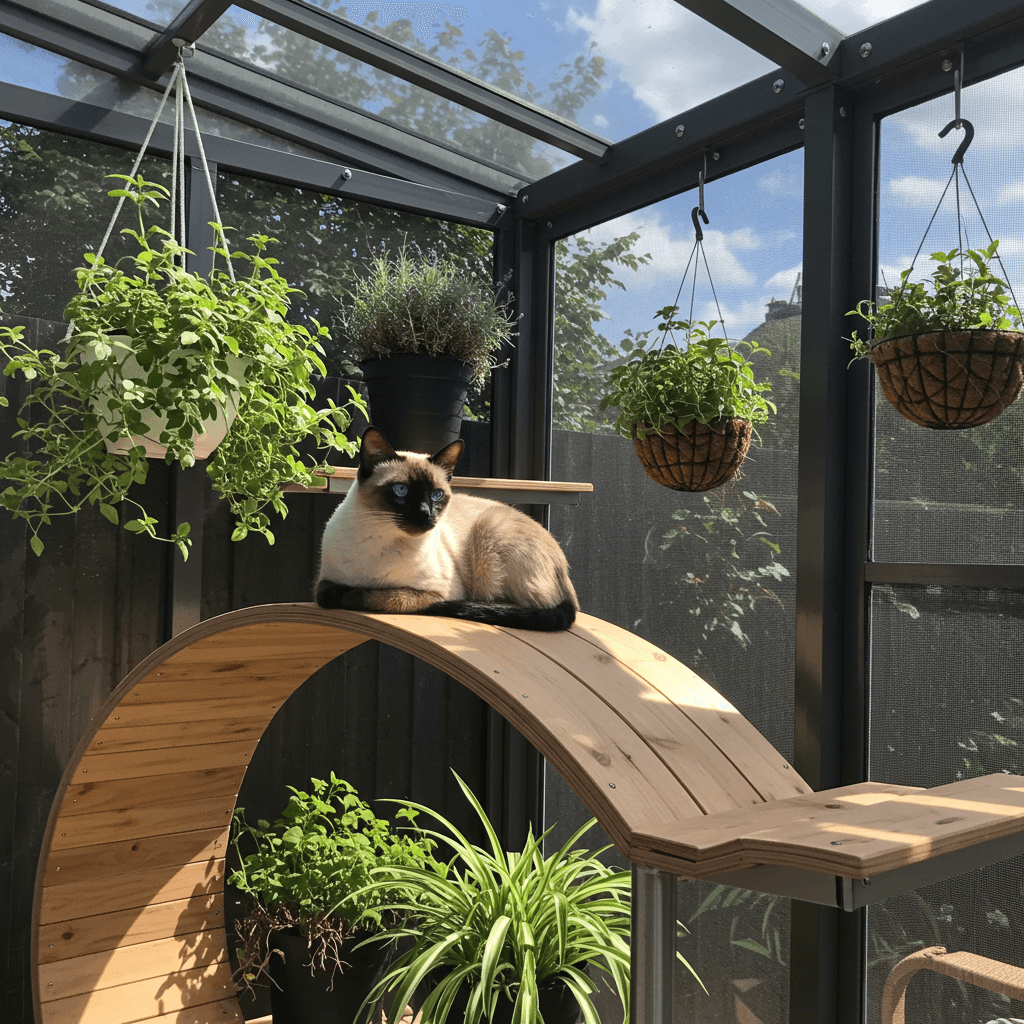
A catio is a secure, enclosed outdoor space attached to your home. It prevents escapes while allowing fresh air and stimulation. According to Martha Stewart, catios are trending for their stylish designs and cat safety benefits.
Catio Design Ideas for 2025
Get inspired with these modern ideas:
- Window Box Catio: Compact and DIY-friendly. Attach to a window sill with mesh walls—perfect for apartments.
- Deck or Patio Extension: Build ramps, shelves, and hammocks. Add fairy lights for evening vibes.
- Freestanding Yard Catio: Larger designs with astroturf, climbing posts, and hiding spots. Include a litter box for convenience.
- Portable Options: Foldable catios for renters, complete with tunnels and perches.
Step-by-Step DIY Catio Guide:
- Measure your space and sketch a plan.
- Gather materials: Wire mesh, wood frames, zip ties.
- Build the frame and secure mesh (cat-proof gaps under 2 inches).
- Add enrichments: Grass planters, scratching posts.
- Connect to home via a window or door flap.
- Test for safety—ensure no escape routes.
Cat Behavioral Training: Techniques to Prevent Escaping
Training cats to stay indoors is possible with patience and positivity. Forget myths about untrainable cats—these methods from Jackson Galaxy and RSPCA work wonders.
Step-by-Step Training Guide
- Positive Reinforcement: Reward calm behavior near doors with treats. Use clicker training for precision.
- Desensitization: Gradually expose your cat to door openings without letting them out. Pair with toys to distract.
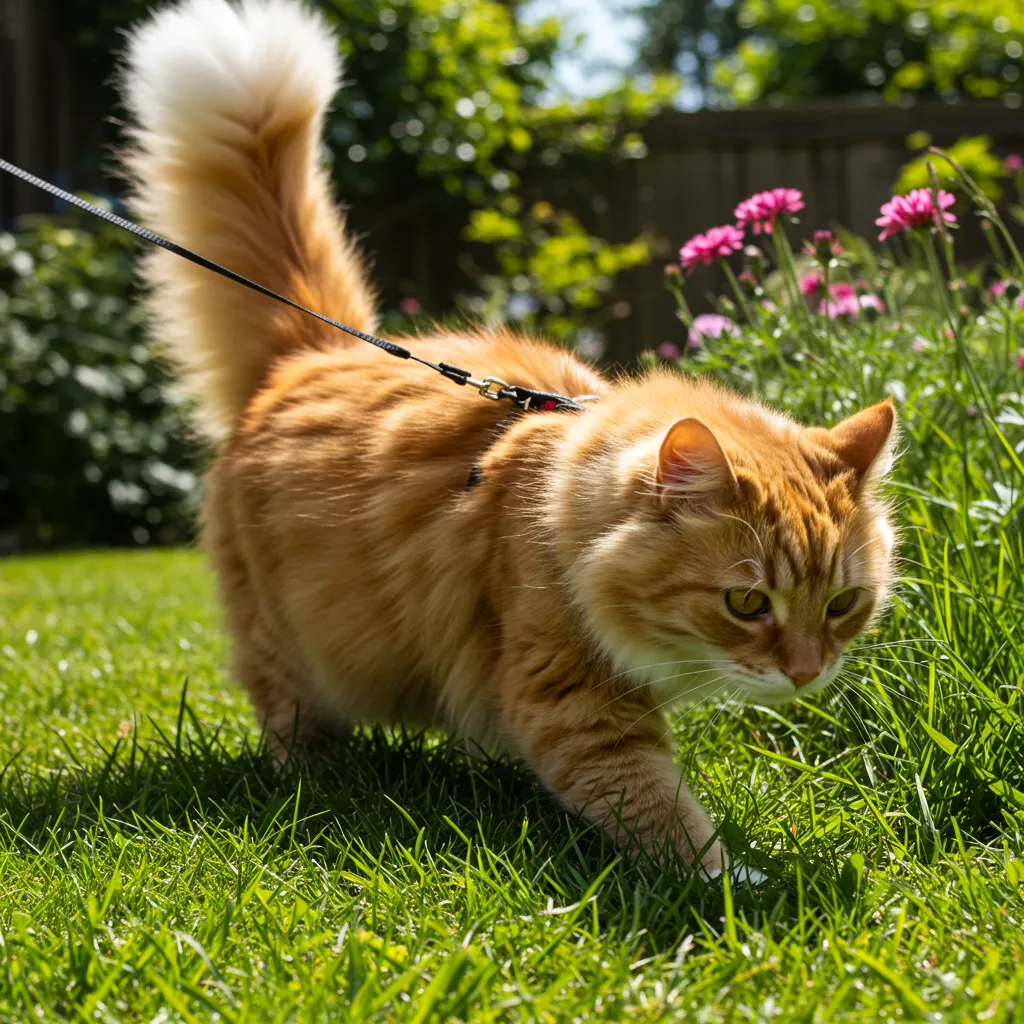
- Harness Training: For supervised outings, teach leash walking to satisfy outdoor curiosity safely.
- Routine Building: Feed and play indoors consistently to associate home with positivity.
If transitioning an outdoor cat, start slow: Provide indoor grass pots and window perches.
Consult a vet if behaviors persist—medication might help severe cases.
Identifying and Addressing Underlying Issues: Cat Anxiety and More
Sometimes, escape behavior signals deeper problems like cat anxiety and escape behavior.
Signs of Anxiety in Cats
- Excessive meowing or hiding
- Destructive scratching
- Litter box avoidance
- Pacing or restlessness
Creating a Calming Environment for Cats
- Pheromone Diffusers: Products like Feliway mimic calming scents.
- Quiet Zones: Set up cozy hideaways with blankets.
- Routine Stability: Consistent feeding and play times reduce stress.
Indoor vs Outdoor Cats: A Comprehensive Care Guide
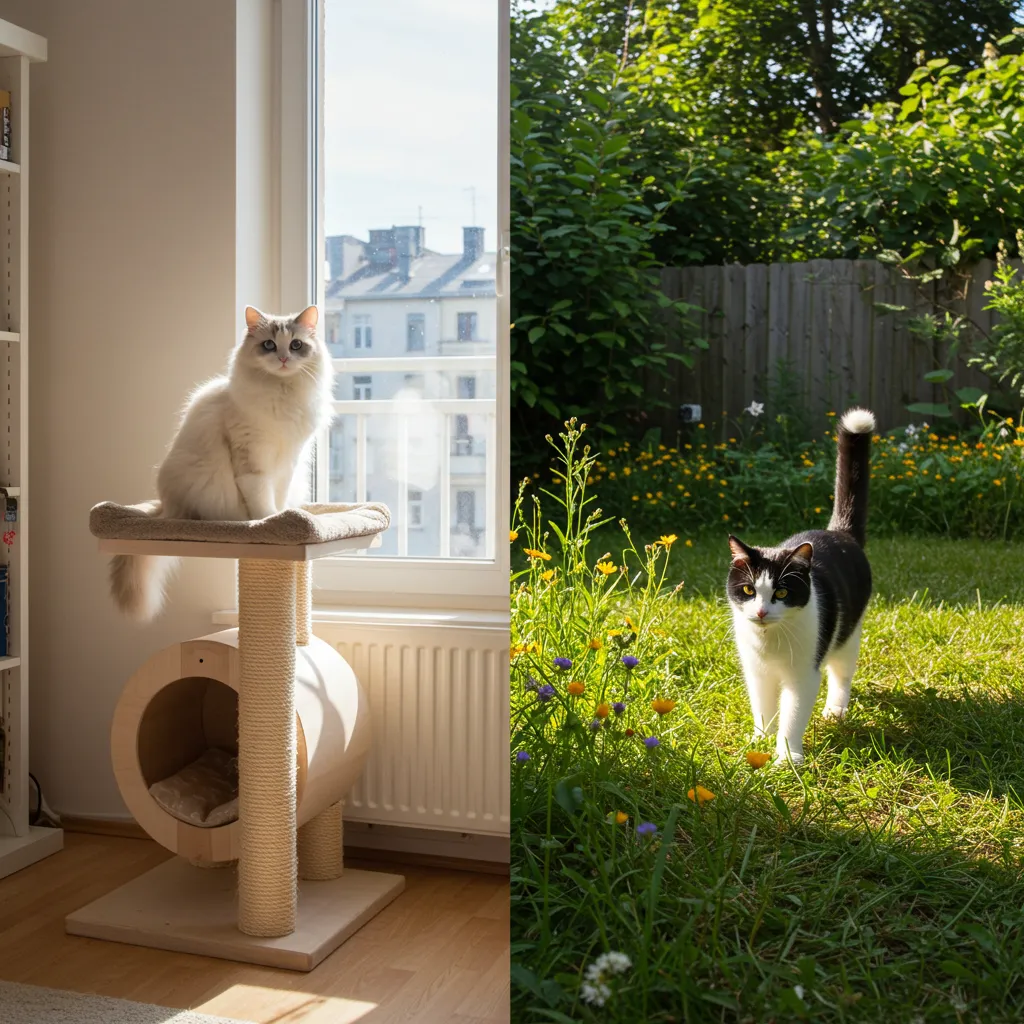
Debating indoor vs outdoor? Indoor cats live longer (up to 15+ years vs. 5 for outdoor), but need more enrichment.
| Aspect | Indoor Cats | Outdoor Cats |
|---|---|---|
| Lifespan | 12-20 years | 2-5 years |
| Health Risks | Obesity, boredom | Injuries, diseases |
| Care Needs | Enrichment, play | Vaccinations, monitoring |
| Safety | High | Low |
Opt for indoor with outdoor access via catios for balance.
Conclusion: Secure Your Cat’s Happiness Today
Cat escape behavior can be stressful, but with understanding, prevention tips, environmental enrichment, catios, training, and anxiety management, you can keep your feline safe and content. Remember, a stimulated cat is a staying cat—implement these strategies, and say goodbye to those frantic chases.
Ready to transform your home? Start with one tip today, like adding a puzzle toy or planning a catio. What’s your biggest escape challenge? Share your stories—we’re here to help!
For further reading, check related posts: “Cat Behavior and Training Essentials.”
FAQ
Why does my cat keep running outside?
Cats run outside due to curiosity, hunting instincts, mating urges, boredom, or stress. Address by enriching their indoor environment.
What can I do to prevent my cat from running outdoors?
Use physical barriers like airlocks, train with rewards, and provide enrichment to make the indoors more appealing.
Why does my indoor cat keep escaping?
Indoor cats escape from a lack of stimulation or anxiety. Boost playtime and create calming spaces.
How can I curb my cat’s escape behaviors?
Combine training, deterrents, and catios for a multi-pronged approach.
What is a safe outdoor enclosure or “catio”?
A catio is a secure outdoor space for cats to enjoy fresh air safely, preventing unsupervised escapes.
How can I use training and behavioral techniques to prevent my cat from escaping?
Employ positive reinforcement, desensitization, and routines to teach staying indoors.
What should I do if my cat is persistently trying to escape?
Consult a vet to rule out health issues, then enhance enrichment and consider professional help.