Litter Training Guide for Older Cats: Quick Tips for Success
Litter training older cats can feel daunting, but with patience and the right approach, your senior feline can master the litter box. Whether your cat is new to your home or struggling with cat litter habits, this guide offers practical steps and insights to make the process smooth and stress-free. From choosing the best litter box for older cats to addressing why older cats avoid the litter box, we’ve got you covered with a step-by-step plan and quick tips for litter training cats.
Why Older Cats May Need Litter Box Training
As cats age, their needs and behaviors evolve. Health issues like arthritis, vision problems, or urinary conditions can make using the litter box challenging. Some senior cats may also resist due to stress, environmental changes, or past experiences. Understanding these factors is key to successful senior cat litter training. For example, a cat that avoids the litter box might be dealing with discomfort or unfamiliarity, which can be addressed with targeted strategies.
Common Reasons for Litter Box Avoidance
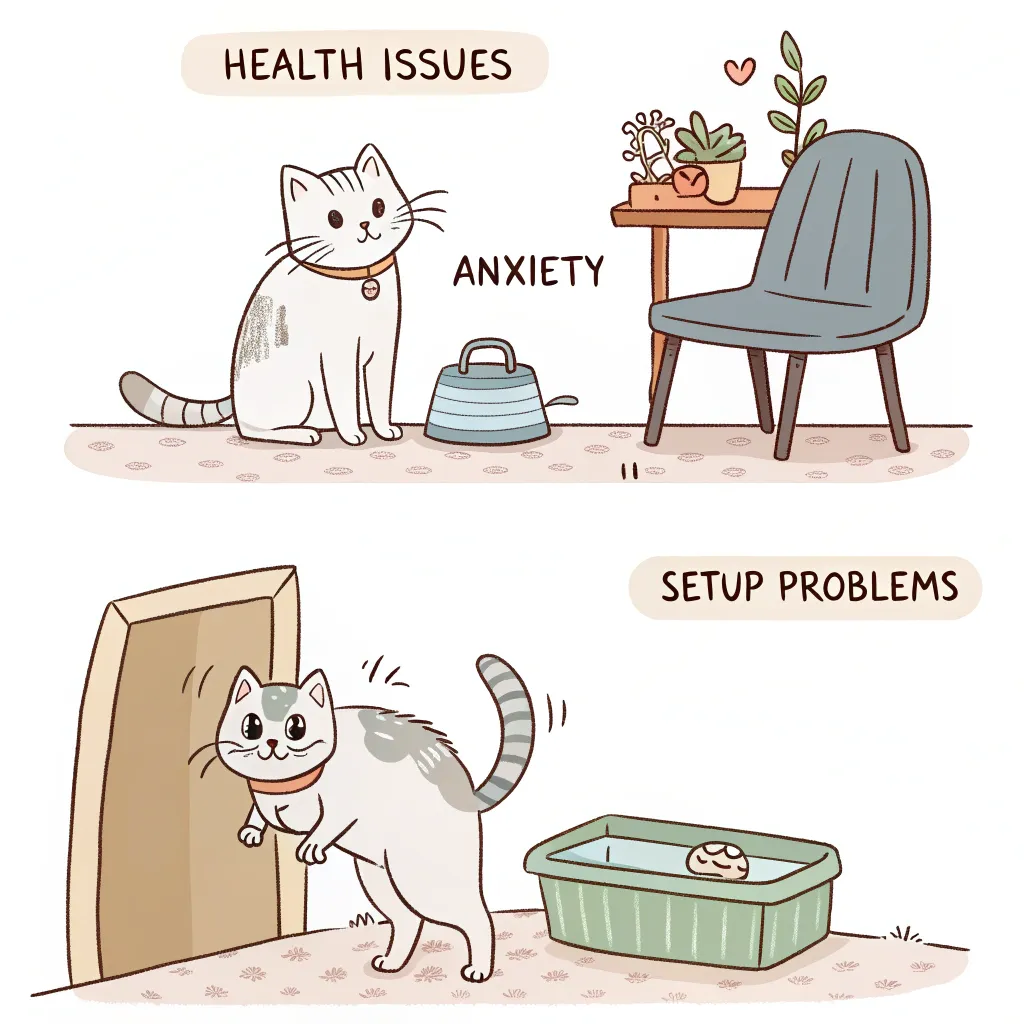
- Health Issues: Conditions such as kidney disease or joint pain can make accessing the box challenging.
- Stress or Anxiety: New environments or household changes can disrupt routines.
- Litter Box Issues: An unsuitable box size, litter type, or location can deter use.
How to Litter Train an Older Cat: A Step-by-Step Guide
Litter box training older cats requires preparation, consistency, and empathy. Follow this detailed plan to help your senior cat develop reliable cat litter habits.
Step 1: Choose the Best Litter Box for Older Cats
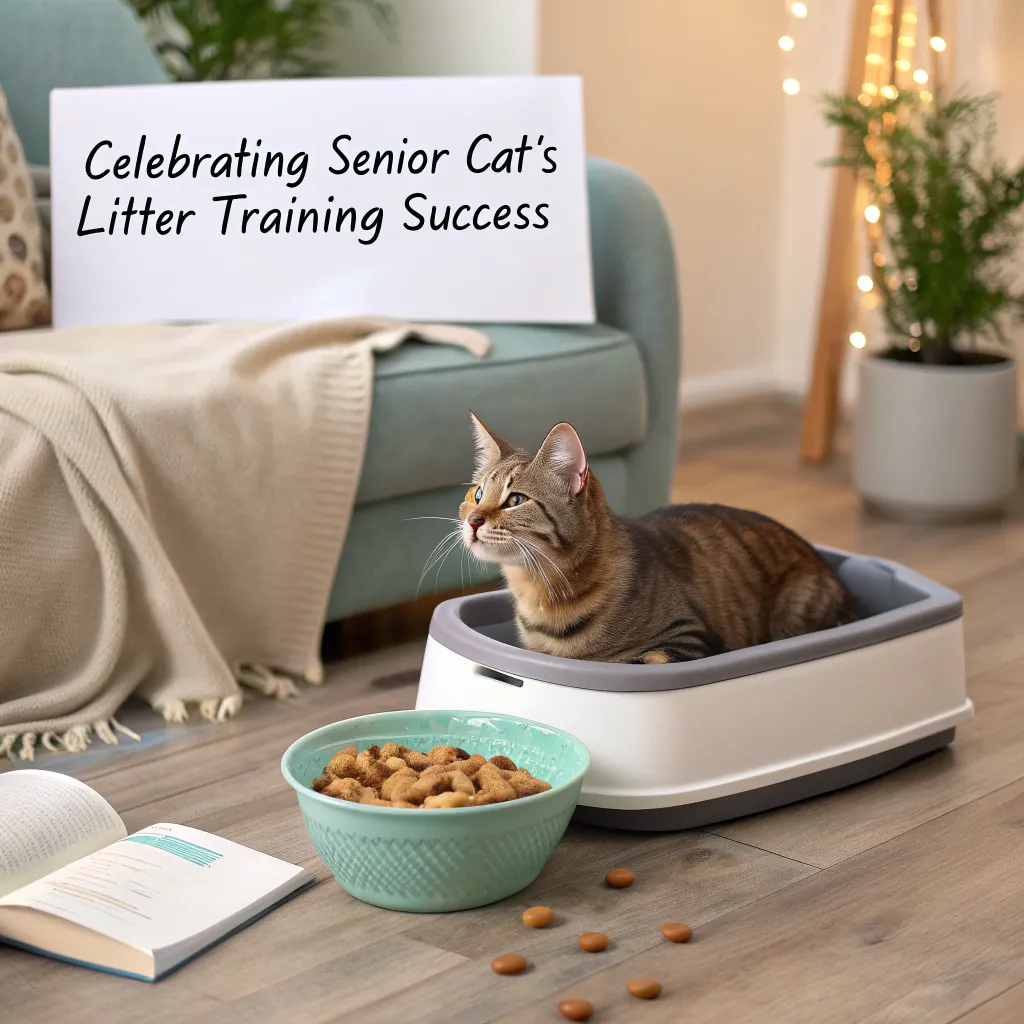
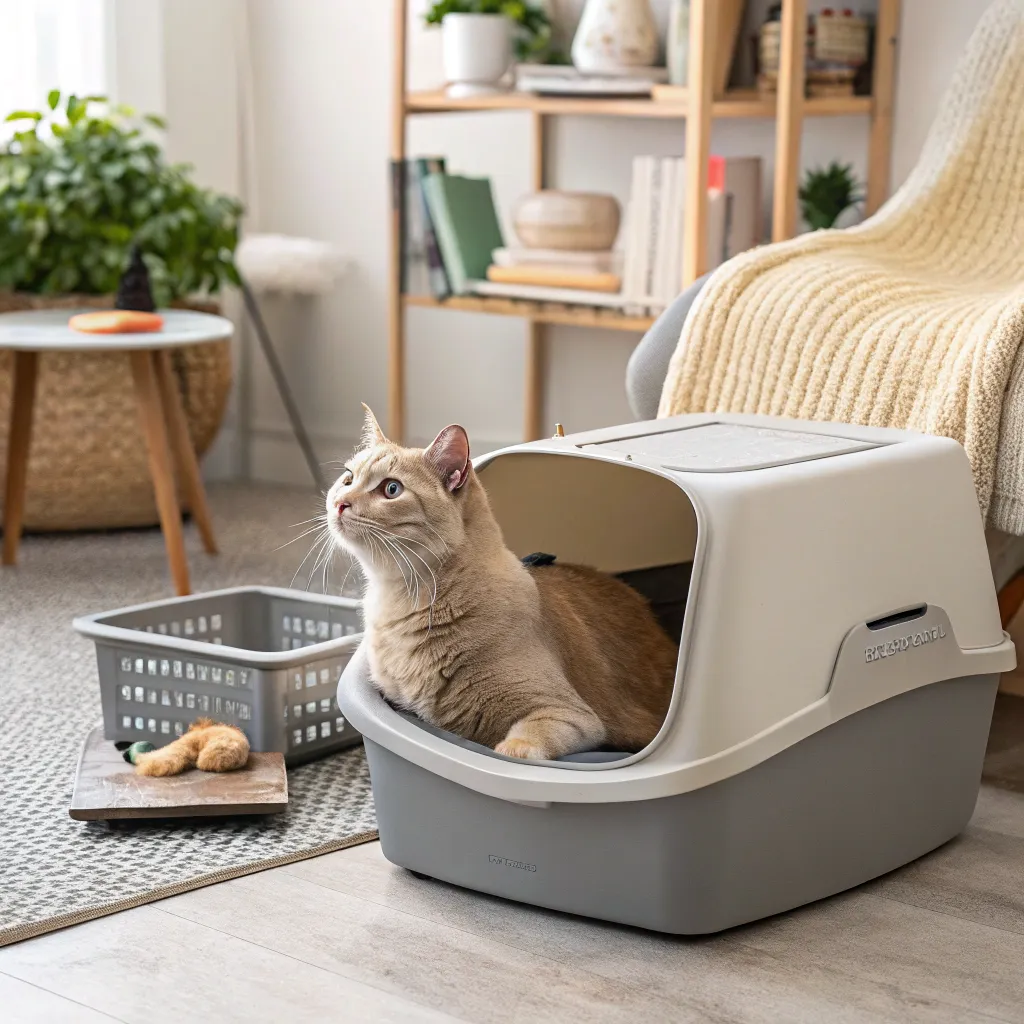
Selecting the right litter box is critical. Older cats often need boxes that are easy to access and comfortable. Look for:
- Low-Entry Boxes: A shallow entry helps cats with mobility issues.
- Large Size: Ensure the box is spacious enough for your cat to turn around comfortably.
- Non-Slip Base: Stability prevents the box from sliding, which can startle senior cats.
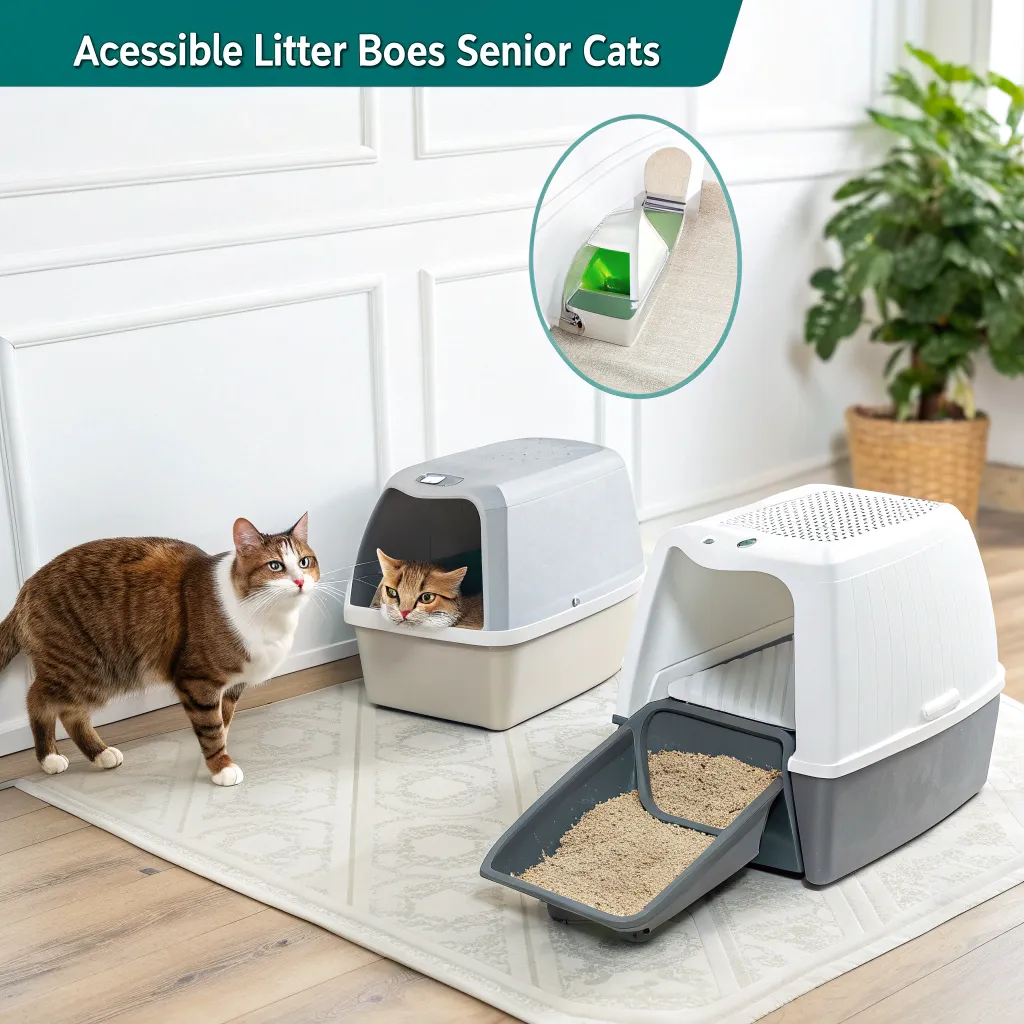
Consider models like open-top boxes or those with ramps for accessibility. Avoid covered boxes, as they can feel confining or trap odors, discouraging use.
Step 2: Select the Right Litter
The type of litter matters for senior cat litter training. Cats are picky, and older ones may have stronger preferences. opt for:
- Soft, Fine-Grained Litter: Clumping clay or natural litters are gentle on sensitive paws.
- Low-Dust Options: Dust can irritate aging respiratory systems.
- Unscented Varieties: Strong scents may deter cats from using the box.
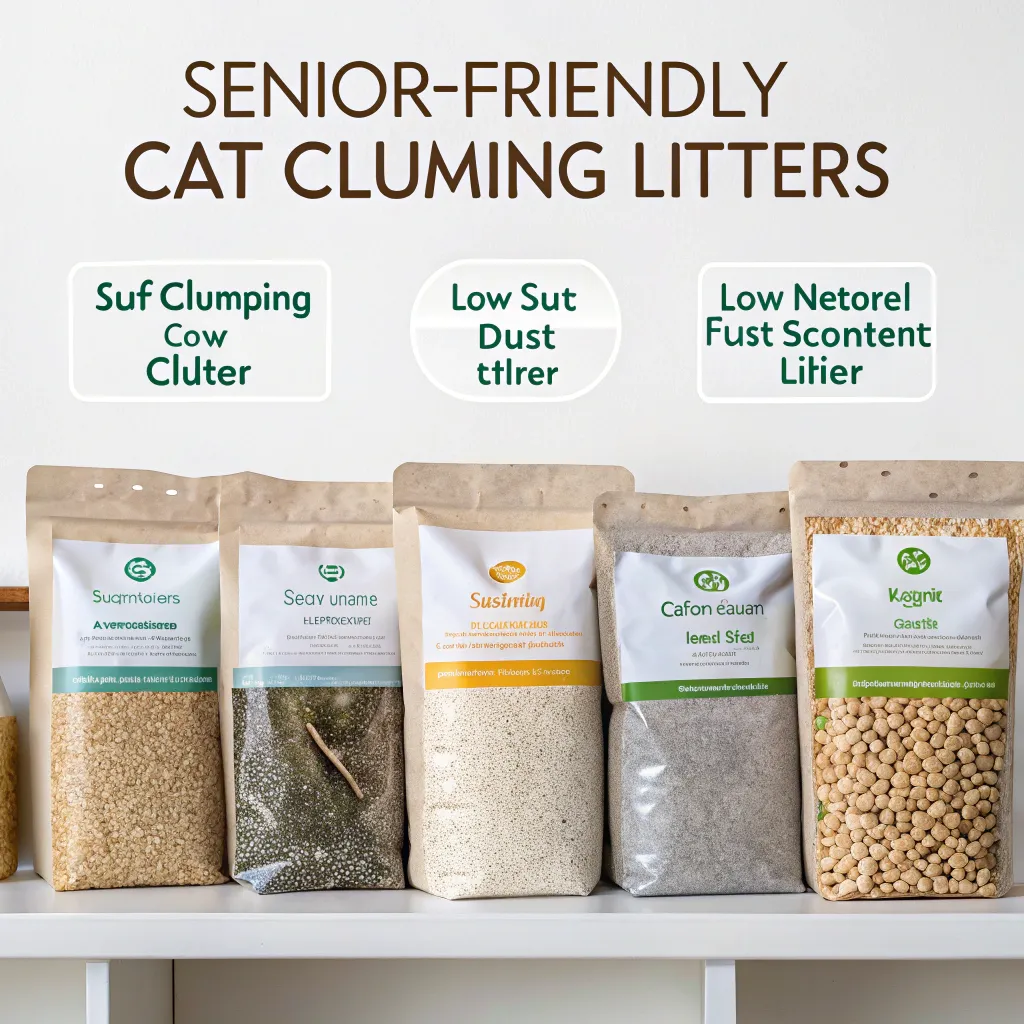
Test different litters to see what your cat prefers, and avoid frequent changes to maintain consistency.
Step 3: Position the Litter Box Strategically
Placement is crucial for litter box training older cats. Choose a quiet, accessible location:
- Ground Floor: Avoid stairs for cats with mobility challenges.
- Private but Not Isolated: A calm corner away from loud appliances works best.
- Multiple Boxes: If you have a multi-story home, place a box on each level.
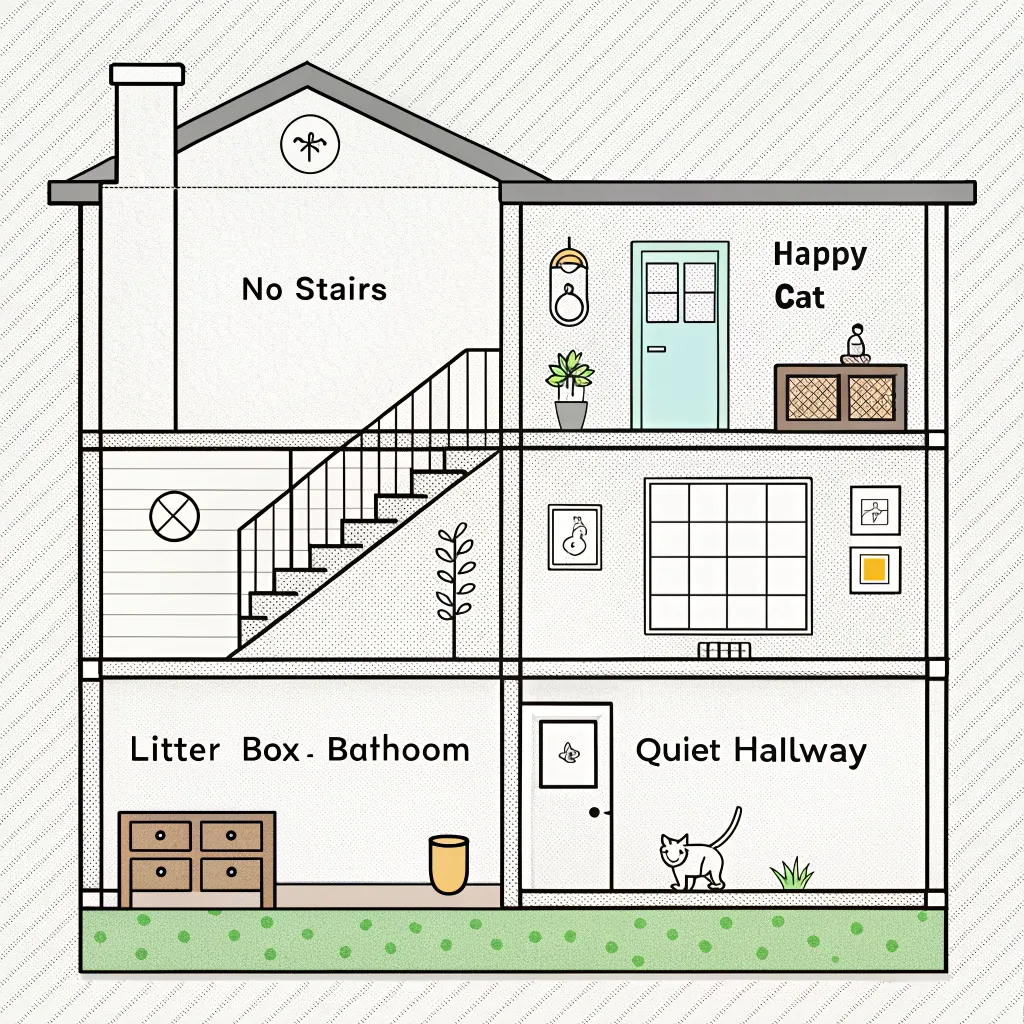
Ensure the box is easy to reach but not in a high-traffic area that might stress your cat.
Step 4: Introduce Your Cat to the Litter Box
Gently guide your cat to the box to build familiarity:
- Show the Box: Place your cat near or in the box (without forcing) to let them explore.
- Encourage Exploration: Sprinkle a bit of litter on the floor nearby to pique curiosity.
- Reward Positive Behavior: Offer treats or praise when your cat uses the box.
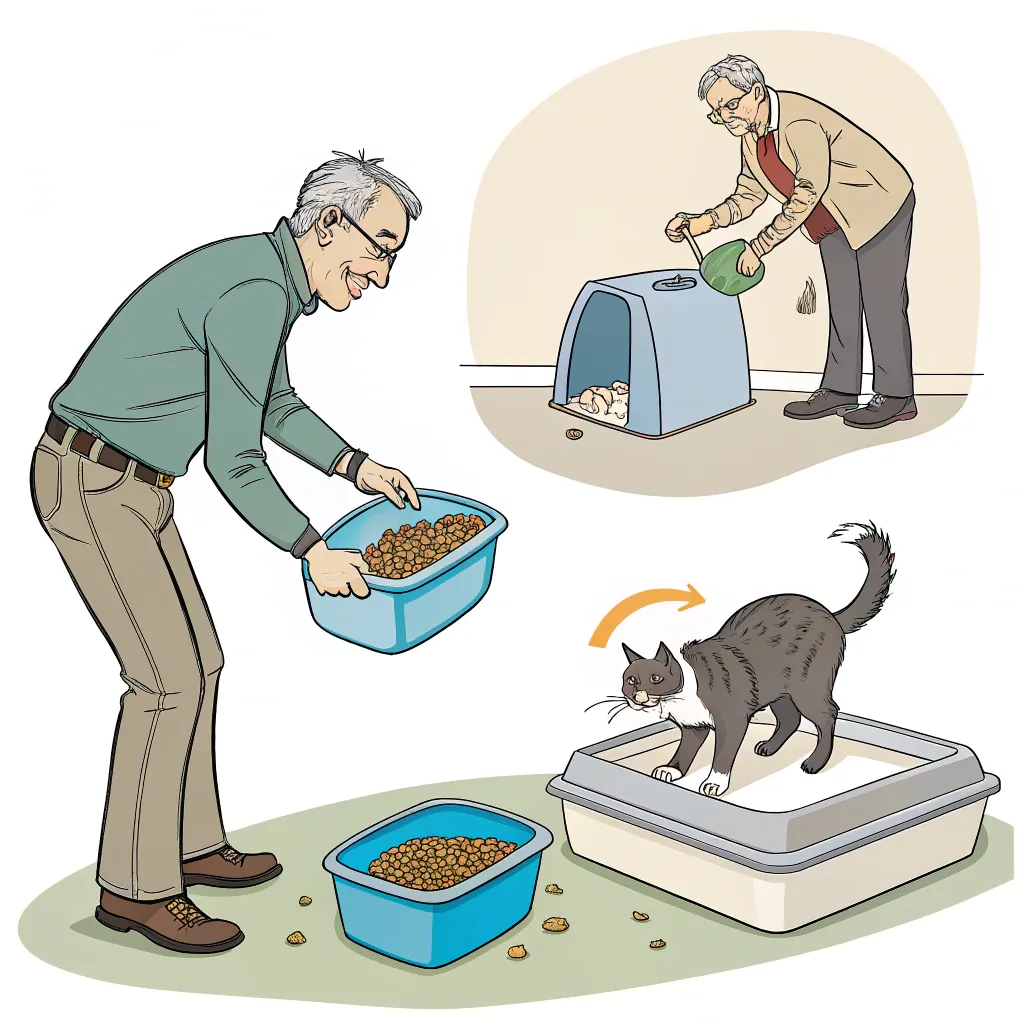
Be patient—some cats take days or weeks to adjust, especially if they’re overcoming past aversions.
Step 5: Maintain Cleanliness and Routine
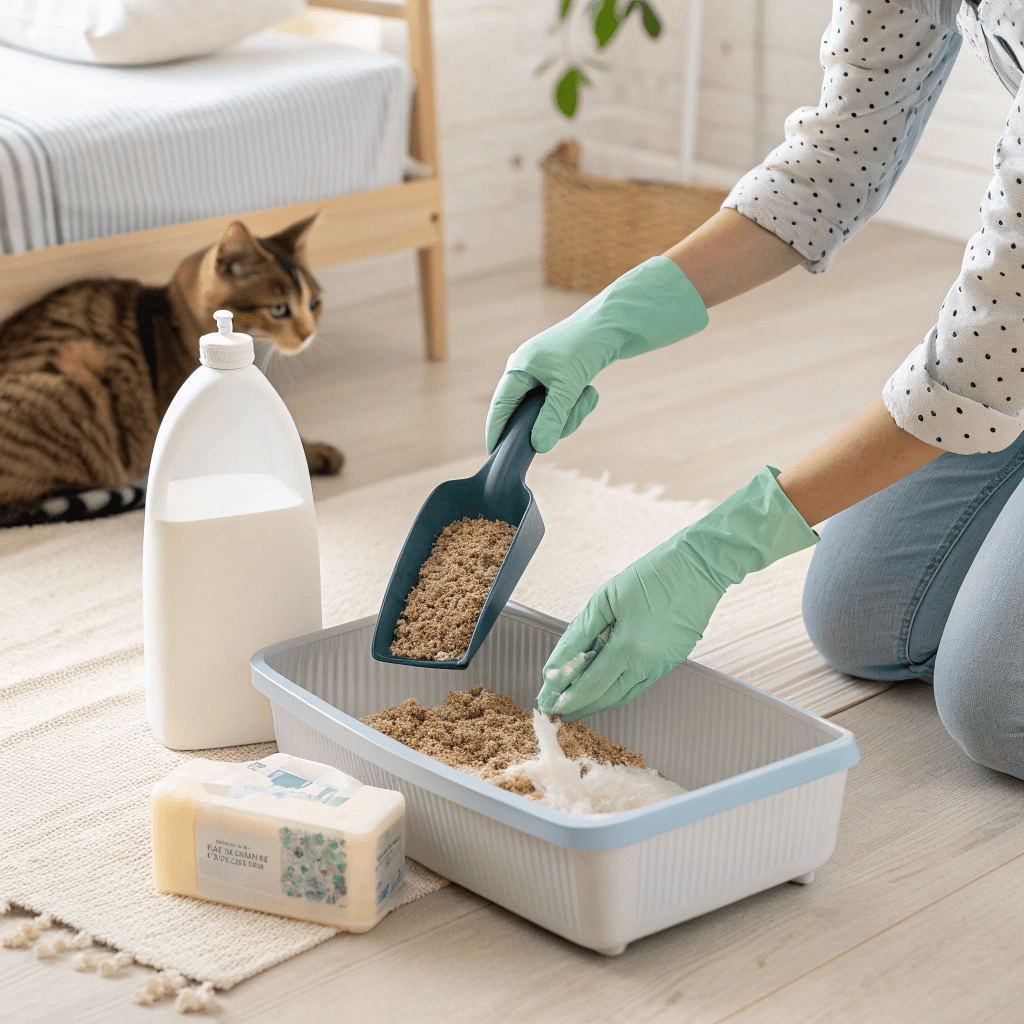
A clean litter box encourages consistent use. Scoop daily, replace litter weekly, and clean the box thoroughly with mild soap monthly. Establish a routine by feeding your cat at set times, as they often use the litter box after meals. Consistency helps reinforce good cat litter habits.
Quick Tips for Litter Training Cats
- Monitor Health: Regular vet checkups can catch issues causing litter box avoidance.
- Use Positive Reinforcement: Reward your cat with treats or affection for using the box.
- Avoid Punishment: Scolding can increase stress and worsen avoidance.
- Try Attractants: Catnip or litter attractants can entice reluctant cats.
- Be Patient: Older cats may need extra time to adapt to new routines.
Addressing Common Challenges in Senior Cat Litter Training
Sometimes, older cats face setbacks. Here’s how to handle common issues:
- Refusal to Use the Box: Check for medical issues or try a different litter type or box location.
- Accidents Outside the Box: Clean accidents thoroughly to remove scents and prevent repeat behavior.
- Stress-Related Avoidance: Minimize household changes and provide a calm environment.
If problems persist, consult a vet or feline behaviorist to rule out underlying health or behavioral issues.
Tips for Retraining Cats to Use the Litter Box
If your cat was previously trained but has lapsed, retraining is possible:
- Reintroduce Gradually: Start with a new box in a preferred location.
- Limit Access: Confine your cat to a small area with the litter box during retraining.
- Observe Behavior: Watch for signs of discomfort or confusion and adjust accordingly.
Conclusion: Helping Your Older Cat Thrive
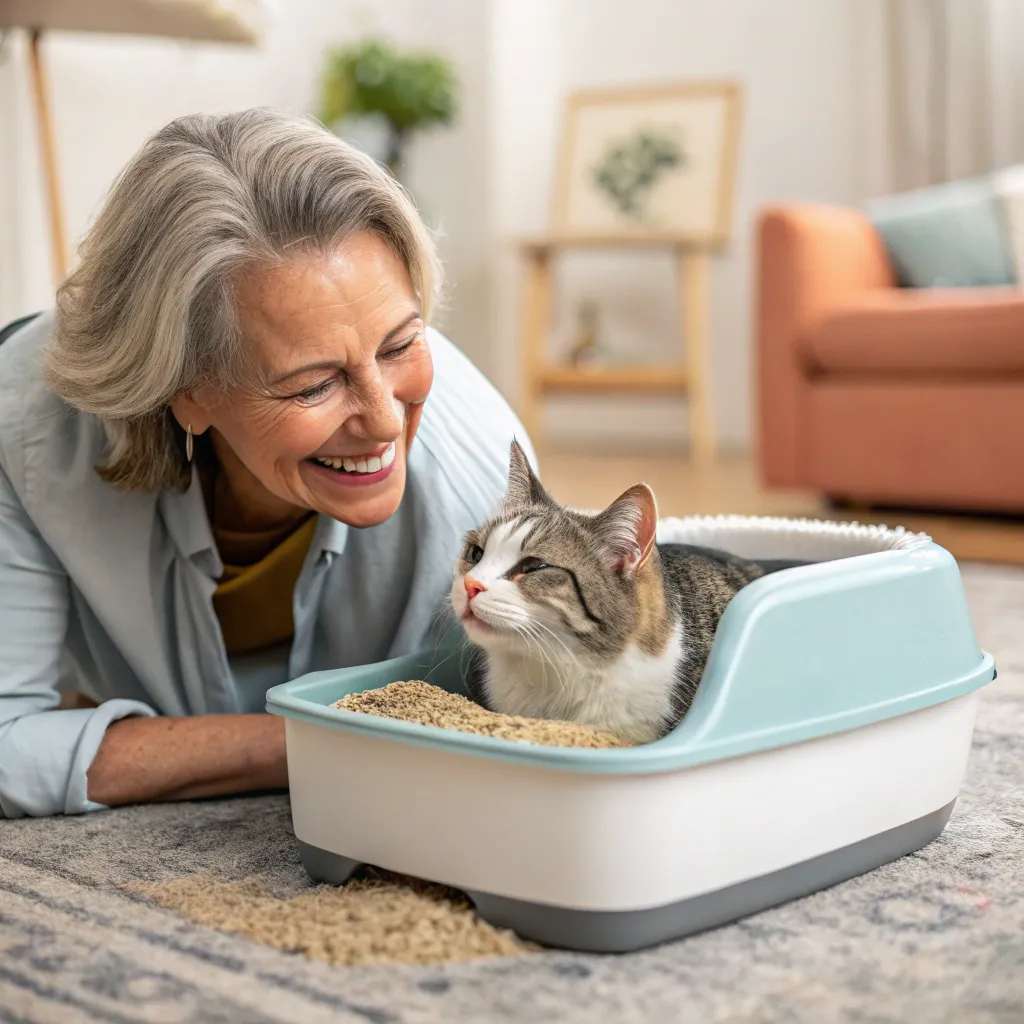
Litter training older cats is a journey that requires understanding, patience, and the right tools. By choosing the best litter box for older cats, using the right litter, and maintaining a consistent routine, you can help your senior feline feel comfortable and confident. With these tips for retraining cats to use the litter box, you’ll set your cat up for success and strengthen your bond.
Frequently Asked Questions
Why might an older cat avoid the litter box?
Health issues, stress, or an unsuitable box or litter type can cause avoidance. Consult a vet to rule out medical problems.
How do I choose the best litter box for my senior cat?
Look for low-entry, spacious boxes with a non-slip base for easy access and comfort.
What’s the best litter for older cats?
Soft, unscented, low-dust litters like clumping clay or natural options work well for sensitive paws and respiratory systems.
How can I make litter training easier for my older cat?
Use positive reinforcement, maintain a clean box, and place it in an accessible, quiet location.