Maine Coon Cats: Your Ultimate Guide to This Unique Breed
Maine Coon cats are beloved for their striking appearance, friendly nature, and fascinating history. Known as one of the largest domesticated cat breeds, they combine elegance with a playful charm that captivates pet owners. This Maine Coon breed guide dives into their characteristics, personality, care needs, and more to help you understand why these gentle giants are so special.
A Brief History and Origin of Maine Coon Cats
The Maine Coon history and origin are steeped in folklore. Originating in North America, particularly Maine, these cats likely descended from long-haired breeds brought by early settlers. One popular myth ties them to raccoons due to their bushy tails and tufted ears, though they’re pure felines. By the 19th century, Maine Coons gained fame in cat shows, admired for their size and beauty. Their roots as hardy farm cats shaped their resilient yet sociable nature, making them a favorite today.
Physical Characteristics of Maine Coon Cats
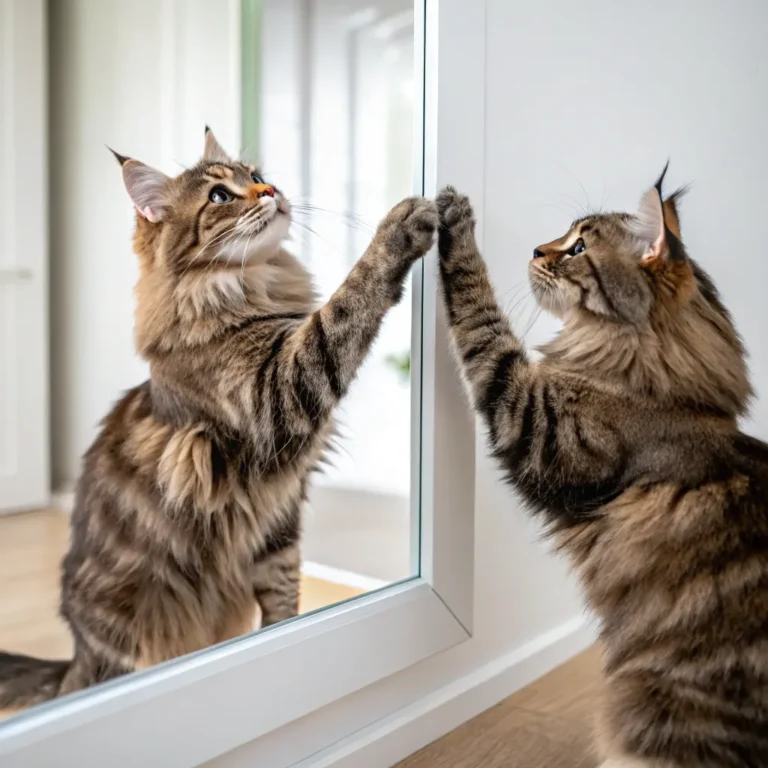
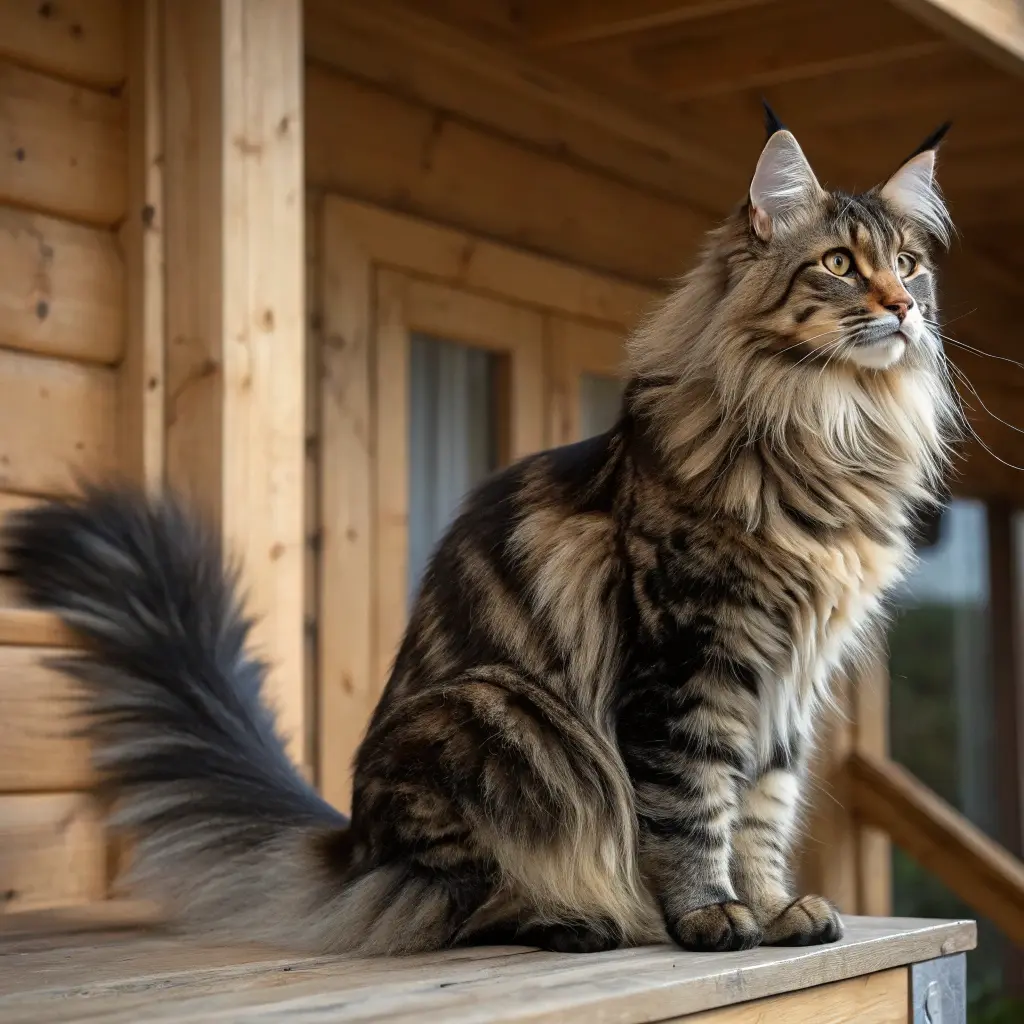
Maine Coon characteristics define their majestic look. These cats boast large, muscular bodies, tufted ears, and expressive eyes. Their coats are water-repellent, medium-long, and come in various colors and patterns. The Maine Coon size and weight are particularly notable:
- Males: Typically weigh 13-18 pounds, with some reaching 20+ pounds.
- Females: Slightly smaller, ranging from 8-12 pounds.
Their rectangular bodies, bushy tails, and tufted paws give them a distinctive, lion-like appearance. These traits, paired with their slow growth (reaching maturity around 3-5 years), make them stand out among other breeds.
Maine Coon Personality: A Blend of Charm and Playfulness
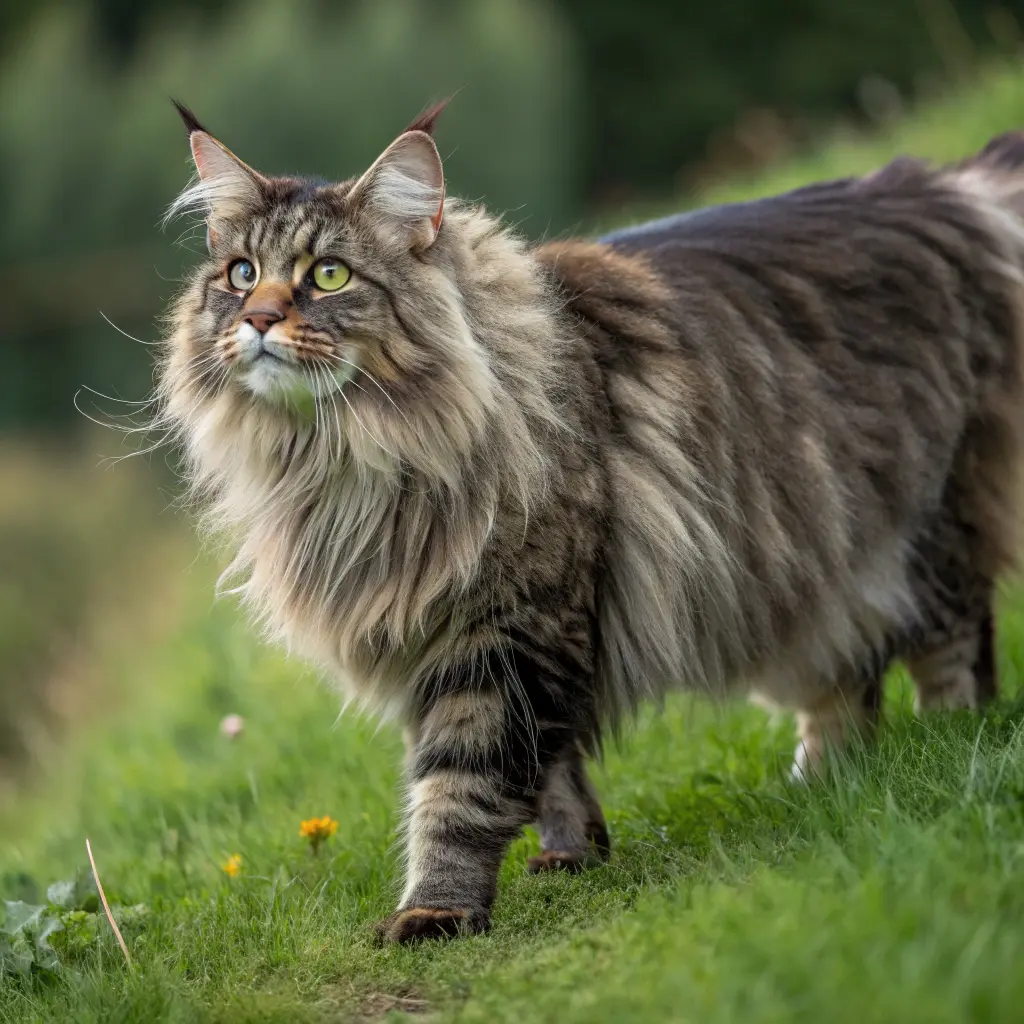
The Maine Coon personality is a delightful mix of sociability and intelligence. These cats are often described as “dog-like” for their loyalty and love of human interaction. Key personality traits include:
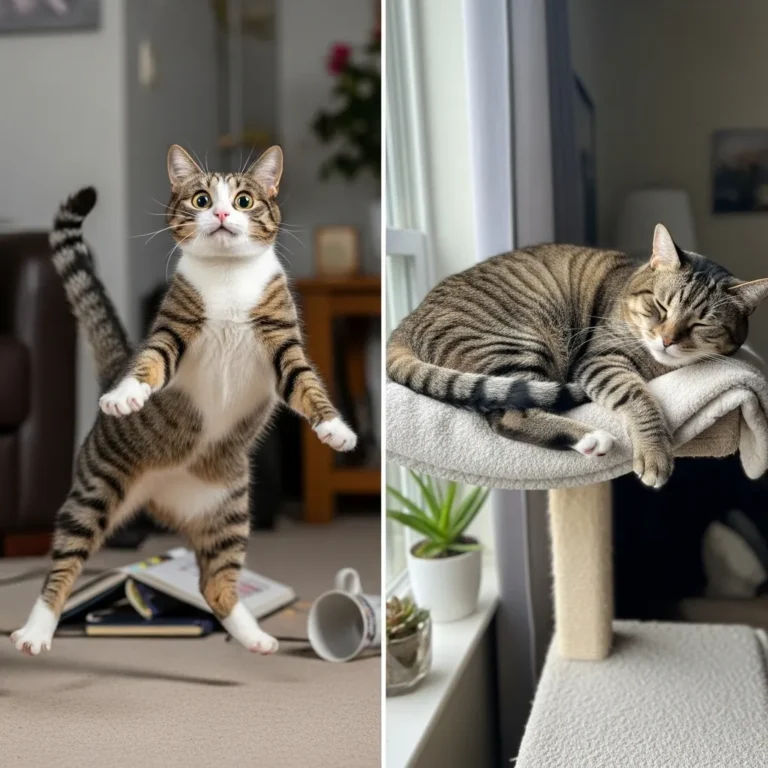
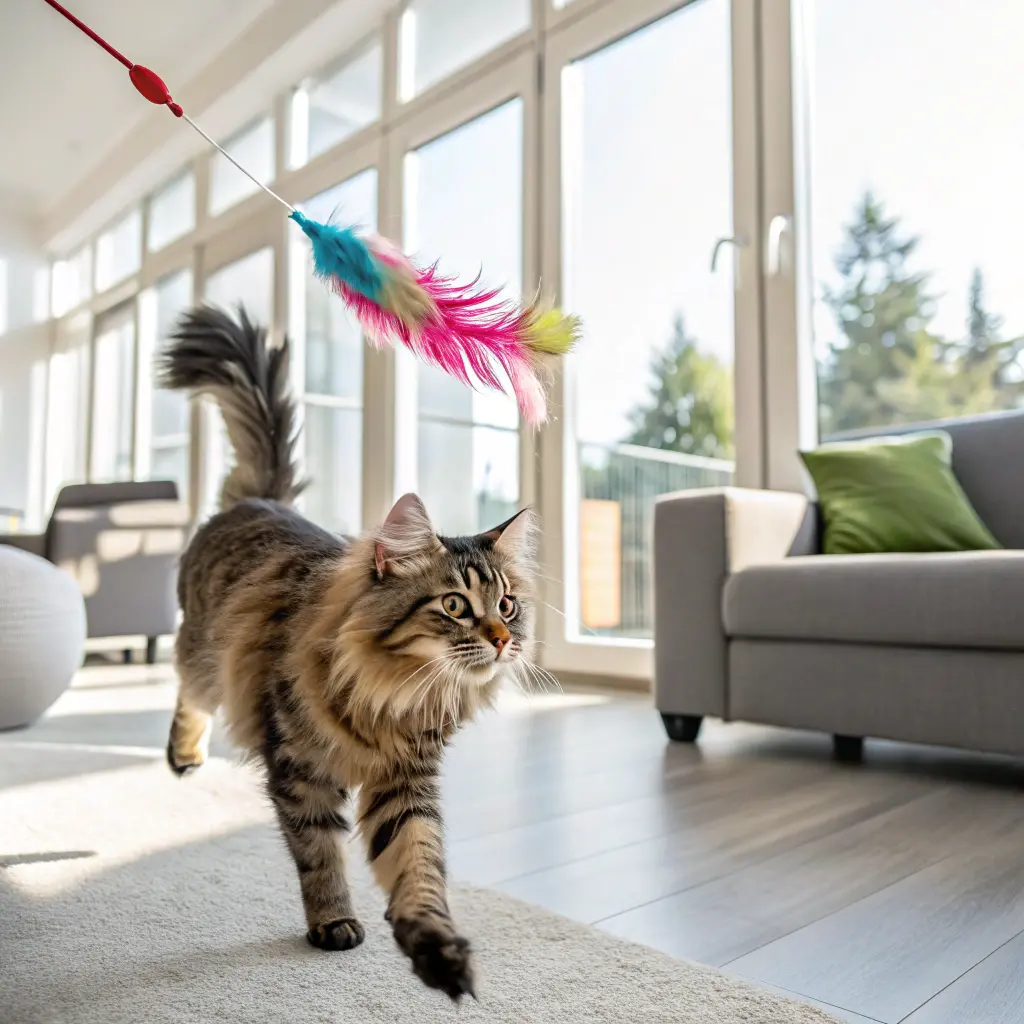
- Playful: Maine Coons love interactive games, often fetching toys or chasing laser pointers.
- Affectionate: They form strong bonds, thriving on attention and companionship.
- Vocal: Known for chirps and trills, they’re communicative without being overly loud.
- Intelligent: Quick learners, they can adapt to routines or even learn tricks.
Their quirky, friendly demeanor makes them ideal for families or multi-pet households. Maine Coons often get along with children and other animals, adding to their appeal as loving companions.
Maine Coon Care Guide: Keeping Your Cat Healthy and Happy
Proper care ensures your Maine Coon thrives. The Maine Coon care guide below covers essential needs:
Grooming Needs
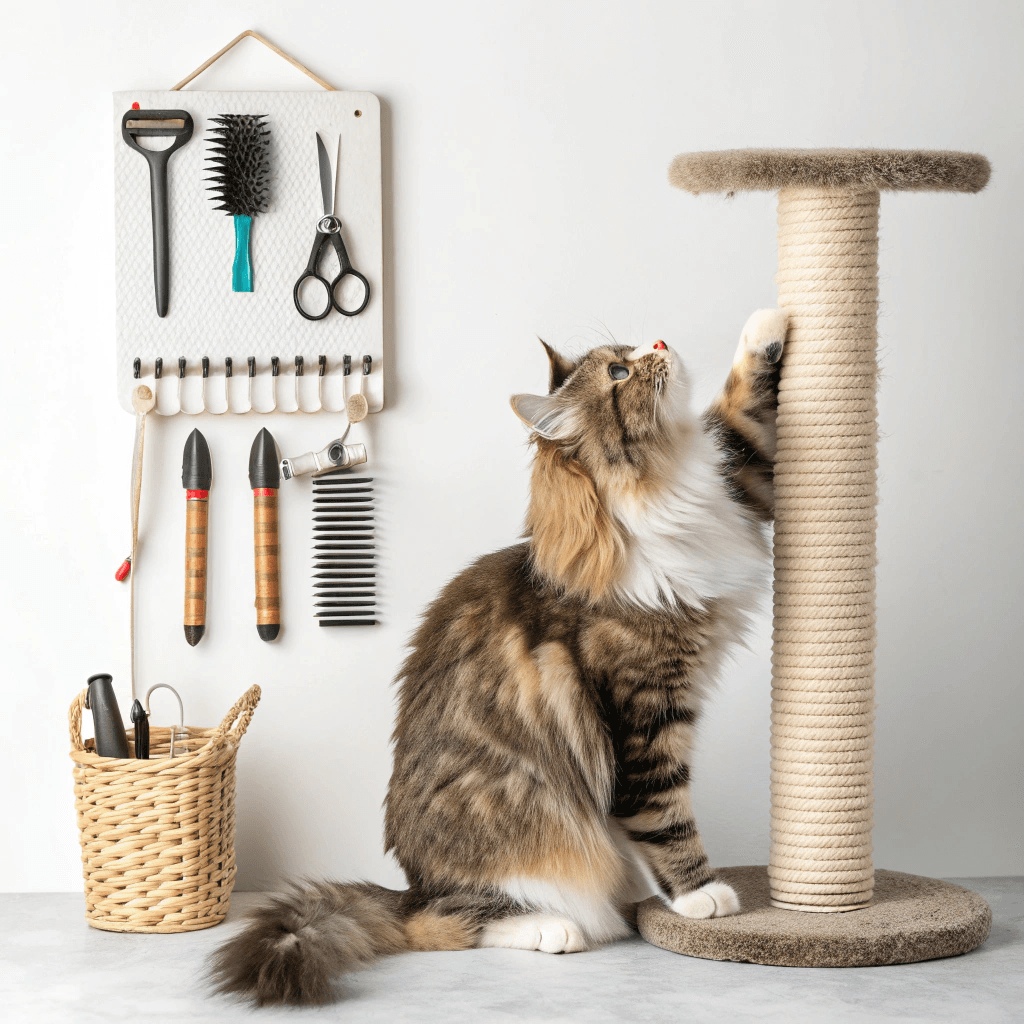
Maine Coon grooming needs are moderate despite their long coats. Regular brushing (2-3 times weekly) prevents matting and reduces shedding. Use a wide-tooth comb for their silky fur. Occasional baths keep their coat clean, while claw clipping and oral health checks maintain overall hygiene.
Feeding and Nutrition
A balanced diet supports their large size. High-quality cat food rich in protein suits their active nature. Monitor portions to prevent obesity, especially in less active cats. Fresh water should always be available.
Exercise and Enrichment
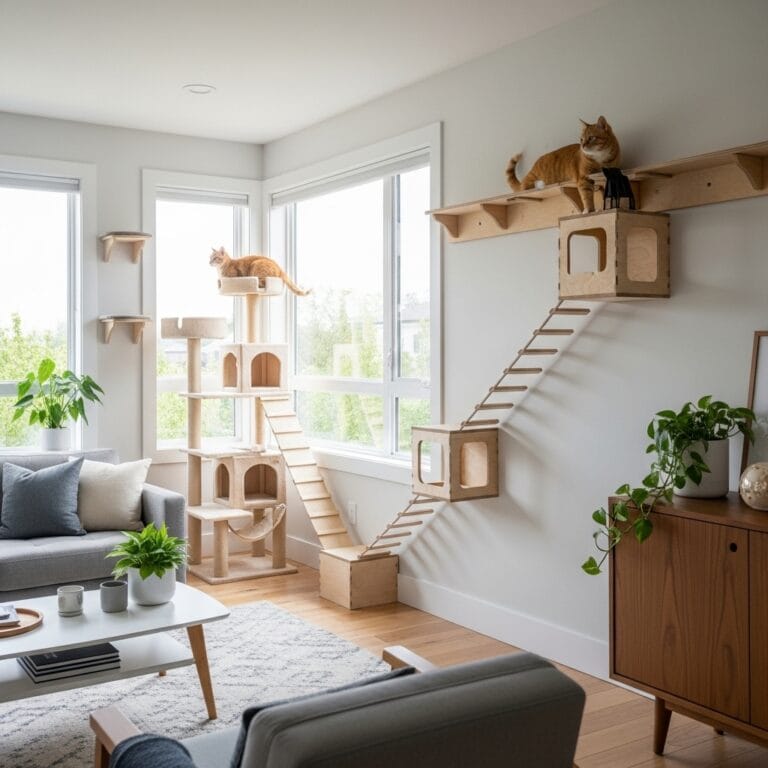
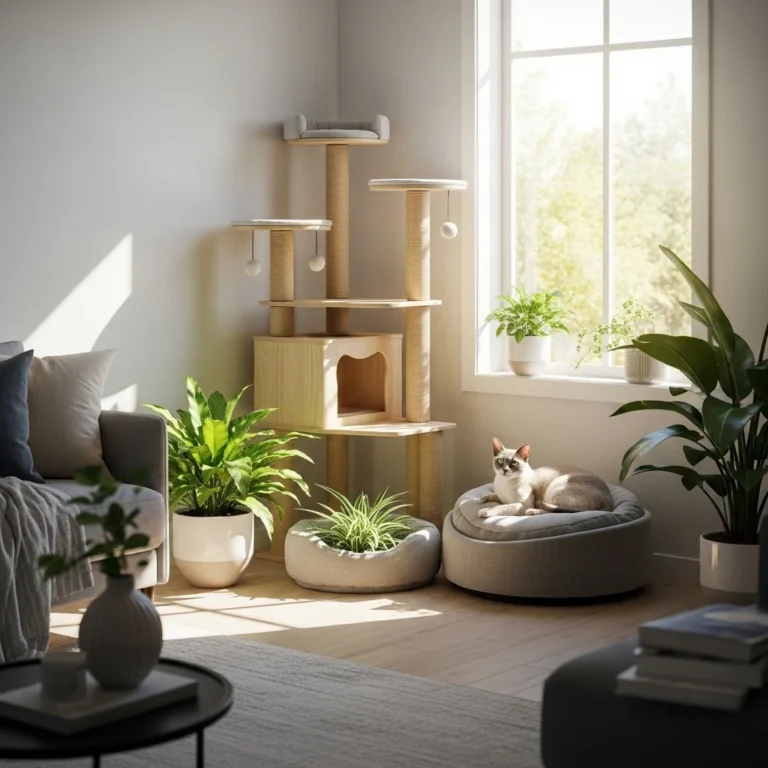
Maine Coons need mental and physical stimulation. Provide toys like feather wands or puzzle feeders to engage their playful side. Scratching posts and climbing trees cater to their love of exploration.
Maine Coon Health Issues to Watch For
The Maine Coon lifespan typically ranges from 12-15 years, though some live longer with proper care. However, certain Maine Coon health issues may arise:
- Feline Hypertrophic Cardiomyopathy (HCM): A heart condition that requires regular vet checkups.
- Spinal Muscular Atrophy (SMA): A genetic disorder affecting muscle strength, though less common.
- Polycystic Kidney Disease (PKD): Kidney cysts that can impact health, manageable with early detection.
- Hip Dysplasia: A joint issue that may cause mobility challenges in some cats.
Regular vet visits and genetic screening for kittens can help catch these issues early. A healthy lifestyle also minimizes risks.
Maine Coon Size and Weight: Understanding Their Growth
As mentioned, the Maine Coon size and weight set them apart. Their slow growth means kittens take years to reach full size. Males often appear more imposing, while females are slightly daintier but still robust. Their large frames require sturdy scratching posts and spacious litter boxes to accommodate their size comfortably.
Maine Coon Kitten Guide: Raising a Healthy Furr-Ball
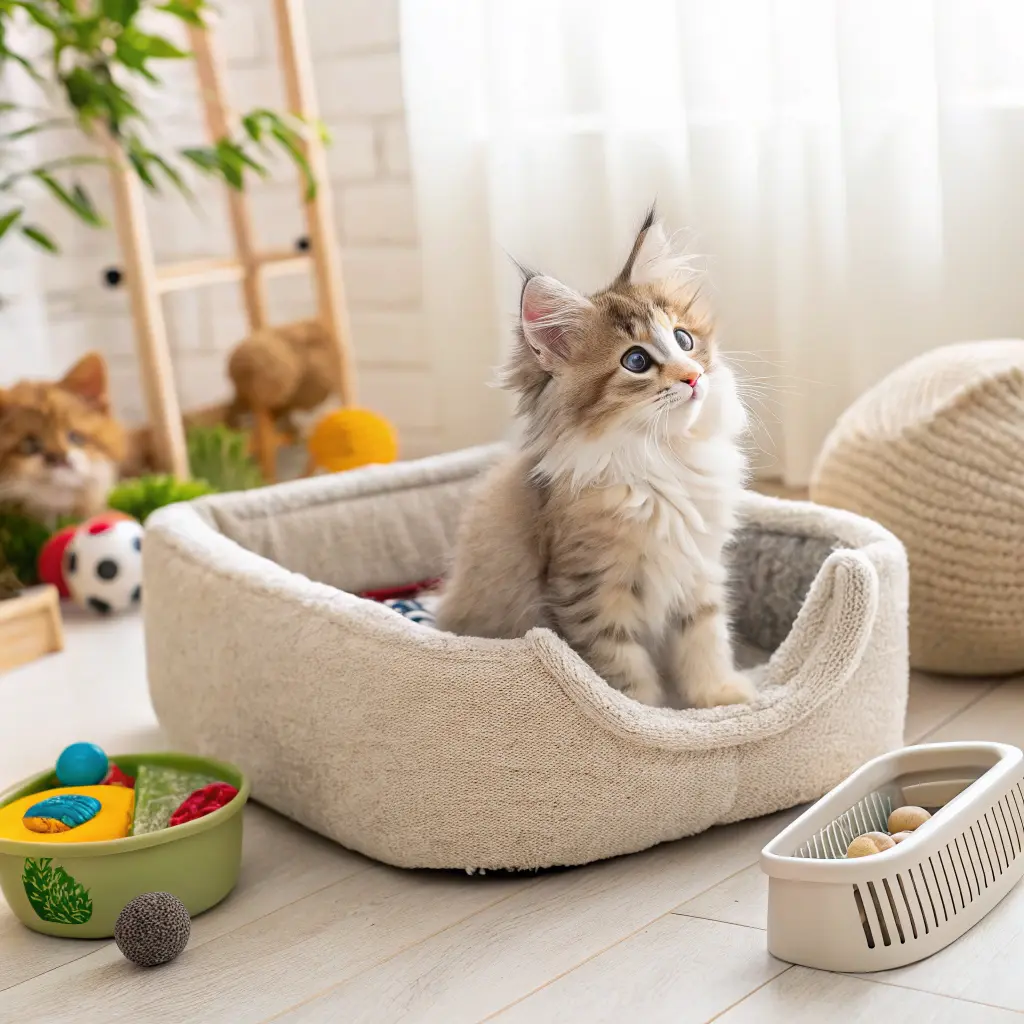
Raising a Maine Coon kitten is rewarding but requires preparation. The Maine Coon kitten guide includes:
- Essentials: Invest in a large litter box, durable toys, and a quality scratching post.
- Training: Start socialization early to nurture their friendly nature. Positive reinforcement works best.
- Diet: Feed kitten-specific food to support their growth, transitioning to adult food around 1-2 years.
- Veterinary Care: Schedule vaccinations and regular check-ups to monitor for health issues such as HCM or PKD.
Kittens are especially playful, so provide ample playtime to build their confidence and bond with them.
Conclusion: Why Maine Coon Cats Make Wonderful Companions
Maine Coon cats combine striking looks, engaging personalities, and relatively manageable care needs, making them an ideal choice for many households. Their intelligence, affection, and playful antics bring joy to owners, while their unique history adds to their charm. Whether you’re drawn to their massive size or their friendly trills, Maine Coons are a breed that leaves a lasting impression. Ready to welcome a Maine Coon into your home? With the right care, they’ll be your loyal companion for years to come.