Why Is My Cat So Jumpy? The Complete Guide to Understanding and Calming Nervous, Fearful, or Overly Jumpy Cat Behavior
You know the scene: you drop a spoon in the kitchen, and your cat launches three feet in the air like a furry rocket, ears flat, eyes huge, tail puffed. Five seconds later he’s hiding under the couch, heart racing. If you’ve ever asked yourself “Why is my cat jumpy all the time?” or “Is my cat just nervous or is something actually wrong?”, you’re not alone. Jumpy cat behavior is one of the most common complaints cat parents bring to vets and behaviorists.
The good news? Most jumpiness is completely manageable once you understand what’s really going on.
In this in-depth guide, we’ll go far beyond the usual “cats are just skittish” advice. You’ll learn exactly why some cats are wired to be more reactive, how to read the subtle (and not-so-subtle) signs of cat anxiety, the most common triggers for jumpiness, and proven, step-by-step ways to help your cat feel safe again. Let’s turn that startled ninja back into a relaxed, confident companion.
Key Takeaways (Read This First)
- Jumpy behavior is usually rooted in fear, anxiety, past trauma, or sensory overload not “bad personality.”
- Certain breeds (Siamese, Bengal, Abyssinian) and individual personality traits make some cats naturally more reactive.
- Chronic stress can lead to serious stress-induced health issues: bladder inflammation, overgrooming, appetite loss, even a weakened immune suppression.
- Most jumpy cats improve dramatically with simple environmental changes and patience.
- Medical causes (pain, hyperthyroidism, neurological issues) must be ruled out first.
What “Jumpy Cat Behavior” Actually Looks Like
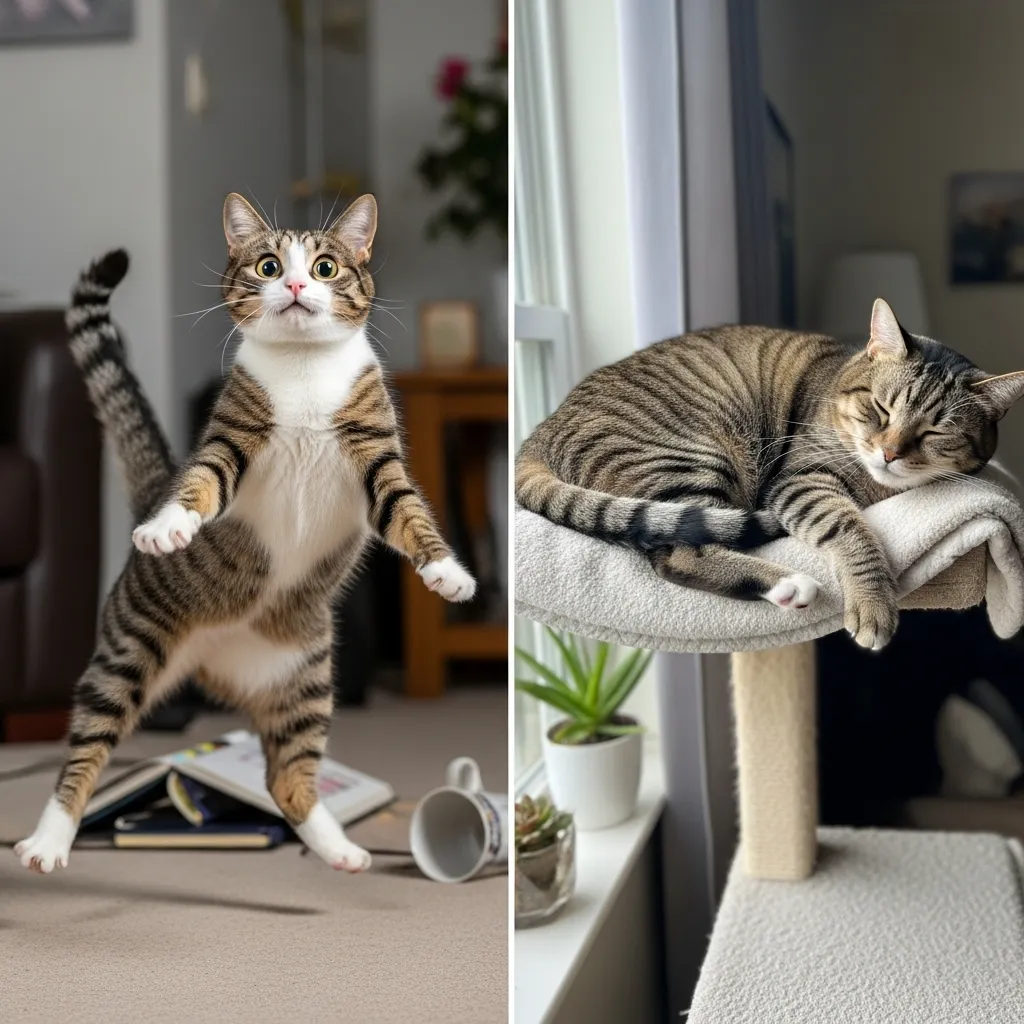
Not every sudden movement means your cat is anxious. Normal startle reflexes are healthy. Problematic jumpiness usually includes:
- Exaggerated startle responses to everyday sounds (doorbell, phone, dropping a book)
- Running and hiding for long periods after being startled
- Freezing in place with dilated pupils and flattened ears
- Tail puffing, piloerection (hair standing up) along the back and tail
- Refusing to eat or use the litter box when guests are over
- Hissing or swatting at sudden movements, even from familiar people
If your cat shows several of these regularly, you’re likely dealing with a nervous or fearful cat rather than normal feline instincts.
Why Some Cats Are Naturally More Jumpy Than Others
Cat personality traits are partly genetic and partly shaped by early life.
Breed tendencies
Siamese, Oriental-type breeds, Bengals, and Abyssinians often score higher on the “reactive” scale. Ragdolls, British Shorthairs, and Persians tend to be more laid-back. See our full breakdown of cat breeds and personalities
Early socialization window
Kittens who weren’t gently exposed to normal household noises, vacuum cleaners, strangers, and gentle handling between 2–9 weeks are far more likely to become fearful adults.
Trauma or rehoming history
Shelter cats, strays, or cats who experienced abuse or abandonment often carry “hair-trigger” responses for years.
Single-kitten syndrome
Kittens raised without littermates miss crucial lessons about bite inhibition and self-regulation, which can show up as adult jumpiness.
The Most Common Triggers for Cat Jumpiness
Identifying the exact trigger is the fastest way to fix the problem.
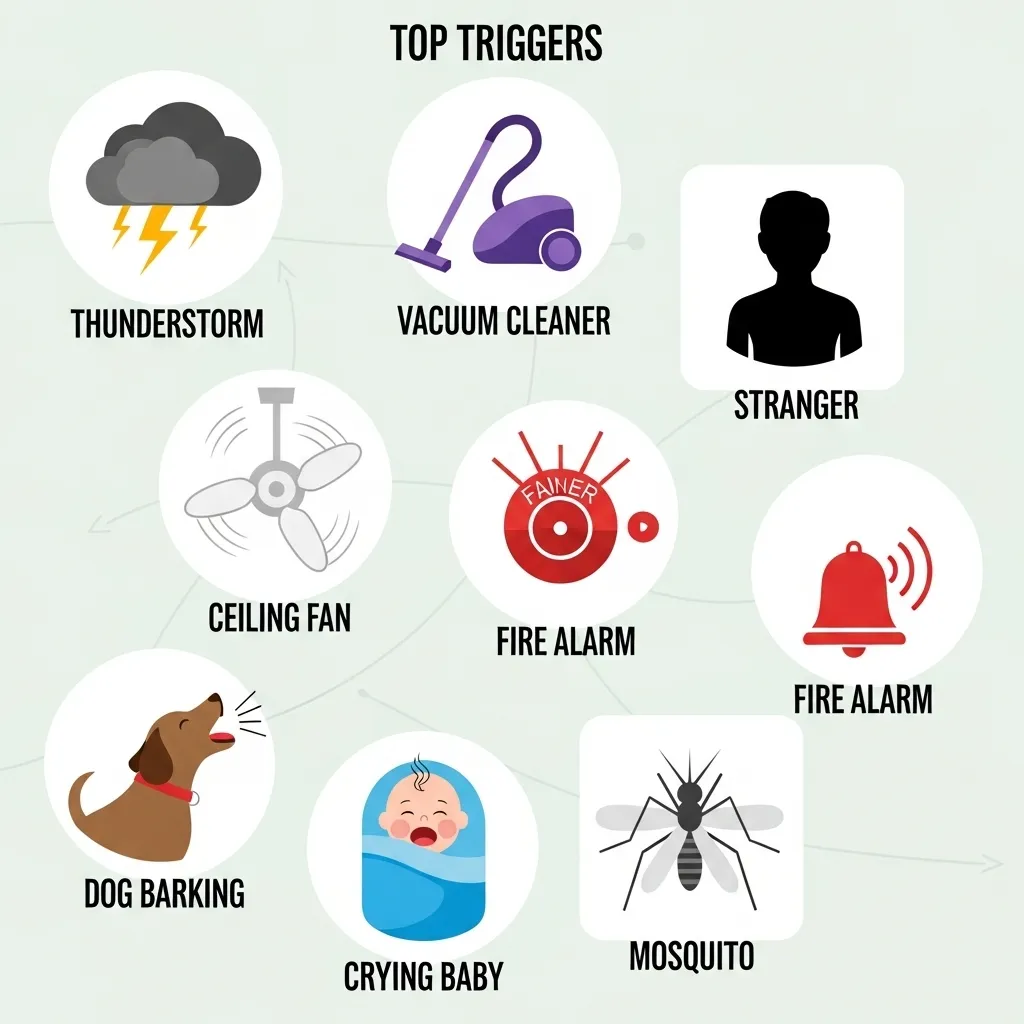
- Loud or sudden noises (vacuum, thunderstorms, construction, fireworks) cats scared of loud noises is extremely common
- Strangers or unfamiliar people in the home
- New pets or resident pets that haven’t been properly introduced (see managing multi-cat households)
- Quick movements, especially overhead reaching
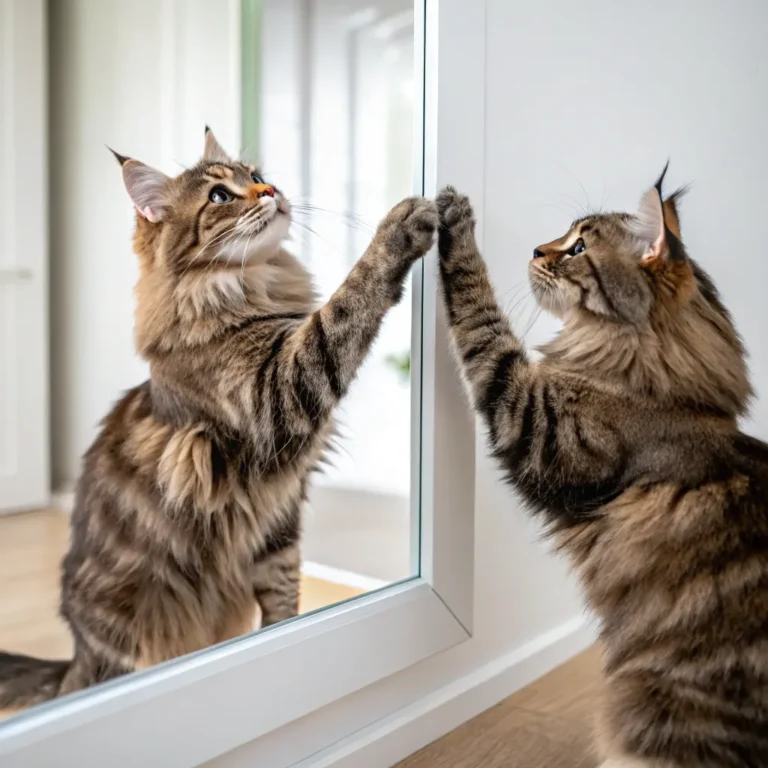
- Reflections, shadows, or ceiling fans
- Children running or playing unpredictably
- Carrier or car rides (learned fear association)
- Changes in routine – moving furniture, new smells, home renovations
Understanding Cat Body Language: Your Early-Warning System
Learning to read subtle stress signs lets you intervene before a full-blown panic episode.
Relaxed cat: slow blink, ears forward or slightly sideways, tail loosely curled, normal pupil size
Mild stress: ears turned sideways, slight tail flicking, whiskers forward
Moderate stress: crouched body, dilated pupils, rapid tail lashing
Severe stress/fear: flattened ears, piloerection, whale eye (whites showing), hissing, growling
Pro tip: A slow blink from you tells your cat “I’m safe.” Many nervous cats start relaxing within weeks once their humans master this.
Explore our full cat tail language guide
Cat Anxiety vs. Normal Startle Reflex
Every cat jumps sometimes. Anxiety exists when:
- The reaction is disproportionate to the stimulus
- Recovery takes minutes to hours instead of seconds
- The cat begins anticipating danger (scanning rooms, refusing to relax)
- Avoidance behaviors increase over time
Chronic cat anxiety left unaddressed raises cortisol levels and can contribute to cystitis, overgrooming bald spots, diarrhea, and suppressed immune function.
Medical Causes That Make Cats Jumpy or Nervous
Rule these out first with your vet:
- Hyperthyroidism (especially in cats over 8)
- Chronic pain (arthritis, dental disease, old injuries)
- Neurological conditions or early cognitive dysfunction
- Vision or hearing loss – sudden onset jumpiness in senior cats
- Toxin exposure or side effects from medication
A simple blood panel and physical exam usually catch these.
Sensory Overload: The Hidden Reason Many Indoor Cats Stay on Edge
Cats have hearing five times more sensitive than ours. What sounds “normal” to us can be painful or overwhelming to them. Combine that with bright flickering lights, strong cleaning-product smells, and multiple electronic devices humming, and you’ve created an environment that keeps cortisol elevated 24/7.
Signs of cat sensory overload:
- Hiding during the day and only coming out at night
- Excessive grooming or skin twitching
- Startling at nothing visible
- Refusing to use open litter boxes
Creating a Safe Environment for Cats: The Foundation of Calm
Most jumpy cats improve 70–90% just from these changes:
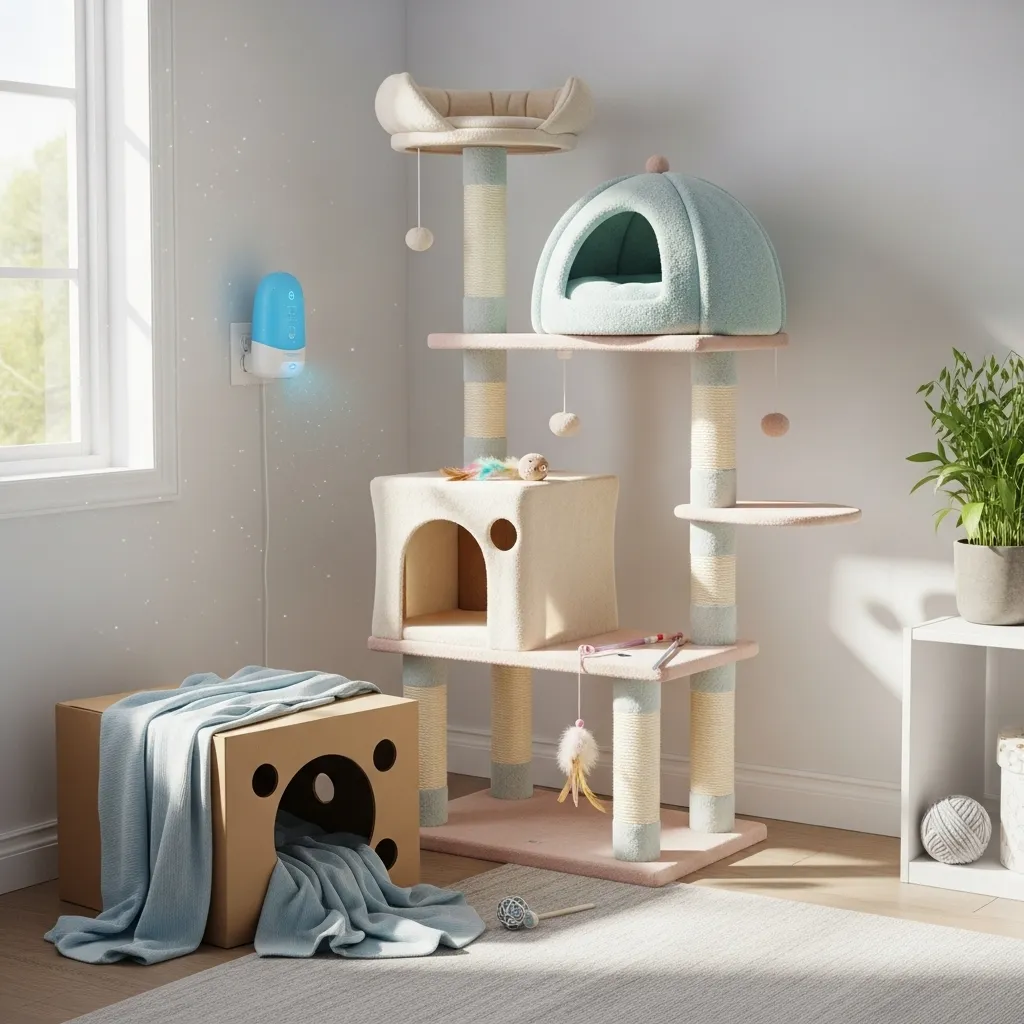
- Provide multiple high perches and escape routes (cat trees, shelves, window perches)
- Create quiet “safe zones” with covered beds or cardboard boxes in every level of the house
- Use pheromone diffusers (Feliway Optimum is currently the most evidence-backed)
- Play white noise or classical music during noisy times
- Keep routines predictable – same feeding times, same play sessions
- Cover reflective surfaces that create startling flashes
Discover the best beds for anxious cats in our breed-specific guides
Week-by-Week
Week 1–2: Observation & vet check
- Note every startle episode in a journal (trigger, intensity, recovery time)
- Schedule wellness exam + senior bloodwork if over 7 years old
Week 3–4: Safe-zone bootcamp
- Set up at least three bolt-holes your cat can reach without touching the floor
- Begin pheromone therapy
Week 5–8: Desensitization & counter-conditioning
- Pair mild versions of the trigger with ultra-high-value treats (plain boiled chicken, Churu)
- Example: play vacuum recording at barely audible volume → treat → increase volume over days
Week 9+: Enrichment & confidence building
- Daily interactive play (wand toys that mimic prey)
- Food puzzles and sniff walks on a harness
- Clicker training simple behaviors (touch, sit, high-five) – hugely boosts confidence
Natural Calming Aids That Actually Work (Backed by Studies)
- Feliway Optimum diffuser – 2023 study showed 82% reduction in stress signs
- L-theanine (Anxitane) or Zylkene (casein protein) – safe daily supplements
- CBD for cats – choose isolate or broad-spectrum only, third-party tested
- Classical music or Through a Cat’s Ear series
- Compression wraps (ThunderShirt) for short-term events (vet visits, fireworks)
When to Call a Professional
Seek a veterinary behaviorist or certified trainer if:
- Your cat injures itself trying to escape
- Aggression appears (swatting, biting family members)
- House-soiling starts
- Weight loss or refusal to eat longer than 24 hours
Real-Life Success Story
Luna, a 3-year-old rescue Siamese mix, arrived terrified of everything – even the refrigerator clicking on. After six months of safe zones, Feliway, daily play, and slow desensitization to household noises, she now greets guests at the door and sleeps stretched out on the couch. Progress is possible.
Frequently Asked Questions
Why does my cat get scared of loud noises even when nothing bad has happened?
Cats have a startle circuit wired for survival. A single negative association (or even genetically predisposed sensitivity) can make everyday sounds feel threatening.
Is jumpy kitten behavior normal?
Kittens are often more bouncy and reactive, but extreme fear isn’t normal. Early gentle exposure prevents it becoming lifelong.
Can a jumpy cat ever become a lap cat?
Yes. Many formerly fearful cats become extremely affectionate once they trust their environment.
Why does my cat bite my other cat when startled?
Redirected aggression. The jumpy cat can’t flee or fight the scary thing, so nearby animals become the outlet. Separate during triggers and treat the underlying fear.
How long does it take to calm an anxious cat?
Noticeable improvement in 2–8 weeks; full confidence can take 3–12 months depending on history.
Final Thoughts
A jumpy cat isn’t “broken” he’s just living in a world that feels unpredictable. With patience, the right environment, and a little understanding of feline behavior, almost every nervous cat can learn the house is safe and humans are trustworthy.
Your cat’s peace of mind is worth the effort. Start with one safe zone and one small change today you’ll both sleep better tonight.
Ready for more expert cat behavior and care advice? Explore the full library of guides at Cat Bloom Haven from understanding why cats zoom at 3 a.m. to choosing the perfect vet for your anxious kitty.
You’ve got this and your cat’s got you. ❤️