Why Is My Black Cat Turning Brown? 8 Surprising Causes Explained
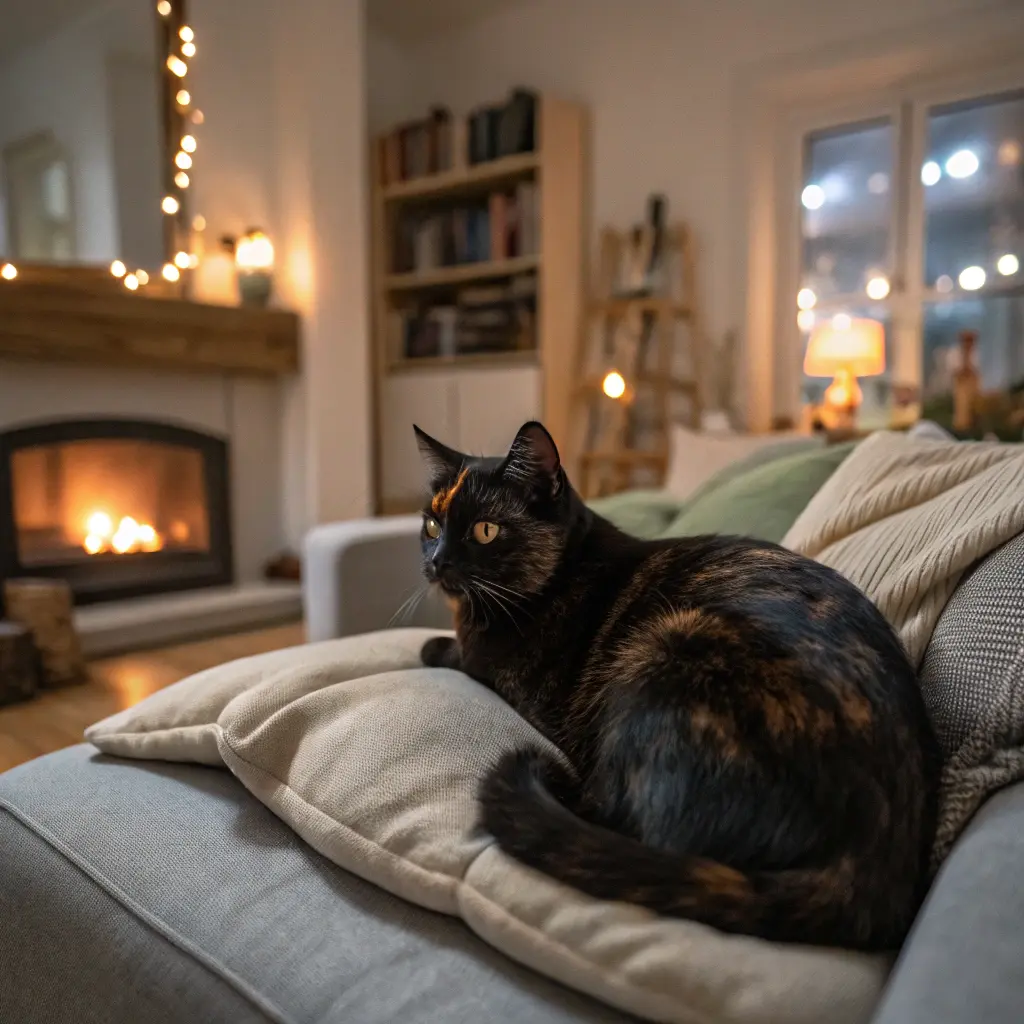
Noticing your black cat’s sleek coat turning brown can be puzzling. Those rich, dark hairs suddenly showing brown patches or a reddish tint might leave you wondering what’s going on. From diet to sunlight, several factors can cause a black cat’s fur to change color. Below, we dive into eight possible reasons for this curious change, helping you understand your feline friend better.
Why Does a Black Cat’s Fur Change Color?
A black cat’s coat can shift to brown due to natural, environmental, or health-related reasons. Let’s explore the top causes behind this transformation, so you can pinpoint what might be affecting your cat.
1. Sun Bleaching Fades the Coat
Just like human hair can lighten in the sun, a black cat’s fur can fade to brown from prolonged sun exposure. The sun’s UV rays break down melanin, the pigment responsible for your cat’s dark coat, causing a reddish or brownish tint, especially in areas like the back or sides. Cats that love lounging in sunny spots are more prone to this sun-bleaching effect.
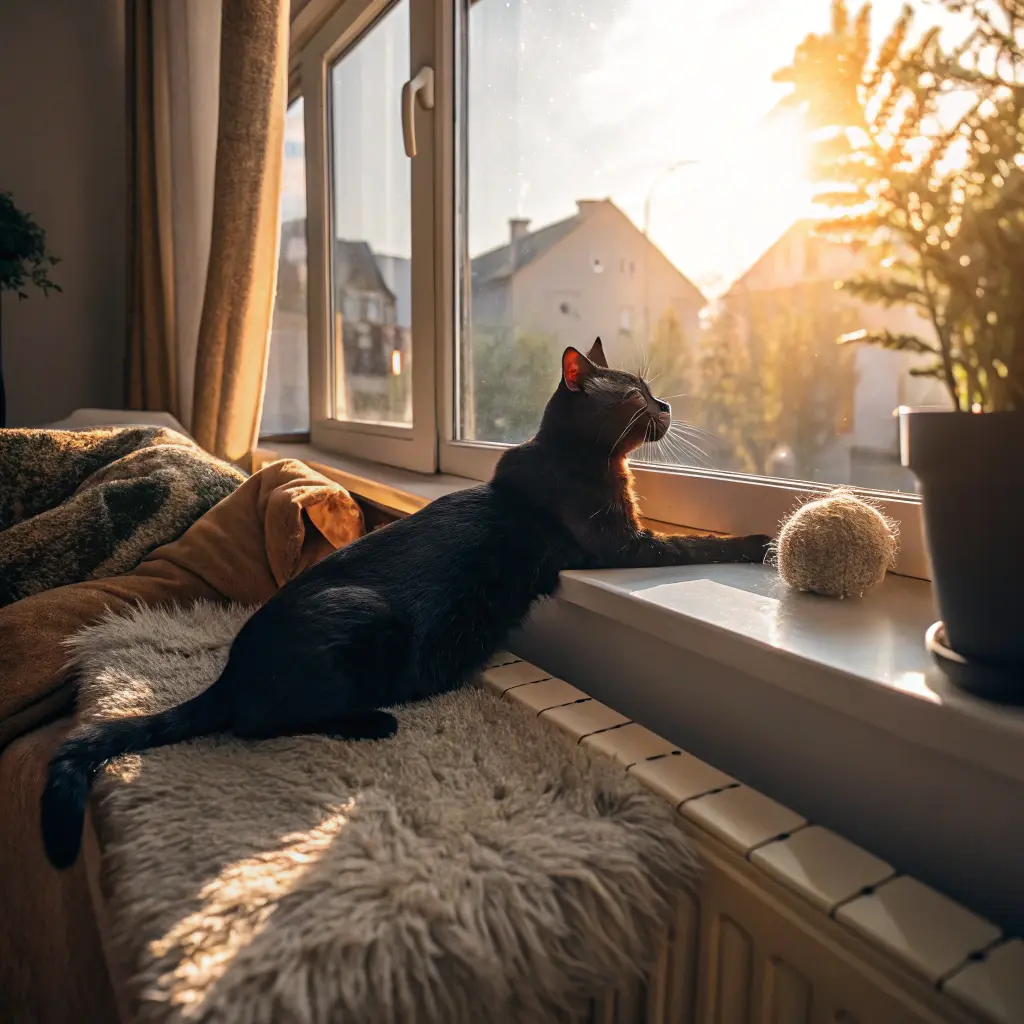
To minimize this, provide shaded areas for your cat to relax or limit their time in direct sunlight. Indoor cats with access to sunny windowsills may also show this change, so keep an eye on their favorite nap spots.
2. Nutritional Deficiencies Impact Coat Color
Your cat’s diet plays a big role in their coat’s health and color. A deficiency in tyrosine, an amino acid essential for melanin production, can cause a black cat’s fur to turn brown. Similarly, low levels of copper, which support pigment formation, may lead to a dull or brownish coat. Poor nutrition can also cause overall coat discoloration, making it look less vibrant.
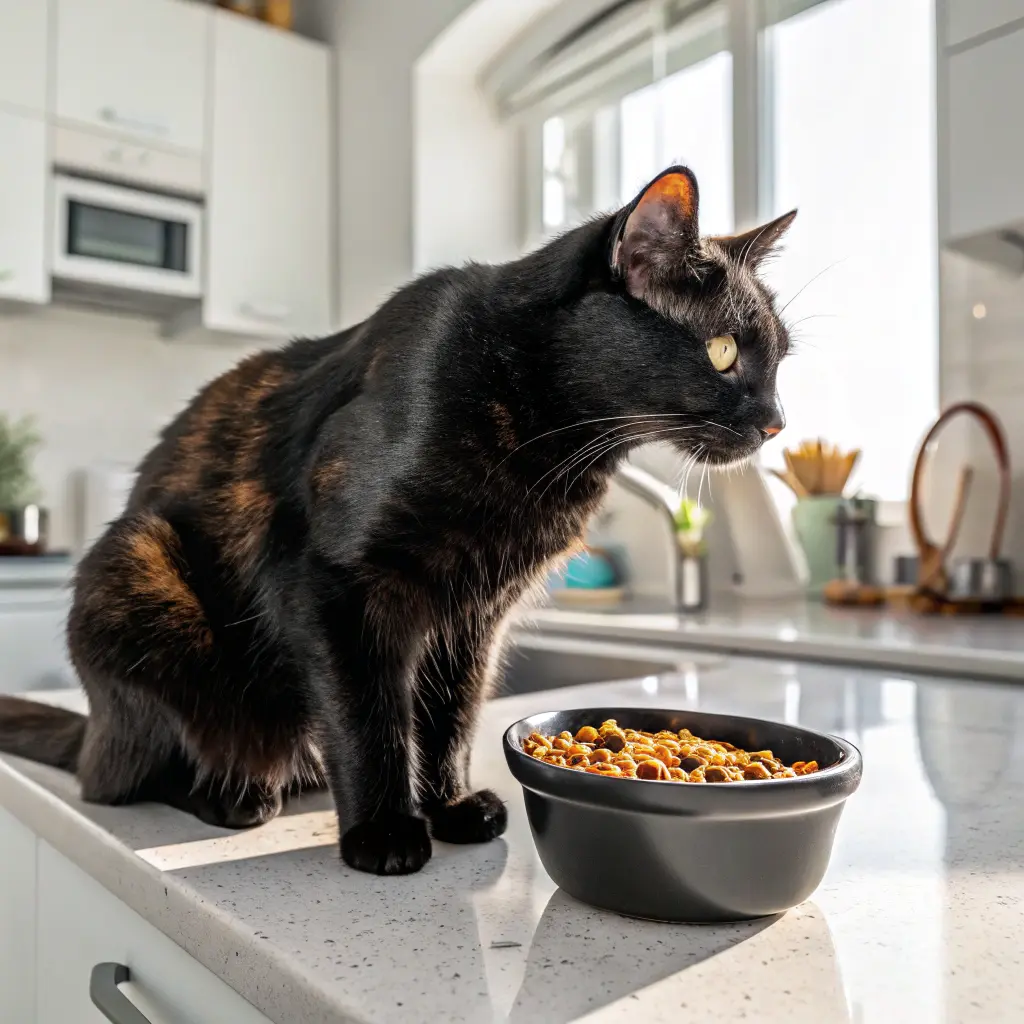
Ensure your cat’s food is high-quality and balanced, with adequate protein and essential nutrients. Check with your vet to confirm their diet meets their needs, especially if you notice brown patches on your black cat.
3. Aging Changes Fur Appearance
As cats age, their fur can naturally change color. Older black cats may develop a brownish or grayish tint as melanin production slows down. This is similar to graying hair in humans and is often most noticeable around the face or back. Aging and fur color shifts are normal, but sudden changes should prompt a closer look.
Regular grooming can help you monitor these changes and keep their coat healthy. If the browning seems rapid or uneven, it’s worth a vet visit to rule out other causes.
4. Health Issues May Cause Fur Color Changes
Certain health conditions can lead to a black cat turning brown. Thyroid issues, liver problems, or skin conditions like dermatitis can affect pigment production or cause coat discoloration. For example, a hormonal imbalance might disrupt melanin, leading to brown or reddish patches. Infections or allergies could also contribute to fur changes.
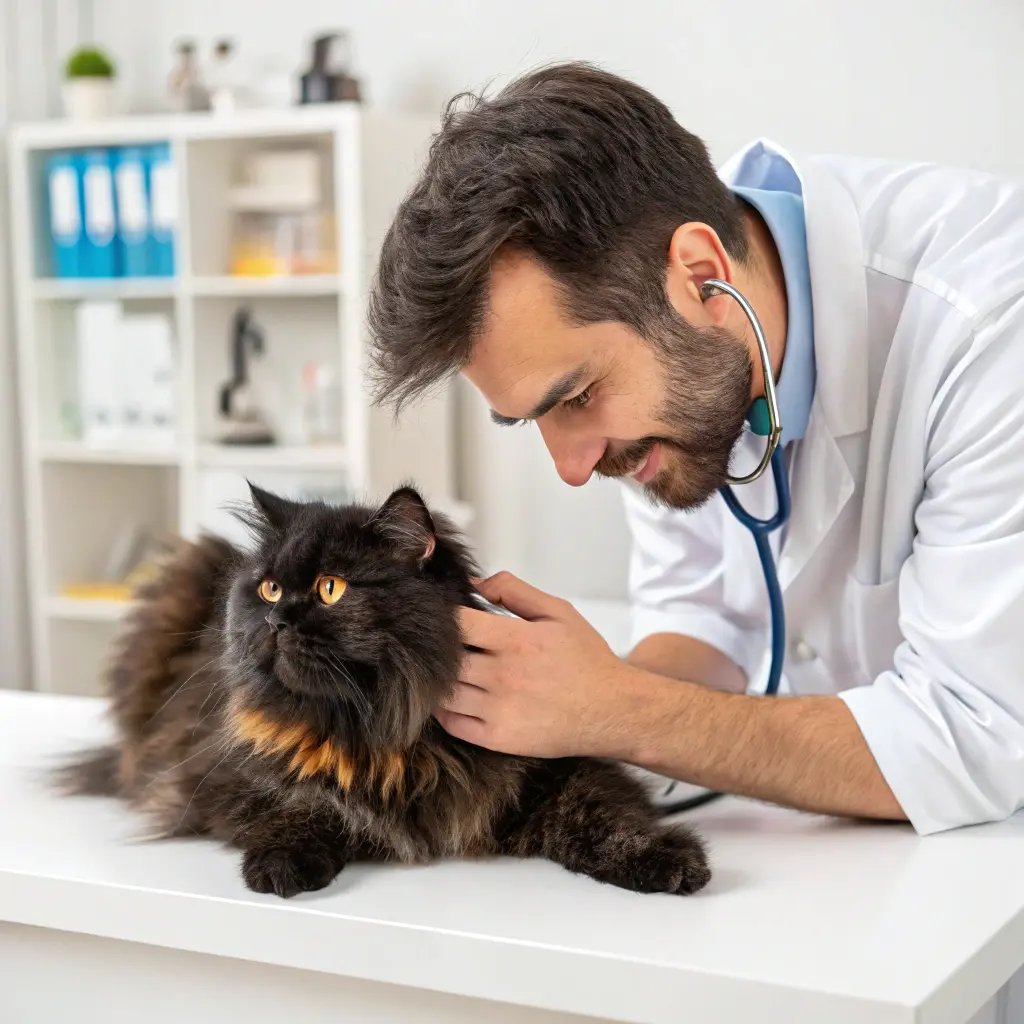
If your cat shows other symptoms like lethargy, weight loss, or skin irritation alongside browning fur, consult a vet promptly. Addressing underlying health issues can often restore their coat’s original shine.
5. Genetics Influence Coat Color Shifts
Black cat genetics can sometimes play a sneaky role in coat color changes. Some cats carry genes that cause subtle shifts in pigmentation over time, especially under certain conditions like stress or diet changes. These genetic quirks might result in brown patches or a lighter coat, even in cats that started jet-black.
While you can’t change genetics, understanding your cat’s breed or background can offer clues. A vet or genetic test can provide more insight if you suspect this is the cause.
6. Zinc Imbalance Affects Pigmentation
Too much zinc in your cat’s system, often from supplements or contaminated food, can interfere with copper absorption, leading to a brownish coat. This imbalance disrupts melanin production, causing fur to lose its deep black hue. Zinc toxicity is rare but worth considering if other symptoms like vomiting or lethargy appear.
A vet can test for mineral imbalances and recommend dietary adjustments to correct the issue, helping your cat’s coat return to its natural color.
7. Shedding Reveals Undercoat Changes
During shedding season, your black cat’s topcoat might thin out, revealing an undercoat that appears lighter or brownish. This can create the illusion of a color change, especially if the undercoat has a different texture or pigment. Regular grooming helps manage shedding and keeps the coat looking uniform.
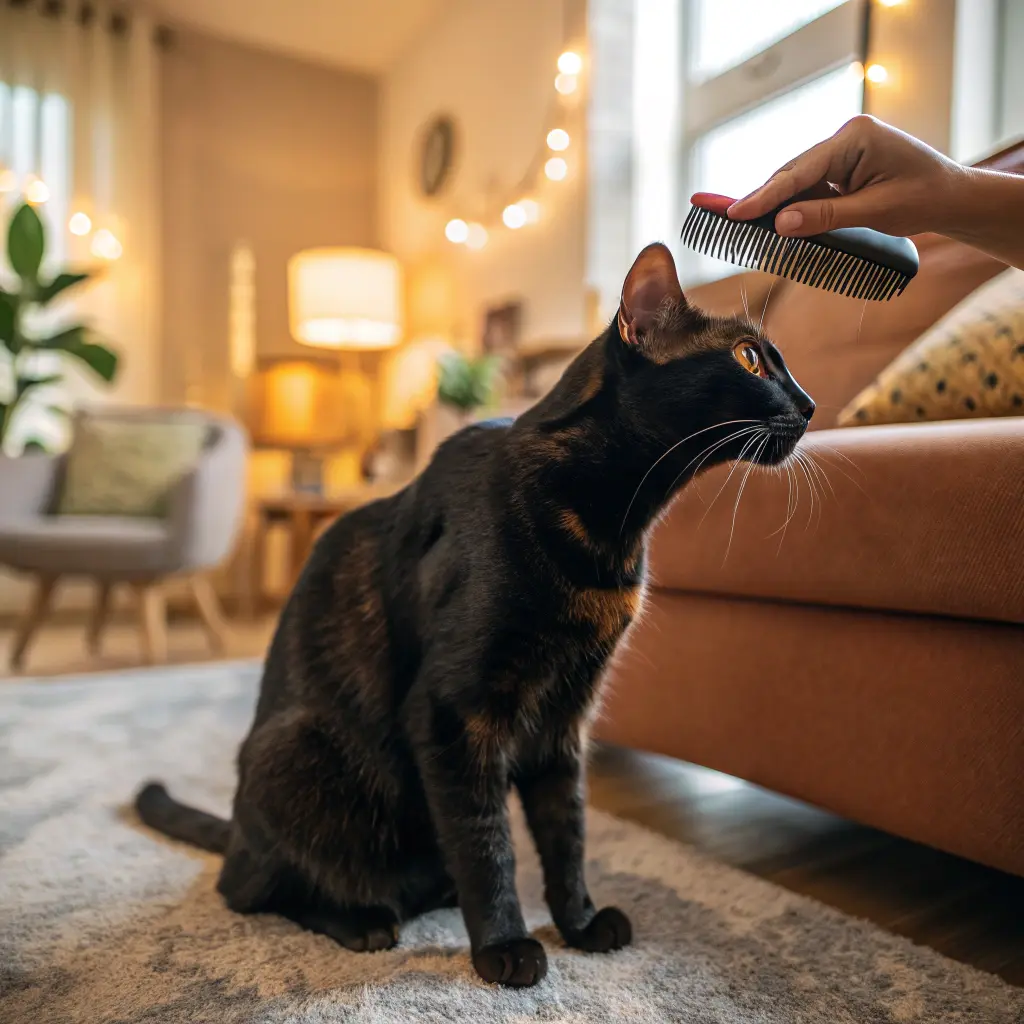
If shedding seems excessive or the browning persists, check for other factors like diet or health issues that might be amplifying the effect.
8. Stress or Environmental Factors
Stress from changes like moving, new pets, or loud environments can subtly affect a cat’s coat. While less common, stress may trigger hormonal shifts that impact fur color, leading to brown patches or a faded look. Environmental factors, like exposure to chemicals or pollutants, could also play a role in coat discoloration.
Create a calm environment for your cat and monitor their behavior. If stress seems likely, try enriching their space with toys, hiding spots, or calming pheromones.
Frequently Asked Questions
Why Do Black Cats Get Brown Patches?
Brown patches on a black cat can stem from sun exposure, diet deficiencies, aging, or health issues. Sun bleaching and low tyrosine or copper are common culprits. Check with a vet if the patches spread or come with other symptoms.
Can a Cat’s Fur Change Back to Black?
In some cases, yes! If the cause is nutritional or health-related, addressing it can restore the black coat. For example, fixing a tyrosine deficiency or limiting sun exposure may help. Genetic or age-related changes are less likely to reverse.
Do All Black Cats Turn Brown in the Sun?
Not all black cats turn brown, but many do show some fading with prolonged sun exposure. Cats with thinner coats or those who spend more time in sunlight are more likely to develop a brownish tint.
Is Fur Color Change a Sign of Illness?
Sometimes. If browning is sudden, patchy, or accompanied by symptoms such as lethargy, changes in appetite, or skin issues, it may indicate a health problem. A vet can help determine if it’s a benign change or something more serious.
Wrapping Up
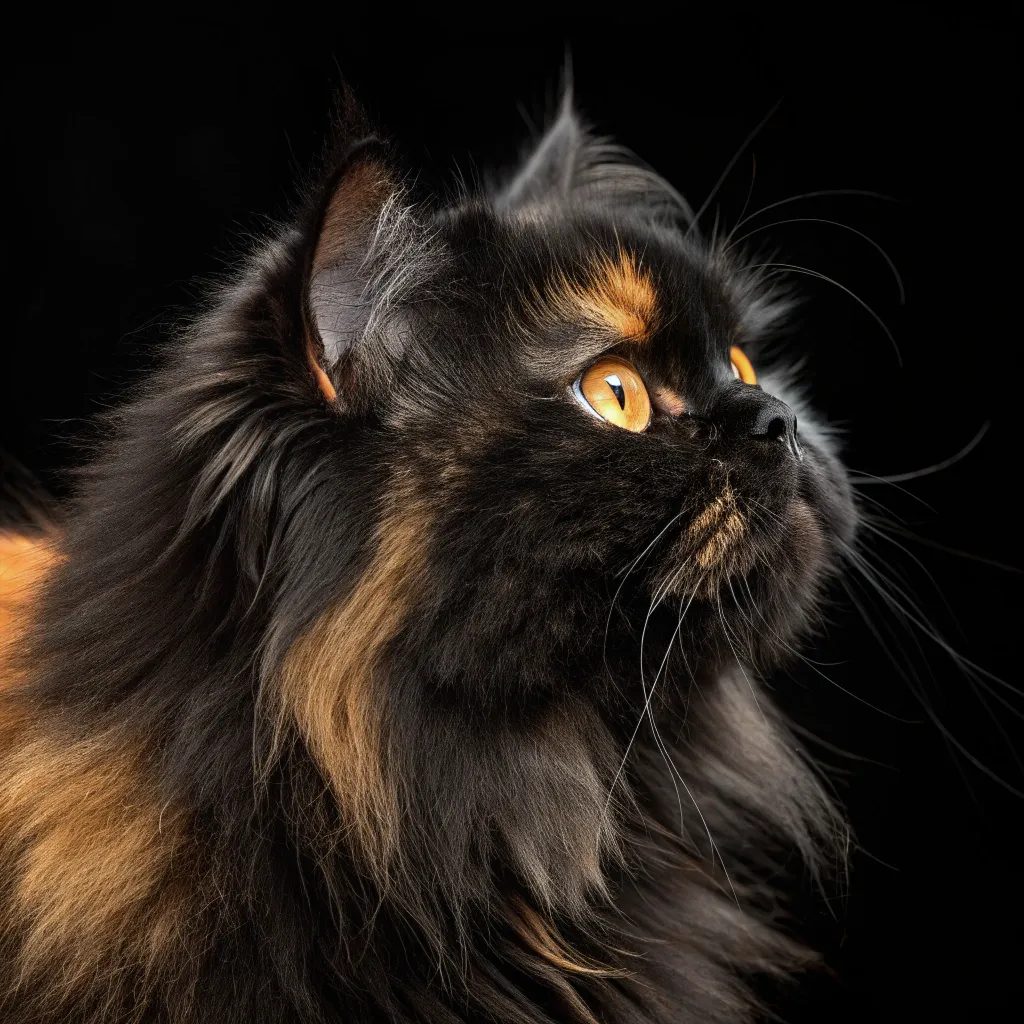
A black cat turning brown can be caused by sun bleaching, poor nutrition, aging, health issues, genetics, or even stress. By observing your cat’s habits, diet, and overall health, you can often identify the reason and take steps to address it. Regular vet checkups, a balanced diet, and a cozy environment will keep your cat’s coat looking its best. Got more questions about your cat’s changing fur? Reach out to a vet for tailored advice, or share your experience below!