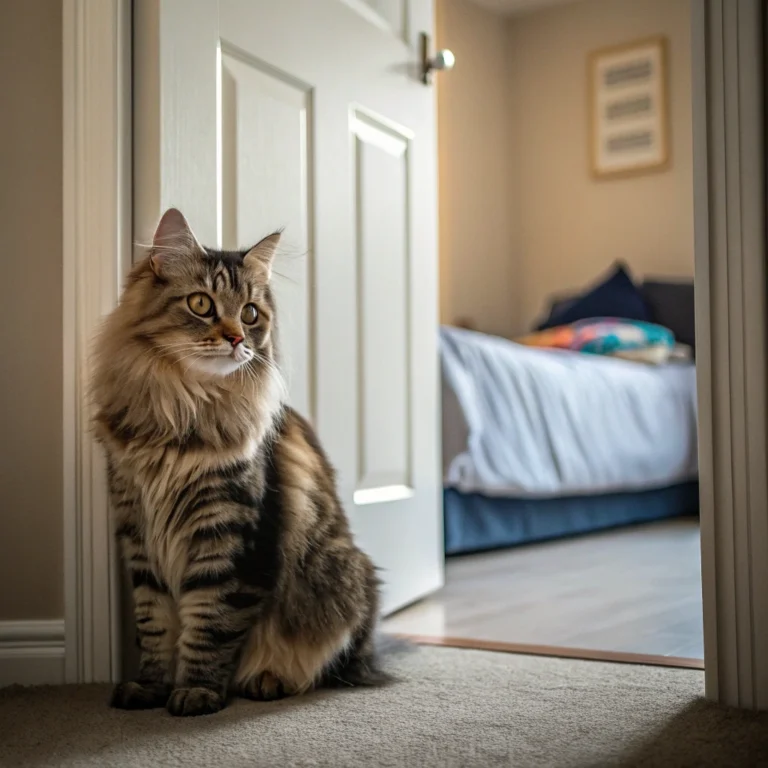
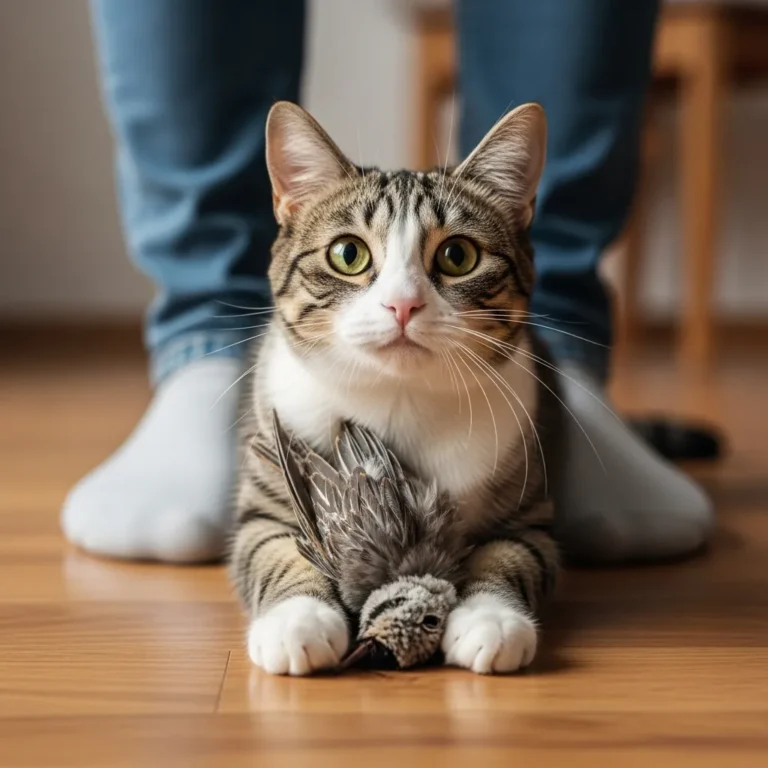
Subtle Behavioral Signs That Indicate a Cat Feels Secure at Home
Many cat owners wonder if their feline friend truly feels at ease in their surroundings. Cats are masters of subtlety. They do not broadcast their emotions like dogs might. Instead, they reveal comfort through quiet, everyday actions that speak volumes about trust and security.
When a cat feels secure at home, it means the environment meets their needs for safety, predictability, and affection. These subtle behavioral signs show your cat views your space as a true haven. Recognizing them strengthens your bond and helps you create an even better home for your pet.
In this guide, we explore the most telling indicators, backed by feline behavior insights. You will learn what to watch for, why these behaviors matter, and how to encourage more of them.
Key Takeaways: Quick Signs Your Cat Feels Secure
- Relaxed body posture with slow blinks and exposed belly.
- Frequent purring, kneading, and headbutting.
- Confident play, normal appetite, and open grooming.
- Tail held high when greeting you.
- Choosing to sleep near you or in open areas.
These signals often appear together in truly content cats.

Understanding Cat Security: Why Subtle Signs Matter
Cats evolved as both predators and prey. They stay alert to potential threats. A cat that drops its guard at home signals deep comfort.
Veterinarians and behaviorists note that secure cats show lower stress hormones and better health. They face fewer issues like hiding or inappropriate elimination.
Subtle signs differ from obvious ones like loud purring. They include small shifts in posture or routine that confirm ongoing security.
Top Subtle Behavioral Signs Your Cat Feels Secure
Here are the most reliable indicators, explained with context.
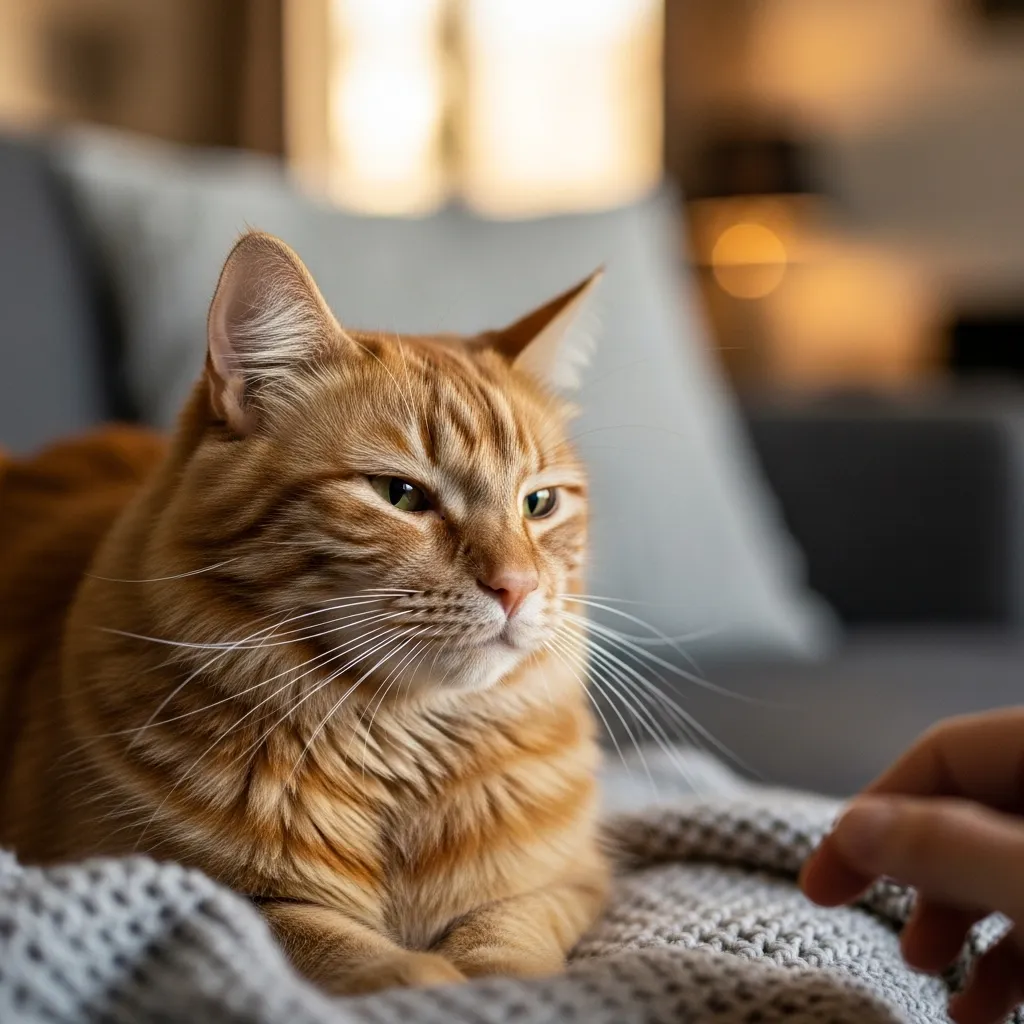
1. The Slow Blink: A Feline “I Love You”
Cats slow blink when fully relaxed. This deliberate, soft closing of eyes says, “I trust you enough to look away.”
In the wild, closing eyes leaves a cat vulnerable. At home, it means no perceived danger.
Try slow blinking back. Many cats return it, deepening the connection.
2. Belly Exposure Without Fear
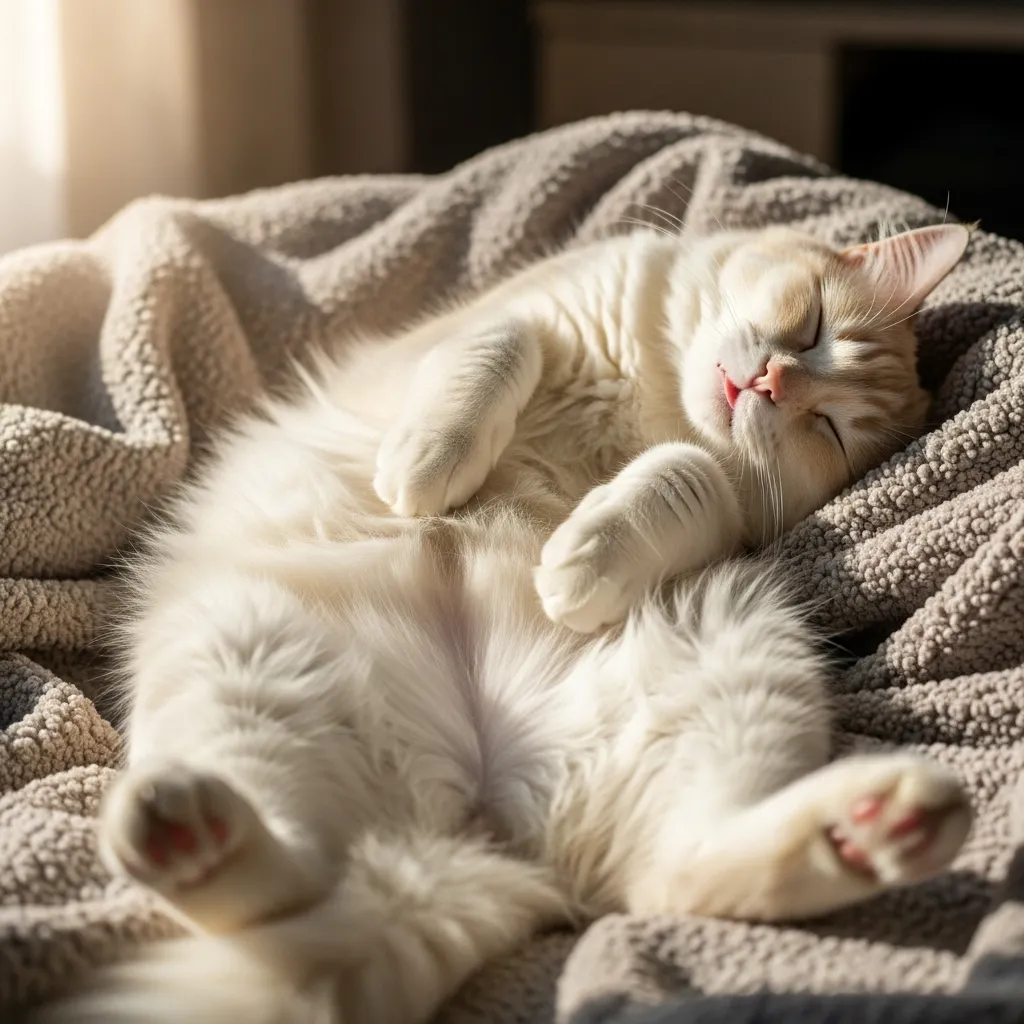
A cat rolling over to show its belly displays ultimate vulnerability. The stomach holds vital organs, so exposure means complete safety.
Not all belly shows invite rubs. Some cats prefer admiration only. Respect their boundaries.
This sign shines in open areas, like the living room floor.
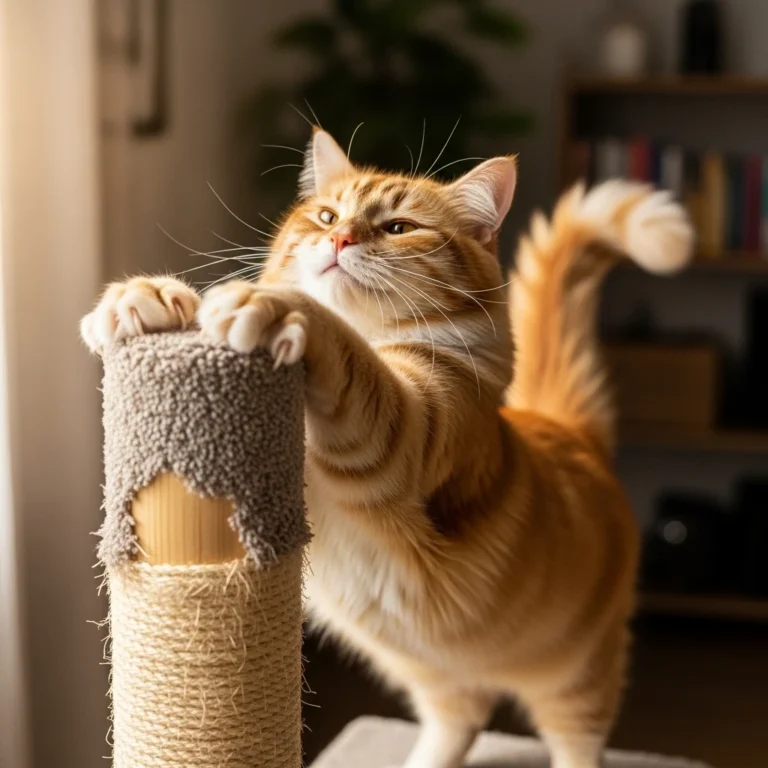
3. Kneading With Paws (“Making Biscuits”)
Kneading rhythms stem from kittenhood, stimulating milk flow while feeling safe with mom.
Adult cats knead soft surfaces or you when content. Purring often accompanies it.
This behavior releases endorphins, reinforcing security.

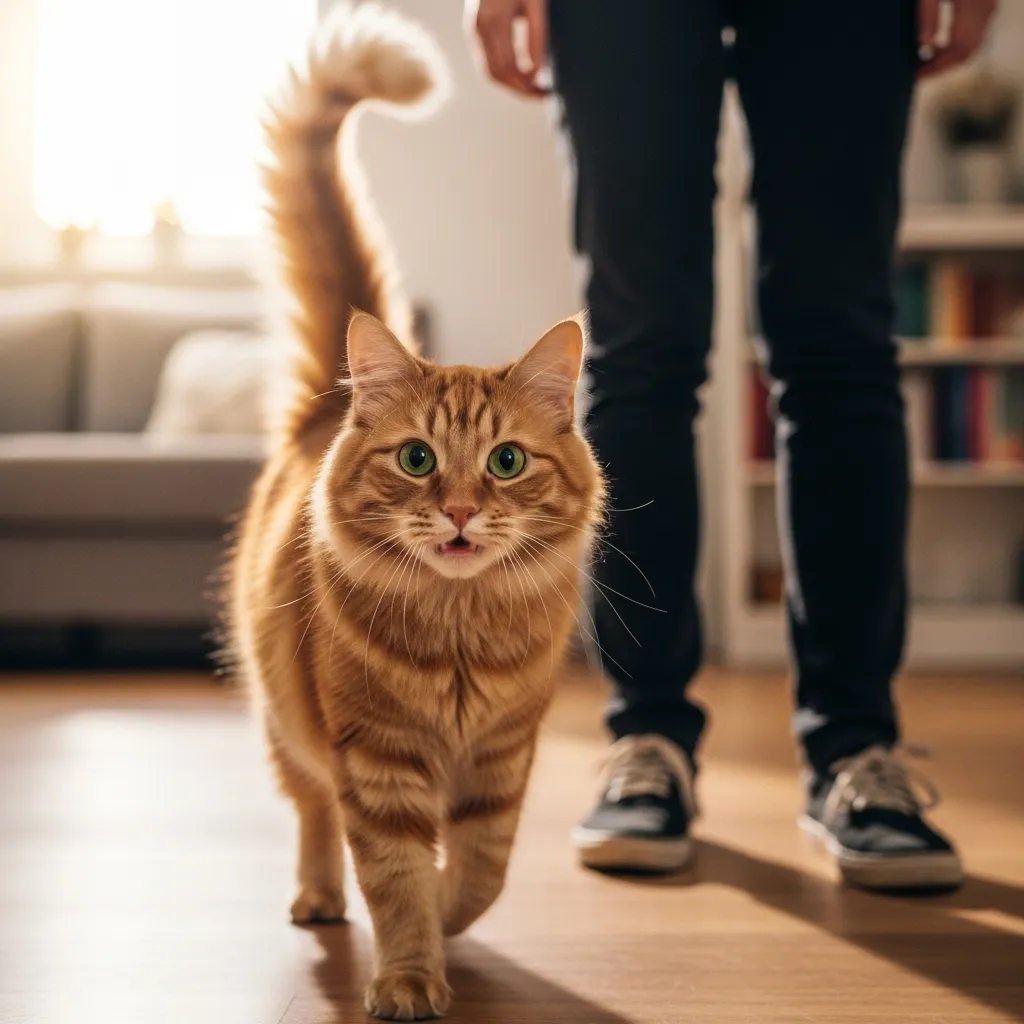
4. Tail Held High With a Gentle Curve
An upright tail with a slight hook at the tip greets like a smile.
This confident posture spreads familiar pheromones. Low or tucked tails signal the opposite.
Watch for it when you come home.
5. Relaxed Purring in Everyday Moments
Purring often means contentment, especially during petting or lounging.
Secure cats purr softly while resting alone or near you.
Context matters: Stress purring can occur, but relaxed posture confirms happiness.
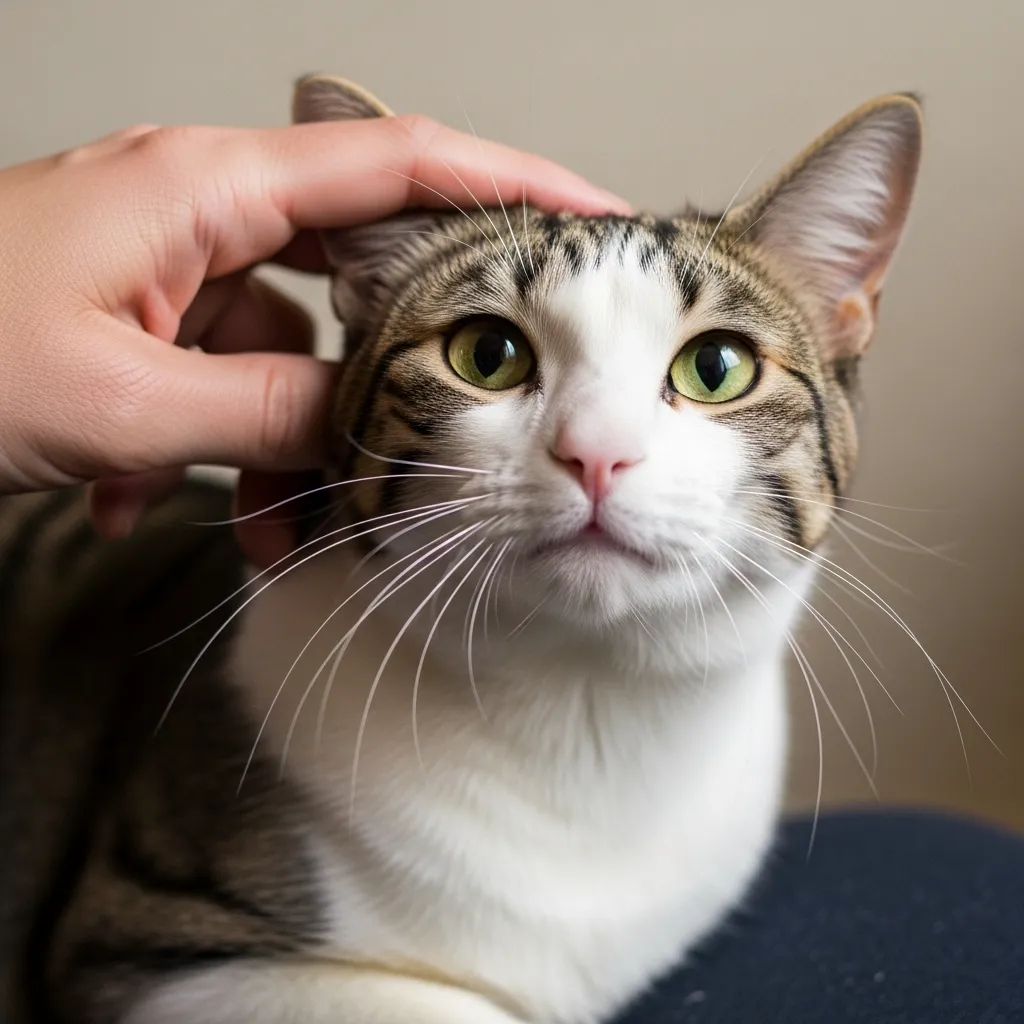
6. Headbutting and Cheek Rubs
Bunting transfers scent glands, marking you as safe and familiar.
Frequent headbutts show affection and territorial comfort.
This social bonding appears in multi-cat homes too.
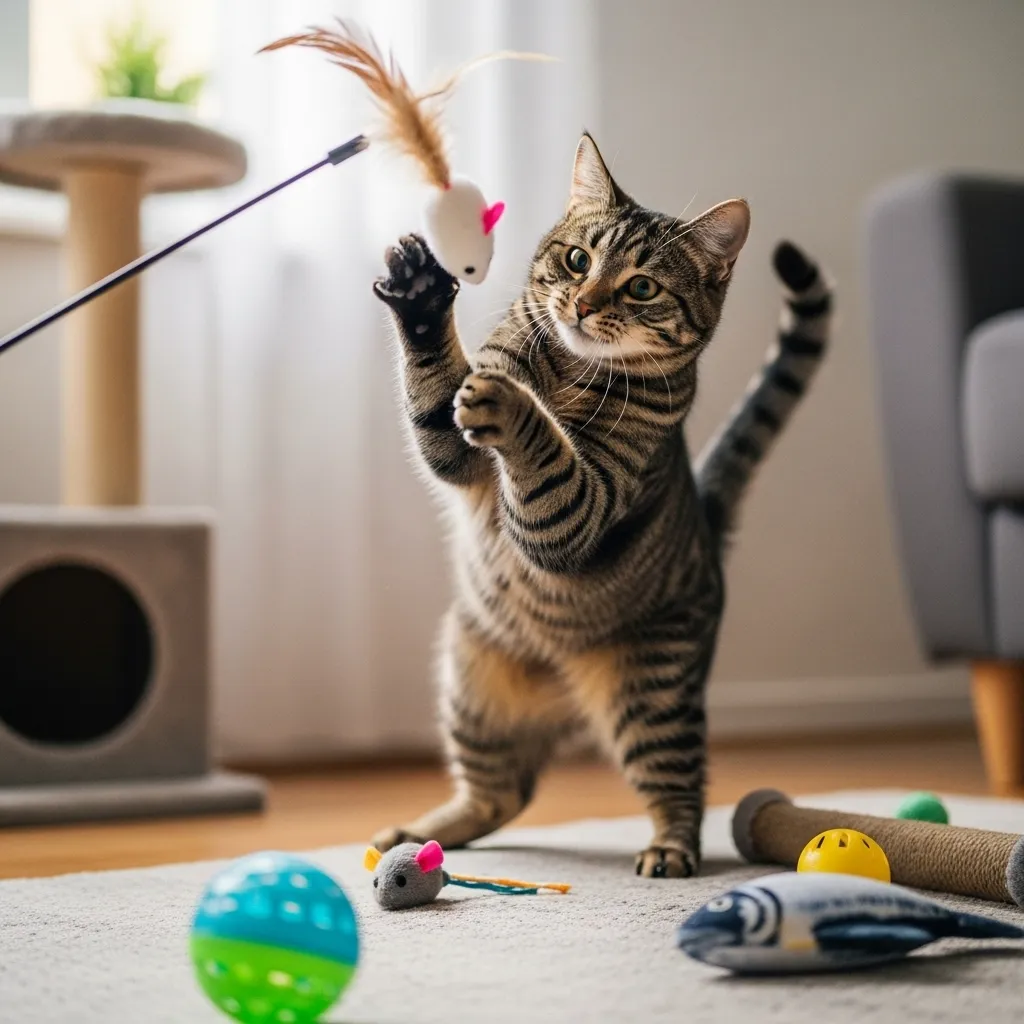
7. Confident Play and Zoomies
Secure cats play boldly, chasing toys or sudden energy bursts.
Play indicates low stress and fulfillment of hunting instincts.
Encourage it with interactive toys. Discover more tips in our guide on keeping cats entertained.
8. Grooming in Your Presence
Cats groom when relaxed. Doing it openly, or on you, signals trust.
Allogrooming builds bonds.
Normal appetite and eating near you also show security.
9. Sleeping in Vulnerable or Open Spots
Cats sleep up to 16 hours daily. Secure ones choose exposed areas or near you.
Curled tightly might indicate caution; stretched out shows ease.
10. Following You Room to Room
Shadowing without demand means enjoyment of your company and home comfort.
This subtle attachment affirms security.
How Breed and Personality Influence These Signs
Breeds vary. Siamese often vocalize affection; Persians show quietly.
Shy cats may display subtler signs. Learn more in our Siamese cat breed guide or Persian cat breed overview.
Common Mistakes in Reading Cat Behavior
- Assuming belly exposure always invites touch it often means “look, don’t touch.”
- Confusing play aggression with unhappiness confident cats play rougher.
- Ignoring context a single sign might not tell the full story.
Always consider the whole picture.
Tips to Boost Your Cat’s Sense of Security
- Provide high perches and hiding spots for control.
- Maintain consistent routines for feeding and play.
- Use pheromone diffusers in stressful times.
- Offer enrichment like puzzle feeders.
- Respect boundaries to build trust.
For breed-specific advice, check our Bengal cat personality guide or Ragdoll cat care guide.
When Subtle Signs Are Absent: Potential Red Flags
Lack of these behaviors might indicate stress. Watch for hiding, reduced appetite, or aggression.
Consult a vet to rule out health issues. Explore our cat stress signs article for more.
Conclusion: Celebrating Your Cat’s Comfort
Spotting these subtle behavioral signs that indicate a cat feels secure at home brings quiet joy. They confirm your efforts create a loving space.
Every slow blink or knead affirms your bond. Keep observing and responding.
Explore more expert cat care and behavior guides on Cat Bloom Haven, from cat sleeping habits to why cats show bellies.
Your cat’s security is a shared journey. Cherish the subtle signs.
FAQ: Common Questions About Cat Security Signs
What if my cat never shows its belly?
Many secure cats skip this. Look for other signs like slow blinks or kneading.
Do all cats purr when secure?
Most do, but some express contentment quietly. Relaxed posture confirms it.
How long until a new cat shows these signs?
It varies from days to months. Patience and routine help. See our cat adoption guide.
Can older cats learn to feel more secure?
Yes. Consistent care builds trust over time. Check senior cat care tips.
Is tail-up greeting always positive?
Usually, especially with relaxed body. Twitching might add playfulness.