Why Cats Change Their Eating Patterns Over Time and What It Means
Have you noticed your cat turning away from her favorite kibble, or perhaps devouring meals faster than usual? These shifts can leave you wondering what’s behind them. Why cats change their eating patterns over time and what it means often points to natural life stages, health concerns, or simple environmental tweaks.
As a cat behavior specialist with years in veterinary clinics, I’ve seen countless owners navigate this. Rest assured, understanding these changes empowers you to support your feline friend better. In this guide, you’ll learn the common causes, spot red flags, and get practical steps to keep your cat thriving.
Key Takeaways
- Cats’ eating habits evolve with age; kittens need frequent small meals for growth, while seniors may eat less due to slower metabolism.
- Health issues like dental pain or kidney disease often cause reduced appetite; early vet checks can prevent complications.
- Stress from routine disruptions can lead to picky eating; creating a calm space helps restore normal patterns.
- Seasonal shifts influence intake; cats typically eat 15% less in summer than winter to match energy needs.
- Behavioral quirks, such as playing with food, stem from hunting instincts; puzzle feeders channel this energy positively.
- Monitor daily intake and weight; consult a vet if changes last more than a day to rule out serious issues.
Understanding Normal Cat Eating Behaviors
Cats are obligate carnivores, wired to hunt and eat small, frequent meals in the wild. Domestic cats often mimic this with 10-20 small feedings a day if free-fed. They prefer fresh, meat-based foods and can be finicky about texture or temperature. A healthy adult cat maintains steady habits, eating enough to sustain energy without overindulging.
Yet, deviations happen. For instance, a cat might eat voraciously one week and nibble the next. These aren’t always alarming; some reflect natural adaptations. But tracking baseline behavior helps spot true changes.
Changes Due to Age and Life Stages
As cats mature, their nutritional needs shift, directly impacting eating patterns.
Kittenhood (0-1 Year)
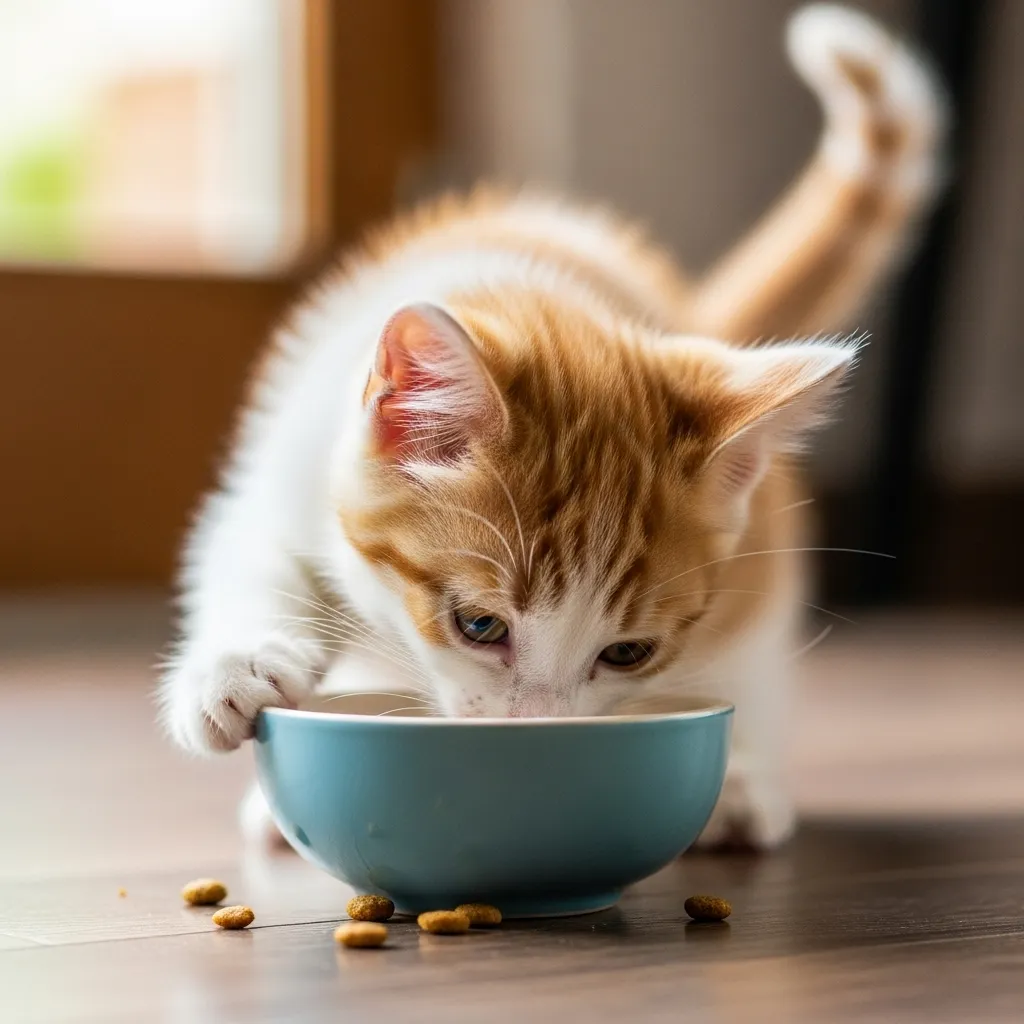
Kittens grow rapidly, requiring up to three times the calories of adults. They eat often every few hours to fuel development. If a kitten suddenly eats less, it might signal stress or illness; otherwise, high energy drives hearty appetites. Transition to adult food around 10-12 months to match slowing growth.
Adulthood (1-7 Years)
Prime-age cats settle into consistent routines, eating 2-4 meals daily. Habits stabilize, but boredom can cause finickiness. Vary flavors to keep interest high. Explore our detailed guide on choosing cat food for tips on balanced options.
Senior Years (7+ Years)
Aging brings slower metabolism and reduced activity, often leading to smaller portions. Up to 60% of seniors face arthritis, making bowl access painful and curbing intake. Kidney issues, common in older cats, cause nausea and appetite loss. Switch to senior formulas lower in calories but higher in fiber. Learn more in our senior cat care article for tailored advice.
Table: Caloric Needs by Age
| Age Stage | Daily Calories (per lb body weight) | Meal Frequency | Key Nutrients |
|---|---|---|---|
| Kitten | 100-200 | 4-6 times | High protein, fats for growth |
| Adult | 20-30 | 2-4 times | Balanced protein, moderate fats |
| Senior | 15-25 | 2-3 times | Antioxidants, joint support |
Real example: My clinic once treated a 12-year-old tabby who ate half her usual amount. Tests revealed early kidney disease; diet adjustments restored her interest.

Health-Related Reasons for Eating Changes
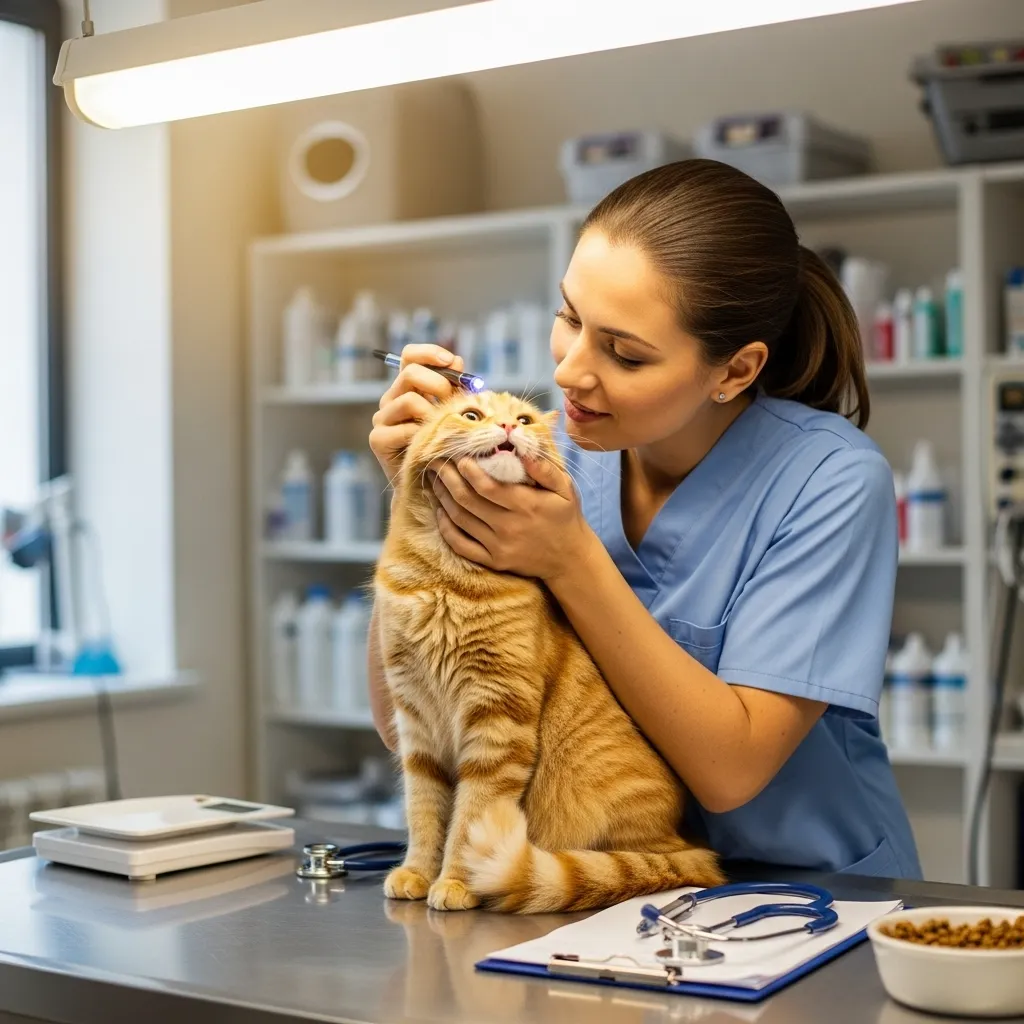
Many shifts trace back to medical conditions. Cats hide pain well, so appetite changes often signal first.
Dental Problems
Affecting most cats by age three, issues like tooth resorption or gum inflammation make chewing hurt. Cats may drop food, chew one side, or avoid dry kibble. Vet-backed tip: Brush teeth weekly with enzymatic paste; professional cleanings prevent escalation.
Kidney Disease
Chronic in seniors, it builds toxins, causing nausea. Cats eat less but drink more. Early screening via bloodwork catches it; prescription diets low in phosphorus help. Discover more tips in our cat kidney failure guide.
Diabetes and Hyperthyroidism
Diabetes leads to inefficient energy use, sometimes increasing hunger initially but reducing it later. Hyperthyroidism revs metabolism, boosting appetite yet causing weight loss. Both need vet management; insulin or meds stabilize patterns.
Other Issues
Urinary tract problems cause pain, curbing intake. Parasites steal nutrients, spiking hunger. If your cat vomits brown liquid or shows lethargy, seek care promptly. Check our cat vomiting brown liquid article for insights.
Behavioral and Environmental Factors
Not all changes are physical. Behavior plays a big role.
Stress and Anxiety
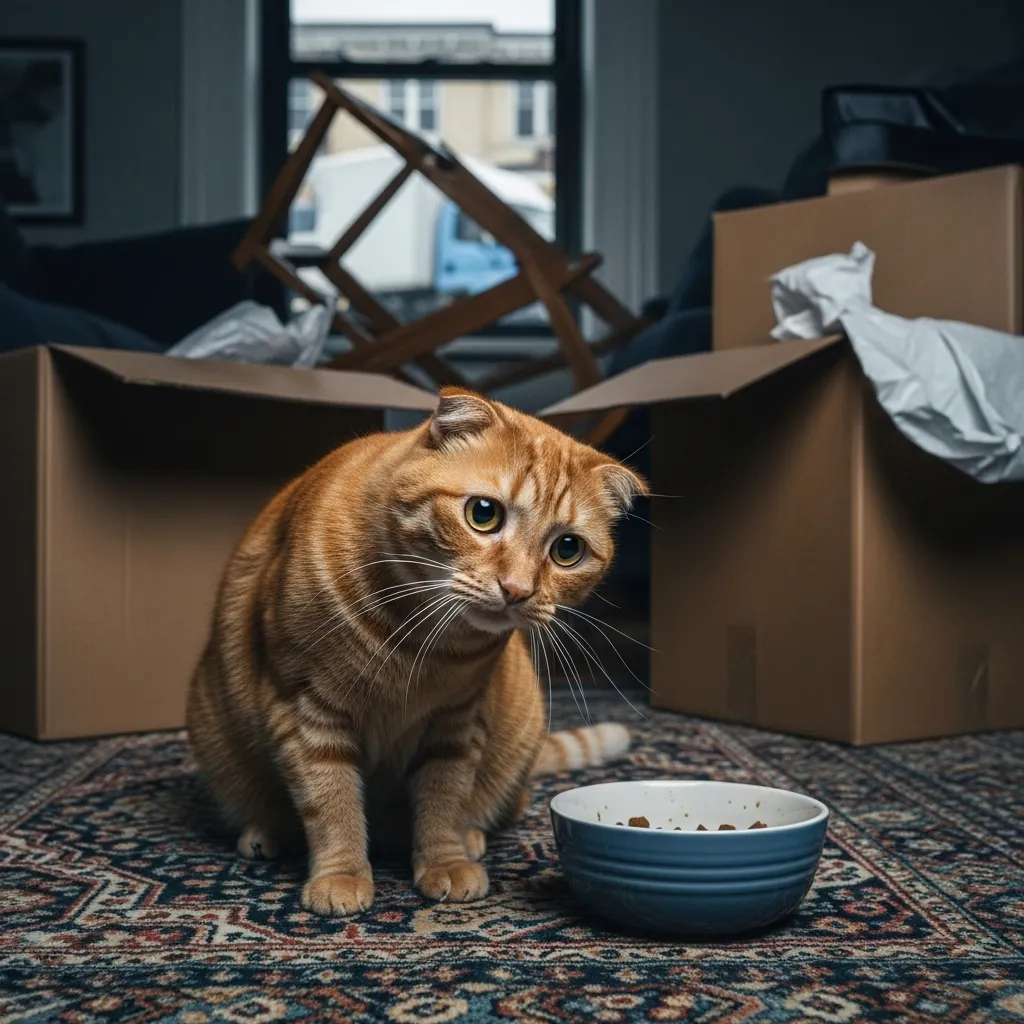
Cats thrive on routine. Moves, new pets, or loud noises trigger avoidance. A stressed cat might hide and skip meals. Solution: Use pheromone diffusers and provide quiet zones. See our cat stress signs for more on spotting this.
Pica and Odd Habits
Some cats chew non-food items like plastic, indicating boredom or deficiencies. Others play with food, swatting kibble to mimic hunting. Puzzle feeders engage instincts and normalize eating.
Food Preferences
Cats form tastes early. Sudden diet switches cause rejection. Introduce new foods gradually over a week. If your cat eats less after a change, revert and mix slowly.
Example: A client’s Bengal cat refused meals after a home renovation. We identified stress; enriching the space with perches restored her appetite. Explore our Bengal cat guide for breed-specific tips.
Seasonal Influences on Appetite
Weather affects cats more than you might think. Studies show cats eat about 15% less in summer due to heat reducing energy needs. In winter, colder temps boost metabolism, increasing intake for warmth.
Autumn and spring bring moderate changes; some cats ramp up eating as days shorten. Monitor weight to avoid overfeeding. Vet tip: Adjust portions seasonally, but keep calories consistent year-round.

When to Worry: Signs That Require Vet Attention
Not every change needs a trip, but watch for:
- No eating for 24 hours (risks fatty liver disease).
- Sudden weight loss or gain.
- Accompanying symptoms: Vomiting, diarrhea, excessive thirst, lethargy.
- Behavioral shifts like aggression or hiding.
If in doubt, err on caution. Annual checkups catch issues early. For urinary concerns, see our cat urinary health article.
How to Monitor and Support Your Cat’s Eating Habits
Track intake with a journal: Note amounts, times, and behaviors. Weigh monthly. Offer variety wet food for hydration, dry for dental health. Warm meals to enhance aroma. Use automatic feeders for consistency.
Enrich environment with toys to reduce boredom eating. For picky eaters, consult on best wet cat food options.
![Adult cat savoring wet food from her dish.]](https://catbloomhaven.com/wp-content/uploads/2025/12/Image_fx-55.webp "Why Cats Change Their Eating Patterns 6")
FAQ
What does it mean if my cat suddenly stops eating?
It could indicate stress, dental pain, or illness like kidney disease. See a vet if it lasts over a day.
Why is my senior cat eating less?
Aging slows metabolism; arthritis or health issues may play a role. Switch to senior diets and check for underlying conditions.
Can seasonal changes affect my cat’s appetite?
Yes, cats often eat less in summer heat and more in winter cold to regulate energy.
What if my cat eats too much?
Overeating risks obesity; rule out hyperthyroidism or parasites. Portion control helps.
How do I encourage a picky cat to eat?
Warm food, vary textures, and reduce stress. Gradual introductions prevent aversion.
Why does my cat play with her food?
It’s a hunting instinct; use interactive feeders to channel this behavior.
Conclusion
Understanding why cats change their eating patterns over time and what it means lets you act with confidence. From age-related shifts to health alerts, these changes offer clues to your cat’s well-being. Stay vigilant, provide balanced nutrition, and seek vet input when needed. Your efforts keep her healthy and happy. Explore more expert cat care and behavior guides on Cat Bloom Haven, like our cat food nutrition section or funny cat memes for a lighter read.