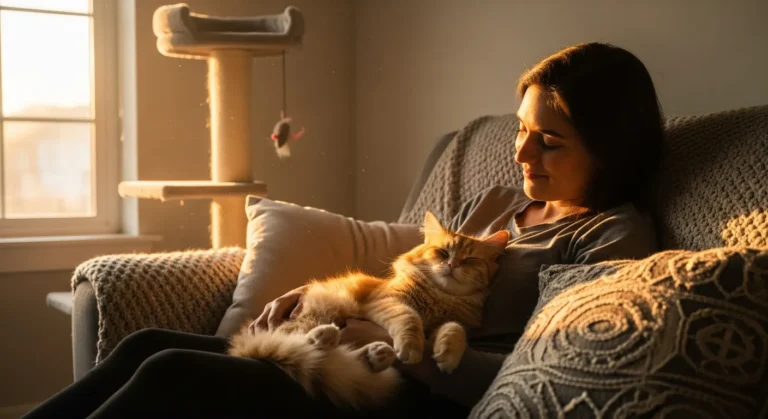
The Feline Compass: How Cats React to Change and Navigate Life’s Shifts
Key Takeaways:
- Cats are creatures of habit; their reactions to change are deeply rooted in their survival instincts and sensory perception.
- The spectrum of feline response ranges from confident adaptation to extreme stress, influenced by personality, age, health, and past experiences.
- Practical strategies from scent swapping to phased introductions can transform disruptive transitions into manageable adjustments.
- Recognizing subtle signs of stress versus curiosity is crucial for timely intervention and support.
- A cat’s successful adaptation hinges on predictability, choice, and a sense of control within their environment.
Understanding the Feline Mind: Why Change Challenges Cats
Picture this: you’ve moved your favorite armchair just six inches to vacuum. To you, it’s minor. To your cat, it’s as if the mountain moved. This intense reaction isn’t mere stubbornness; it’s evolutionary programming. Domestic cats, despite our cozy couches, retain the nervous system of solitary hunters. Their world is built on predictable patterns safe routes, secure hiding spots, reliable resources. Change disrupts this mental map, triggering a primal alert: Is this new thing a threat? Has my food source vanished? Am I safe?
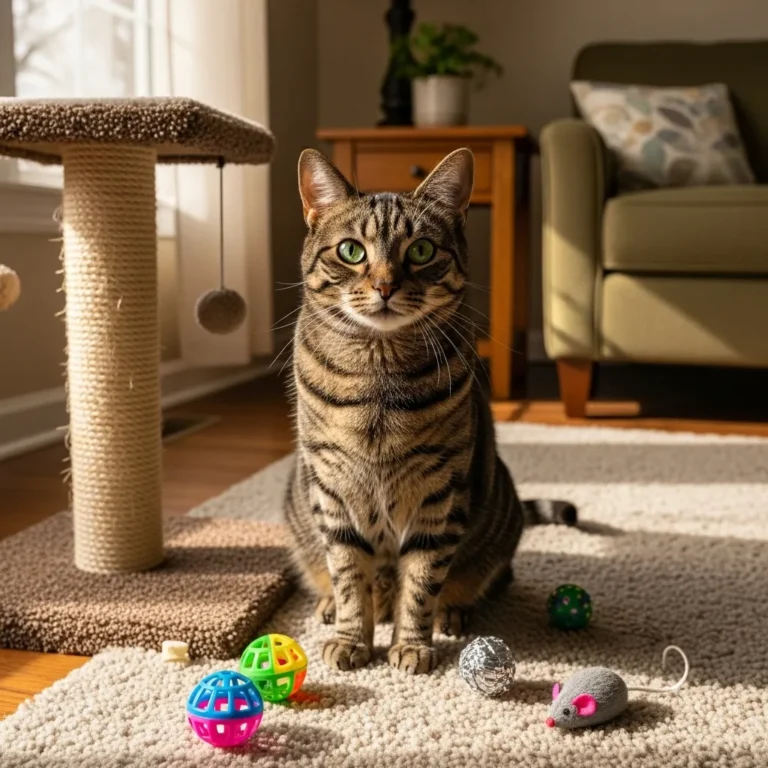
This fundamental need for predictability explains why even positive changes a new cat tree, a different food bowl can initially meet with suspicion. A cat’s territory isn’t just physical space; it’s a complex tapestry of scents, sights, routines, and resources. When we alter any thread, the entire tapestry feels unstable to them. Understanding this core truth is the first step in guiding your cat through life’s inevitable transitions with grace and minimal stress.
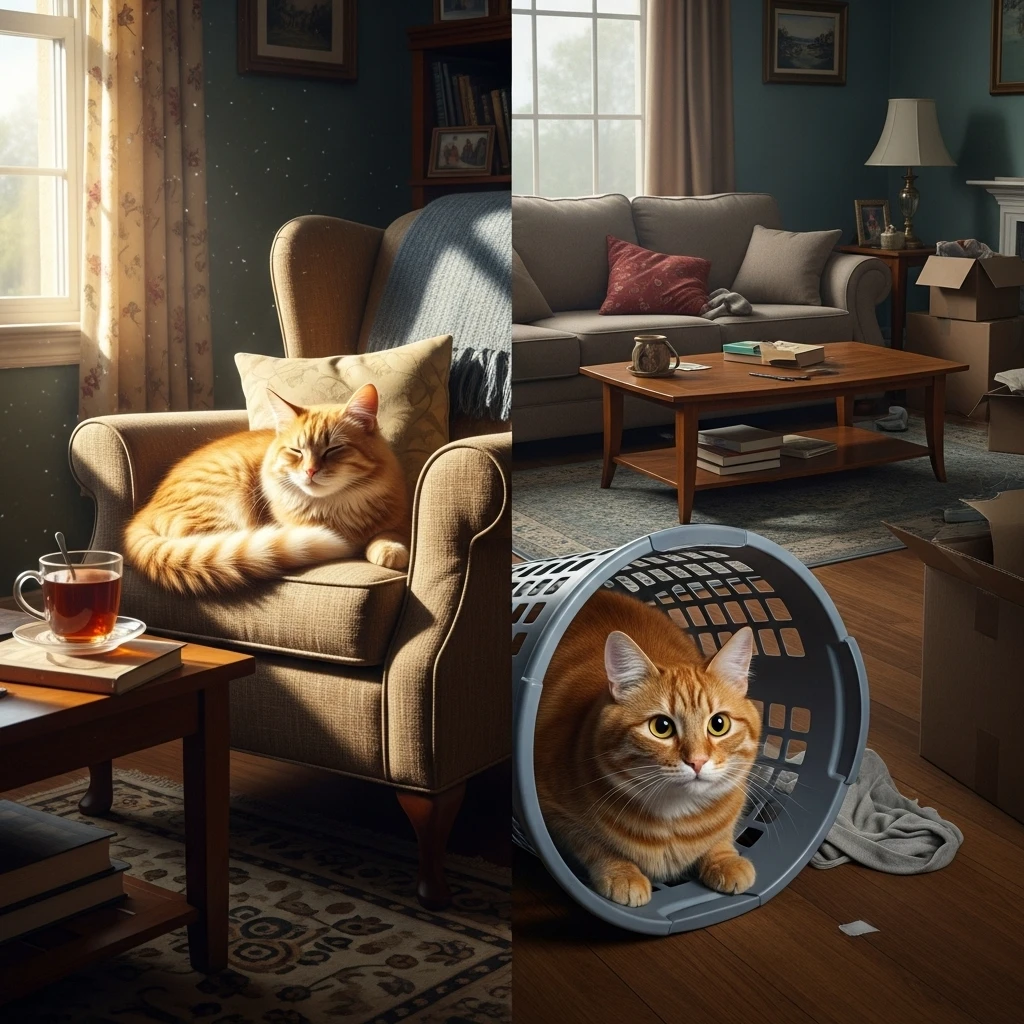
The Spectrum of Feline Reactions: From Curiosity to Catastrophe
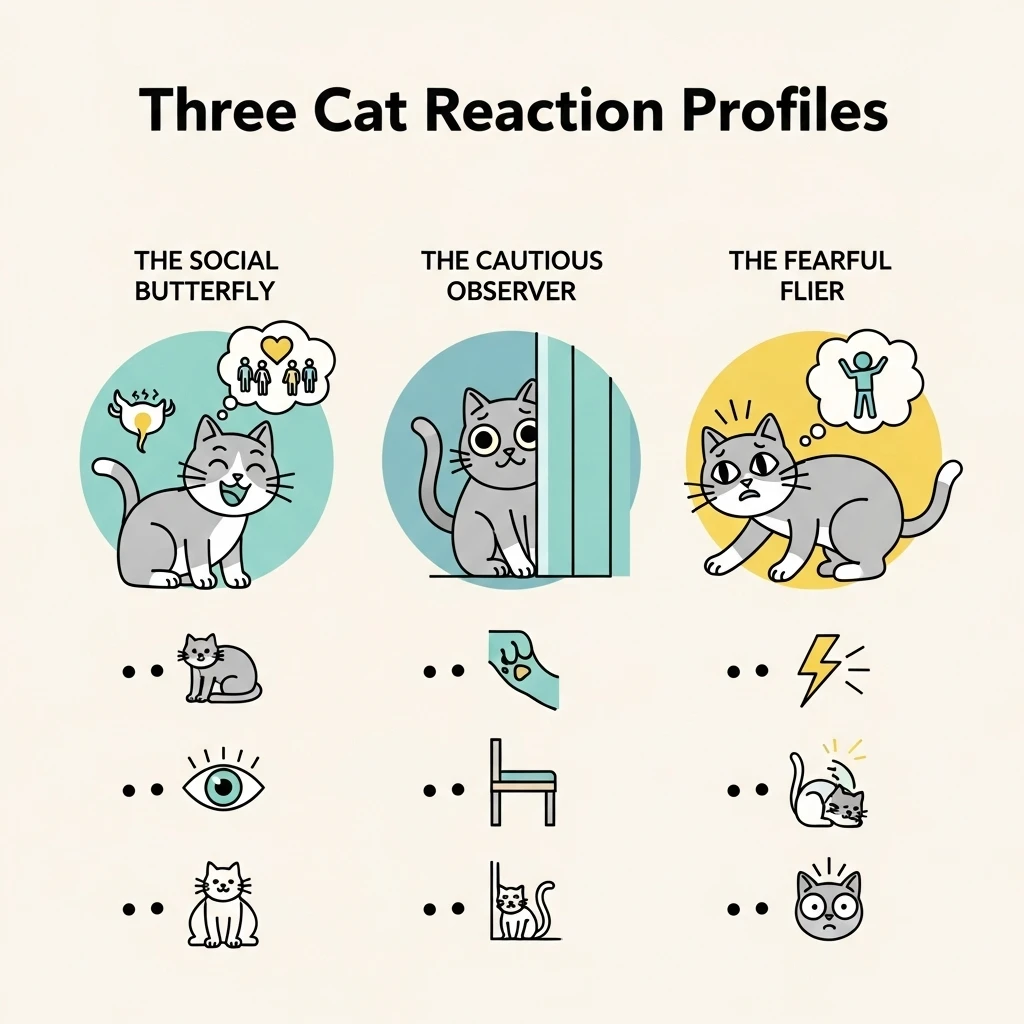
Not all cats react to change in the same way. Their responses fall along a broad spectrum, influenced by their inherent temperament, socialization history, and the nature of the change itself. Broadly, we can categorize these reactions into three primary profiles.
1. The Confident Explorer
This cat approaches novelty with cautious curiosity. You bring in a new piece of furniture, and after an initial pause, they’re the first to investigate, rubbing their cheeks on the corners to deposit their scent. These cats typically had rich, positive early socialization and possess a resilient, secure temperament. Their reaction is characterized by:
- Orienting Behavior: Ears forward, whiskers slightly ahead, slow blinking.
- Investigation: Gentle sniffing, cautious paw-touching, and eventual scent-marking.
- Quick Integration: They often incorporate the new element into their routines within hours or days.
2. The Cautious Observer
The majority of cats fall here. They perceive change as a potential threat until proven otherwise. Their strategy is to watch, wait, and assess risk from a distance. You might see:
- Withdrawal: Hiding under the bed or in a high perch for several hours.
- Silent Observation: Watching the new object or person intently without direct interaction.
- Incremental Approach: Slowly decreasing the distance over days, testing the waters with one paw at a time.
3. The Stressed Avoider
For these sensitive felines, change is profoundly disruptive, activating high-stress responses. This is common in cats with anxiety, poor socialization, or traumatic pasts. Reactions can be overt or subtle:
- Active Stress Signs: Hissing, growling, inappropriate elimination, excessive vocalization, refusal to eat.
- Passive Stress Signs: Excessive sleeping in hidden spots, over-grooming (often creating bald patches), loss of appetite, withdrawal from social interaction.
- Regression: A previously litter-box perfect cat may start having accidents; a friendly cat may become reclusive.
Where does your cat land? Observe their baseline. A cat who hides for a few hours after a stranger visits is likely a Cautious Observer. A cat who stops eating and hides for days after you rearrange a room may be a Stressed Avoider. Recognizing their profile is key to choosing the right support strategy. For deeper insight into feline personality, explore our guide on cat breeds and personalities.
Decoding the Signs: Stress vs. Adjustment
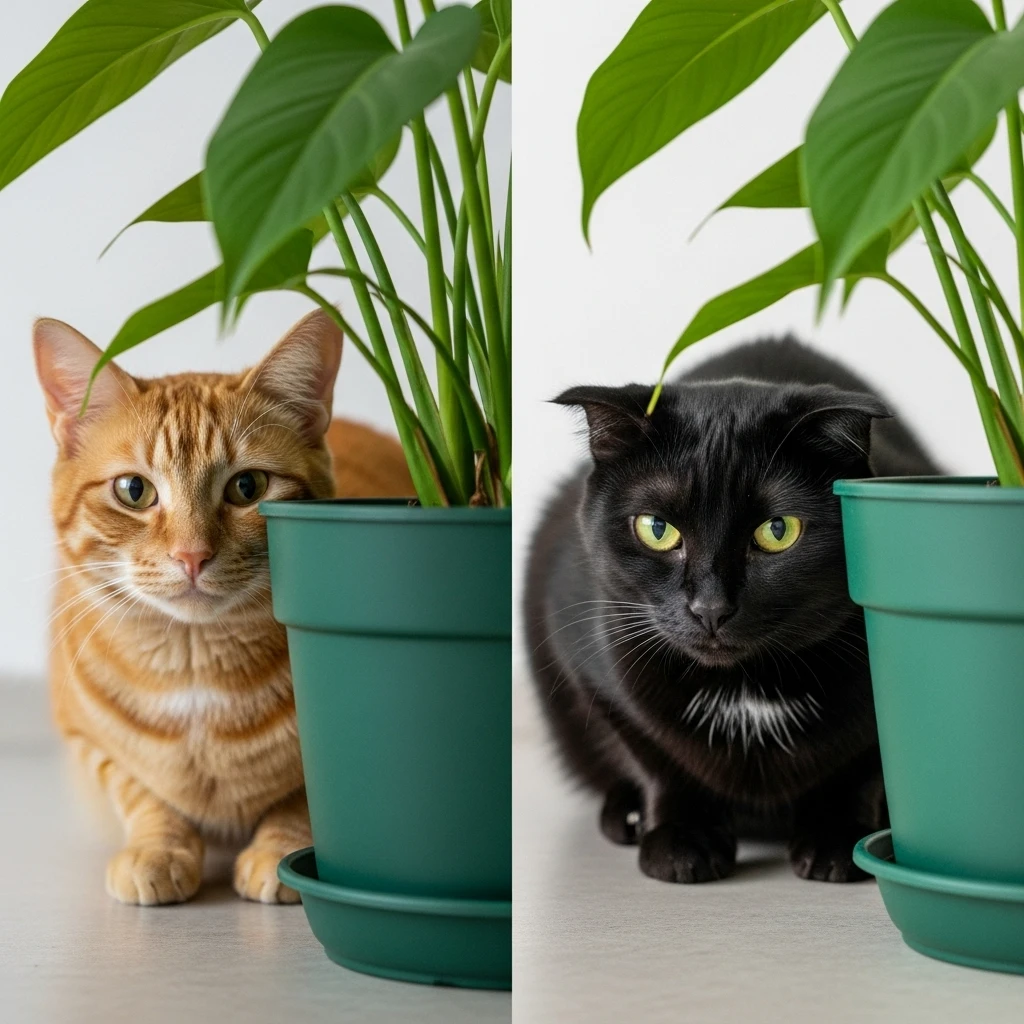
A cat’s reaction to change isn’t always loud protest. Often, the most telling signs are quiet. Learning to distinguish between normal adjustment behavior and red-flag stress is a critical skill for any cat guardian.
Normal Adjustment Behaviors (Temporary, Lasting Hours to a Couple Days):
- Brief Hiding: Seeking the safety of a carrier or under-bed hideaway for the initial period.
- Decreased Appetite: Skipping one or two meals but resuming eating normally.
- Increased Vigilance: Sitting in a corner, ears swiveling, watching the new situation.
- Scent-Marking Rubbing: Once they venture out, rubbing their face on new objects to reclaim territory.
Red-Flag Stress Signals (Requiring Intervention):
- Prolonged Inappetence: Not eating for more than 24 hours, which can lead to dangerous hepatic lipidosis.
- Elimination Outside the Litter Box: Especially if it’s on vertical surfaces or your personal belongings (bed, laundry), which is often scent-marking due to anxiety.
- Over-Grooming to the Point of Injury: Creating hot spots or bald patches, typically on the belly, inner thighs, or along the spine.
- Persistent Hiding: Refusing to come out even for food, water, or the litter box for more than a day.
- Uncharacteristic Aggression: Hissing, swatting, or biting when they are normally placid.
If you observe multiple red-flag behaviors, your cat is not merely adjusting; they are struggling. Your first step should be to rule out medical issues with a veterinarian, as stress can manifest in physical ways. For more on identifying stress, read our article on cat stress signs.
The Major Life Changes: A Practical Guide for Common Transitions
Let’s apply this understanding to the most common changes in a cat’s life. Each scenario requires a tailored approach that respects the feline need for predictability and control.
Moving to a New Home
This is arguably the biggest change. You’re not just moving objects; you’re moving their entire world.
- Phase 1: Preparation. Set up one “safe room” in the new house first—a bathroom or small bedroom. Place familiar items there: their used litter box, bedding, toys, and a piece of your unwashed clothing. Use synthetic feline pheromone diffusers (like Feliway) in this room 24-48 hours before the move.
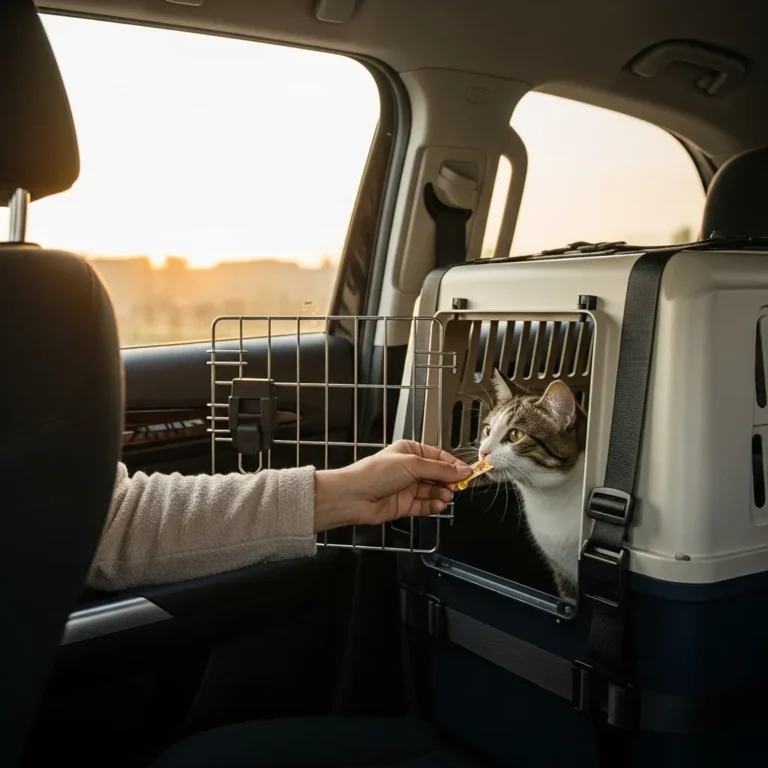
- Phase 2: Moving Day. Keep your cat securely in a carrier in a quiet room away from the chaos on moving day. Consider asking a friend to care for them or boarding them for the day.
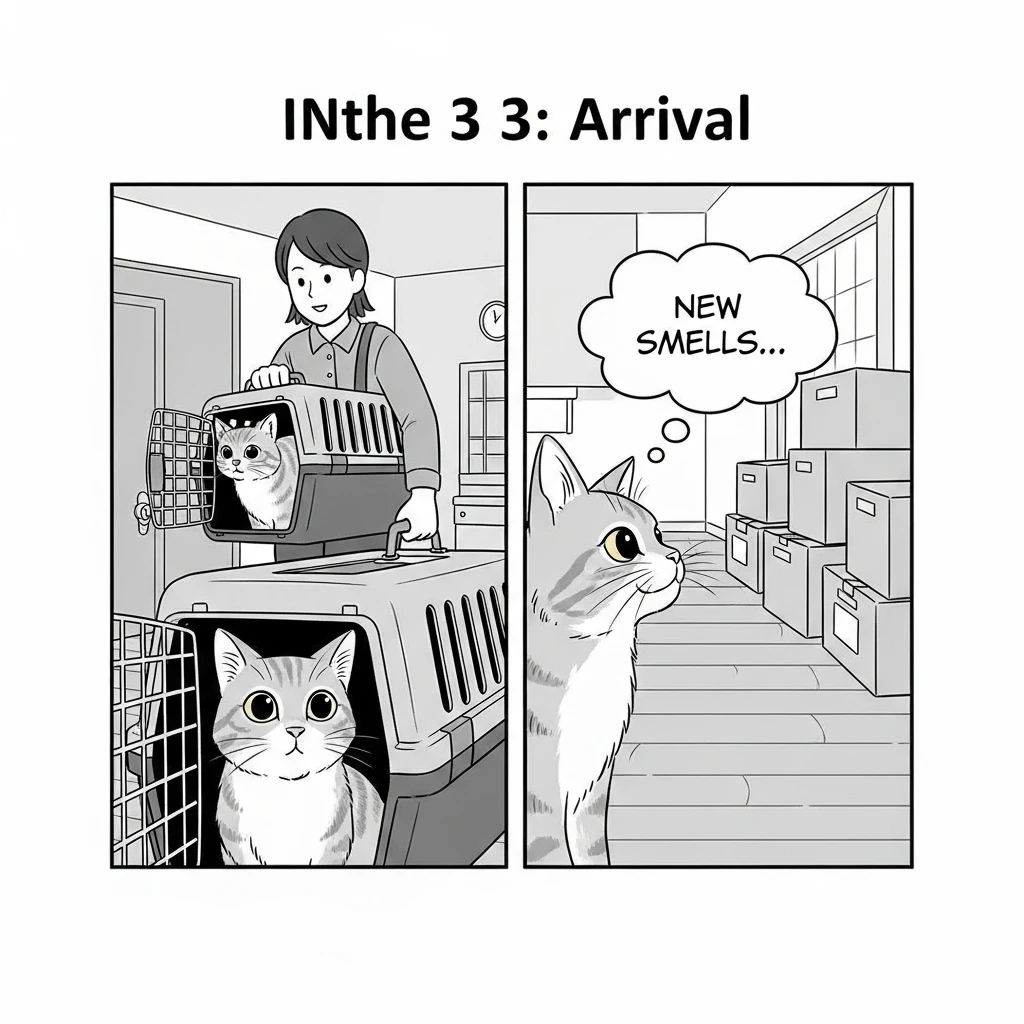
- Phase 3: The Settle-In. Upon arrival, place your cat directly in their pre-prepared safe room. Let them explore this small, scent-familiar space for at least 2-3 days. Spend quiet time with them there. Feed them, play gently, and let them dictate the pace.
- Phase 4: Gradual Expansion. Once they seem relaxed in the safe room, open the door and allow them to explore the rest of the home at their own pace. Keep their litter box and food in the safe room initially, then slowly move them to permanent locations over a week. For more on this process, see our guide on moving long distance with a cat.
Introducing a New Pet (Cat, Dog, or Other)
The key here is scent before sight. Rushed face-to-face introductions are the leading cause of long-term friction.
- Scent Swapping: Keep the new pet completely separate. For several days, swap bedding between them so they can get used to each other’s scent. Feed them on opposite sides of the same closed door so they associate the other’s smell with positive things (meals).
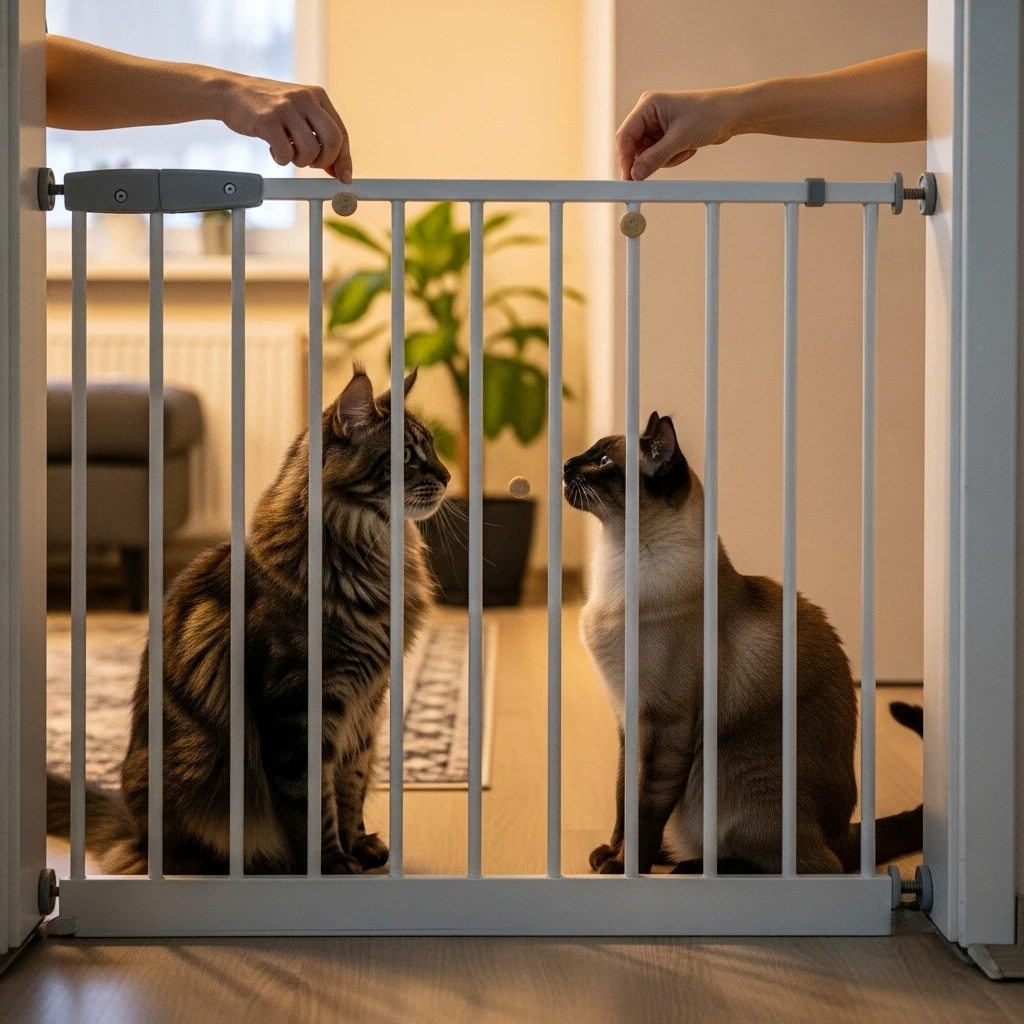
- Controlled Visual Access: Use a baby gate or a cracked door with a barrier so they can see each other briefly without physical access. Keep sessions short and positive, with treats and praise.
- Supervised Meetings: Begin with leashed or harnessed introductions in a neutral space. Have high-value treats and toys ready to distract and create positive associations. Watch body language closely—hissing or growling means you’ve moved too fast. End each session on a positive note.
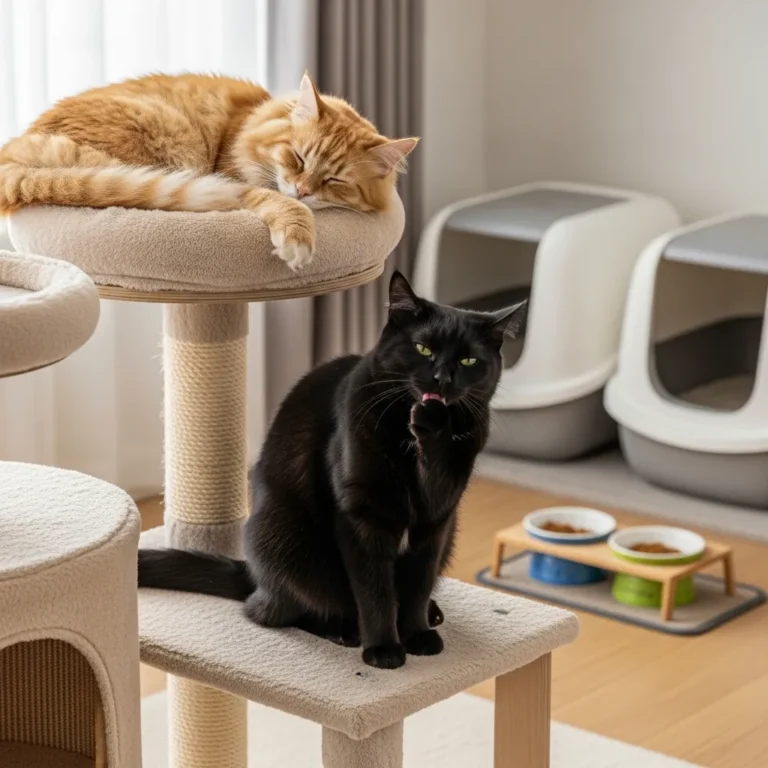
- Manage Resources: Ensure each pet has their own food/water bowls, litter boxes (one per cat, plus one extra), and high-value resting spots to prevent competition. For specific dog introductions, our article on Bengal cats and dogs offers breed-specific tips.
The Arrival of a New Baby
Cats are sensitive to changes in routine, sounds, and smells. A new baby brings all three.
- Pre-Baby Prep: Months before, gradually introduce any new furniture (like a crib) and let the cat investigate. Start playing recordings of baby noises (crying, cooing) at low volume, gradually increasing it, while giving your cat treats.
- Adjust Routines Gently: If your cat’s feeding or play schedule will change after the baby arrives, start shifting it gradually beforehand.
- Scent Introduction: Once the baby is born, have someone bring home a blanket with the baby’s scent before you come home. Let your cat sniff it in a calm, controlled setting.
- Post-Arrival Management: When you return home, greet your cat calmly first, without the baby. Then, allow a supervised, quiet introduction. Ensure your cat has plenty of high-up escape routes (cat trees, shelves) to retreat from the new sounds and activity. Most importantly, preserve some one-on-one time with your cat each day to reassure them they are still loved.
Changes in Human Routine (Return to Office, New Work Schedule)
Cats are temporal creatures; they know when you typically wake up, feed them, and come home. A sudden shift can be confusing.
- Simulate the New Routine Before It Starts: A week or two before your schedule changes, begin adjusting feeding times, play sessions, and your own comings and goings to mimic the new pattern.
- Enrich Their Solitude: Provide puzzle feeders, window perches with bird feeders outside, and novel toys (rotate them weekly) to keep them stimulated while you’re gone.
- Consider Companionship: For cats with severe separation anxiety, adopting a second cat might be a solution, but it requires careful consideration and introduction. Learn about the signs in our guide to cat separation anxiety.
The Proactive Toolkit: Strategies to Build Resilience and Ease Transitions
You can’t prevent all change, but you can build your cat’s resilience and soften the blow of every transition.
1. Master the Art of Scent
Scent is a cat’s primary map of the world. Use it to your advantage.
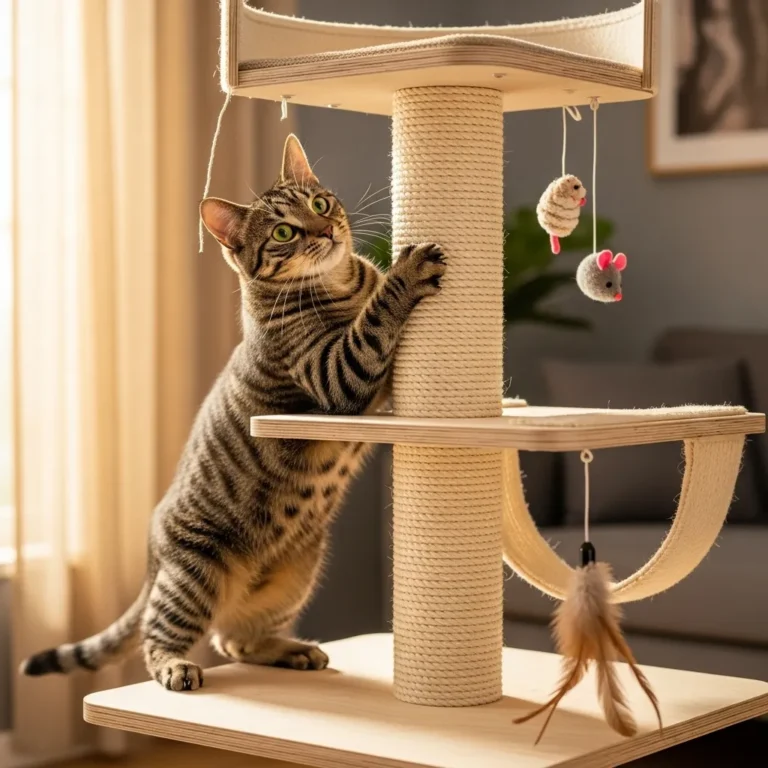
- Familiarize New Objects: Before introducing a new cat tree, scratching post, or bed, rub it with a soft cloth you’ve first rubbed on your cat’s cheeks (where their friendly pheromones are) or on their existing favorite bedding.
- Create Scent Soakers: Keep a few small blankets or towels in your cat’s favorite sleeping spots. When a change is coming, place these familiar, scent-saturated items in new locations or near new objects to create islands of familiarity.
2. Preserve Predictability Through Routine
Even amidst chaos, keep core rituals rock-solid.
- The Unchanging Anchor: No matter what else is happening, keep feeding time, location, and the bowl itself exactly the same. This predictable positive event is a powerful stabilizer.
- The Power of Play: Dedicated, interactive play sessions (using a wand toy) are not just exercise; they are stress relief and confidence builders. Maintain this schedule.
3. Offer Choice and Control
Stress often comes from a feeling of helplessness. Counter this by giving your cat options.
- Multiple Escape Routes: Always ensure they have at least two exits from any room to avoid feeling trapped.
- Vertical Territory: Cat trees, wall shelves, and cleared bookcase tops provide safe observation points, increasing their sense of security.
- Let Them Hide: Never force a hiding cat out. Provide acceptable hiding spots (open-sided beds, boxes) in socially significant rooms so they can be near you while feeling safe.
4. Utilize Calming Aids Judiciously
- Pheromone Therapy: Synthetic feline facial pheromone diffusers (Feliway Classic) or sprays can create a signal of safety and familiarity in the environment.
- Calming Supplements: Products containing L-theanine or casein hydrolysate (like Zylkene) can take the edge off anxiety. Always consult your vet before starting any supplement.
- Prescription Medication: For cats with extreme anxiety that impedes their quality of life, talk to your vet about anti-anxiety medications. These are not sedatives but tools to help them learn to cope.

Frequently Asked Questions
Q: How long does it take for a cat to adjust to change?
A: There is no universal timeline. Confident Explorers may adjust within a few days to a week. Cautious Observers often need 2-4 weeks. Stressed Avoiders may require several months of patient support, and some may never fully accept certain major changes. The key is observing your cat’s behavior, not the calendar.
Q: Why is my cat suddenly scared of everything after a move?
A: This is a classic sign of a lost “scent map.” In a new home, none of the environmental smells are theirs, making the entire space feel unfamiliar and potentially threatening. Rebuilding this map through scent marking (which you facilitate by providing scratching posts and not over-cleaning) takes time. Confine them to a safe room first to build a small, secure territory.
Q: Is it normal for a cat to stop eating after a change?
A: A skipped meal can be normal. However, if your cat refuses all food for more than 24 hours, it is a medical emergency, especially for overweight cats. This can trigger hepatic lipidosis, a life-threatening liver condition. Contact your veterinarian immediately.
Q: Can old cats adapt to change?
A: Yes, but often more slowly. Senior cats may be less physically adaptable and more cognitively rigid. They benefit even more from pre-planning, preserved routines, and extra patience. Cognitive decline can also mimic stress, so a vet check is wise. For more on caring for older cats, visit our senior cat care guide.
Q: How do I know if my cat is depressed or just adjusting?
A: Depression in cats (often manifesting as lethargy, lack of interest in play or interaction, and changes in sleeping patterns) overlaps with stress. The main differentiator is duration and lack of improvement. If withdrawn, low-energy behavior persists for weeks despite a stable, enriched environment and no other changes, consult your veterinarian to rule out underlying illness and discuss behavioral support.
Conclusion: The Path to a Flexible Feline
A cat’s reaction to change is not a measure of their love or a flaw in their character. It is the echo of their wild ancestry, a finely tuned system for survival. Our role as their guardians is not to eliminate change an impossible task but to become skilled interpreters and gentle guides.
By respecting their need for predictability, leveraging their language of scent, and proactively building their confidence, we can transform life’s upheavals from traumatic events into manageable transitions. We learn to read the subtle flick of a tail, the meaning behind a hiding spot, and the profound request for control in a world they cannot dictate. In doing so, we don’t just help them cope; we deepen our bond, building a relationship of trust that can weather any storm.
Remember, patience isn’t just a virtue here; it’s the primary tool. Go at your cat’s pace, celebrate small victories, and trust that with the right support, their inherent curiosity will eventually outweigh their caution. For more insights into creating a secure and enriching life for your cat, explore our complete library of expert cat care and behavior guides right here on Cat Bloom Haven.