How to Help a Cat with Separation Anxiety: A Complete Guide to Calming Your Feline Friend
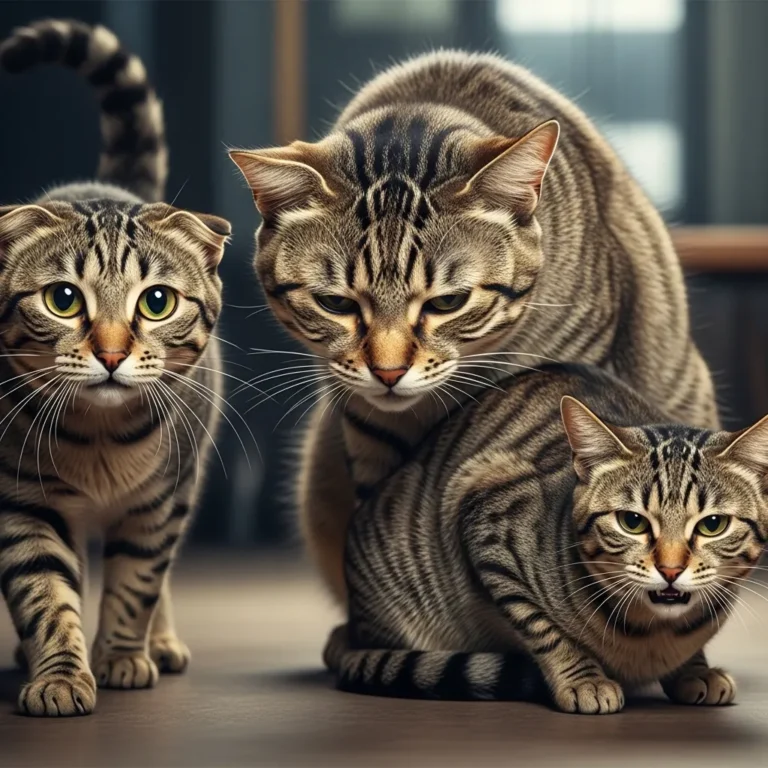
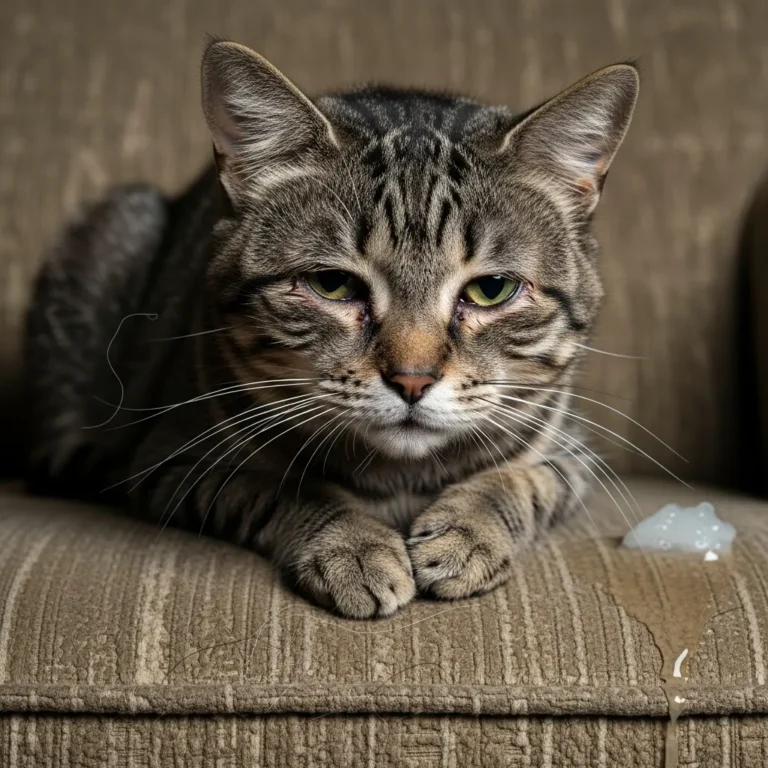
Picture this: you step out for work, and your cat, Whiskers, watches from the window with wide eyes. By the time you return, the couch is scratched, a plant is knocked over, and Whiskers is yowling at the door. This isn’t mischief. It’s cat separation anxiety, a real emotional struggle that affects indoor cats more than most owners realize.
If your cat shows signs of separation anxiety in cats like excessive meowing, destructive behavior, or hiding when you leave, you’re not alone. Studies from the Journal of Veterinary Behavior show up to 20% of cats experience some form of anxiety when left alone. The good news? You can help. This guide walks you through proven, vet-approved strategies to reduce cat separation anxiety, build confidence, and restore peace — for both of you.
You’ll learn how to spot cat anxiety symptoms, create a safe environment for cats, use interactive toys for anxious cats, and gradually teach independence. Let’s turn your anxious kitty into a calm, content companion.
Key Takeaways
- Cat separation anxiety often shows through vocalizing, destruction, or elimination outside the litter box.
- A consistent routine for cats is the foundation of anxiety relief.
- Environmental enrichment for cats think puzzle feeders, window perches, and scent trails prevents boredom and stress.
- Desensitizing a cat to being alone takes patience but works long-term.
- Never punish anxious behavior; it worsens fear.
- If symptoms persist, consult a vet to rule out medical causes.
What Is Cat Separation Anxiety And Why Does It Happen?
Cat separation anxiety isn’t just “missing you.” It’s a stress response triggered when a cat feels unsafe or abandoned in your absence. Unlike dogs, cats hide emotions well until they don’t.
Common Triggers
- Sudden schedule changes (new job, moving)
- Early weaning or shelter background
- Loss of a companion (human or pet)
- Trauma (loud noises, previous abandonment)
- Over-attachment to one person
Kittens and highly social breeds like Siamese or Ragdolls are more prone. Even anxiety in indoor cats spikes without enough stimulation.
Pro Tip: Check our Siamese cats scared easily guide for breed-specific anxiety insights.
Signs of Separation Anxiety in Cats: How to Spot the Red Flags
Your cat can’t say “I’m stressed,” but their body and behavior scream it. Watch for these cat anxiety symptoms:
Behavioral Changes in Anxious Cats
- Excessive meowing or yowling when you leave or return
- Following you from room to room (velcro cat syndrome)
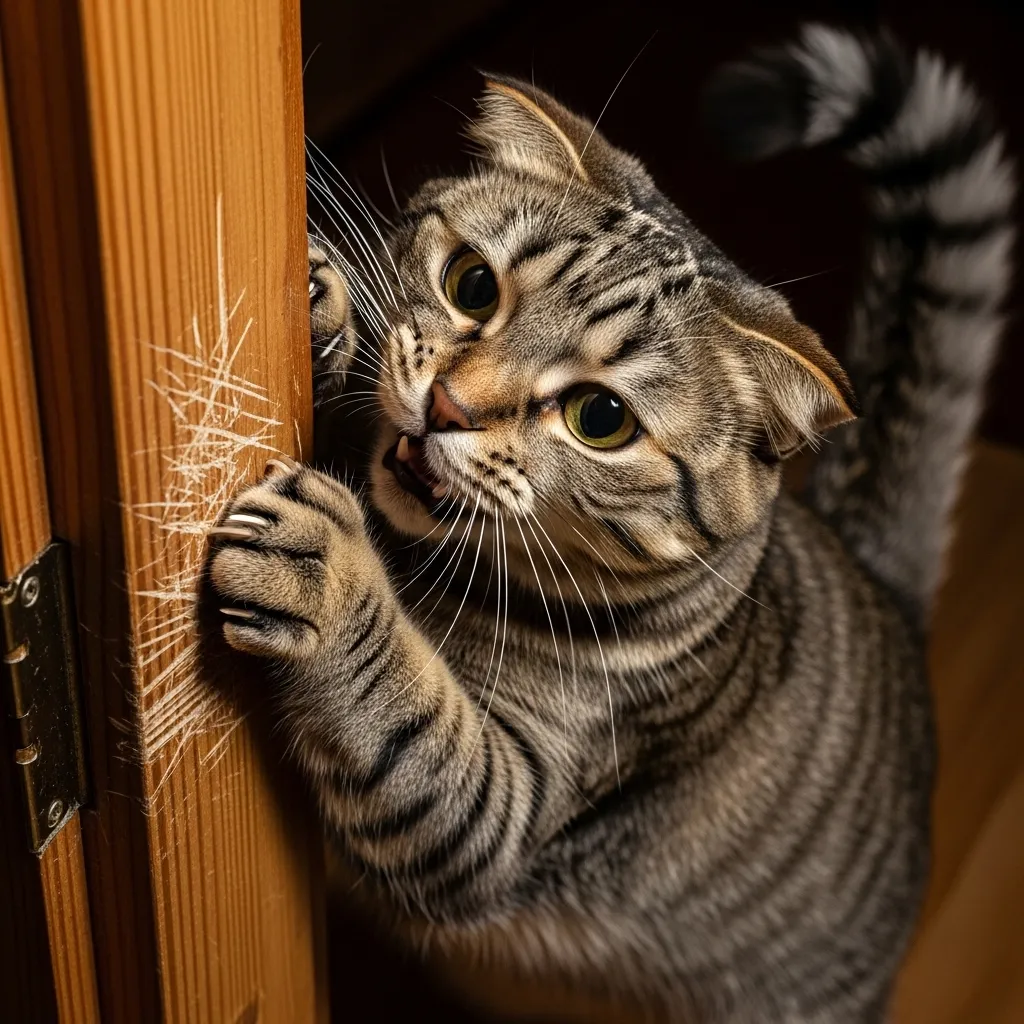
- Destructive scratching especially near doors/windows
- Urinating or defecating outside the litter box
- Scared cat hiding behavior under beds or in closets
- Over-grooming (bald patches on belly or legs)
Physical Signs of Cat Anxiety
- Drooling or panting
- Dilated pupils
- Trembling
- Refusing food when alone (but eating when you’re home)
- Vomiting (stress-induced)
Real Story: Sarah’s Bengal, Luna, peed on her bed every time she left for more than two hours. After ruling out UTIs, the vet confirmed separation anxiety in kittens carried into adulthood. A routine and puzzle feeders fixed it in six weeks.
Step 1: Create a Safe Environment for Cats
An anxious cat needs a sanctuary. Think of it as their emotional bunker.
Must-Have Safe Zones
- Cozy hiding spots: Cardboard boxes, cat tunnels, or covered beds
- Vertical space: Cat trees or shelves near windows
- Scent comfort: Leave an unwashed T-shirt with your smell
- Quiet room: A low-traffic area with food, water, litter, and toys
Avoid confining them to one room long-term it can increase panic. Instead, give access to 2–3 calm areas.
Explore our best beds for American Shorthair cats for cozy, anxiety-soothing options.
Step 2: Build a Consistent Routine for Cats
Cats thrive on predictability. A consistent routine for cats is like therapy for their brain.
Daily Schedule Example
| Time | Activity |
|---|---|
| 7:00 AM | Breakfast + 5-min play |
| 7:15 AM | Grooming/brush time |
| 12:00 PM | Auto-feeder lunch |
| 6:00 PM | Dinner + interactive play |
| 8:00 PM | Wind-down with calm music |
| 10:00 PM | Lights out |
Use automatic cat toys or timed feeders to mimic your presence. Even small rituals like saying “see you soon” in the same tone help.
Step 3: Use Interactive Toys for Anxious Cats
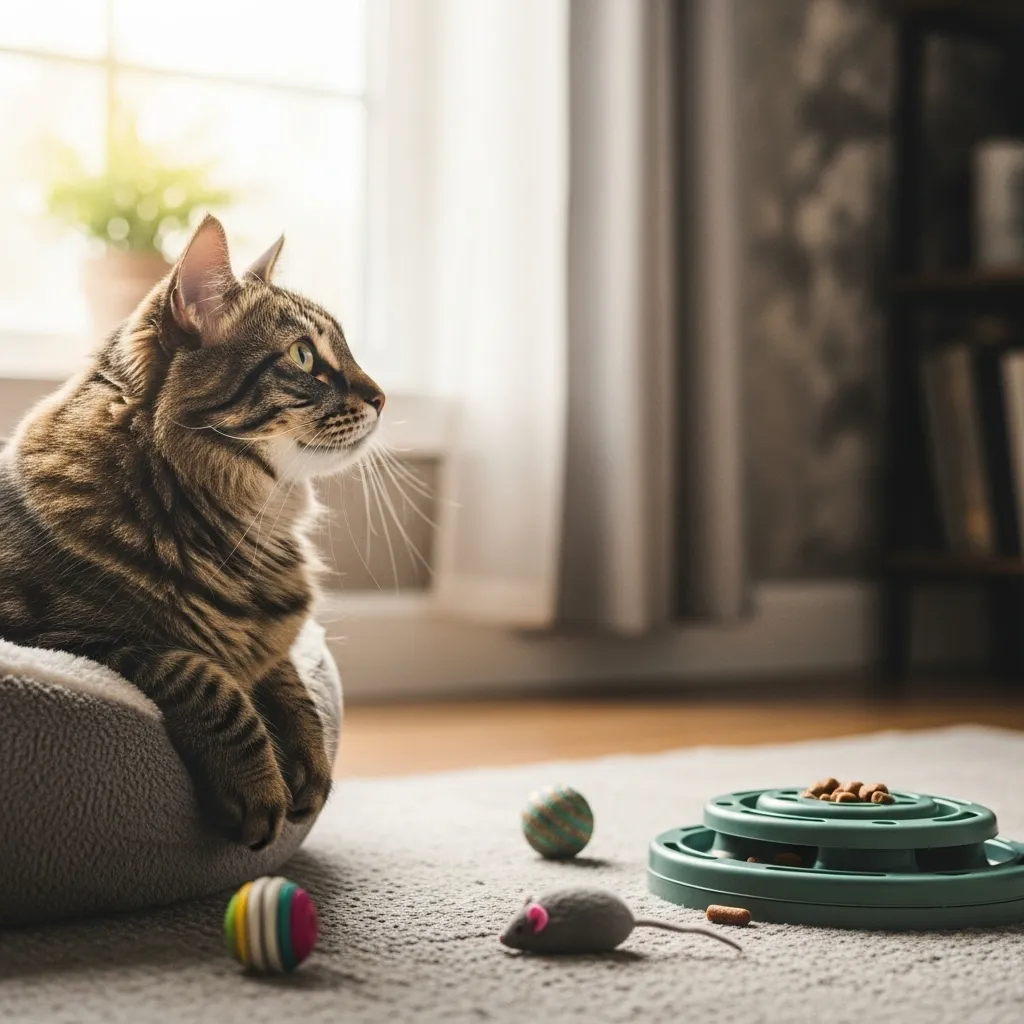
Boredom fuels anxiety. Cat enrichment for anxiety keeps their mind busy.
Top Anxiety-Reducing Toys
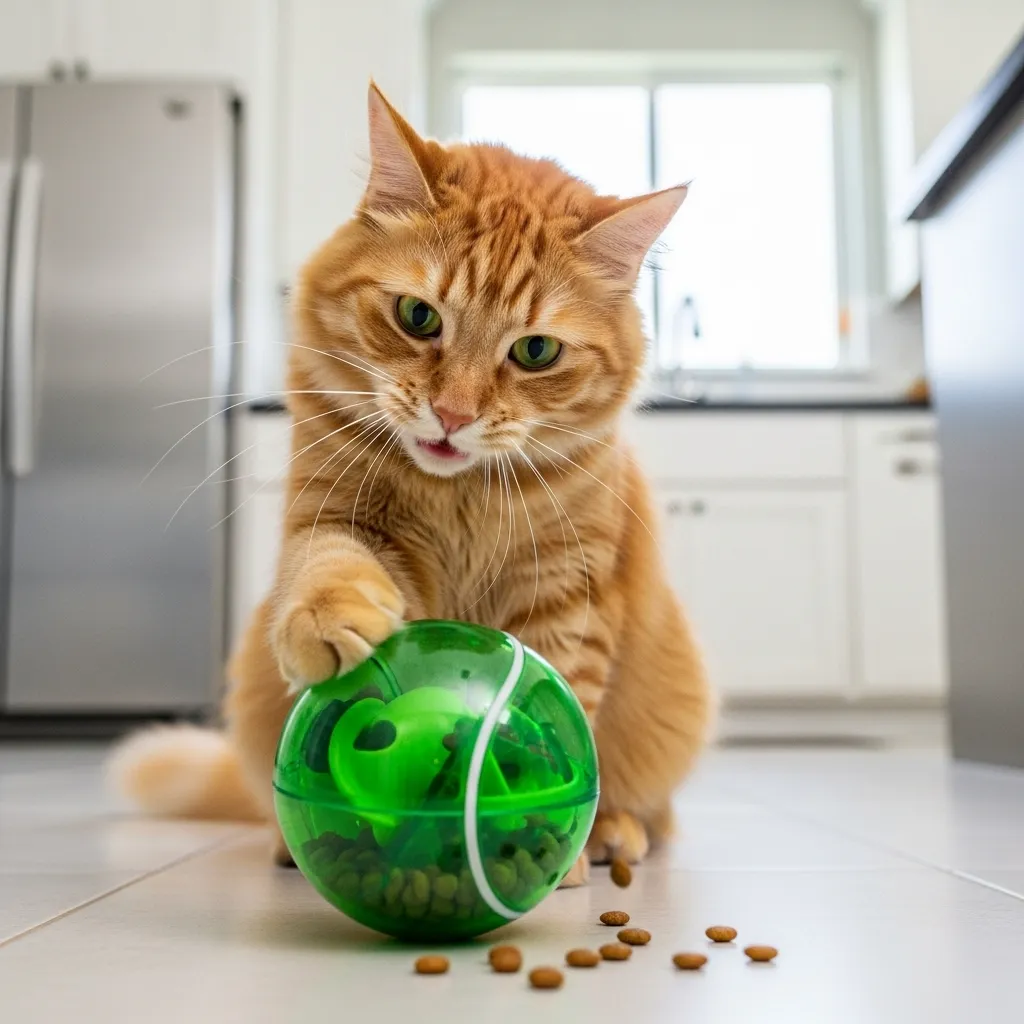
- Interactive puzzle feeders (e.g., Doc & Phoebe’s Indoor Hunting Feeder)
- Battery-operated mice or laser toys on timers
- Window bird feeders for visual stimulation
- Catnip or silver vine toys (use sparingly)
Try interactive puzzle feeders to turn mealtime into a brain game.
Step 4: Desensitizing a Cat to Being Alone (Step-by-Step)
This is the gold standard for separation anxiety training for cats. Go slow rushing causes setbacks.
Independence Training for Cats: 6-Week Plan
| Week | Goal | Action |
|---|---|---|
| 1 | Tolerate 1–2 minutes alone | Step into another room, return before meowing |
| 2 | Build to 5–10 minutes | Use a treat-dispensing toy when you leave |
| 3 | 15–20 minutes | Vary exit cues (keys, shoes) so they don’t trigger panic |
| 4 | 30–60 minutes | Leave the house briefly; use a cat camera for monitoring |
| 5 | 2–3 hours | Gradually increase time; reward calm returns |
| 6 | Full workday | Combine all tools: routine, enrichment, safe space |
Never make a big fuss when leaving or returning. Keep it boring.
Calming Techniques for Cats: Natural Stress Busters
Sometimes, you need extra help. These calming cat products are vet-recommended:
Proven Calmers
- Cat calming sprays (Feliway Classic mimics maternal pheromones)
- Cat music for anxiety (Through a Cat’s Ear series on Spotify)
- CBD for cats (only vet-formulated, THC-free)
- ThunderShirts for pressure comfort
Learn more in our cat stress management guide.
Preventing Destructive Cat Behavior: Stop It Before It Starts
Scratching? Peeing? Here’s how to redirect:
- Provide scratching posts near exit points
- Use enzyme cleaners for urine (nature’s miracle)
- Cover furniture with double-sided tape temporarily
- Increase playtime tired cats don’t destroy
See our full guide on stopping cats from scratching furniture.
When to Call the Vet: Red Flags
If your cat:
- Stops eating for 24+ hours
- Has blood in urine/stool
- Shows sudden aggression
- Loses weight rapidly
Rule out medical issues first. Pain, hyperthyroidism, or UTIs mimic cat behavior problems.
FAQ: Your Top Separation Anxiety Questions Answered
What causes separation anxiety in cats?
Changes in routine, early trauma, or over-dependence on one person. Indoor cats with little stimulation are at higher risk.
What are common signs of separation anxiety in cats?
Excessive vocalizing, destruction, inappropriate elimination, hiding, and over-grooming especially when you’re gone.
How can I create a safe environment for my anxious cat?
Set up quiet zones with beds, litter, water, and your scent. Add vertical space and hiding spots.
Why is a consistent routine helpful for cats with separation anxiety?
Predictability reduces uncertainty. Feeding, play, and sleep at the same times build security.
What interactive toys help anxious cats?
Puzzle feeders, automated laser toys, and window perches keep their brains busy.
How do I desensitize my cat to being alone?
Start with 1-minute absences, gradually increase. Use toys and calm exits. Never punish.
When should I seek professional help?
If symptoms last over 6 weeks, worsen, or include appetite loss or aggression. A vet or behaviorist can help.
Final Thoughts: Your Cat Can Thrive Alone
Helping a cat with separation anxiety isn’t about tough love it’s about trust, routine, and enrichment. With patience, most cats learn to relax when you’re gone. You’re not just reducing stress; you’re deepening your bond.
Start small. Pick one strategy today maybe a consistent routine for cats or a new interactive toy for anxious cats. Track progress in a journal. Celebrate wins.
Your cat deserves cat mental wellbeing, cat comfort and safety, and a home where they feel secure even when you’re not there.
Ready for more? Explore our full cat training behavior section or discover cat enrichment ideas to keep your feline engaged year-round.
Cat Bloom Haven where every purr matters. 🐾