How to Stop Cats from Scratching Furniture: 7 Practical Solutions
Cats scratching furniture can be frustrating, but it’s a natural behavior that can be managed with the right approach. Whether you’re dealing with a new kitten or an adult cat, there are effective ways to prevent cats from scratching furniture and redirect their energy to more appropriate spots. Below, we explore seven practical cat scratching furniture solutions to help you protect your furniture and keep your feline friend happy.
Why Cats Scratch Furniture
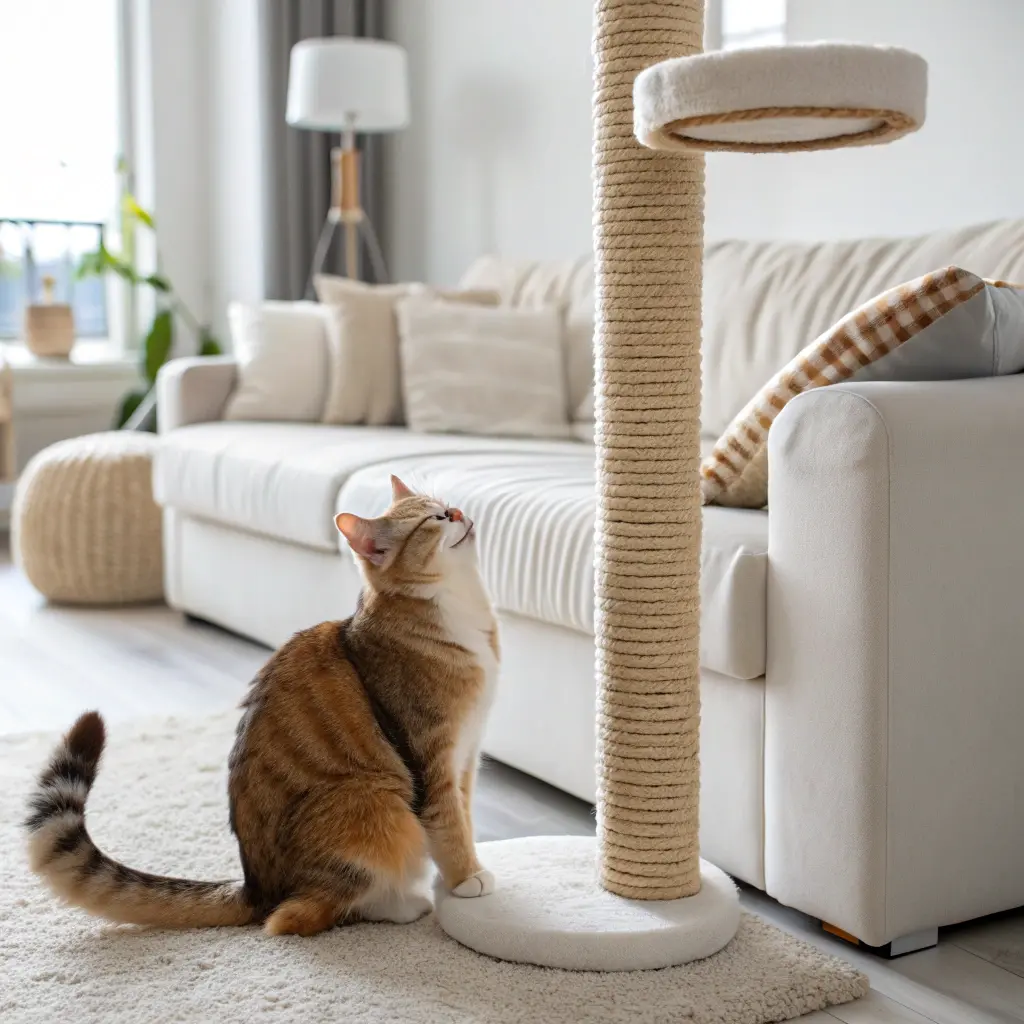
Before diving into solutions, it’s helpful to understand why cats scratch. Scratching helps them mark their territory, sharpen their claws, and stretch their muscles. It’s not about misbehaving—it’s instinct. By addressing this behavior thoughtfully, you can guide your cat to better habits while keeping your furniture safe.
7 Effective Ways to Prevent Cats from Scratching Furniture
1. Provide a Cat Scratching Post
One of the best ways to redirect cat scratching is to offer an appealing alternative. A sturdy cat scratching post can satisfy their need to scratch while sparing your furniture. Look for posts made of sisal or rough material, as cats prefer textures that feel good under their claws. Place the post in a spot your cat already frequents, like near their favorite couch or chair.
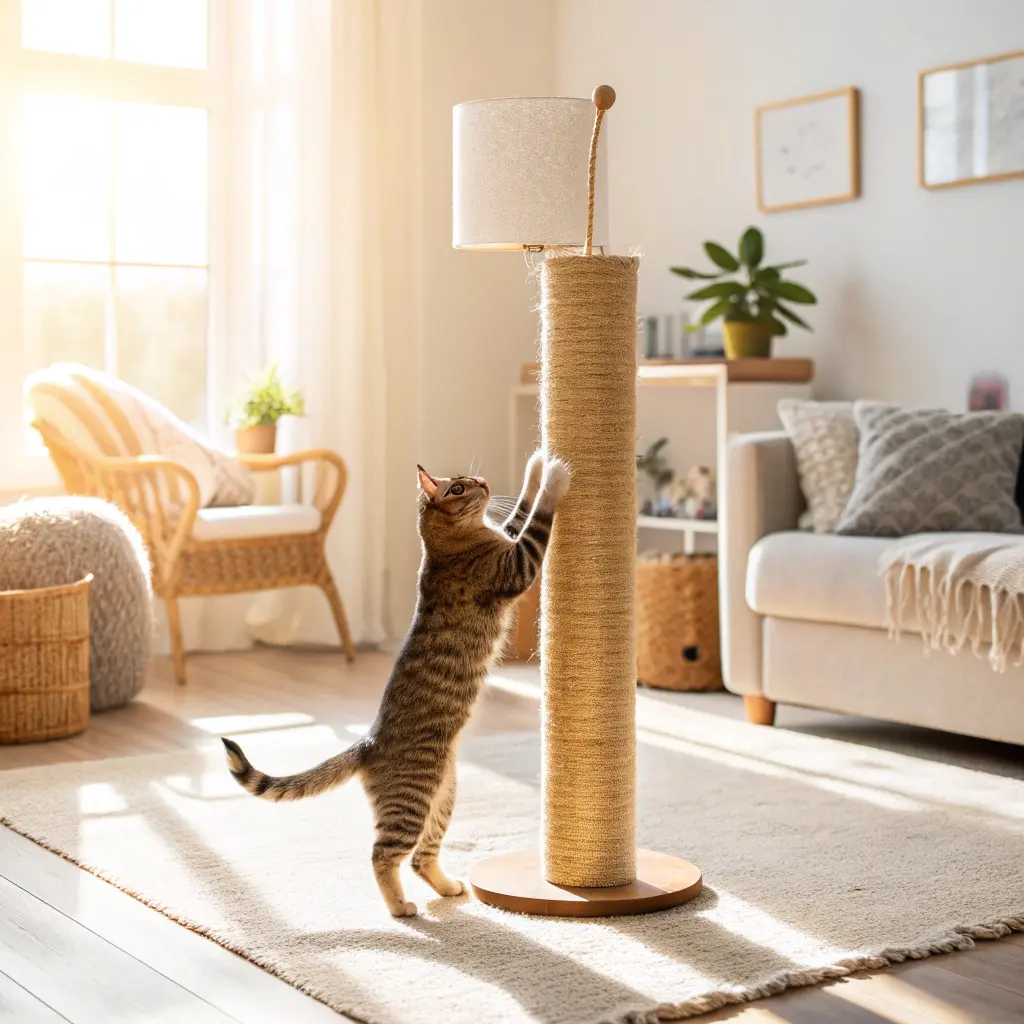
Tip: Sprinkle some catnip on the post to make it more enticing. Over time, your cat will associate the post with scratching.
2. Train Your Cat to Use the Scratching Post
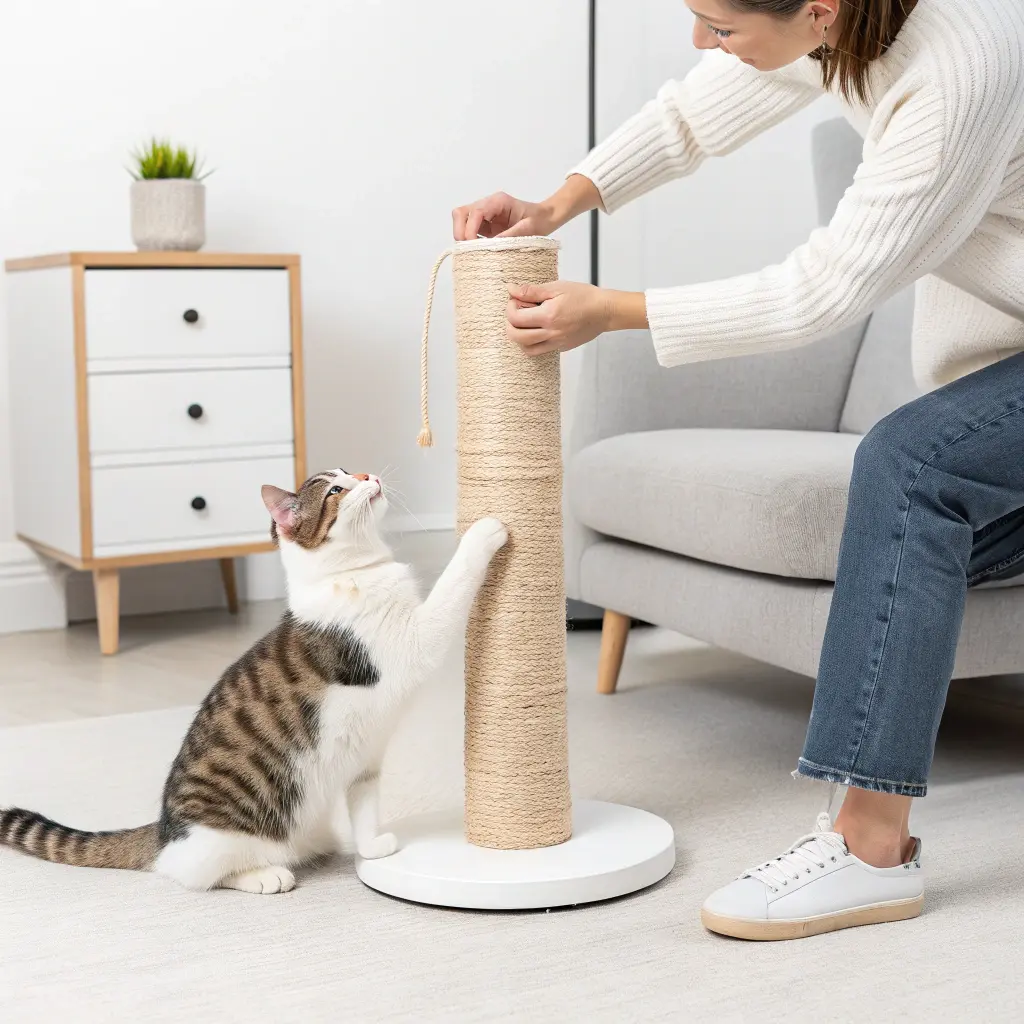
Knowing how to train cats not to scratch furniture starts with teaching them to use their scratching post. Encourage your cat by gently guiding their paws to the post or rewarding them with treats when they use it. Consistency is key—praise them every time they scratch the post instead of your furniture.
If your cat still scratches the couch, try moving the post closer to the furniture they target. Gradually move it to a more convenient spot once they’ve formed a habit.
3. Trim Your Cat’s Nails Regularly
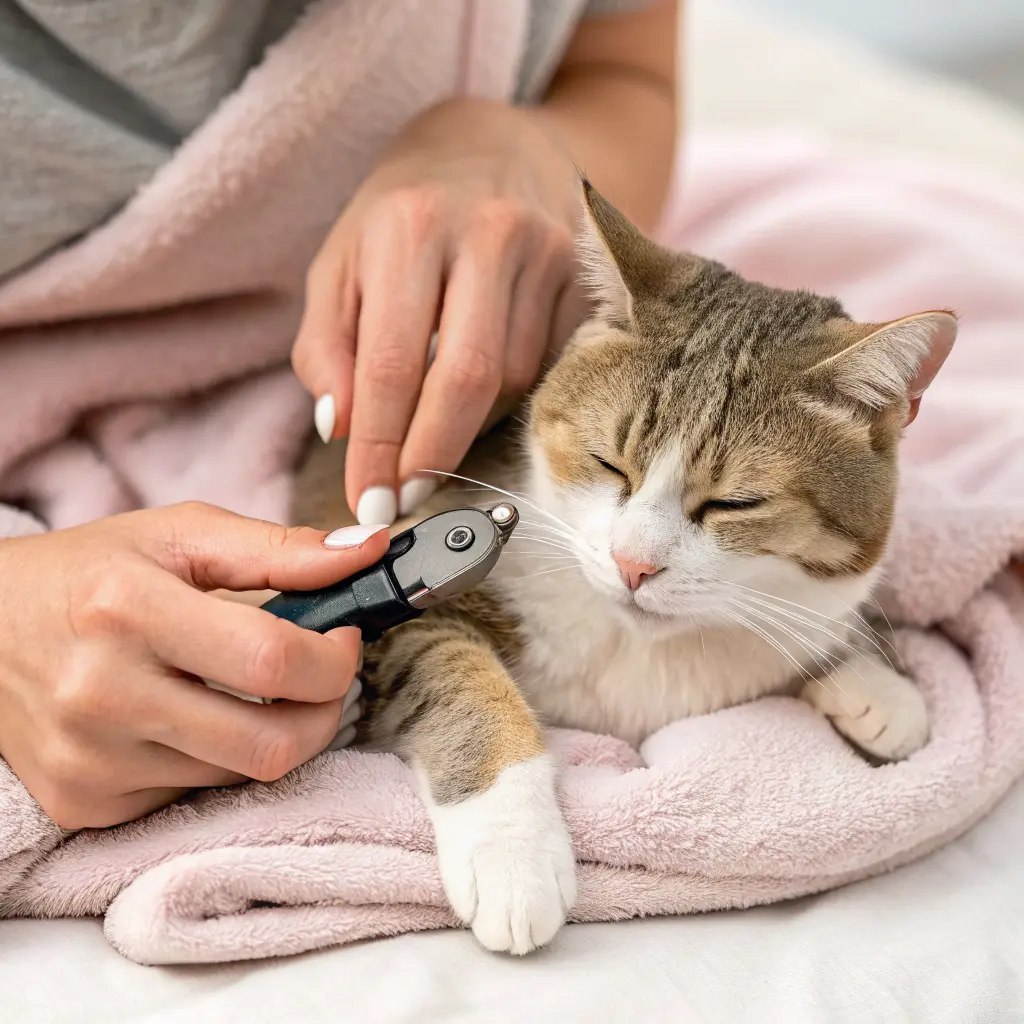
Keeping your cat’s nails trimmed reduces the damage they can do to furniture. Use pet-safe nail clippers and trim every two to three weeks. Be gentle and avoid cutting the quick (the pink part of the nail). If you’re unsure, ask your vet for a demonstration.
Regular nail trimming is one of the simplest cat behavior tips to protect furniture from cats. It also makes scratching less satisfying for them, encouraging them to use their paws instead.
4. Use Cat Scratching Deterrents
To make furniture less appealing, try cat scratching deterrents like double-sided tape or vinyl sheets. Cats dislike sticky or slippery surfaces, so placing these on targeted areas can discourage scratching. You can also use a cat scratching spray with citrus or other scents that cats avoid. Spray lightly on furniture to create an unappealing environment for scratching.
Note: Always test sprays on a small, hidden area of your furniture to ensure they don’t damage the fabric.
5. Try Claw Covers for Extra Protection
Claw covers are soft, pet-safe caps that fit over your cat’s claws, preventing damage to furniture. They’re a humane alternative to declawing and last about four to six weeks. Apply them carefully, following the instructions, or ask your vet for help. Claw covers are a great way to protect furniture from cats while your pet learns to use their scratching post.

6. Create a Cat-Friendly Environment
Sometimes, cats scratch because they’re bored or stressed. Enrich their space with toys, climbing trees, or window perches to keep them engaged. A stimulated cat is less likely to turn to your furniture for entertainment. Adding vertical spaces or interactive toys can also redirect cat scratching to more appropriate outlets.
Cat Care Tip: Rotate toys regularly to keep your cat interested and engaged.
7. Reward Good Behavior
Positive reinforcement works wonders for cat behavior. When your cat uses their scratching post or avoids furniture, reward them with treats, praise, or playtime. Over time, they’ll associate good behavior with rewards, making it easier to prevent cats from scratching furniture.
Additional Tips for Long-Term Success
- Clean Scratched Areas: Cats are drawn to spots they’ve already marked. Clean scratched furniture with an enzyme-based cleaner to remove its scent.
- Be Patient: Changing cat behavior takes time. Stay consistent with training and deterrents for the best results.
- Consult a Vet: If scratching persists despite your efforts, a vet can rule out stress or health issues that might be causing the behavior.
Protect Your Furniture Without Sacrificing Your Cat’s Happiness
Stopping cats from scratching furniture doesn’t mean punishing them or limiting their instincts. By offering alternatives like scratching posts, using deterrents, and reinforcing good behavior, you can protect furniture from cats while keeping your furry friend content. Try these cat scratching furniture solutions and tailor them to your cat’s personality for the best results.
Have you tried any of these methods, or do you have a unique tip for managing cat scratching? Share your thoughts below!