The Feline Sixth Sense: What Your Cat Knows Before You Do
For centuries, cats have been shrouded in mystique associated with witches, worshipped as gods in ancient Egypt, and credited with supernatural perception. While your modern house cat may not be summoning spirits or guarding pharaohs, they possess a remarkable awareness that often borders on precognition. That sudden, intense stare at an empty corner? The inexplicable hiding before a visitor arrives?
The comforting curl against your side just when you feel unwell? These aren’t mere coincidences. Your cat operates on a sensory and intuitive level that perceives shifts in the environment, health, and emotional states long before your conscious mind registers them. This article uncovers the science and subtle cues behind what your cat knows before you do, transforming mysterious behaviors into understandable signals that deepen your bond and could even alert you to important changes in your home and health.
Key Takeaways: Decoding Your Cat’s Premonitions
- Superior Senses at Work: Cats detect subtle environmental changes like barometric pressure shifts before storms, minute seismic vibrations, or chemical scent changes in sick humans through advanced hearing, smell, and sensory whiskers.
- Health Detection Abilities: Felines can identify metabolic changes, blood sugar fluctuations, and certain cancers through their vomeronasal organ, often acting as early-warning systems for seizures, migraines, or illness.
- Emotional & Social Anticipation: Your cat reads micro-expressions, body language tension, and routine deviations to predict emotional states, conflicts, or visitors, often reacting to your stress or joy before you’ve fully processed it.
- Behavioral Patterns as Signals: Sudden hiding, clinginess, or agitation are not random; they’re responses to perceived threats or changes, from household tension to approaching weather systems.
- Practical Integration: By observing and respecting these cues, you can better understand your cat’s needs, potentially safeguard your own health, and create a more harmonious, trusting environment.
The Sensory Arsenal: How Cats Perceive the Invisible World
To understand what your cat knows before you do, we must first appreciate their extraordinary sensory equipment. While humans are primarily visual creatures, cats experience a rich, layered world of information we cannot access.
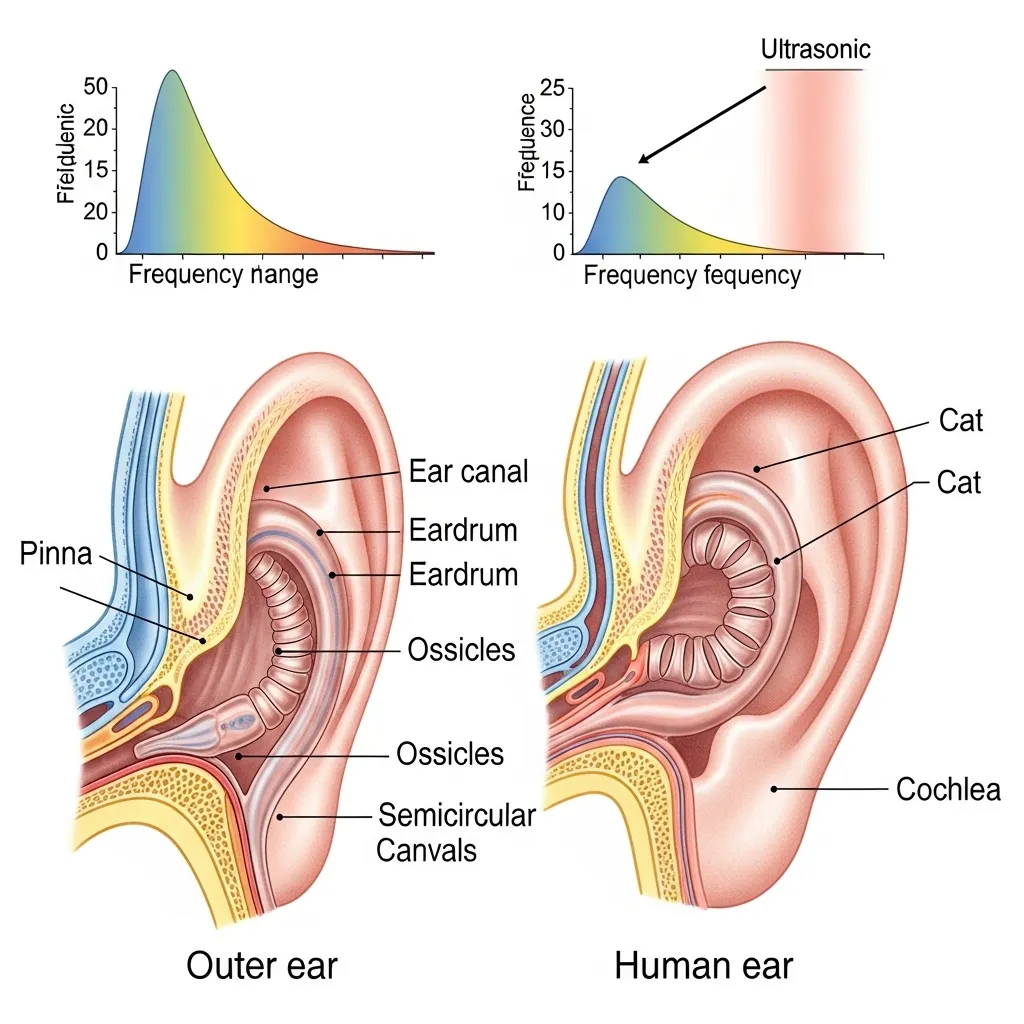
The Feline Ear: Hearing the Unheard
A cat’s hearing operates at frequencies between 48 Hz and 85 kHz, far surpassing the human range of 20 Hz to 20 kHz. This allows them to detect:
- Ultrasonic rodent communications from behind walls
- The high-pitched whine of electronics we consider “silent”
- Distant engines of specific cars long before they turn onto your street
- Subtle changes in your breathing patterns from another room
This explains why your cat might race to the window minutes before your spouse’s car arrives or become agitated before a distant thunderstorm you can’t yet hear. They’re not predicting the future; they’re hearing its approach.
The Whisker Network: Feeling Atmospheric Shifts
Whiskers (vibrissae) are not just facial hair they’re deeply rooted, neurosensory tools that detect minute air currents, vibrations, and spatial data. Each whisker follicle is packed with proprioceptors that send precise information to the brain. This system allows cats to:
- Detect changes in barometric pressure preceding storms
- Sense subtle seismic vibrations (some researchers believe cats may feel early tremors before earthquakes)
- Navigate perfectly in darkness by mapping air flow around objects
- Gauge whether they can fit through spaces
When your cat’s whiskers twitch forward suddenly or they seem to “track” something invisible across a room, they might be mapping air displacement from a door opening down the hall or sensing pressure changes you cannot feel.
The Olfactory Advantage: Smelling Chemical Stories
A cat’s sense of smell is approximately 14 times stronger than a human’s, thanks to 200 million odor-sensitive cells (humans have about 5 million). Their vomeronasal organ (Jacobson’s organ) detects pheromones and non-volatile chemical signatures. This allows them to:
- Smell hormonal changes associated with pregnancy, stress, or illness
- Detect ketones on the breath of diabetics
- Identify chemical markers released by cancerous cells (documented in some medical literature)
- Sense fear or anxiety through human sweat compounds
When your cat sniffs you intently, especially around your mouth, hands, or affected body parts, they’re reading biochemical updates about your health and emotional state. This isn’t magic; it’s advanced chemistry detection.
Explore our detailed guide on why does my cat sniff me to understand this behavior better.
The Health Oracle: When Your Cat Senses Sickness
One of the most profound examples of feline pre-awareness is their apparent ability to detect health issues in humans and other animals. Numerous anecdotal accounts and growing scientific interest point to cats identifying ailments ranging from migraines to cancer.
Detecting Metabolic and Neurological Changes
Cats often become unusually clingy or attentive to individuals experiencing:
- Migraines and headaches: They may detect subtle changes in scent, body temperature, or behavior preceding an episode.
- Seizures: Some cats alert owners minutes before seizure onset, possibly through detecting electrical changes or scent markers.
- Hypoglycemia: Diabetics report cats waking them during dangerous nighttime blood sugar drops, likely through scent or behavioral cues.
- Infections and fever: Elevated body temperature and inflammatory markers change your scent profile.
The Cancer Detection Phenomenon
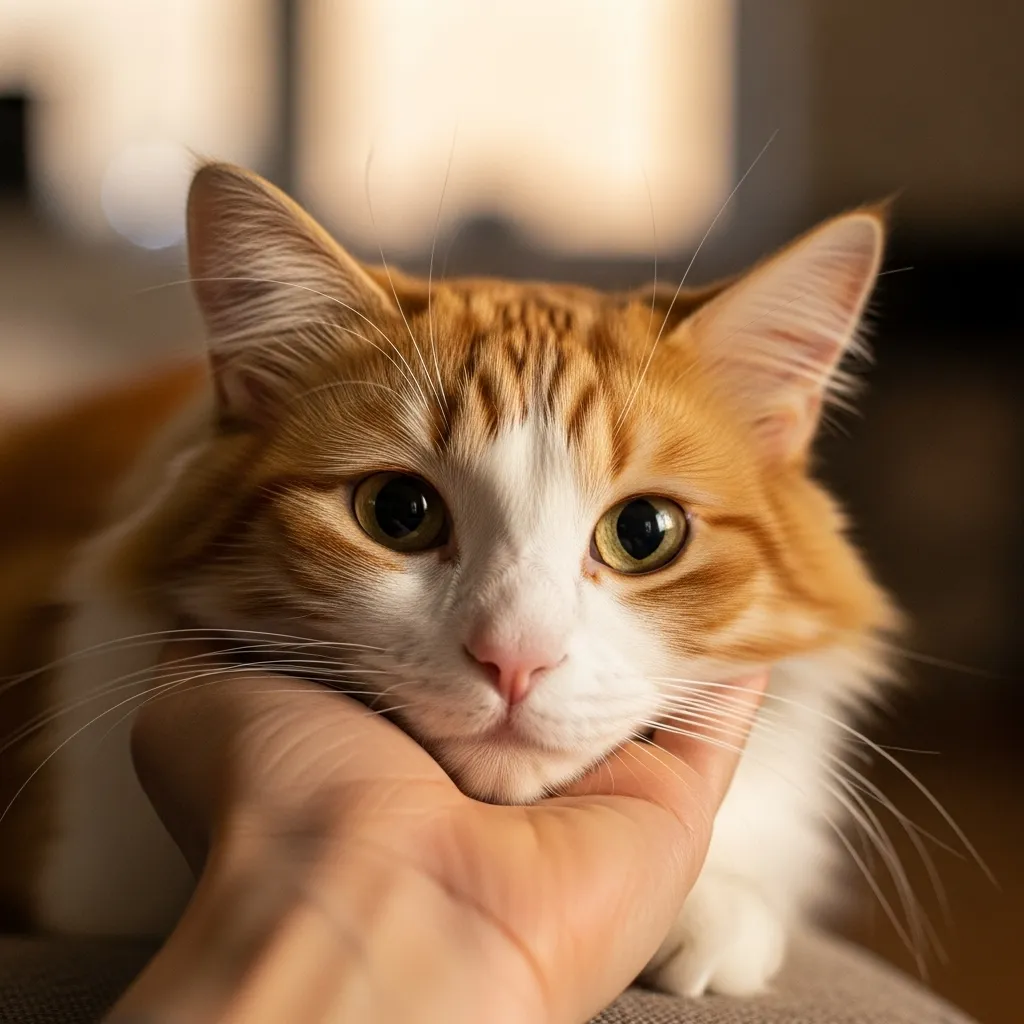
While not diagnostic tools, there are verified cases of cats persistently sniffing, pawing, or lying on specific body areas where malignancies were later discovered. Researchers believe cats may detect volatile organic compounds (VOCs) released by cancerous cells a principle behind electronic “electronic nose” cancer detection devices in development.
Pregnancy and Hormonal Shifts
Many women report their cats becoming more protective, affectionate, or territorial early in pregnancy often before a positive test. Cats likely detect the complex hormonal cocktail (hCG, progesterone, estrogen) through scent and behavioral changes.
Learn more in our article about cat behavior changes and illness for deeper insight.
Important Veterinary Note: While cats can alert you to changes, they are not substitutes for medical care. Any persistent, unusual feline attention to a specific body part should prompt a human medical check-up, not replace one.
The Emotional Barometer: Sensing Moods and Conflict
Your cat is a master observer of micro-behaviors. They notice the slight tension in your shoulders when you’re stressed, the subtle change in your footstep rhythm when you’re angry, and the minute differences in how you breathe when you’re sad. This observational prowess lets them anticipate emotional shifts.
Predicting Household Tension
Cats read the room with expert precision. They notice:
- Changed vocal tones (even when you’re trying to hide conflict)
- Stiff body language between humans
- Disrupted routines that signal discord
- Increased adrenaline scent in sweat
This explains why cats often hide before arguments erupt they’re not causing tension; they’re seeking shelter from it. Their withdrawal is a signal worth noting about your home’s emotional climate.
Anticipating Your Return and Departure
Contrary to popular belief, cats do track time through routines, light changes, and associative sounds. They learn the specific sound of your car, your typical work schedule, and even the sequence of events that precedes your departure (keys jingling, shoes changing). When they wait by the door before you arrive, they’re responding to predictable cues, not telepathy though their timing can feel eerily precise.
Discover more about cat routines and lower stress to build a predictable, comforting environment.
The Environmental Early-Warning System
Cats are natural environmental monitors. Their survival instincts keep them attuned to changes we overlook.
Weather Prediction
Many cat owners report behavioral changes before storms, earthquakes, or extreme weather. Possible explanations include:
- Barometric pressure drops: Detected through inner ear and whiskers, causing restlessness or hiding.
- Static electricity buildup: Makes fur stand up and causes agitation.
- Infrasound from distant storms: Frequencies below human hearing that cats can detect.
- Ozone scent: The distinctive “metallic” smell before thunderstorms is detectable by cats.
Visitor Alerts
That sudden dash to the window long before the doorbell rings? Your cat likely hears the distinctive engine, footsteps, or voice patterns of frequent visitors. They’re also excellent at recognizing daily patterns—if the mail carrier always arrives at 2 PM, your cat may anticipate this daily “intrusion.”
Household Hazards
Cats sometimes avoid or react to areas with:
- Gas leaks (they smell the odorants added to natural gas)
- Electrical faults (they hear the high-frequency buzzing of arcing)
- Pest infestations (they hear rodents in walls)
- Toxic chemical fumes (from cleaning products or off-gassing furniture)
If your cat consistently avoids a room or area, investigate they might be warning you about something imperceptible to you.
Interpreting the Signs: What Your Cat’s Behavior Tells You
Understanding these behaviors as information, not quirks, allows you to respond appropriately. Here’s a practical decoder:
| Cat Behavior | Possible Early Detection | Your Appropriate Response |
|---|---|---|
| Sudden hiding in enclosed spaces | Approaching storm, household tension, visitor, or environmental stressor | Check weather, assess home mood, provide safe hiding space |
| Unusual clinginess or protective behavior | Owner illness, emotional distress, pregnancy, or pet sibling sickness | Monitor your health, schedule check-up, provide comfort |
| Persistent sniffing/licking a specific body part | Potential skin changes, inflammation, wound, or health issue | Examine area, consult doctor if unexplained |
| Agitation, staring at walls/ceilings | Hearing pests, electrical issues, or detecting high-frequency sounds | Investigate for pests, consider electrical inspection |
| Refusing to enter a room | Negative association, unpleasant scent (cleaners), or environmental hazard | Identify and remove source, use feline-friendly cleaners |
| Pre-arrival waiting at door | Learned routine cues (specific car sounds, schedule) | Acknowledge their observation skills—it’s a compliment! |
| Sudden interruption of play/sleep, alert posture | Detected subtle sound, vibration, or scent change | Observe what follows; they’re often tracking real stimuli |
Strengthening Your Connection: How to Honor and Utilize This Awareness
Rather than dismissing these behaviors as odd, you can build a deeper bond by respecting your cat’s perceptive abilities.
1. Trust Their Instincts (Within Reason)
If your cat avoids a person, don’t force interaction. They may be picking up on subtle cues you miss. If they persistently alert to a body part, get it checked medically. Their instincts are valuable data points.
2. Create Observation Opportunities
Provide window perches, cat trees, and quiet observation spots. These allow your cat to monitor their environment comfortably, reducing stress from feeling surprised by developments.
3. Maintain Consistent Routines
Cats thrive on predictability. Consistent feeding, play, and interaction schedules reduce anxiety and help them distinguish between normal and abnormal events.
Explore our guide to calm and enriching cat home environments for practical tips.
4. Never Punish “Weird” Behavior
Hiding, sudden alertness, or unusual vocalizations are communications, not misbehaviors. Investigate potential causes instead of discouraging their early-warning system.
5. Engage Their Senses Enrichingly
Provide puzzle feeders, scent games, and varied textures. A stimulated cat is more attuned and less stressed, making their observations more reliable.
Frequently Asked Questions: What Your Cat Knows
Q: Can cats really predict earthquakes?
A: While not proven for prediction, cats may detect preliminary seismic vibrations (P-waves) that precede the more destructive waves. Their heightened sensitivity to vibrations through paw pads and whiskers allows earlier detection than humans experience.
Q: Why does my cat stare at empty corners?
A: They likely see dust particles in light beams, hear insects in walls, or detect subtle air currents your senses miss. It’s rarely “ghosts” more often minuscule environmental activity.
Q: Should I be worried if my cat suddenly avoids me?
A: Sudden avoidance can signal that you’re ill, stressed, or wearing a new scent (perfume, another animal). Rule out health issues with a vet, then examine changes in your routine or health.
Q: How do cats know when I’m coming home?
A: They learn precise auditory cues (your car engine, footsteps), sense time through routine and light changes, and may detect your scent carried by air currents as you approach.
Q: Can cats sense death?
A: Cats may detect physiological changes associated with terminal illness through scent and behavior. There are accounts of cats staying close to dying humans or animals, possibly responding to decreased movement, changed breathing, or chemical changes.
Q: Why does my cat act strange before a storm?
A: They likely sense dropping barometric pressure through their inner ears, detect distant thunder infrasound, or feel static electricity buildup in their fur.
For more behavioral insights, see our article on what your cat is thinking.
The Deeper Truth: Partnership Between Species
What we call a “sixth sense” in cats is really their first five senses operating at capabilities far beyond our own, combined with millennia of evolved instinct. Your cat isn’t psychic; they’re perceptive. They don’t predict the future; they detect its early signals.
By learning to read your cat’s subtle warnings the increased vigilance before a storm, the comforting presence during illness, the uneasy avoidance of certain spaces you gain not just a pet, but a living environmental monitor and empathetic companion. This awareness invites you to become more observant yourself, to tune into the subtle cues of your own body and environment that your feline friend notices so readily.
The greatest gift isn’t just understanding what your cat knows before you do, but realizing that this knowledge is shared through your bond. They alert you to changes; you provide safety and care. In this exchange, you become more attuned to the invisible world the slight shifts in air pressure, the faint scents of changing health, the quiet tension preceding household storms. Your cat teaches you to notice what you’ve been missing.
Explore more expert cat care, behavior decryption, and bonding guides on Cat Bloom Haven. From understanding breed-specific behaviors to creating the perfect feline-friendly home, we provide the insights that help you listen to what your cat has been telling you all along.