Expert Insights Into Domestic Cat Behavior: Decoding Your Feline’s Secret World
For centuries, domestic cats have lived alongside humans, yet their behavior remains beautifully mysterious. That slow blink, the midnight zoomies, the curious headbutt each action is a sentence in a silent language we’re only beginning to fully understand. Expert insights into domestic cat behavior reveal that what we often dismiss as aloofness or mischief is actually a complex tapestry of instinct, communication, and emotion.
Whether you’re puzzled by your cat’s sudden fascination with empty boxes or concerned about stress-related habits, understanding the “why” behind their actions transforms coexistence into true companionship. This guide isn’t just a list of behaviors; it’s a deep dive into the feline mind, offering actionable, vet-backed insights to help you interpret, empathize with, and harmoniously live with your cat.
Key Takeaways:
- Cat behavior is driven by a blend of instinct, environment, and individual personality.
- Communication is primarily through body language, vocalizations, and scent not meows designed solely for humans.
- Common “problems” like scratching or nighttime activity are natural behaviors that can be redirected, not punished.
- A cat’s behavior is a primary health indicator; sudden changes often signal medical issues.
- Building a behaviorally-friendly environment reduces stress and prevents most common issues.
The Evolutionary Blueprint: How Wild Instincts Shape Domestic Life
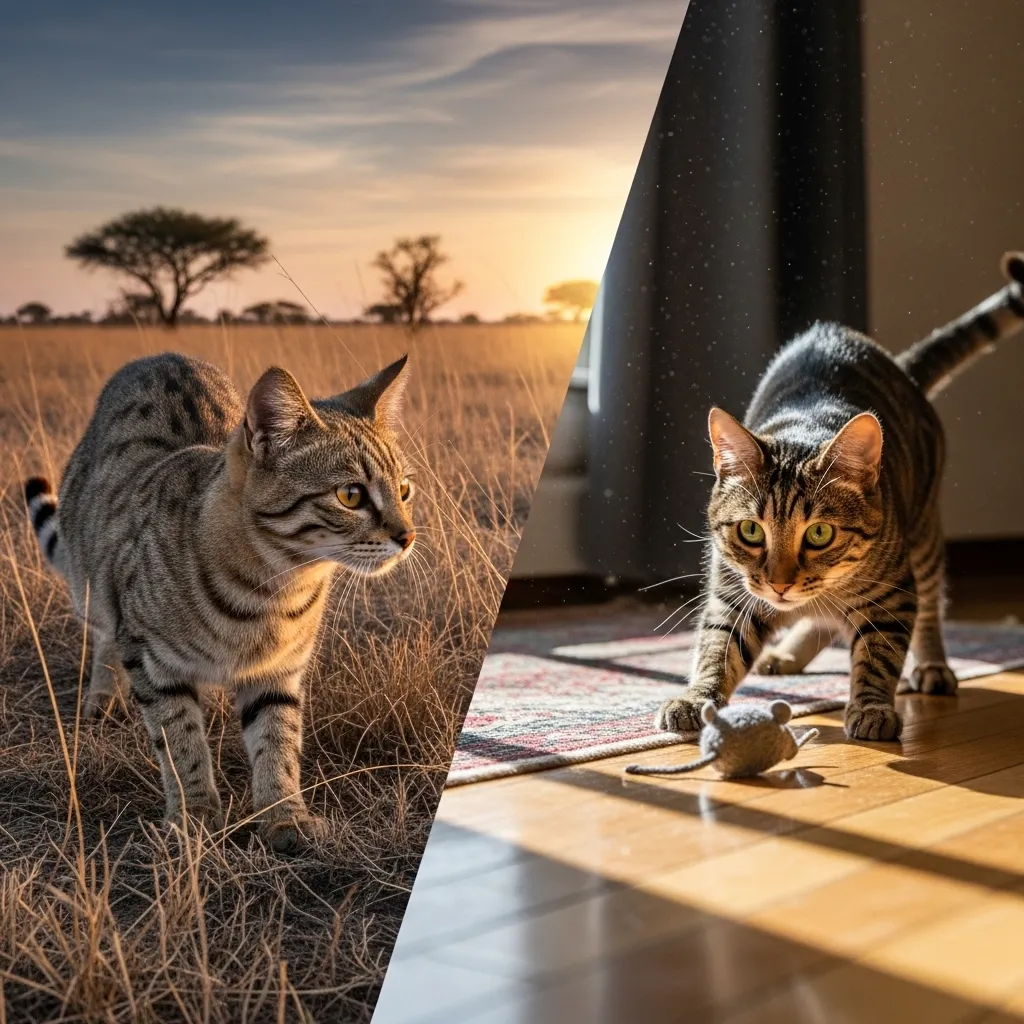
To understand your living room lion, you must first visit its ancestral roots. The domestic cat (Felis catus) shares 95.6% of its genetic makeup with the African wildcat (Felis lybica), a solitary, territorial hunter. Domestication, beginning around 9,000 years ago, was a partnership: cats controlled vermin near human grain stores, and humans provided a steady food source. Unlike dogs, which were bred for specific tasks, cats largely self-domesticated, retaining most of their wild instincts.
This evolutionary history explains core behaviors. The infamous “zoomies” or Frenetic Random Activity Periods (FRAPs) mimic the intense burst of energy used in the wild to ambush prey. Scratching isn’t about destruction; it’s a multi-purpose activity for claw maintenance, stretching muscles, and leaving both visual marks and scent signals from glands in their paws. Kneading, that rhythmic pressing of paws against a soft surface, originates from kittenhood behavior that stimulates milk flow from the mother a lasting sign of contentment and comfort.
Understanding this blueprint reframes your perspective. Your cat isn’t being “naughty”; it’s following a deeply ingrained program. The goal isn’t to suppress these instincts but to provide appropriate, enriching outlets for them. A robust scratching post, scheduled play sessions that mimic the hunt (stalk, pounce, kill, eat), and high perches for observation all honor your cat’s nature while protecting your home. For more on creating a cat-friendly space, explore our guide on cat-proofing your house without ruining your aesthetic.
The Feline Communication Toolkit: Reading the Silent Signals
Cats are masters of subtle communication. They use a sophisticated blend of body language, vocalizations, and scent marking to express everything from utter bliss to severe anxiety. Becoming fluent in this language is the single most powerful step in improving your relationship.
Body Language: The Tail Tells the Tale
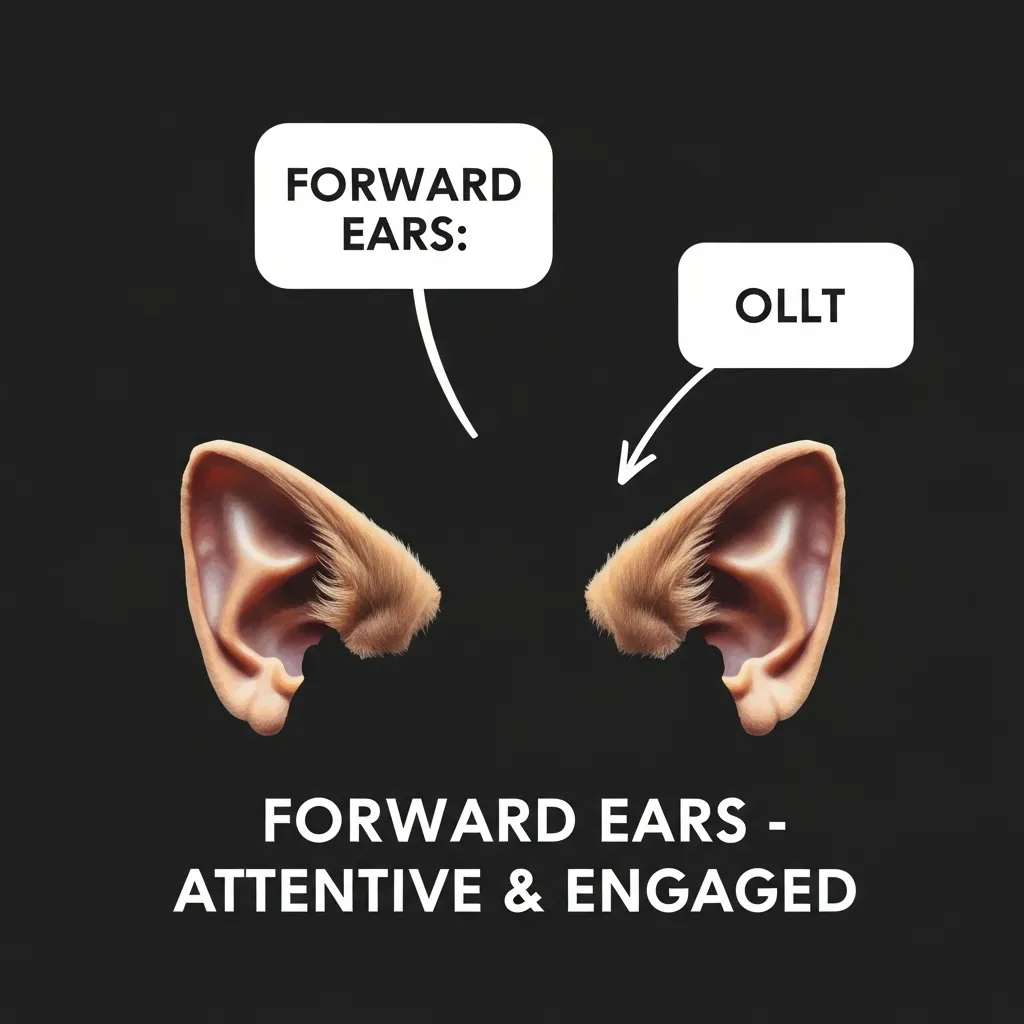
A cat’s tail is a mood barometer. A gently curving, upright tail is a friendly greeting, while a puffed-up, bristled tail signals fear or aggression. A low, slowly swishing tail often indicates focused concentration (as in play), but a rapidly lashing tail is a clear sign of irritation a warning to give space. The ears are equally telling: forward-facing denotes interest, flattened sideways (“airplane ears”) signals fear or annoyance, and rotated backward suggests an agitated, defensive state.
The Eyes: Windows to the Feline Soul
Direct, unblinking staring is a challenge or threat in the cat world. Conversely, the slow blink a languid closing and opening of the eyes is a profound gesture of trust and affection, often called a “cat kiss.” You can return this gesture by slowly blinking back; it’s a powerful way to build bonds. If your cat’s pupils are widely dilated in normal light, it can indicate high arousal, whether from play, fear, or stimulation.
Vocalizations: More Than Just “Meow”
While cats meow almost exclusively to communicate with humans (feral adults rarely meow at each other), they have a vast vocal repertoire. Purring is most often linked to contentment but can also be a self-soothing mechanism during pain or stress. Chirps and trills are friendly greetings, often used by a mother calling her kittens. Hissing and growling are unambiguous defensive warnings. Pay attention to changes in vocal patterns; a normally quiet cat becoming vocal, or a chatty cat falling silent, can indicate health issues like hyperthyroidism or pain, as discussed in our article on why your cat may have lost its voice.
Scent: The Invisible Bulletin Board
Cats live in a world of scent. They have scent glands on their cheeks, forehead, tail base, and paws. When your cat rubs its face on you or your furniture, it’s depositing pheromones that mark you as safe and familiar claiming you as family. Scratching and bunting (head-butting) are all scent-marking behaviors that create a comforting, “home” smell. This is why introducing new scents (like a visiting pet) can be so stressful. Understanding this can help with techniques for introducing a new kitten to your resident cat smoothly.
Decoding Common (and Commonly Misunderstood) Behaviors
Let’s apply these insights to the everyday feline mysteries that leave owners scratching their heads.
1. The Midnight Crazies (Zoomies): This burst of frenetic energy is a natural release of pent-up energy. Cats are crepuscular, meaning most active at dawn and dusk. Indoor cats without sufficient daytime stimulation often displace this energy to nighttime. Solution: Provide ample play before your bedtime. Use a wand toy to simulate a complete hunt cycle, ending with a “kill” (a small food treat or meal). This satisfies the instinct and promotes calm.
2. Knocking Things Over: This isn’t mere spite. It’s often a combination of curiosity (“What happens if I swat this?”), a bid for attention (it works every time!), and an accident caused by a less-than-precise paw during exploration. Solution: Cat-proof valuable items, provide more engaging solo toys, and ensure you’re dedicating regular, focused playtime so your cat doesn’t need to seek attention negatively.
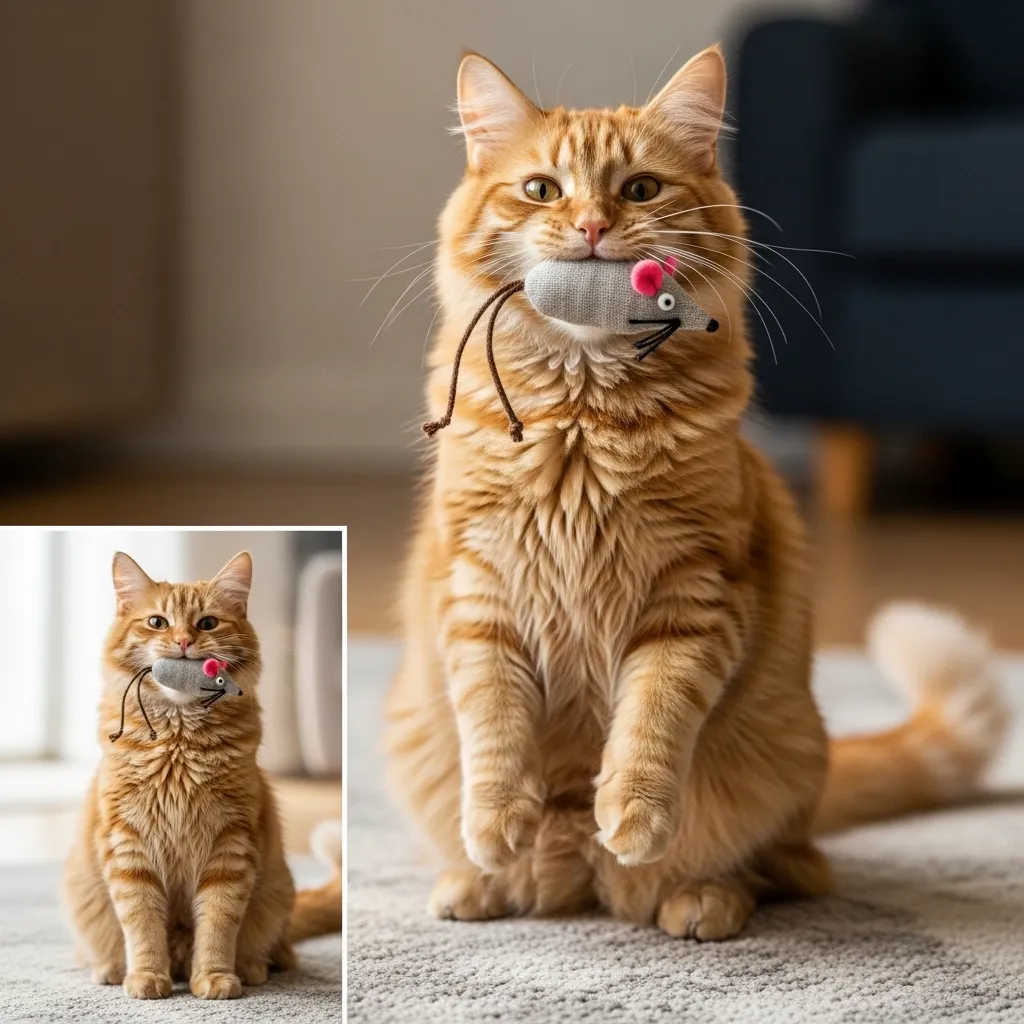
3. Bringing “Gifts” of Dead Prey: While distressing to us, this is a profound sign of trust and a teaching behavior. Your cat sees you as a clumsy, non-hunting family member and is either providing for you or trying to teach you to hunt. Solution: Gently accept the “gift” without scolding (which would confuse and hurt your cat). Prevent it by keeping your cat indoors during peak hunting times or using a bell on a safe breakaway collar to alert prey.
4. Scratches the Furniture: As established, scratching is essential. The issue is location. Solution: Place sturdy, tall scratching posts (sisal is a favorite) next to the furniture they currently target. Make the post appealing with catnip, and make the furniture less appealing with double-sided tape or a citrus-scented spray (cats dislike citrus). Praise lavishly for using the post. For comprehensive strategies, see our guide on how to stop cats from scratching furniture.
5. Hiding or Running from Visitors: This is a normal stress response for a territorial creature. Don’t force interaction. Solution: Provide a safe, permanent hiding spot (like a covered bed or a cat tree with a cubby) in a quiet room where your cat can retreat. Inform guests to ignore the cat. Let the cat choose when to emerge. This respects their boundaries and builds long-term confidence.
6. Biting During Petting (Pet-Induced Aggression): Often called “love bites,” these are usually a signal of overstimulation. The cat enjoys the petting until its nervous system reaches a threshold, and it bites to say, “Stop!” Solution: Learn your cat’s tolerance level. Watch for warning signs: skin twitching, tail swishing, ears turning. Pet in short sessions, focusing on preferred areas (often cheeks and chin, not the belly). If they show a belly, it’s usually a sign of trust, not an invitation for a rub, which can trigger a defensive bite.
The Behavior-Health Connection: When Actions Signal Alerts
A sudden or drastic change in behavior is often the first and clearest sign of illness. Cats are experts at hiding pain, so behavior shifts are critical clues.
- Litter Box Avoidance: The #1 behavioral reason for surrender is often medical. Urinating outside the box can signal a Urinary Tract Infection (UTI), bladder stones, or Feline Lower Urinary Tract Disease (FLUTD), which is painful and urgent. Rule out medical causes first, always. Our cat UTI symptoms guide details what to look for.
- Increased Aggression or Hiding: Pain from arthritis, dental disease (like the issues covered in cat gum disease), or internal illness can make a cat irritable and reclusive.
- Excessive Vocalization: Especially in older cats, this can indicate cognitive decline, hyperthyroidism, or hypertension.
- Changes in Eating or Drinking: Increased thirst and urination are hallmark signs of kidney disease or diabetes. Decreased appetite can indicate anything from dental pain to systemic illness.
- Over-Grooming or Self-Mutilation: Creating bald patches can be a sign of skin allergies, parasites, or, crucially, stress and anxiety (psychogenic alopecia).
Any abrupt behavioral change warrants a prompt veterinary visit. A comprehensive health check is the foundational step in any behavior modification plan. For a breakdown of health issues by life stage, read our article on common cat health problems by age.

Building a Behaviorally-Healthy Environment: Proactive Cat Parenting
Preventing problems is easier than solving them. A cat’s environment must cater to its core needs: safety, territory, play, and predation.
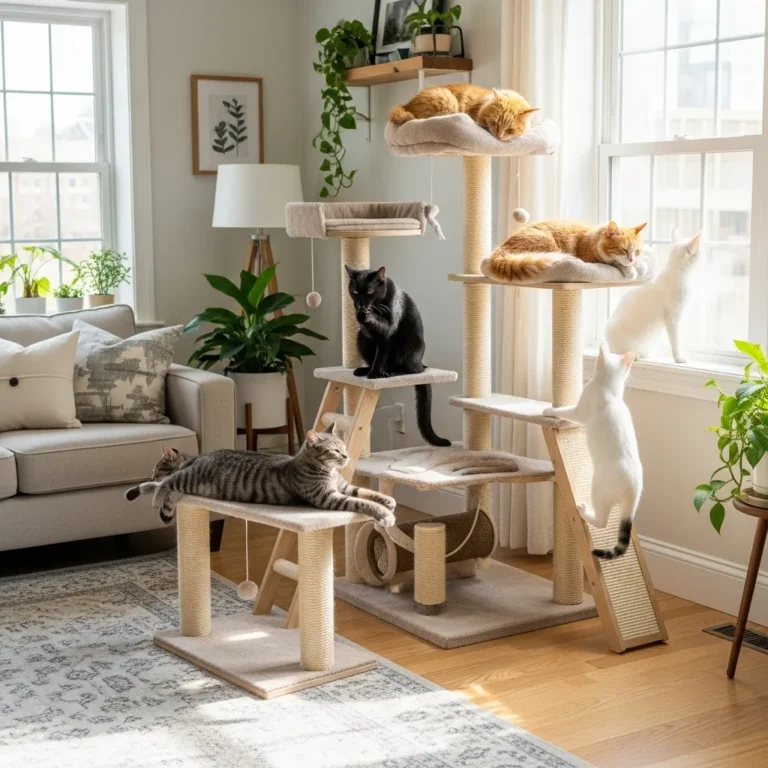
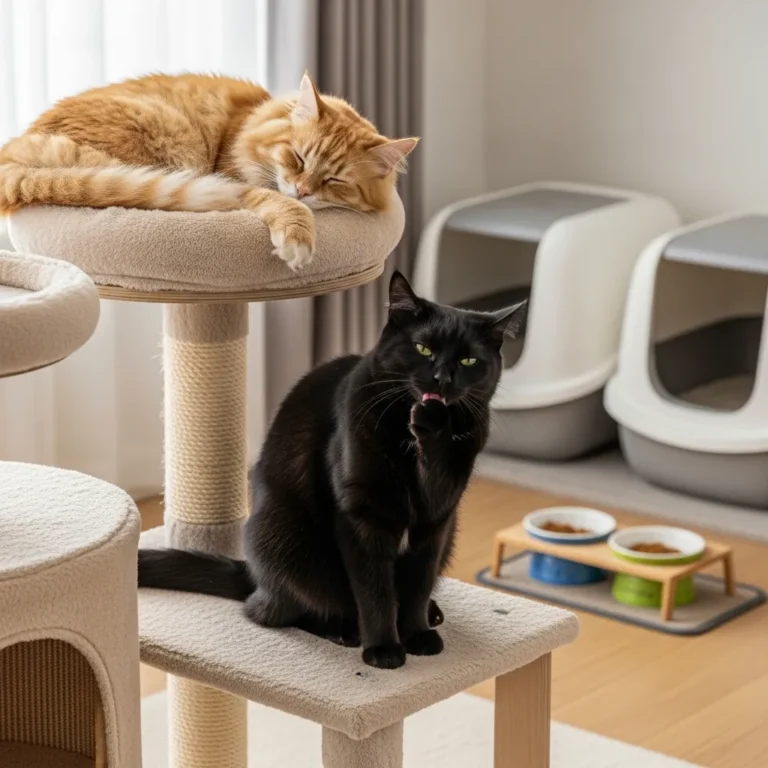
1. Respect the Territory: Cats are territorial but not necessarily space-hungry. They need vertical territory more than horizontal. Cat trees, wall shelves, and window perches allow them to survey their domain safely, reducing stress. In multi-cat homes, ensure multiple, separated key resources (litter boxes, food/water stations, sleeping areas) to prevent competition. A good rule is one litter box per cat, plus one extra, placed in quiet, accessible locations.
2. Master the Art of Play: Daily interactive play is non-negotiable. It exercises the body, stimulates the mind, and strengthens your bond. Mimic prey: let the toy dart, hide, and “rest.” End the session with a small treat to simulate the reward of a kill, which provides cognitive closure and prevents frustration.
3. Provide Mental Stimulation: Food puzzles, treat-dispensing toys, and even simple cardboard boxes or paper bags (with handles removed) provide crucial mental exercise. Rotate toys to keep them novel. Consider safe, cat-friendly plants like cat grass for sensory enrichment.
4. Establish Predictable Routines: Cats thrive on predictability. Feed, play, and interact on a consistent schedule. This reduces anxiety about when the next good thing will happen.
5. Use Positive Reinforcement, Not Punishment: Punishment (yelling, spraying) only teaches your cat to fear you and increases stress, which exacerbates behavioral issues. Instead, reward desired behaviors with treats, praise, or play. Ignore unwanted behaviors when safe to do so, and provide an attractive alternative (e.g., redirect scratching to a post).
For inspiration on designing a home that meets these needs beautifully, explore our feature on calm and enriching cat home environments.

Frequently Asked Questions (FAQ)
Q: Why does my cat follow me everywhere, even to the bathroom?
A: This is a sign of a secure attachment. Your cat sees you as a source of safety and enjoys your company. The bathroom, where you’re a captive audience in a small space, is prime bonding territory! It’s a compliment, not co-dependence.
Q: Is my cat’s purring always a sign of happiness?
A: Not always. While purring is most common during contentment, cats also purr to self-soothe when in pain, injured, or even during labor. Context is key. A purring cat at the vet is likely anxious, not happy.
Q: How can I tell if my cats are playing or fighting?
A: Play is quiet, with pauses, role reversals, and claws retracted. Ears are generally forward, and bites are inhibited. Real fighting involves loud vocalizations (hissing, growling, yowling), puffed fur, pinned ears, and forceful, uninhibited biting and scratching. Their bodies will look stiff and tense.
Q: Why does my cat suddenly attack my ankles?
A: This is almost always predatory play behavior stemming from boredom and unmet hunt-drive needs. Your moving ankles trigger the “prey” instinct. The solution is more scheduled, vigorous play with a wand toy to satisfy that drive.
Q: Can you truly train a cat?
A: Absolutely. Cats are highly trainable using positive reinforcement (treats, praise). You can train them to come when called, use a scratching post, enter a carrier, or even perform tricks. The key is motivation (find the right treat) and patience. Discover effective methods in our article on how to train a cat without punishment.
Conclusion: The Path to Deeper Understanding
Expert insights into domestic cat behavior teach us that our feline friends are not small, furry humans, nor are they solitary, indifferent creatures. They are intelligent, emotional beings communicating in a rich, subtle language of their own. By learning to interpret their tail twitches, ear tilts, and silent meows, we move from being mere providers to true companions. We learn that a “problem behavior” is usually a natural instinct seeking an outlet or a potential cry for help. The journey to understanding is a continuous one, filled with moments of revelation and connection.
When we provide appropriate outlets for scratching, honor their need for safety and vertical space, engage their hunting brain through play, and always listen to what their behavior is telling us, we build a home where both human and cat can thrive. The reward is a profound, trusting bond with a creature that chooses to share its silent, wonderful world with you.
Continue your journey into feline mastery. Explore more expert-backed guides on cat care, behavior, and well-being at Cat Bloom Haven. Dive deeper into specific behaviors with our articles on cat tail language and why cats bring you dead animals.