Cat UTI Symptoms: How to Tell If Your Cat Has a Urinary Tract Infection (And What to Do Immediately)
Nothing sends a cat parent into panic mode faster than spotting blood in the litter box or watching your cat strain painfully without producing anything. Urinary problems in cats are common, but they’re also one of the few true emergencies in feline medicine. A simple cat urinary tract infection can turn life-threatening in hours, especially in male cats.
This guide covers every detail you need: early signs of feline UTI, why some cats are more at risk, exactly what happens at the vet, proven treatment paths, and most importantly how to stop it from happening again. By the end, you’ll know precisely when to call your vet and when to rush to an emergency clinic.
Key Takeaways (Read This First)
- Blood in urine, frequent trips to the box, and crying while peeing are the top three red flags.
- Male cats can block completely and die within 24-48 hours without treatment.
- Many “UTIs” are actually FLUTD (Feline Lower Urinary Tract Disease) caused by stress, not bacteria.
- Early treatment is usually simple and inexpensive; delayed treatment can cost thousands and still fail.
- Diet, water intake, and stress management prevent 80% of repeat episodes.
The Most Common Cat UTI Symptoms (And What They Actually Look Like)
You know your cat’s normal bathroom habits better than anyone. Any sudden change deserves attention. Here are the signs vets see most often:
- Frequent urination in cats – small puddles every 10-15 minutes instead of 2-3 normal voids per day
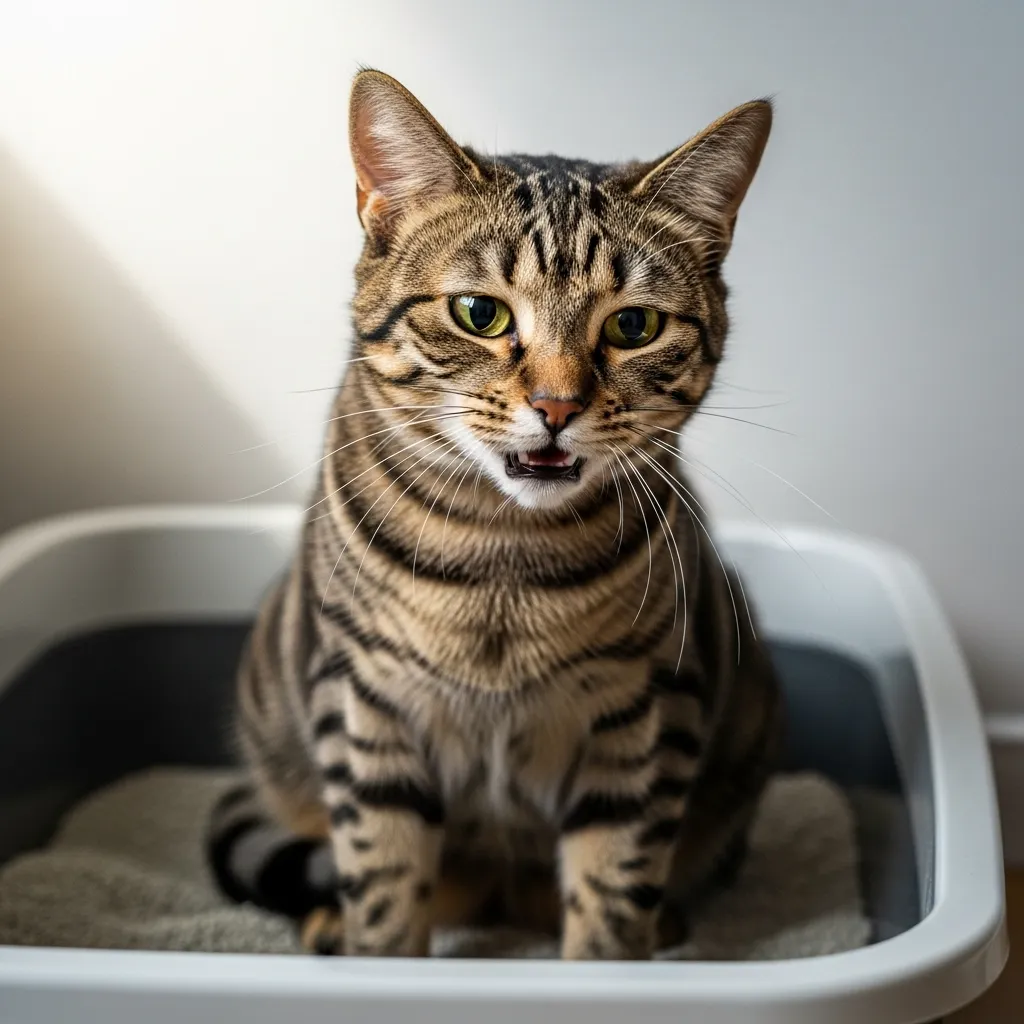
- Straining to pee in cats – crouched for a long time, often producing only drops or nothing
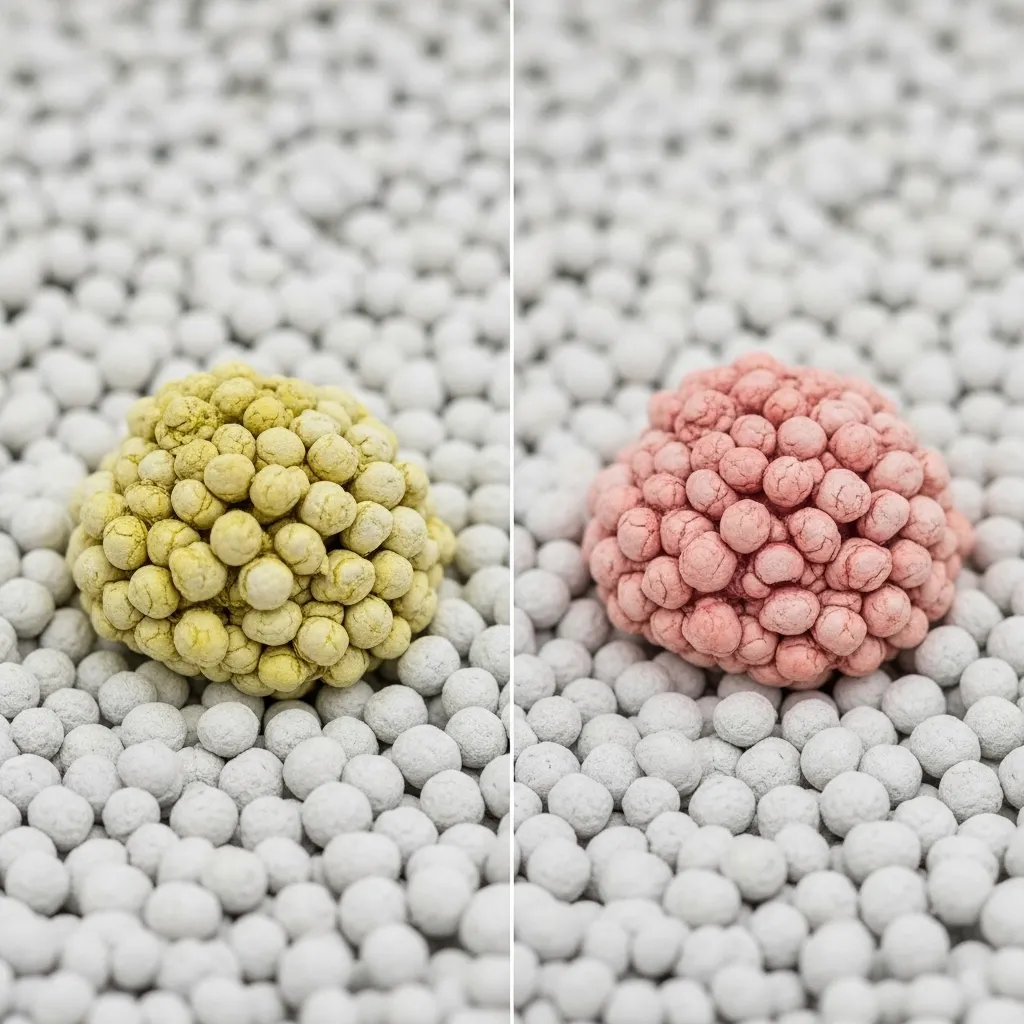
- Blood in cat urine (hematuria) – pink, red, or brown-tinged urine; sometimes only visible on white litter or tissue
- Painful urination in cats – crying, howling, or growling while in the box
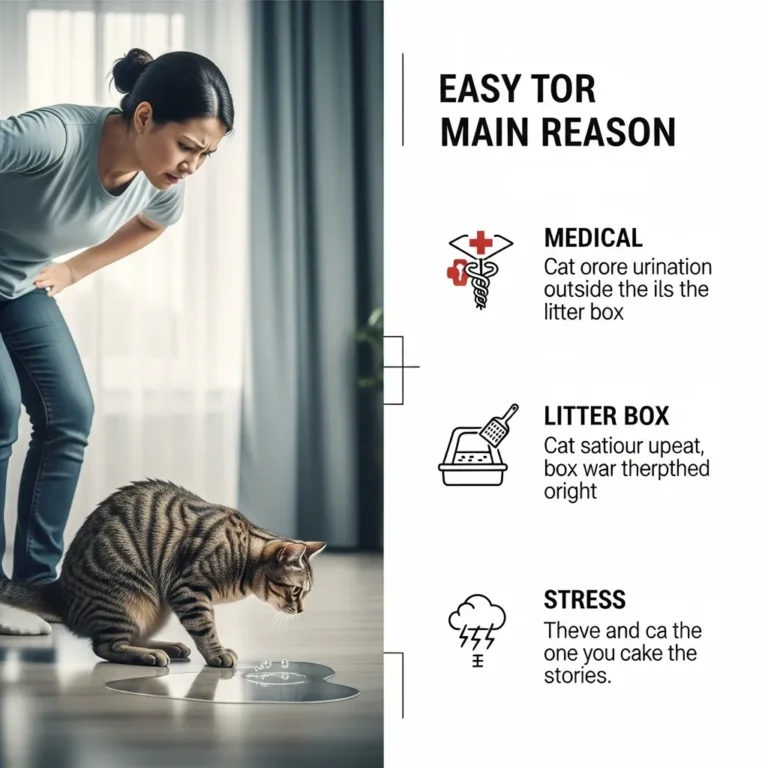
- Cat peeing outside the litter box – on cool surfaces like tile, sinks, or bathtubs (they’re looking for relief)
- Excessive grooming of the genitals – licking constantly because it burns
- Lethargy, hiding, or sudden aggression when you try to pick them up
- Strong ammonia smell from urine – concentrated urine is more irritating to an inflamed bladder
Red Alert: Cat Not Peeing – Emergency Signs
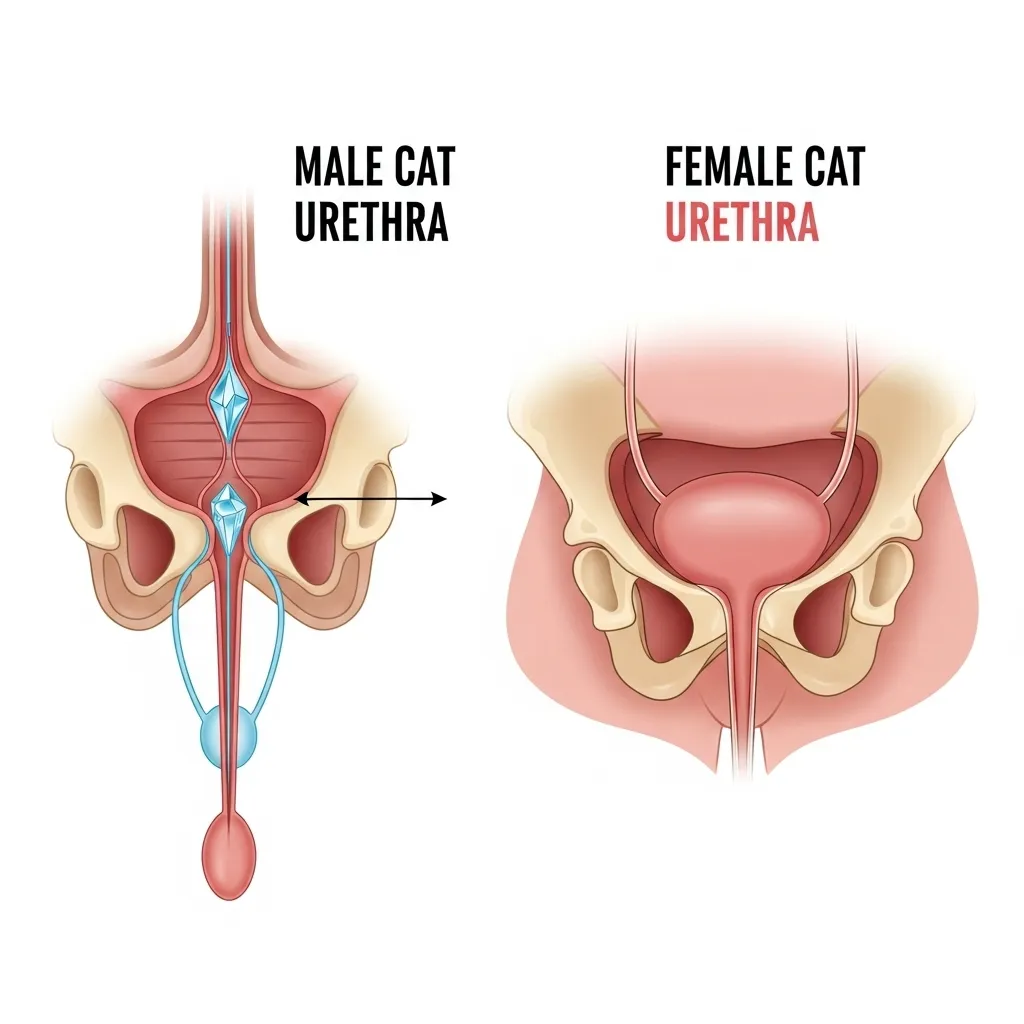
If your cat visits the box repeatedly but nothing comes out, treat it as a life-threatening emergency. This is especially common in male cats because their urethra is narrower. A complete urinary blockage can cause kidney failure, heart arrhythmias, and death in as little as 24 hours.
Call your vet or an emergency clinic immediately if you see:
- Repeated straining with no urine for 6+ hours
- Vomiting or dry-heaving
- Extreme lethargy or collapse
- Cold legs or paws
- Crying when you gently press the lower belly
Do NOT wait until morning.
Why Does My Cat Keep Getting UTIs? Causes and Risk Factors
Bacterial infections actually cause only about 2-5% of urinary issues in young, healthy cats under 10 years old. Most cases fall under the umbrella of Feline Lower Urinary Tract Disease (FLUTD) or Feline Idiopathic Cystitis (FIC).
Common triggers:
- Stress-related urinary issues in cats – moving house, new pets, conflict with another cat, or even a dirty litter box
- Dehydration – cats on dry-food-only diets often drink too little
- Bladder stones in cats or crystals (struvite or calcium oxalate)
- Obesity – extra weight puts pressure on the bladder
- Female cat UTI risk is lower for blockage but higher for bacterial infections because of a shorter urethra
- UTI in older cats (10+) – kidney disease and diabetes make infections more likely
- Anatomical issues – strictures or diverticula from previous inflammation
Cat UTI vs FLUTD: Why the Difference Matters
| Condition | Caused by bacteria? | Responds to antibiotics? | Main trigger | Recurrence rate |
|---|---|---|---|---|
| True bacterial UTI | Yes (usually) | Yes | Infection | Low if treated |
| FLUTD / FIC | No | No | Stress + inflammation | 50-70% |
Knowing the difference saves you money and heartache. Many vets now run a quick urinalysis first instead of automatically prescribing antibiotics.
How Vets Actually Diagnose a Cat UTI
- Physical exam – palpating the bladder (tiny and hard = blocked; large and painful = possible infection)
- Cat urinalysis test – checks for blood, crystals, pH, bacteria, and white blood cells
- Cat urine culture – the gold standard to identify the exact bacteria and best antibiotic (takes 3-5 days)
- Imaging – X-rays or ultrasound to look for stones, tumors, or thickening of the bladder wall
Pro tip: Ask your vet for a “free-catch” sample if possible – cystocentesis (needle into the bladder) is more accurate but stressful.
Treatment Options: What Actually Works
Bacterial UTI
- Antibiotics for cat UTI – usually 7-14 days of clavomox, Baytril, or Zeniquin
- Pain relief for cats with UTI – buprenorphine or gabapentin make a huge difference in appetite and attitude
- Increased water intake – subcutaneous fluids at the vet if dehydrated
Stress-Related FLUTD
- Pain medication and anti-spasm drugs (prazosin or phenoxybenzaprine)
- Prescription urinary diet for cats – Hill’s c/d, Royal Canin SO, or Purina UR dissolve struvite crystals and reduce inflammation
- Environmental enrichment and stress reduction (more on prevention below)
Natural remedies for cat UTI (cranberry, D-mannose, glucosamine) have almost no evidence in cats and can delay real treatment. Stick to vet-approved options.
Cat UTI Home Care: Supporting Recovery
While your cat is on medication:
- Switch to wet food for urinary health – at least 70% of calories from canned food
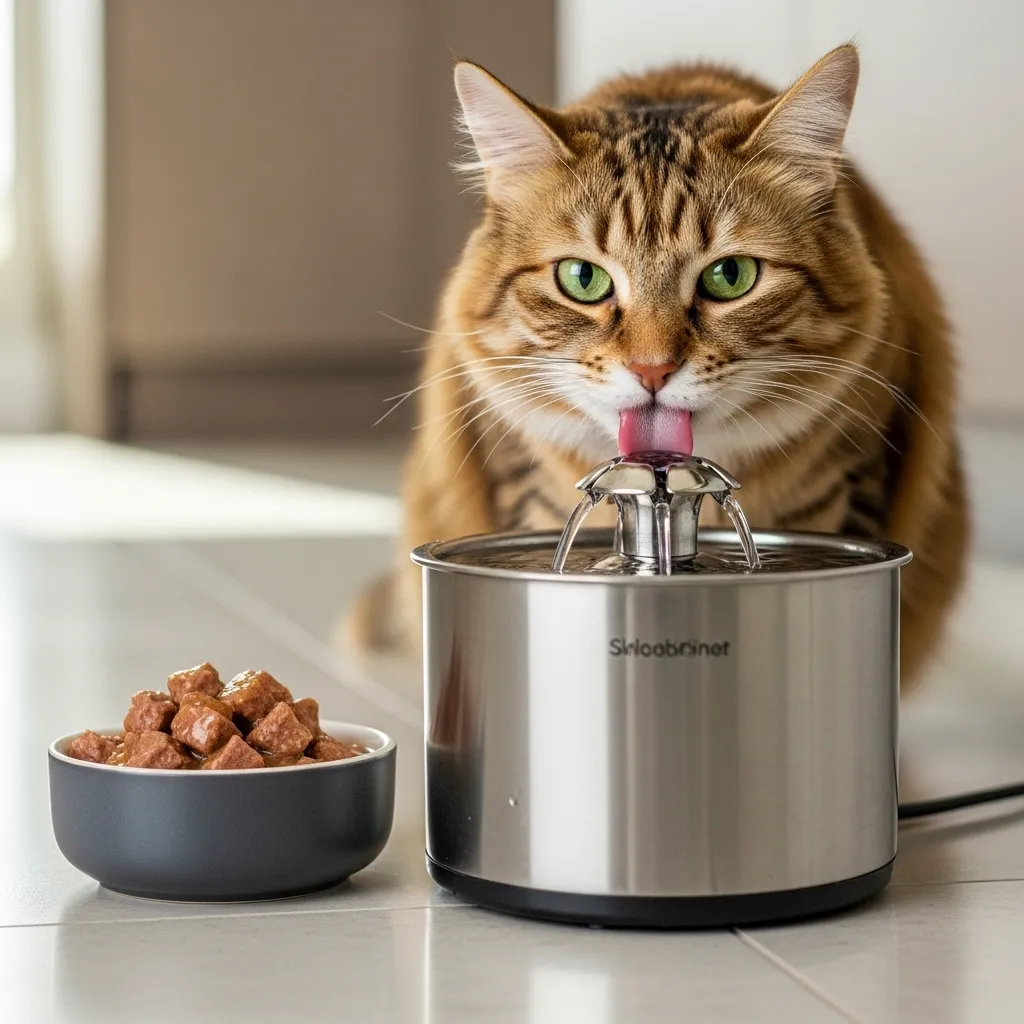
- Add water fountains, multiple water stations, or flavor water with a splash of tuna juice
- Keep the litter box spotless – scoop twice daily
- Provide quiet recovery space away from other pets
- Monitor urine output daily (clumpable litter makes this easy)
Preventing Future Cat UTIs – The Strategy That Works
- Maximize water intake
- Multiple fresh water sources
- Cat water fountains (cats prefer moving water)
- Feed wet food exclusively or add water to kibble
- Feed the right diet
- Best urinary care cat food 2025 picks: Hill’s c/d Stress, Royal Canin Urinary SO Moderate Calorie, Purina Pro Plan UR, or non-prescription options like Weruva or Tiki Cat with low magnesium
- Reduce stress
- One more litter box than number of cats
- Vertical territory (cat trees, shelves)
- Daily play sessions
- Feliway diffusers in multi-cat homes
- Maintain healthy weight and regular vet checkups
- Annual or bi-annual senior bloodwork and urinalysis after age 7
FAQ Quick Answers to Urgent Questions
How can I tell if my cat has a UTI at home?
Look for frequent trips to the box, crying while peeing, blood in urine, or peeing outside the box. Any male cat straining without producing urine needs emergency care.
Do cat UTIs go away on their own?
Bacterial ones rarely do. Stress-related cases sometimes improve in 5-7 days with perfect home care, but most cats feel miserable and risk complications without treatment.
How much does cat UTI treatment cost?
Simple bacterial UTI: $150-400. Urinary blockage requiring hospitalization: $1,500-4,000+.
Can I give my cat cranberry juice?
No. Cats can’t metabolize cranberry the way humans do, and it may worsen crystal formation.
Why does my cat keep getting UTIs even with prescription food?
Stress is usually the missing piece. Food helps crystals, but anxiety drives inflammation. Combine diet with environmental changes.
Final Word
A cat urinary tract infection is scary, but almost every case is treatable if you act fast. Trust your instincts you know when something is off with your cat. Early intervention turns what could be a tragic emergency into a quick course of medication and a full recovery.
Your cat is counting on you. When in doubt, call your vet.