Why Is My Cat Making a Vibrating Noise? The Complete Guide to Understanding Cat Purring and Other Vibrations
If you’ve ever felt that gentle rumble against your lap and wondered, “Why is my cat making a vibrating noise right now?”, you’re not alone. That signature cat vibration sound is one of the most comforting and sometimes confusing behaviors in the feline world. Most of the time it’s pure bliss, but occasionally the same vibration can signal stress, pain, or even something medical.
In this in-depth guide, we’ll break down every possible reason behind cat vibrating noises, from the science of how cats purr to the subtle differences between happy purring and distress purring. You’ll learn how to read the context, spot red flags, and know exactly when to call your vet.
Key Takeaways (Read This First)
- Almost all cats purr; kittens start as early as two days old.
- Purring = contentment 90% of the time, but cats also purr when scared, injured, or in pain (self-soothing).
- The classic purr frequency sits between 25–150 Hz – the same range that promotes bone healing and lowers stress in humans.
- Sudden loud purring, purring while breathing heavily, or purring paired with hiding can be warning signs.
- Trilling, chattering, and throat vibrations are different from true purring – we’ll explain each one.
How Cats Actually Produce That Vibrating Sound
Cats don’t purr with their vocal cords the way they meow. The mechanism is fascinating.
The purr originates from rapid twitching of the laryngeal muscles combined with rhythmic opening and closing of the glottis. Air vibrates over these structures every time the cat breathes in and out – that’s why purring continues on both inhale and exhale, unlike almost any other cat sound.
Recent studies (2023–2024) using high-speed cameras show the brain sends a neural signal to these muscles at 20–30 times per second. No special “purr organ” exists; it’s simply clever anatomy.
Fun fact: Big cats like lions and tigers can roar but cannot purr continuously. Cheetahs, snow leopards, and domestic cats kept the purr ability instead of the roar.
The Many Emotional Reasons Cats Purr
1. Pure Happiness and Contentment
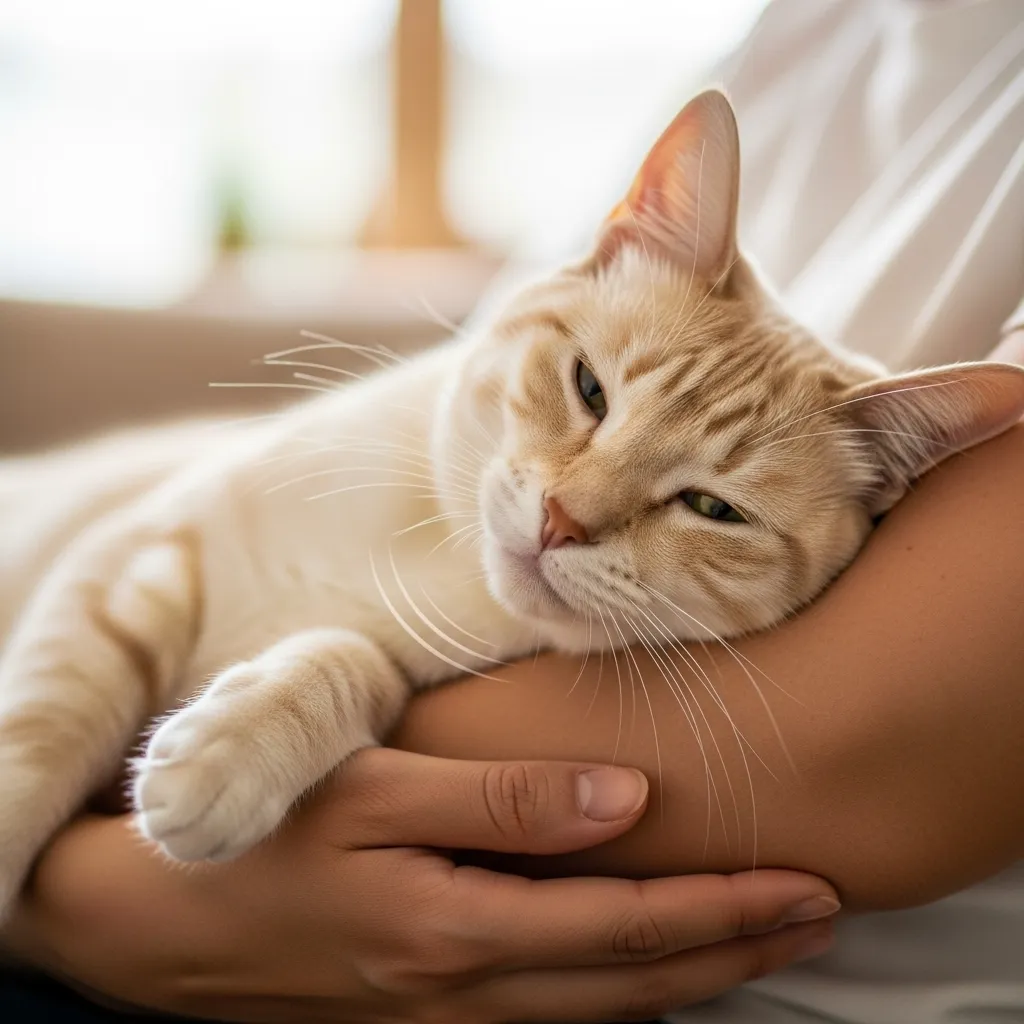
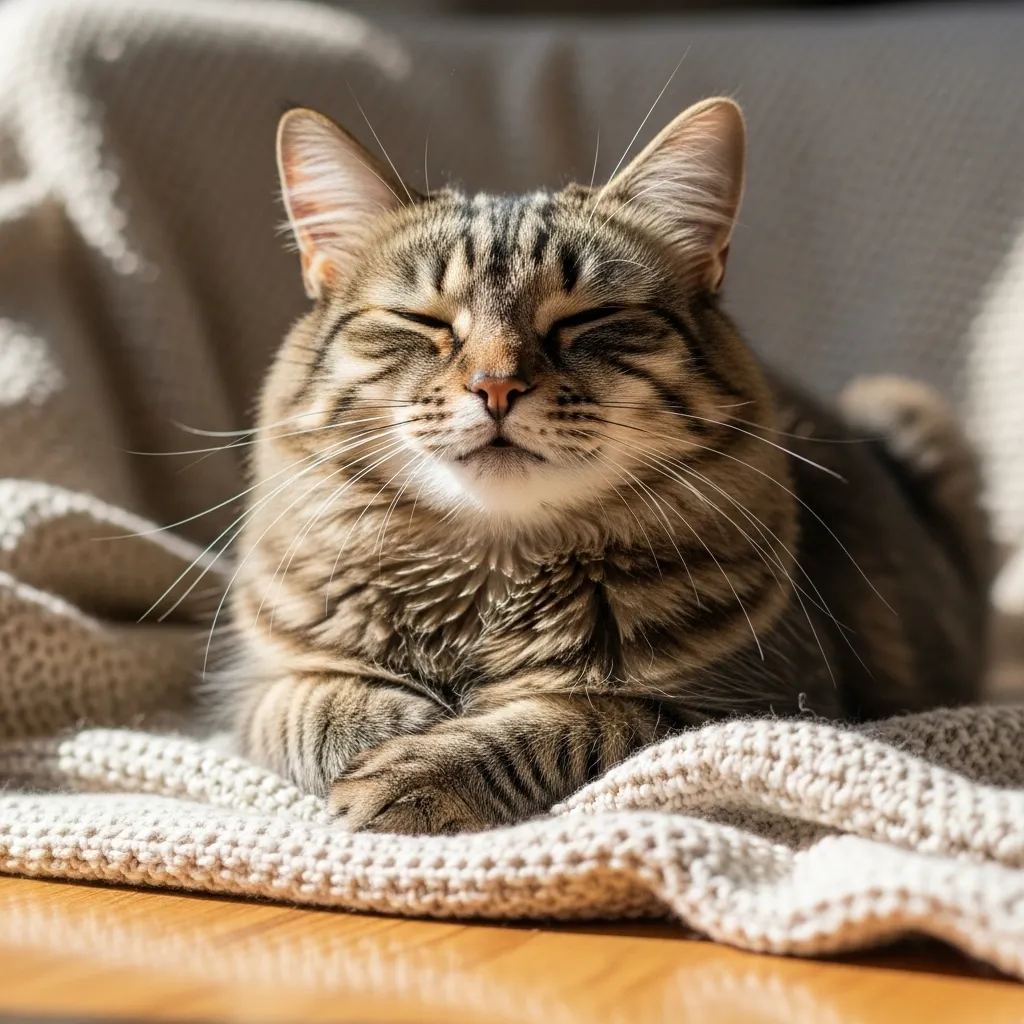
This is the one we all know. Your cat flops beside you, kneads with their paws, and starts that low, steady cat vibrating noise. They’re basically saying, “Life is perfect right now.”
Common triggers:
- Being stroked in their favorite spots
- Eating a delicious meal
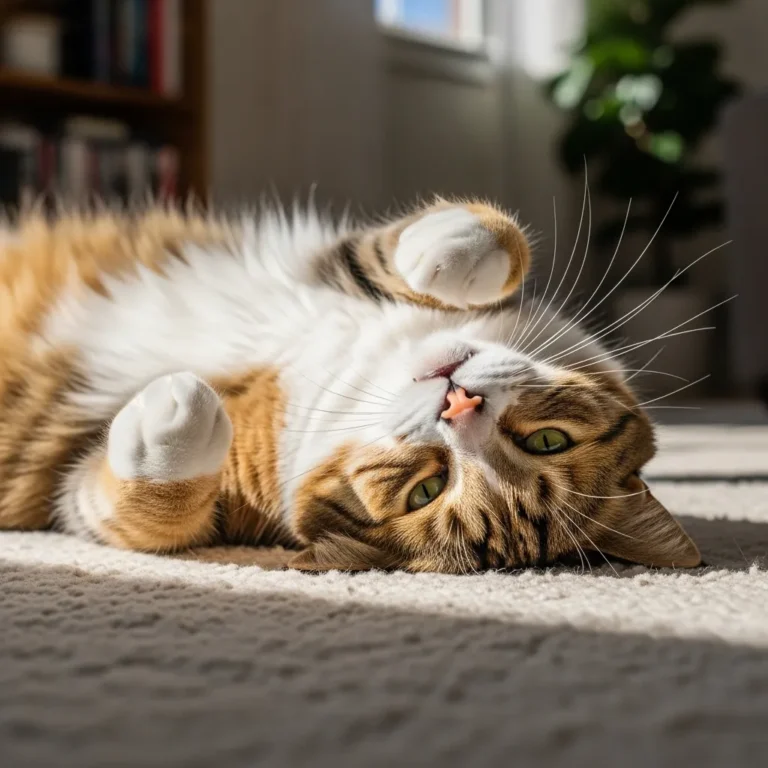
- Sunbathing in a warm patch
- Greeting a beloved human after you come home
2. Self-Soothing and Stress Relief
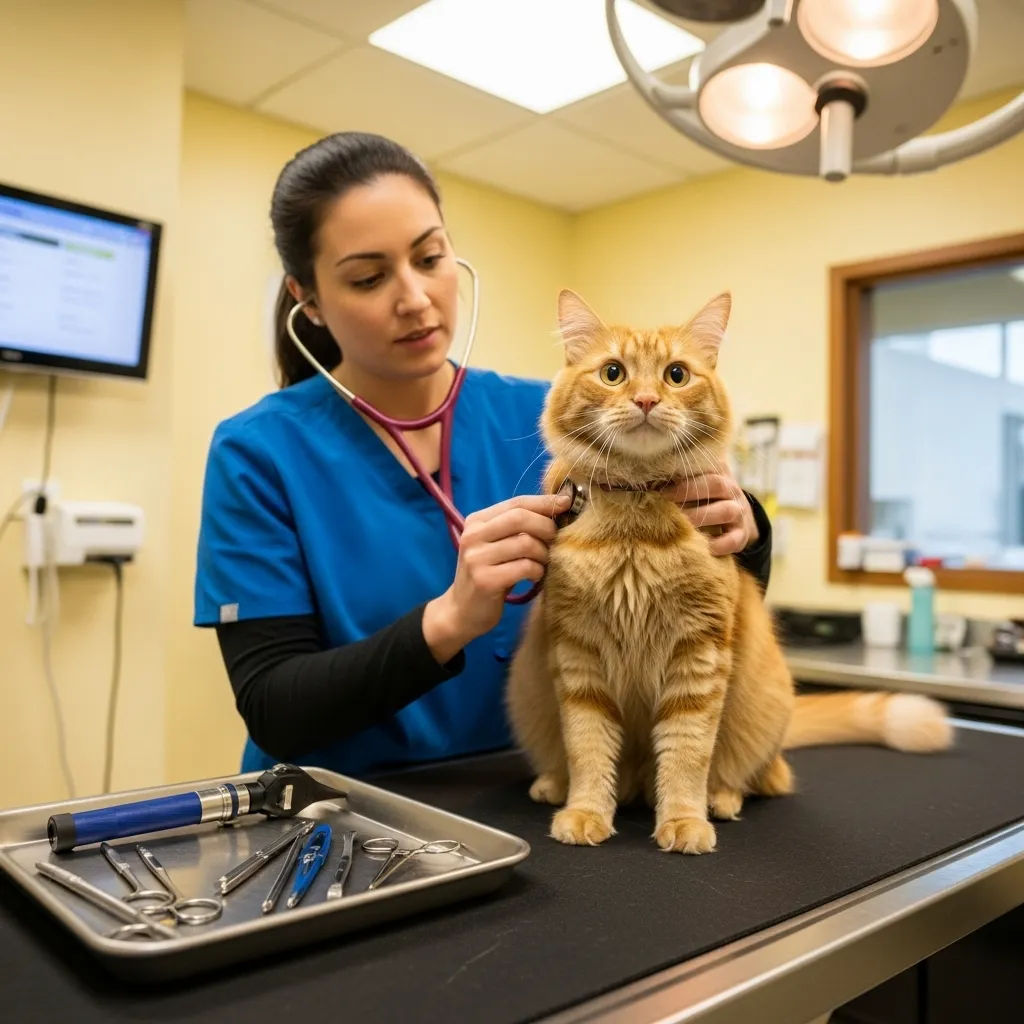
Cats purr when anxious, scared, or in pain to calm themselves. Veterinarians often hear loud purring from cats in the exam room – even when the cat is clearly terrified.
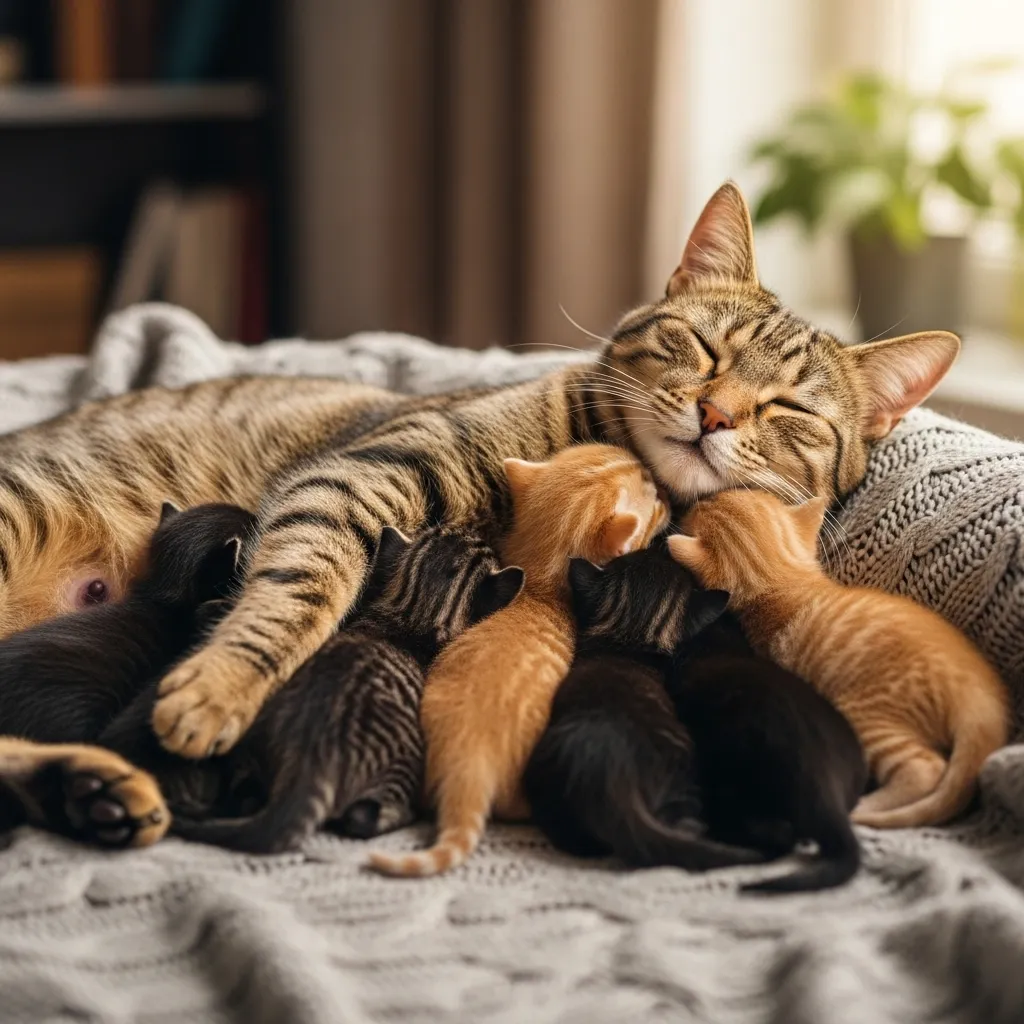
Real-life example: A cat giving birth will purr between contractions. Injured feral cats purr while being rescued. Mother cats purr to calm nervous kittens (and the kittens purr back).
3. Healing and Pain Management
Research published in The Journal of the Acoustical Society of America shows that 25–50 Hz vibrations improve bone density and stimulate tissue regeneration. Cats may instinctively purr when hurt because it literally helps them heal faster and reduces pain perception.
4. Bonding and Communication
Kittens purr to let mom know where they are while nursing. Adult cats purr to bond with humans they trust. Many owners describe it as their cat saying “I love you” in the only way they know how.
How to Tell If the Vibration Is Happy vs Distress Purring
Here’s a quick comparison table:
| Sign | Happy Purring | Distress / Self-Soothing Purring |
|---|---|---|
| Body posture | Relaxed, loose, often kneading | Tense, ears back, crouched or hiding |
| Eyes | Half-closed, slow blinking | Wide eyes or rapid blinking |
| Tail | Gently swaying or curled | Tucked or lashing |
| Other noises | Usually silent otherwise | Hissing, growling, or crying mixed in |
| Context | Being petted, eating, napping | At the vet, during thunderstorms, pain |
| Breathing | Normal | Labored, open-mouth, or rapid |
If your cat is purring loudly suddenly with any of the right-column signs, take note.
Medical Causes of Unusual Cat Vibrations
Sometimes the vibrating noise isn’t a classic purr at all.
Respiratory Issues
- Upper respiratory infections (cat flu)
- Asthma – listen for wheezing mixed with the vibration
- Fluid in the chest (pleural effusion)
- Laryngeal paralysis (rare but serious)
You might notice cat chest vibrating when breathing or throat vibration that sounds “wet.”
Pain or Internal Problems
Cats in pain often purr continuously. Common culprits:
- Dental disease or mouth ulcers
- Bladder stones or urinary blockage
- Arthritis (especially in seniors)
- Gastrointestinal upset
Hyperthyroidism
Senior cats with overactive thyroid glands sometimes develop a louder, almost “revving” purr.
Neurological Conditions
Rarely, seizures or feline hyperesthesia syndrome can cause rhythmic tremors that feel like vibrations.
When to Take Your Cat to the Vet for Purring or Vibrations
Book an appointment if you notice:
- Sudden change in purr volume or pitch
- Purring paired with labored breathing or coughing
- Cat hiding + purring nonstop
- Weight loss, vomiting, or reduced appetite alongside the vibration
- Any wheezing, rattling, or open-mouth breathing
Better safe than sorry – many serious conditions start subtly.
For more on choosing a great veterinarian, see our guide: Finding the Best Vet for Your Cat.
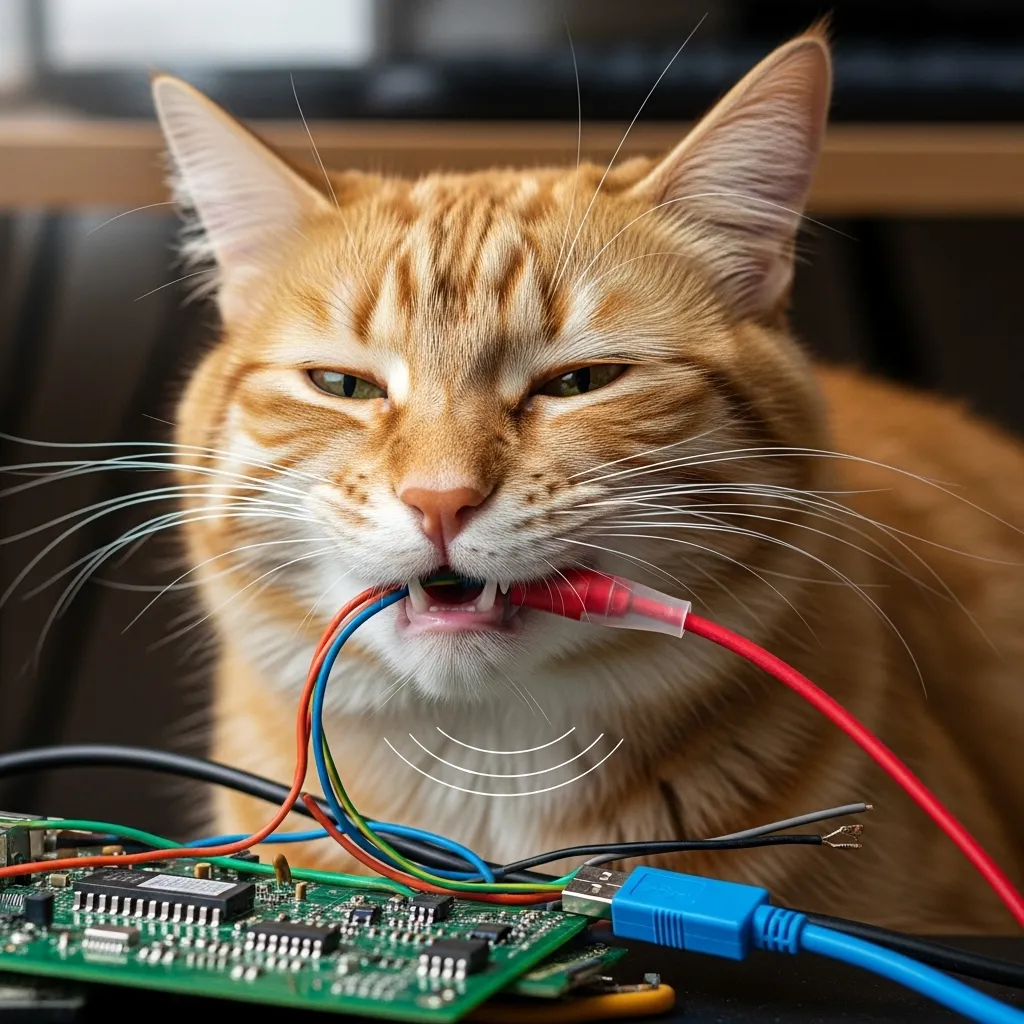
Why Is My Cat Vibrating and Biting Electronics (or Chewing Cords)?
This specific combo drives owners crazy – and it’s surprisingly common.
Overstimulation + Stress Relief
Some cats get overstimulated by the tiny electromagnetic vibrations from laptops, phones, and chargers. The cat feels the buzz, starts purring from the sensation, then bites because they don’t know what else to do with the feeling.
Teething (Kittens) or Dental Pain (Adults)
Young kittens explore with their mouths. Adult cats with sore gums will chew and purr at the same time for relief.
Boredom or Pica
Certain breeds (Siamese, Bengal) are wired for high activity. If understimulated, they’ll invent games with anything that vibrates or smells interesting.
Solutions that actually work:
- Provide battery-operated vibrating toys designed for cats
- Use cord protectors and bitter apple spray
- Increase playtime with wand toys or puzzle feeders
- Offer safe chewing alternatives (silver vine sticks, cat-safe rubber toys)
Learn more about managing high-energy breeds in our Bengal Cat Personality guide or Siamese Cats Are the Best.
Other Weird Cat Vibration Sounds Explained
- Trilling (chirrup): A high-pitched, short vibration used as a greeting.
- Chattering: Rapid jaw vibration when watching birds – pure hunting excitement.
- Snoring: Some flat-faced breeds (Persians, Exotic Shorthairs) vibrate when asleep due to airway shape.
- Reverse sneezing: Brief, intense vibration that sounds alarming but is usually harmless.
How to Encourage Happy Purring (and Reduce Stress Purring)
- Create safe spaces – cat trees, window perches, cardboard boxes.
- Keep a predictable routine.
- Use pheromone diffusers (Feliway Optimum) during stressful times.
- Gentle, consistent affection on their terms.
- Regular veterinary wellness visits to catch pain early.
Frequently Asked Questions
Why is my cat purring loudly all of a sudden?
A sudden increase in volume can mean extreme contentment (new favorite food or blanket) or self-soothing due to pain or anxiety. Watch body language closely.
Do cats purr when they’re dying?
Many cats purr right until the end as a self-comfort mechanism. It does not always mean they’re happy, but it usually means they feel safe with you.
Why does my cat purr and knead at the same time?
Kneading + purring is a leftover kitten behavior. It means they feel completely safe and are reliving nursing on mom.
Is it normal for a cat to vibrate while sleeping?
Light twitching or vibrating during deep sleep is normal (they’re dreaming). Heavy shaking or loud snoring may point to airway issues.
Can cats control their purring?
Partly. They can start and stop voluntarily, but once going, the purr often continues automatically with each breath.
Final Thoughts
That mysterious cat vibrating noise is one of the greatest gifts of living with felines. Most of the time it’s your cat telling you the world feels right. But because cats are masters at hiding discomfort, learning to read the full picture body language, context, and changes over time is one of the best ways to keep them healthy and happy for years to come.
Whenever you’re unsure, trust your gut and call your vet. A quick check-up can give enormous peace of mind.
Want to dive deeper into feline communication? Explore more expert cat behavior guides right here on Cat Bloom Haven from why cats show their bellies to understanding tail language and everything in between.
Your cat’s unique purr is their voice. The more you listen, the stronger your bond becomes.