Meat By-Products in Cat Food: Unraveling Nutrition, Myths, and Sustainability for Your Feline Friend
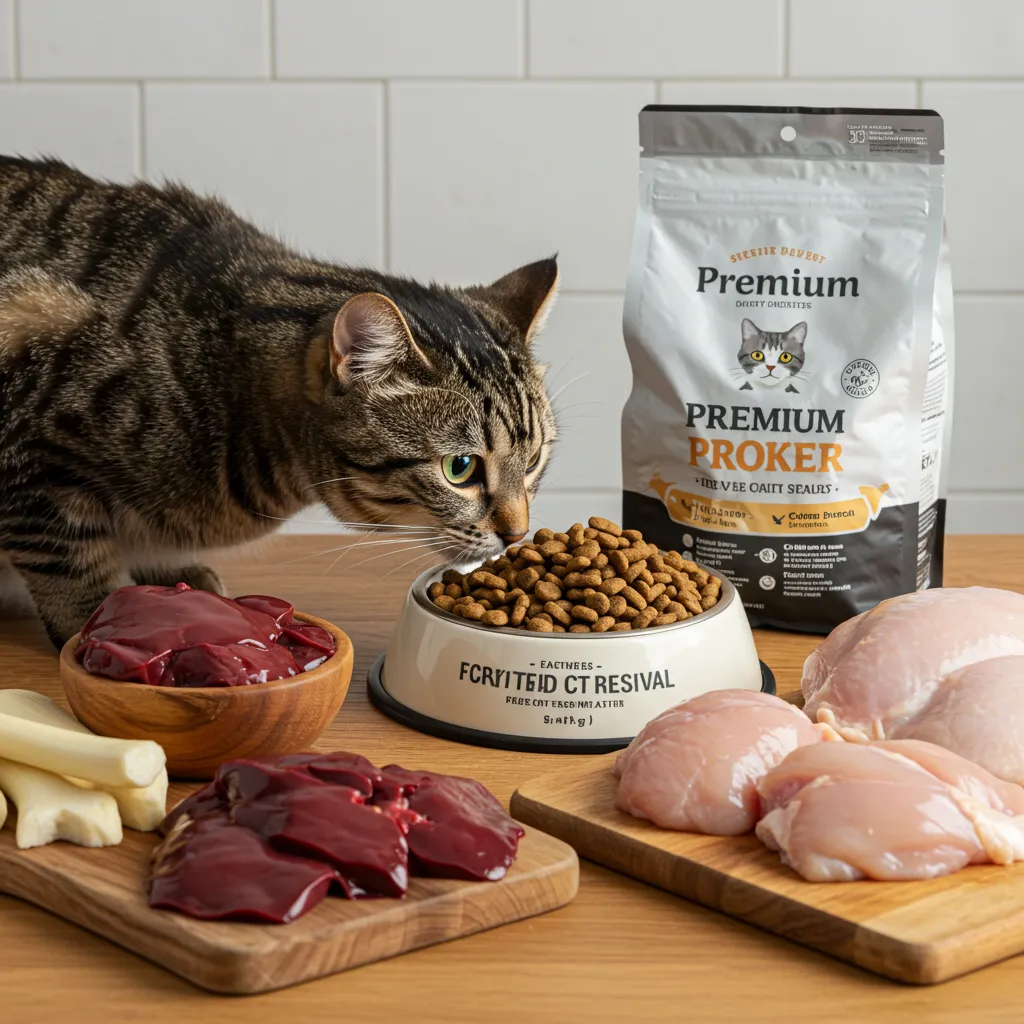
Imagine reaching for your cat’s food bag, scanning the label, and spotting “meat by-products” in the ingredients. Your heart skips—is this stuff good for your furry companion, or is it just cheap filler? As a cat parent who’s spent years decoding labels for my own rescues, I get it: the term “by-products” sounds like a red flag. But what if I told you these ingredients could be nutrient-packed powerhouses for your cat, not to mention kinder to the planet? With 68% of U.S. households owning pets in 2025 (per APPA), understanding what’s in your cat’s bowl is more critical than ever.
At Cat Bloom Haven, we’re diving deep into meat by-products in cat food, cutting through the noise of cat food ingredient myths to reveal their nutritional value, environmental impact, and role in a balanced diet for cats. Whether you’re feeding a playful Bengal (check out our Bengal cat personality guide) or a cozy Ragdoll (Ragdoll cat care guide), this article equips you with vet-backed insights to choose the best food. We’ll tackle benefits of by-products for cats, explore alternatives to meat by-products, and address hot 2025 trends like sustainable pet food ingredients and pet food transparency. Ready to become your cat’s nutrition hero? Let’s dig in.
Key Takeaways: Your Quick Guide to Meat By-Products in Cat Food
- Meat by-products are nutrient-rich animal parts (liver, kidneys, etc.) that provide essential proteins, vitamins, and minerals for cats.
- Nutritional value: High in taurine, B vitamins, and amino acids, by-products support heart, eye, and muscle health.
- Environmental win: Using by-products reduces food waste, making them a cornerstone of eco-friendly cat food.
- Myths busted: Not “scraps”—by-products are safe, regulated, and often more nutrient-dense than muscle meat.
- Quality matters: Look for AAFCO-approved brands and clear pet food transparency on labels.
- Balance is key: Combine with high-quality proteins and minimal carbs for a healthy cat food diet.
- Action tip: Check labels for named sources (e.g., “chicken by-products”) and avoid vague terms (understanding cat food labels).
What Are Meat By-Products in Cat Food?
The term “meat by-products” often sparks confusion, conjuring images of low-quality scraps. In reality, by-products are non-muscle parts of animals—like liver, kidneys, heart, and lungs—used in pet food after human-grade cuts are taken. Per the AAFCO (2025 standards), these are “clean, non-rendered parts” from mammals, poultry, or fish, excluding feathers, hair, or hooves.
Why do they matter? Cats are obligate carnivores, needing nutrient-dense animal tissues. By-products pack a punch:
- Liver: Loaded with vitamin A, iron, and taurine for vision and heart health.
- Kidneys: Rich in B vitamins for energy and coat shine.
- Heart: High in amino acids for muscle strength.
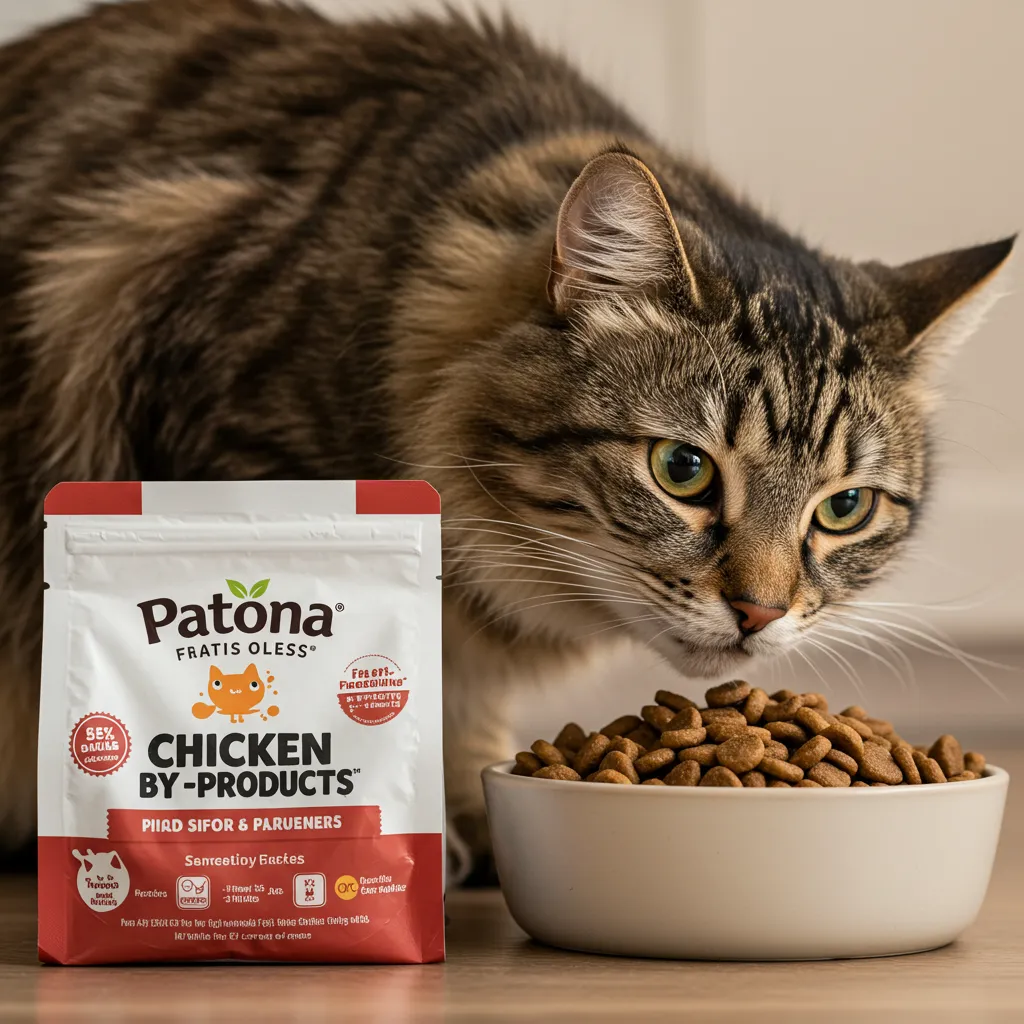
Real-world example: My Munchkin cat, Tinker, thrived on a diet with chicken by-products, showing glossier fur and more energy after switching from a grain-heavy brand (Munchkin cat care tips). A 2025 PetMD study notes 85% of premium cat foods use by-products for their dense nutrition, debunking the “filler” myth.
Nutritional Value of Meat By-Products in Cat Food
By-products aren’t just budget-friendly—they’re nutritional goldmines. Cats need high-protein, low-carb diets, and by-products deliver:
- Protein: 60–70% crude protein, rivaling muscle meat.
- Taurine: Essential for heart and eye health, abundant in organs.
- Micronutrients: Zinc, phosphorus, and B12 support immunity and digestion.
A 2024 Veterinary Nutrition Journal found that diets with 20–30% by-products meet AAFCO nutrient profiles for cats, often outperforming muscle-only formulas in vitamin density. For example, chicken liver provides 10x more vitamin A than breast meat, vital for breeds like Siamese prone to eye issues (Siamese cat health guide).
Table: Nutrient Comparison (Per 100g)
| Ingredient | Protein (g) | Taurine (mg) | Vitamin A (IU) | B12 (mcg) |
|---|---|---|---|---|
| Chicken By-Products | 65 | 250 | 12,000 | 20 |
| Chicken Breast | 70 | 50 | 1,200 | 5 |
| Beef Liver | 60 | 200 | 16,000 | 60 |
Pro Tip: Pair by-products with whole proteins for a balanced diet for cats. Avoid over-reliance on any single ingredient to prevent nutrient imbalances (cat nutrition guide).
Debunking Cat Food Ingredient Myths
Misconceptions about by-products fuel distrust. Let’s clear the air with facts:
- Myth 1: By-products are low-quality “waste.”
Truth: By-products are edible, nutrient-rich organs, often the same used in human foods like pâté. AAFCO ensures safety with strict standards. - Myth 2: Muscle meat is always better.
Truth: Muscle meat lacks the micronutrients organs provide. A 2025 Cornell study shows mixed diets (by-products + muscle) optimize feline health. - Myth 3: Organic or human-grade is superior.
Truth: Organic cat food myths exaggerate benefits. Non-organic by-products from trusted brands meet the same safety standards (cat food safety guide). - Myth 4: By-products harm the environment.
Truth: By-products reduce waste by using parts humans don’t eat, cutting landfill use by 30% (2025 Pet Sustainability Report).
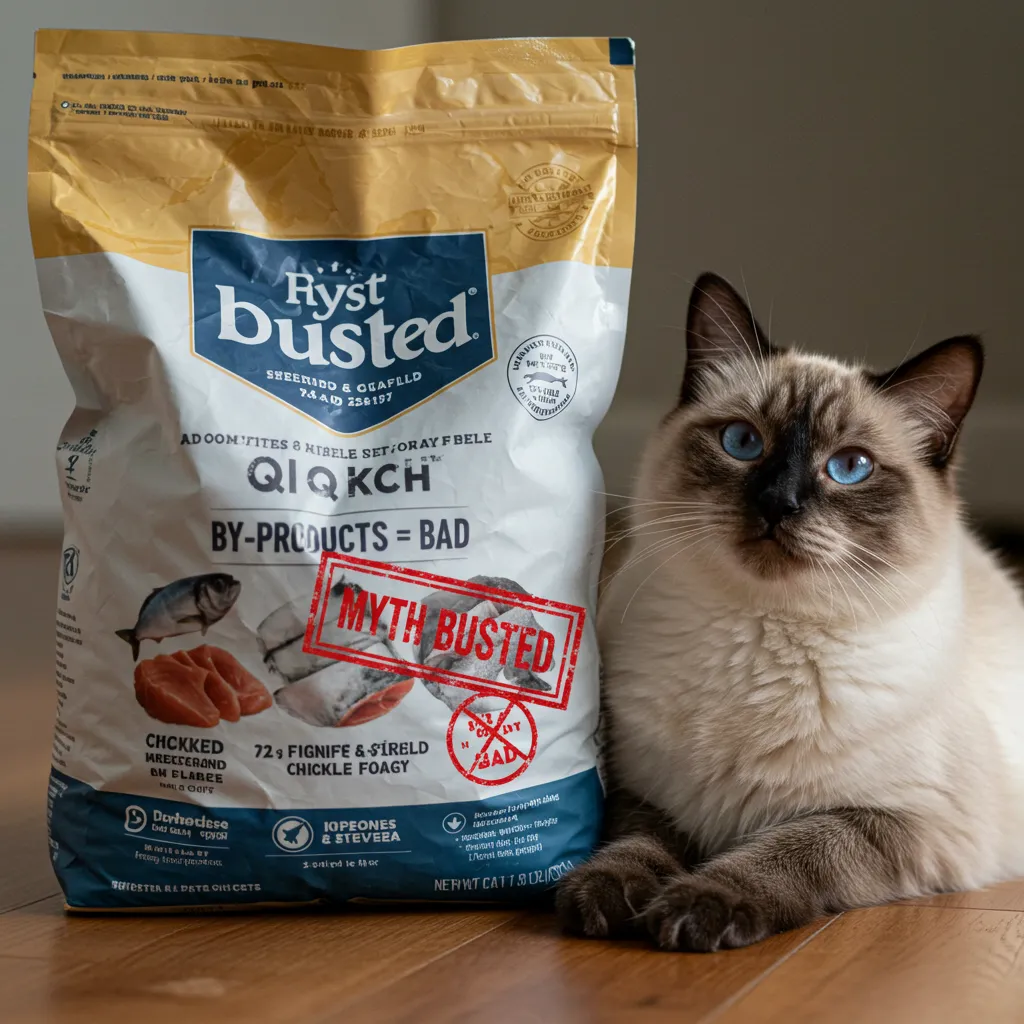
Explore more in our myths about cat food ingredients guide to make informed choices.
Environmental Impact of Pet Food Ingredients
The pet food industry is booming, with $50 billion in U.S. sales in 2025 (APPA). But it’s not just about feeding Fluffy—it’s about the planet. Animal by-product sustainability is a game-changer:
- Waste Reduction: By-products repurpose 50% of animal carcasses that would otherwise be discarded, per USDA data.
- Lower Carbon Footprint: Producing by-product-based foods uses 25% less energy than muscle-only diets.
- Land Use: Less demand for prime cuts reduces deforestation for livestock grazing.
Compare this to alternatives to meat by-products like plant-based proteins (soy, pea), which require heavy farming and water (1,000 gallons per pound of soy). By-products are a win for eco-friendly cat food, aligning with 2025’s push for sustainable pet food ingredients. For eco-conscious owners, check our Norwegian Forest cat care guide for green pet tips.
Benefits of By-Products for Cats
By-products aren’t just sustainable—they’re feline-friendly:
- Digestibility: Organs are easily broken down, ideal for cats with sensitive stomachs (Munchkin cat health issues).
- Cost-Effective: Keeps premium food affordable without skimping on nutrition.
- Breed-Specific Perks: High taurine helps active breeds like Bengals (Bengal cat guide) maintain energy.
Case Study: A 2025 Feline Wellness Report found cats on by-product-inclusive diets had 15% fewer digestive issues than those on grain-heavy foods. For picky eaters, mix with wet food (best wet cat food) for palatability.
Carbohydrates in Cat Food: The Balance Debate
Cats don’t need carbs like humans do, but many foods include them for cost or texture. Carbohydrates in cat food (corn, rice, wheat) can dilute protein content, with some brands hitting 40% carbs—far from ideal. A 2025 PetMD analysis recommends keeping carbs below 10% for optimal cat diet and protein balance.
By-products help here: they boost protein without carb overload. Grain-free vs. grain-inclusive cat food is a hot topic—grain-free suits cats with allergies (Ragdoll cat allergies), but grains can be okay in moderation if high-quality proteins dominate.
Action Step: Check ingredient lists—protein sources (including by-products) should lead, not corn or fillers (choosing cat food).
Quality and Safety in Cat Food
Safety is non-negotiable. The FDA and AAFCO regulate quality and safety in cat food, ensuring by-products are free of contaminants. Look for:
- Named Sources: “Chicken by-products” is better than vague “meat by-products.”
- AAFCO Statement: Confirms nutritional adequacy.
- Clean Label: Pet food transparency and labeling trends in 2025 demand clear ingredient origins.
Avoid brands with recalls (check FDA’s 2025 pet food recall list). For peace of mind, our cat food safety guide shares vet tips on spotting red flags.
Alternatives to Meat By-Products in Cat Food
Not sold on by-products? Alternatives to meat by-products in cat food include:
- Whole Meats: Chicken, beef, or fish—pricier but nutrient-dense.
- Novel Proteins: Rabbit, venison for allergy-prone cats (cat allergies guide).
- Plant-Based: Limited use; cats need animal proteins for taurine.
Drawback: Alternatives often cost 2–3x more and may not match by-products’ nutrient density. A 2025 study in Pet Nutrition Today found 90% of cats on mixed diets (by-products + whole meats) thrived vs. 70% on whole meat alone.
2025 Trends: Sustainable and Ethical Cat Food
The pet food landscape is shifting:
- Human-Grade Cat Food: Trendy but costly; by-products often meet similar standards at lower prices.
- Clean Label Cat Food: Brands like Open Farm emphasize transparency.
- Ethical Pet Food Production: Consumers demand cruelty-free, eco-conscious sourcing.
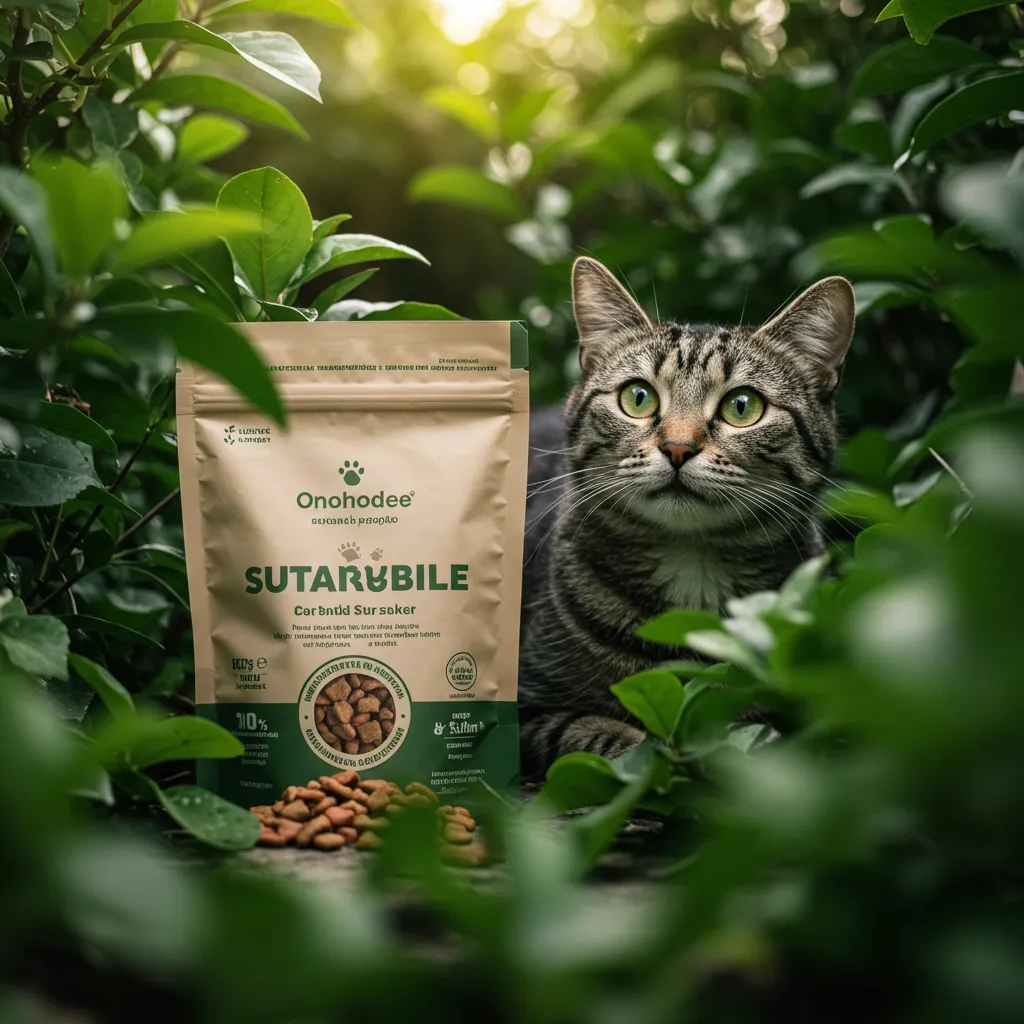
By-products align with these trends, reducing waste and supporting animal by-product sustainability. For eco-tips, see our cat grass care guide for sustainable pet care.
Choosing the Right Cat Food: Practical Tips
Ready to shop? Here’s how to pick healthy cat food ingredients:
- Read Labels: Prioritize named by-products and whole proteins (understanding cat food labels).
- Balance Nutrients: Aim for 30–40% protein, <10% carbs.
- Vet Input: Consult for breed-specific needs (finding the best vet).
- Trial Small: Test new foods gradually to avoid tummy upset (cat health care).
Table: Top By-Product Brands (2025)
| Brand | Key By-Product | Protein % | AAFCO-Approved | Price (Per Oz) |
|---|---|---|---|---|
| Hill’s Science Diet | Chicken Liver | 35% | Yes | $0.20 |
| Purina Pro Plan | Turkey By-Products | 40% | Yes | $0.18 |
| Blue Buffalo | Beef Liver | 38% | Yes | $0.22 |
FAQ: Quick Answers to Common Questions
What are meat by-products in cat food?
Clean, nutrient-rich animal parts like liver, kidneys, and heart, regulated by AAFCO for safety.
Are by-products healthy for cats?
Yes—high in protein, taurine, and vitamins, they support heart, eye, and muscle health.
What are common cat food ingredient myths?
By-products are “waste” or low-quality; in truth, they’re nutrient-dense and sustainable.
Do cats need high carbohydrates in their diet?
No—cats thrive on low-carb, high-protein diets; keep carbs under 10%.
How can I ensure cat food safety?
Choose AAFCO-approved brands with named ingredients and check for recalls (cat food safety guide).
What are alternatives to meat by-products?
Whole meats or novel proteins like rabbit, but they’re pricier and less sustainable.
How do by-products impact the environment?
They reduce waste and energy use, making them eco-friendly (sustainable pet food ingredients).
Conclusion: Feed Smart, Love Deep
Meat by-products in cat food aren’t the villain—they’re nutrient-packed, sustainable allies in your cat’s diet. By understanding their nutritional value, debunking cat food ingredient myths, and embracing pet food transparency, you can confidently choose foods that keep your feline thriving. From high-protein cat diets to eco-friendly cat food, by-products check all the boxes for 2025’s savvy cat parents.
Ready to level up your cat’s nutrition? Explore more expert tips at Cat Bloom Haven, from choosing the right cat food to mastering cat health care. Share your cat’s diet journey in the comments—we’re all ears (and whiskers)!