Why Does My Cat Sniff Me? Understanding Cat Sniffing Behavior
Have you ever felt your cat suddenly lean in, nose twitching, to sniff your face or hand? That curious cat sniffing behavior might seem mysterious, but it reveals a lot about how cats communicate and perceive their world. In this article, we’ll explore why cats sniff their owners, dive into their incredible sense of smell, and explain how feline communication through scent shapes their behavior.
Whether you’re confounded by your cat sniffing everything around the home or want to decode why your cat sniffs your hair or carpet, this comprehensive guide will give you expert insights backed by feline behavior science to help you understand your pet deeper.
What You’ll Learn:
- The unique power of the cat sense of smell and its anatomy
- Reasons behind cats sniffing you and their environment
- How cats use scent marking and pheromones to communicate
- The role of the vomeronasal organ in feline sniffing
- Answers to common questions about cat sniffing habits
Let’s unravel the fascinating language of cat sniffing and deepen your bond with your feline friend.
Key Takeaways:
- Cats rely heavily on their sense of smell to understand their world and recognize individuals.
- Sniffing is a primary way cats gather information and communicate through scent marking.
- The vomeronasal organ allows cats to detect pheromones, amplifying their scent perception.
- Cat sniffing behavior is a form of social interaction and reassurance among cats and with owners.
- Understanding feline scent communication can improve your relationship and care routine.
The Incredible Sense of Smell in Cats
Cats possess one of the most sophisticated olfactory systems in the animal kingdom. Their sense of smell is estimated to be 14 times stronger than humans’. This heightened olfactory ability allows cats to detect subtle chemical cues in their environment vital for survival, communication, and social bonding.
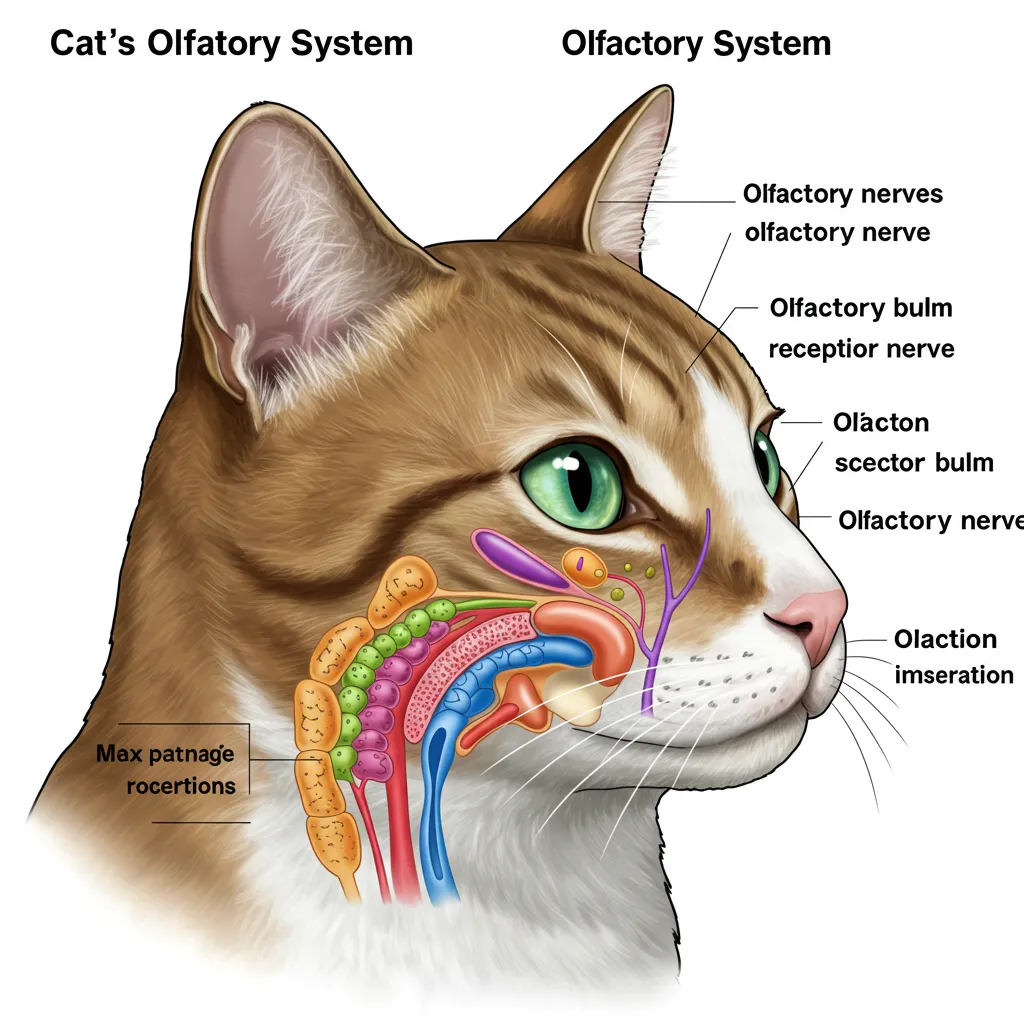
Anatomy of the Cat Olfactory System
- Nasal Cavity: Packed with millions of olfactory receptors specialized in detecting a wide range of scents.
- Vomeronasal Organ (Jacobson’s Organ): Located on the roof of the mouth, this organ detects pheromones—chemical signals that carry social and reproductive information.
- Olfactory Bulb: Large relative to brain size, processing complex scent information rapidly.
This powerful scent detection equips cats to identify territory boundaries, other animals, potential mates, and even individual humans.
Understanding your cat’s use of scent gives profound insight into their behavior, especially sniffing you closely or focusing on specific spots like your face, hands, or even carpet fibers.
Why Do Cats Sniff Their Owners?
Cat sniffing behavior toward owners is multifaceted, tied closely with feline communication and recognition.
Familiarity and Recognition
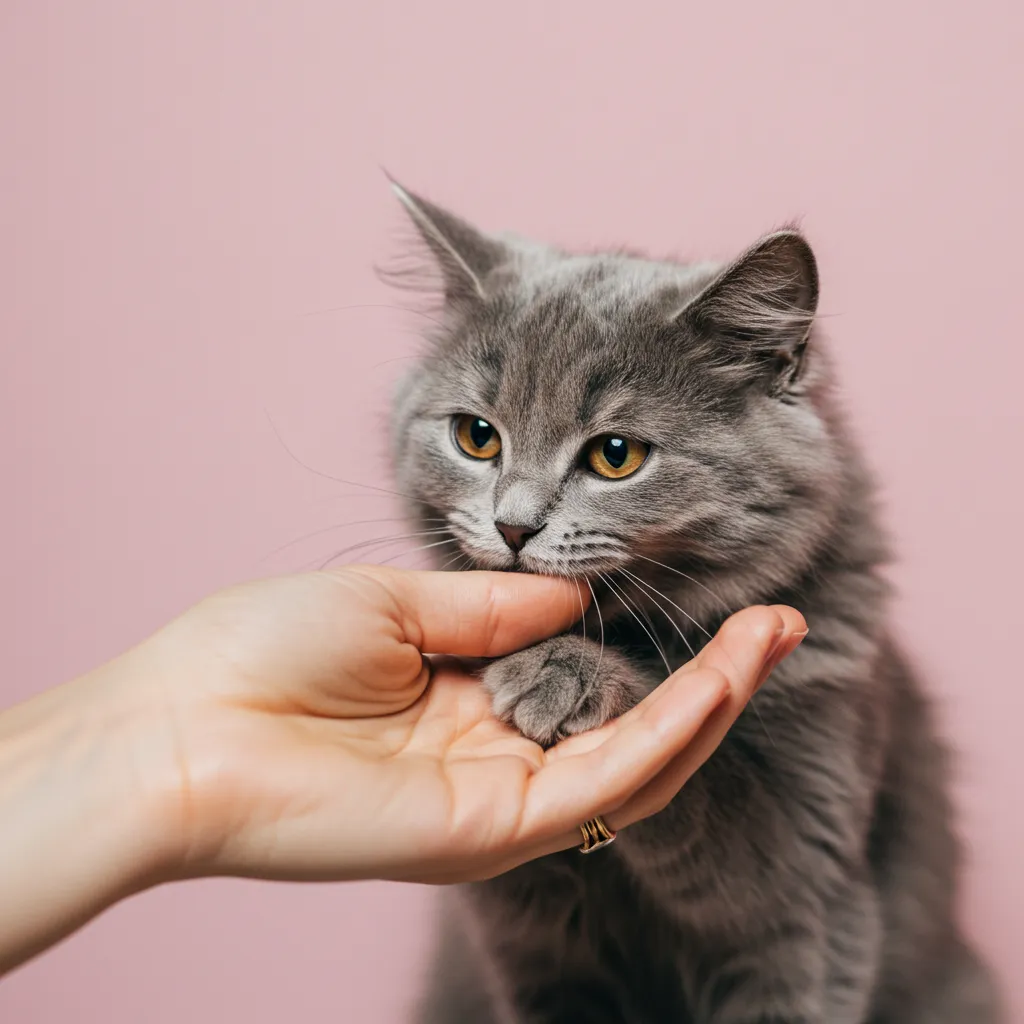
Cats recognize their humans primarily by scent, not sight. Sniffing your hands, face, or hair helps them gather information about where you’ve been, what you’ve touched, and your emotional state.
Social Bonding and Comfort
Frequent sniffing of their favorite human is a sign of trust and affection. It reassures cats by reinforcing familiar scents in their safe environment.
Investigating Changes
If your scent changes due to a new perfume, detergent, or visiting outside places, cats sniff to reassess and update their mental scent map.
Communication Through Scent Marking
Cats also sniff to detect pheromones you might carry and use their own scent glands to mark you subtly, blending scents in their social group. This scent marking with pheromones aids in establishing territory and social harmony.
**Have you noticed your cat sniff your hand more after you come home or sniff your face gently? This is their way of saying “I’m checking in with you.”
The Vomeronasal Organ: A Secret Superpower in Cat Sniffing
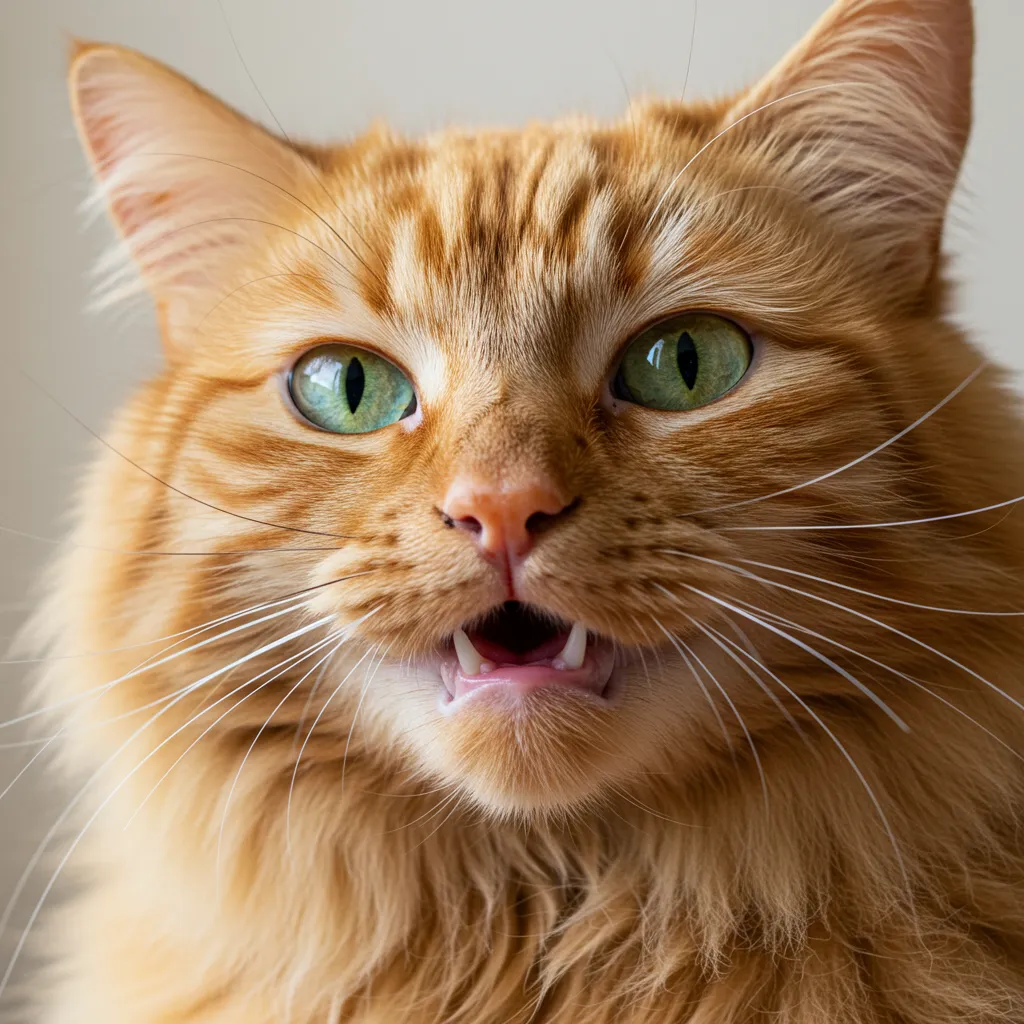
The vomeronasal organ (VNO) plays a crucial role in feline sniffing and social communication. Located above the roof of the mouth, the VNO allows cats to detect pheromones invisible to humans.
What Are Pheromones?
Pheromones are natural chemical substances animals emit to communicate social cues like territorial claims, reproductive status, or mood.
How Cats Use the VNO
When cats sniff intensely or perform the Flehmen response (lifting their lip), they’re channeling scents to the VNO for deep analysis.
This organ enhances their ability to understand complex social environments and guides behaviors such as mating, aggression, and bonding.
Discover more on the science of cat pheromones and how artificial pheromone products can influence behavior in our detailed guide on Cat Pheromones and Scent Marking.
Reasons Cats Sniff Everything Around Them
Cats are naturally curious and use their nose to gather detailed information about their surroundings. Here’s why you’ll see your cat sniffing various objects:
- Exploration: Sniffing new items helps cats assess safety and novelty.
- Territory Checking: Detecting other animals’ scents to confirm or contest territory.
- Hunting Instincts: Following faint odors of prey, even indoors.
- Comfort Seeking: Re-experiencing familiar scents brings calm.
Cats sniff carpet fibers or hair because these surfaces trap diverse scents from people, pets, and environments. This sensory input forms a crucial part of their environmental awareness and comfort.
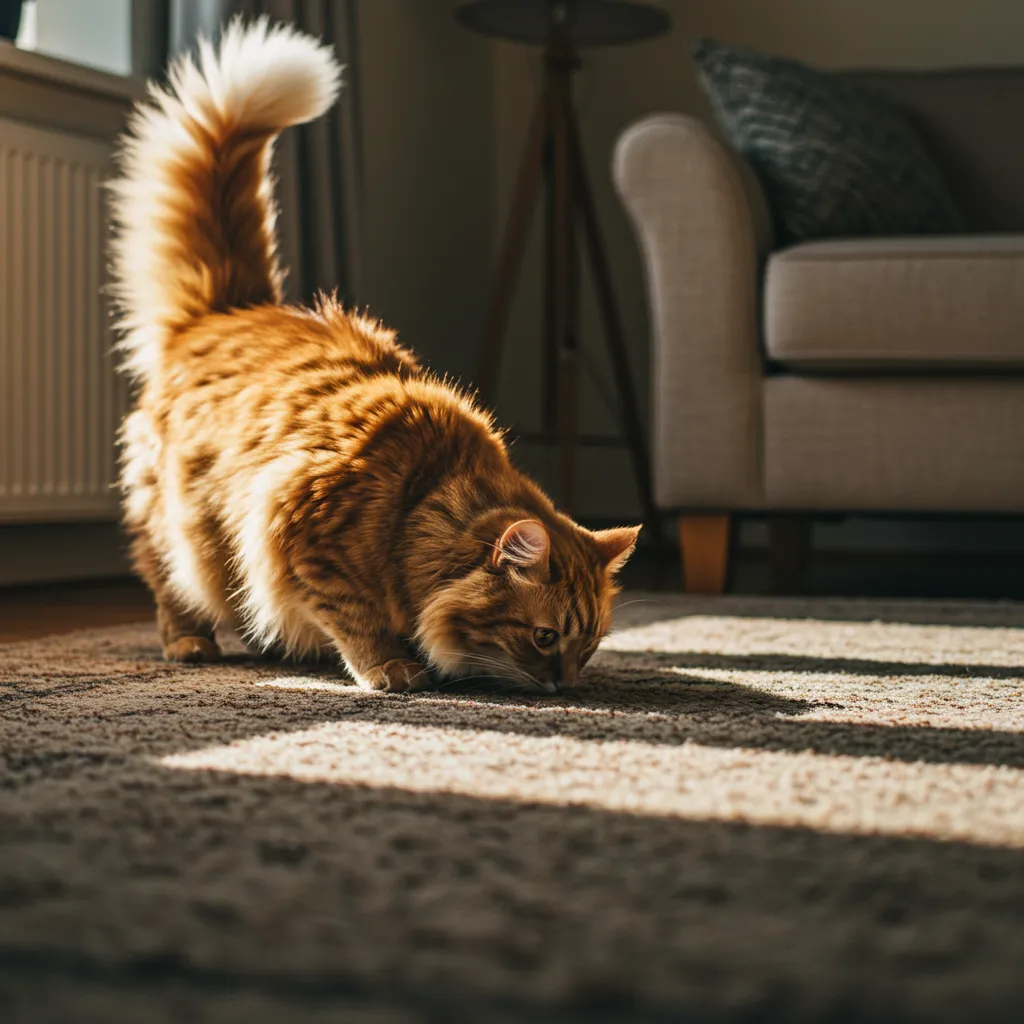
Have you caught your cat sniffing your hair or the carpet? It’s their way of reading the story of what’s happened while you were away.
Cat Communication Through Scent: The Invisible Language of Cats
Scent is a principal language in feline communication:
Cat Scent Marking
Cats deposit scent through glands located on their cheeks, paws, tail base, and flanks. Rubbing against objects (or humans) transfers their unique scent.
Why Cats Sniff Your Face or Hands
These are areas rich in scent glands with your distinct odor. Sniffing here helps cats confirm your identity and emotional state.
Cat Pheromones and Social Signals
Pheromones convey messages about territory, reproductive readiness, and social status. Cats respond instinctively to these signals by reacting with approach, avoidance, or behavioral changes.
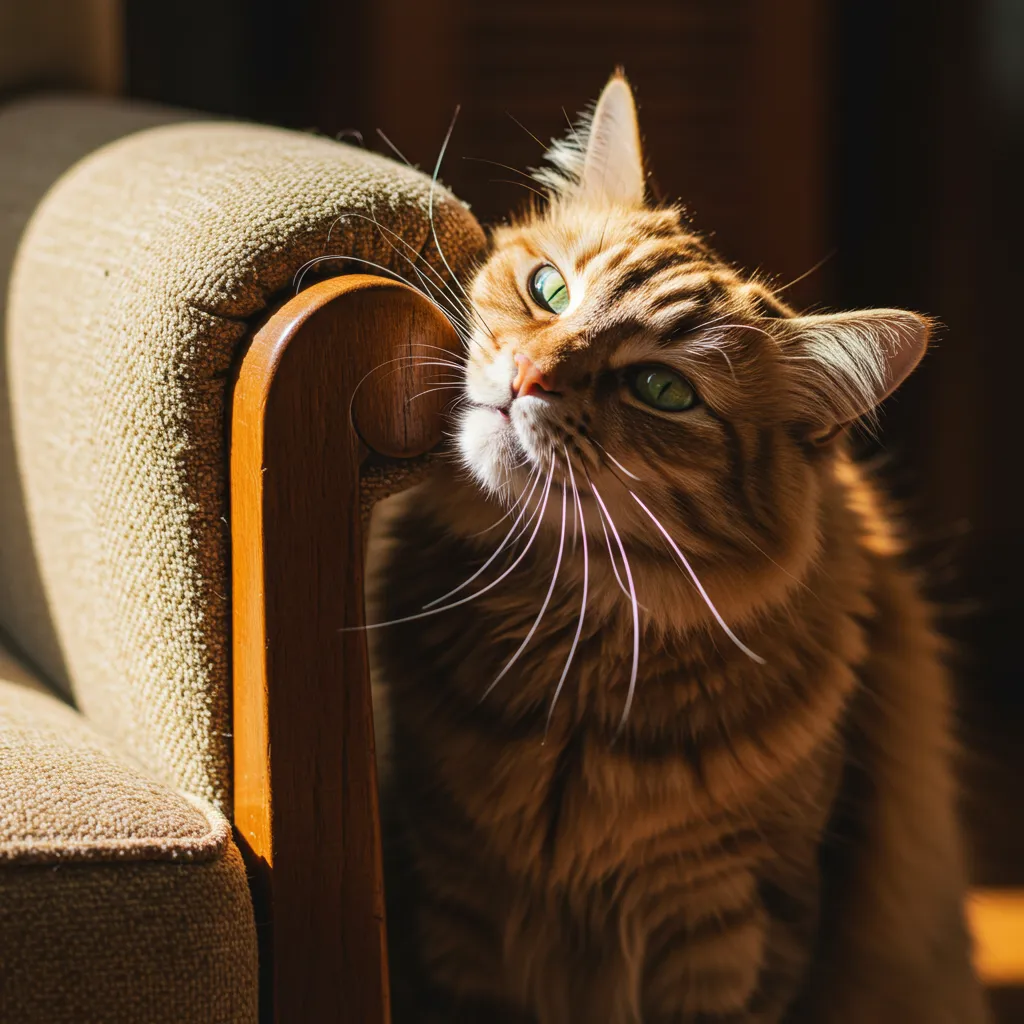
Learn practical tips on Understanding Your Cat’s Behavior Through Scent to foster better relationships and happy cohabitation.
Common Questions About Cat Sniffing Behavior
Why does my cat sniff me then bite me?
Sometimes a sniff is followed by a playful or overstimulated nibble, a behavior rooted in close social interaction or a way to communicate boundaries.
Why do cats sniff my face or hair?
Your face and hair carry lots of personal scent, which gives cats detailed information about your health, mood, and activity.
Why do cats sniff carpets or hair?
These surfaces accumulate scents from different sources. Cats sniff them to collect environmental data and confirm familiar or new smells.
Why do cats sniff at night?
Cats are crepuscular and nocturnal hunters. Sniffing at night helps them track movements or changes in their territory while relying less on sight.
How does cat body language relate to smells?
Sniffing often accompanies other body language like ear positioning or tail movements, providing a fuller picture of a cat’s mood and intent.
Connecting the Dots: Feline Behavior Explained
Recognizing and interpreting cat sniffing behavior opens a window into feline instincts and communication.
- Sniffing is curiosity + social interaction: It’s part investigation, part greeting.
- Smell guides emotional response: Cats sense fear, calm, or excitement through scent.
- Scent enhances owner-pet bond: Sharing and intermingling scents is comforting.
Understanding these behaviors can improve training, reduce stress, and strengthen your relationship with your cat.
Explore more about feline personalities and behaviors in our Comprehensive Cat Behavior Guide.
Conclusion
Cat sniffing behavior is a fascinating blend of sensory exploration and social communication. Your cat’s nose is a powerful tool, helping them navigate their environment, recognize you, and express emotions. By learning about the cat olfactory system, the vomeronasal organ, and how cats use scent marking, you deepen your understanding of your feline’s needs and feelings.
Next time your cat sniffs your hand or face, remember it’s their way of saying hello, catching up on your scent story, and strengthening the unique bond you share.
Explore more expert cat care and behavior guides on Cat Bloom Haven to enrich your journey as a cat parent and deepen your feline friendship.
FAQ
Why do cats have such an incredible sense of smell?
Cats evolved as hunters and territorial animals; a strong olfactory sense helps them detect prey, avoid danger, and communicate effectively.
What is the vomeronasal organ in cats?
A specialized sensory organ that detects pheromones, enhancing their ability to perceive social and reproductive cues.
Why do cats sniff everything in their environment?
Sniffing allows cats to gather information about safety, novelty, and social dynamics in their territory.
How do cats communicate through scent marking?
They deposit scent from glands on their body to mark territory, identify individuals, and send social signals.
What are artificial feline pheromones used for?
Products mimic natural cat pheromones to reduce stress, manage behavior, and support adaptation to new environments.
Why does my cat sniff me?
Cats sniff their owners to recognize and gather information about them, affirm social bonds, and communicate through scent.