Storing Wet Cat Food: Your Complete Guide to Keeping It Fresh, Safe, and Palatable for Your Feline
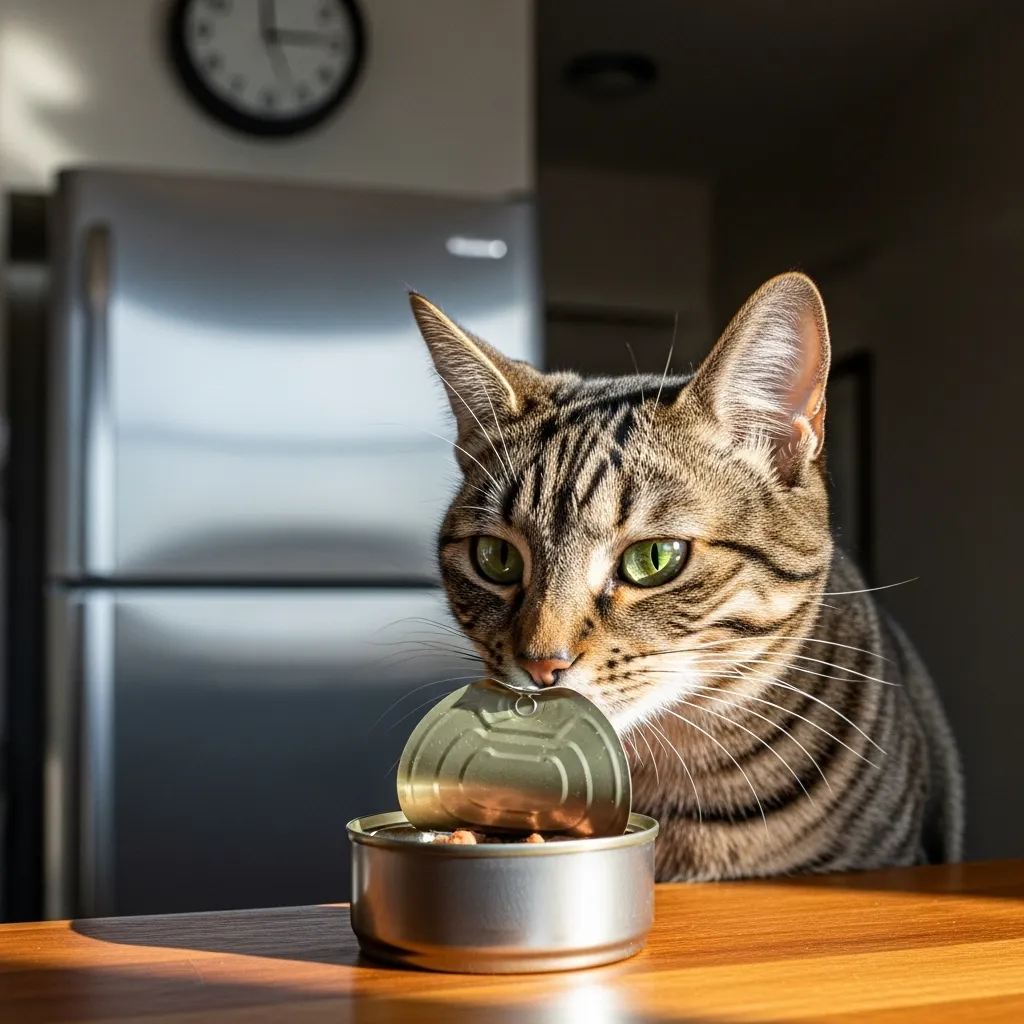
Picture this: Your cat circles the kitchen, tail high, eyes locked on that half-finished can of wet food from breakfast. You meant to toss it hours ago, but life got busy. Now you’re staring at the fridge, wondering, “How long can wet cat food be refrigerated before it’s unsafe?” One wrong move, and you risk an upset tummy or worse for your whiskered best friend.
As a cat parent who’s rescued, fostered, and fed dozens of felines over the years (from picky Persians to ravenous Bengals), I’ve learned that proper wet cat food storage isn’t just about convenience. It’s about preventing bacterial nightmares, preserving nutrients, and keeping meals irresistible. In this ultimate refrigeration guide for cat food, you’ll discover vet-approved timelines, foolproof storage hacks, spoilage red flags, and even freezing/thawing tricks that extend shelf life without sacrificing quality.
Key Takeaways Upfront :
- Opened wet cat food lasts 2–4 hours at room temp, 3–5 days refrigerated in an airtight container.
- Always store at 35–40°F (2–4°C); never leave in the original can.
- Freeze portions for up to 3 months; thaw safely in the fridge.
- Smell, texture, or color changes = toss immediately.
Ready to become a wet cat food storage ninja? Let’s dive in.
Why Storing Wet Cat Food Properly Matters More Than You Think
Wet cat food is a moisture-rich paradise for bacteria like Salmonella, Listeria, and Clostridium. Once air hits that pâté or gravy, the clock starts ticking. Poor storage doesn’t just waste money it can lead to vomiting, diarrhea, or even hospitalization.
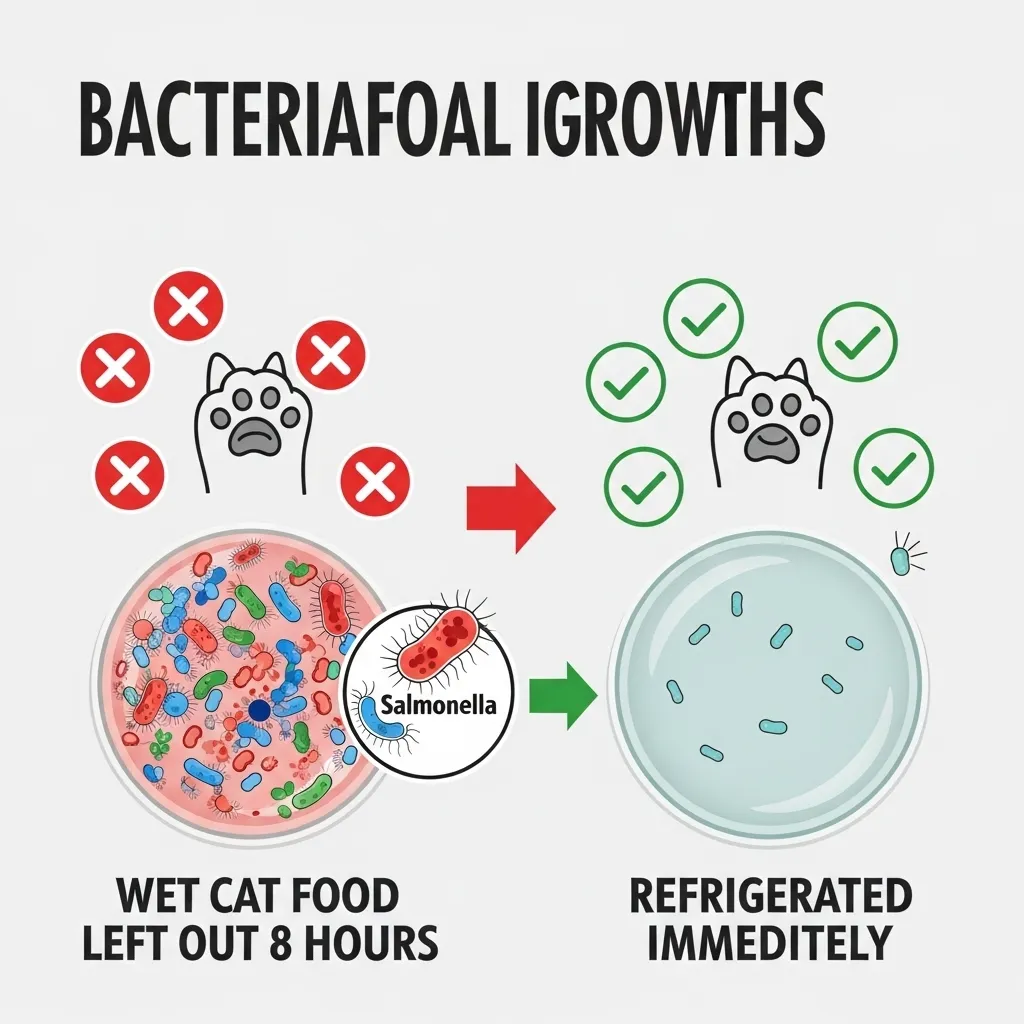
A 2023 study from the Journal of Veterinary Internal Medicine found that 68% of cat owners store opened cans incorrectly, often leaving them uncovered in the fridge or at room temperature overnight. The result? Avoidable vet bills and stressed kitties.
By mastering wet cat food storage, you protect your cat’s health and stretch your budget. A single 3-oz can costs $1–$3; proper refrigeration means fewer toss-outs.
Pre-Opening Storage: Set the Foundation for Freshness
Before you even pop the tab, unopened wet cat food needs love.
Ideal Pantry Conditions
- Temperature: 50–75°F (10–24°C). Avoid garages or cars—heat spikes degrade nutrients.
- Location: Cool, dry, dark cupboard away from appliances.
- Position: Upright to prevent dents that compromise seals.
Pro Tip: Check “Best By” dates religiously. Even sealed cans lose palatability after 1–2 years. Rotate stock like a grocery store—newest in back.
How Long Can Wet Cat Food Be Refrigerated After Opening? The Definitive Timeline
Here’s the golden rule: Once opened, wet cat food is no longer shelf-stable.
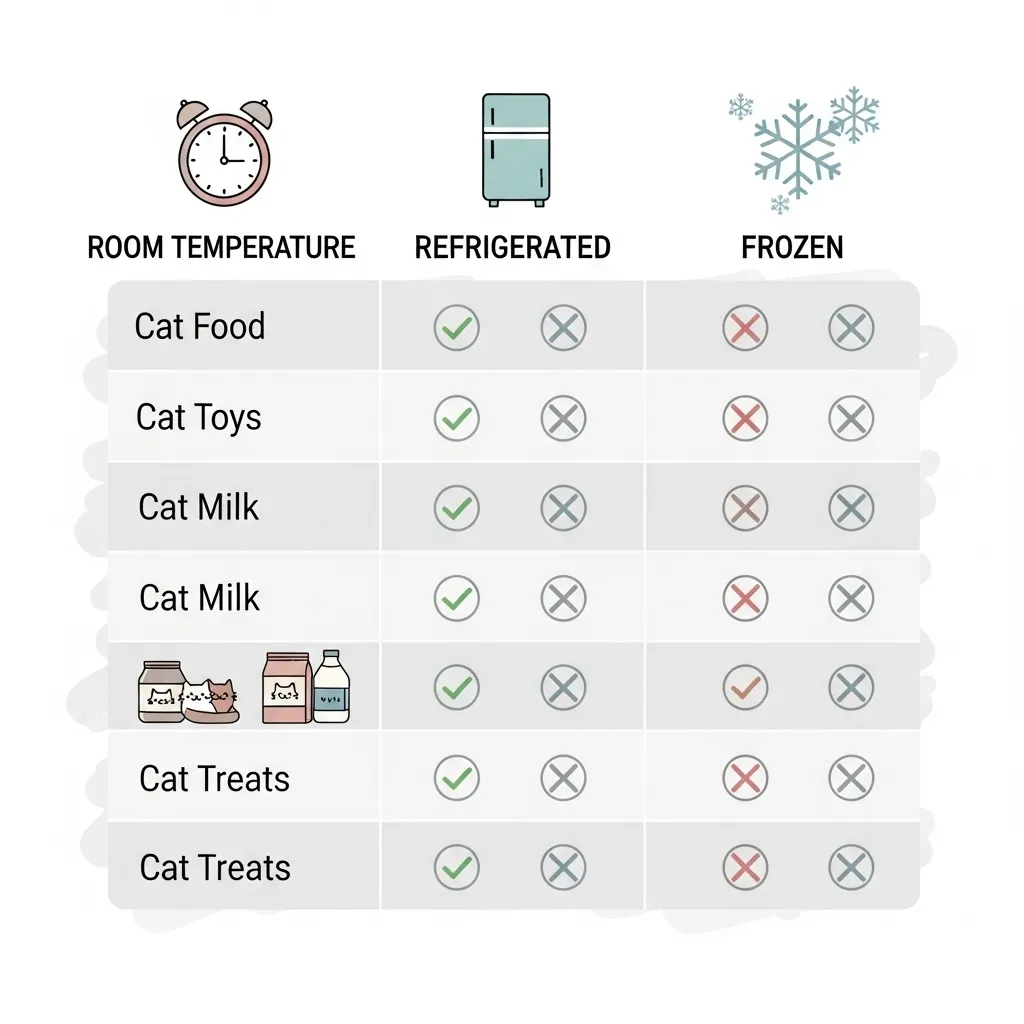
| Storage Method | Max Safe Time | Notes |
|---|---|---|
| Room Temperature | 2–4 hours | Gravy dries; bacteria multiply rapidly above 40°F. |
| Refrigerated (Covered) | 3–5 days | Transfer to airtight container; label with date. |
| Frozen | Up to 3 months | Portion into ice cube trays for easy thawing. |
Vet Insight: Dr. Sarah Wooten, DVM, warns: “The 4-hour rule is non-negotiable. If your cat only eats half a can at breakfast, refrigerate the rest immediately.”
The Right Way to Refrigerate Wet Cat Food (Step-by-Step)
Follow this foolproof process to maximize cat food freshness:

- Scoop, Don’t Store in Can
Metal cans react with air, creating a metallic taste and potential rust. Transfer leftovers to a glass or BPA-free plastic container with a tight lid. - Portion Like a Pro
Use silicone molds or ice cube trays (1–2 oz portions). Freeze extras; fridge only what you’ll use in 3 days. - Label Obsessively
Masking tape + Sharpie: “Opened 10/29 – Use by 11/1.” - Fridge Placement
Back of the middle shelf (coldest, most consistent temp). Avoid the door—temperature fluctuates. - Optimal Refrigerator Temperature for Cat Food
Set your fridge to 35–40°F (2–4°C). Use an appliance thermometer; built-in displays can be off by 5°F.
Discover more in Best Wet Cat Food Reviews for brands that stay fresher longer.
Airtight Containers for Cat Food: Your Secret Weapon
Not all containers are created equal. Here’s what works:
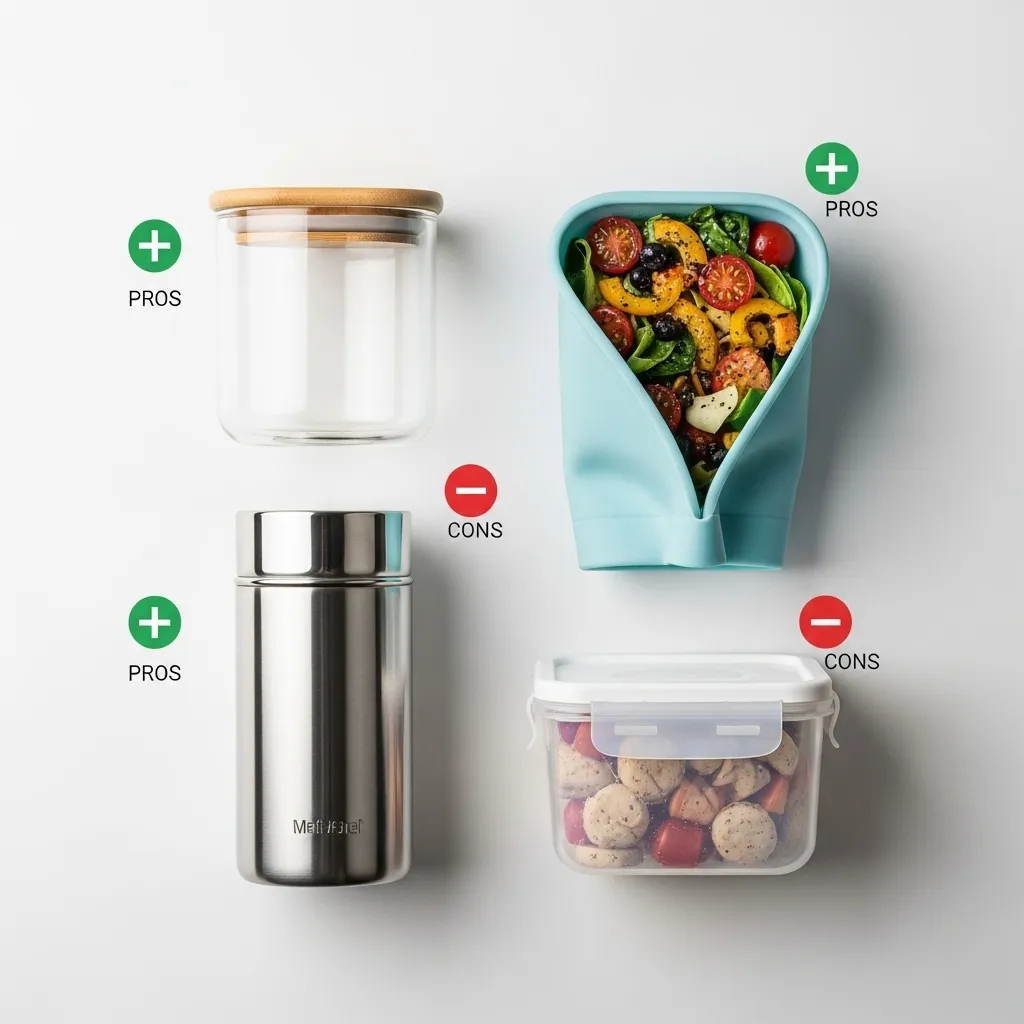
| Container Type | Pros | Cons | Best For |
|---|---|---|---|
| Glass Snap-Lid (e.g., Pyrex) | Non-porous, odor-proof, microwave-safe | Heavier | Daily use |
| Silicone Collapsible | Space-saving, freezer-safe | Less rigid | Travel/portioning |
| Stainless Steel | Durable, bacteria-resistant | Not see-through | Multi-cat homes |
| Plastic Pet Food Lids | Cheap, fits cans | Absorbs odors over time | Short-term |
Cat Food Freshness Tip: Add a silica gel packet (food-grade) to absorb moisture and extend fridge life by 1–2 days.
Signs of Spoiled Cat Food: Trust Your Nose (and Eyes)
Even perfect storage can’t save a bad batch. Toss if you notice:
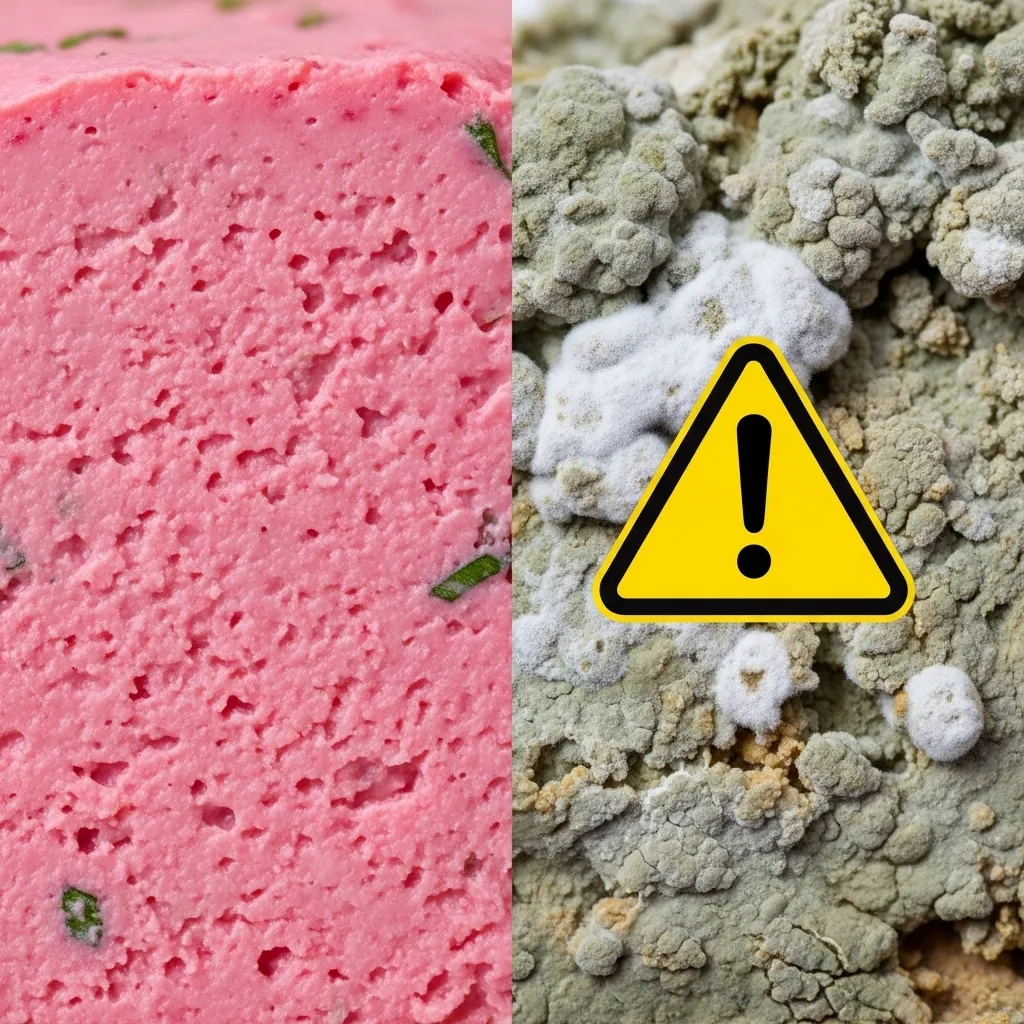
- Smell: Sour, rancid, or “off” (beyond normal fishy scent).
- Texture: Excessive dryness, separation, or slime.
- Color: Darkening, graying, or mold spots.
- Behavior: Cat sniffs and walks away (their nose knows).
Real-Life Example: My foster Maine Coon, Luna, once ignored her favorite salmon pâté. One whiff revealed a funky odor—saved her from a $400 vet visit.
Explore our Cat Vomiting Guide if spoilage strikes.
Preventing Bacterial Contamination in Cat Food: Hygiene Hacks
Bacteria don’t just grow in the food—they hitch rides on your hands, spoons, and bowls.
Safe Handling of Wet Cat Food
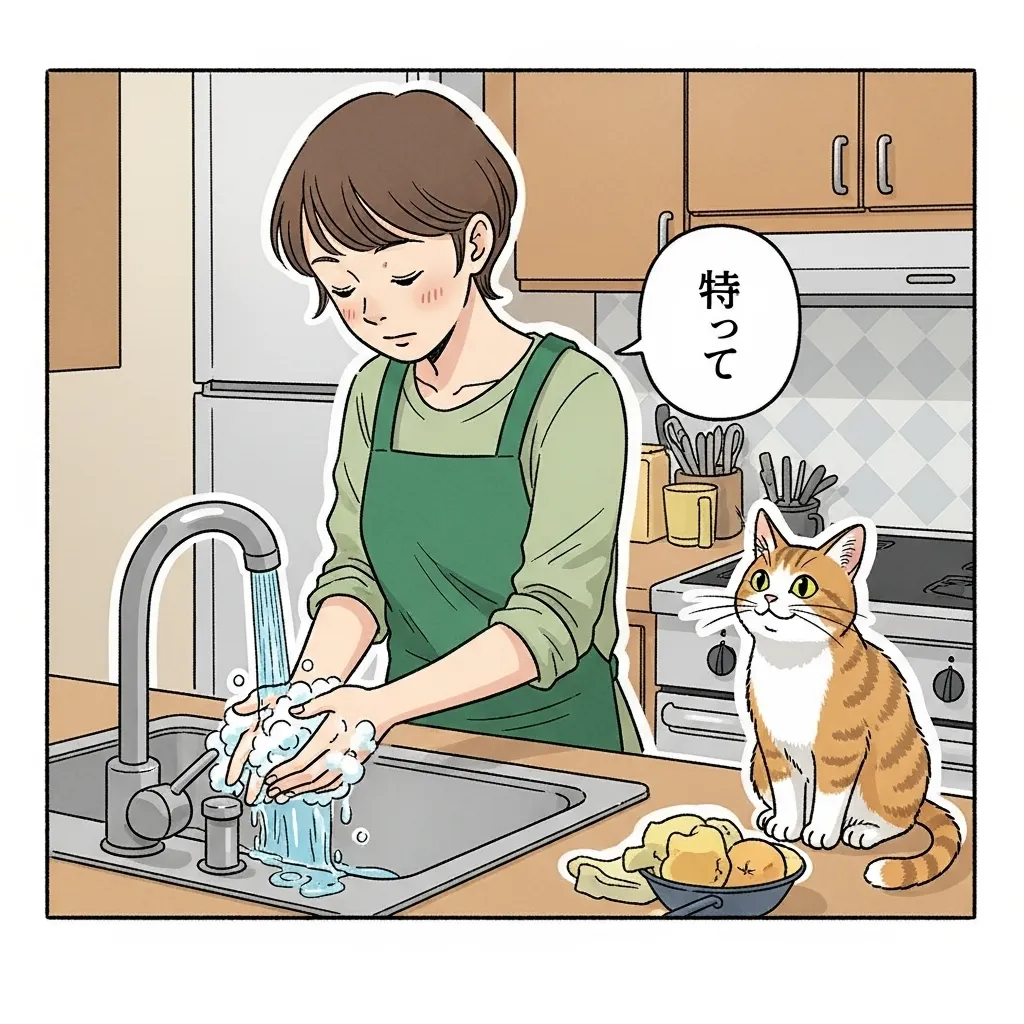
- Wash hands 20 seconds before/after handling.
- Use dedicated cat spoons (not human utensils).
- Clean bowls with hot, soapy water after every meal.
- Disinfect fridge shelf monthly with 1:32 bleach solution.
Cat Food Safety and Hygiene Bonus: Store cat food on a tray to contain spills—easy cleanup, no cross-contamination with human food.
Can You Freeze Wet Cat Food? Yes—Here’s How to Do It Right
Freezing is a game-changer for batch buyers or multi-day trips.
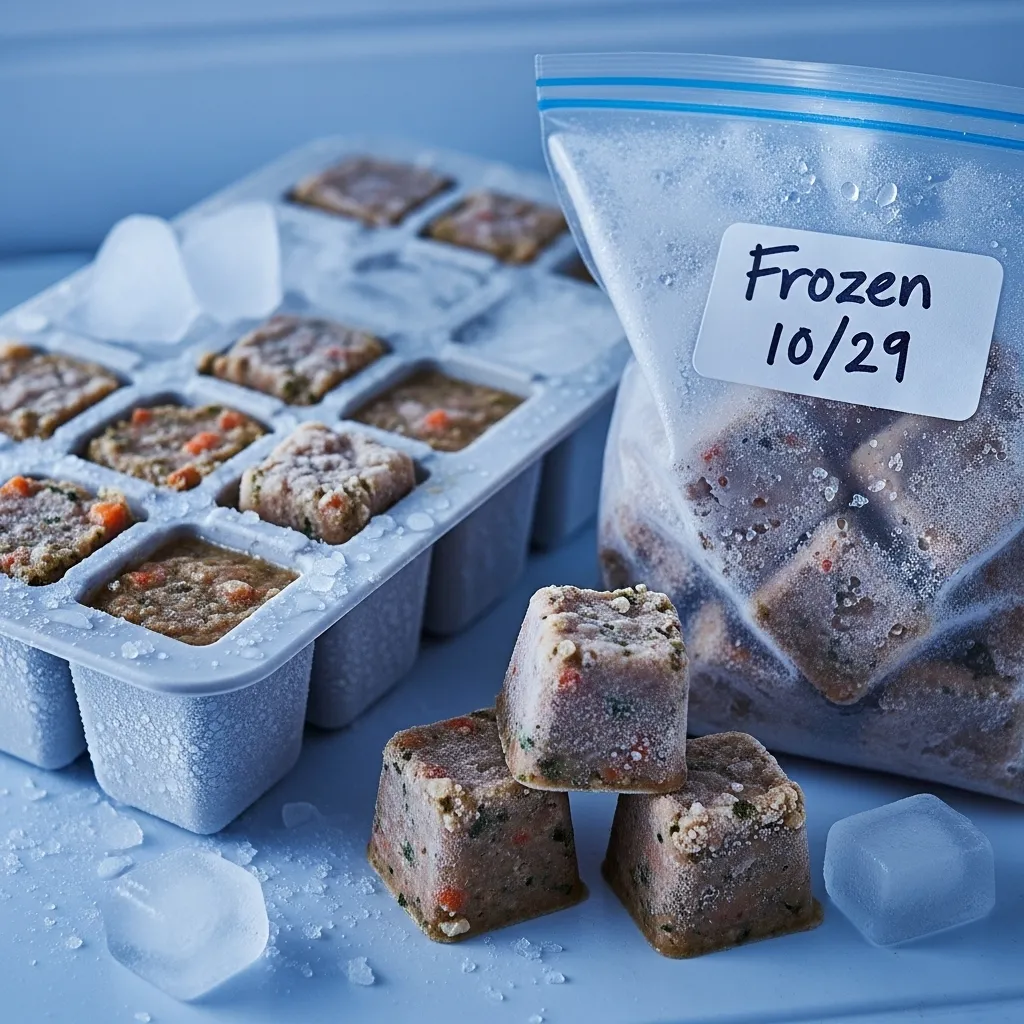
Freezing Wet Cat Food Step-by-Step
- Portion into 1–2 oz servings (ice cube trays or freezer bags).
- Press out air; double-bag to prevent freezer burn.
- Label: “Chicken Pâté – Frozen 10/29.”
- Lay flat for quick freezing.
Max freezer life: 3 months at 0°F (-18°C). Beyond that, texture suffers (gravy separates).
Thawing Wet Cat Food Safely: Avoid the Microwave Trap
Microwaves create hot spots that burn delicate mouths. Instead:
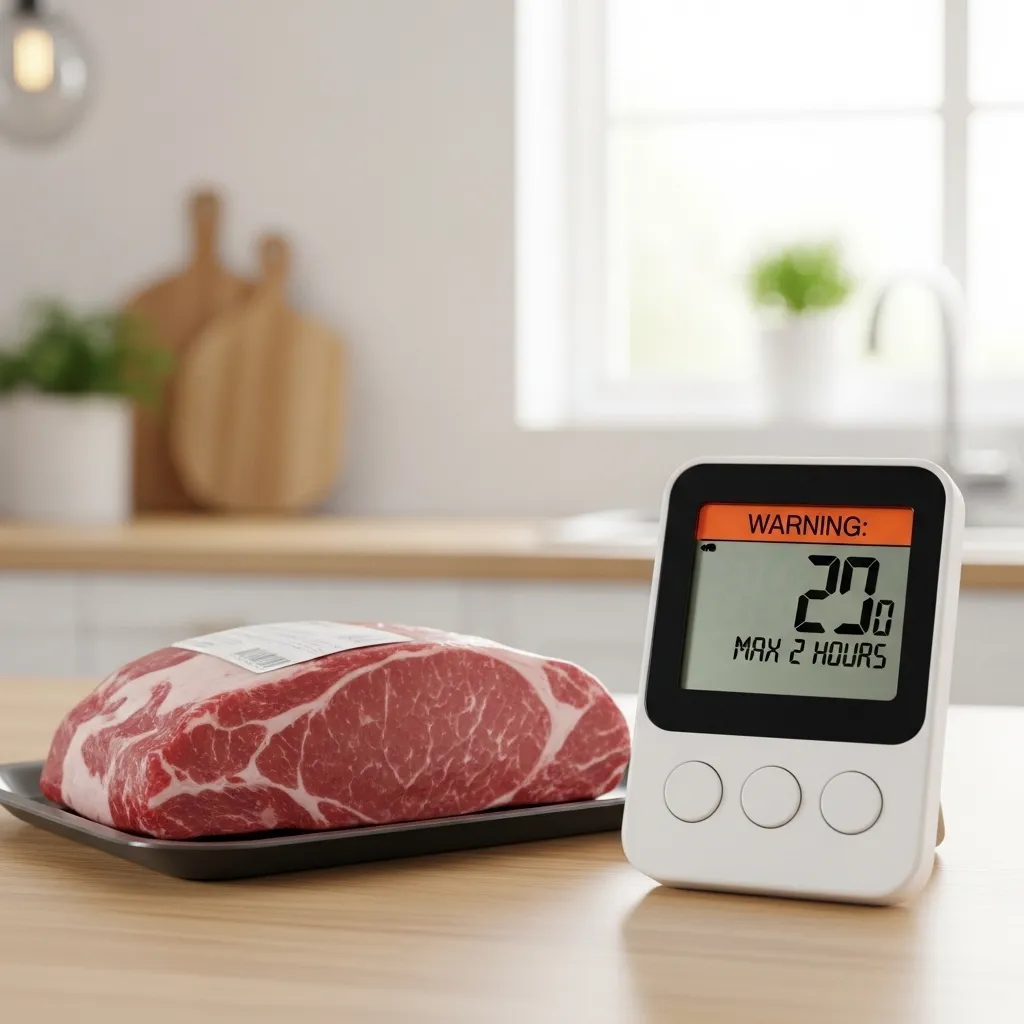
Best Thawing Methods
| Method | Time | Safety Notes |
|---|---|---|
| Fridge (Recommended) | 8–12 hours | Slow, even, bacteria-safe |
| Sealed Bag in Cold Water | 30–60 min | Change water every 15 min |
| Room Temp (Last Resort) | 1 hour max | Never above 70°F |
How to Warm Refrigerated Cat Food:
Add a teaspoon of warm (not hot) water and stir. Aim for body temperature (100°F)—test on your wrist.
Is It Safe to Leave Wet Cat Food Out Overnight? (Spoiler: No)
Overnight room-temp storage is a hard NO. Bacteria double every 20 minutes above 40°F. A can left out for 8 hours can contain millions of pathogens.
Cat Food Storage Mistakes to Avoid:

- Leaving in the can with a fork stuck in it.
- Covering with foil (not airtight).
- Reheating multiple times.
How to Keep Wet Cat Food Fresh: Bonus Pro Tips
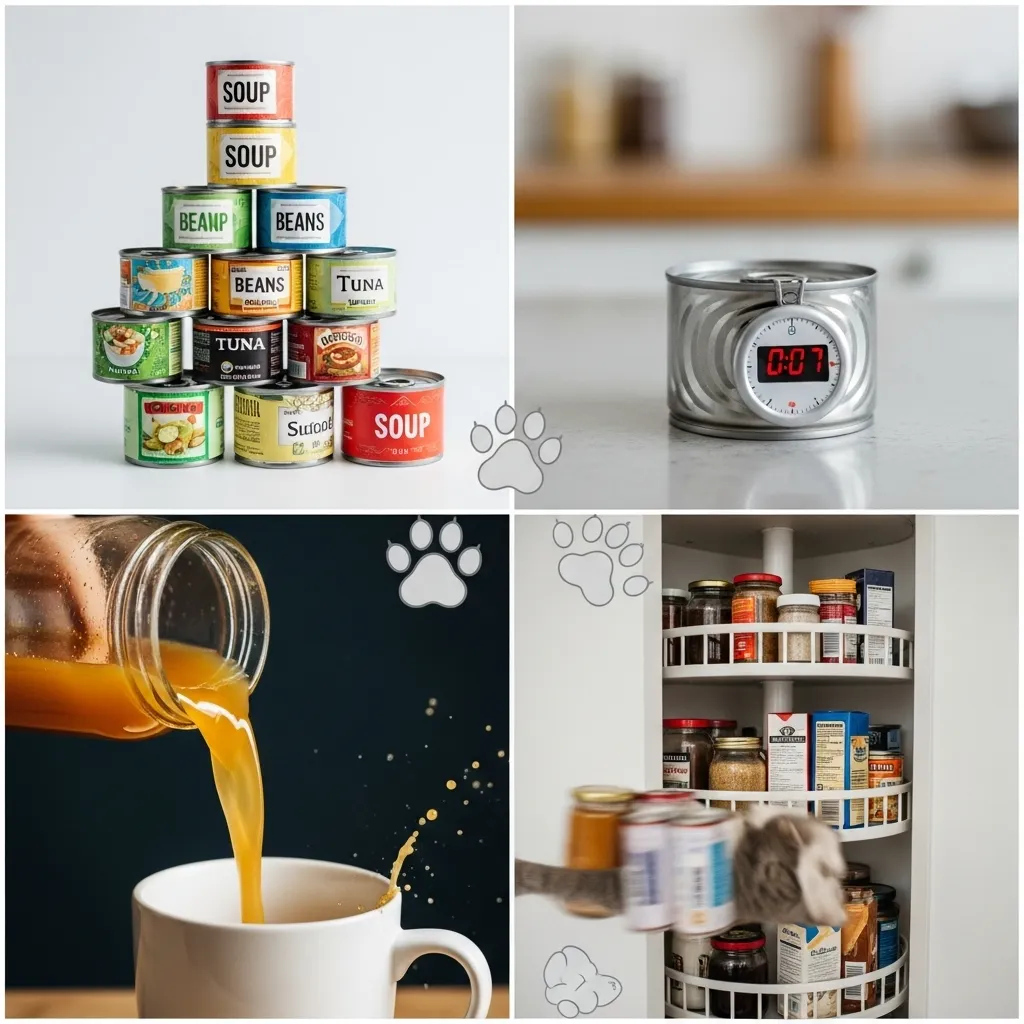
- Buy Small Cans for single-cat homes (3 oz vs. 5.5 oz).
- Use a Can Cover + Timer app reminder to refrigerate.
- Rotate Brands—some pâtés hold texture better post-fridge.
- Add Bone Broth (low-sodium) to rehydrate day-old food.
Learn more in Cat Hydration Tips for picky eaters.
Refrigeration Guide for Cat Food: Breed-Specific Notes
Some cats are fussier post-refrigeration:
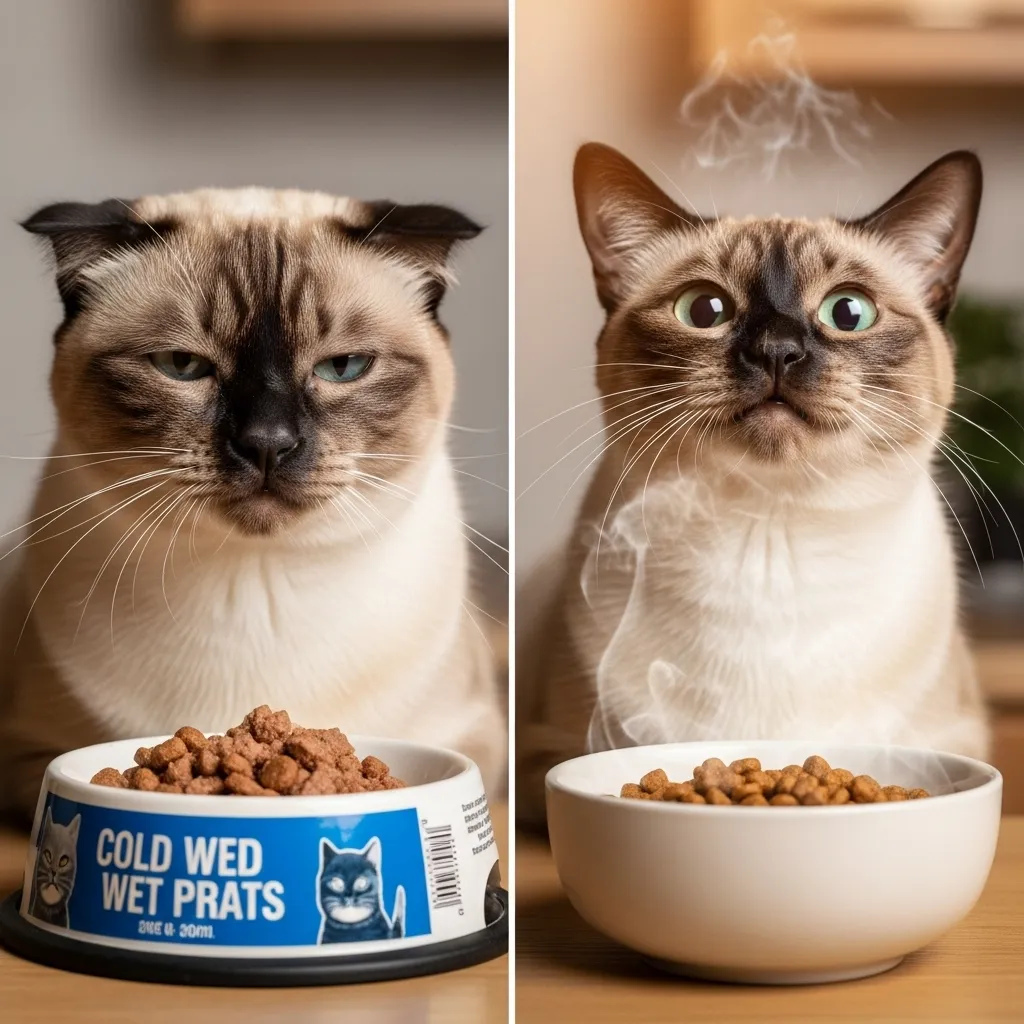
- Siamese: Hate cold food. Warm slightly; see Siamese Cat Care.
- Maine Coons: Big appetites = bulk freezing. Portion carefully.
- Senior Cats: Soften with warm water to ease chewing; explore Senior Cat Nutrition.
FAQ: Wet Cat Food Storage Questions Answered
How long does wet cat food last after opening?
3–5 days refrigerated in an airtight container; 2–4 hours at room temp.
How should I store wet cat food after opening?
Transfer to glass/plastic airtight container, refrigerate at 35–40°F, label with date.
What are the signs of spoilage in wet cat food?
Sour smell, slime, color change, or cat refusal.
Can I freeze wet cat food for extended storage?
Yes—up to 3 months in portioned, airtight packaging.
How should I safely thaw frozen wet cat food?
In the fridge overnight or sealed bag in cold water. Avoid microwave.
Is it safe to leave wet cat food out overnight?
No. Bacteria grow rapidly; discard after 4 hours.
What are the best containers for storing cat food?
Glass snap-lid or silicone molds for fridge; freezer bags for long-term.
How can I warm refrigerated cat food safely?
Stir in warm water to reach body temp (100°F). Test on wrist.
Final Whisker: Master Storing Wet Cat Food Like a Pro
You now hold the ultimate blueprint for wet cat food storage—from fridge timelines to freezing hacks. Implement these cat food freshness tips, and you’ll reduce waste, prevent illness, and keep your feline purring at mealtime.
Hungry for more expert cat care? Explore our detailed guides on Cat Food Nutrition, Best Wet Cat Food, or Senior Cat Care at Cat Bloom Haven. Your cat’s health starts with you—store smart, love fiercely.