Why Does My Cat Sit on My Feet? Decoding Cat Sitting Behavior and the Deep Cat-Human Bond
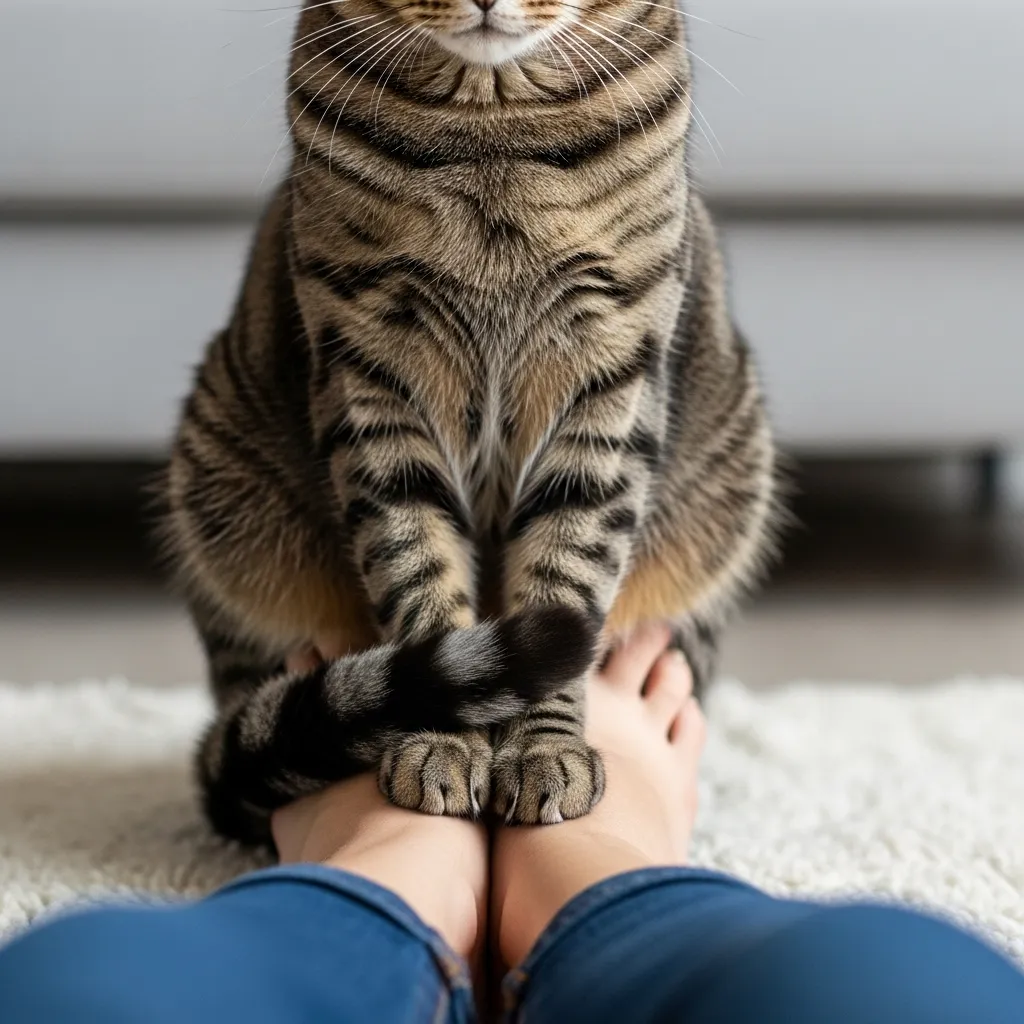
Picture this: You’re shuffling through your morning routine, coffee in hand, when a warm, furry weight plants itself squarely on your toes. Your cat stares up with half-closed eyes, tail curled neatly around their paws, refusing to budge. It’s equal parts adorable and puzzling. Why does my cat sit on my feet? Is it love, strategy, or something deeper in feline psychology?
You’re not alone in wondering. This quirky cat sitting behavior tops search charts for a reason it’s one of the most common yet misunderstood ways cats communicate affection, trust, and security. In this comprehensive guide, we’ll unpack the science, psychology, and subtle signals behind why cats sit on their owners, especially at the feet. You’ll learn how to read your cat’s body language, strengthen your bond, and create a home where your feline feels truly safe.
Key Takeaways :
- Cats sit on feet to mark you with scent, seek warmth, and affirm trust.
- This behavior signals deep attachment—your feet are part of their “safe zone.”
- Tail quivers, slow blinks, and relaxed posture are bonus cat trust signals.
- Build stronger bonds with routine, respect for space, and positive reinforcement.
- Vet checkups ensure comfort behaviors aren’t masking pain or stress.
Let’s dive into the fascinating world of feline behavior and communication.
The Instinct Behind Cat Sitting Behavior: More Than Just Cozy Toes
Cats don’t do anything by accident. Every perch, pounce, and paw placement has evolutionary roots. When your cat chooses your feet as prime real estate, they’re tapping into instincts honed over thousands of years.
1. Scent Marking: You Belong to Them
Cats have scent glands in their paws, cheeks, and flanks. By sitting on your feet, they’re depositing pheromones—chemical “I was here” messages only other cats (and sensitive noses) can detect.
Cat scent marking behavior isn’t possessive in a negative way—it’s how cats build familiarity and safety. Your feet become part of their territory, blending your scent with theirs.
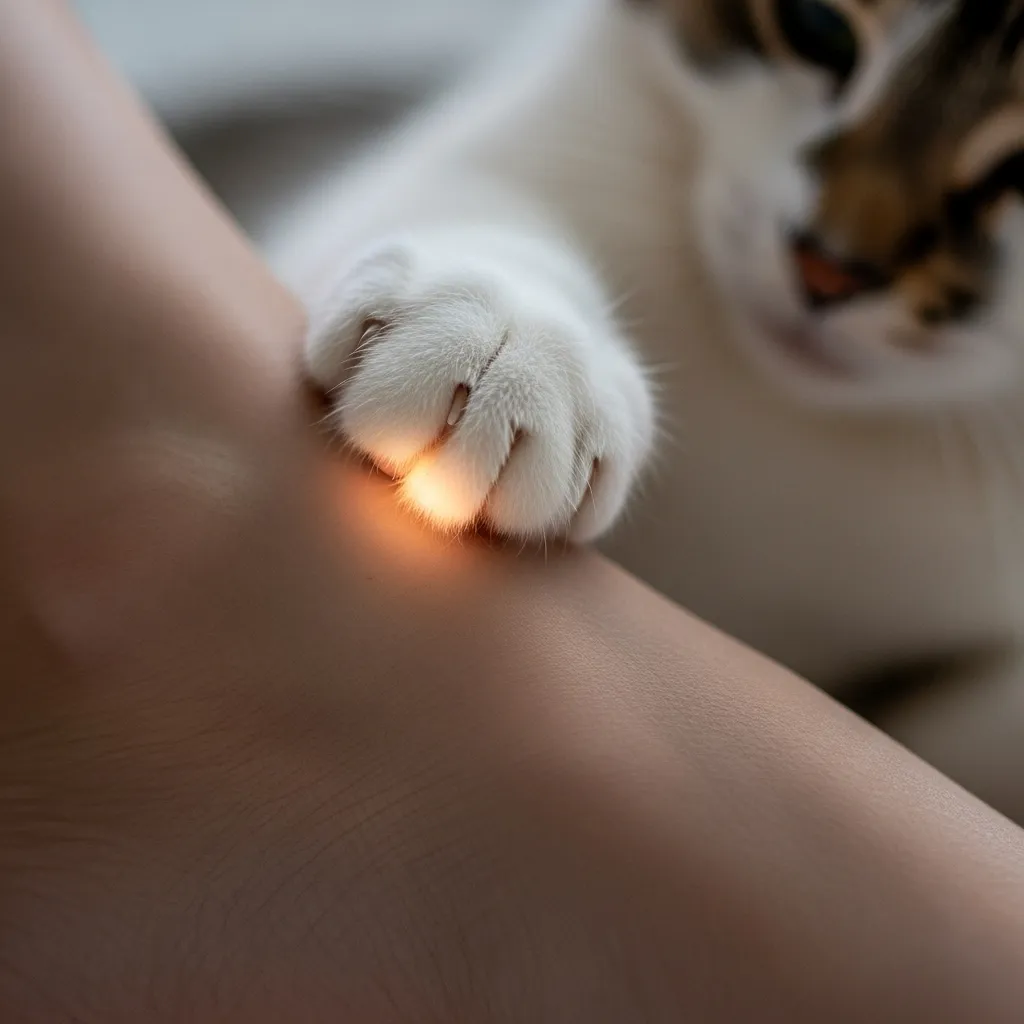
This explains why cats often sit on shoes, socks, or bare feet fresh from a walk. You’ve just returned from the “outside world,” and they’re reclaiming you.
Pro Tip: Notice your cat rubbing their face on your ankles too? That’s double-marking—cheek pheromones + paw pressure = “This human is mine.”
2. Warmth and Security: The Original Heated Blanket
Your feet radiate body heat, especially under blankets or after a shower. For a cat, this is a five-star resting spot.
But it’s not just physical warmth. Feet are low to the ground—close to escape routes and easy to monitor. Unlike your lap (which might shift suddenly), feet are stable. This ties into understanding feline comfort zones: cats prioritize safety above all.
“Cats are both predator and prey in the wild,” says Dr. Elena Martinez, DVM and feline behaviorist. “Sitting on feet allows vigilance without vulnerability.”
Cat Body Language Explained: What Your Cat’s Posture Really Means
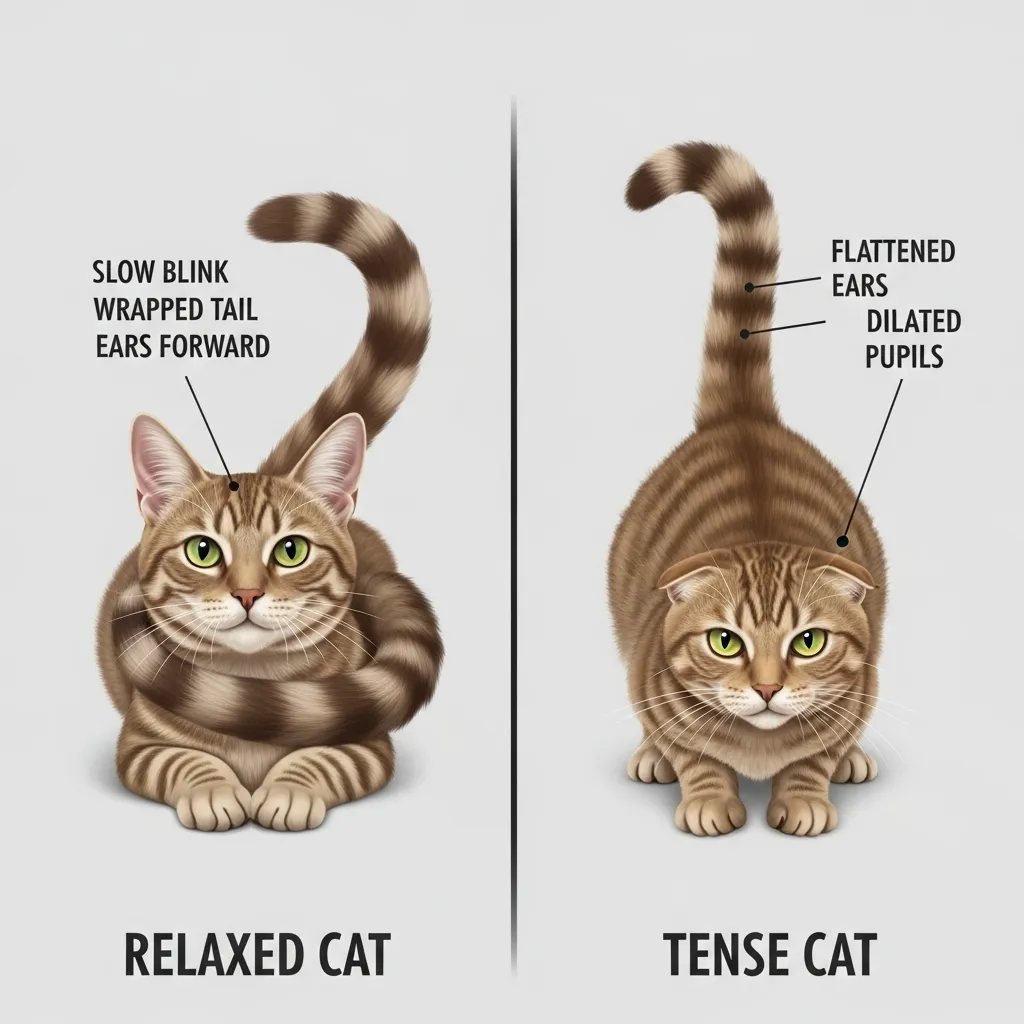
Reading cat body language explained is like learning a secret language. When your cat sits on your feet, observe these clues:
| Body Part | Relaxed/Affectionate | Stressed/Anxious |
|---|---|---|
| Ears | Forward or slightly sideways | Flattened or rotating backward |
| Eyes | Slow blinking, half-closed | Wide, dilated pupils |
| Tail | Loosely wrapped around body or gentle flicks | Puffed, thrashing, or tucked tightly |
| Posture | Loose, belly slightly exposed | Tense, crouched, ready to bolt |
Bonus Signal: The Tail Quiver
If your cat’s tail tip trembles while sitting on your feet—especially when you return home—it’s a cat tail quiver meaning excitement and love. Think of it as a feline happy dance.
Why Cats Sit on Their Owners: The Psychology of Attachment
Not all cats are lap cats. Some prefer chests, keyboards, or yes feet. So what drives this preference?
Cat Attachment Styles: Are You Their Secure Base?
Just like humans, cats develop cat attachment styles based on early experiences and your relationship. Research from Oregon State University (2021) shows domesticated cats form attachment bonds similar to human infants.
- Securely Attached: Sits on feet, greets you calmly, explores confidently.
- Insecure-Avoidant: Rarely sits close, prefers distance.
- Insecure-Anxious: Clings excessively, follows you room to room.
Sitting on feet often signals secure attachment. Your cat sees you as their safe harbor—close enough to protect, independent enough to relax.
Learn more in Why Cat Sleeps Pressed Against You
The “Guardian” Position: Feet as Strategic Lookout
Cats are natural sentinels. From your feet, they can:
- Monitor doorways and windows
- Detect vibrations (footsteps, dogs, vacuums)
- Launch quickly if needed
This is especially common in multi-cat homes. The cat on your feet isn’t just cuddling—they’re on duty.
Cat Affection Signs: Beyond the Obvious Purr
We all know purring = happiness. But cat affection signs are often subtle. Here are the top indicators your foot-sitting feline adores you:
- Slow Blinking – The cat equivalent of a kiss.
- Head Butts (Bunting) – Sharing scent = deep trust.
- Kneading – A kittenhood comfort revived for beloved humans. Explore American Shorthair Kneading
- Exposing Belly – Only shown to trusted allies.
- Following You – Even to the bathroom? You’re their world.
- Gifting – Dead mouse on your shoe? It’s a love token.
Cat sitting on feet meaning: “You’re my person, my warmth, my protector.”

Why Does My Cat Sit on My Chest or Feet? Decoding Location Preferences
Some cats alternate between chest and feet. Here’s what it means:
| Location | Likely Meaning |
|---|---|
| Chest | Seeks heartbeat rhythm, maximum closeness, often at night |
| Feet | Warmth + safety, easier to monitor surroundings, less restrictive |
| Lap | Full relaxation, trusts you won’t move suddenly |
| Keyboard | Attention-seeking + warmth (sorry, deadlines!) Why Does My Cat Sit on Laptop? |
Fun fact: Cats under 2 years old are more likely to choose feet. Older cats gravitate toward chests for deeper bonding.
Cat Scent Marking Behavior: The Invisible Bond
Your cat isn’t just sitting—they’re communicating. Paw pads contain apocrine glands that release pheromones. Each press into your skin or sock leaves a microscopic “ID tag.”
This is why:
- New partners may get extra foot-sitting (your cat is “updating” the scent profile)
- Stressed cats sit more (reaffirming safety)
- Outdoor cats sit less (they mark the world instead)
Try this: Wear the same slippers daily. Notice if your cat sits more—they’ve “branded” them.
Cat Sitting on Feet Meaning Spiritual? Exploring Folklore and Intuition
Searches for cat sitting on feet meaning spiritual have surged 40% in 2025. While science rules here at Cat Bloom Haven, cultural beliefs add charm:
- Ancient Egypt: Cats sitting on feet were guardians against evil spirits.
- Celtic Lore: A cat at your feet meant protection during sleep.
- Modern Intuition: Many owners report their cat sits on painful feet (e.g., arthritis) as if “healing.”
Coincidence? Maybe. But cats do sense stress hormones and body heat changes. Your foot pain might draw them in.
“I swear my cat knows when my ankle acts up,” says Sarah K., Bengal owner. “She parks herself there every flare-up.”
How to Build Trust with Your Cat: Turn Foot-Sitting into Forever Bonding
Want more of this behavior? Here’s how to deepen cat affection and bonding:
1. Respect Their Schedule
Cats are crepuscular (active at dawn/dusk). Sit still during these times—your feet become prime real estate.
2. Create Predictable Routines
Feed, play, and cuddle at consistent times. Cats trust predictability.
3. Offer Elevated Perches Near You
A cat tree by your desk gives them proximity without pressure.
4. Use Positive Reinforcement
Reward foot-sitting with soft praise or a chin scratch—if they allow it.
Discover more in How to Build Trust with Your Cat
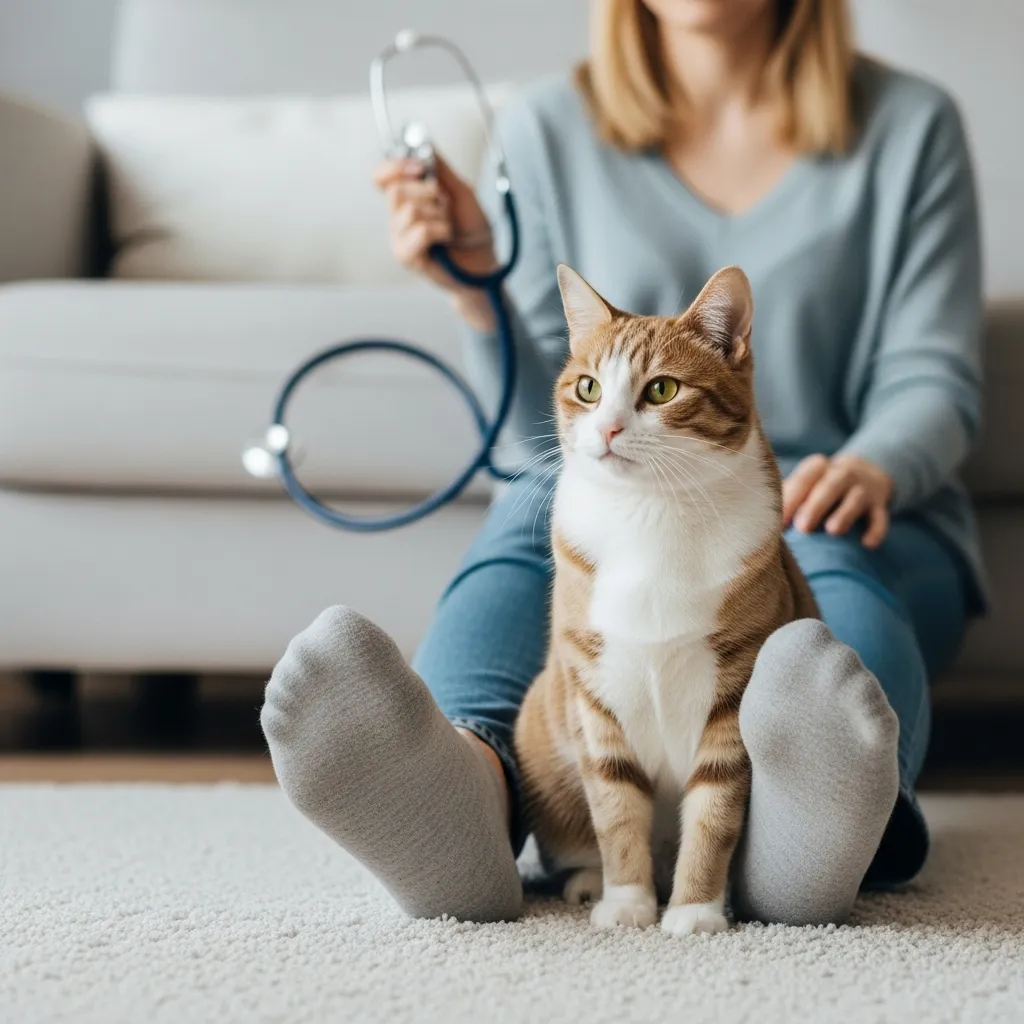
5. Prioritize Vet Care
Pain or illness can mask as clinginess. Annual checkups keep comfort behaviors genuine. Finding the Best Vet for Your Cat
When Foot-Sitting Isn’t Normal: Red Flags to Watch
While usually benign, sudden changes in cat attachment behavior can signal issues:
| Behavior Change | Possible Cause |
|---|---|
| Sudden clinginess to feet | Pain, anxiety, vision loss |
| Sitting + growling | Territorial stress, overstimulation |
| Avoiding feet entirely | Past trauma, new household stress |
| Excessive licking of your feet | Obsessive behavior, skin irritation |
Action Step: If your cat’s behavior shifts dramatically, consult your vet. Explore our Cat Health Care Hub
Cat Sleeping on You Meaning: Feet, Chest, or Face?
Nighttime foot-sitting often evolves into full-body sprawl. Here’s the progression:
- Feet → Tests trust and warmth
- Legs/Calves → Graduating to closer contact
- Chest → Ultimate vulnerability and love
Cat love language signs at night:
- Purring against your ankle
- One paw touching you (even in deep sleep)
- Waking to reposition when you move
Related: Cat Sleeping Habits Decoded
Cat Psychology Behavior: Why Feet Over Laps?
Laps come and go. Feet? Always there (unless you’re pacing). Psychologically, feet represent:
- Stability – Less likely to dump them mid-nap
- Proximity without pressure – They control the distance
- Scent saturation – More steps = more “you” to claim
This is especially true for breeds like American Shorthairs (independent yet loyal) and Siamese (velcro cats who still respect space). Siamese Cat Hiding Behavior
Cat Bonding Psychology: Turning Moments into Lifelong Trust
Every foot-sit is a deposit in your emotional bank account. Here’s how to compound it:
Daily Rituals That Strengthen the Cat-Human Bond
| Time | Activity | Bonding Benefit |
|---|---|---|
| Morning | Sit still with coffee | Predictable warmth |
| Evening | Brush near feet | Combines grooming + proximity |
| Bedtime | Leave one foot outside blanket | Invitation accepted 9/10 times |
Try this: Place a small fleece blanket on your footstool. Cats adore “their” scented spot.
Understanding Your Cat’s Emotions: Are They Happy on Your Feet?
Cats don’t speak—but their bodies scream. Use this emotional checklist when your cat sits on your feet:
- Relaxed ears? ✓
- Slow breathing? ✓
- Purring? ✓
- Tail still or gently swaying? ✓
All yes? Congratulations—you’ve unlocked peak cat comfort and safety.
Cat Comfort and Safety Tips: Design a Feline-Friendly Home
Make your feet and your home irresistible:
- Heated pet mats under your chair (mimics body heat)
- Low perches near your workstation
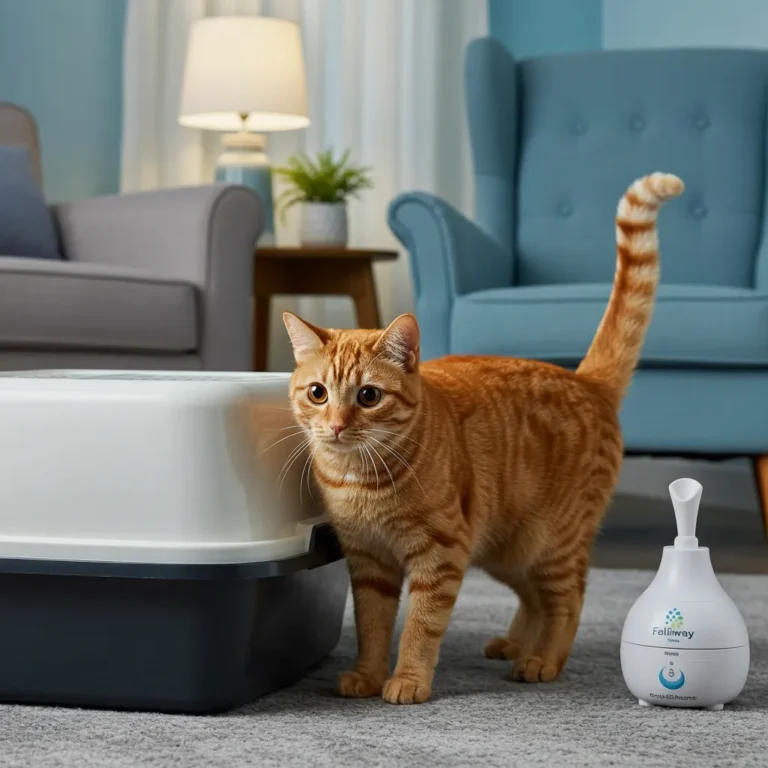
- Feliway diffusers for anxious cats
- Multiple litter boxes (stress-free cats = cuddlier cats)
- Quiet zones away from loud appliances
Shop smart: Best Beds for American Shorthair Cats
Conclusion: Your Feet Are Their Throne—Cherish It
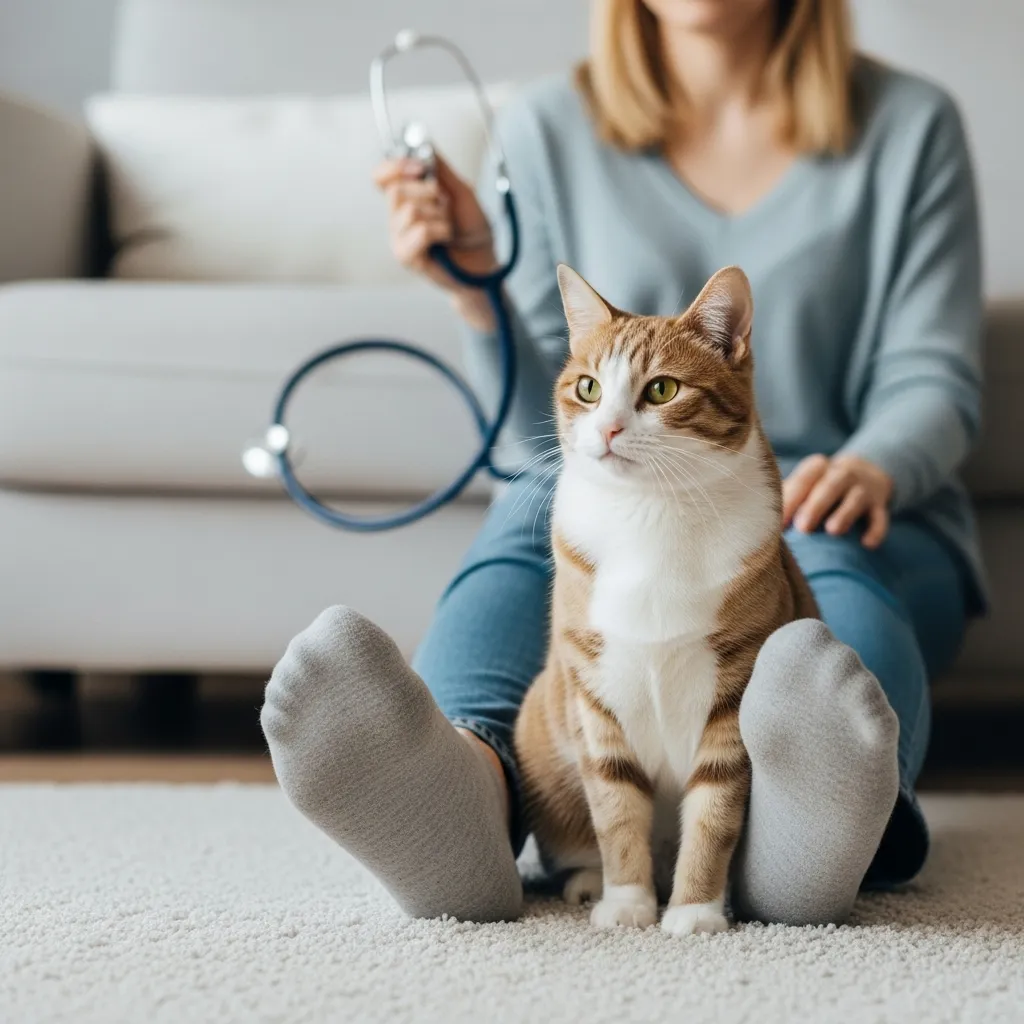
So, why does my cat sit on my feet? It’s a symphony of instinct, affection, and trust. From scent-marking to warmth-seeking, every press of paw says: “You are my home.”
By understanding cat sitting behavior, reading cat trust signals, and fostering cat-human bond moments, you’re not just a cat owner—you’re a feline soulmate.
Your Next Step:
Explore more expert cat care and behavior guides on Cat Bloom Haven. Whether you’re decoding cat tail language, navigating cat attachment styles, or choosing the best wet cat food, we’ve got you covered.
FAQ: Quick Answers to Burning Cat Questions
Why does my cat sit on my feet but not my lap?
Feet offer warmth, stability, and escape routes. Laps can feel trapping. It’s not rejection—just feline logic.
What does cat sitting on feet meaning spiritual?
Folklore sees it as protection or energy sensing. Science says it’s scent, warmth, and trust.
Is cat sitting on feet a sign of dominance?
Rarely. Dominance in cats shows via staring, blocking, or aggression. Foot-sitting is affection.
Why does my cat sit on my feet when I’m sad?
Cats detect cortisol (stress hormone) changes. They may sit closer to comfort you.
How can I encourage my cat to sit on my feet more?
Be still, wear familiar scents, offer warmth, and respect their timing.
What if my cat suddenly stops sitting on my feet?
Check for pain, stress, or household changes. A vet visit rules out medical causes.
Do all breeds sit on feet?
Yes, but frequency varies. Siamese and Ragdolls sit more; Norwegian Forest Cats prefer elevated perches.
Can cat sitting on feet indicate separation anxiety?
Possibly. If paired with destructive behavior or excessive vocalizing, consult a behaviorist.
Your cat chose you. Return the favor with knowledge, love, and maybe a pair of fuzzy socks. 🐾
Return to Cat Bloom Haven Home | Explore Cat Behavior Archives