Why Is My Cat Losing Tail Hair? Expert Insights on Causes, Solutions, and Prevention for a Healthy Feline Coat
Imagine lifting your cat’s tail during a routine petting session, only to notice thinning patches or a bald spot staring back at you. That sinking feeling hits hard why is my cat losing hair on their tail? As a seasoned cat behavior specialist who’s worked with hundreds of felines from playful Bengals to serene Ragdolls, I’ve seen this issue more times than I can count.
Cat tail hair loss, also known as feline tail hair thinning or cat hair loss on tail base, isn’t just a cosmetic quirk; it’s often a red flag for underlying health or environmental problems. But don’t panic most cases are treatable once you pinpoint the cause.
In this in-depth guide, we’ll explore the top causes of cat hair loss, from diet deficiencies to parasites, and arm you with practical, vet-backed strategies to stop cat fur falling out and restore that glossy tail. Whether you’re dealing with a cat bald spot on tail or general hair loss in cats, you’ll walk away with actionable steps, natural remedies, and prevention tips tailored for 2025’s latest insights. Plus, we’ll differentiate shedding vs hair loss in cats to help you spot the difference early. Let’s turn that patchy tail into a purr-fect one.
Before diving deeper, here’s a quick snapshot of key takeaways to get you started on reclaiming your cat’s vibrant coat.
Key Takeaways: Battling Cat Tail Hair Loss
- Common Culprits: Parasites like fleas top the list for cat hair loss on tail base, affecting up to 50% of cases, followed by allergies, stress, poor diet, and medical issues like thyroid problems.
- When to Worry: If hair loss comes with itching, redness, or behavioral changes, schedule a vet visit ASAP—early intervention prevents complications.
- Quick Fixes: Start with flea prevention, switch to omega-3-rich foods, and reduce stress through enrichment; expect improvements in 2-4 weeks.
- Prevention Power: Regular grooming, balanced nutrition, and routine check-ups can cut hair loss risks by 70%.
- Breed Notes: Long-haired breeds like Norwegian Forest Cats may show more noticeable thinning—check our Norwegian Forest Cat grooming guide for tailored advice.
Implement these today, and you’ll likely see your cat’s tail fur bouncing back faster than you think.
Spotting the Signs: What Cat Tail Hair Loss Really Looks Like
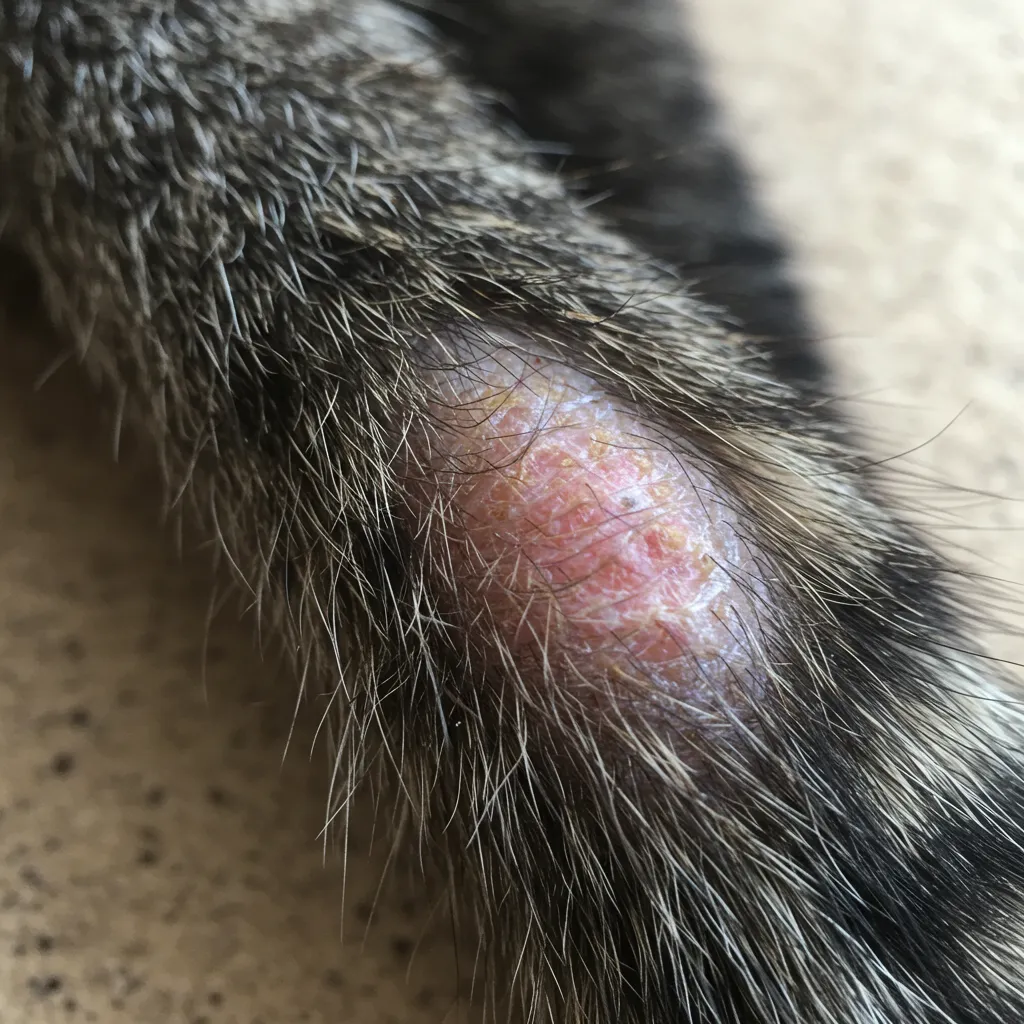
Cat tail hair loss doesn’t always scream “emergency,” but ignoring it can lead to bigger issues. You might notice sparse fur at the base, a rat-like thin tail, or even complete bald spots. Unlike normal shedding, which is uniform and seasonal, true hair loss (alopecia) often appears patchy, with exposed skin that’s red, flaky, or greasy. In my experience with rescue cats, the tail base is a hotspot because it’s easy for felines to reach for excessive licking or scratching.
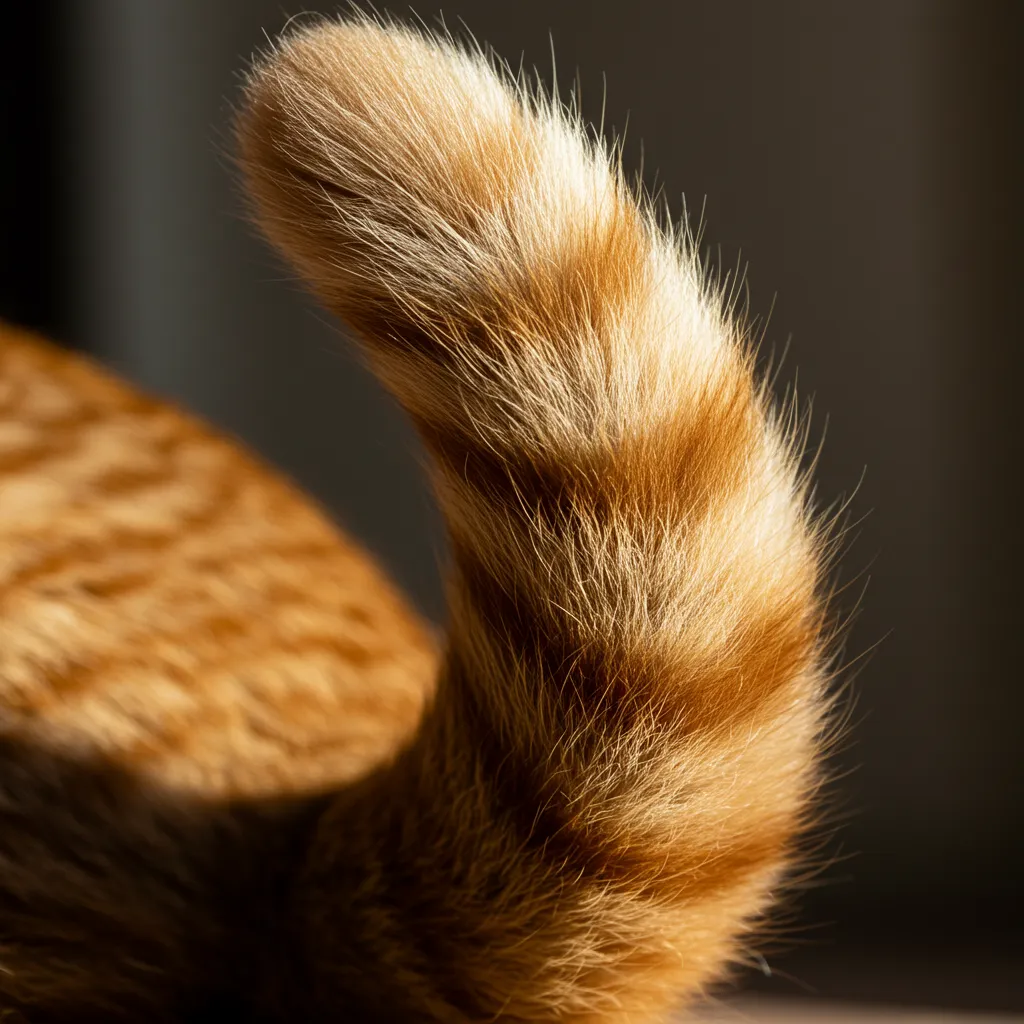
Look for accompanying symptoms: constant tail chasing, scabs, or black specks (flea dirt). If your cat’s fur is falling out in clumps rather than shedding evenly, it’s time to investigate. For visual reference, compare your cat’s tail to a healthy one—full, plush, and without gaps.
Differentiating shedding vs hair loss in cats is crucial: Shedding leaves loose hairs on furniture but no bare skin; hair loss does. Track patterns does it worsen during flea season? Our cat zoomies guide explores how stress behaviors like overgrooming tie into this.
Now, let’s break down the root causes, starting with the most overlooked: nutrition.
Diet-Related Causes: How Poor Nutrition Leads to Cat Hair Loss
Ever wondered why some cats have that showroom shine while others look dull? A poor diet is a sneaky culprit behind cat hair loss due to nutrition, especially if lacking essential fatty acids. Cats need proteins, vitamins, and omega-3s for coat health deficiencies can cause brittle fur and thinning, particularly on the tail where oils distribute last.
From fostering Munchkin cats (see our Munchkin cat care tips), I’ve seen low-quality kibble trigger tail thinning in weeks. Raw diets or homemade meals without balance amplify risks, but even commercial foods can fall short if not premium.
Choosing the Best Food for Cat Hair Growth
Switch to high-protein formulas with real meat as the first ingredient. Look for added omega-3 for cats from fish oil studies show it reduces inflammation and promotes regrowth by 40% in deficient cats. Trending in 2025: Raw diet and cat coat health gains popularity for natural nutrients, but consult your vet first.
| Food Type | Benefits for Coat | Recommended Brands (2025) | Omega-3 Source |
|---|---|---|---|
| Dry Kibble | Convenient, dental health | Blue Buffalo Skin & Coat | Salmon |
| Wet Food | Hydration boost | Wellness Core | Fish oil |
| Raw/Supplemented | Natural enzymes | Stella & Chewy’s | Algae oil (fish-free) |
Explore our best wet cat food guide for more options.
Cat Skin and Coat Supplements: Boosting From Within
If diet tweaks aren’t enough, supplements shine. Omega-3 for cats, like Nordic Naturals, supports skin repair and reduces shedding. Add biotin or zinc for extra punch I’ve used these with Siamese cats prone to allergies (check our Siamese cat allergies guide) with great results. Natural remedies for cat hair loss include pumpkin seeds for zinc; start low to avoid tummy upset.

Pro Tip: Transition foods gradually over 7-10 days to prevent digestive woes that could worsen stress-related loss.
Allergy-Related Triggers: When Itchiness Causes Cat Bald Spot on Tail
Cat skin allergies are a major player in hair loss from allergies, often manifesting as cat allergic dermatitis with tail involvement. Food or environmental allergens trigger immune overreactions, leading to relentless itching and fur pulling. Common cat allergens include pollen, dust mites, or proteins in chicken/beef.
In breeds like Persians (our Persian cat breed overview has more), allergies hit hard, causing symmetrical tail thinning. Symptoms? Red skin, scabs, and your cat obsessively licking the area.
Identifying and Managing Common Cat Allergens
Start with an elimination diet—hypoallergenic formulas like novel proteins (duck, venison) can pinpoint food triggers in 8-12 weeks. For environmental woes, air purifiers and weekly bedding washes help. Holistic cat skin care trends in 2025 favor CBD oils for calming inflammation, but vet approval is key.
Vet treatments: Antihistamines or steroids for relief, plus our cat allergies treatment tips for long-term management.
Parasite-Related Problems: Fleas, Ticks, and Cat Fleas and Hair Loss
No surprise here—cat fleas and hair loss go paw-in-paw, especially flea allergy dermatitis in cats where one bite sparks intense reactions. The tail base is prime real estate for fleas, leading to miliary dermatitis: tiny scabs and bald patches. Ticks causing cat hair loss are rarer but can irritate similarly.
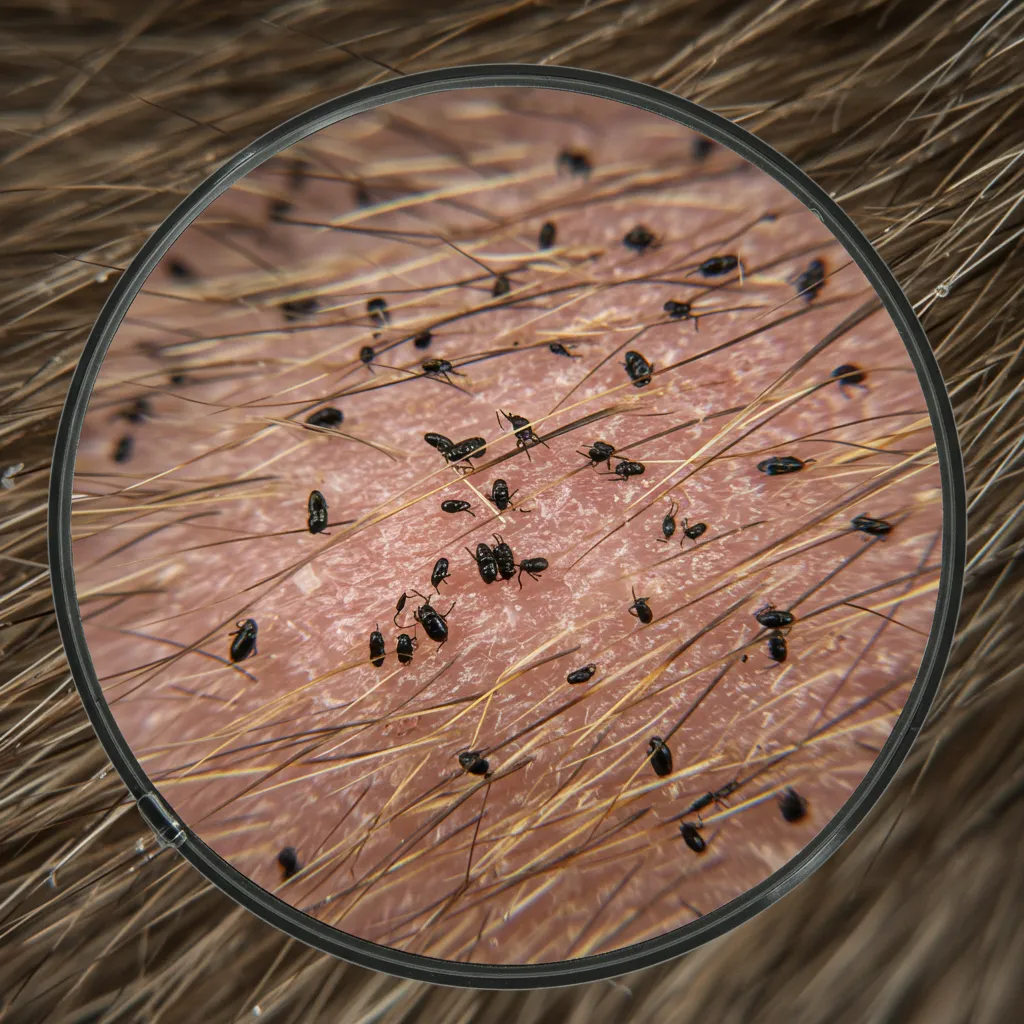
From my clinic days, even indoor cats get fleas via visitors. Symptoms: Black “dirt” that turns red in water (flea poop), plus frantic scratching.
Effective Flea Prevention for Cats
Use monthly topicals like Frontline or Revolution treat all pets and vacuum daily during outbreaks. For flea season cat care (spring/summer peaks), add diatomaceous earth to carpets naturally. Our flea prevention for cats article dives deeper.
If infested, medicated shampoos with benzoyl peroxide clear greasy stud tail, a hormonal issue mimicking parasites.
Stress-Related Factors: Anxiety in Cats Symptoms and Hair Loss
Stress hair loss in cats, or psychogenic alopecia, happens when anxiety leads to cat tail overgrooming. Changes like new pets or moves trigger it—I’ve seen it in Bengals during introductions (our Bengal cat introduction tips help).
Symptoms: Bald strips from licking, plus hiding or aggression. How to reduce cat stress? Enrichment is king.
Proven Ways to Reduce Cat Stress
- Routine Reset: Consistent feed/play times.
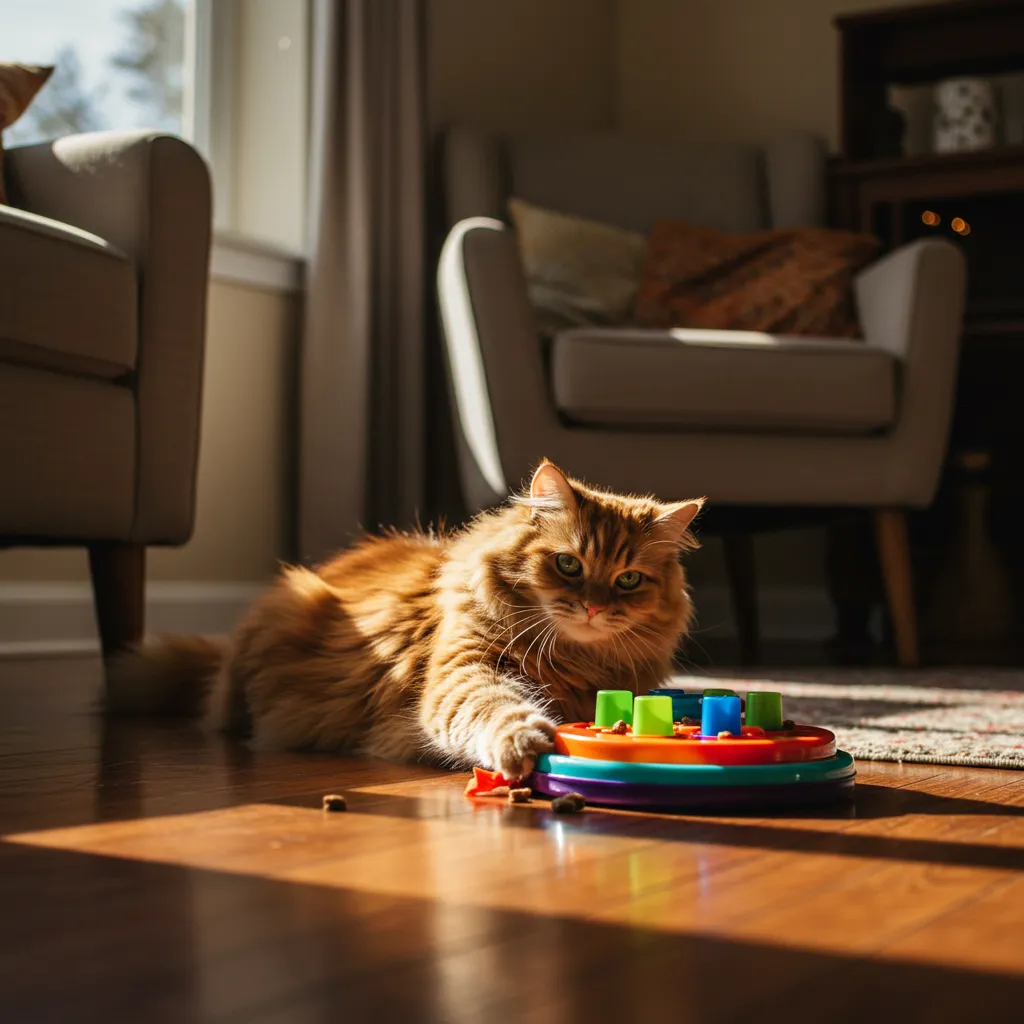
- Toys and Perches: Stress relief toys for cats like puzzle feeders cut overgrooming by 50%.
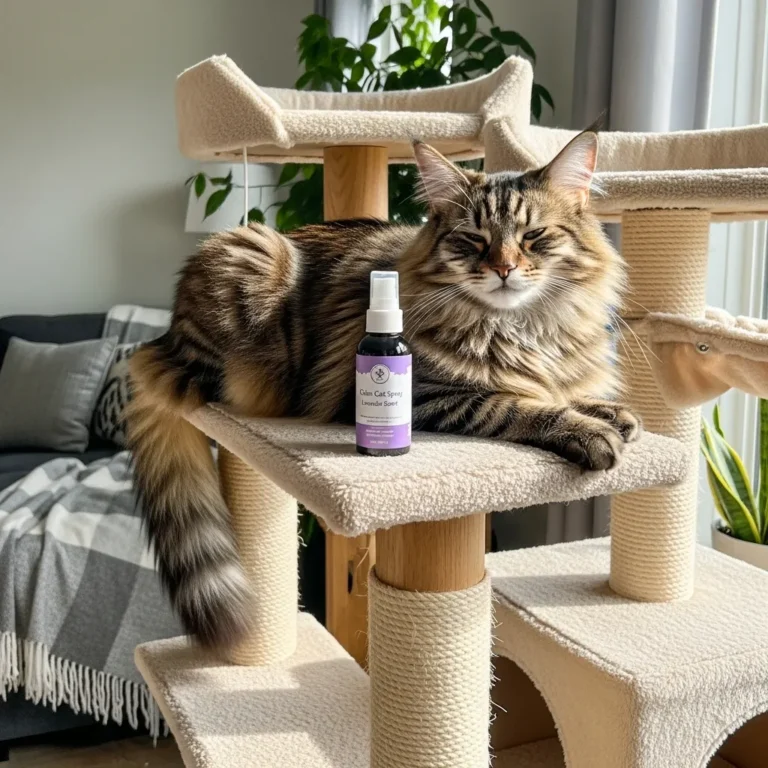
- Pheromones: Feliway diffusers calm 85% of stressed cats.
Discover more in our cat stress signs guide.
Medical-Related Issues: Thyroid Problems in Cats Hair Loss and More
Hormonal imbalance in cats, like cat hypothyroidism symptoms (lethargy, weight gain, hair loss), or hyperthyroidism (weight loss, patchy fur), can thin tails. Rare in young cats, but seniors over 10 are at risk.
Other medical reasons: Diabetes or Cushing’s causing symmetrical loss. Always rule these out with bloodwork.
Treatments: Thyroid meds like methimazole restore coats in months. Our cat health care page covers screening.
General Care: Cat Grooming Tips to Prevent Hair Loss in Cats
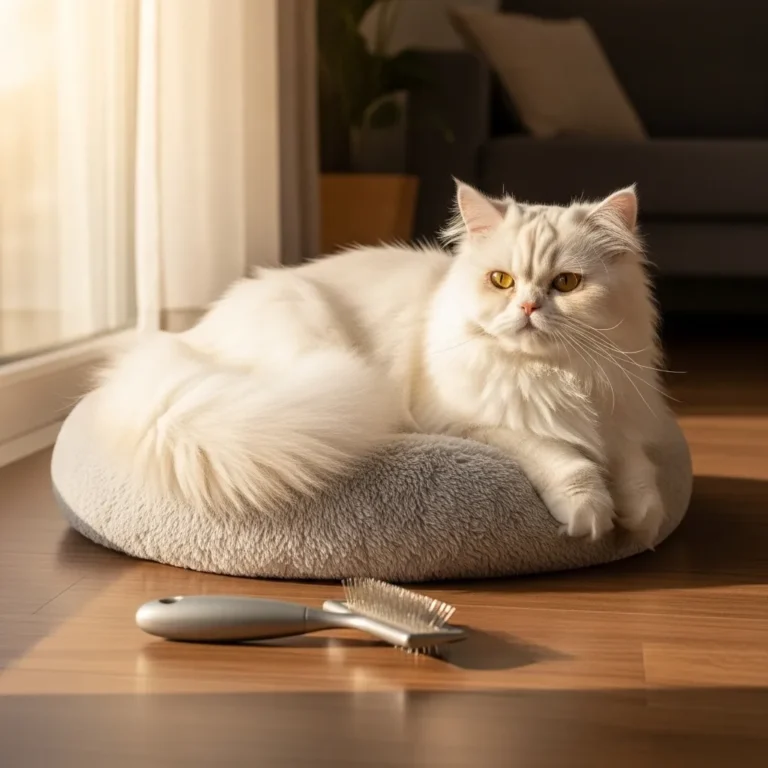
Healthy cat coat care starts at home. Brush weekly to distribute oils and catch issues early use slicker brushes for longhairs like Ragdolls.
How to prevent hair loss in cats:
- Bathe sparingly with hypoallergenic shampoos.
- Monitor for lumps during pets.
- Annual vet checks.
For natural remedies: Aloe vera soothes skin, but test small areas.
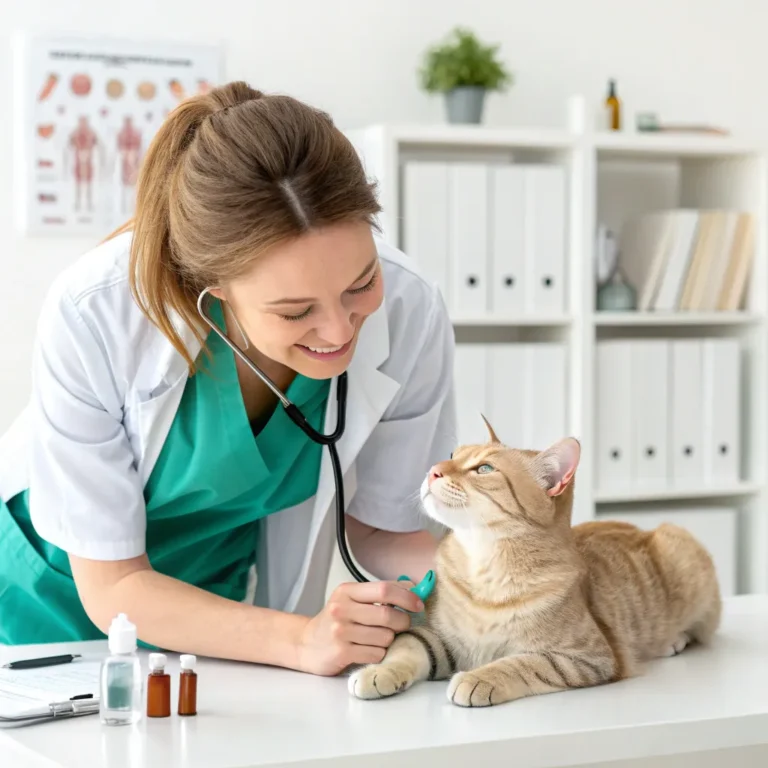
When to Consult a Vet for Cat Hair Loss
If home fixes fail or symptoms worsen (e.g., blood, lethargy), head to the vet. Explore our finding the best vet for your cat article for tips.
FAQ: Answering Your Top Questions on Cat Hair Loss
Why is my cat losing hair on its tail?
Cat tail hair loss often stems from fleas, allergies, or stress—vet checks confirm.
How does a poor diet contribute to hair loss in cats?
Lacking omega-3s leads to dry, brittle fur; upgrade to balanced foods.
How do skin allergies cause hair loss in cats?
Itching from allergens prompts overgrooming and bald spots.
Can fleas and ticks lead to hair loss in cats?
Yes, especially flea allergy dermatitis targeting the tail base.
How does stress contribute to hair loss in cats?
Anxiety causes psychogenic alopecia via excessive licking.
What is hypothyroidism and how does it cause hair loss in cats?
A thyroid underfunction leading to dull coats and thinning; treatable with meds.
What can I do to prevent cat hair loss on the tail?
Flea control, nutritious diet, stress reduction, and grooming.
Should I consult a vet for my cat’s hair loss on the tail?
Absolutely, to rule out medical causes.
Cat tail hair loss might feel overwhelming, but with these insights, you’re equipped to tackle it head-on. From diet upgrades to stress busters, small changes yield big results I’ve witnessed countless tails transform from patchy to plush. For more expert advice, explore our cat grooming and care resources or dive into breed-specific guides like the American Shorthair cats guide. At Cat Bloom Haven, we’re all about helping your feline flourish—share your story below!