Cat Catheter Removal: Your Guide to a Smooth Recovery and Healthy Urinary System

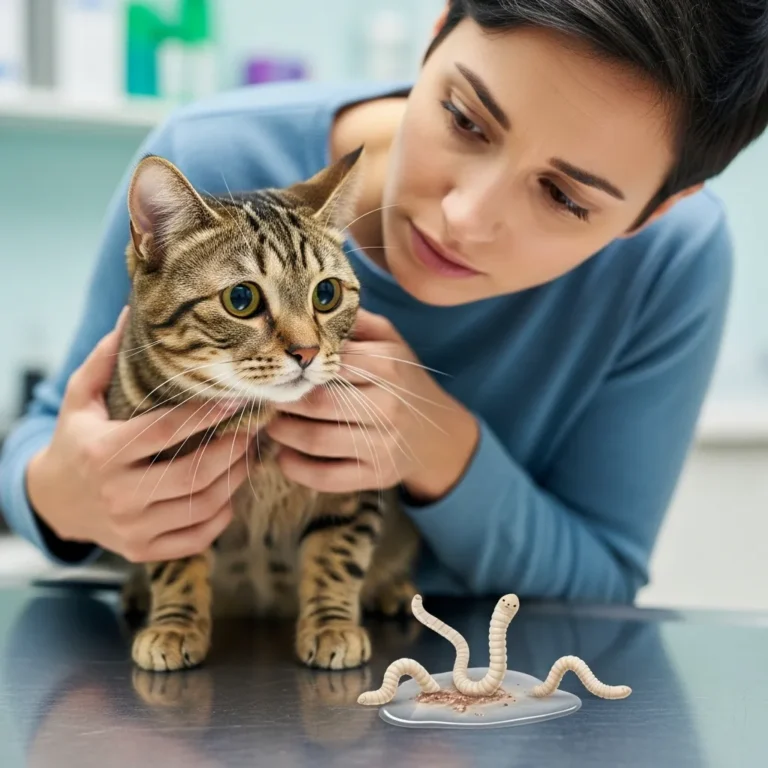
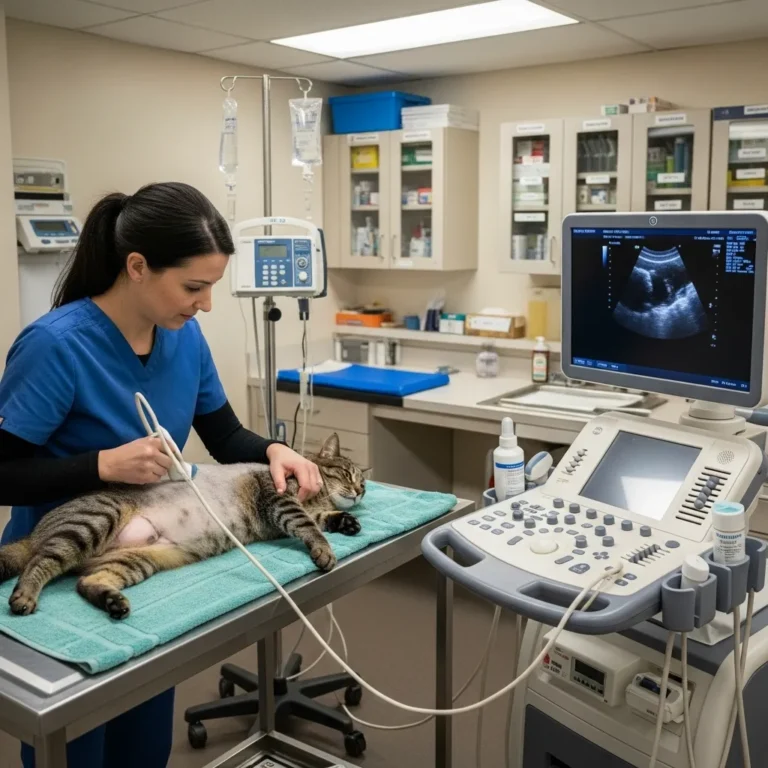
When your cat undergoes catheter removal, it’s a big step toward recovery from urinary issues like a blocked bladder. Knowing what to expect after cat catheter removal and how to care for your feline friend can make all the difference in ensuring a smooth healing process and maintaining their urinary health. This guide covers essential care tips, warning signs to watch for, and ways to support your cat’s recovery after catheter removal.
Key Takeaways
- Monitor your cat closely for the first few days after catheter removal to ensure proper healing.
- Watch for signs of urinary issues in cats, such as straining or blood in urine.
- Follow post-surgery care guidelines to promote cat urinary recovery and prevent complications.
- Maintain a calm, comfortable environment to support your cat’s recovery.
- Consult your vet immediately if you notice any unusual symptoms.
What to Expect After Cat Catheter Removal
After catheter removal in cats, your pet may feel some discomfort or behave differently as their body adjusts. Most cats resume normal activities within a few days, but the first 24–48 hours are critical for monitoring. Your cat might urinate more frequently or in smaller amounts as their bladder health stabilizes. Some mild discomfort or sensitivity around the urinary tract is normal, but persistent pain or straining could signal cat urinary problems after catheter removal.
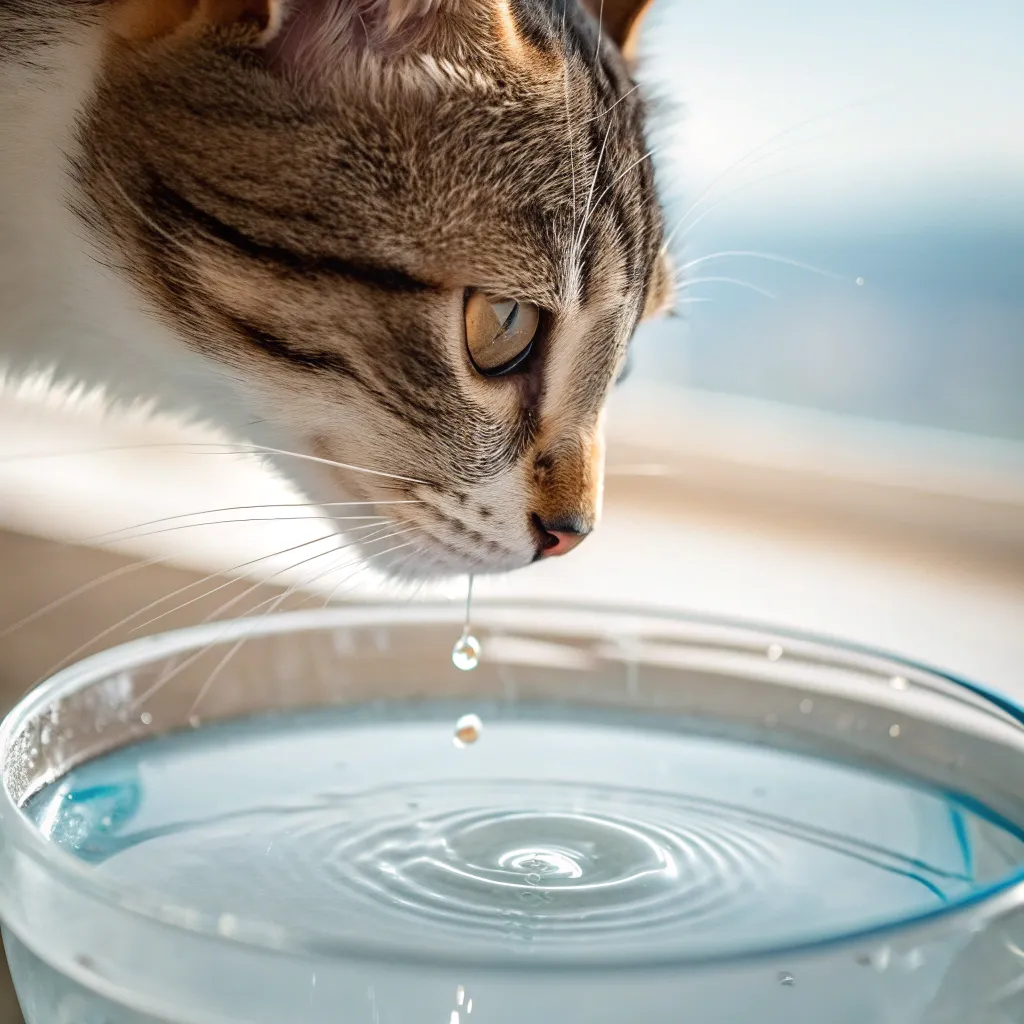
Keep an eye on their litter box habits. Cat peeing after catheter removal may be irregular at first, but consistent urination is a positive sign of cat urinary tract recovery. Provide plenty of fresh water to encourage hydration, which supports cat bladder health and helps flush out their system.
Post-Catheter Care Guidelines for Cats
Proper cat post-surgery care is essential for a full recovery. Here are practical steps to ensure your cat heals well:
Create a Calm and Cozy Environment
Set up a quiet, warm space for your cat to rest. A soft bed or blanket in a low-traffic area helps them feel secure. Stress can hinder cat urinary recovery, so keep their environment peaceful.
Limit Physical Activity
Restrict jumping or rough play for at least a week to avoid straining the urinary tract. Provide a small, safe space, like a single room, to limit movement while they heal. This helps prevent complications and supports cat blocked bladder recovery.
Monitor Litter Box Behavior
Check the litter box daily to track your cat’s urination patterns. Look for normal urine output and color. Any signs of straining, blood, or reduced urination could indicate urinary issues in cats and should prompt a vet visit.

Prevent Licking or Scratching
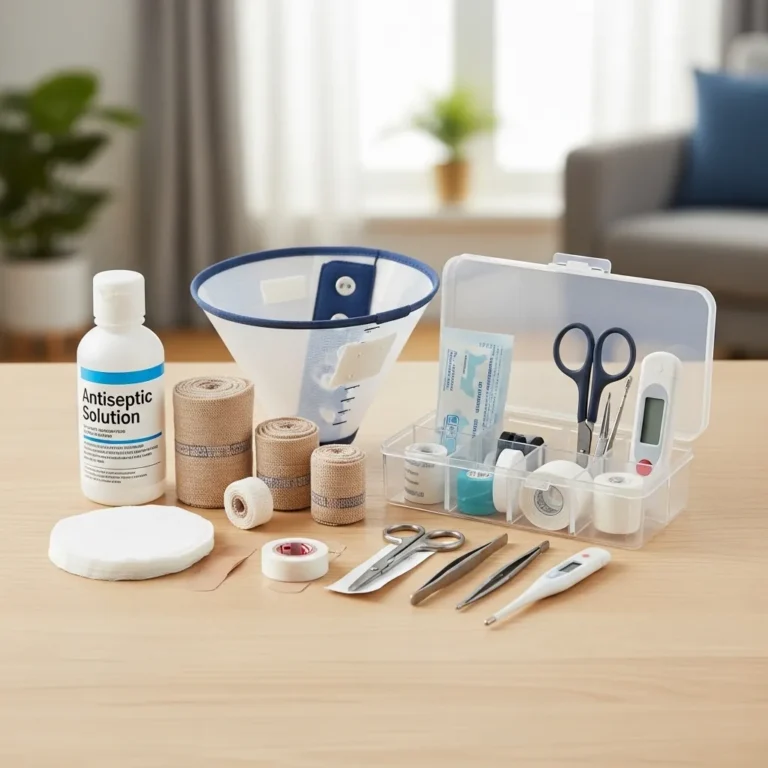
Cats may try to lick or scratch the area where the catheter was inserted, which can lead to infection. Use a cone or protective collar if recommended by your vet to keep the area clean and undisturbed.
Follow Veterinary Instructions
Your vet may prescribe medications or a special diet to support cat urinary health. Administer all medications as directed and stick to any dietary recommendations to aid cat recovery after catheter removal.
Recognizing Signs of Urinary Issues in Cats
Monitoring your cat after catheter removal is crucial to catch any problems early. Be alert for these warning signs:
- Straining to urinate or producing little to no urine, which could indicate a recurring blockage.
- Blood in the urine, a potential sign of irritation or infection.
- Frequent trips to the litter box with minimal output, suggesting cat urinary problems after catheter removal.
- Lethargy or loss of appetite, which may point to discomfort or complications.
- Unusual odor or cloudy urine, which could signal an infection.
If you notice any of these symptoms, contact your veterinarian immediately to address potential issues and protect your cat’s urinary health.
Potential Complications to Watch For
While most cats recover smoothly, complications can arise. Stay vigilant for:
- Infection: Redness, swelling, or discharge around the catheter site needs prompt attention.
- Recurring Blockage: If your cat stops urinating or shows signs of straining, a blocked bladder could be returning.
- Excessive Discomfort: Persistent hiding, vocalizing, or refusal to eat may indicate pain or complications.

Regular check-ins with your vet can help catch these issues early and ensure a successful cat urinary tract recovery.
Tips for Preventing Urinary Blockage in Cats
Once your cat is on the mend, focus on long-term care to maintain their urinary health and prevent future blockages:
- Encourage Hydration: Provide fresh water at all times and consider a wet food diet to increase moisture intake.
- Maintain a Healthy Diet: Feed a vet-recommended diet designed for cat bladder health, low in minerals that contribute to blockages.
- Keep the Litter Box Clean: A clean, accessible litter box encourages regular urination and reduces stress.
- Schedule Regular Vet Checkups: Routine exams can catch early signs of urinary issues before they become serious.
By staying proactive, you can reduce the risk of future urinary blockages and keep your cat healthy and happy.
Conclusion
Helping your cat recover after catheter removal requires attention, care, and a commitment to their urinary health. By creating a comfortable environment, monitoring for signs of urinary issues in cats, and following post-surgery care guidelines, you can support a smooth cat urinary recovery. Stay proactive about preventing urinary blockage in cats with proper hydration, diet, and veterinary care. If you have any concerns or notice unusual symptoms, reach out to your vet right away to keep your feline friend on the path to wellness.
Frequently Asked Questions
What should I expect after my cat has a catheter removed?
Your cat may experience mild discomfort and changes in urination patterns for a few days. Monitor their litter box habits and ensure they stay hydrated to support recovery.
How can I tell if my cat has urinary issues after catheter removal?
Look for signs like straining, blood in urine, frequent litter box visits with little output, or lethargy. Contact your vet if you notice these symptoms.
What are the best post-catheter care tips for my cat?
Provide a calm environment, limit activity, monitor urination, prevent licking, and follow your vet’s instructions for medications or diet.
What complications should I watch for after cat catheter removal?
Watch for infection, recurring blockages, or excessive discomfort. Redness, swelling, or lack of urination are red flags that need veterinary attention.
How can I prevent urinary blockages in my cat?
Encourage hydration, feed a vet-approved diet, keep the litter box clean, and schedule regular vet visits to maintain cat urinary health.