Spotting Cat Fever: Recognize the Symptoms and Act Fast
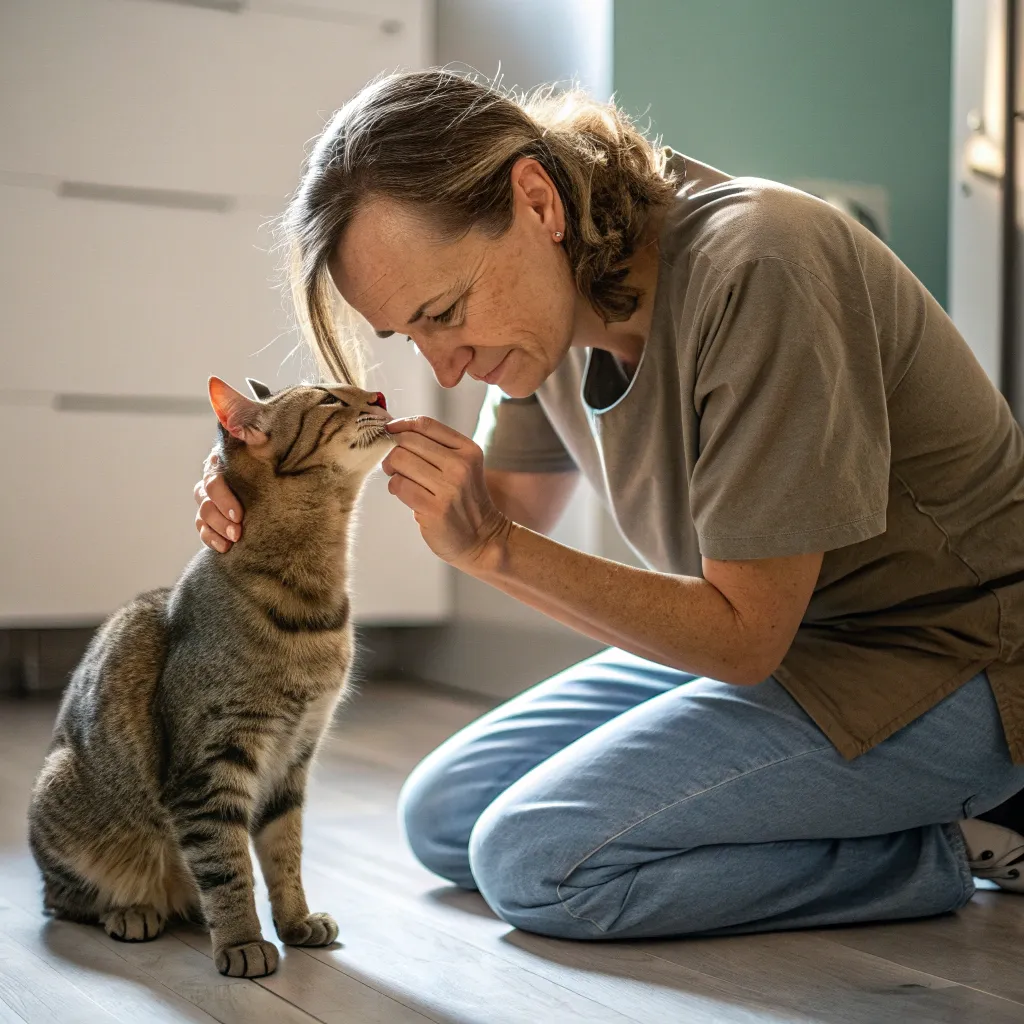
Cats are masters at hiding discomfort, but noticing the signs of cat fever early can make all the difference in keeping your furry friend healthy. Fever in cats, often a sign of an underlying issue, requires quick attention. This guide dives into spotting cat fever, understanding its symptoms, and knowing when to act, so you can ensure your pet gets the care they need.
Key Takeaways
- Cat fever shows through subtle signs like lethargy, warm ears, or loss of appetite.
- Checking your cat’s temperature at home can help confirm a fever.
- Common causes include infections, inflammation, or stress.
- Home remedies may provide comfort, but a vet visit is crucial for serious cases.
- Early detection of cat fever symptoms can prevent complications.
What Are the Symptoms of Cat Fever?
Recognizing cat fever symptoms starts with observing changes in your cat’s behavior or appearance. Cats don’t vocalize discomfort like humans, so you’ll need to watch for subtle clues. Here are the key signs to look for:
- Lethargy: Your cat may seem unusually tired, sleeping more or avoiding playtime.
- Warm Ears or Nose: Touching your cat’s ears or nose might reveal they feel hotter than usual.
- Loss of Appetite: Skipping meals or showing disinterest in food is a common red flag.
- Rapid Breathing or Shivering: Cats with fever may pant, breathe faster, or tremble.
- Hiding or Irritability: A normally social cat may hide or act grumpy when unwell.
- Reduced Grooming: A messy coat or lack of grooming can signal your cat isn’t feeling well.
These cat health warning signs often appear gradually, so regular observation is key to detecting fever in cats early.

How to Tell If a Cat Has a Fever
Wondering how to confirm if your cat has a fever? The most reliable way is to check their temperature. A cat’s normal body temperature ranges from 100.4°F to 102.5°F (38°C to 39.2°C). Anything above 102.5°F may indicate a fever. Here’s how to do it safely:
- Use a Digital Thermometer: A pet-safe digital rectal thermometer works best. Avoid glass thermometers, as they can break.
- Lubricate the Thermometer: Apply petroleum jelly for comfort.
- Gently Insert: With someone holding your cat calmly, insert the thermometer about an inch into the rectum and wait for the reading.
- Monitor the Result: A reading above 102.5°F suggests fever, while 104°F or higher is an emergency.
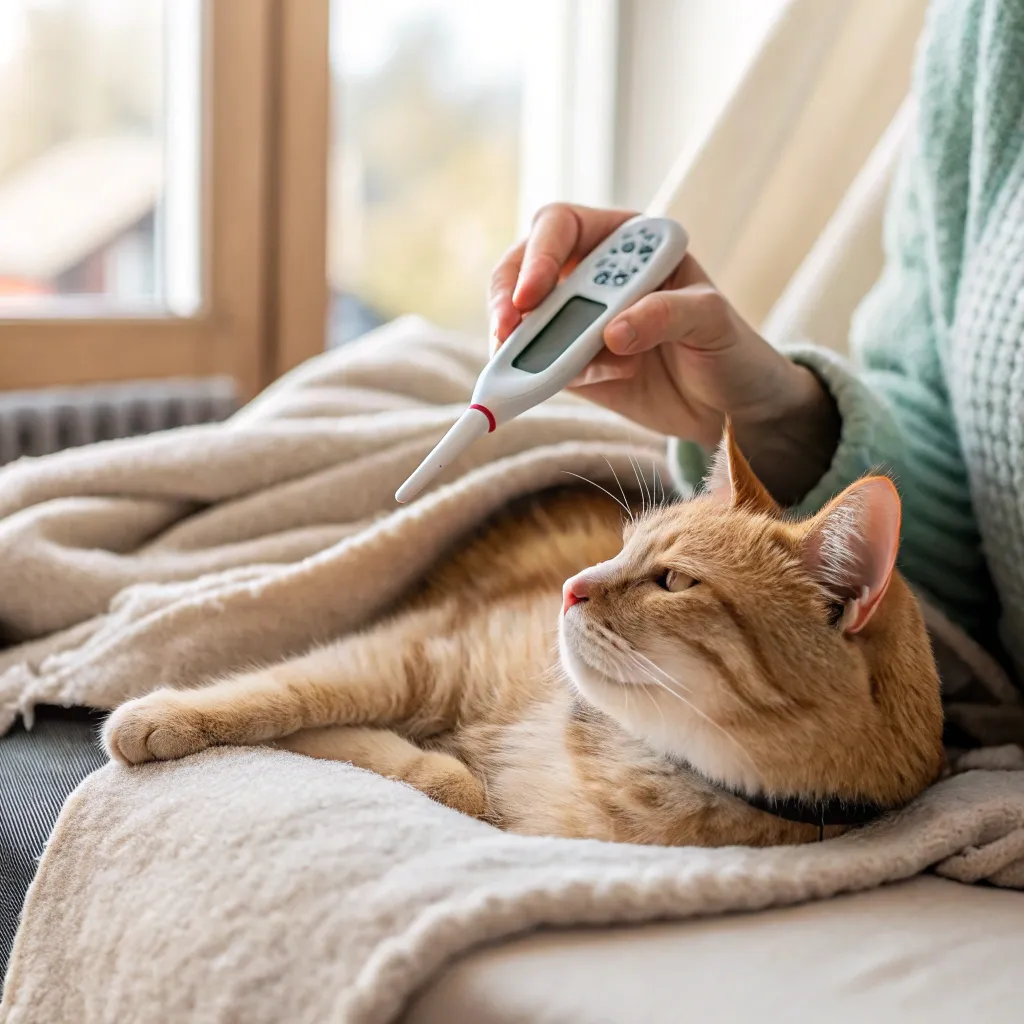
If you’re uncomfortable taking your cat’s temperature, a vet can perform this step accurately. Observing cat temperature signs like warm ears or a dry nose can also hint at fever, but they’re less definitive.
Causes of Cat Fever
Fever in cats is often a symptom of an underlying issue. Understanding the causes of cat fever helps you address the root problem. Common triggers include:
- Infections: Bacterial, viral, or fungal infections, like upper respiratory infections or abscesses, are frequent culprits.
- Inflammation: Conditions like pancreatitis or arthritis can cause fever.
- Stress or Overheating: Environmental stress or prolonged heat exposure may elevate body temperature.
- Vaccination Reactions: Mild fever can occur post-vaccination but usually resolves quickly.
- Serious Conditions: Rarely, fever may signal cancer, immune disorders, or hyperthyroidism.
Each cause requires specific treatment, so identifying the source through a vet’s diagnosis is critical.
Home Remedies for Cat Fever
If you suspect cat fever but the symptoms seem mild, a few home remedies can help keep your cat comfortable while you monitor their condition:
- Keep Them Hydrated: Offer fresh water or wet food to prevent dehydration.
- Cool Environment: Place your cat in a well-ventilated, cool area to help regulate their body temperature.
- Comfortable Resting Spot: Provide a quiet, cozy space for rest and recovery.
- Monitor Eating Habits: Encourage small, frequent meals if their appetite is low.
These remedies are not a substitute for professional care. If symptoms persist or worsen, move to the next step.

When to See a Vet for Cat Fever
Knowing when to see a vet for cat fever is crucial to prevent complications. Seek veterinary care if:
- Your cat’s temperature exceeds 104°F.
- Symptoms like lethargy, vomiting, or refusal to eat last more than 24 hours.
- Your cat shows signs of pain, distress, or difficulty breathing.
- Fever persists despite home care efforts.
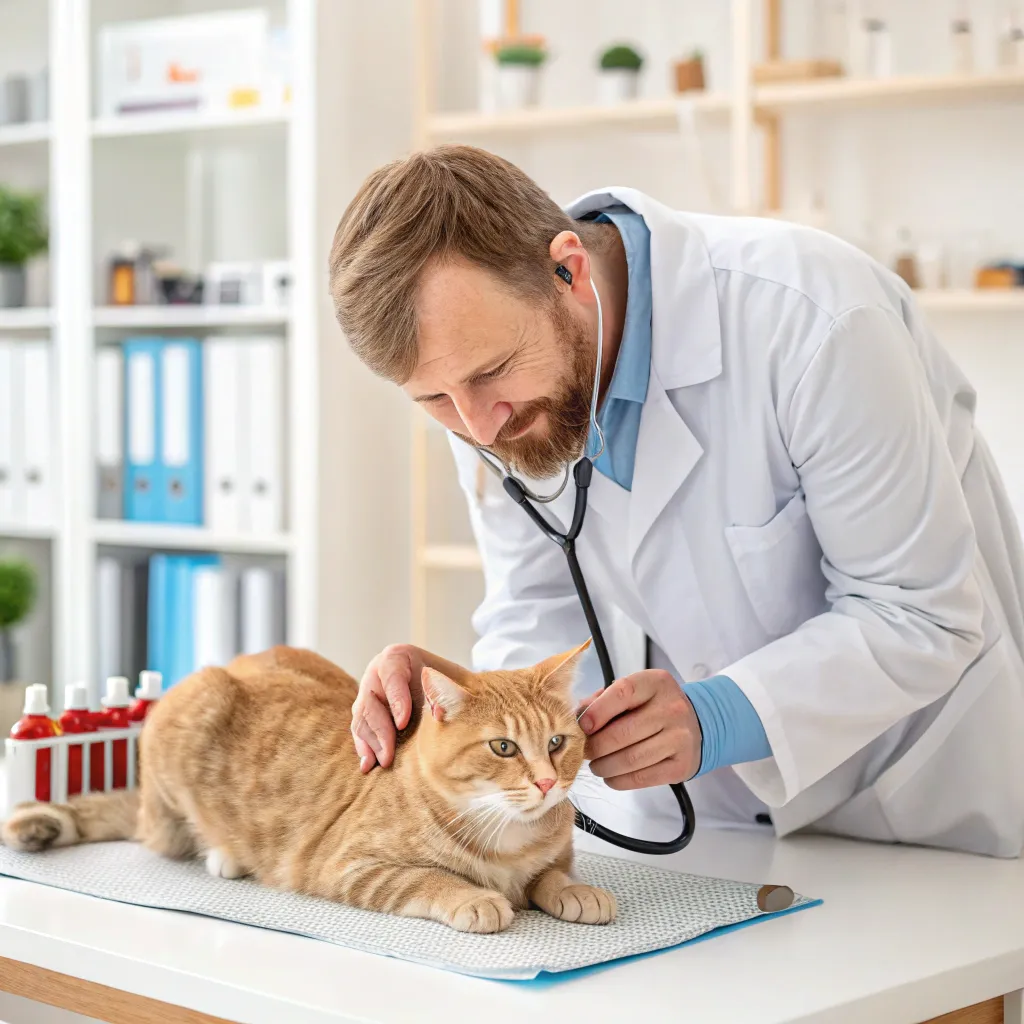
A vet will perform a cat fever diagnosis, which may include blood tests, urine analysis, or imaging to pinpoint the cause. Prompt action can address serious cat illness symptoms before they escalate.
Can Feline Hyperthyroidism Cause Fever?
Feline hyperthyroidism, common in older cats, can sometimes contribute to fever. This condition involves an overactive thyroid gland, leading to symptoms like weight loss, increased appetite, and restlessness. While fever isn’t a primary symptom, hyperthyroidism can weaken a cat’s immune system, making them prone to infections that cause fever. If you notice cat temperature signs alongside rapid heart rate or excessive vocalization, consult your vet to rule out hyperthyroidism.
Conclusion
Spotting cat fever early is key to keeping your pet healthy and happy. By recognizing cat fever symptoms, checking their temperature, and understanding potential causes, you can act swiftly to provide care. While home remedies can offer temporary relief, persistent or severe symptoms demand a vet’s expertise. Stay vigilant, keep your cat comfortable, and don’t hesitate to seek professional help when needed.
FAQ
How do I know if my cat has a fever without a thermometer?
Look for signs like warm ears, lethargy, loss of appetite, or shivering. These cat health warning signs suggest fever, but a thermometer provides the most accurate confirmation.
What causes fever in cats?
Infections, inflammation, stress, or underlying conditions like hyperthyroidism can trigger fever. A vet can identify the exact cause through diagnostic tests.
How can I help my cat with a fever at home?
Offer water, keep them cool, and ensure a quiet resting space. Monitor symptoms closely, but always consult a vet for persistent issues.
When is cat fever an emergency?
A temperature above 104°F, difficulty breathing, or symptoms lasting over 24 hours require immediate veterinary attention.
Why is early detection of cat fever important?
Catching a fever early helps address underlying issues before they worsen, ensuring faster recovery and preventing complications.