Why Does My Cat Growl When Playing? Unraveling the Mysteries of Feline Playtime Communication
Picture this: You’re tossing a feather wand across the living room, and your fluffy companion pounces with wild enthusiasm. Suddenly, amid the batting paws and twitching tail, you hear it—a low, rumbling growl that stops you in your tracks. Is your cat having the time of their life, or are they about to turn into a tiny tiger? If you’ve ever asked yourself, “Why does my cat growl when playing?” you’re not alone. This quirky cat behavior while playing leaves many pet parents scratching their heads, wondering if it’s harmless fun or a sign of something more serious like feline aggression.
As a cat lover who’s spent years observing feline antics (and consulting with vets and behaviorists), I’ve seen this scenario play out countless times. The good news? Growling during play is often just your cat’s way of channeling their inner predator, but it can sometimes signal overstimulation or discomfort. In this ultimate guide, we’ll dive deep into cat growling meaning, explore the sounds and signals, and arm you with actionable tips to make playtime safer and more enjoyable.
By the end, you’ll be a pro at understanding cat body language, knowing how to react to cat growling, and even spotting the difference between playful vibes and real warnings. Let’s turn those growls into purrs—stick around for expert insights that go beyond the basics.
What Is Cat Growling? Decoding This Feline Vocalization
At its core, cat growling is a vocalization that serves as a form of communication, much like a human sigh or shout. It’s a low, guttural rumble produced in the throat, often accompanied by bared teeth or a tense posture. But what does cat growling mean exactly? In the world of cat vocalization meanings, growling is typically a warning signal, but context is everything—especially during play.
Growling stems from your cat’s wild ancestors, where it helped ward off threats or claim resources. Today, in our cozy homes, it can pop up in various scenarios. For instance, some cats growl to express possession over a favorite toy, mimicking how they’d protect prey in the wild. Others might do it out of sheer excitement, blending joy with instinctual intensity.
Key Takeaways on Cat Growling Meaning
- Warning or Defense: Often a “back off” message to humans, other pets, or even inanimate objects.
- Emotional Range: Can indicate fear, pain, annoyance, or yes—even playful energy.
- Not Always Negative: In play, it’s frequently harmless, but paired with other signs, it might mean “I’ve had enough.”
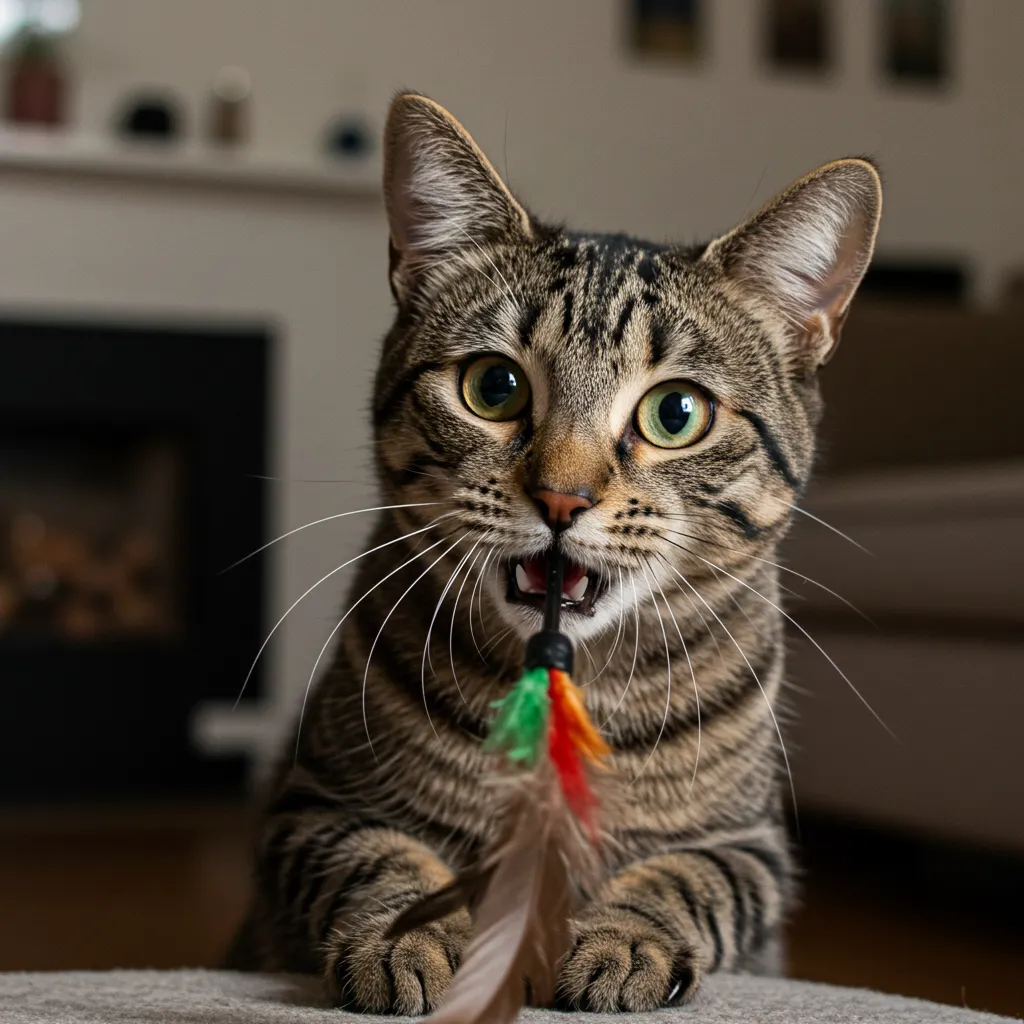
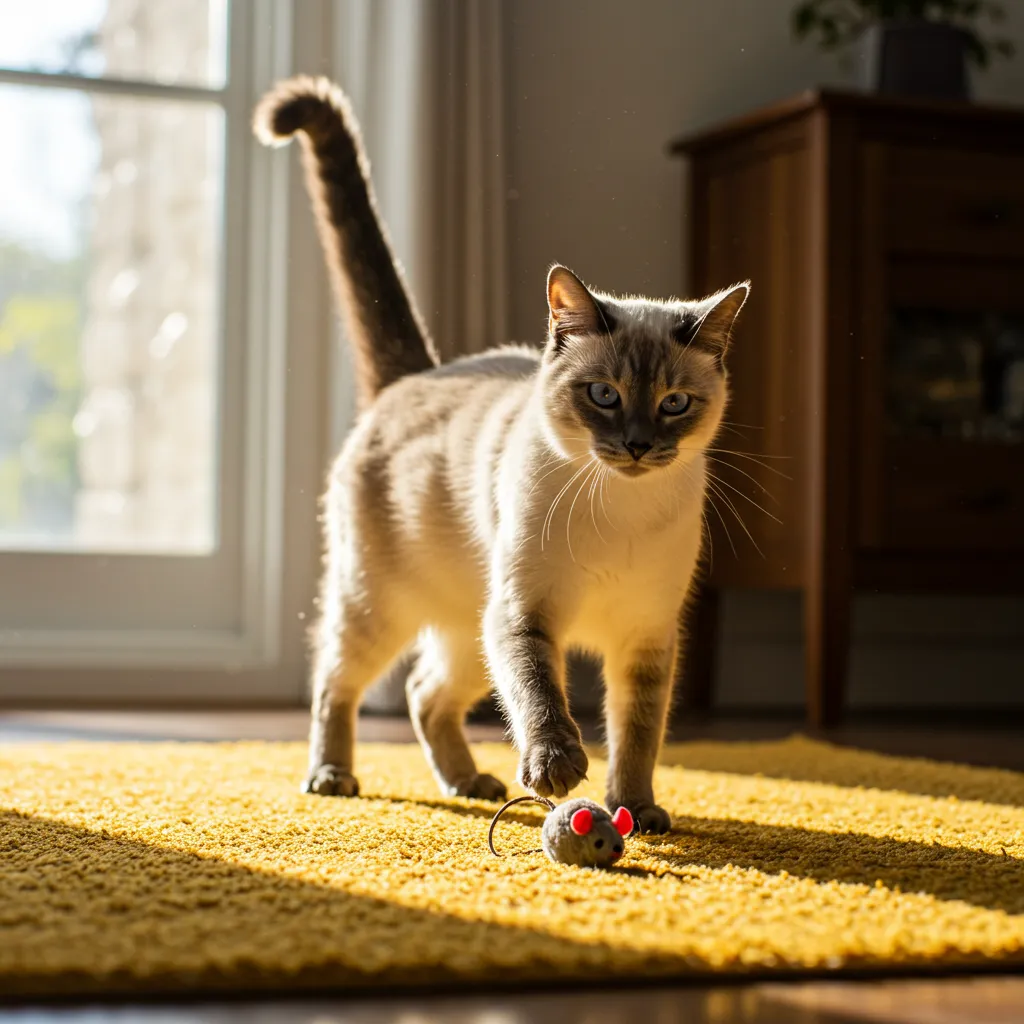
If you’re hearing this during solo play with toys, it could simply be your cat role-playing as a fierce hunter. Real-life example: My own tabby, Whiskers, would growl softly while batting a stuffed mouse, but his relaxed ears and wagging tail showed it was all in good fun.
How Does Cat Growling Sound? Recognizing the Rumble
Ever wondered, “What does cat growling sound like?” It’s not the dramatic roar of a lion but a subtle, vibrating “grrr” that starts deep in the chest and builds if ignored. Think of it as a revving engine low and steady at first, potentially escalating to hisses or yowls if the situation intensifies.
During play, the cat growling sound might be shorter and less intense than in aggressive contexts. For example, it could be a quick “grr-grr” as they pounce on a laser dot, versus a prolonged growl when defending territory from another pet. Audio descriptions from vet sites describe it as a throaty vibration, sometimes mixed with purrs in ambiguous moments.
To help you identify it, here’s a simple comparison table:
| Sound Type | Description | Common Context |
|---|---|---|
| Play Growl | Short, rhythmic rumble; often with playful movements | Chasing toys or wrestling with siblings |
| Aggressive Growl | Long, deep, escalating tone; paired with stiff body | Facing a stranger or feeling threatened |
| Pain Growl | High-pitched, irregular; may include whining | Injury or discomfort—vet check needed |
Why Do Cats Growl When Playing? The Top Reasons Explained
So, why does my cat growl when playing? It’s a question that taps into the heart of cat behavior explained. Cats are natural hunters, and play mimics hunting—growling adds to the thrill. Here are the most common culprits, backed by expert insights:
- Instinctual Hunting Behavior: Growling channels their predatory roots. When batting a toy, they’re “killing” prey, and the growl asserts dominance.
- Possession and Resource Guarding: Your cat might growl to say, “This toy is mine!” It’s common with favorites, like a crinkly ball or feather teaser.
- Overstimulation During Play: Too much excitement can tip into irritation. If play gets rough, growling signals “Ease up!”
- Communication with Playmates: In multi-cat homes, growling sets boundaries during wrestling sessions, ensuring fun doesn’t turn foul.
- Excitement and Vocal Play: Some cats are just chatty! Growling can be part of their playful repertoire, like chirping or meowing.
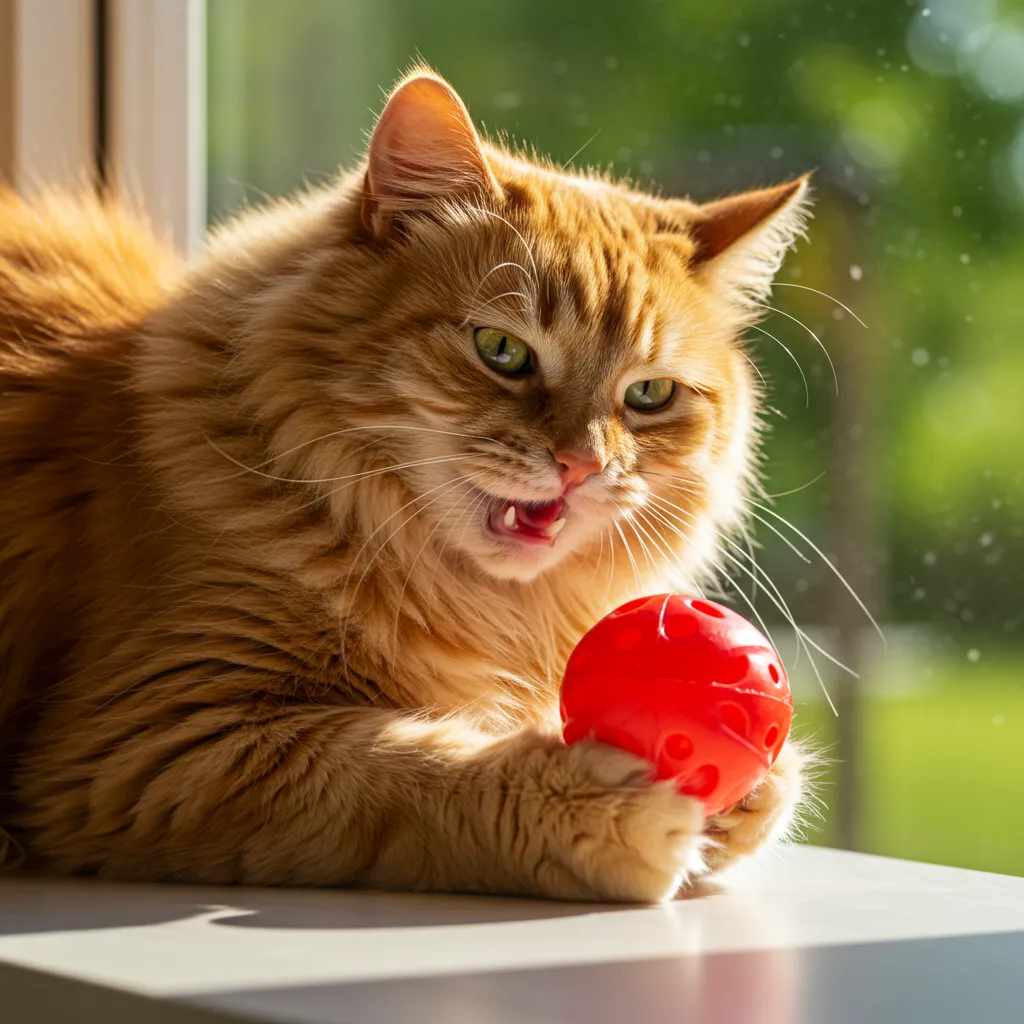
Real-life story: A Reddit user shared how their kitten growled during toy sessions but showed no aggression—turns out, it was pure enthusiasm. If your cat growls consistently, rule out pain with a vet visit.
Expert Advice: When to Worry
Veterinarians like those at Cornell Feline Health Center note that persistent growling outside play could indicate stress or health issues. Always observe the full picture.
Feline Aggression vs. Play Growling: How to Tell the Difference
One of the trickiest parts of cat behavior while playing is distinguishing feline aggression vs. play growling. Signs your cat is angry or playful often overlap, but body language is key.
Play growling is usually relaxed: Ears forward, tail swishing playfully, no piloerection (fur standing up). Aggressive growling? Ears flattened (“airplane ears”), arched back, dilated pupils, and potential swatting.
Here’s a pros/cons-style breakdown:
Play Growling Pros (Harmless Fun):
- Quick recovery after play ends
- Alternating roles in multi-cat play (chaser becomes chased)
- No injuries or hiding afterward
Aggression Cons (Red Flags):
- One-sided dominance
- Hissing, spitting, or biting that draws blood
- Avoidance or fear post-interaction
Table for Quick Reference:
| Sign | Playful | Aggressive |
|---|---|---|
| Ears | Perked up | Flattened back |
| Tail | Loose wag | Thrashing or puffed |
| Eyes | Soft, blinking | Wide, staring |
| Body | Relaxed, bouncy | Tense, arched |
Understanding Cat Body Language During Play: A Visual Guide
Cat playtime behavior is all about subtle cues. Understanding cat body language can prevent misunderstandings and enhance bonding.
Key signals:
- Happy Play: Belly exposed (but don’t touch!), playful pouncing, soft eyes.
- Warning Signs: Tail flicking rapidly, ears back, growling intensifying.
- Mixed Signals: Purring with growling—could be enjoyment turning to overstimulation.
Step-by-Step: Reading Your Cat
- Observe the tail: Upright and quivering = excited; low and twitching = annoyed.
- Check ears and eyes: Forward ears and half-closed eyes = content.
- Note posture: Sideways hopping = invitation to play; stiff stance = back off.
How to React to Cat Growling: Stay Calm and Carry On
Hearing a growl mid-play? Don’t panic how to react to cat growling is crucial for trust.
Step-by-Step Guide:
- Pause Immediately: Stop the game to assess.
- Give Space: Back away slowly; no eye contact, as it can seem threatening.
- Redirect Energy: Offer a different toy or end the session with treats.
- Monitor Patterns: If frequent, note triggers like toy type or duration.
Avoid punishment it erodes trust. Instead, positive reinforcement works wonders.
How to Stop a Cat from Growling While Playing: Practical Tips
Wondering how to stop a cat from growling while playing? It’s about management, not elimination, since some growling is natural.
- Shorten Sessions: Play in 5-10 minute bursts to avoid overstimulation.
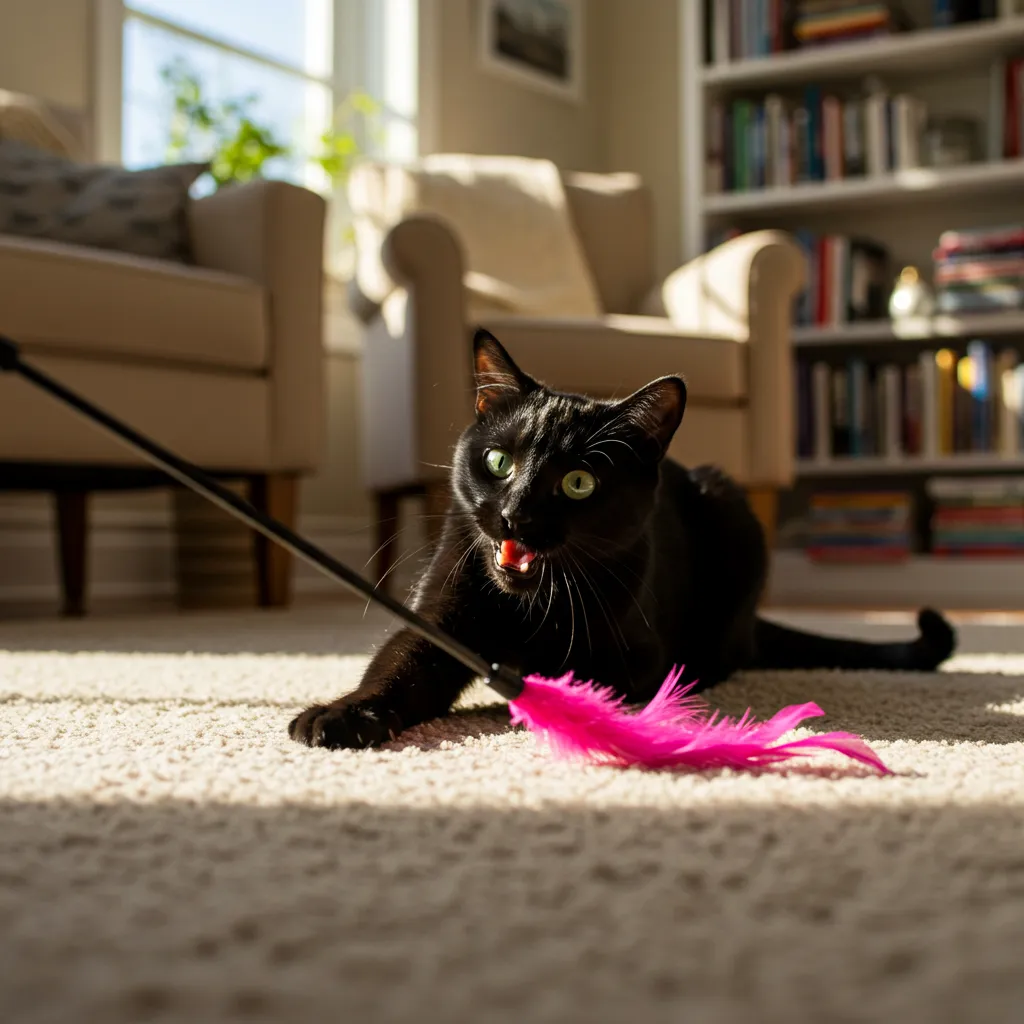
- Use Interactive Toys: Wand toys keep hands safe; rotate to prevent boredom.
- Enrich Environment: Scratching posts and puzzle feeders channel energy.
- Training Basics: Reward quiet play with treats.
If growling escalates, professional help from a certified behaviorist is key.
Why Cats Make Noises When Playing: A Symphony of Sounds
Beyond growling, why cats make noises when playing includes chirps (excitement), meows (attention-seeking), and purrs (contentment). These cat vocalization meanings add layers to their communication.
For example, a “chatter” sound mimics bird-hunting frustration—adorable during toy time!
Cat Growling During Play: The TikTok Trend Explained
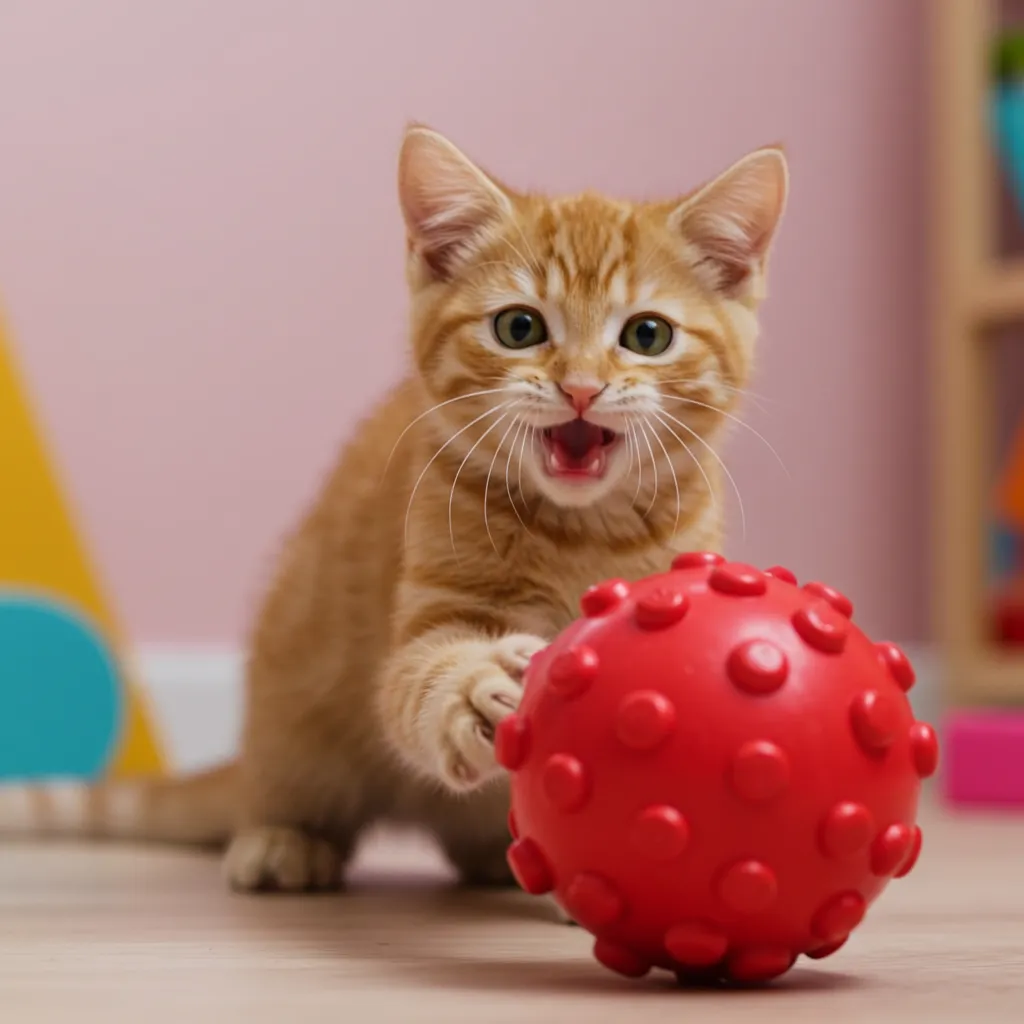
The cat growling during play TikTok trend has exploded, with videos showing kittens “roaring” at toys going viral. From X posts, users share clips of possessive growls, often humorous but educational. It’s a reminder that growling is normal, but trends highlight when to intervene.
How to Calm an Overstimulated Cat: Gentle Strategies
Overstimulation is a top reason for growling. How to calm an overstimulated cat?
- Create a Quiet Zone: Dim lights, soft music, or a cozy hideaway.
- Pheromone Diffusers: Products like Feliway mimic calming scents.
- Gentle Massage: If tolerated, stroke preferred spots briefly.
- Distraction Techniques: Switch to low-energy activities like licking mats.
PetMD experts recommend observing for signs like dilated pupils and acting early.
Cat Behavioral Training Tips for 2025: Modern Approaches
Looking ahead, cat behavioral training tips 2025 emphasize tech and positive methods.
- Clicker Training: Mark good behavior with a click, follow with treats.
- App-Based Enrichment: Apps for interactive play or behavior tracking.
- Desensitization: Gradually expose to triggers like new toys.
- Routine Building: Consistent play schedules reduce anxiety.
From 2025 guides, vets stress ignoring bad behavior and rewarding positives for lasting change. Explore VCA Hospitals for more training ideas.
Conclusion: Embrace the Growl and Strengthen Your Bond
We’ve covered everything from cat growling meaning to how to calm an overstimulated cat, demystifying why your feline friend might rumble during fun. Remember, most play growling is instinctual and harmless, but tuning into body language ensures safe interactions. By applying these tips, you’ll foster happier playtimes and deeper understanding.
FAQ
Why does my cat growl when playing?
Cats growl during play due to instinctual hunting behaviors, possession over toys, or overstimulation. It’s often playful but monitor for aggression signs.
What is cat growling?
Cat growling is a low, rumbling vocalization used for communication, warning others to back off or expressing emotions like excitement or discomfort.
How does cat growling sound?
It sounds like a deep, vibrating “grrr” from the throat, varying in intensity—short and rhythmic in play, longer in threats.
Why do cats growl?
Cats growl for reasons like defense, pain, fear, or during play to mimic predation or set boundaries.
How should you react to a cat growling?
Stay calm, give space, stop the activity, and redirect. Avoid punishment to maintain trust.
How to stop a cat from growling while playing?
Shorten sessions, use appropriate toys, enrich their environment, and train with positive reinforcement to manage overstimulation.