Why Is My Cat Gaining Weight? Uncovering the Hidden Causes and Proven Strategies for a Healthier, Happier Feline Friend
Imagine this: Your once-agile cat, who used to leap effortlessly onto the kitchen counter for a sneaky treat, now struggles to jump onto the couch. You’ve noticed their belly is swinging a bit more, and those vet visits are starting to include gentle nudges about “cat weight gain causes.”
If you’re asking yourself, “Why is my cat gaining weight?” you’re not alone. Millions of cat owners face this puzzle every year, and it’s more than just a cosmetic issue it can lead to serious health problems like diabetes or joint pain. But don’t worry; this comprehensive guide is your ultimate resource for understanding the root causes, spotting signs of overweight cats, and implementing safe weight loss for cats. Drawing from the latest veterinary insights as of 2025, including overweight cat symptoms 2025 updates, we’ll equip you with actionable tips, from ideal cat weight charts to vet-approved weight loss tips for cats, so you can help your furry companion thrive.
As a seasoned pet health enthusiast with years of experience collaborating with veterinarians and analyzing feline nutrition trends, I’ve seen firsthand how small changes can make a big difference. Let’s dive in and turn that question into empowerment.
Key Takeaways: Quick Insights on Cat Weight Management
Before we explore the details, here’s a snapshot of what you’ll learn to jumpstart your journey in overweight cat management:
- Common Culprits: Overeating, lack of exercise, and age-related slowdowns are the top cat weight gain causes, but medical reasons for cat weight gain like hypothyroidism, shouldn’t be overlooked.
- Ideal Weight Check: Use a cat body condition score to assess if your cat is at a healthy weight—aim for a score of 4-5/9 on the WSAVA scale.
- Health Risks: Cat obesity risks include diabetes, arthritis, and reduced lifespan; early intervention is key.
- Actionable Strategies: From cat diet and exercise plans to high-protein, low-calorie cat food recommendations, we’ll cover cat weight loss strategies that work.
- Prevention Tips: Learn cat obesity prevention through smart feeders for cats and indoor cat exercise ideas to keep things fun and effective.
Decoding Your Cat’s Ideal Weight: Charts, Scores, and Real-Life Checks
Figuring out “how much should my cat weigh” starts with understanding that not all cats are created equal. Breed, age, and lifestyle play huge roles. For most domestic shorthairs, the sweet spot is 8-10 pounds, but larger breeds like Maine Coons can healthily tip the scales at 15-20 pounds.
The WSAVA Body Condition Scoring System: Your At-Home Assessment Tool
The World Small Animal Veterinary Association (WSAVA) body condition score is a vet-recommended way to evaluate your cat’s physique without a scale. It’s a 9-point system where:
- 1-3: Underweight – Ribs and spine are visible or easily felt with no fat cover; severe abdominal tuck.
- 4-5: Ideal – Ribs palpable with minimal fat; waist visible from above; slight abdominal tuck.
- 6-9: Overweight to Obese – Ribs hard to feel under fat; no waist; prominent abdominal fat pad.
To score your cat at home:
- Feel along the ribs— they should feel like the back of your hand, not buried under padding.
- Check the waist from above—look for an hourglass shape.
- Observe the abdomen from the side—no sagging belly.
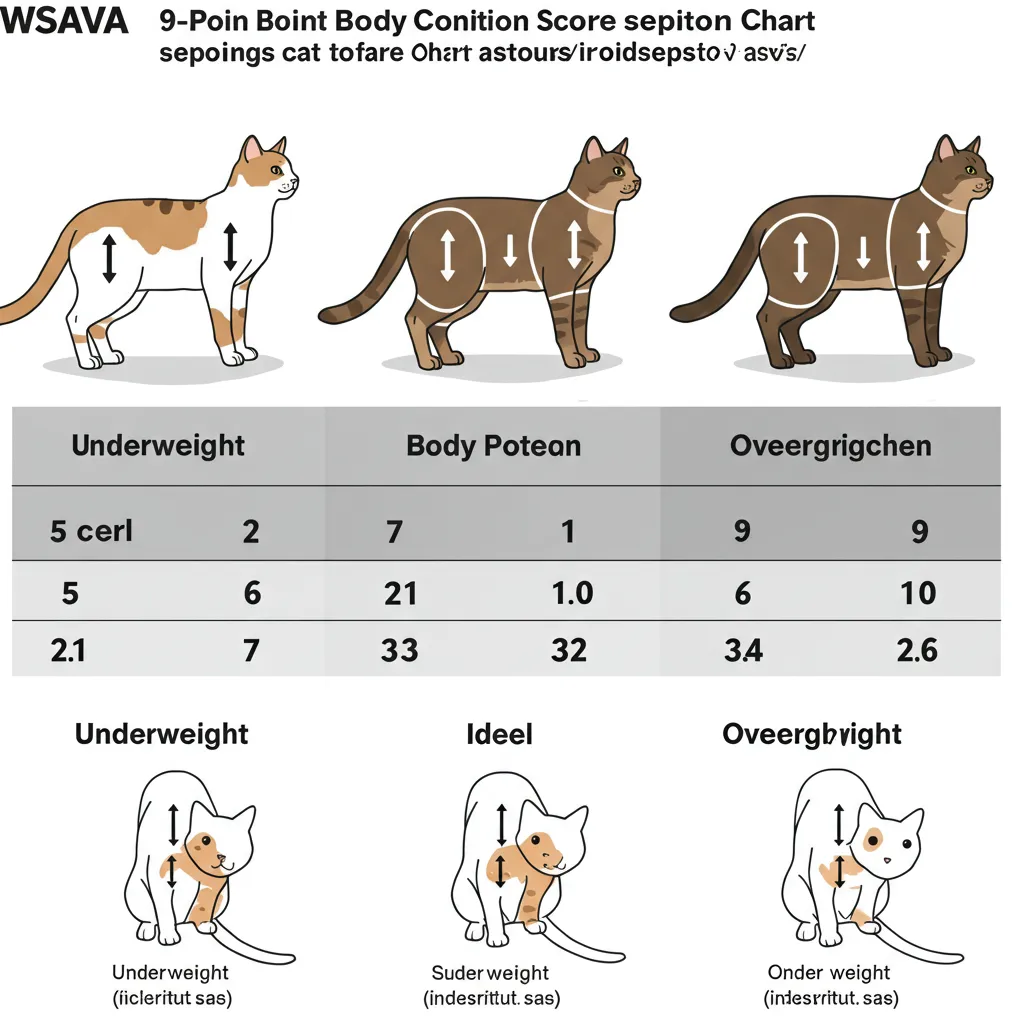
If your cat scores above 5, it’s time for feline weight management tips. For precision, use a cat weight loss calculator like the one from Pet Obesity Prevention, which factors in breed and activity level.
Ideal Cat Weight Chart by Breed and Age
Here’s a handy table based on veterinary data from sources like Pawlicy Advisor and Pet Obesity Prevention:
| Breed/Age Group | Average Ideal Weight (lbs) | Notes |
|---|---|---|
| Domestic Shorthair (Adult) | 8-10 | Most common: adjust for spay/neuter status. |
| Maine Coon (Adult) | 12-18 | Larger frame; males often heavier. |
| Siamese (Adult) | 7-11 | Leaner build; monitor for underweight. |
| Kitten (3-6 months) | 3-6 | Rapid growth; weekly checks recommended. |
| Senior Cat (7+ years) | 7-12 | Metabolism slows; aim lower if inactive. |
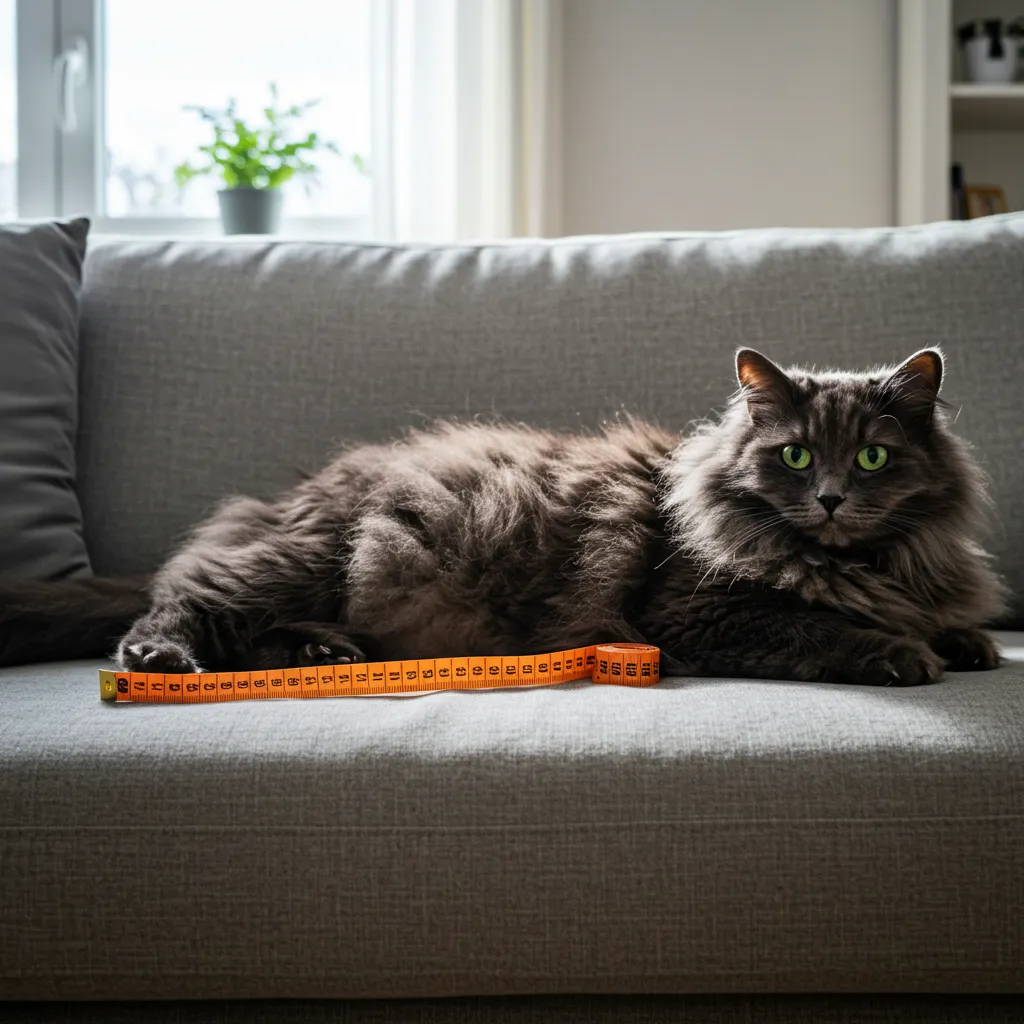
Remember, these are averages—consult your vet for personalized advice. Track your cat’s weight at home with a baby scale or by weighing yourself, holding them, and subtracting your weight.
Unraveling the Common Causes of Weight Gain in Cats
“Why is my cat gaining weight?” often boils down to lifestyle factors, but let’s break it down with real examples.
Overeating and the Free-Feeding Trap: A Major Cat Weight Gain Cause
Cats are obligate carnivores, but modern diets can lead to overconsumption. Dry kibble is calorie-dense, and free-feeding (leaving food out all day) encourages grazing. One study from PetMD notes that dry food diets promote more weight gain than wet food. Real-life example: My friend’s cat, Whiskers, gained 2 pounds in six months from unlimited kibble—switching to measured meals fixed it.
Lack of Exercise: Why Indoor Cats Are Prone to Obesity
Sedentary lifestyles are huge in causes of cat weight gain. Indoor cats burn fewer calories without hunting or roaming. Vetster highlights excessive food intake combined with inactivity as the top cause.
Age-Related Factors: Slowing Down with Seniority
As cats age (7+ years), metabolism drops by up to 20%, per Hill’s Pet Nutrition. Senior cats may eat the same but move less, leading to gradual gains.
Spay/Neuter Impact on Metabolism
Neutering reduces energy needs by 25-30%, according to VIN. Without diet adjustments, weight creeps up.
Medical Reasons for Cat Weight Gain: When to See the Vet
Not all gains are from lifestyle—medical conditions can be culprits.
Hypothyroidism and Hormonal Imbalances
Rare in cats, but low thyroid levels slow metabolism, causing weight gain despite normal eating. Symptoms include lethargy and a poor coat.
Diabetes and Insulin Resistance
Overweight cats are prone to diabetes, which can paradoxically cause weight gain initially before loss. Cornell notes cardiovascular strain, too.
Medications and Other Issues
Steroids or other meds can increase appetite, per Diamond Pet Foods. Fluid retention from heart or kidney issues mimics weight gain.
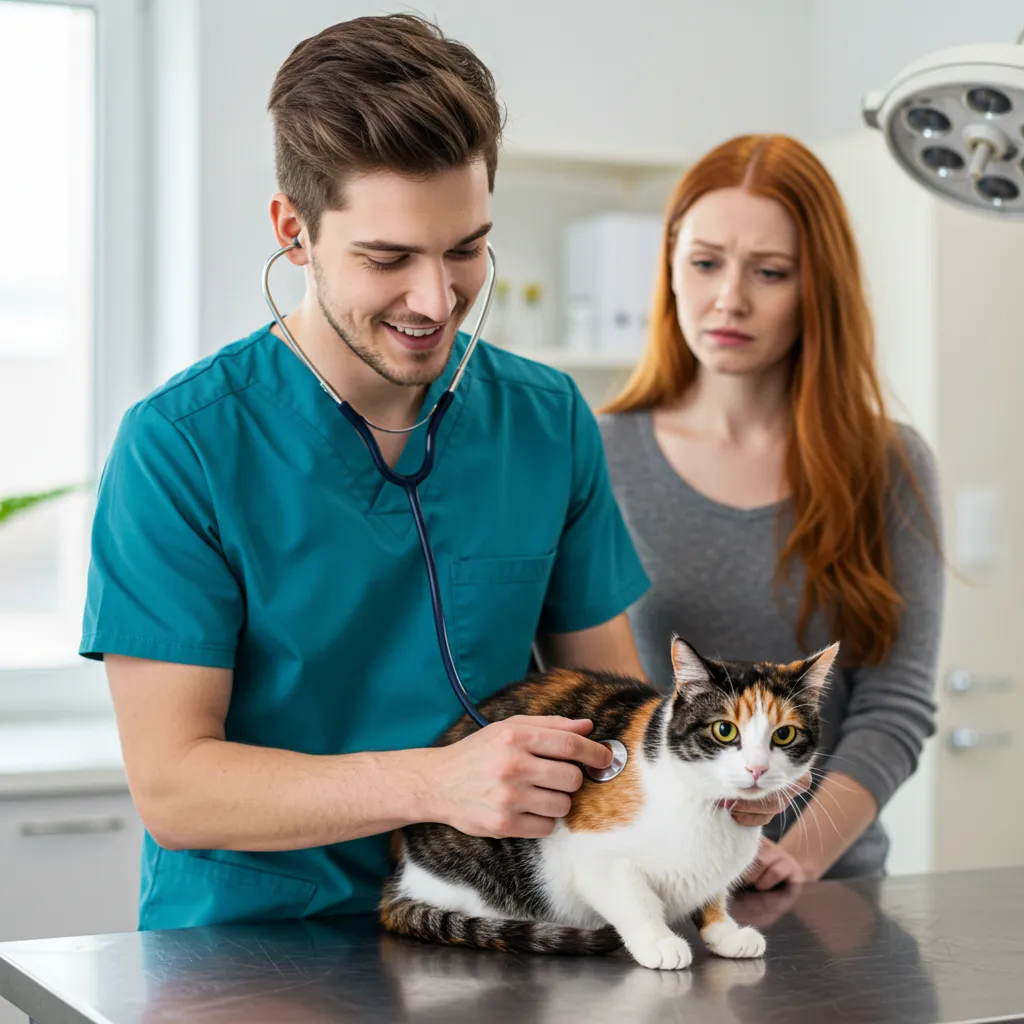
If your cat’s weight gain is sudden or with symptoms like increased thirst, a vet check is essential for diagnosing weight gain in cats.
The Serious Dangers of Cat Obesity: Why Prevention Matters
Ignoring cat obesity risks can shorten life by 2-3 years. Key threats:
- Diabetes Mellitus: Up to 4x risk in obese cats.
- Arthritis and Joint Pain: Extra weight stresses joints.
- Heart Disease: Increased blood pressure and strain.
- Liver Disease: Hepatic lipidosis from rapid weight changes.
- Reduced Immunity: Higher infection risk.
Spotting Signs of Overweight Cats: Early Detection Tips
Overweight cat symptoms 2025 remain consistent:
- Difficulty jumping or grooming.
- Visible belly sag.
- Labored breathing.
- Lethargy.
Use the BCS chart for objective assessment.
Mastering Overweight Cat Management: Step-by-Step Weight Loss Strategies
Ready for action? Here’s how to help my cat lose weight safely.
Crafting a Healthy Cat Diet Plan
Switch to high-protein, low-calorie cat food like Hill’s Science Diet Perfect Weight or Tiki Cat Born Carnivore.
Pros of Wet Food:
- Higher moisture aids hydration.
- Lower calories per volume.
Cons: More expensive.
Use a cat weight loss calculator to set portions.
Indoor Cat Exercise Ideas: Fun Ways to Burn Calories
Keep it engaging with:
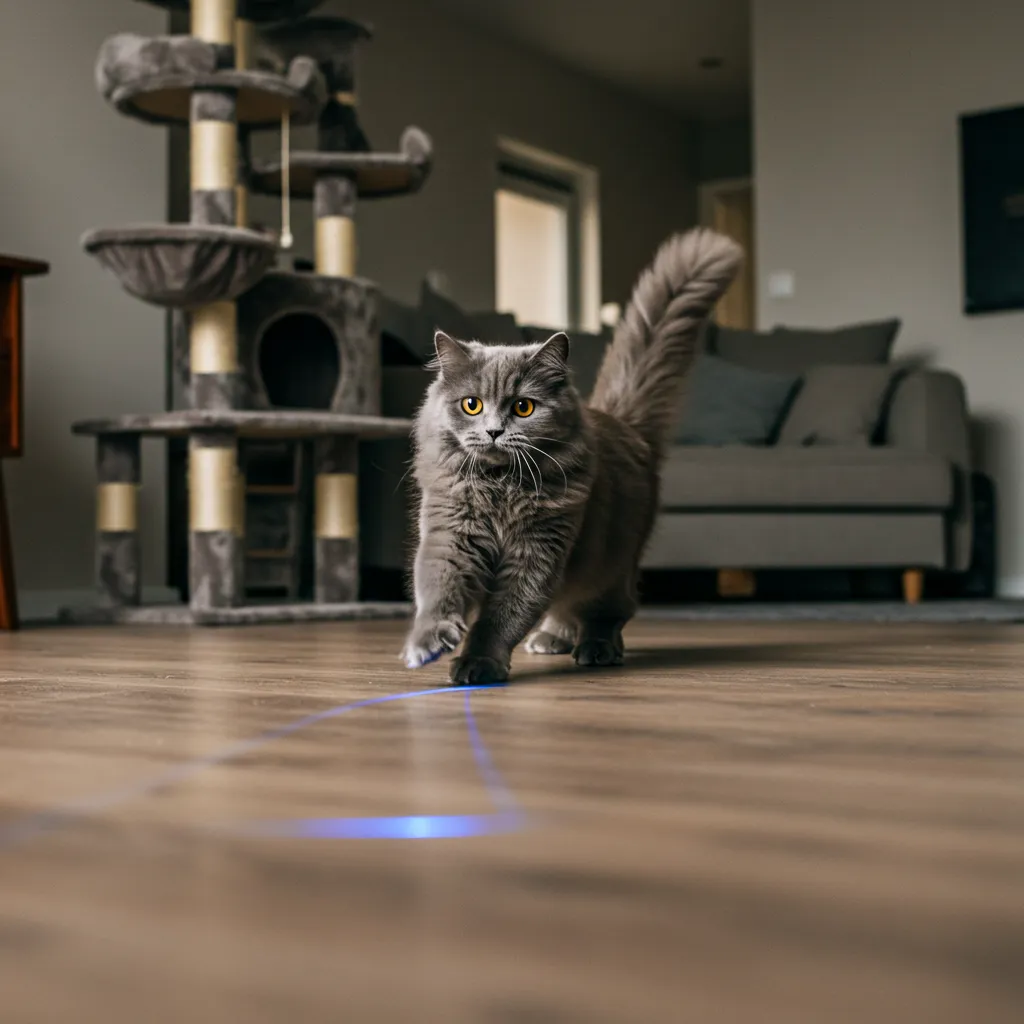
- Laser pointers for chasing (10-15 min sessions).
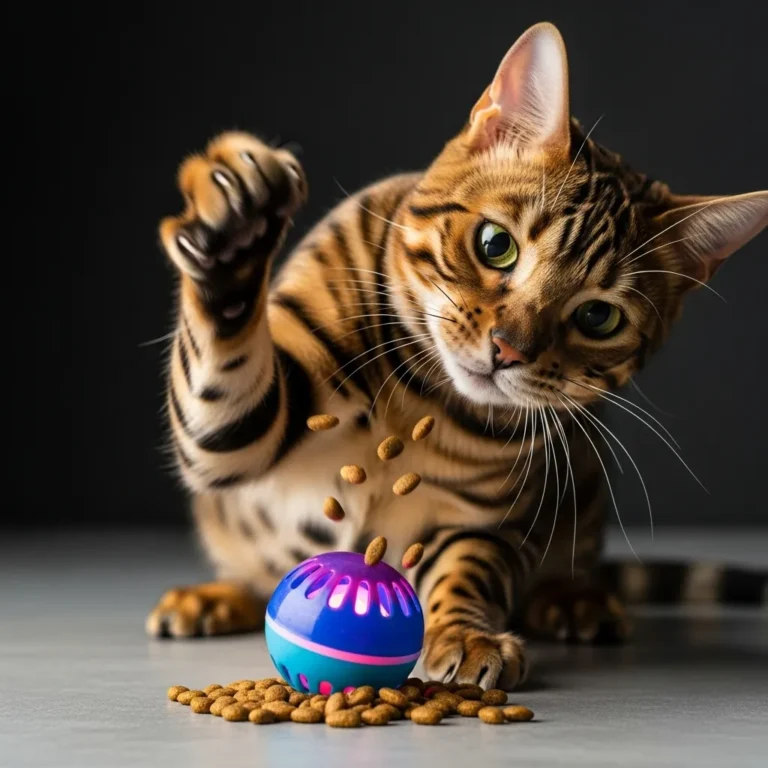
- Puzzle feeders to slow eating and stimulate mind.
- Cat trees for climbing.
- DIY toys like crumpled paper balls.
Vet-Approved Weight Loss Tips for Cats
- Gradual loss: 0.5-1% body weight weekly.
- Measured meals: No free-feeding.
- Treats: Limit to 10% of calories; opt for low-cal options.
- Monitor progress: Weekly weigh-ins.
VCA recommends separate feeding for multi-cat homes.<grok:render card_id=”cb529a” card_type=”citation_card” type=”render_inline_citation”> 73</grok:render>
Best Cat Food for Weight Control in 2025
Top picks:
- Hill’s Science Diet Perfect Weight: Vet-recommended, balanced nutrients.
- Purina Pro Plan Weight Management: High-protein formula.
- Blue Buffalo Tastefuls Weight Control: Real meat focus.
Smart Feeders for Cats: Tech to the Rescue
Devices like Petlibro or SureFeed portion control meals, preventing overeating.
How to Track Cat’s Weight at Home
Weekly logs using a digital scale; combine with BCS checks.
Cat Health and Nutrition Guide: Long-Term Wellness
A balanced diet rich in protein (40%+), moderate fat, and low carbs supports health. Supplement with omega-3s for joint support.
Conclusion: Empower Your Cat’s Journey to Optimal Health
We’ve covered why your cat might be gaining weight, from everyday causes to medical ones, and armed you with cat weight loss strategies, ideal cat weight charts, and more. Remember, consistency is key—pair a healthy cat diet plan with exercise, monitor with a cat body condition score, and consult your vet for tailored advice. Your cat will thank you with more energy, fewer health issues, and extra years of purrs.
FAQ: Quick Answers to Your Burning Questions
Why is my cat gaining weight?
Common cat weight gain causes include overeating, lack of exercise, aging, and spay/neuter effects. Medical reasons for cat weight gain like hypothyroidism, are less common but require vet checks.
How do I determine my cat’s ideal weight?
Use an ideal cat weight chart (8-10 lbs for most adults) and the cat body condition score system—aim for 4-5/9.
What are the common causes of weight gain in cats?
Overfeeding dry food, sedentary indoor life, age-related metabolism slowdown, and hormonal changes post-neutering top the list.
What are the dangers of cat weight gain?
Cat obesity risks include diabetes, arthritis, heart disease, and shortened lifespan—up to 2-3 years lost.
How can I help my cat manage weight loss?
Implement cat weight loss strategies, such as high-protein, low-calorie cat food, indoor cat exercise ideas, and smart feeders for cats. Aim for gradual loss under vet guidance.
Are there medical conditions that can cause weight gain in cats?
Yes, including diabetes, hypothyroidism, and medication side effects—always rule out with a vet.
Why is maintaining a healthy weight important for cats?
It prevents cat obesity risks, boosts energy, and enhances quality of life through better cat health and nutrition guide practices.