Does My Cat Know Who I Am? Exploring Feline Recognition and Our Unique Bond

Cats are mysterious creatures, weaving their way into our hearts with a flick of their tail or a gentle purr. As a cat owner, you’ve likely wondered: Does my cat know who I am? This question taps into the fascinating world of feline recognition, cat-human bonds, and how our furry friends perceive us. Let’s dive into the science and signs behind cat recognition, their memory, and the emotional connections they form with us.
How Do Cats Recognize Their Humans?
Cats may not process the world like humans, but they’re far from clueless about who’s who. Feline recognition relies on a combination of senses—sight, smell, and sound—to identify their owners. Your scent, for instance, is like a unique fingerprint to your cat. They associate your smell with safety, food, or affection, building a mental map of “their person.”
Your voice also plays a big role. Studies show cats can distinguish their owner’s voice from a stranger’s, often responding with a head tilt or a slow blink when they hear you. Visual cues, like your face or the way you move, further help cats pinpoint you in their world. This multi-sensory approach ensures your cat knows exactly who you are, even if they don’t show it like a dog might.
Can Cats Remember Their Owners?
Cat memory is a key piece of the puzzle when it comes to recognition. Cats have both short-term and long-term memory, allowing them to recall familiar people over time.
Short-Term Memory in Cats
Short-term memory helps cats remember daily routines, like where you keep their food or the sound of your keys jingling before a treat. This memory typically lasts a few minutes to hours, enough to connect you with their immediate needs.
Long-Term Memory and Emotional Bonds
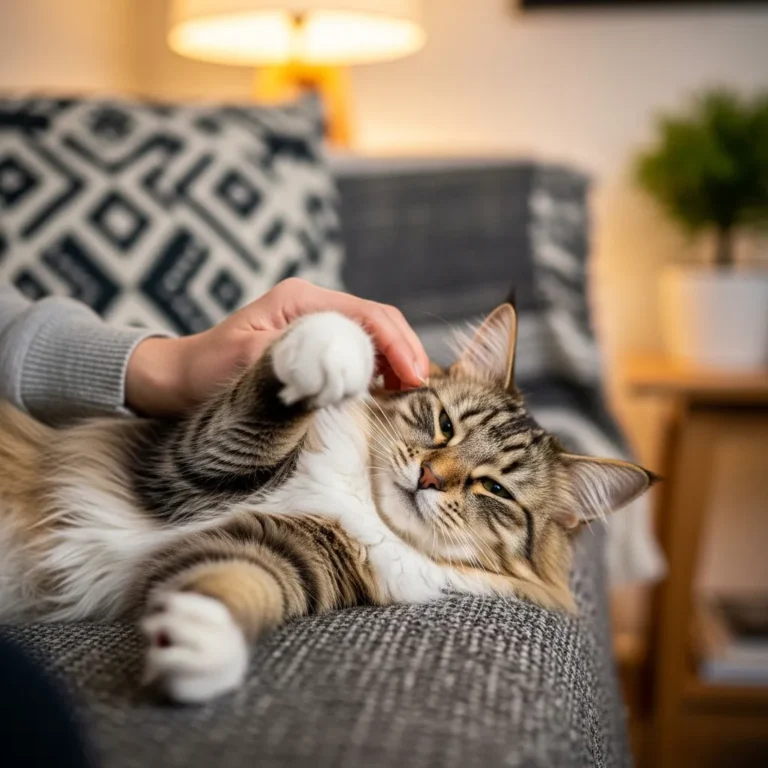
Long-term memory is where the cat-human bond shines. Cats can remember their owners for years, especially if the relationship is strong. This is why a cat might instantly cozy up to you after a long separation, as their memory ties you to comfort and care. The emotional bond with cats grows through consistent interactions, like feeding, petting, or playtime, which solidify your place in their heart.
Signs Your Cat Knows You
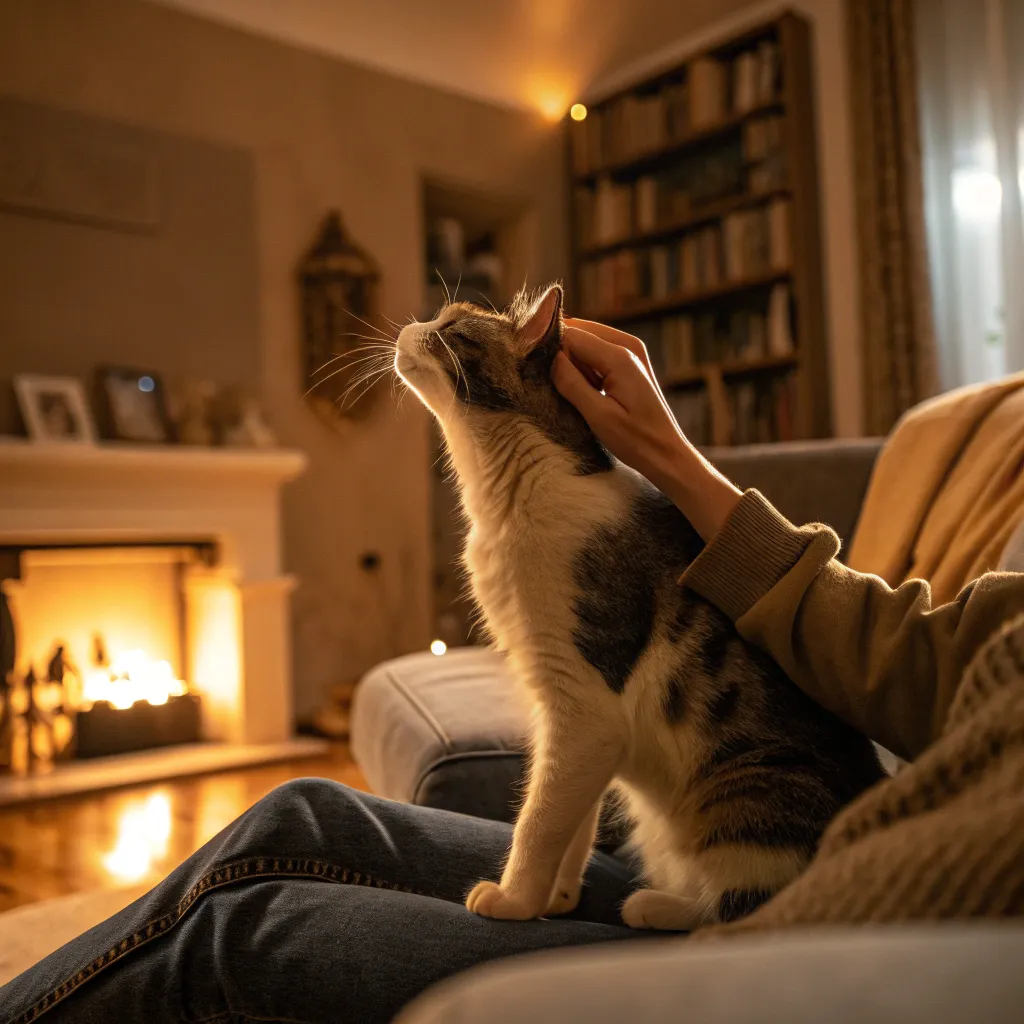
Wondering if your cat truly recognizes you? Look for these cat affection signs that show you’re more than just a food provider:
- Slow Blinking: A slow, deliberate blink is like a cat’s version of a warm smile, signaling trust and recognition.
- Head-Butting or Rubbing: When your cat rubs against you, they’re marking you with their scent, claiming you as part of their world.
- Purring or Kneading: These behaviors often mean your cat feels safe and connected to you.
- Following You Around: If your cat trails you from room to room, it’s a sign they’re attached and recognize you as their person.
- Vocal Cues: Meows, chirps, or trills directed at you show they’re communicating specifically with you, not just anyone.
These cat behavior patterns reveal the depth of the human-cat relationship, showing that your cat not only knows you but values your presence.
Do Cats Recognize Their Names?
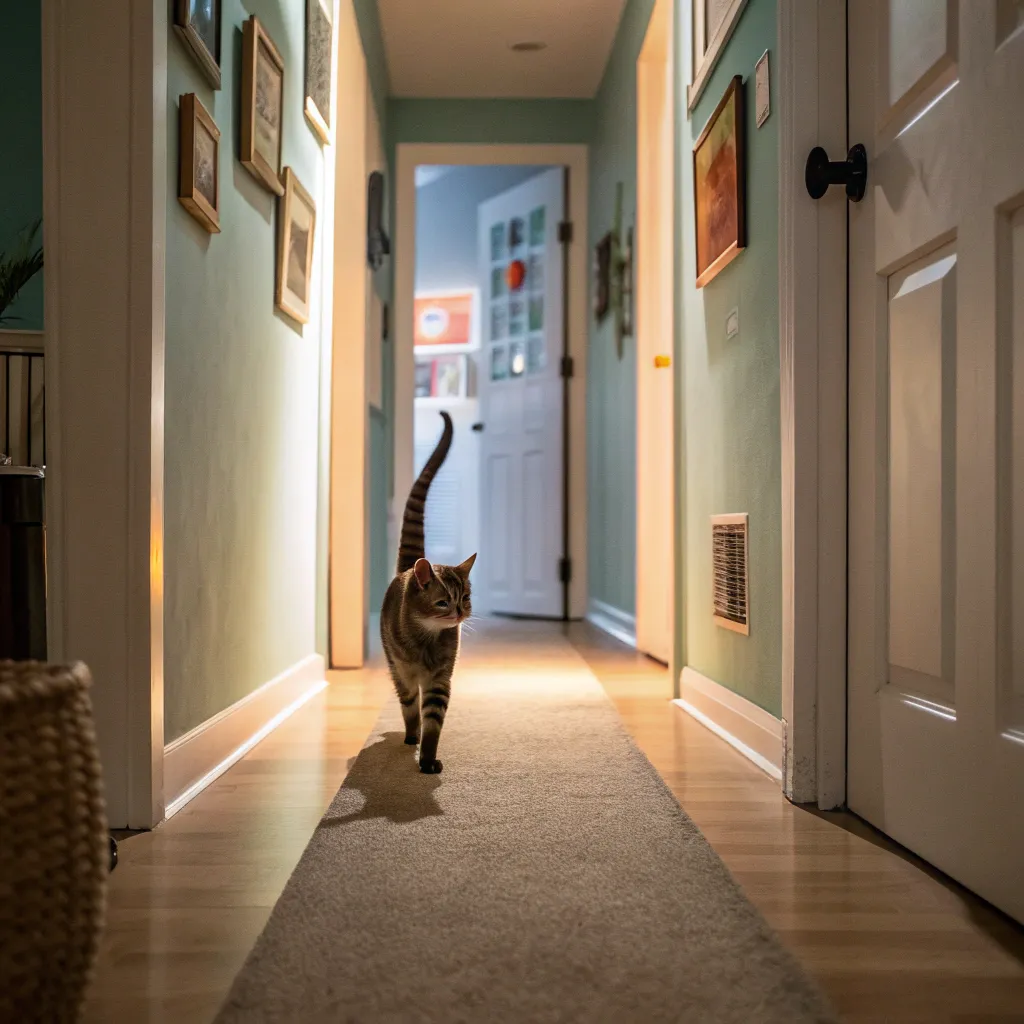
Cats are selective listeners, but research confirms many can recognize their names, especially when spoken by their owner. They may not come running like a dog, but a subtle ear twitch or glance your way shows they’re tuned in. This is part of cat communication, where they learn to associate their name with attention, food, or play. Try calling your cat’s name in a familiar tone, and you might notice a response that proves they know it’s them you’re addressing.
How Cats See Humans: A Unique Perspective
Ever wonder how cats see humans? To your cat, you’re likely a larger, non-hostile “cat” in their social circle. They don’t see you as a different species in the way we do. Instead, they treat you with the same social behaviors they use with other cats—like grooming, rubbing, or even bringing you “gifts” (yes, that dead mouse counts). This perspective strengthens the cat attachment to you, as they include you in their social and emotional world.
Cats and Other Family Members
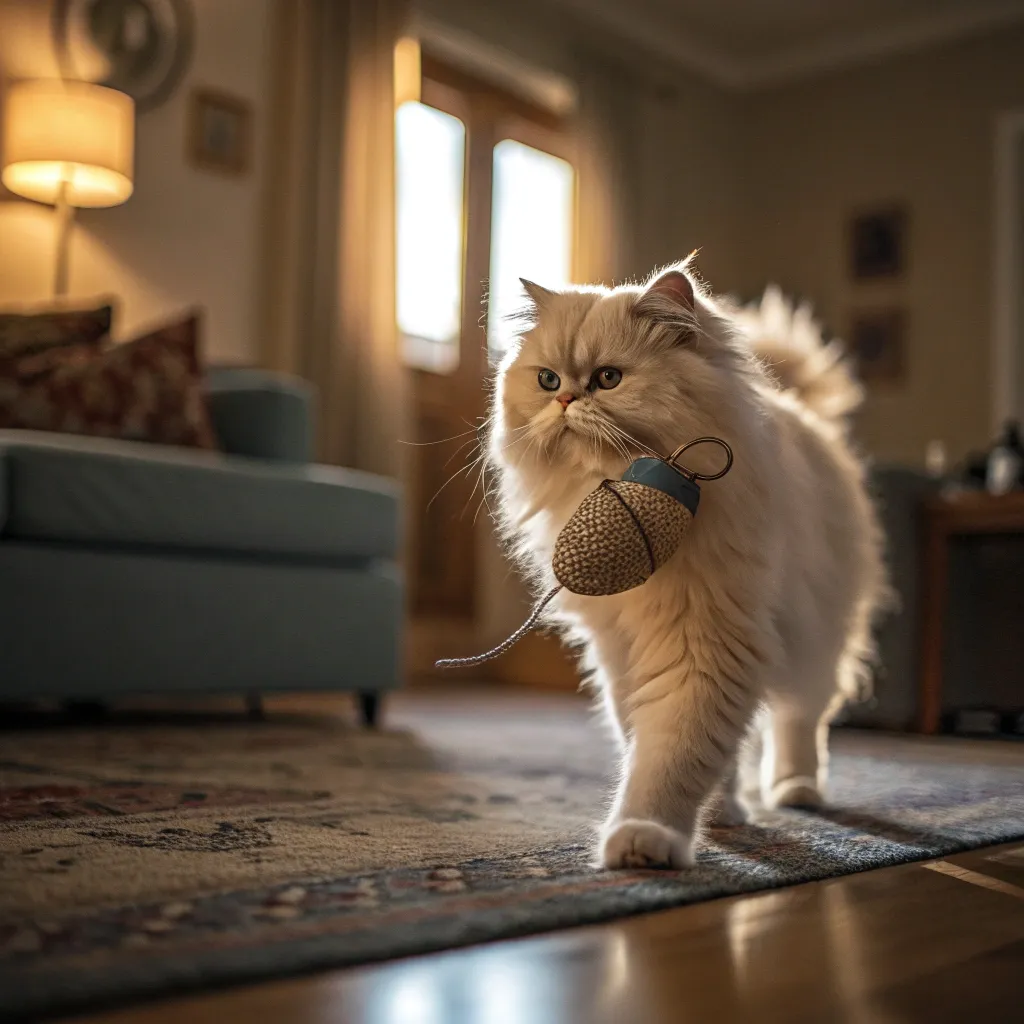
Cats don’t just recognize their primary owner—they can form bonds with other household members or even other cats. Their ability to distinguish between people depends on familiarity and interaction. A cat might greet one family member with a purr but ignore another, based on the strength of their bond. Similarly, cats recognize other cats they live with, using scent and visual cues to maintain their social hierarchy.
Strengthening Your Bond with Your Cat
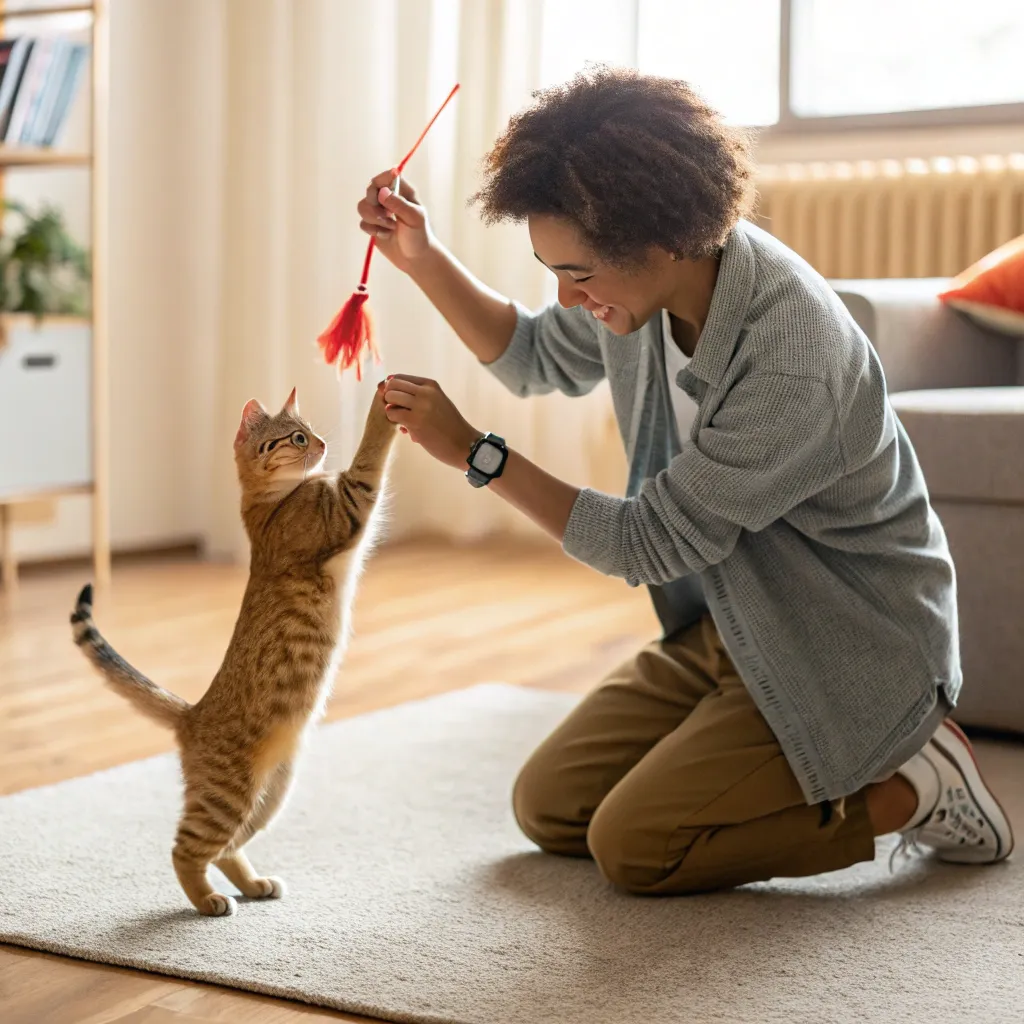
Building a stronger cat-human bond is all about consistency and understanding cat behavior. Spend quality time playing, offer treats sparingly to reinforce positive associations, and respect their need for space. Pay attention to their communication—those subtle tail flicks or vocalizations are their way of talking to you. Over time, these efforts deepen the emotional bond with cats, making it clear they know and trust you.
Conclusion
So, does your cat know who you are? Absolutely. Through feline recognition, powered by their sharp senses and memory, cats form deep, meaningful connections with their owners. From slow blinks to familiar meows, the signs are clear: your cat not only recognizes you but sees you as a vital part of their world. By nurturing the human-cat relationship, you can strengthen this bond, creating a companionship that’s as rewarding for you as it is for them.
Frequently Asked Questions
Does my cat know who I am?
Yes, your cat recognizes you through your scent, voice, and appearance, forming a unique bond based on trust and familiarity.
How do cats recognize their owners?
Cats use a mix of smell, sound, and visual cues to identify their owners, associating them with safety and care.
Can cats remember their owners?
Cats have short-term and long-term memory, allowing them to recall their owners even after long periods apart.
What are the signs my cat recognizes me?
Look for slow blinks, head-butting, purring, or following you around—these are clear signs of recognition and affection.
Do cats recognize their name?
Many cats learn to recognize their names, responding with subtle cues like ear twitches or glances when called.
How do cats see humans?
Cats likely view humans as larger, friendly “cats,” treating them with social behaviors like rubbing or grooming.