Why Does My Cat Sit Like a Human? Unraveling the Mystery Behind This Adorable Feline Quirk
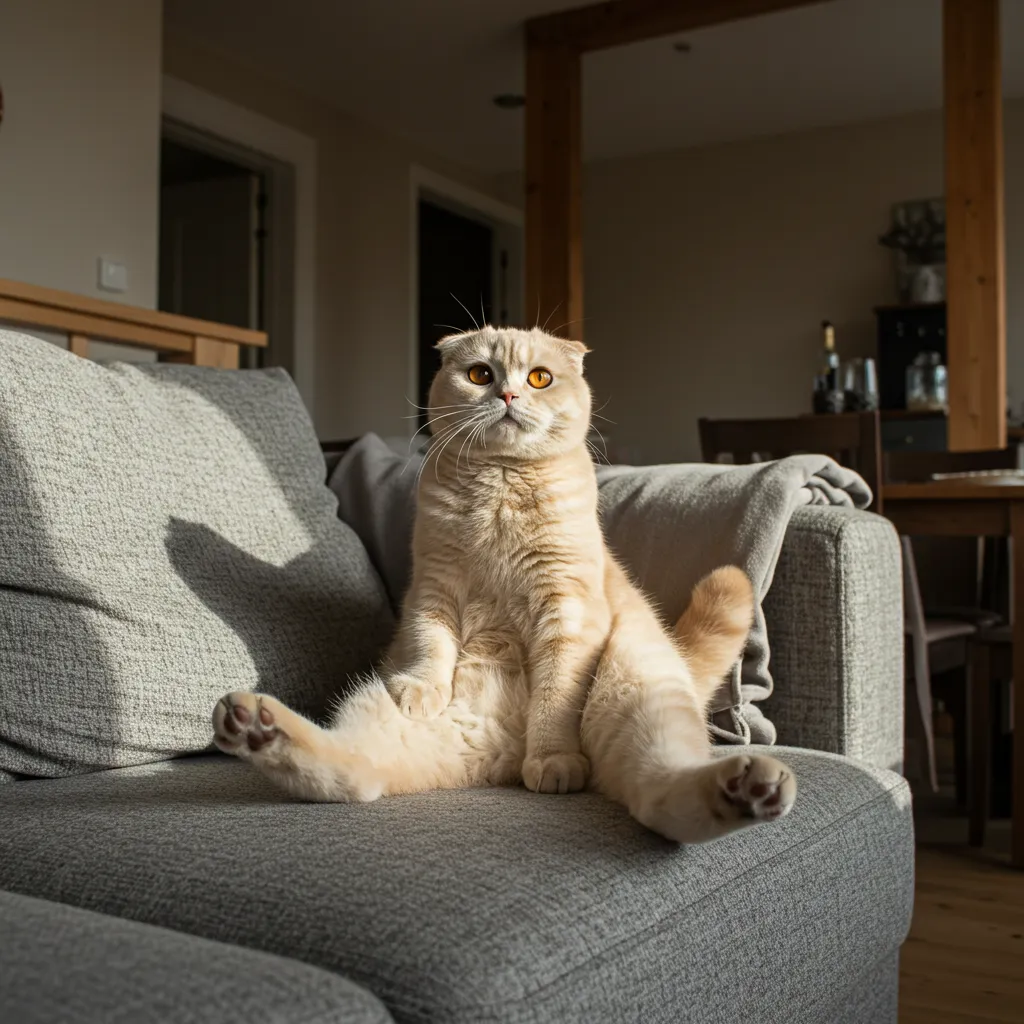
Picture this: You’re chilling on the couch after a long day, scrolling through your phone, when you glance over and spot your cat perched upright, legs splayed out like they’re binge-watching Netflix right alongside you. It’s equal parts hilarious and baffling why does my cat sit like a human?
If you’ve ever caught yourself giggling at these funny cat sitting positions or wondering if your furry friend is secretly plotting world domination from that oddly anthropomorphic pose, you’re not alone. Cat owners everywhere puzzle over this quirky behavior, searching for answers that go beyond the viral memes.
In this ultimate guide, we’ll dive deep into cat behavior explained, exploring everything from feline posture meaning to signs your cat trusts you. Drawing from expert insights, real-life examples, and the latest trends (hello, human-like cats TikTok trend), we’ll break it down step by step. By the end, you’ll not only understand why cats sit funny but also how to strengthen that special cat-human bond. Let’s get into it—your cat might just be trying to tell you something!
Decoding Cat Sitting Positions: What Do They Really Mean?
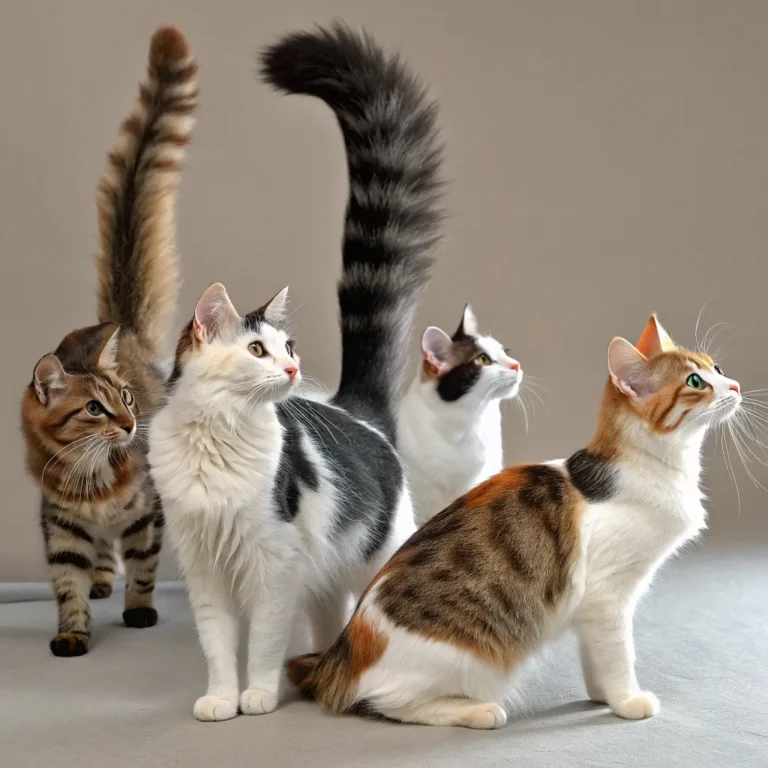
Cats are masters of non-verbal communication, and their sitting positions are like a secret code waiting to be cracked. Understanding cat behavior starts with recognizing that every posture has a purpose—whether it’s about relaxation, vigilance, or even affection. Cat sitting positions meaning can vary, but the upright, human-like stance often signals a mix of comfort and confidence.
Think about it: In the wild, cats’ ancestors had to stay alert for predators, so postures evolved for survival. Domestic cats carry this legacy, but in our cozy homes, they’ve adapted these positions for everyday life. For instance, the classic “loaf” position (tucked paws under body) means your cat is relaxed but ready to spring into action. But when they switch to sitting upright with legs extended? That’s where things get interesting.
Here’s a quick table breaking down common cat sitting positions and their meanings to help you interpret your pet’s body language:
| Position | Description | Likely Meaning |
|---|---|---|
| Upright like a human | Back straight, hind legs extended forward, front paws down | Comfort, trust, grooming ease, or mimicking human behavior |
| Loaf (paws tucked) | Body compact, tail wrapped around | Relaxed but alert; conserving heat |
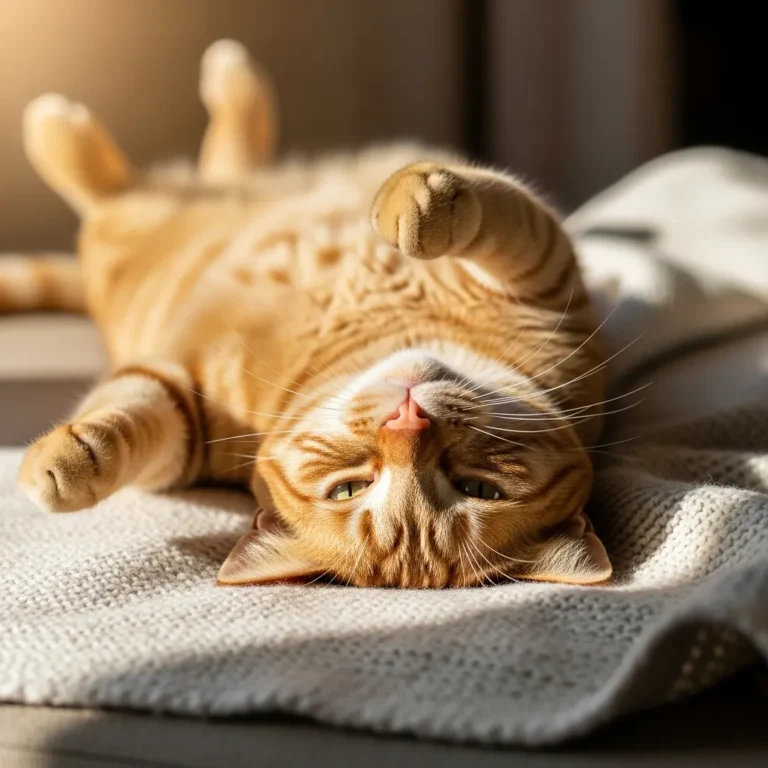
| Belly up | On back, exposing stomach | High trust and vulnerability; invitation for play (but beware the trap!) |
| Sphinx (front paws out) | Lying down with front legs extended | Observant and ready; hunting mode or mild curiosity |
| Curled ball | Tightly coiled, nose to tail | Deep sleep or seeking warmth; feeling secure |
These postures aren’t random— they’re part of normal cat habits and posture that reflect their mood and environment. If your cat frequently adopts human-like cat behavior, it could be a sign they’re feeling extra at home.
The Importance of Observing Cat Communication Cues
Paying attention to these cues isn’t just fun; it’s key to building a stronger cat-human bond. Cats use subtle signals like ear position, tail flicks, and eye contact to “talk” to us. For example, slow blinking while sitting upright? That’s feline for “I love you.” Ignoring these can lead to misunderstandings, like thinking an exposed belly is always an invite for rubs (spoiler: it’s often a trust test, not a tummy tickle request).
Real-life example: My friend’s tabby, Whiskers, started sitting like a human after they adopted a puppy. At first, they worried it was stress-related, but it turned out to be Whiskers asserting dominance—perched high on the couch arm, overseeing the chaos like a tiny king. Once they introduced more vertical spaces (like cat trees), the behavior balanced out, showing how environment influences feline posture meaning.
The Comfort Factor: Why Upright Sitting Feels So Good for Cats
One of the top reasons cats sit upright is pure, unadulterated comfort. Cats are flexible creatures with spines that allow for all sorts of contortions—think yoga masters on four legs. Sitting like a human lets them stretch muscles, relieve pressure on joints, and find that perfect spot where everything feels just right.
Cat comfort and relaxation habits play a big role here. In this position, gravity helps align their spine, making it easier to breathe or digest after a meal. It’s especially common in warmer weather or after playtime when they’re cooling down. Plus, if your cat’s a bit on the chubby side (no judgment—treats happen), this posture distributes weight evenly, avoiding strain on their belly.
Anatomical Reasons Behind Funny Cat Sitting Positions
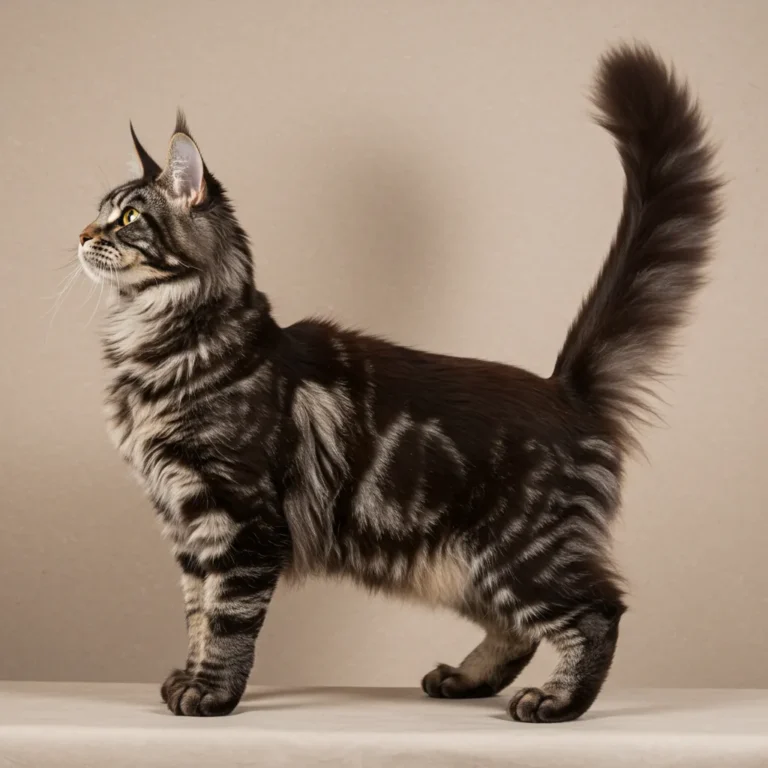
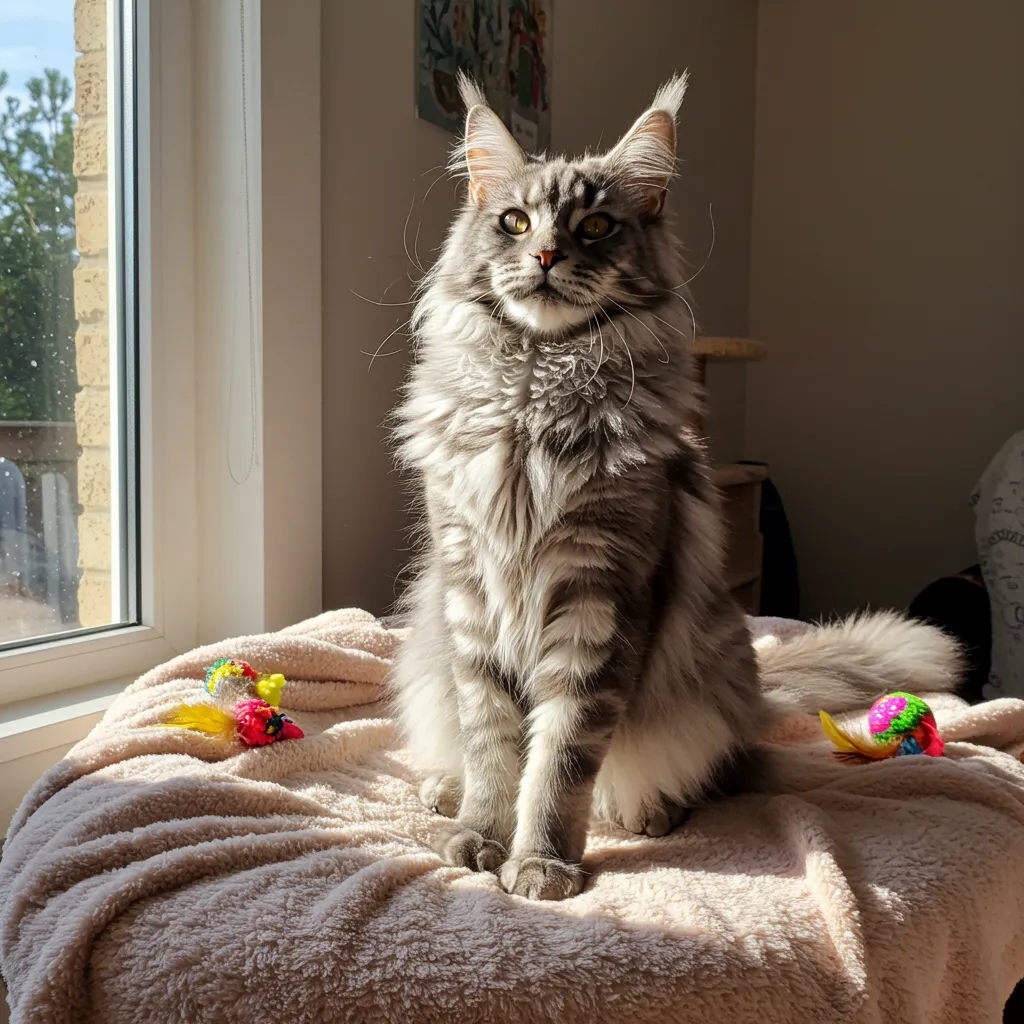
Let’s geek out on some cat anatomy. Cats have 30 vertebrae (humans have 33), giving them incredible flexibility. Their hind legs are built for jumping, but when relaxed, extending them forward in an upright sit allows for better blood flow and muscle recovery. Breeds like Scottish Folds or Maine Coons, with their sturdy builds, often favor this pose due to joint structure.
Tips to enhance comfort:
- Provide soft, elevated perches for sitting.
- Use orthopedic beds if your cat’s older.
- Monitor for arthritis—stiff sitting could signal joint issues.
If you’ve seen those cats sitting like humans meme compilations, you’ll notice many involve chunky cats chilling out. It’s not laziness; it’s smart body mechanics!
Trust and Vulnerability: A Clear Sign Your Cat Feels Safe With You
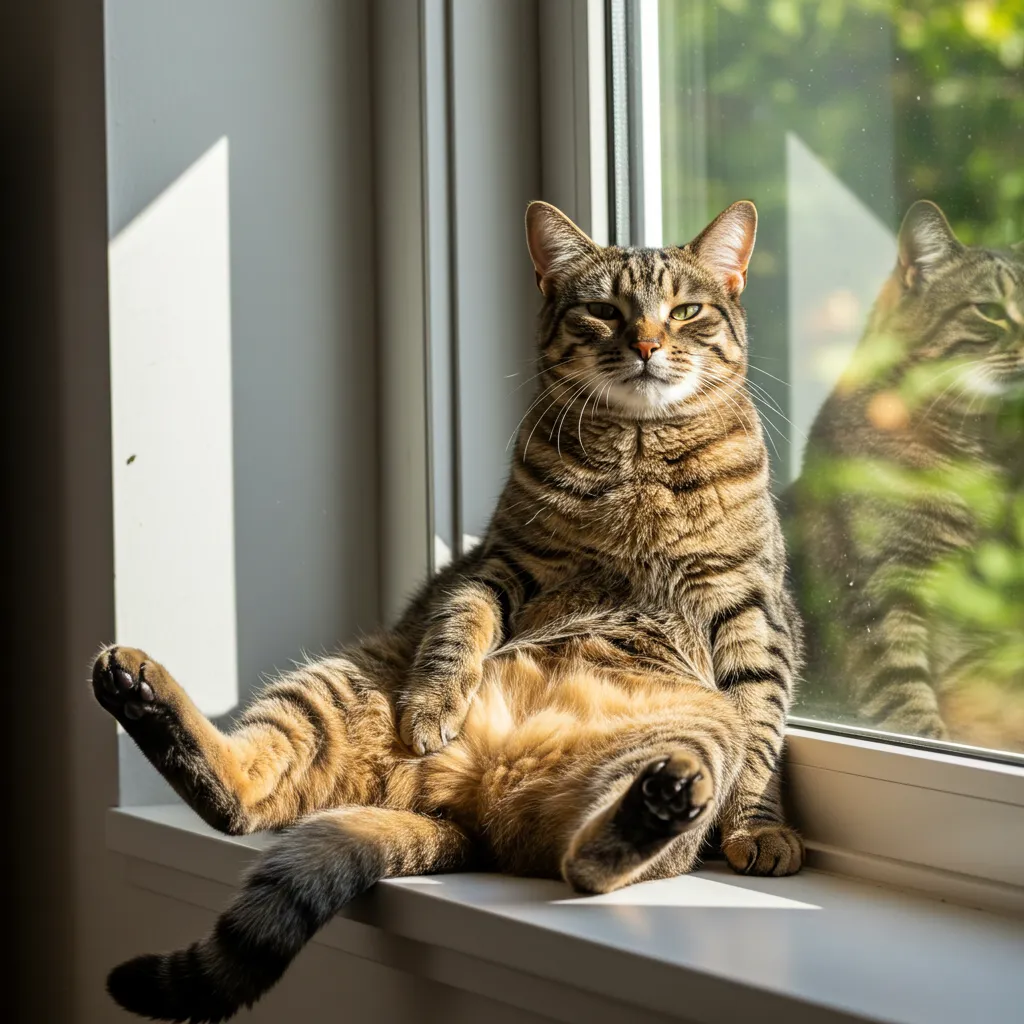
Ah, the heartwarming side of why cats act like humans: trust. When your cat sits upright and exposes their belly, it’s a massive compliment. In cat body language and trust, this vulnerability means they see you as non-threatening— a far cry from their wild instincts where showing the stomach could be deadly.
Signs your cat trusts you include this posture, especially if combined with purring or kneading. It’s their way of saying, “I’m relaxed around you.” This ties into the cat-human bond, where domesticated cats view us as family, not foes.
Cat Body Language Cues Indicating Deep Trust
Here’s a numbered list of trust signals to watch for:
- Slow blinking: Like a kitty kiss.
- Tail up greeting: Welcoming you home.
- Head bunting: Marking you as “theirs.”
- Exposed belly in upright sit: Ultimate vulnerability.
- Following you room to room: Shadowing shows attachment.
Real-life story: A reader shared how their rescue cat, initially skittish, began sitting like a human after months of gentle interaction. It was the first sign of trust, leading to a unbreakable bond.
Why Cats Expose Their Belly: Not Always an Invite for Pets
Why cats expose their belly? It’s often about temperature regulation or stretching, but in context, it’s trust. Pros: Builds affection. Cons: Misread it, and you might get a swipe—it’s a trap for the unprepared! Always approach slowly and read the room.
Grooming and Cooling Off: Practical Explanations for This Behavior
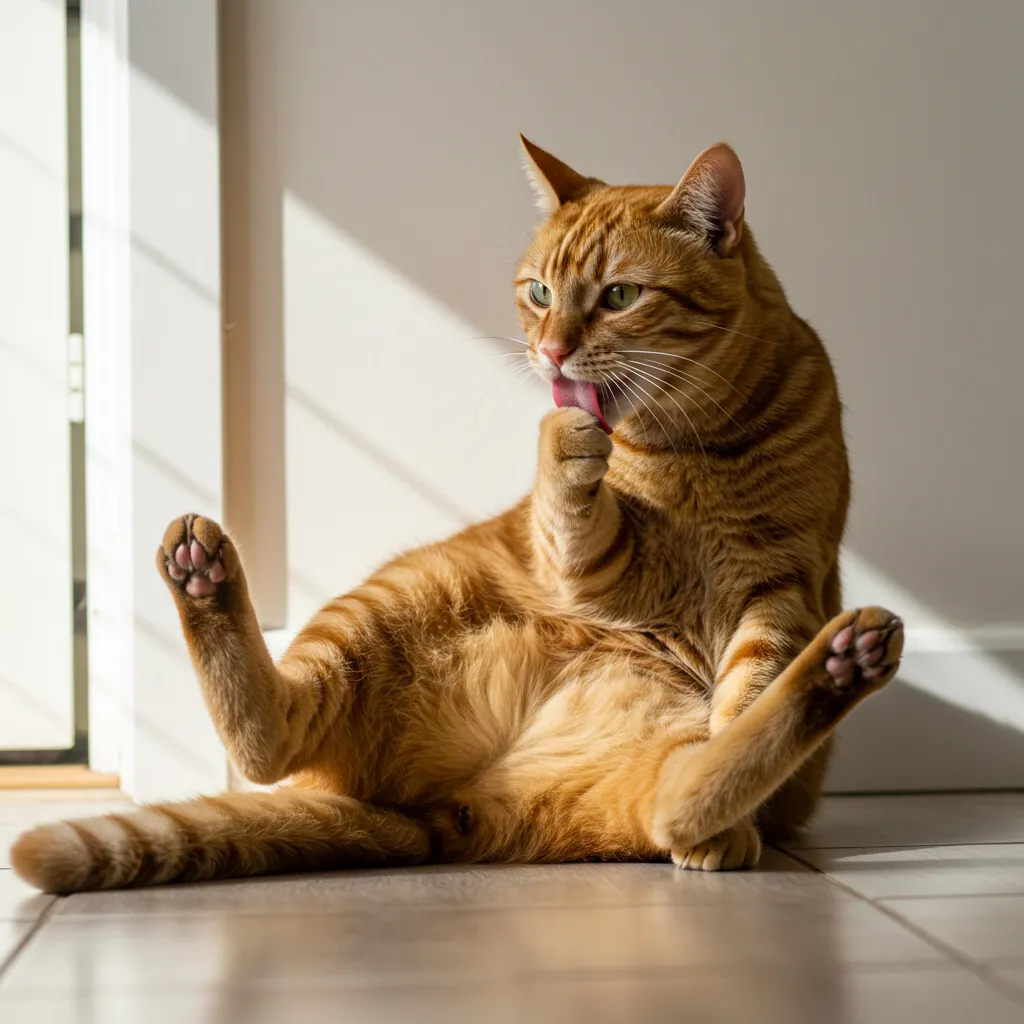
Beyond comfort, sitting upright aids in grooming. Cats are meticulous cleaners, and this position gives easy access to their belly and hindquarters. Feline posture meaning here is functional—think of it as their version of a spa day.
Cooling off is another factor. Cats sweat through paws, so spreading out helps dissipate heat. In hot climates, you’ll see more of this.
How Sitting Upright Enhances Grooming Efficiency
Step-by-step grooming process in this pose:
- Lick front paws for face cleaning.
- Twist to reach back and sides.
- Extend legs for belly access.
- Finish with tail grooming.
This efficiency explains why cats sit funny during self-care routines.
Temperature Regulation and Cat Comfort Behavior
Cats prefer 86-97°F, so upright sitting ventilates their underbelly. If your home’s warm, expect more of this. Tip: Provide cooling mats for summer relief.
Is It Normal? Addressing Concerns About Human-Like Cat Behavior
Absolutely, it’s normal! Most vets agree that cat sitting upright is harmless unless paired with limping, lethargy, or pain signs. Anthropomorphic behavior like this stems from domestication—cats adapting to our world.
Normal vs. Abnormal Cat Habits and Posture
Normal: Playful, varied positions.
Abnormal: Persistent hunching or avoidance—could indicate pain. Consult a vet if worried.
Breed-Specific Tendencies in Feline Postures
Scottish Folds often sit this way due to cartilage issues, but it’s cute and common. Maine Coons do it for size reasons.
Human-Like Cat Behavior: Are They Really Mimicking Us?
Why cats act like people? Observational learning! Cats watch us sit, lounge, and relax, then mimic to bond or claim space. Studies show cats mirror owner personalities—outgoing owners have bolder cats.
The Cat-Human Bond and Observational Learning
This mimicry strengthens ties. Encourage it with interactive play.
Trending Cats Sitting Like Humans on Social Media
The cats sitting like humans meme is everywhere! From TikTok trends to X posts, like this viral one: “Cats sitting like humans will never not be funny 🐱😂” Check out related posts for laughs.
Read more about funny cat behaviors in our guide to cat memes.
Conclusion: Embrace Your Cat’s Quirky Side and Strengthen Your Bond
So, why does my cat sit like a human? It’s a delightful blend of comfort, trust, grooming needs, and perhaps a dash of mimicry from watching you. From cat sitting positions meaning trust to those hilarious human-like cat behavior moments, this quirk highlights the deep cat-human bond we cherish. Remember, these are signs your cat trusts you and feels at home—celebrate it!
If this resonated, why not try observing your cat more closely or introducing new perches? Share your stories in the comments below—we’d love to hear about your furry friend’s antics. Subscribe for more cat behavior explained tips, and check out our related posts on understanding cat behavior. Your cat’s waiting for that next cuddle session—go make their day!
FAQ
Why do cats sit like humans?
Cats sit like humans for comfort, to groom easily, cool off, or show trust by exposing vulnerable areas. It’s a normal, relaxed posture in safe environments.
Is it normal for cats to sit like humans?
Yes, it’s completely normal and often seen in healthy, content cats. Only worry if accompanied by pain signs like limping.
What does it mean when a cat sits like a human?
It typically means relaxation, trust, or practical needs like grooming. It’s a positive sign in cat body language and trust.
Does sitting like a human indicate a health issue in cats?
Rarely—it’s usually harmless. But if it’s new and with other symptoms (e.g., stiffness), see a vet to rule out issues like arthritis.
Can cats cool off by sitting like humans?
Absolutely! This position helps dissipate heat through their belly and paws, part of cat comfort behavior.
Do cats mimic their owners’ behavior?
Yes, through observational learning. Cats may copy sitting styles to bond or adapt to human households.
Why do cats expose their stomachs when sitting like humans?
Exposing the belly signals high trust and vulnerability—it’s not always an invite for pets, but a sign they feel safe.