When Does a Cat Stop Being a Kitten? A Complete Guide to Kitten Growth Stages and the Transition to Adulthood

Imagine bringing home a tiny, fluffy kitten, all playful pounces and curious whisker twitches. Fast forward a few months, and that bundle of energy is leaping higher, acting bolder, and maybe even giving you a side-eye that screams “I’m grown now.”
As a cat parent, you might be wondering: when does a cat stop being a kitten? It’s a question that pops up whether you’re raising a spirited Bengal or a cuddly Ragdoll. The journey from kitten to adult cat is a whirlwind of growth spurts, behavioral shifts, and nutritional needs and understanding it can make all the difference for your feline friend’s health and happiness.
At Cat Bloom Haven, we’ve guided countless owners through this transition, drawing on vet insights and hands-on experience with breeds like Munchkins and Norwegian Forest Cats. The shift from kitten to adult isn’t just about age it’s about physical milestones, behavioral changes, and knowing when to tweak their diet or vet visits. In this in-depth guide, we’ll break down cat development stages, explore how long a cat is a kitten, and share practical tips to navigate the kitten-to-adult cat transition. From kitten growth stages to cat adolescence and adulthood, you’ll get a clear roadmap to support your cat’s journey, plus answers to burning questions like when to switch from kitten food to cat food and how big will my kitten get?
Here’s what you’ll learn:
- The kitten development timeline with month-by-month milestones.
- Key kitten physical and behavioral changes to watch for.
- How to spot signs your kitten is becoming an adult cat.
- Vet-backed advice for growth-related vet advice and kitten nutrition and diet changes.
- Breed-specific quirks, from Maine Coons to Siamese, with links to our detailed breed guides.
Let’s dive into the fascinating world of feline growth and maturity and help your kitten bloom into a thriving adult cat.
Key Takeaways: Your Cat’s Journey to Adulthood
- Kittenhood Ends Around 1 Year: Most cats transition to adulthood between 10–12 months, though large breeds like Maine Coons may take up to 2 years.
- Growth Stages: Kittens progress through neonatal (0–2 weeks), socialization (2–8 weeks), juvenile (2–6 months), and adolescence (6–12 months).
- Behavioral Shifts: Adolescent cat behavior includes increased independence, territorial marking, or calmer play.
- Nutrition Switch: Transition to adult cat food around 12 months, tailored to breed and size.
- Vet Checks: Regular visits catch growth-related issues like dental problems or obesity early.
Understanding Kitten Growth Stages: From Tiny Paws to Confident Cats
Cats grow at a remarkable pace, hitting milestones that shape their bodies and personalities. The kitten development timeline is broken into distinct phases, each with unique needs. Here’s a detailed look at cat development stages to help you know what to expect.
Neonatal Stage (0–2 Weeks): Fragile Beginnings
Newborn kittens are tiny, weighing just 3–4 ounces, with closed eyes and ears. They rely entirely on their mother for warmth, milk, and stimulation to eliminate waste.
- Key Milestones:
- When kittens open their eyes: Around 7–14 days, vision develops, revealing those adorable blue peepers (all kittens start with blue eyes!).
- Reflexes emerge: Suckling and rooting for milk dominate.
- Sleep dominates: Kittens spend 90% of their time sleeping.
- Care Tips: If hand-raising, use kitten formula (never cow’s milk) and maintain a warm environment (80–85°F). Explore our kitten nutrition guide for feeding tips.
- Vet Note: Weakness or failure to gain weight signals urgent vet attention, per 2025 ASPCA guidelines.
Socialization Stage (2–8 Weeks): The Playful Foundation
From 2 weeks, kittens become mini explorers. This is the critical window for socialization, shaping their trust in humans and other pets.
- Key Milestones:
- Kitten physical and behavioral changes: By 3 weeks, they wobble-walk and start litter training. By 5 weeks, they pounce and play-fight.
- Baby teeth erupt (6–8 weeks), signaling weaning onto soft food.
- Social bonds form: Interaction with littermates and humans builds confidence.
- Care Tips: Handle gently to build trust. Introduce safe toys like feather wands. For breed-specific tips, see our Munchkin cat care guide.
- Pro Tip: Expose kittens to varied sounds and gentle handling to prevent fearfulness, as noted in Cornell’s Feline Health Center.
Juvenile Stage (2–6 Months): Growth Spurts and Playful Chaos
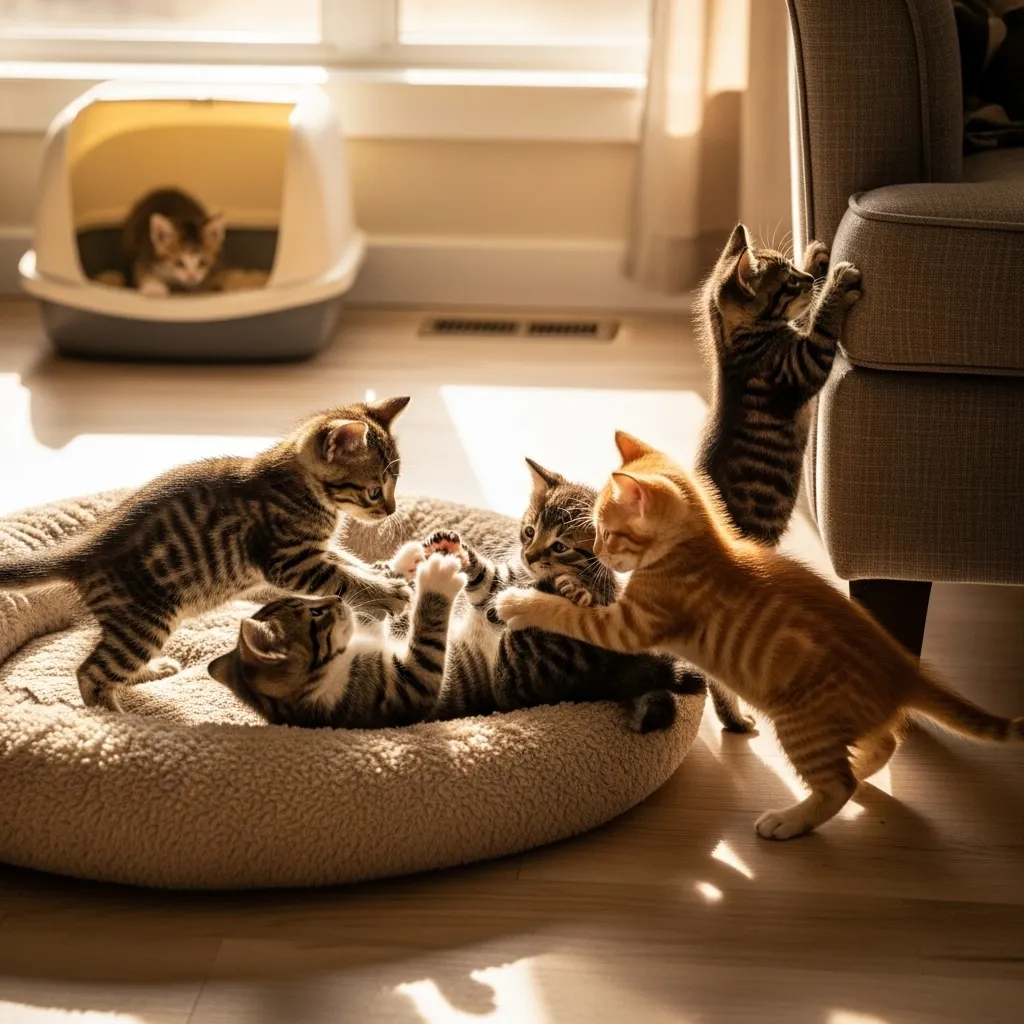
This is the kitten growth spurt phase, where your cat doubles in size and energy. Expect non-stop zoomies and climbing adventures.
- Key Milestones:
- Rapid weight gain: Kittens gain 1–2 pounds per month, depending on breed (e.g., Maine Coons grow faster; see Maine Coon cat guide).
- Permanent teeth emerge (3–4 months), replacing baby teeth.
- Kitten playfulness and maturity: Play mimics hunting, sharpening coordination.
- Care Tips: Provide high-protein kitten food (30–40% protein, per AAFCO standards). Spay/neuter by 5–6 months to curb cat puberty behavior like spraying. Check our spaying a cat guide.
- Vet Note: Dental checkups are key to catch misaligned teeth, common in Siamese (see Siamese cat breed guide).
Adolescent Stage (6–12 Months): The Awkward Teen Phase
Cat adolescence and adulthood begins here, with adolescent cat behavior like testing boundaries or sudden independence. This is when you might wonder, when is a cat fully grown?
- Key Milestones:
- Sexual maturity: Unneutered cats may mark territory or yowl (see male cat neutering changes).
- Growth slows: Most cats reach 80–90% of adult size by 9 months.
- Signs your kitten is becoming an adult cat: Less chaotic play, longer naps, and a sleeker physique.
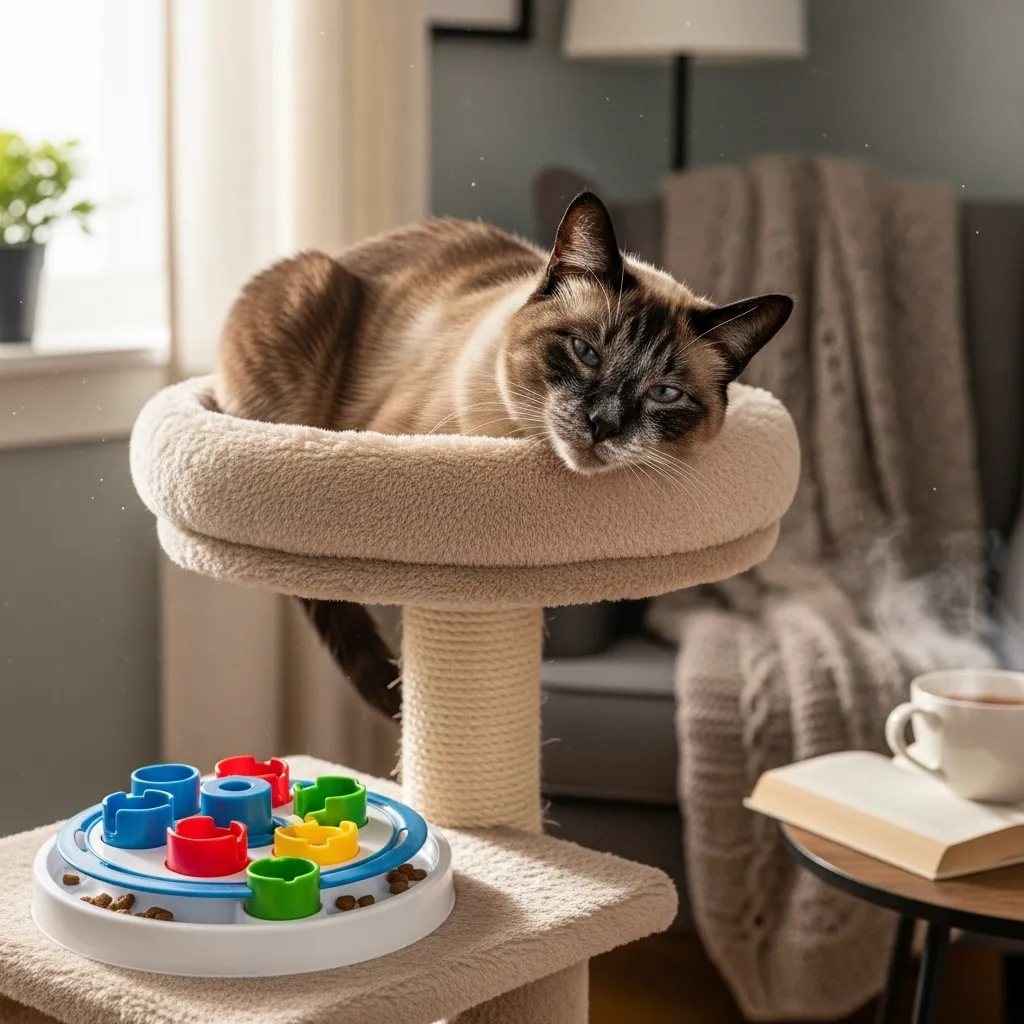
- Care Tips: Enrich with puzzle feeders to channel energy. Monitor for cat behavior changes with age, like hiding, which may signal stress (see cat stress signs).
- Real Example: My rescue Bengal hit adolescence at 7 months, swapping kitten cuddles for bold leaps. A scratching post and routine playtime curbed his furniture attacks (see Bengal cat personality).
When Does a Cat Stop Being a Kitten? Defining the Transition
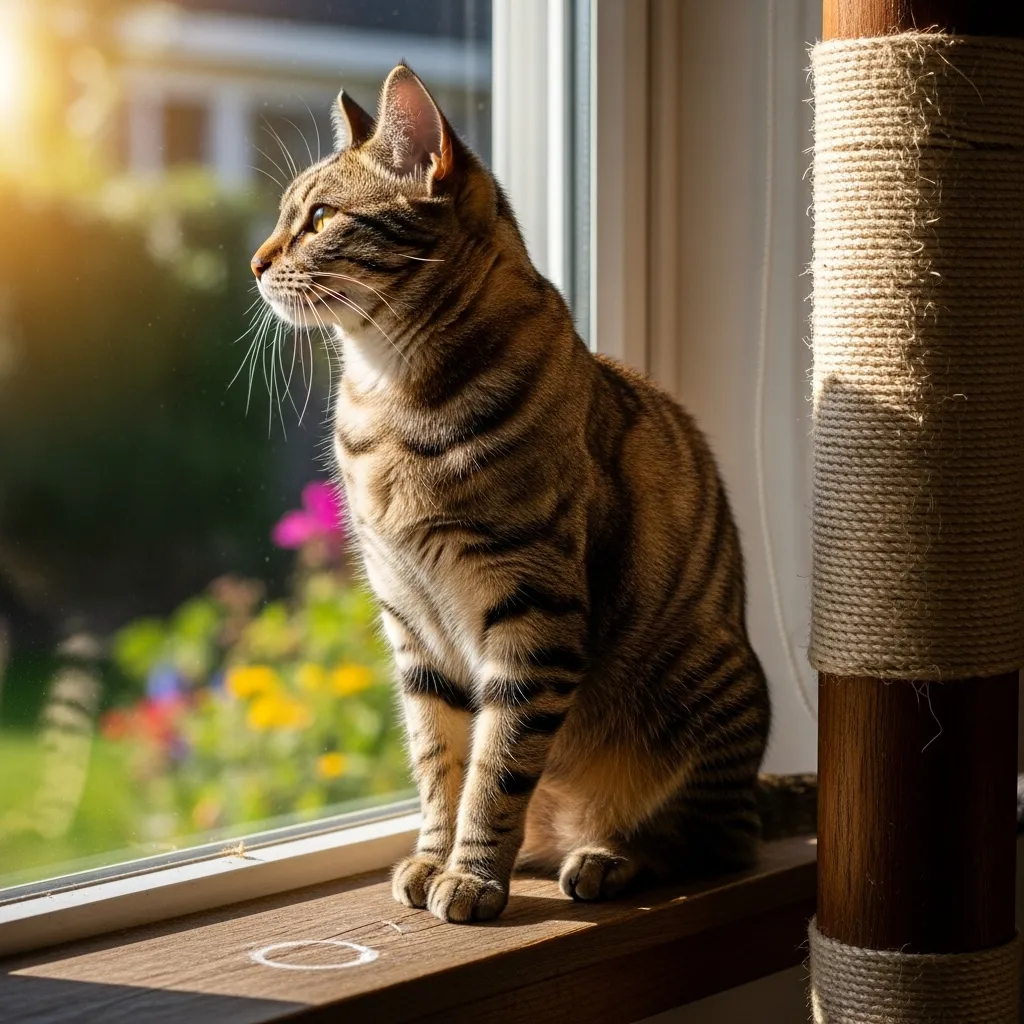
So, how long is a cat a kitten? Most cats are considered adults at 12 months, though feline growth and maturity varies by breed and individual. Smaller breeds like Munchkins mature faster, while giants like Norwegian Forest Cats may not be fully grown until 2–3 years (see Norwegian Forest cat size guide).
- Physical Signs of Adulthood:
- Full adult weight: Typically 6–12 pounds for average breeds, up to 20+ for Maine Coons.
- Stable body proportions: Kittens’ oversized heads and paws balance out.
- Coat changes: Kitten fuzz gives way to a glossy adult coat.
- Behavioral Signs:
- Kitten playfulness and maturity: Play shifts from frantic to strategic, mimicking adult hunting.
- Increased independence: Less clinginess, more territorial confidence.
- Cat puberty behavior: Hormonal shifts in unneutered cats lead to marking or roaming.
- Vet Insight: A 2025 PetMD study notes 90% of cats hit adulthood by 12 months, but emotional maturity may lag until 18 months, especially in vocal Siamese (see Siamese cat behavior guide).
Action Step: Track your cat’s weight and behavior monthly. Use our cat age chart below for a visual guide.
Cat Development Month by Month: A Kitten Age Chart
To make cat development stages clear, here’s a kitten age chart mapping growth milestones and care needs:
| Age | Stage | Physical Milestones | Behavioral Milestones | Care Needs |
|---|---|---|---|---|
| 0–2 weeks | Neonatal | Eyes open (7–14 days), 3–4 oz weight | Sleeps 90%, suckles | Warmth, formula if orphaned |
| 2–8 weeks | Socialization | Walking (3 weeks), baby teeth (6 weeks) | Playful, litter training | Socialization, soft food |
| 2–6 months | Juvenile | Permanent teeth (3–4 months), 1–2 lbs/month | Zoomies, hunting play | High-protein food, spay/neuter |
| 6–12 months | Adolescent | 80–90% adult size, sexual maturity | Independence, calmer play | Puzzle toys, vet dental checks |
| 12+ months | Adult | Full size (breed-dependent), glossy coat | Strategic play, territorial | Adult food, regular vet visits |
Pro Tip: For breed-specific growth, check our guides on Ragdoll cat weight or Norwegian Forest cat weight.
Nutritional Considerations: Transitioning to Adult Cat Food
One of the biggest questions during the kitten-to-cat transition is when to switch from kitten food to cat food. Kitten food is calorie-dense to fuel rapid growth, but adult food balances energy for maintenance.
- When to Transition: Start at 10–12 months for most cats, earlier (8–10 months) for small breeds like Munchkins, later (12–18 months) for Maine Coons. Gradual mixing over 7–10 days prevents digestive upset.
- Why It Matters: Kitten food’s high fat (15–20%) can lead to obesity in adults, per AAFCO 2025 guidelines. Adult food supports lean muscle (30% protein, 9–12% fat).
- Choosing the Right Food:
- Wet food for hydration: Ideal for breeds prone to urinary issues, like Munchkins (see Munchkin cat urinary issues).
- Breed-specific needs: Persians need hairball control; explore best wet cat food.
- Avoid fillers: Look for meat-first ingredients, no corn or wheat.
- Real Example: My Ragdoll transitioned at 11 months to a salmon-based adult food, reducing her tummy troubles (see Ragdoll cat care guide).
Action Step: Consult your vet for a tailored kitten nutrition and diet changes plan. Our cat food nutrition guide has more tips.
Behavioral Shifts: From Kitten Chaos to Adult Confidence
Cat behavior changes with age are a hallmark of the kitten-to-adult cat transition. Adolescence (6–12 months) is like the teenage years—expect attitude, boundary-pushing, and bursts of energy.
- Common Behaviors:
- Adolescent cat behavior: Scratching, marking, or vocalizing (especially in Siamese; see Siamese cat hiding behavior).
- Kitten playfulness and maturity: Play becomes less erratic, more focused on stalking or pouncing.
- Territorial instincts: Cats may rub or mark to claim space.
- Managing the Transition:
- Enrichment: Puzzle feeders and cat trees curb boredom. Try our keep Siamese cats entertained guide.
- Training: Redirect scratching to posts (see stop cats scratching furniture).
- Stress relief: Feliway diffusers calm anxious adolescents, per 2025 vet studies.
- Pro Tip: Journal your cat’s behavior to spot patterns. Sudden aggression may signal health issues (see how to calm an angry cat).
Breed-Specific Growth: How Big Will My Kitten Get?
How big will my kitten get? depends on breed, genetics, and nutrition. Here’s a quick guide:
- Small Breeds (Munchkin, Siamese): 5–9 pounds, mature by 10–12 months. See Munchkin cat breed.
- Medium Breeds (American Shorthair, Bengal): 8–12 pounds, mature by 12–14 months. See American Shorthair guide.
- Large Breeds (Maine Coon, Norwegian Forest Cat): 12–20+ pounds, mature by 2–3 years. See Norwegian Forest cat size.
Vet Tip: Monitor weight monthly to catch obesity early, especially in Ragdolls (see Ragdoll cat obesity guide).
Growth-Related Vet Advice: When to Check In
Regular vet visits are crucial during kitten growth stages. Growth-related vet advice includes:
- Checkup Schedule: Every 3–4 weeks until 4 months, then biannually until 1 year (see cat vet visit schedule).
- Red Flags:
- Stunted growth: May signal parasites or poor nutrition (see worms in cats).
- Lethargy or aggression: Could indicate dental pain or hormonal issues.
- Urinary issues: Common in adolescents, especially Munchkins (see cat urinary health).
- Spay/Neuter Timing: By 5–6 months to prevent cat puberty behavior like spraying (see not neutering cat risks).
Action Step: Book a vet visit if growth stalls or behavior shifts suddenly. Our finding the best vet guide helps you choose a feline specialist.
FAQ: Quick Answers to Kitten Growth Questions
How long is a cat a kitten?
Most cats are kittens until 12 months, though large breeds like Maine Coons may take 2–3 years to fully mature.
When do kittens open their eyes?
Kittens open their eyes between 7–14 days, starting to explore by 3 weeks.
What are the stages of cat development?
Neonatal (0–2 weeks), socialization (2–8 weeks), juvenile (2–6 months), adolescent (6–12 months), and adult (12+ months).
When does a cat stop being a kitten?
A cat is typically an adult by 12 months, marked by full size, stable behavior, and sexual maturity.
When to switch from kitten food to cat food?
Transition at 10–12 months, mixing adult food gradually over 7–10 days to avoid digestive issues.
How can you tell a kitten is becoming an adult cat?
Look for calmer play, a sleeker coat, full adult weight, and increased independence.
What is a cat’s age in human years?
A 1-year-old cat is roughly 15 human years; each additional year adds about 4–5 human years (see cat age chart).
How big will my kitten get?
Depends on breed: Munchkins (5–9 lbs), American Shorthairs (8–12 lbs), Maine Coons (12–20+ lbs).
When should I consult a vet for growth concerns?
If your kitten shows stunted growth, lethargy, or sudden behavior changes, see a vet promptly.
Conclusion: Guiding Your Kitten to a Healthy Adulthood
The journey from kitten to adult cat is a magical, sometimes chaotic ride filled with growth spurts, playful antics, and subtle shifts toward maturity. By understanding when does a cat stop being a kitten—typically around 12 months you can support your feline friend through each cat development stage with confidence. From ensuring proper kitten nutrition and diet changes to watching for signs your kitten is becoming an adult cat, you’re now equipped with vet-backed insights and practical tips to make the kitten-to-adult cat transition smooth.
Whether you’re raising a curious Siamese or a majestic Maine Coon, keep their unique needs in mind—check our breed guides for tailored advice, like Bengal cat introduction tips or Ragdoll cat care guide. Regular vet visits, a balanced diet, and plenty of enrichment will ensure your cat blooms into a healthy, happy adult.
Ready to dive deeper into feline care? Explore more expert tips at Cat Bloom Haven—from cat health care to cat behavior and development guides. Share your kitten’s growth story in the comments, and let’s keep the purrs coming!