Bengal Cat Introduction: Tips for a Smooth Transition to Your Family

Bringing a Bengal cat into your home is an exciting adventure. Known for their striking, leopard-like coats and energetic personalities, Bengal cats are a unique breed that requires thoughtful preparation and care. This article covers everything you need to know about Bengal cat introduction, Bengal cat tips, introducing a Bengal cat to family, Bengal cat care, and Bengal cat behavior to ensure a seamless transition for your new feline friend.
Key Takeaways
- Prepare your home with essential supplies and a safe space for your Bengal cat.
- Introduce your Bengal cat to family members gradually to build trust.
- Understand Bengal cat behavior to create a calm and engaging environment.
- Establish routines for proper Bengal cat care and long-term adjustment.
Understanding Bengal Cat Behavior
Bengal cats are a high-energy, intelligent, and curious breed with a playful streak. Their behavior often mirrors their wild ancestry, making them more active and vocal than many other breeds. Understanding Bengal cat behavior is crucial for a successful introduction:
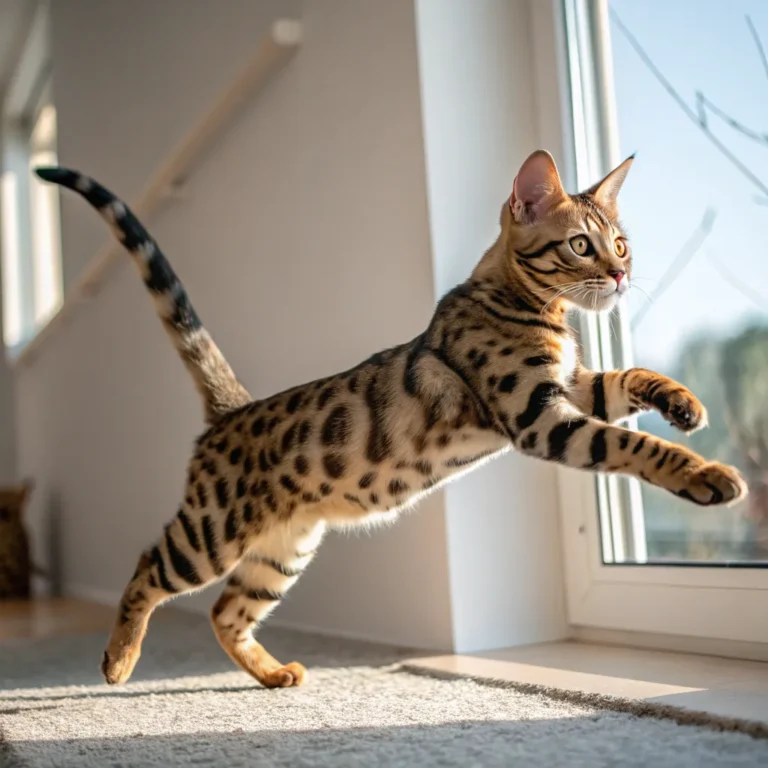
- Playful and Energetic: Bengals love interactive toys, climbing, and exploring. They thrive in environments that stimulate their minds and bodies.
- Social yet Independent: While Bengals bond closely with their owners, they also value their independence, requiring a balance of attention and space.
- Vocal Communicators: Expect chirps, meows, and even “conversations” as your Bengal expresses curiosity or demands attention.

By recognizing these traits, you can tailor your home and interactions to suit your Bengal’s needs, setting the stage for a smooth introduction.
Preparing Your Home for a Bengal Cat
Before bringing your Bengal home, preparation is key to ensure their comfort and safety. Here are essential Bengal cat tips for setting up your space:
Kitten-Proofing Your Home
Bengals are curious explorers, so secure potential hazards:
- Hide electrical cords and remove toxic plants (e.g., lilies, aloe).
- Store small objects that could be swallowed.
- Install window screens to prevent escapes during high-energy play.
Creating a Safe Haven
Set up a quiet, cozy room for your Bengal’s initial adjustment:
- Include a comfortable bed, litter box, and water bowl.
- Add a scratching post and a few toys to keep them engaged.
- Ensure the room is free from loud noises or sudden disruptions.
Essential Supplies Checklist
Stock up on these must-haves for Bengal cat care:
- High-quality, protein-rich cat food (wet and dry).
- Litter box with clumping litter (Bengals prefer clean spaces).
- Interactive toys like feather wands or laser pointers.
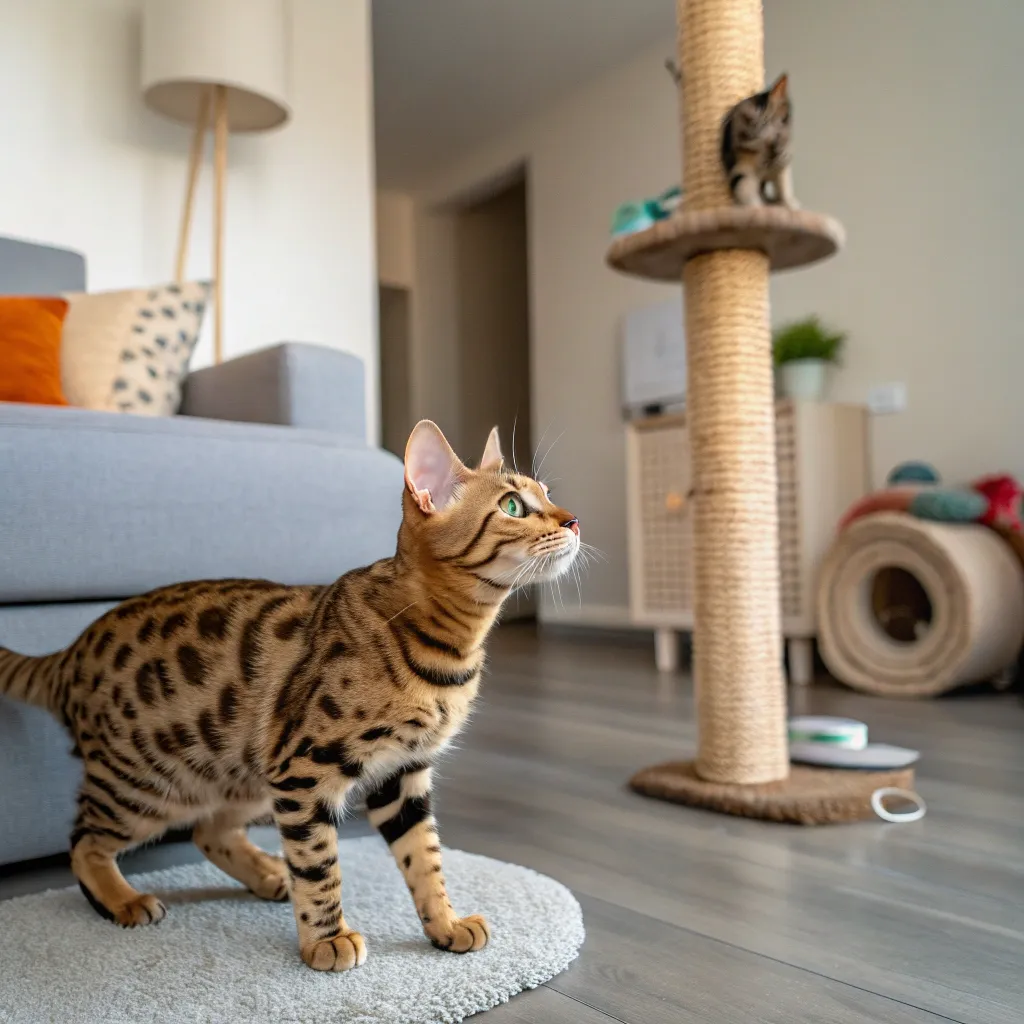
- A sturdy cat tree for climbing and scratching.
- Grooming tools for their short, dense coat.
Introducing Your Bengal Cat to Family
Introducing a Bengal cat to family requires patience to avoid overwhelming your new pet. Follow these steps to foster trust and positive interactions.

Creating a Calm Environment
Bengals are sensitive to chaos, so maintain a peaceful atmosphere:
- Keep noise levels low (avoid loud music or shouting).
- Limit visitors during the first week to reduce stress.
- Use calming pheromone diffusers if needed.
Building Trust with Positive First Impressions
Start with one family member at a time:
- Sit quietly in the Bengal’s safe room, letting them approach you.
- Offer treats or play with a toy to create positive associations.
- Avoid sudden movements or forcing affection.
Interactive Play and Bonding
Engage your Bengal with play to build trust:
- Use toys that mimic hunting, like feather wands or balls.
- Spend 15–20 minutes daily on interactive play to strengthen your bond.
- Observe their body language to avoid overstimulation.
Transitioning to the Main Living Area
Once your Bengal is comfortable in their safe room, gradually introduce them to the rest of your home:
Small Trips Outside the Room
- Open the door to let them explore at their own pace.
- Supervise their first ventures to prevent hiding or stress.
- Place familiar items (like their bed or toys) in new areas.
Monitoring Reactions
Watch for signs of stress, such as hiding or hissing, and slow the process if needed. Reward calm behavior with treats or praise to reinforce confidence.
Socializing with Children and Other Pets
Introducing a Bengal cat to family members like children or other pets requires extra care:
Introducing to Children
- Teach kids to approach gently, avoiding loud noises or sudden grabs.
- Supervise interactions to ensure the Bengal feels safe.
- Encourage children to play with toys rather than hands to prevent scratches.
Introducing to Other Pets
- Start with scent swapping (e.g., swapping bedding between pets).
- Allow brief, supervised meetings in a neutral space.
- Be patient, as Bengals may take weeks to accept other animals.
Bengal Cat Care: Establishing Routines
Consistent routines are vital for Bengal cat care and long-term adjustment:
- Feeding Schedule: Offer meals at the same times daily to create predictability.
- Litter Box Maintenance: Scoop daily and clean weekly to meet their hygiene standards.
- Exercise and Enrichment: Provide daily play sessions and puzzle feeders to keep them mentally stimulated.
- Grooming: Brush weekly to maintain their glossy coat and check for skin issues.

Ensuring a Smooth Adjustment Period
The adjustment period for a Bengal cat typically lasts 2–6 weeks, depending on their personality and environment. To support this:
- Monitor their eating, litter box habits, and behavior for signs of stress.
- Gradually increase their exposure to new areas and people.
- Consult a vet if you notice prolonged anxiety or health changes.
Conclusion
Introducing a Bengal cat to your family is a rewarding journey when done thoughtfully. By understanding Bengal cat behavior, preparing your home, and following Bengal cat tips for introductions and care, you’ll create a welcoming environment for your new feline companion. With patience and consistency, your Bengal will thrive, bringing energy and joy to your household.
FAQ
What are the best Bengal cat introduction tips?
Start with a quiet safe room, introduce family members gradually, and use play to build trust.
How should I prepare my home for a Bengal cat?
Kitten-proof your space, set up a cozy room, and gather essential supplies like food, toys, and a cat tree.
What is included in the essential supplies checklist for a Bengal cat?
High-quality food, litter box, interactive toys, a cat tree, and grooming tools.
Why is a calm environment important for a Bengal cat?
Bengals are sensitive to stress, and a calm setting helps them adjust without feeling overwhelmed.
How can I build trust with my Bengal cat?
Spend time in their space, offer treats, and engage in interactive play without forcing interaction.
How do I safely transition my Bengal cat to the main living area?
Allow short, supervised explorations, monitor reactions, and place familiar items in new areas.
How do I introduce my Bengal cat to new family members?
Introduce one person at a time, using calm interactions and positive reinforcement like treats or play.
What should I consider when introducing my Bengal cat to children and other pets?
Supervise interactions, teach gentle handling, and use scent swapping for pets to ease introductions.
Why are routines important for Bengal cat care?
Routines provide stability, reducing stress and helping Bengals feel secure in their new home.
How long does the adjustment period for a Bengal cat typically last?
Adjustment typically takes 2–6 weeks, depending on the cat’s personality and environment.