Purr-fect Grub: Best Foods for a Senior Bengal Cat
As your Bengal cat enters their golden years—typically around age 7 or older—their energy levels may dip, but their spirit remains as wild and playful as ever. A tailored senior Bengal cat diet is essential to support their unique needs, from maintaining that sleek, spotted coat to keeping their athletic build lean and strong. In this Bengal cat food guide, we’ll explore the best foods for senior Bengal cats, focusing on healthy food for Bengal cats that promotes vitality, joint health, and digestive ease. Drawing from veterinary insights, we’ll cover nutrition for senior Bengal cats to help your feline thrive.
Key Takeaways
- Prioritize high-quality protein: Senior Bengals need digestible animal proteins like chicken, turkey, and fish to preserve muscle mass and support heart health.
- Opt for moisture-rich options: Wet foods aid hydration and kidney function, crucial for aging Bengals prone to urinary issues.
- Balance wet and dry: A mix supports dental health while preventing obesity—key for active breeds like Bengals.
- Avoid fillers and irritants: Steer clear of grains, artificial additives, and excess phosphorus to minimize digestive upset and chronic conditions.
- Consult your vet: Individual needs vary; regular check-ups ensure the right calorie intake (around 25-35 kcal per pound of body weight daily).
Understanding the Nutritional Needs of Senior Bengal Cats
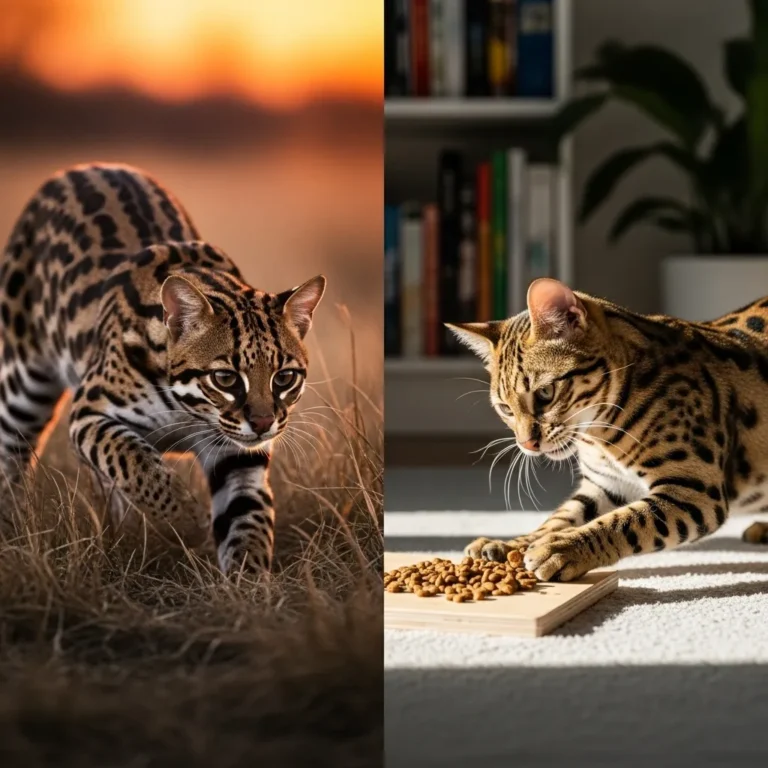
Bengals, with their Asian leopard cat heritage, retain a high-protein, low-carb ancestral diet even in seniority. As they age, metabolism slows, activity may wane, and risks like hypertrophic cardiomyopathy (HCM) or kidney disease rise. Nutrition for senior Bengal cats should emphasize controlled calories (often 10-20% fewer than adults) to combat weight gain, while boosting antioxidants and omega fatty acids for immune and coat support.
Aging Process and Diet Requirements
Senior Bengals (7+ years) face reduced lean muscle, weaker kidneys, and sensitive digestion—exacerbated by their short intestines. A senior Bengal cat diet must be highly digestible, with 30-40% protein on a dry matter basis to prevent sarcopenia, and added taurine for heart health. Hydration is vital; aim for 70-80% moisture in meals to support urinary tract health, a common Bengal vulnerability.
The Role of Protein in Senior Cats
Protein isn’t just fuel—it’s foundational for senior Bengals. High-quality sources (e.g., deboned chicken or salmon) help maintain muscle tone and combat HCM risks. Aim for 35-45% crude protein; too little leads to weight loss, while excess strains kidneys. Bengals’ carnivorous nature demands animal-based proteins over plant fillers.
What Are the Best Foods for a Senior Bengal Cat?
Selecting the best foods for senior Bengal cats means choosing AAFCO-approved formulas with breed-specific perks like omega-6 for coat shine and prebiotics for gut health. Focus on grain-free options to suit their sensitive stomachs.
Top Wet Cat Foods
Wet foods deliver hydration and palatability for picky seniors. Top picks include:
| Food | Key Benefits | Protein % (Dry Matter) | Why for Bengals |
|---|---|---|---|
| Royal Canin Aging 12+ Loaf in Sauce | Fish oil for joints; glucosamine for mobility | 45% | Supports HCM-prone hearts; easy on teeth |
| Purina Pro Plan Senior 7+ Salmon Entrée | Prebiotics for digestion; omega-3s for skin | 48% | Aids urinary health; high moisture (78%) |
| Tiki Cat Silver Mousse | Shredded texture; antioxidants | 50% | Gentle on aging jaws; low-carb for energy |
Top Dry Cat Foods
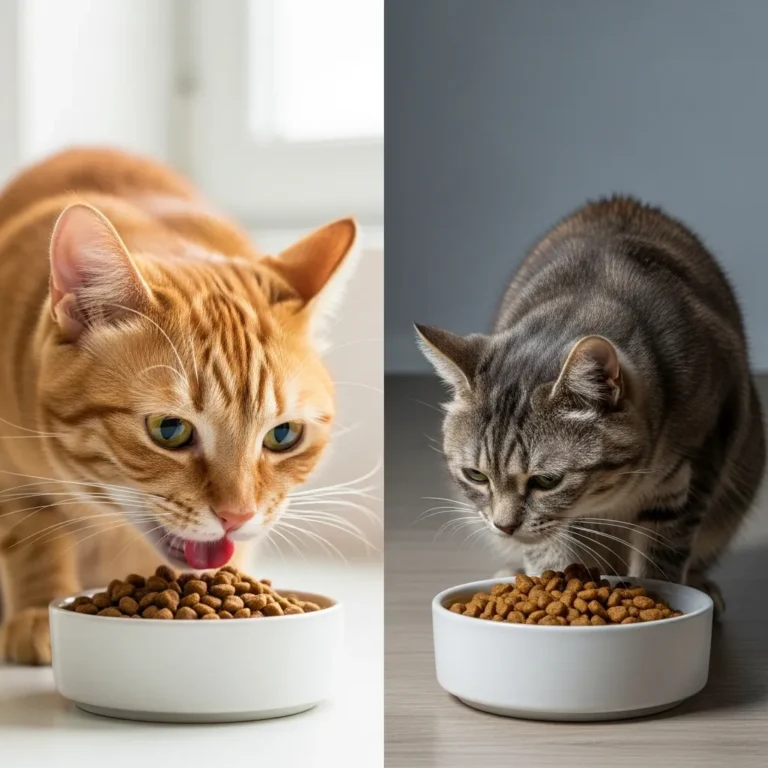
Dry kibble aids dental scraping but should be small and crunchy. Pair with water toppers.
| Iams Proactive Health Healthy Senior | Antioxidants for immunity; fiber for digestion | 36% | Budget-friendly; controls weight in active seniors |
| Hill’s Science Diet Adult 11+ | L-carnitine for fat metabolism; taurine boost | 34% | Kidney support; easy chewing |
| Royal Canin Bengal Adult (Senior-Adapted) | Y-shaped kibble for jaws; omega fatty acids | 38% | Breed-specific for coat and muscle |
Benefits of Wet Food for Senior Bengal Cats
Wet food’s 75-80% moisture mimics Bengals’ wild prey diet, promoting overall wellness.
Hydration and Kidney Health
Dehydration exacerbates Bengal urinary crystals; wet food boosts intake by 50%, reducing CKD risk. Formulas like Purina Pro Plan add fish oil to flush toxins.
Nutrient Density
Pates pack concentrated proteins and vitamins without carbs, ideal for calorie control in less active seniors.
Advantages of Dry Food for Senior Bengal Cats
Dry food fits busy owners and Bengals’ crunch-loving jaws.
Dental Health Benefits
Kibble’s texture reduces tartar by 20-30%; opt for senior formulas with glucosamine for gum support.
Convenience and Storage
Long-shelf life suits multi-cat homes; portion into daily scoops to prevent overeating.
Best Ingredients to Look For in Senior Bengal Cat Food
Seek whole meats first for bioavailability.
Optimal Protein Sources
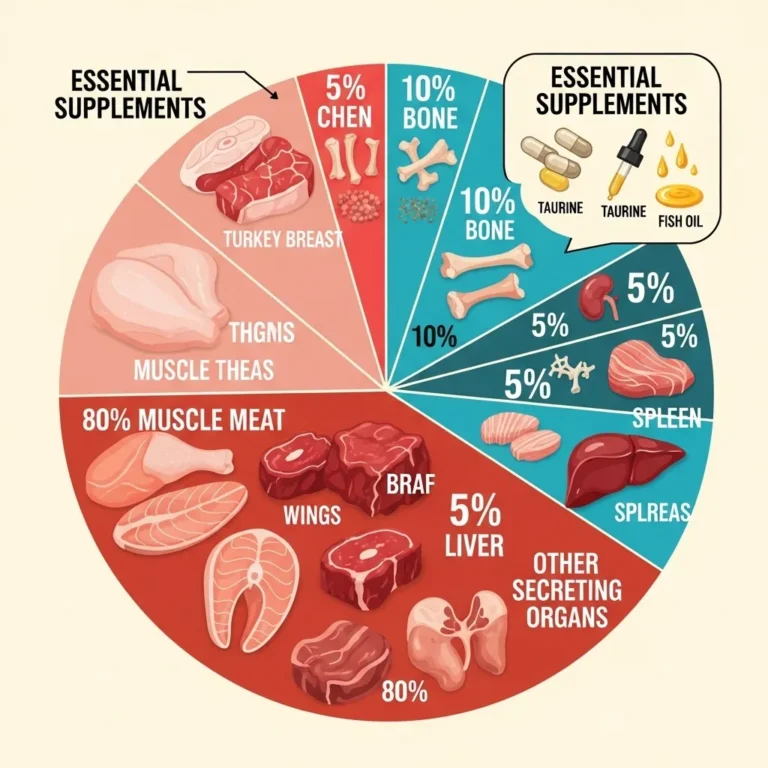
Chicken, turkey, salmon—aim for 90% animal-derived to fuel Bengals’ metabolism. Avoid by-products.
Vitamins and Minerals for Longevity
Taurine (for eyes/heart), omega-3s (joints), and antioxidants (immunity) like vitamin E.
Ingredients to Avoid in Senior Bengal Cat Food
Steer clear of Bengal gut-irritants to prevent diarrhea or allergies.
- Grains (wheat, corn): Cause bloating; opt for grain-free.
- Artificial additives: Colors/flavors linked to allergies.
- Excess phosphorus/sodium: Strains kidneys in HCM-prone cats.
- Fillers (soy, peas): Low nutrition; spike carbs.
Balancing Wet and Dry Food in a Senior Bengal Cat’s Diet
A 70/30 wet-to-dry ratio hydrates while cleaning teeth—adjust based on weight.
Mixing Techniques
Top dry with wet broth for appeal; rotate flavors weekly to combat boredom.
Transitioning Between Foods
Introduce new foods over 7-10 days (25% new per day) to avoid tummy upset.
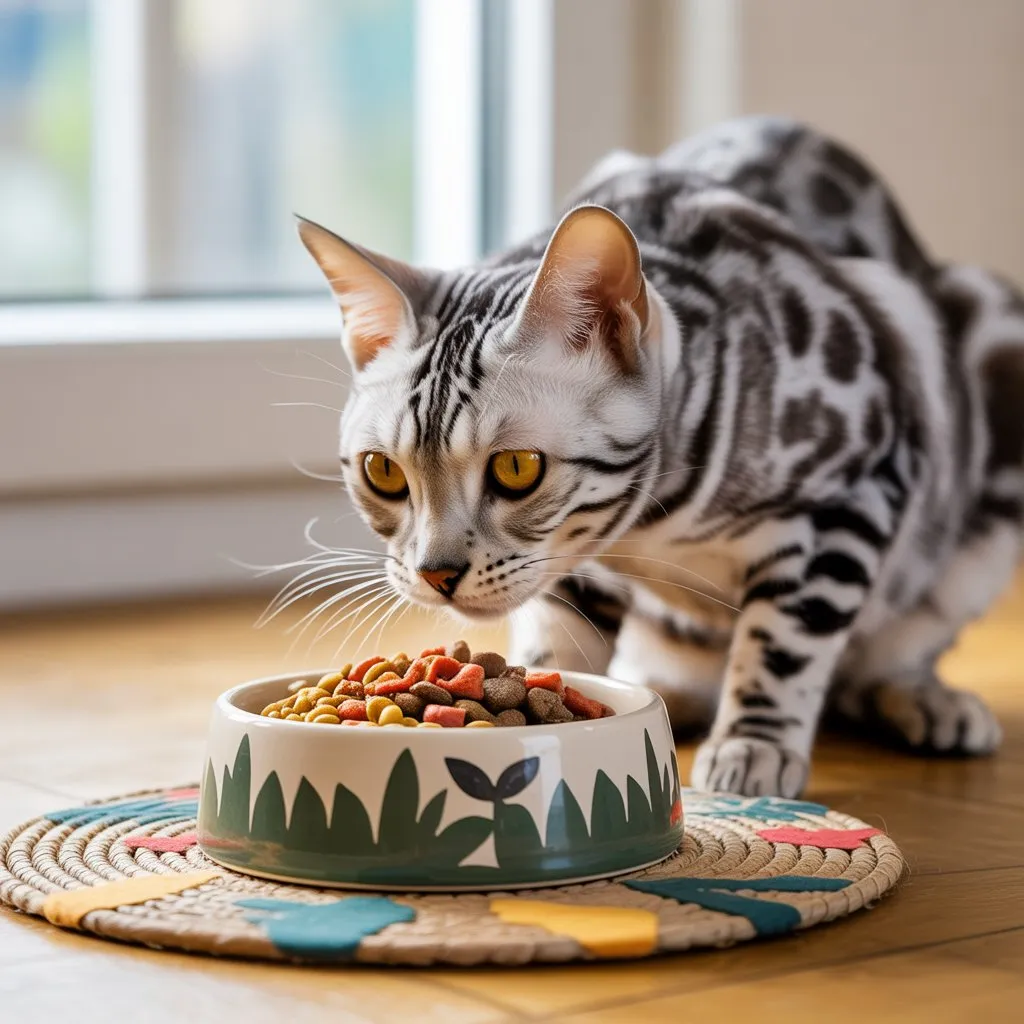
Recommended Feeding Schedule for Older Bengal Cats
Feed 2-4 small meals daily to mimic hunting; total 200-300 kcal for a 10-lb cat.
Portion Control
Weigh weekly; use vet-guided charts—e.g., 1/4 cup dry + 3oz wet split into meals.
Frequency of Meals
Morning/evening mains, plus mid-day topper for grazers; consistency builds trust.
Common Health Issues in Senior Bengal Cats and Diet Solutions
Bengals face breed-specific woes; diet mitigates 30-50% of risks.
Addressing Weight Management
High-protein, low-cal formulas like Hill’s 11+ prevent obesity; add play for metabolism.
Improving Digestive Health
Prebiotic-rich foods (e.g., Purina Pro Plan) ease IBD; grain-free reduces allergies.
FAQ
What constitutes the best foods for a senior Bengal cat?
High-protein wet/dry blends with taurine, omegas, and no grains—e.g., Royal Canin or Tiki Cat.
How do the dietary needs of senior Bengal cats differ from younger cats?
Seniors need fewer calories, more digestible protein, and joint support; young Bengals crave higher energy.
Are wet or dry foods better for senior Bengal cats?
Wet for hydration/kidneys; dry for teeth—a mix is ideal.
What role do proteins play in a senior Bengal cat’s diet?
They preserve muscle, support hearts against HCM, and aid digestion.
Which specific wet foods are best for senior Bengal cats?
Royal Canin Aging 12+, Purina Pro Plan Salmon, Tiki Cat Silver.
What should I consider when choosing dry food for my senior Bengal cat?
Small kibble, antioxidants, and low phosphorus for kidneys.
How does wet food benefit the hydration and kidney health of senior Bengal cats?
It boosts intake by 50%, flushing toxins and preventing crystals.
What are the advantages of feeding dry food to senior Bengal cats?
Tartar reduction and convenience; Y-shaped for strong jaws.
What ingredients should I look for in senior Bengal cat food?
Animal proteins, taurine, omegas, prebiotics.
Which ingredients should be avoided in senior Bengal cat food?
Grains, additives, high phosphorus.
How can I balance wet and dry food in my senior Bengal cat’s diet?
70/30 ratio; top dry with wet for variety.
What is the recommended feeding schedule for older Bengal cats?
2-4 meals/day; 200-300 kcal total.
How can diet address common health issues in senior Bengal cats?
Protein for HCM/muscle; hydration for kidneys; fiber for IBD.