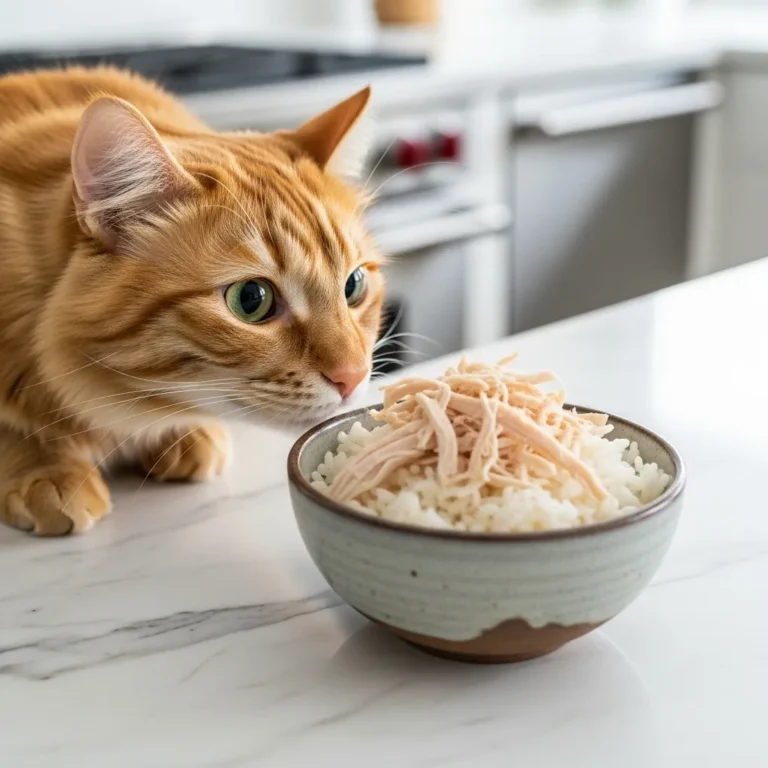
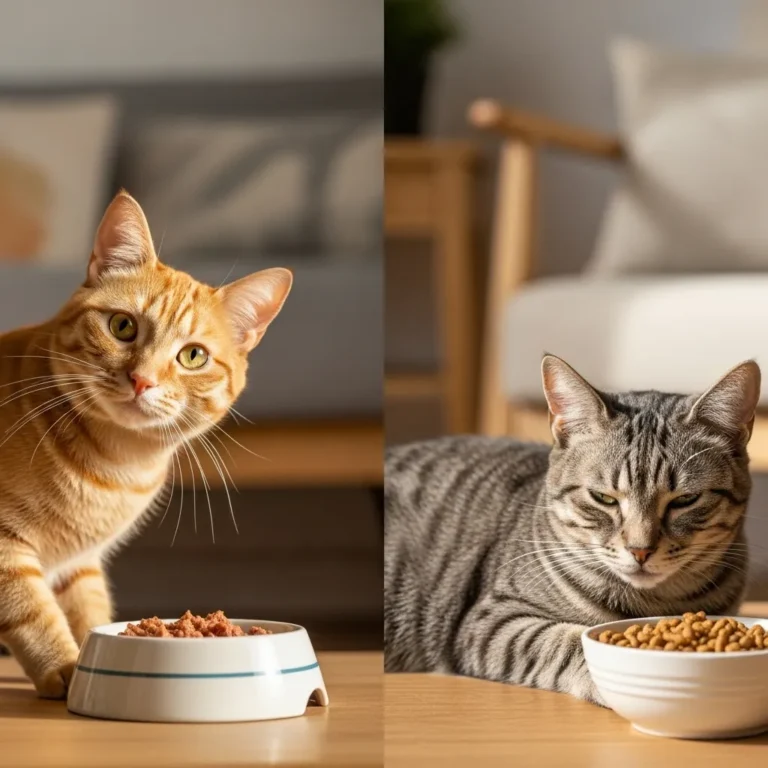
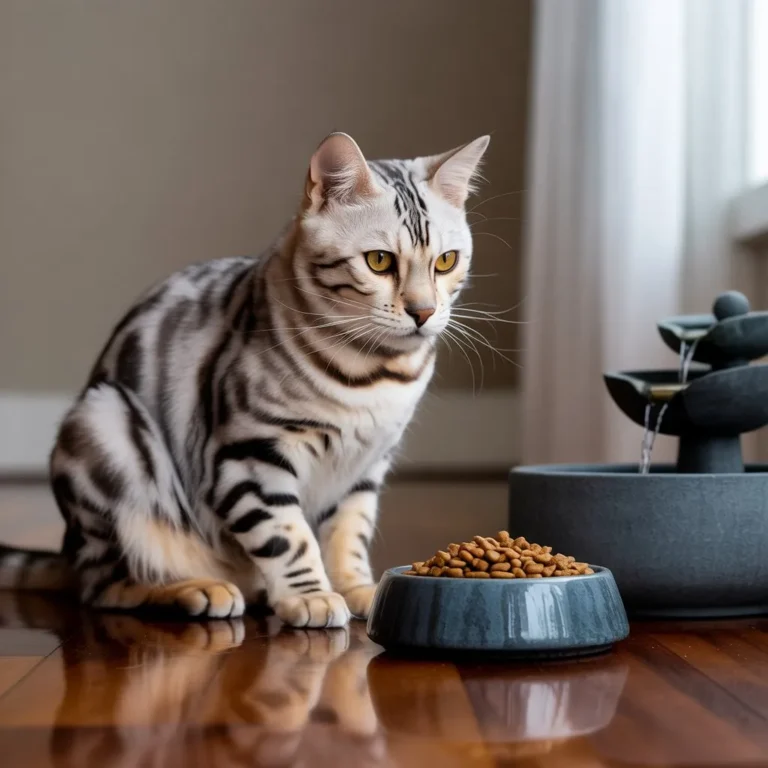
The Unbreakable Routine: Why a Consistent Diet is the Secret to Your Cat’s Health and Happiness
For your cat, the daily routine isn’t just a preference it’s a biological imperative. The predictable click of the food bowl, the scent of the same trusted kibble, the unwavering schedule of breakfast and dinner; these are the pillars of a cat’s well-being. When you understand why consistency matters in a cat’s daily diet, you unlock the key to preventing stress, optimizing health, and deepening the bond with your feline companion. This guide will explore the profound reasons behind this need for routine, moving beyond simple feeding tips to reveal the science and psychology of feline nutrition.
Key Takeaways: The Core Principles of Feline Dietary Consistency
- Prevents Digestive Upset: A cat’s sensitive digestive system thrives on routine. Frequent food changes are a leading cause of vomiting, diarrhea, and appetite loss. Consistency in a cat’s daily diet maintains a stable gut microbiome.
- Reduces Anxiety and Stress: Cats are creatures of habit and control. A predictable feeding routine provides security, lowering stress hormones that can lead to behavioral issues like inappropriate urination or aggression.
- Enables Early Health Detection: When food, portion, and schedule are consistent, any change in your cat’s eating habits becomes a clear, immediate red flag for potential health problems.
- Controls Weight and Prevents Obesity: Measured, routine meals prevent constant grazing and overeating, which are primary drivers of feline obesity and its associated diseases like diabetes.
- Strengthens Your Bond: The ritual of reliable feeding builds immense trust. You become the predictable, safe provider in your cat’s world.
The Feline Blueprint: Understanding the “Why” Behind the Need for Routine
To appreciate why consistency is non-negotiable, we must look at the cat through the lens of both evolution and physiology.
A Legacy of Scarcity and Hunting
Unlike dogs, who evolved as scavengers, cats are obligate carnivores and solitary hunters. Their wild ancestors ate small, frequent meals (10-20 rodents per day!) and their bodies are fine-tuned for this pattern. Domestic cats retain this metabolic expectation. A consistent feeding schedule that offers multiple small meals mimics this natural rhythm, satisfying a deep-seated instinct and preventing the anxiety linked to food insecurity.
The Sensitive System Within
A cat’s gastrointestinal tract is remarkably sensitive. Sudden changes in protein source, fat content, or even carbohydrate type can disrupt the delicate balance of digestive enzymes and gut bacteria. This often results in vomiting, diarrhea, or constipation. Maintaining consistency in a cat’s daily diet allows their system to function efficiently, absorbing maximum nutrients from a formula it knows how to process.
For more on what constitutes optimal nutrition for these sensitive systems, explore our detailed guide on how to choose the best wet cat food.
The Tangible Benefits: What Consistency Actually Does for Your Cat
The payoff of a stable diet extends far beyond a happy tummy. It touches every aspect of your cat’s life.
1. Digestive Health and Nutrient Absorption
A consistent diet means consistent input. When the food is the same, the stomach acid, pancreatic enzymes, and gut flora adapt perfectly to break it down. This leads to:
- Fewer hairballs: Proper digestion and nutrient absorption improve coat health and reduce excessive shedding and grooming that leads to hairballs. Discover specific tips for breeds prone to this issue in our American Shorthair hairballs guide.
- Optimal energy: Efficient digestion means more energy from food is available for play, exploration, and affection.
- Smaller, firmer stools: A clear sign of a healthy, well-adjusted digestive system.
2. Weight Management and Metabolic Harmony
Free-feeding (leaving food out all day) is a major contributor to pet obesity. A consistent cat feeding schedule with measured portions is the single most effective tool for weight control.
- Prevents Overeating: Scheduled meals satisfy hunger on a rhythm, reducing begging and frantic eating.
- Creates a Measurable Baseline: You know exactly how much they eat each day, making it easy to adjust portions up or down as needed.
- Regulates Metabolism: The body learns when to expect fuel, optimizing how it uses calories.
3. Behavioral Stability and Stress Reduction
For cats, uncertainty is a profound stressor. A chaotic feeding routine can make a cat feel their resources are unstable, triggering anxiety. Consistency provides control and safety.
- Reduces “Food Anxiety”: No more meowing, pawing, or aggression around mealtimes.
- Minimizes Stress-Related Issues: Stress is a common cause of problems like cats scratching furniture or inappropriate elimination. A predictable routine is a cornerstone of a calm environment.
- Builds Trust: You become a reliable source of good things, strengthening your bond. This trust is especially important for breeds known for their deep attachments, like the affectionate Ragdoll.
4. The Ultimate Early Warning System
This is perhaps the most powerful reason for consistency. When everything else is a constant, any change in appetite or eating behavior is a glaring signal.
- Sudden disinterest in food: Could indicate dental pain, nausea, or a systemic illness.
- Ravenous hunger: May signal hyperthyroidism or diabetes.
- Change in eating posture or speed: Can point to oral pain or discomfort.
Without a consistent baseline, these subtle but critical signs are easily missed for days or weeks.
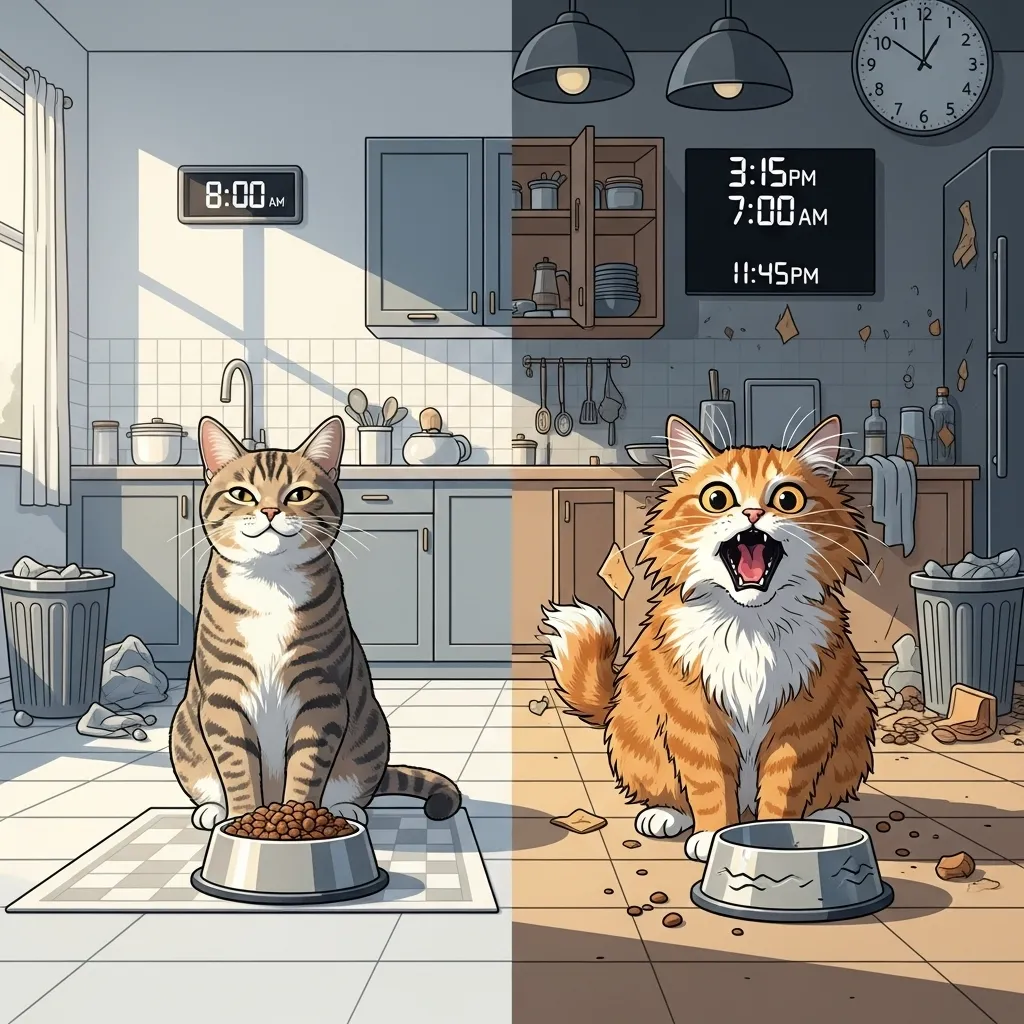
The Three Pillars of Dietary Consistency
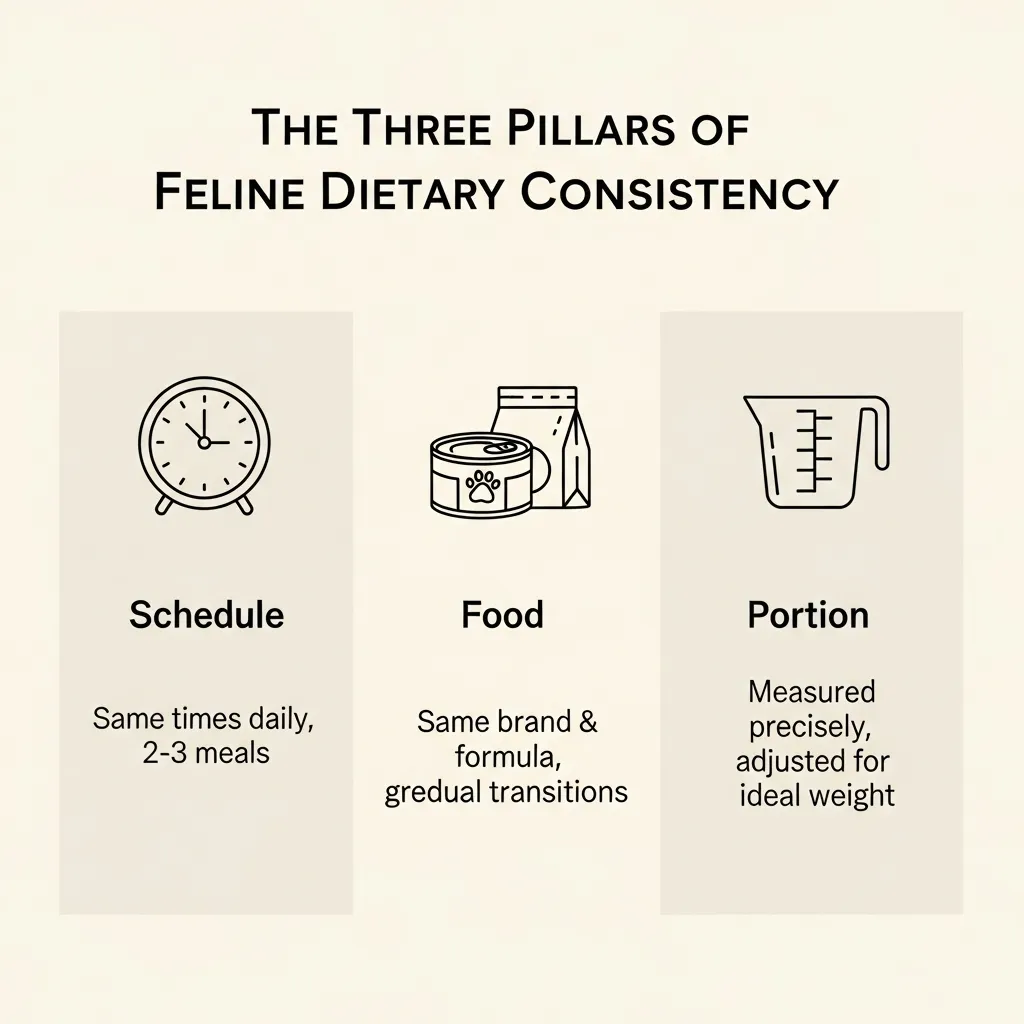
Achieving true consistency rests on three interdependent principles: Schedule, Food, and Portion.
1. Consistency of Schedule: The Rhythm of the Day
Cats are masters of routine. They know when you wake up, when you come home, and certainly, when they should be fed.
- Adult Cats: Aim for 2-3 scheduled meals at the same times each day (e.g., 7 AM, 6 PM).
- Kittens & Seniors: May require more frequent, smaller meals (3-4 times daily).
- Use Technology: If your schedule is irregular, an automatic feeder can maintain the clockwork routine for you, reducing their anxiety and yours.
2. Consistency of Food: The Trusted Formula
This means feeding the same brand and formula of food. The protein source (chicken, fish, etc.) is especially important.
- If Change is Necessary: Transition must be gradual over 7-10 days. Start with 75% old food / 25% new food, and slowly adjust the ratio. This gives the digestive system time to adapt.
- Treats as Constants: Even treats should be consistent. Offer the same one or two types rather than a rotating buffet of human food, which can cause pickiness and upset stomachs.
3. Consistency of Portion: The Measured Amount
Follow the feeding guidelines on your cat’s food based on their ideal weight, not their current weight if they are overweight. Use a measuring cup or a kitchen scale for absolute accuracy. Adjust portions only based on weight changes advised by your vet, not by guesswork.
Navigating Necessary Change: How to Transition Foods Safely
There are valid reasons to change your cat’s diet: a veterinarian’s recommendation, a discontinued product, or a diagnosed health issue like food sensitivities. The key is to manage the change without violating the principle of consistency.
Follow this slow transition schedule to minimize digestive upset:
| Day | Old Food | New Food | Action |
|---|---|---|---|
| 1-3 | 75% | 25% | Mix thoroughly. |
| 4-6 | 50% | 50% | Monitor stool and appetite closely. |
| 7-9 | 25% | 75% | Continue mixing. |
| 10 | 0% | 100% | Fully transitioned. |
Pro Tip: If your cat is extremely sensitive or has a history of GI issues, stretch this transition over 14 days. If vomiting or diarrhea occurs, pause and revert to a previous ratio that was well-tolerated for a few more days before proceeding.
Special Considerations: Consistency Across Life Stages and Lifestyles
The need for consistency never wavers, but its application might shift slightly.
- Kittens: Require more frequent meals (3-4 times daily) of a high-calorie, kitten-specific formula. The consistency in this high-energy stage supports massive growth and development. Learn more about their unique needs in our guide on kitten nutrition.
- Senior Cats: May need a diet adjusted for kidney health, joint support, or easier chewing. Consistency becomes even more critical as their ability to handle stress declines. Any dietary change for seniors should be vet-directed and extra gradual.
- Multi-Cat Households: This is where consistency meets strategy. Each cat may need a different food (e.g., weight management vs. kitten food). Consistent, separate feeding locations and schedules are essential to ensure each cat eats the correct food and to monitor individual intake. For tips on harmony, see our article on managing cat behavior in multi-pet homes.
- The “Picky” Eater: Often, pickiness is created by offering too much variety. Establishing a consistent 20-30 minute mealtime, after which the bowl is picked up, teaches your cat to eat what is offered when it’s offered. This is far healthier than catering to demands.
Frequently Asked Questions (FAQ)
Q: My cat seems bored with the same food every day. Shouldn’t I offer variety?
A: The desire for “variety” is a very human concept. Cats are neophobic—wary of new things. While they may enjoy a novel smell, a constantly changing diet is more likely to cause digestive issues and create a finicky eater than to provide enjoyment. A consistent, high-quality, nutritionally complete food is what they truly need.
Q: How strict does the feeding schedule need to be? Is within an hour okay?
A: Cats are excellent timekeepers, but they can adapt to a reasonable human schedule. Consistency within a 30-60 minute window is typically fine (e.g., between 7-8 AM). Wild fluctuations of several hours, however, can induce anxiety.
Q: Is free-feeding dry food ever okay?
A: While it may work for a small number of highly self-regulating cats, free-feeding is strongly discouraged for most. It prevents you from monitoring appetite, heavily contributes to obesity, and removes the comforting structure of a meal routine. Scheduled meals are almost always the healthier choice.
Q: What if I need to go out of town?
A: This is a test of routine! Provide your pet sitter with explicit, written instructions on the brand, portion, and exact schedule. Leave the food pre-portioned in bags or containers. The more you can replicate the normal routine, the less stress your cat will experience. Our cat sitting guide offers more detailed advice.
Q: Does consistency apply to water as well?
A: Absolutely. Fresh, clean water should be available at all times in a consistent location. Some cats prefer moving water from a fountain. Changing water source or bowl type can sometimes reduce intake, which is dangerous. Learn how to ensure proper hydration for your cat.
Conclusion: Consistency as an Act of Love
Choosing to provide a consistent daily diet for your cat is one of the most profound acts of care you can offer. It is not about monotony or a lack of creativity on your part. It is about speaking your cat’s native language of security, predictability, and trust. By honoring their biological and psychological need for routine in feeding, you build an unshakeable foundation of health, prevent a myriad of physical and behavioral problems, and create a home where your feline friend can truly thrive.
The peace that comes from a predictable bowl is the peace that permeates their entire world.
Ready to build the perfect routine for your unique feline? Explore more expert insights on cat behavior, breed-specific needs, and nutritional deep dives in our comprehensive library of guides here at Cat Bloom Haven.