How Feeding Schedules Affect a Cat’s Behavior and Mood
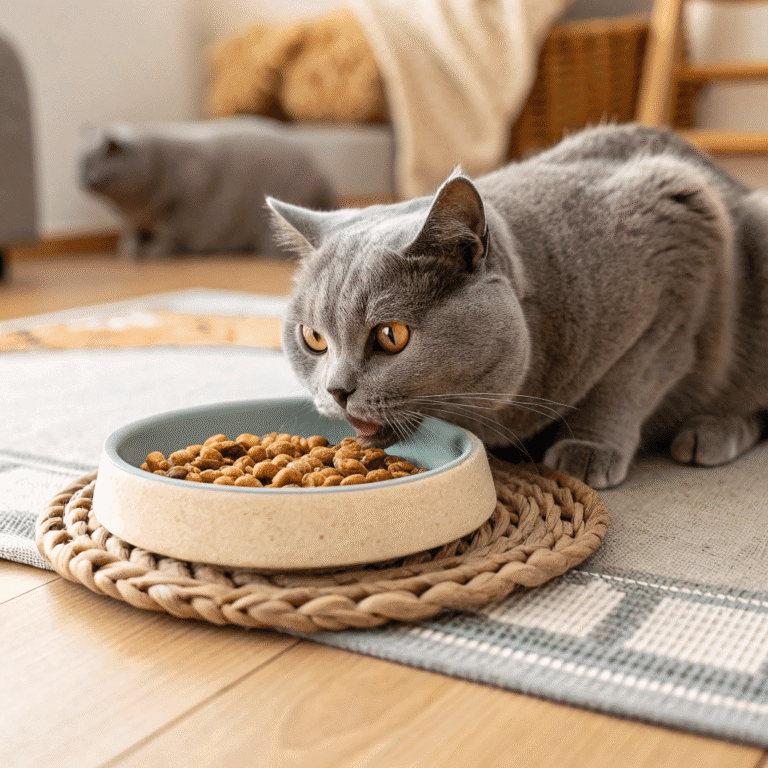
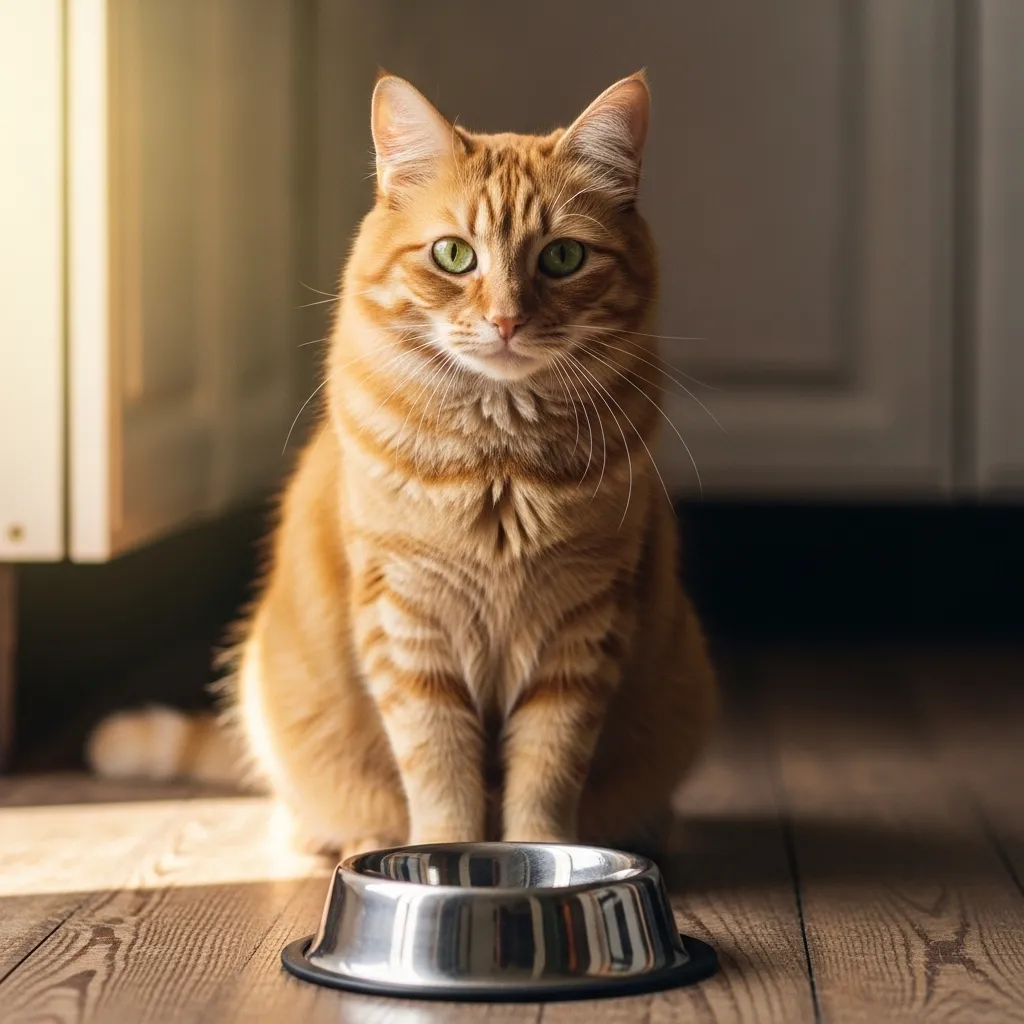
If you’ve ever had a cat stare you down at 5 a.m., meowing relentlessly until you fill their bowl, you know food isn’t just fuel for them. It’s tied to their emotions, energy, and daily rhythm. The way you handle meals can shape whether your cat feels secure and content or anxious and demanding.
A consistent feeding routine often leads to calmer, happier cats. Irregular or unlimited access to food can trigger stress, begging, or even aggression. In this guide, we’ll explore the science behind it, backed by veterinary insights, and share practical steps to get it right for your cat.
Key Takeaways
- Cats thrive on predictability; a regular schedule reduces anxiety and excessive vocalization.
- Adult cats do best with 2–3 meals per day, spaced 8–12 hours apart.
- Free-feeding (leaving food out) works for some but often leads to overeating and less structure.
- Hunger cues like pacing or meowing near mealtime are normal; constant begging may signal boredom or stress.
- Adjust based on age: Kittens need frequent small meals; seniors benefit from routine to maintain appetite.
Why Routine Matters for Cats
Cats are creatures of habit. In the wild, they hunt small prey multiple times a day, eating 10–20 tiny meals. Domestic cats retain this instinct, but our homes change the game.
A predictable schedule mimics that natural pattern better than constant access. Studies show cats on routines exhibit fewer stress behaviors, like excessive meowing or pacing. They learn when food arrives, building security.
Irregular feeding disrupts this. One day early, the next late, and your cat may grow anxious, associating you with unpredictability. This can lead to attention-seeking or mood swings.
Veterinary sources, like Cornell University College of Veterinary Medicine, note that consistent timing helps regulate digestion and prevents nausea from long gaps.
The Science: How Feeding Schedules Affect a Cat’s Behavior and Mood
Research highlights clear links between meal timing and feline well-being.
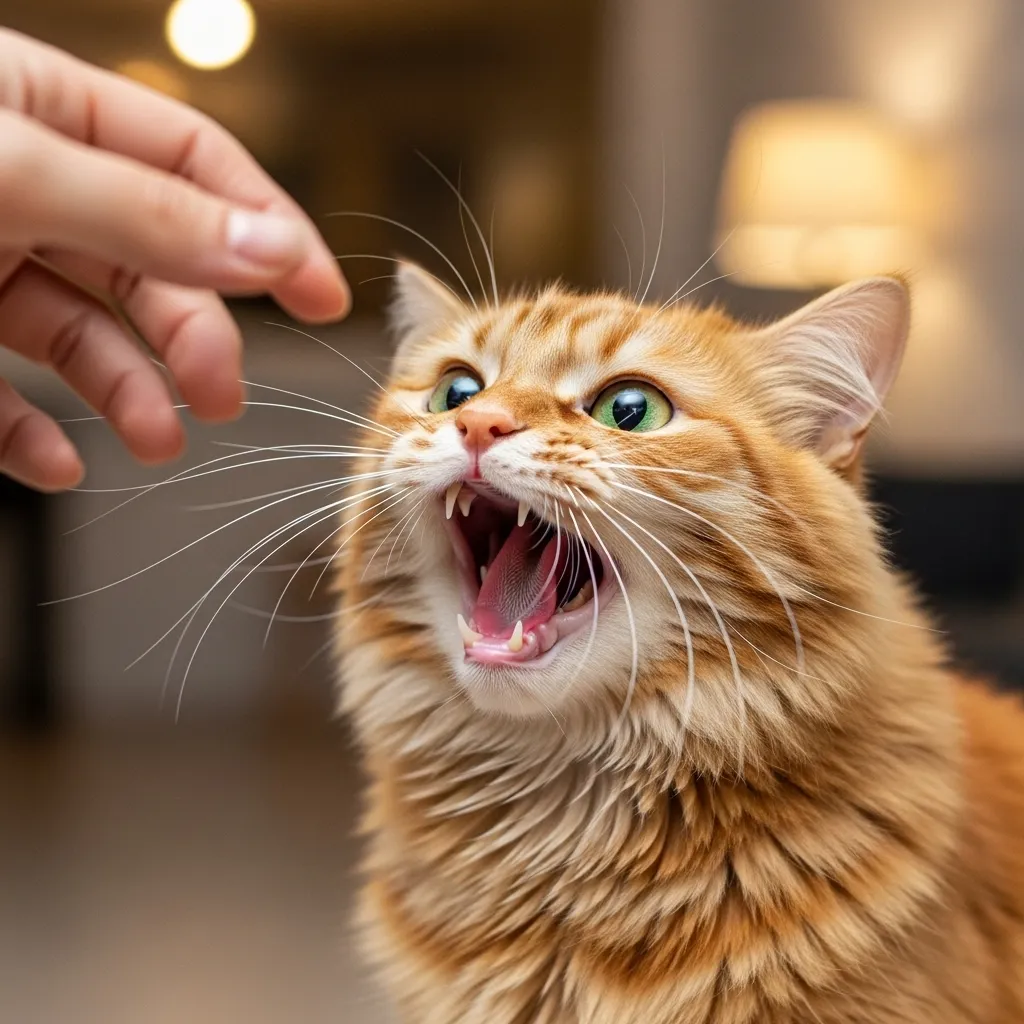
Anticipatory behaviors increase near scheduled times: pacing, purring, or rubbing against legs. These are normal and often positive, signaling excitement.
But without structure, cats may beg constantly or show aggression around food. One study found restricted intake led to more affectionate (yet soliciting) actions, as cats tried to manipulate owners for extras.
Scheduled meals reduce demanding behavior. Cats learn not to “ask” randomly, since food comes reliably.
Free-feeding can dull hunger cues, leading to boredom grazing or obesity-linked lethargy. Meal feeding keeps energy balanced, promoting playfulness.
Mood benefits from stable blood sugar. Frequent small meals prevent crashes that cause irritability.
In multi-cat homes, schedules prevent resource guarding. Separate feedings reduce tension.
Free-Feeding vs. Scheduled Meals: Pros and Cons
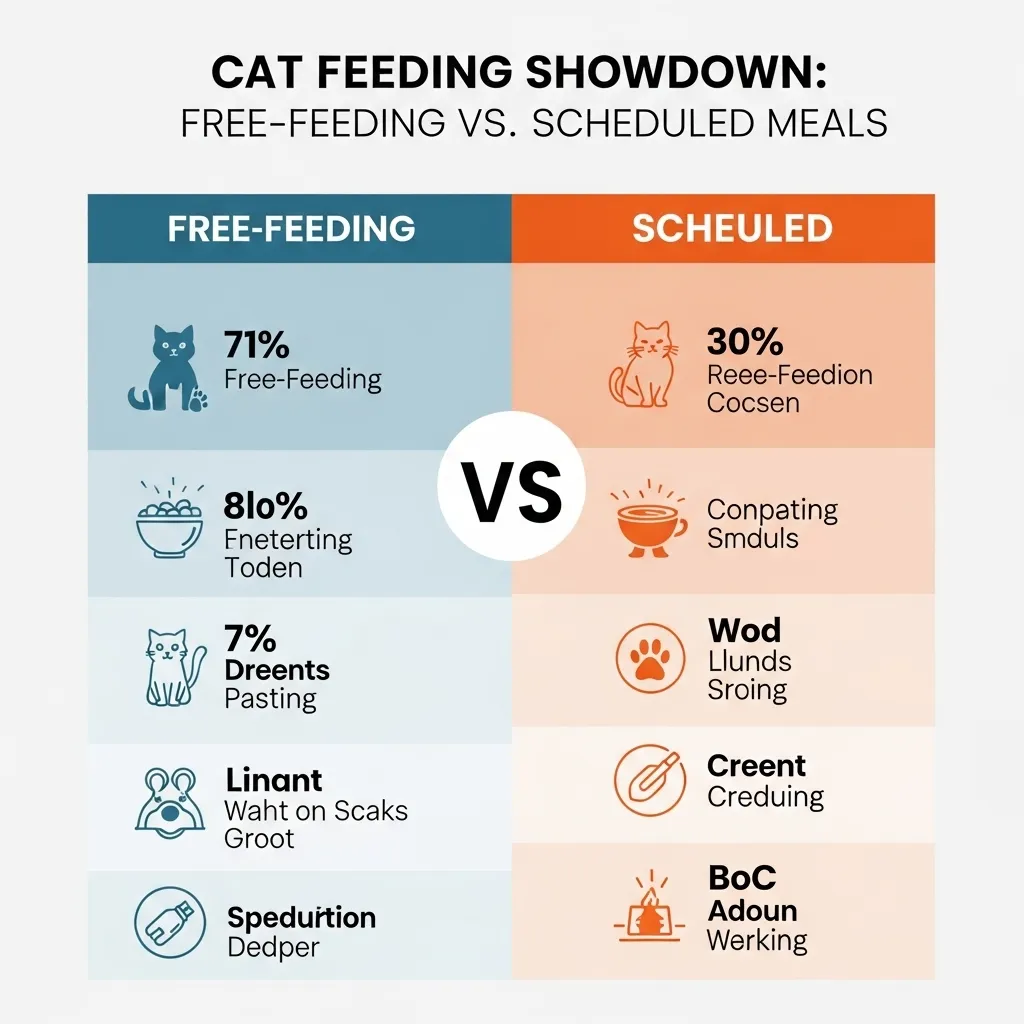
| Feeding Method | Pros | Cons |
|---|---|---|
| Free-Feeding (food always available, usually dry) | Convenient for owners; allows grazing like wild patterns; reduces perceived scarcity in some cats. | Risk of overeating and obesity; harder to monitor appetite changes; can lead to stale food or dominance issues in multi-cat homes. |
| Scheduled Meals (portion-controlled at set times) | Better weight control; easier health monitoring; reduces begging; promotes routine and security. | Requires consistency; may increase anticipatory excitement (e.g., early wake-ups); not ideal if you’re away often without automation. |
Most vets prefer scheduled meals for adults. The ASPCA and Cornell recommend twice daily. Free-feeding suits some self-regulating cats but not most.
Recommended Feeding Schedules by Life Stage
Kittens (Up to 6–12 Months)
Rapid growth demands more calories and frequency.
- 3–4 small meals per day.
- Transition to 2–3 by 6 months.
Frequent feeding supports energy without overwhelming small stomachs. Skip free-feeding to prevent overeating.
Adult Cats (1–7 Years)
Most settle here.
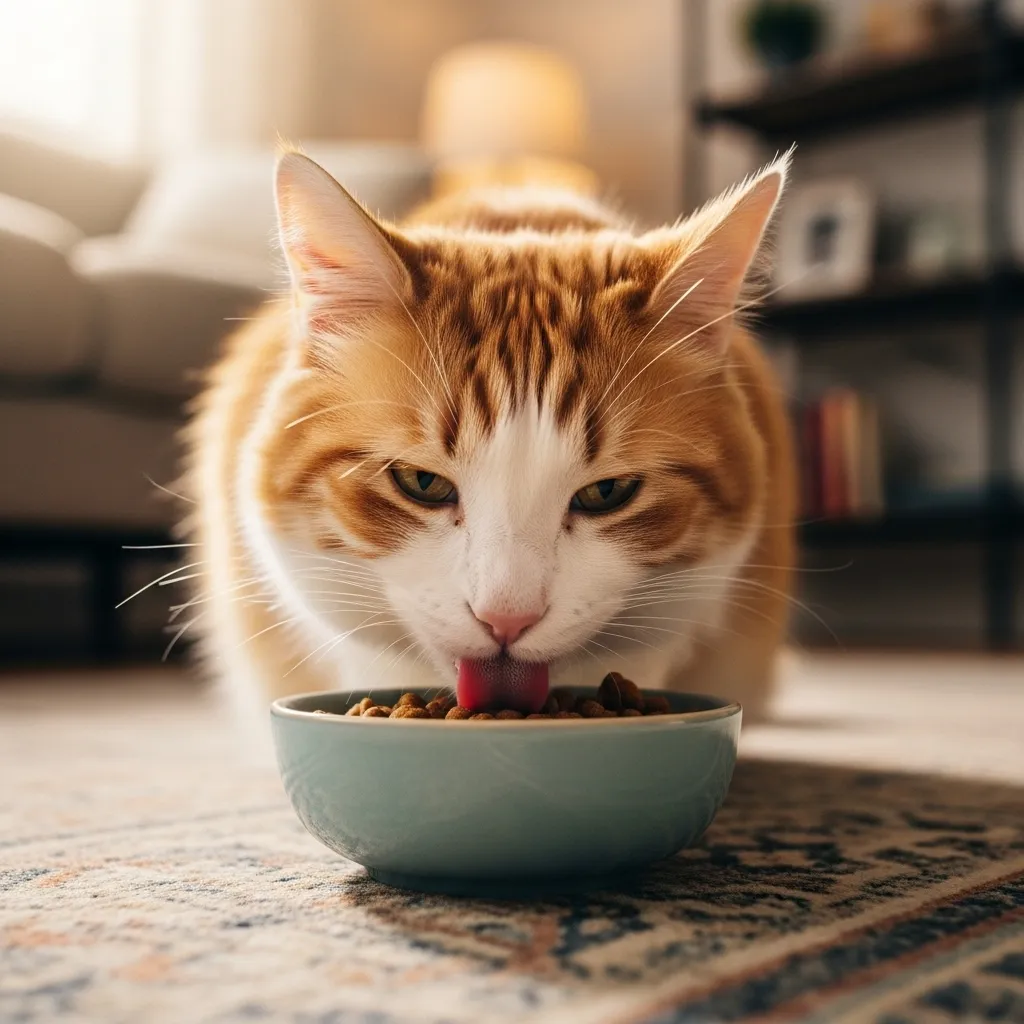
- 2 meals per day (morning and evening, 8–12 hours apart).
- Some benefit from 3 smaller ones if active or prone to hunger.
This balances mood, prevents nighttime zoomies from empty stomachs, and maintains playfulness.
Senior Cats (7+ Years)
Metabolism slows; health issues may arise.
- 2–3 smaller meals to aid digestion and appetite.
- Consistency helps monitor changes signaling problems.
Routine combats reduced activity or dental pain affecting mood.
Signs Your Cat’s Feeding Schedule Is Working (or Not)
Positive signs:
- Calm anticipation near mealtimes.
- Steady weight and energy.
- Peaceful rest after eating.
Image prompt: Cat curled up sleeping peacefully. Alt text: Content cat resting after a satisfying meal, showing good mood from balanced routine.
Red flags:
- Constant begging or aggression.
- Weight gain/loss.
- Vomiting or lethargy.
Adjust gradually and consult a vet.
Practical Tips to Optimize Your Cat’s Feeding Routine
- Choose consistent times aligning with your schedule.
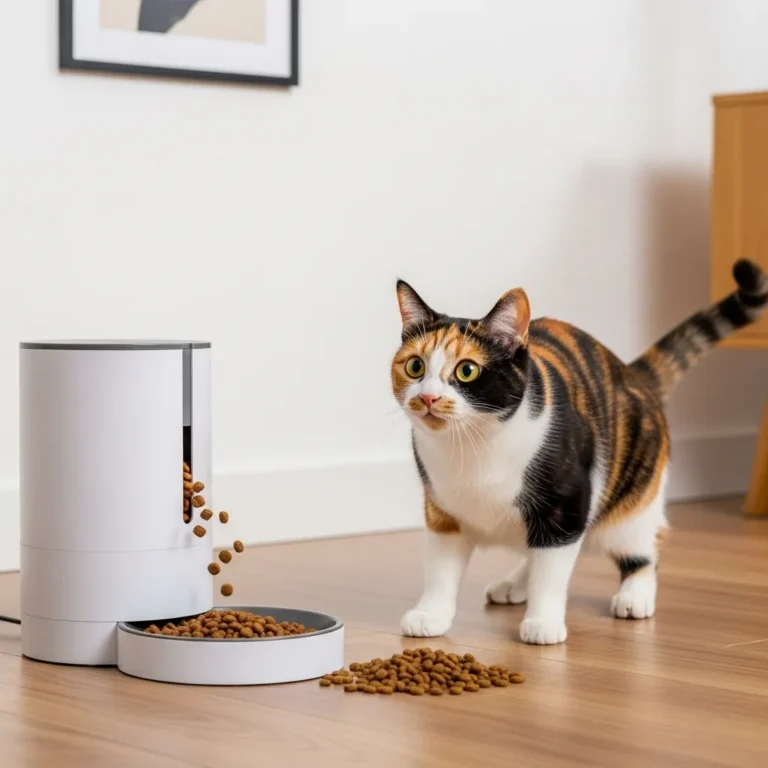
- Use puzzle feeders or automatic dispensers for enrichment and portion control.

- Pair meals with play to mimic hunt-eat-groom-sleep.
- Transition slowly: Shift times by 15–30 minutes daily.
- In multi-cat homes, feed separately to avoid stress.
For more on nutrition, check our guide to cat food nutrition.
Common Mistakes and How to Avoid Them
- Giving in to begging: Reinforces demanding behavior.
- Sudden changes: Cause stress; gradual shifts work best.
- Over-relying on dry food for free-feeding: Combine with wet for hydration.
- Ignoring age needs: Kittens and seniors require tweaks.
Explore tips in our cat training behavior section.
FAQ
How many times a day should I feed my cat?
Most adults do well with 2 meals, 8–12 hours apart. Kittens need 3–4; seniors 2–3 smaller ones.
Is free-feeding bad for cats?
Not always, but it risks obesity and reduces routine benefits. Scheduled is often better.
Why does my cat beg even after eating?
Boredom, habit, or learned behavior. Enrich with play; ignore non-mealtime demands.
Can feeding schedules help with aggression?
Yes; predictability reduces food anxiety and guarding.
What if my schedule is irregular?
Use an automatic feeder for consistency.
Discover more in our automatic cat feeder guide.
Final Thoughts
Getting your cat’s feeding schedule right is one of the simplest ways to boost their mood and strengthen your bond. A little structure goes a long way toward a calmer, more content companion.
Start small: Pick times, measure portions, and observe changes. Your cat will thank you with fewer wake-up calls and more purrs.
Explore more expert cat care and behavior guides on Cat Bloom Haven, like our cat sleeping habits or why cats get aggressive at night.