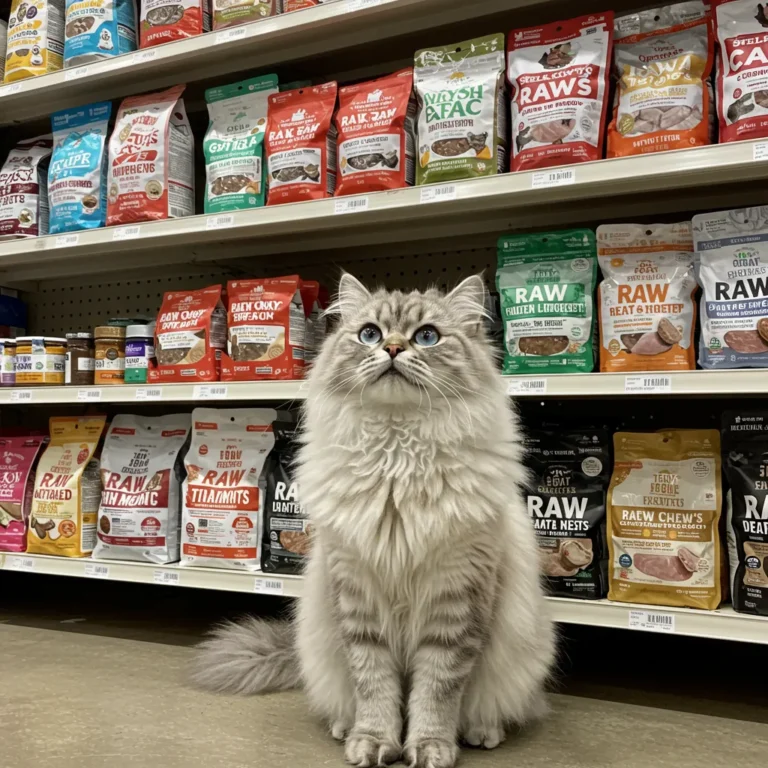
The Role of Protein Quality in Cat Diets
Have you ever watched your cat chase a toy with endless energy, only to wonder if their food supports that vitality? As a cat owner and enthusiast with years of experience in feline nutrition, I’ve seen firsthand how the right diet transforms health.
Many commercial cat foods promise complete nutrition, yet they often skimp on one key element: protein quality. In this guide, we’ll explore the role of protein quality in cat diets. You’ll learn why it matters more than quantity, how to spot high-quality sources, and ways to avoid common pitfalls. By the end, you’ll have practical steps to ensure your cat thrives.
Key Takeaways
- Cats are obligate carnivores; they need animal-based proteins for essential amino acids like taurine.
- High-quality protein supports muscle maintenance, immune function, and energy levels across all life stages.
- Look for named meat sources as the first ingredients on labels; avoid vague terms like “meat meal.”
- Low-quality protein can lead to muscle loss, digestive issues, and weakened immunity.
- Adjust protein intake based on life stage: higher for kittens, moderate for seniors.
- Rotate proteins to prevent sensitivities and consult a vet for personalized advice.
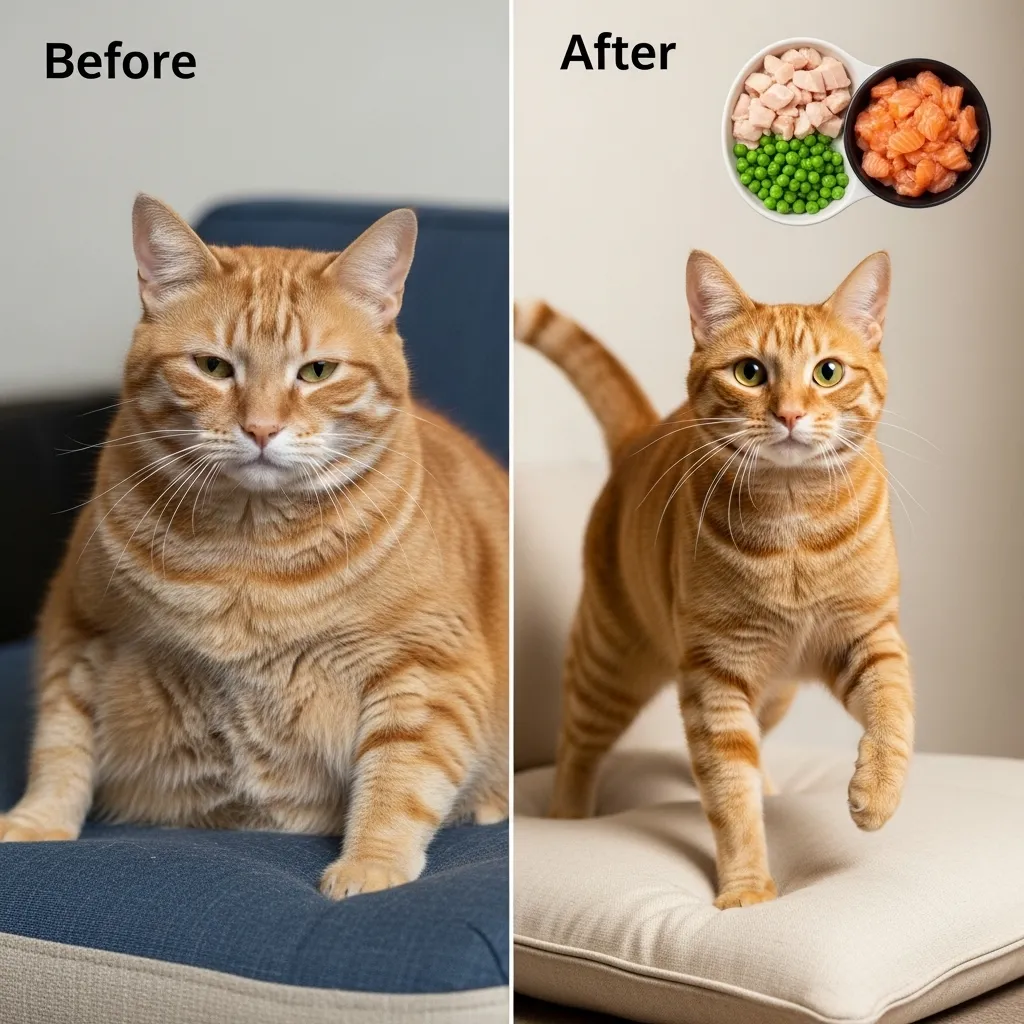
![Healthy cat enjoying high-quality protein-rich meal.]](https://catbloomhaven.com/wp-content/uploads/2025/12/Image_fx-2025-12-27T181502.372.webp "The Role of Protein Quality in Cat Diets 1")
Understanding Protein Quality in Cat Diets
Protein isn’t just a buzzword on cat food labels. It’s the building block of your cat’s body. But not all proteins are equal. Quality refers to how well the protein provides essential amino acids that cats can’t make on their own. Think of it as the difference between a sturdy brick house and one made of sand.
What Makes Protein High-Quality for Cats?
High-quality protein comes from sources that are highly digestible and complete. Digestibility means how much of the protein your cat’s body can actually use. For cats, animal proteins score higher here than plant ones. They provide all 11 essential amino acids, including taurine, arginine, and methionine. Without these, cats face serious health risks.
In my work with rescue cats, I’ve noticed that diets with high biological value proteins lead to better coat shine and fewer vet visits. Biological value measures how efficiently the body uses the protein. Eggs, for example, score 100, while chicken is around 80. Plant proteins like corn gluten meal hover at 60 or less.
Why Cats Rely on Superior Protein Sources
Cats evolved as hunters. Their short digestive tracts are built for meat, not grains. Unlike dogs, they can’t thrive on low-protein diets. Protein fuels gluconeogenesis, the process where cats make glucose from amino acids instead of carbs. This keeps their energy steady.
Poor protein quality forces the body to break down muscle for amino acids. Over time, this weakens the immune system and slows healing. Vets often see this in cats on budget foods with fillers. For deeper insights into feline nutrition basics, check our guide on cat food nutrition.
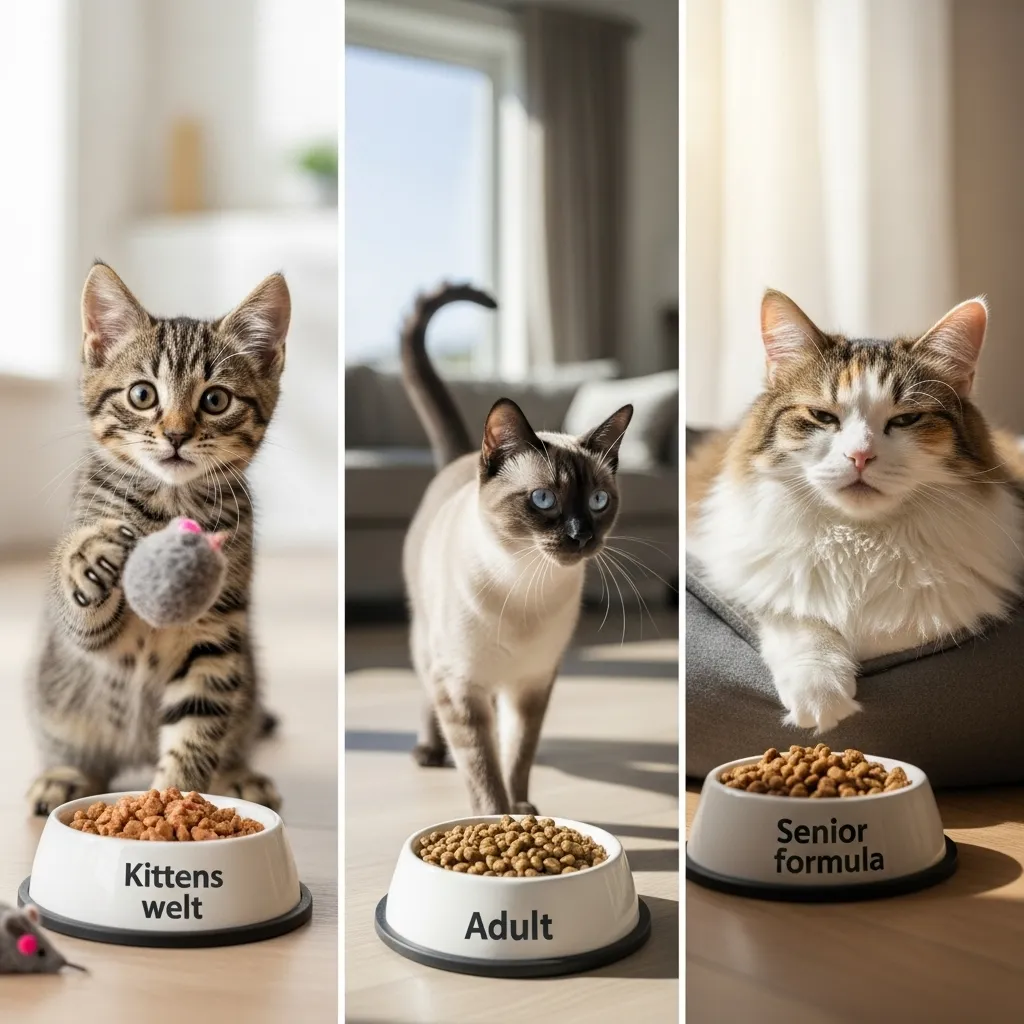
Protein Needs Through Your Cat’s Life Stages
Protein requirements shift as cats age. Tailoring intake ensures optimal health. Here’s a breakdown.
| Life Stage | Minimum Protein (% Dry Matter) | Key Reasons |
|---|---|---|
| Kittens (up to 1 year) | 30% | Supports rapid growth, bone development, and immune building. |
| Adult Cats (1-7 years) | 26% | Maintains muscle mass, energy, and organ function. |
| Senior Cats (8+ years) | 26-30% | Prevents muscle loss, but watch for kidney strain if issues exist. |
| Pregnant/Nursing Queens | 30%+ | Fuels fetal development and milk production. |
Kittens double their weight in weeks, so they need dense nutrition. Adults maintain with balanced intake. Seniors benefit from quality over quantity to avoid overloading kidneys. If your cat is expecting, explore our cat pregnancy guide for more tips.
Top Sources of High-Quality Protein for Cats
Choosing the right proteins means focusing on animal origins. Here are standout options, backed by nutritional science.
- Chicken and Turkey: Lean, digestible, and rich in taurine. Ideal for everyday feeding. Many wet foods use these as bases.
- Fish like Salmon and Tuna: Omega-3s for skin health, but limit to avoid mercury buildup. Great for variety.
- Beef and Lamb: Hearty proteins for muscle repair. Good for active cats or those needing weight gain.
- Duck and Rabbit: Novel sources for allergy-prone cats. High bioavailability, low fat.
- Eggs: Complete protein with all amino acids. Use cooked to avoid risks.
Rotating these prevents boredom and sensitivities. For picky eaters, try our recommendations in best wet cat food. Always prioritize whole meats over by-products.
Decoding Cat Food Labels for Protein Quality
Labels can confuse even seasoned owners. Start with the ingredient list. The first few should be specific meats, not “animal digest” or grains.
Check the guaranteed analysis for crude protein. But convert to dry matter for accuracy: Subtract moisture percentage from 100, then divide crude protein by that number. For example, 10% protein in 78% moisture food equals about 45% on dry matter solid for cats.
Look for AAFCO statements ensuring completeness. Avoid foods where protein comes mostly from plants; cats digest them poorly. If you’re dealing with allergies, see our cat allergies guide.
Tools for Better Evaluation
Use apps or online calculators for dry matter conversions. Consult vets for blood tests checking protein status. In practice, I’ve found switching to transparent brands reduces digestive woes.
The Risks of Low-Quality Protein in Cat Diets
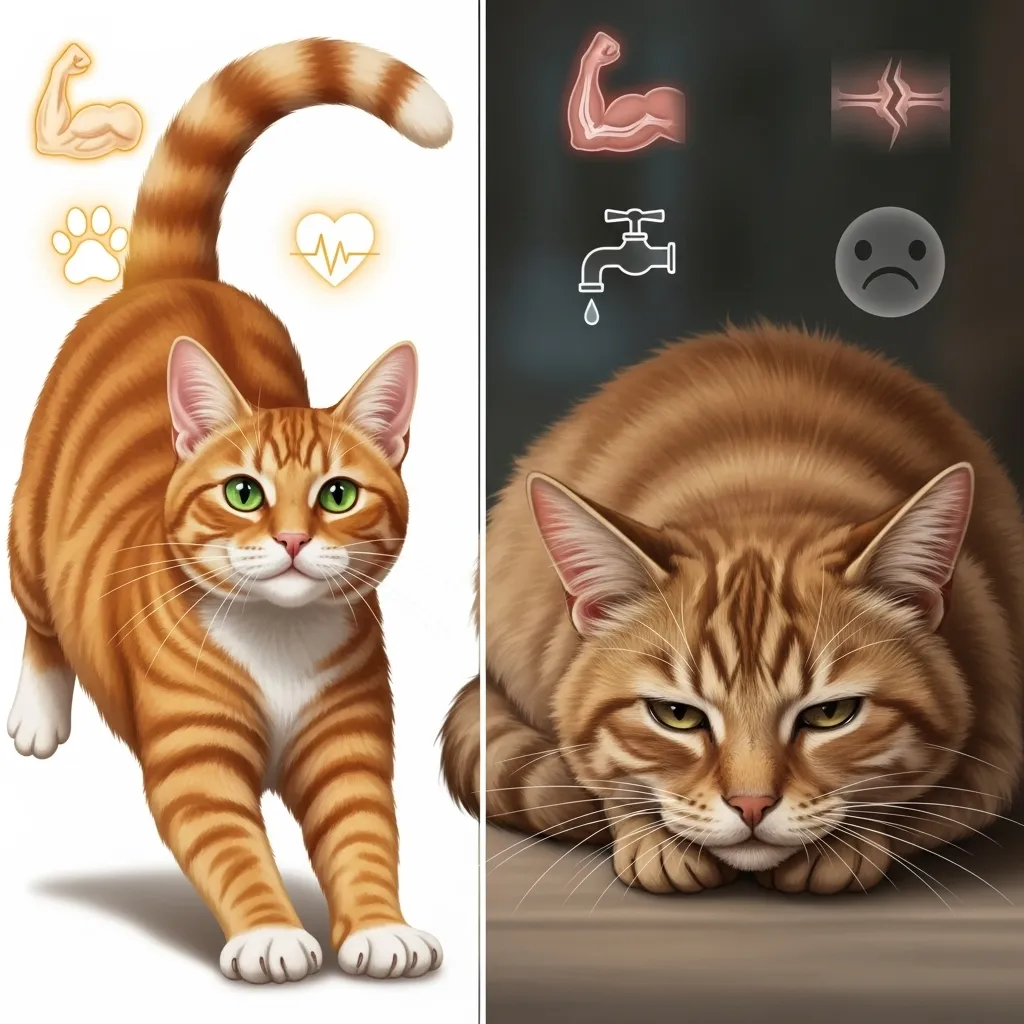
Skimping on quality shows up subtly at first. Cats on poor proteins may lose muscle tone, appearing skinny despite eating. Immunity drops, leading to frequent infections.
Digestive signs include chronic diarrhea or vomiting. Lethargy sets in; your once-playful cat naps excessively. In kittens, growth stalls. Seniors suffer sarcopenia, muscle wasting that hastens aging.
Long-term? Heart issues from taurine deficiency, like dilated cardiomyopathy. Kidney strain if proteins are hard to process. I’ve treated cats with these problems; early diet tweaks make a huge difference. For related health concerns, read about cat kidney failure guide.
Common Pitfalls in Managing Cat Protein Intake
Even well-intentioned owners slip up. Here are frequent errors.
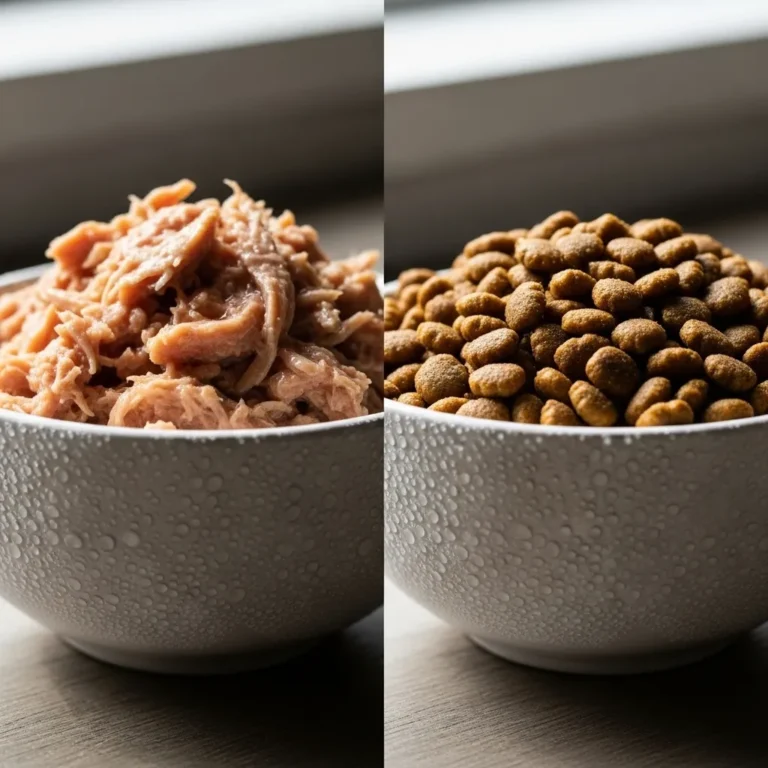
- Over-Reliance on Dry Food: High carbs dilute protein quality. Opt for wet options.
- Not Rotating Proteins: Leads to intolerances. Mix chicken with fish weekly.
- Ignoring Life Stage: Feeding kitten food to seniors overloads systems.
- Assuming High Protein Equals Quality: Quantity matters less than source.
- Feeding Table Scraps: Human foods lack balance, risking deficiencies.
- Abrupt Diet Changes: Causes stomach upset. Transition slowly over a week.
Avoid these by planning meals thoughtfully. For behavior tied to diet, like aggression, see sudden cat aggression.
Actionable Strategies to Boost Protein Quality
Start simple. Audit your cat’s current food. If protein sources are vague, switch gradually.
Incorporate wet foods; they mimic natural moisture. Aim for 70-80% of diet from cans or pouches. Supplement with treats like freeze-dried chicken.
Monitor weight and energy. Annual vet checkups include protein panels. For homemade touches, add boiled turkey bits, but balance with vets.
If your cat has issues like obesity, pair with our cat obesity guide. Consistency pays off in longevity.
Expert Tip from the Field
In my experience, cats with dull coats revive on quality proteins. One rescue, a senior Bengal, gained muscle after switching to rabbit-based food. For breed-specific advice, visit Bengal cat guide.
Real Stories: How Protein Quality Transformed Cats
Take Mia, a 5-year-old Siamese. Her owner fed cheap kibble; Mia was lethargic, with hair loss. We shifted to salmon-rich wet food. Within months, her energy surged, coat gleamed. Tests showed better protein absorption.
Or Max, a kitten on plant-heavy diet. Stunted growth reversed with chicken meals. These cases highlight quality’s impact. Share your story in comments, or explore Siamese cat breed.
FAQ: Answering Your Protein Questions
What is the ideal protein percentage for adult cats?
Aim for at least 26% on dry matter, from animal sources.
Can cats get too much protein?
Healthy cats handle high levels well, but those with kidney disease need moderation. Consult vets.
Are plant proteins okay for cats?
In small amounts, yes, but they shouldn’t dominate. Cats need animal amino acids.
How do I know if my cat’s protein is insufficient?
Watch for weight loss, dull fur, or low energy. Vet bloodwork confirms.
What’s the best way to introduce new proteins?
Mix gradually over 7-10 days to avoid upset.
For more on feeding, see protein in cat food.
Wrapping Up: Empower Your Cat’s Health Today
The role of protein quality in cat diets can’t be overstated. It fuels their carnivorous nature, supports every stage of life, and prevents hidden health risks. By choosing wisely, you give your cat the foundation for a vibrant life. Start with a label check, add variety, and watch the difference.
Explore more expert cat care and behavior guides on Cat Bloom Haven, like our cat health care section. Your feline friend deserves the best.