The Hidden Rhythm: How Your Cat’s Feeding Schedule Directly Shapes Their Metabolism, Health, and Happiness
For years, we’ve focused on what to feed our cats kibble versus wet, grain-free, high-protein. But emerging veterinary science reveals a startling truth: when and how often you feed your cat may be just as critical as the food in the bowl. Your cat’s feeding schedule is not just a household routine; it is a powerful metabolic regulator, a behavioral cue, and a primary determinant of their long-term health.
Think of your cat’s metabolism not as a simple furnace, but as a sophisticated, circadian rhythm-driven orchestra. Every meal you provide is the conductor’s baton, signaling hormones to rise and fall, instructing cells to store or burn energy, and setting the tempo for biological processes you never see. An erratic, mismatched, or poorly timed feeding schedule throws this delicate orchestra into dissonance. The consequences? Weight gain that resists diet changes, spikes and crashes in energy, stress-related behaviors, and a heightened risk for pervasive modern feline ailments like diabetes and urinary issues.
This comprehensive guide will dissect the profound connection between feeding schedules and feline metabolism. You will move beyond generic advice to understand the why behind the recommendations, empowering you to craft a personalized feeding plan that synchronizes with your cat’s biological blueprint for optimal vitality.
Key Takeaways:
- Feline metabolism is governed by strong circadian rhythms and is exquisitely sensitive to meal timing and frequency.
- The choice between free-feeding, scheduled meals, or timed portions has dramatic, measurable effects on weight management, hormone balance, and energy levels.
- An optimized feeding schedule is a frontline defense against diabetes, obesity, and Feline Lower Urinary Tract Disease (FLUTD).
- Your cat’s age, health status, and personality are non-negotiable factors in designing their ideal feeding routine.
- Consistency and environmental enrichment around mealtimes are as important as the schedule itself for metabolic and behavioral health.
Decoding the Feline Metabolic Engine
To understand the impact of schedule, we must first appreciate the machine it controls.
The Carnivore’s Clock
Unlike omnivores, cats are obligate carnivores with a metabolism fine-tuned for a feast-or-famine lifestyle. Their bodies are designed to process high-protein, high-fat meals efficiently and to utilize protein for glucose production (gluconeogenesis). This system expects intervals of fasting between successful hunts. When we provide a constant buffet of carbohydrates via free-fed kibble, we disrupt millions of years of evolutionary programming.
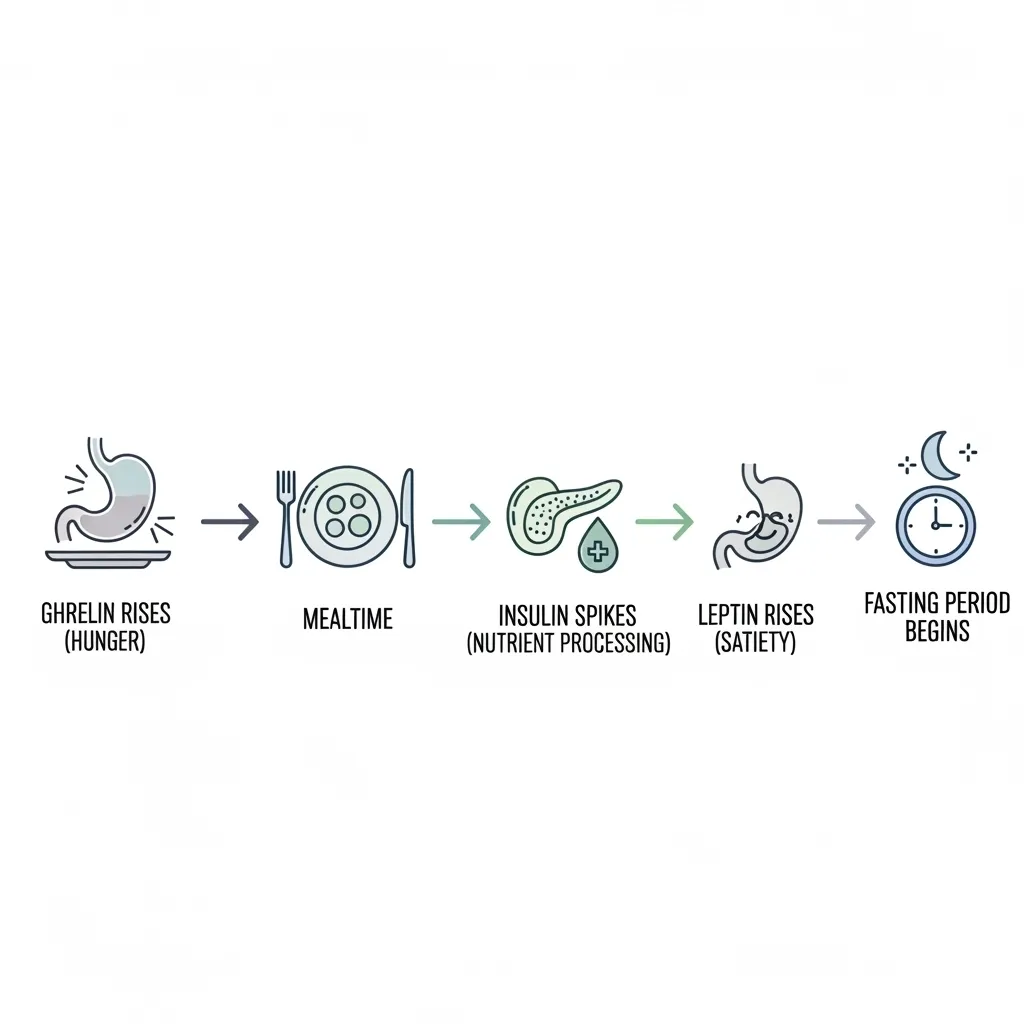
Key Metabolic Hormones: Insulin, Ghrelin, and Leptin
Every meal triggers a hormonal cascade:
- Insulin: Released to help cells absorb glucose from the bloodstream. Constant grazing can lead to persistently elevated insulin levels, promoting fat storage and, over time, insulin resistance—a precursor to diabetes.
- Ghrelin: The “hunger hormone.” Its secretion follows a predictable pattern, rising before an expected meal. A consistent schedule trains ghrelin to spike at appropriate times, regulating appetite. An erratic schedule creates confusing, constant ghrelin signals, leading to perceived hunger and begging.
- Leptin: The “satiety hormone,” produced by fat cells. It signals the brain to reduce appetite. In obesity, leptin resistance can occur, where the brain no longer “hears” the fullness signal. Scheduled, portion-controlled meals help restore leptin sensitivity.
The Circadian Rhythm Connection
Research confirms that cats, like most organisms, have internal clocks influencing liver function, digestion, and hormone release. Feeding at consistent times synchronizes these peripheral clocks, promoting metabolic efficiency. Night-time feeding, aligning with their crepuscular (dawn/dusk) nature, may be particularly beneficial for some cats.
The Great Debate: Free-Feeding vs. Scheduled Meals vs. Timed Portions
The chosen feeding method is the primary interface with your cat’s metabolism.
The Free-Feeding (Ad Libitum) Fallacy
A bowl perpetually full of dry food is the most common yet metabolically disruptive method.
- Metabolic Impact: Eliminates the crucial fasting period, leading to a “trickle-charge” metabolism that prioritizes fat storage. Constant insulin presence increases diabetes risk.
- Weight & Appetite: Strongly linked to obesity. It decouples eating from hunger, promoting consumption out of boredom. It becomes impossible to monitor individual appetite in multi-cat homes.
- Best (and often only) Scenario: For very young kittens under 6 months who need constant energy for growth, or for exceptionally rare, self-regulating adult cats who maintain a perfect weight. Explore our detailed guide on cat food nutrition to understand what’s in that always-full bowl.
The Power of Scheduled Meals
Providing measured portions at set times (e.g., 8 AM and 8 PM) is the gold standard for metabolic regulation.
- Metabolic Impact: Creates predictable fasting periods, allowing insulin to return to baseline, improving hormonal sensitivity, and teaching the body to burn stored fat.
- Weight & Appetite: The cornerstone of weight loss and maintenance. Allows for precise calorie control. Ghrelin synchronizes with mealtimes, reducing between-meal begging.
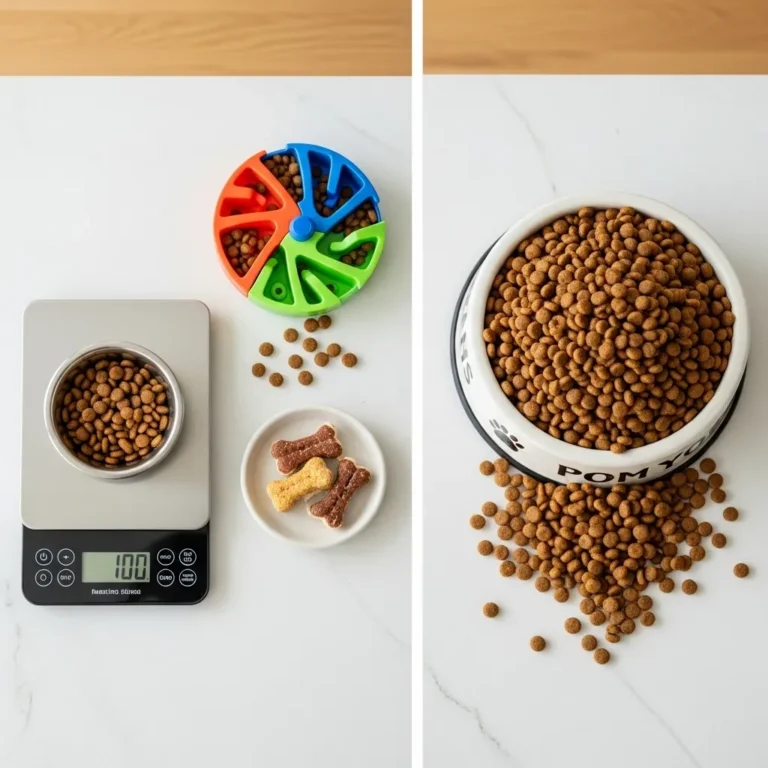
- Practical Tip: Use a portion scale for accuracy. Cups are notoriously imprecise. This method requires commitment but offers the greatest metabolic control. Discover more tips in our cat feeding schedule article for a sample routine.
Hybrid Approach: Timed Automatic Feeders
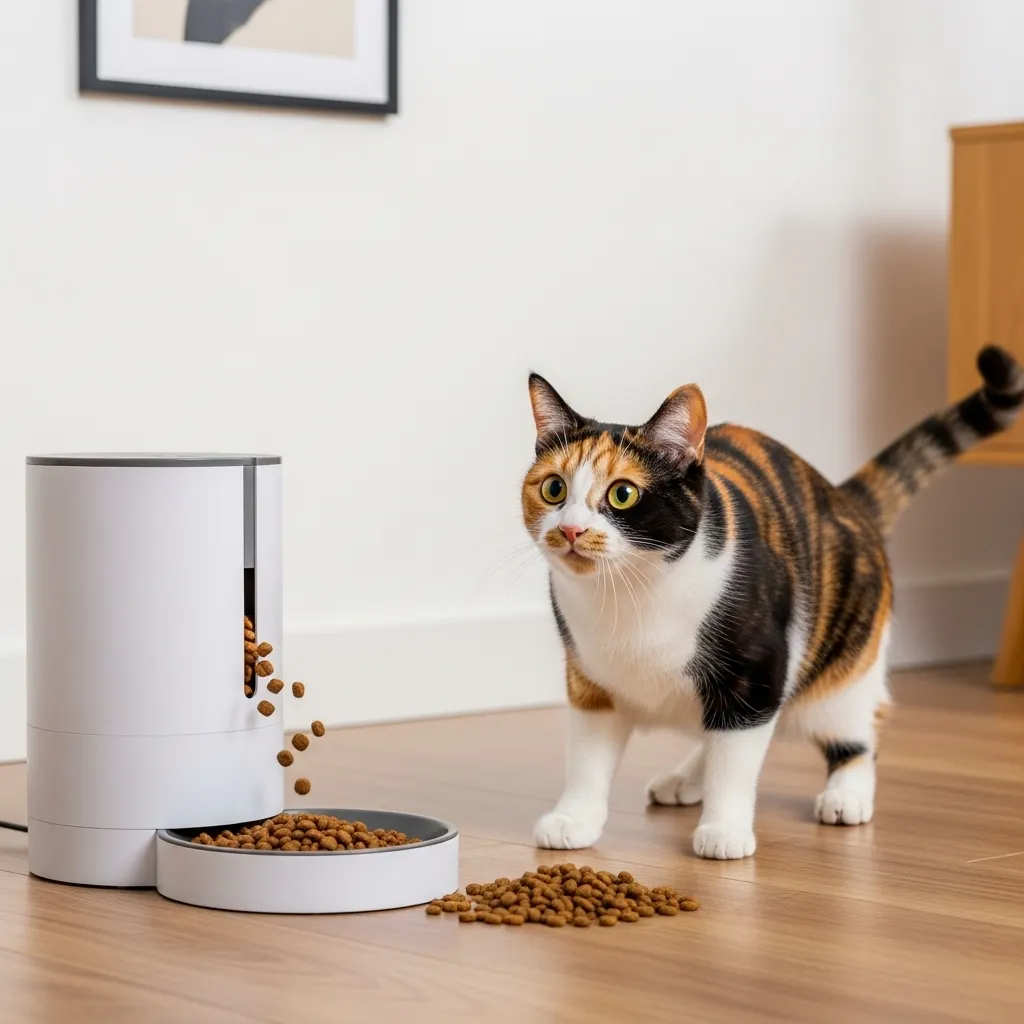
Technology offers a compelling middle ground. Automatic feeders dispense precise portions at pre-set times.
- Metabolic Impact: Maintains the benefits of scheduled fasting periods and portion control. Can be excellent for multi-cat diets or busy households.
- Behavioral Bonus: Separates you from “food delivery,” which can reduce demand meowing and anxiety. The feeder becomes the source, not you.
- Consideration: Ensure your cat accepts the feeder and it’s reliable. It should complement, not replace, interaction. Learn more in our automatic cat feeder guide.
Tailoring the Schedule to Life Stage and Health
A one-size-fits-all schedule fails. Metabolism changes dramatically with age and health.
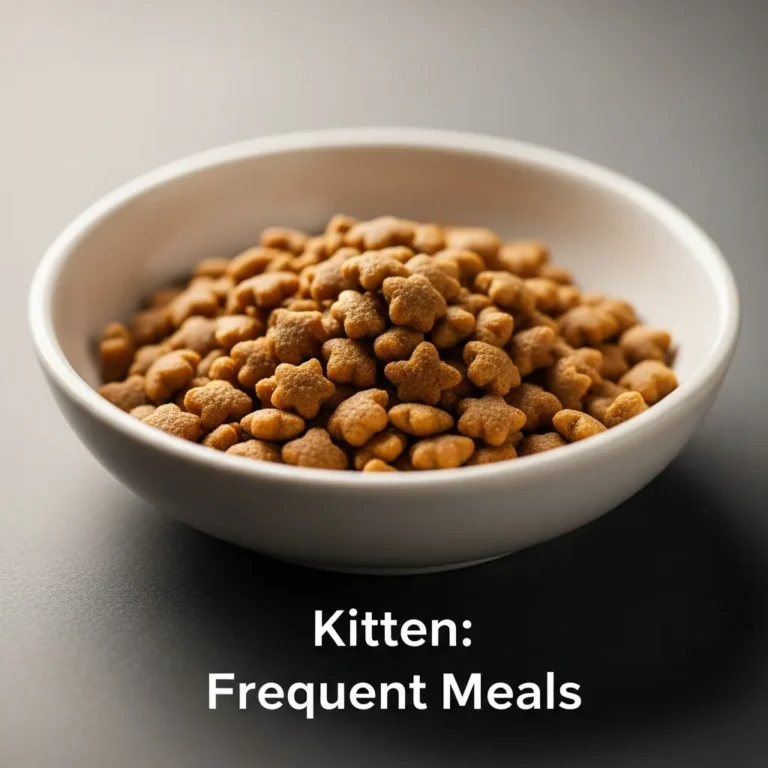
The Kitten Engine: Frequent Fueling
Kittens under six months have minuscule stomachs and raging metabolisms for growth and play.
- Schedule: Four to six small meals daily. Free-feeding high-quality kitten kibble is often acceptable if combined with scheduled wet food meals.
- Metabolic Goal: Support rapid development without overstressing the digestive system. Our guide on how to raise a kitten covers this crucial stage in detail.
The Adult Conductor: Establishing Rhythm
From 1-7 years, the goal is maintaining a lean, muscular body and preventing insidious weight gain.
- Schedule: Minimum two meals per day, 12 hours apart. Many benefit from three (e.g., 7 AM, 5 PM, 10 PM). This mimics natural hunting frequency.
- Metabolic Goal: Prevent insulin resistance, maintain energy stability, and support organ health through consistent fasting windows.
The Senior Maestro: Adapting to Change
Cats over 7 experience slowed metabolism, reduced muscle mass, and potential health issues.
- Schedule: Two or three smaller, highly palatable, and easily digestible meals. Monitor closely for reduced appetite, a common serious sign in seniors.
- Key Consideration: Senior cats may have dental pain or reduced sense of smell. Warming food can help. Their schedule must be flexible to their needs. Find compassionate advice in our senior cat care resource.
Medical Conditions: Schedule as Therapy
For certain diseases, feeding schedule is a direct treatment modality.
- Diabetes: Absolute consistency is critical. Meals must be timed exactly with insulin injections (if prescribed). A high-protein, low-carb diet on a strict schedule can sometimes lead to remission. Learn about feline diabetes insulin management here.
- Obesity: The foundation of any weight loss plan is measured meals, often 2-3 daily. No free-feeding. Slow feeder bowls can help. Explore our cat obesity guide for a full plan.
- Hyperthyroidism: These cats have a runaway metabolism. They require frequent, high-calorie meals (4+ daily) to prevent dangerous weight loss. Learn about feeding cats with hyperthyroidism.
- Feline Lower Urinary Tract Disease (FLUTD): Concentration of urine is a major risk. Scheduled meals, especially of wet food, promote more frequent urination. An automatic feeder for a late-night small meal can prevent a long overnight urine buildup.
The Behavioral-Metabolic Loop: Stress, Boredom, and Feeding
Metabolism isn’t purely physiological. The mind directly influences the body.
Stress-Induced Metabolic Slowdown
A chronically stressed cat (from conflict with other pets, environmental changes, etc.) may experience elevated cortisol. This can promote abdominal fat storage and disrupt glucose metabolism, mimicking the effects of a poor diet. A predictable, calm feeding routine is a powerful stress reducer.
Boredom Eating vs. True Hunger
A cat with inadequate environmental enrichment will often turn to food for stimulation, especially if it’s always available. This boredom eating directly fuels obesity. The solution isn’t just a schedule, but pairing mealtimes with activity.
The Hunting Sequence: Feed Their Nature
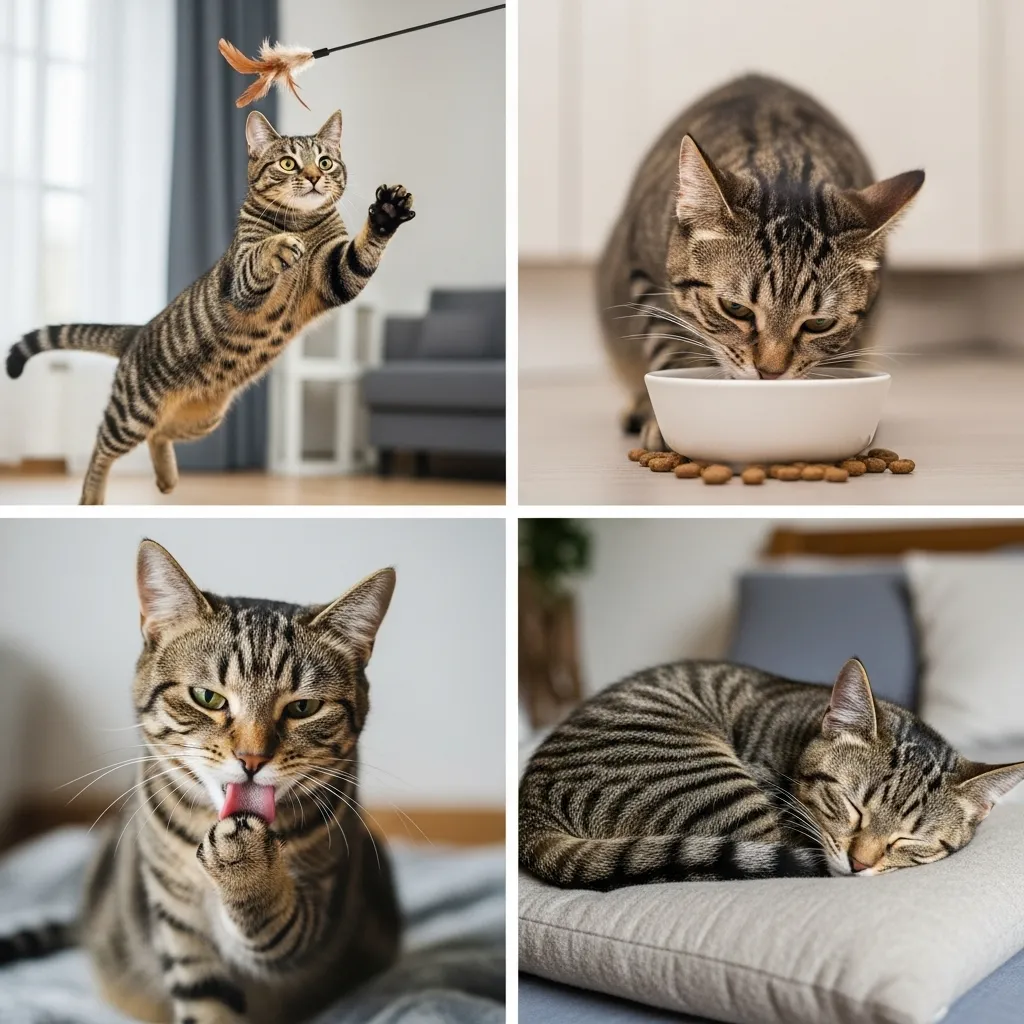
The ideal feline feeding ritual replicates the hunt-eat-groom-sleep cycle.
- Hunt (Play): 5-10 minutes of vigorous play with a wand toy.
- Eat (The Meal): Provide the scheduled meal.
- Groom & Sleep: A satisfied cat will groom and rest.
This sequence satisfies deep behavioral needs, provides mental enrichment, and creates a natural energy expenditure before calorie intake. It’s metabolic and behavioral harmony. Discover cat enrichment ideas that don’t have to be costly.
Crafting and Implementing Your Cat’s Metabolic Schedule
Ready to optimize? Follow this step-by-step approach.
Step 1: The Assessment. Weigh your cat, note their Body Condition Score (you should feel ribs easily), and log their current eating patterns and behavior for 3 days.
Step 2: Calculate Needs. Use your vet’s recommended daily calorie count. Do not use bag guidelines, which are often too high. Divide this total by your chosen number of meals.
Step 3: Choose the Method. Based on your lifestyle and cat’s needs, select scheduled meals or a timed feeder. Commit to a 2-week transition.
Step 4: The Transition. If moving from free-feeding, do it gradually. Offer scheduled meals, removing the free-fed bowl for increasing intervals. Be patient; the metabolic clock needs time to reset.
Step 5: Integrate Enrichment. Introduce play before meals. Consider puzzle feeders or scatter feeding (for kibble) to engage their brain and slow intake.
Step 6: Monitor and Adapt. Weigh monthly. Observe energy and behavior. Adjust timing or portion size as needed, consulting your vet for health-related changes.
Frequently Asked Questions (FAQ)
Q: How many times a day should I feed my cat?
A: For most healthy adult cats, two meals per day (every 12 hours) is the minimum. Three meals (e.g., morning, early evening, before bed) is often ideal and aligns better with their natural rhythm.
Q: Is it cruel to feed a cat twice a day?
A: No, it is physiologically appropriate. It provides necessary fasting periods for metabolic health. Cruelty is feeding an improper diet or amount that leads to obesity and disease. Ensure the two meals meet their full daily calorie and nutrient needs.
Q: Can a feeding schedule help with my cat’s begging?
A: Absolutely. Begging is often a learned behavior. A consistent schedule regulates ghrelin (the hunger hormone) and teaches your cat that food comes at specific times, not when they vocalize. Stick to the schedule without giving in.
Q: What’s the best feeding schedule for weight loss?
A: Measured meals 2-3 times daily, with no snacks. Use a kitchen scale. Combining this with increased play before meals maximizes calorie burn and intake control. Always consult your vet before starting a weight loss plan.
Q: Should I feed my cat before or after I play with them?
A: Always play before feeding. This mimics the natural hunt-eat cycle, provides mental satisfaction, and can prevent behavioral issues. It also ensures energy is directed toward play, not post-meal zoomies.
Q: How does wet food vs. dry food affect metabolism on a schedule?
A: Wet food is typically higher in protein and moisture, lower in carbohydrates. This macronutrient profile promotes better satiety and lean body mass, making portion control on a schedule more effective. It’s also crucial for urinary health. Compare wet vs. dry cat food nutrition in our dedicated guide.
Conclusion: The Rhythm of Health
Your cat’s feeding schedule is far more than a chore on the daily checklist. It is a profound tool—a dial you can turn to fine-tune their metabolism, preempt disease, stabilize their mood, and satisfy their innate feline nature. By moving from passive feeding to an intentional, rhythmic routine, you become the conductor of their internal orchestra, guiding them toward a symphony of long-term health and vitality.
The journey begins with observation, continues with a committed plan, and rewards you with the sight of a cat operating at its peak: a lean body, a stable energy, a calm mind, and a deep, resonant purr of contentment.
Ready to dive deeper into creating a harmonious life for your feline companion? Explore more expert cat care, behavior, and nutrition guides on Cat Bloom Haven.