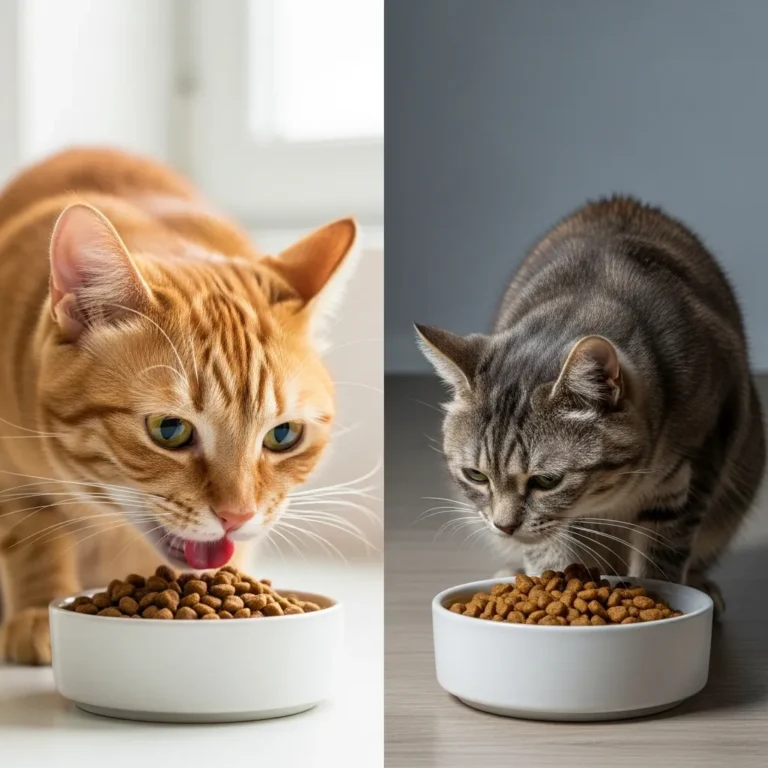
Signs Your Cat’s Diet Needs to Change
Have you noticed your cat acting off lately? Maybe she’s lost her usual spark, or her coat looks less shiny than before. As a cat owner with over 15 years of experience working alongside veterinarians, I’ve seen how subtle shifts in behavior or appearance often point to dietary issues. The focus here is on signs your cat’s diet needs to change, a common yet overlooked problem that can affect health and happiness.
In this guide, we’ll explore these signals in depth, drawing from veterinary insights and real-world examples. You’ll learn how to spot them early, make informed adjustments, and avoid pitfalls that lead to bigger problems. By the end, you’ll have practical steps to ensure your feline friend thrives.
Key Takeaways
- Watch for physical changes like a dull coat, unexpected weight gain or loss, and digestive upset; these are often the first clues that your cat’s current food isn’t meeting her needs.
- Behavioral shifts, such as increased lethargy or sudden pickiness at mealtimes, can signal nutritional imbalances or sensitivities.
- Health concerns, including frequent urinary issues or skin allergies, may require a specialized diet; consult a vet promptly to rule out underlying conditions.
- Transition to a new food gradually over 7-10 days to prevent stomach troubles, mixing old and new portions step by step.
- Avoid common errors like free-feeding or ignoring hydration; portion control and wet food can make a big difference in long-term wellness.
Understanding Your Cat’s Nutritional Needs
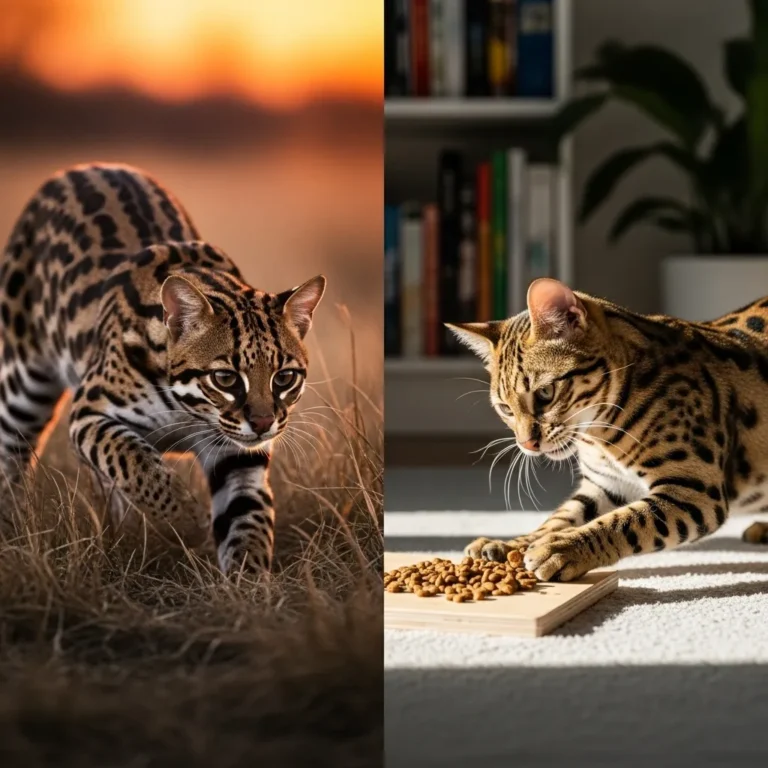
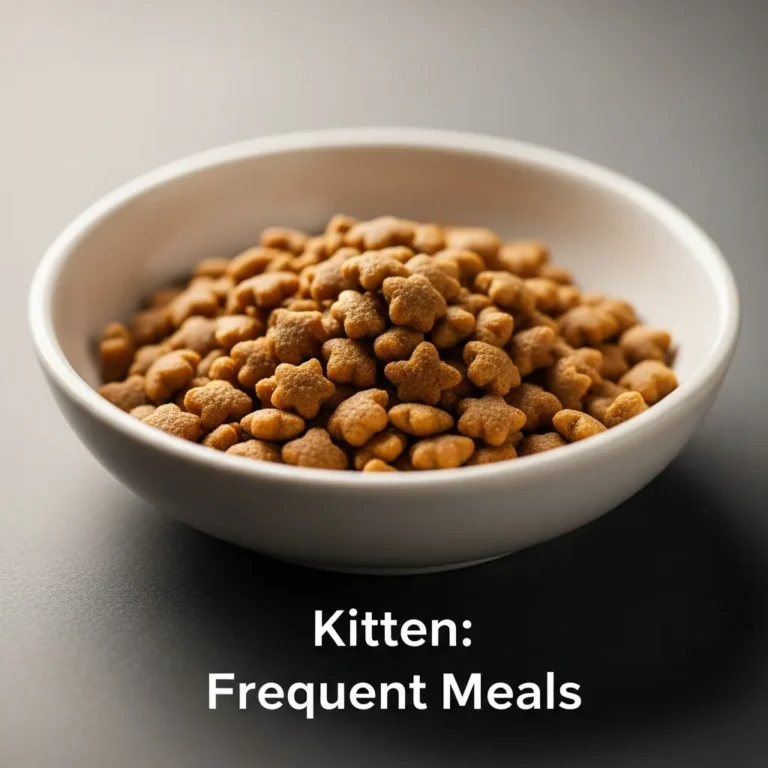
Cats are obligate carnivores. This means they rely on animal-based proteins for essential nutrients like taurine and arachidonic acid, which plants can’t provide adequately. Unlike dogs or humans, cats can’t thrive on a vegetarian diet; it risks heart problems or blindness over time. Their needs evolve with age, too. Kittens require calorie-dense food for growth, adults need balanced maintenance, and seniors benefit from joint-supporting formulas to combat arthritis.
Lifestyle matters as well. An indoor cat might need fewer calories than an active outdoor one to prevent obesity, a issue affecting nearly 60% of cats in the U.S., according to recent 2025 veterinary surveys. Breed-specific factors play a role; for instance, larger breeds like Maine Coons often need more protein to maintain muscle mass. Always check labels for AAFCO approval, ensuring the food meets nutritional standards. If you’re unsure, a vet can tailor recommendations based on bloodwork or exams.
Physical Signs Your Cat’s Diet Needs to Change
The body often reveals dietary shortcomings before behavior does. These visible cues can help you act fast.
Coat and Skin Issues
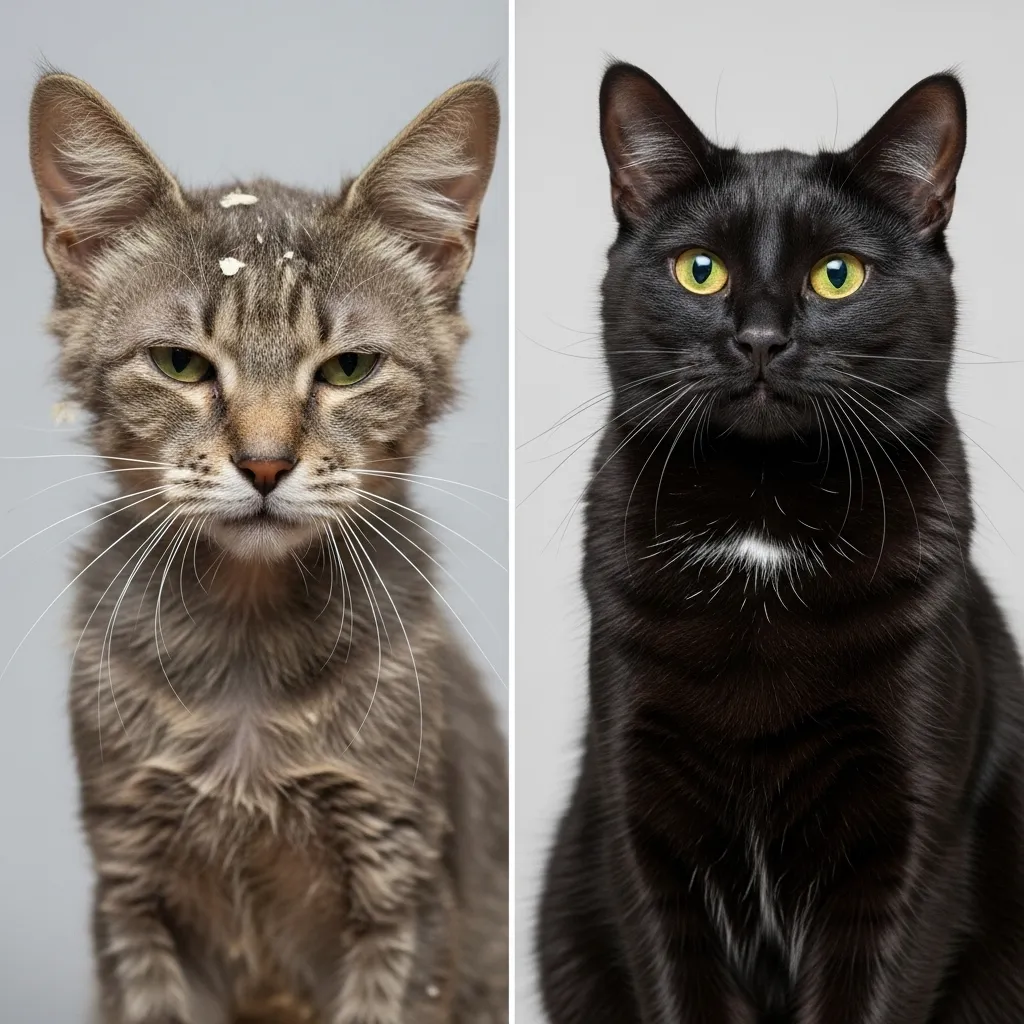
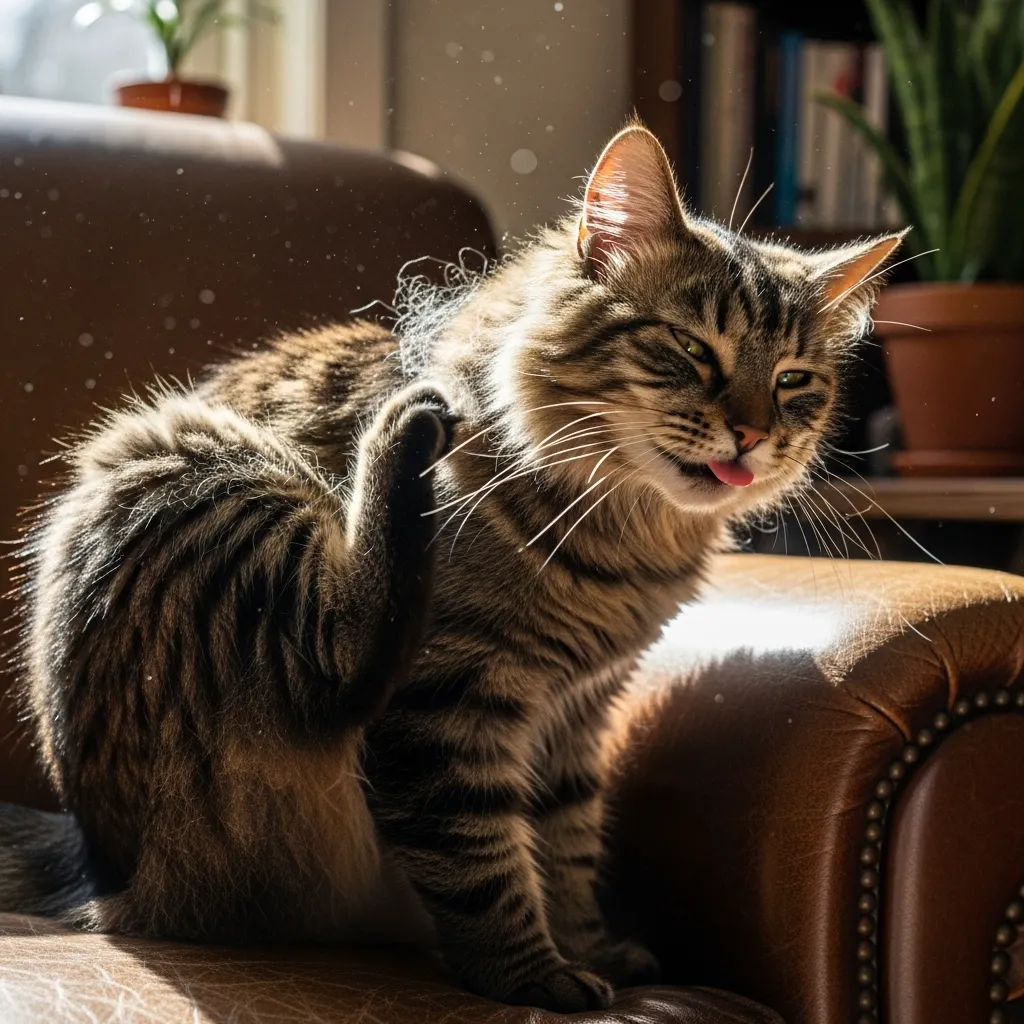
A healthy cat boasts a glossy, smooth coat. If yours looks dull, flaky, or greasy, it might lack essential fatty acids like omega-3 and omega-6. I’ve treated cats where switching to a fish-enriched formula restored shine within weeks. Hair loss in patches or excessive shedding beyond seasonal norms could indicate protein deficiencies or allergies. Dry, itchy skin leading to constant scratching? This points to imbalances in vitamins A and E, common in low-quality kibble. Monitor for dandruff or redness; these aren’t just cosmetic but signs of deeper nutritional gaps.
Weight Fluctuations
Sudden weight gain or loss is a red flag. Obesity strains joints and raises diabetes risk, often from overfeeding calorie-dense dry food without portion control. On the flip side, unexplained slimming might stem from poor nutrient absorption, especially in seniors where digestion slows. Track your cat’s body condition score: ribs should be palpable but not visible. If she’s packing on pounds despite no activity change, her diet may be too carb-heavy. Vets recommend weighing monthly; even a pound shift warrants review.
Digestive Problems
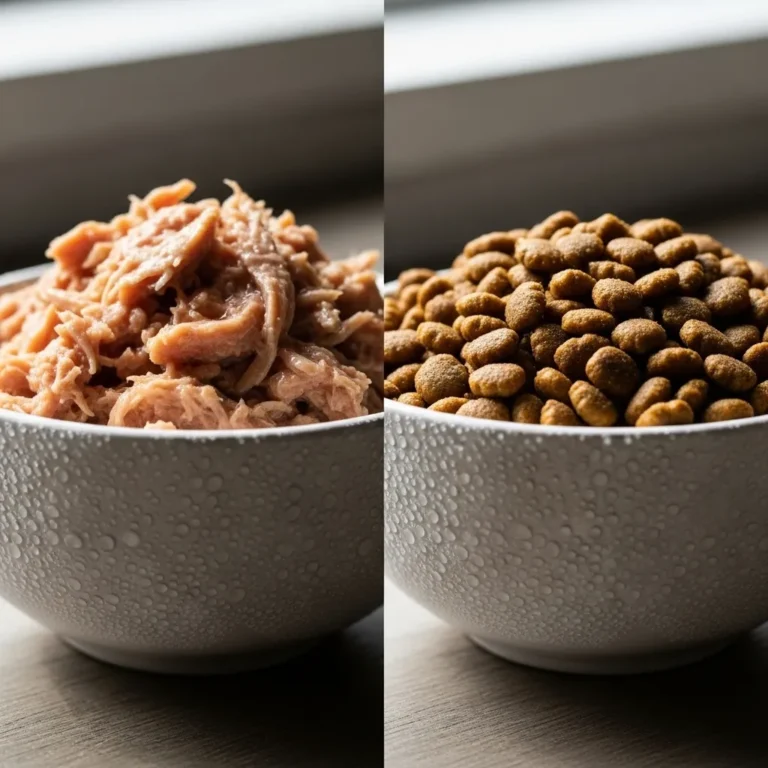
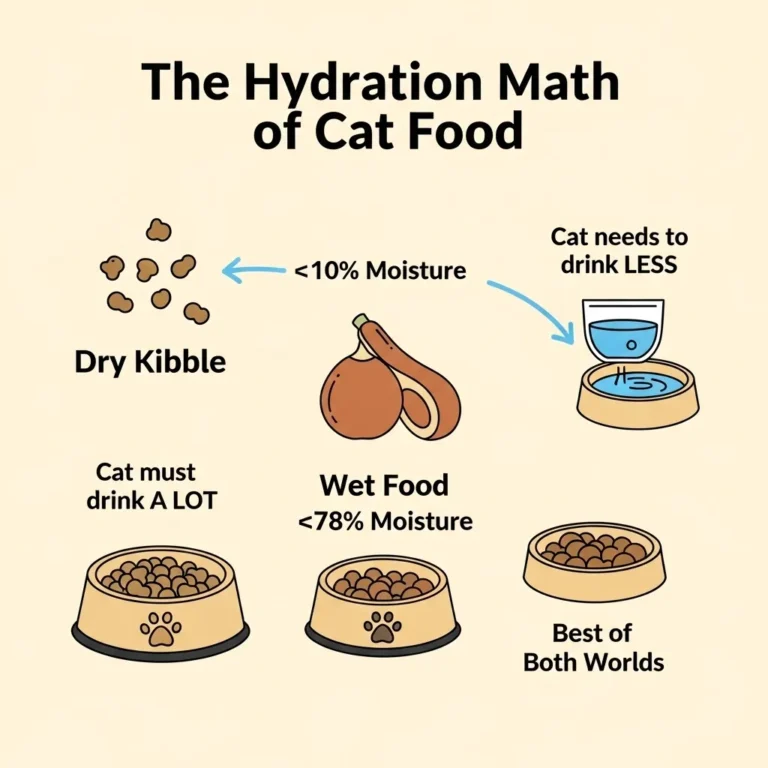
Frequent vomiting, diarrhea, or constipation screams dietary mismatch. Hard, dry stools suggest dehydration or low fiber, while loose ones might mean food sensitivities. Hairballs more than once a month? A diet low in moisture exacerbates this. In my experience, transitioning to wet food often resolves these within days by adding hydration. Watch stool quality; ideal is firm and log-shaped. Persistent issues could link to ingredients like grains or fillers, so note patterns after meals.
Behavioral Indicators
Cats communicate through actions. Diet influences energy and mood more than you might think.
Lethargy or Hyperactivity
If your once-playful cat now naps excessively, her food might lack key proteins or B vitamins for energy. Lethargy often pairs with a dull coat, creating a cycle of poor health. Conversely, hyperactivity or restlessness could signal blood sugar spikes from high-carb diets. One client described her cat zooming around post-meal; a switch to balanced protein curbed it. Observe daily routines; consistent low energy merits a vet check to differentiate from age or illness.
Changes in Appetite
Pickiness isn’t always fussiness. Refusing food might mean it’s bland or stale, but chronic disinterest could indicate zinc deficiency affecting taste. Overeating? This happens with nutrient-poor foods where cats compensate by volume. Note if she begs between meals or ignores favorites; these hint at imbalances. In multi-cat homes, competition can mask issues, so feed separately to monitor intake.
Health-Related Red Flags
Some signs tie directly to medical concerns, demanding swift action.
Urinary Tract Issues
Straining to urinate, blood in urine, or frequent litter box trips often link to diet. Dry food’s low moisture contributes to crystals or infections, especially in males prone to blockages. A 2025 study from Cornell Veterinary Medicine notes that wet diets reduce recurrence by 50%. If your cat cries during elimination, seek emergency care; untreated, this can be fatal. Acidifying formulas help, but only under vet guidance.
Allergies and Sensitivities
Itchy ears, watery eyes, or chronic sneezing might stem from food allergens like chicken or grains. Vomiting after meals or skin bumps on the neck are common. Elimination diets identify culprits; start with novel proteins like duck. Hypoallergenic options have helped many cats I know regain comfort. Persistent symptoms? Blood tests confirm, preventing secondary infections.
When Life Stages Demand a Diet Shift
Transitions aren’t optional. Kittens outgrow high-calorie formulas around 10-12 months to avoid fat gain. Adults maintain until age 7, when senior blends with antioxidants support immunity. Pregnancy boosts needs by 50%; nursing even more. Post-spay/neuter, metabolism drops 20-30%, risking weight issues without adjustment. Vets advise annual reviews; for example, a senior with kidney signs benefits from low-phosphorus food early.
How to Safely Transition to a New Diet
Abrupt switches upset stomachs. Follow this 10-day plan:
- Days 1-3: 75% old food, 25% new. Mix well.
- Days 4-6: 50/50 split.
- Days 7-9: 25% old, 75% new.
- Day 10: 100% new.
Monitor for vomiting or refusal; extend phases if needed. Warm wet food slightly for appeal. For picky eaters, add toppers like broth. Hydrate with fountains; aim for 1-2 ounces per pound daily. If symptoms persist, revert and consult a vet.
Common Diet Mistakes to Avoid
Many owners err unintentionally. Free-feeding leads to overeating; measure portions twice daily. Ignoring water intake? Cats on dry diets dehydrate easily; incorporate wet food. Too many treats? Limit to 10% of calories. Human scraps like milk cause diarrhea; stick to cat-safe. Wrong life-stage food starves or overloads nutrients. Overlooking labels? Choose meat-first ingredients. In 2025, with rising recalls, opt for tested brands.
Real-Life Example: Turning Things Around
Take Luna, a 5-year-old tabby I advised. Her owner noticed weight gain and lethargy. We spotted a dull coat and soft stools. Bloodwork showed minor dehydration. Switching to a wet, high-protein diet over two weeks revived her energy; she lost excess pounds naturally. Regular check-ins ensured success. Stories like this show early intervention pays off.
FAQ
What are the most common signs your cat’s diet needs to change?
Look for a dull coat, weight changes, digestive issues, lethargy, or picky eating. These often indicate nutritional shortfalls.
How long does it take to see improvements after a diet change?
Most cats show better coat shine and energy within 2-4 weeks, but digestive fixes can happen in days.
Can I switch my cat’s food without a vet?
For minor tweaks, yes, but consult for health issues or seniors to avoid complications.
Why is my cat vomiting after a diet change?
It might be too quick; slow the transition and monitor. Persistent vomiting needs vet attention.
What if my cat refuses the new food?
Try warming it or adding familiar flavors. Patience is key; some take longer.
How much should I feed my cat daily?
It varies by weight and activity; use package guidelines or vet calculators, typically 200-300 calories for adults.
Is wet or dry food better?
Wet aids hydration and weight control; mix both for balance.
Conclusion
Recognizing signs your cat’s diet needs to change empowers you to boost her well-being. From physical cues to behavioral shifts, these indicators guide better choices. Act early with vet input, transition slowly, and sidestep common errors for a healthier companion. Your cat depends on you; small adjustments yield big rewards.
Explore more expert cat care and behavior guides on Cat Bloom Haven. Discover our detailed guide on choosing cat food. Learn more in our article on best wet cat food. For weight concerns, check out why is my cat gaining weight. Dive into cat food nutrition for deeper insights. If allergies arise, read our cat allergies guide.