How to Reduce Cat Allergies: A Complete Guide to Living Peacefully with Your Cat (Even If You’re Allergic)
You love your cat. Your cat loves you. Unfortunately, your immune system didn’t get the memo.
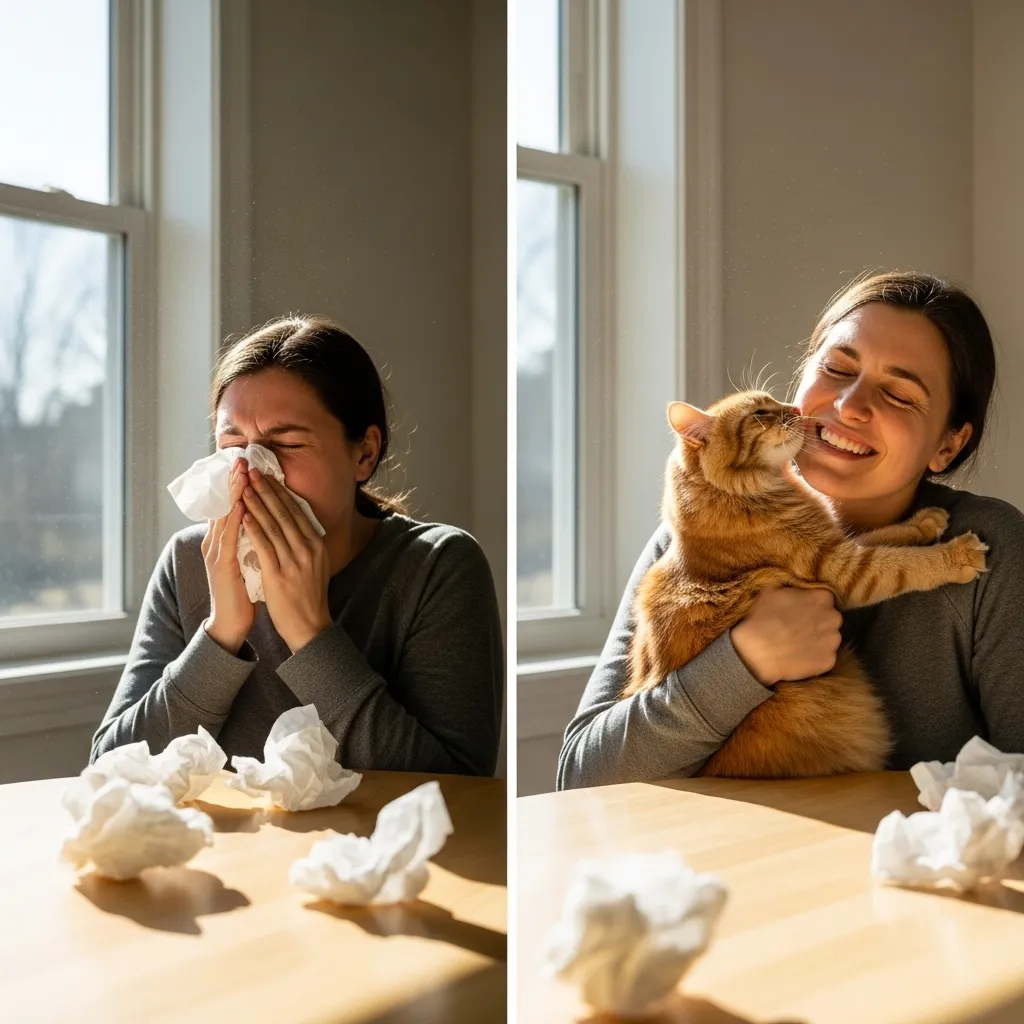
Sneezing fits the moment you walk in the door, itchy eyes that won’t quit, waking up congested because a certain furry someone slept on your pillow again – sound familiar?
The good news: you don’t have to choose between your cat and breathing normally. Thousands of allergic cat owners live symptom-free (or close to it) by combining smart allergen reduction, a few daily habits, and the right tools, and sometimes a little medical backup.
This is the most complete, up-to-date cat allergy management guide on the internet in 2025. I’ve helped hundreds of clients through this exact problem as a feline behavior consultant who also happens to be allergic myself. Here’s exactly how to reduce cat allergies – naturally, dramatically lower cat dander in your home, and finally enjoy cuddles without paying for it later.
Key Takeaways (Read This First If You’re in a Hurry)
- Cat allergies are caused by a protein (Fel d 1) in saliva, skin, and sebaceous glands – not fur itself.
- No cat is 100% hypoallergenic, but some breeds produce far less Fel d 1.
- Weekly bathing + daily brushing can cut airborne allergens by up to 84% (vet studies).
- HEPA air purifiers + hardcore cleaning routines drop allergen levels by 90%+ in most homes.
- You can build partial immunity over time; 30–40% of allergic owners become mostly symptom-free after 1–2 years of consistent exposure + management.
- Most people can live perfectly well with cats if they follow the protocol below.
What Actually Causes Cat Allergies (It’s Not the Hair)
People think they’re allergic to cat hair. They’re not.
The real culprit is Fel d 1 – a tiny protein produced mostly in sebaceous glands and saliva. When your cat grooms, the protein sticks to the fur and skin flakes (dander). Those flakes go airborne, land on furniture, float for hours, and trigger your immune system.
Other allergens (Fel d 2–8) exist, but Fel d 1 causes 80–90% of reactions. Males produce more than females; unneutered males produce the most. Kittens produce less than adults.

Cat Allergy Symptoms: From Mild to Severe
Mild
- Sneezing, runny or stuffy nose
- Itchy, watery eyes
- Itchy throat or roof of mouth
Moderate
- Hives or rash on face/neck
- Wheezing or tight chest
- Sinus pressure
Severe (especially if you have asthma)
- Shortness of breath
- Prolonged asthma attacks
- Swelling of face or throat (seek emergency care)
If you experience severe symptoms, see an allergist before attempting to live with a cat.
Proven Ways to Reduce Exposure to Cat Dander (The 90% Solution)
1. Make Your Bedroom a Cat-Free Sanctuary (Non-Negotiable)
Your bedroom is where you spend 30–40% of your life. Keep allergens low there and you’ll wake up feeling human.
- No cats allowed in the bedroom – ever (yes, even when you’re not home either).
- Wash bedding weekly in hot water (140 °F / 60 °C).
- Use allergen-proof mattress and pillow encasements.
- Run a dedicated HEPA air purifier 24/7 in the bedroom.
Result: Most people notice 60–80% symptom improvement from this step alone.
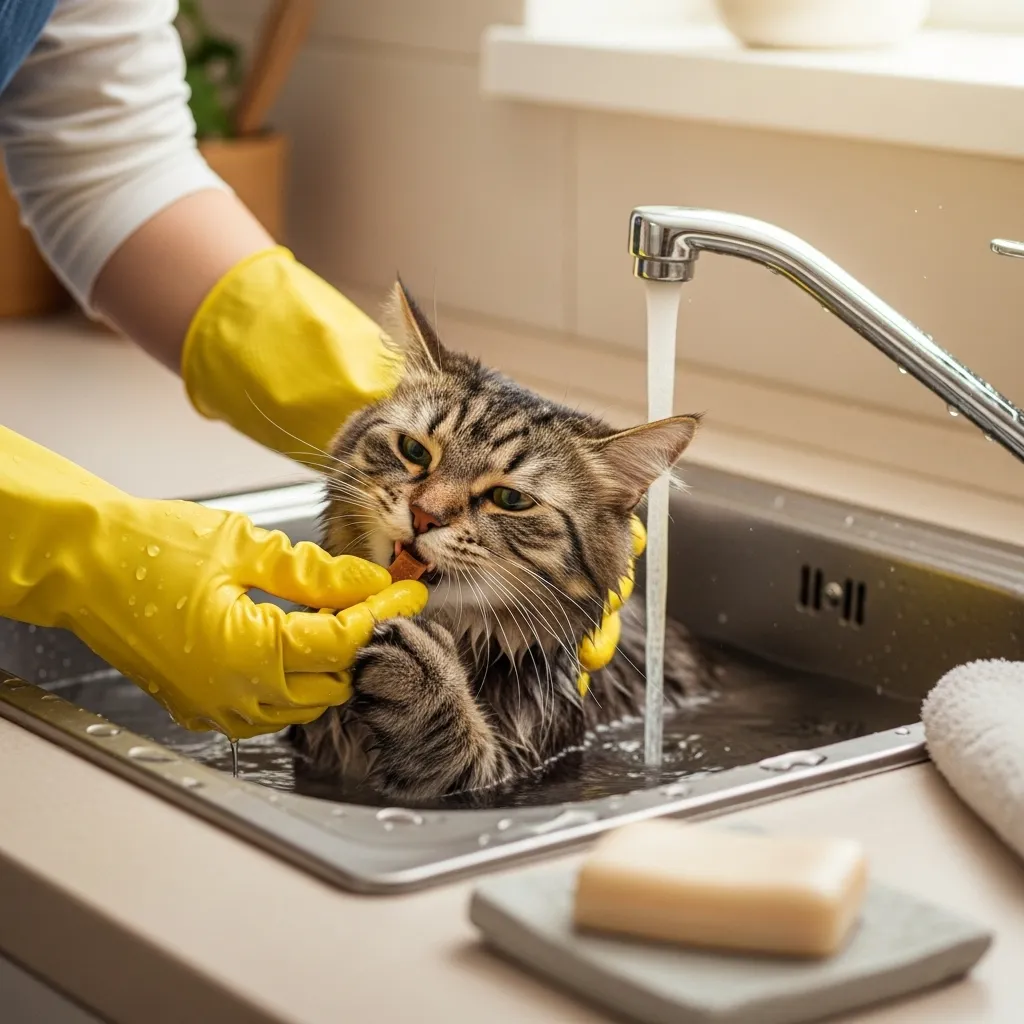
2. Bathing and Brushing Your Cat (Yes, It Actually Works)
Studies show weekly bathing reduces airborne Fel d 1 by 84%.
- Use lukewarm water and a cat-specific shampoo (I like Allerpet-C solution or plain water for sensitive cats).
- Or wipe daily with microfiber allergen-reducing wipes (Nature’s Miracle or Allerpet).
- Brush outside or in the bathroom 3–5 times per week with a rubber grooming glove or Furminator – then immediately wash hands and face.
Pro tip: Feed a teaspoon of canned food during bath time. Most cats decide it’s worth it.
3. Air Purifiers – Do Air Purifiers Help with Cat Allergies? (Yes, a Lot)
Not all purifiers are equal. You need:
- True HEPA filter (captures 99.97% of 0.3-micron particles)
- At least 4 air changes per hour in the room size
- Activated carbon layer for odor (optional but nice)
Best performers in 2025 testing:
- Levoit Core 600S (best value)
- IQAir HealthPro Plus (gold standard)
- Winix 5500-2 or Rabbit Air MinusA2 (quiet + wall-mountable)
Place two – one in living room, one in bedroom.
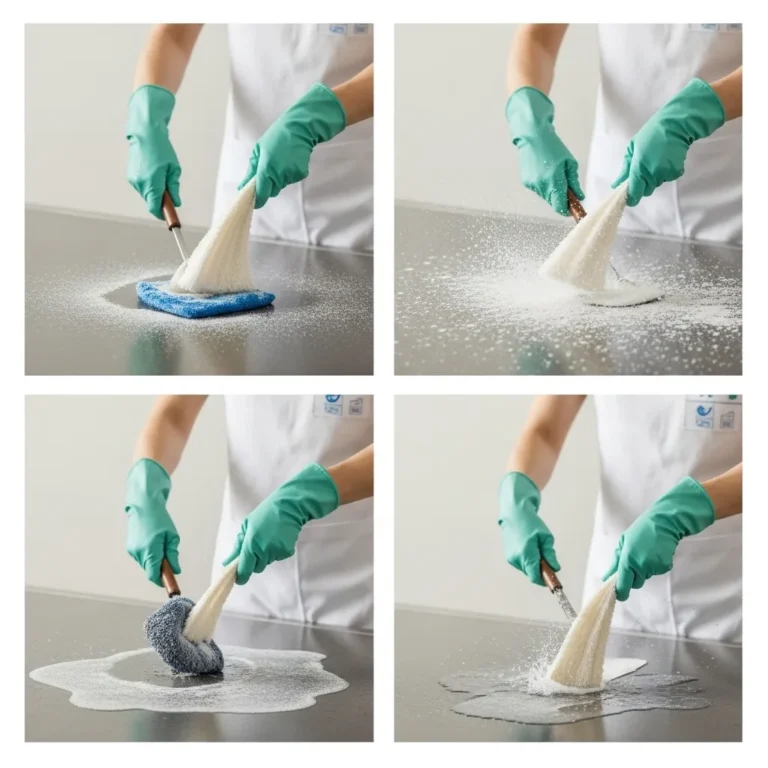
4. Hardcore Home Cleaning Tips for Allergies
- Remove carpet if possible (hard floors + washable rugs only).
- Vacuum twice weekly with a sealed HEPA vacuum (Miele Cat & Dog series or SEBO).
- Wet-dust all surfaces weekly with microfiber.
- Wash curtains or replace with washable blinds.
- Use a steamer on upholstery monthly.
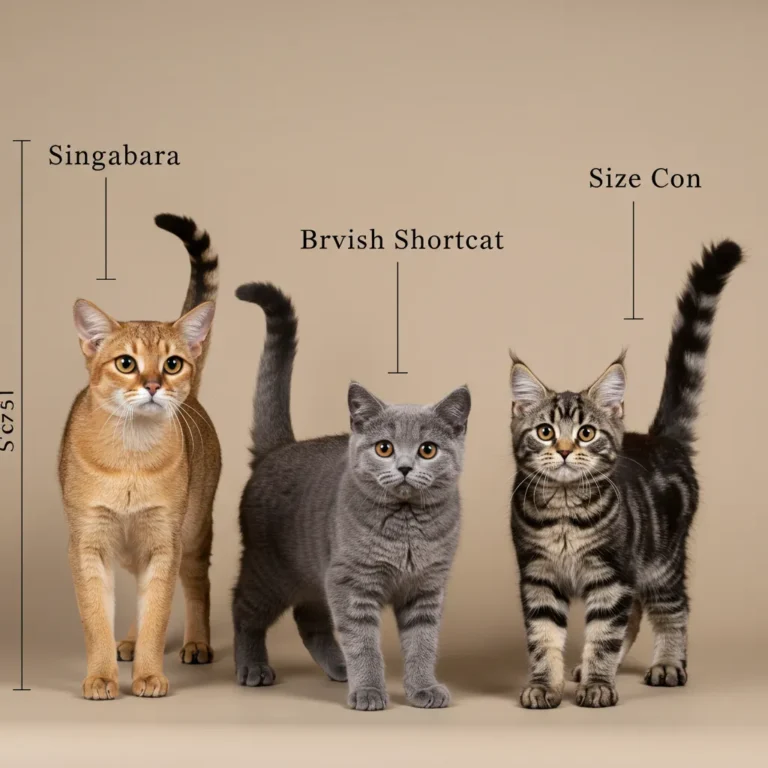
5. Hypoallergenic Cat Breeds – Do They Actually Exist?
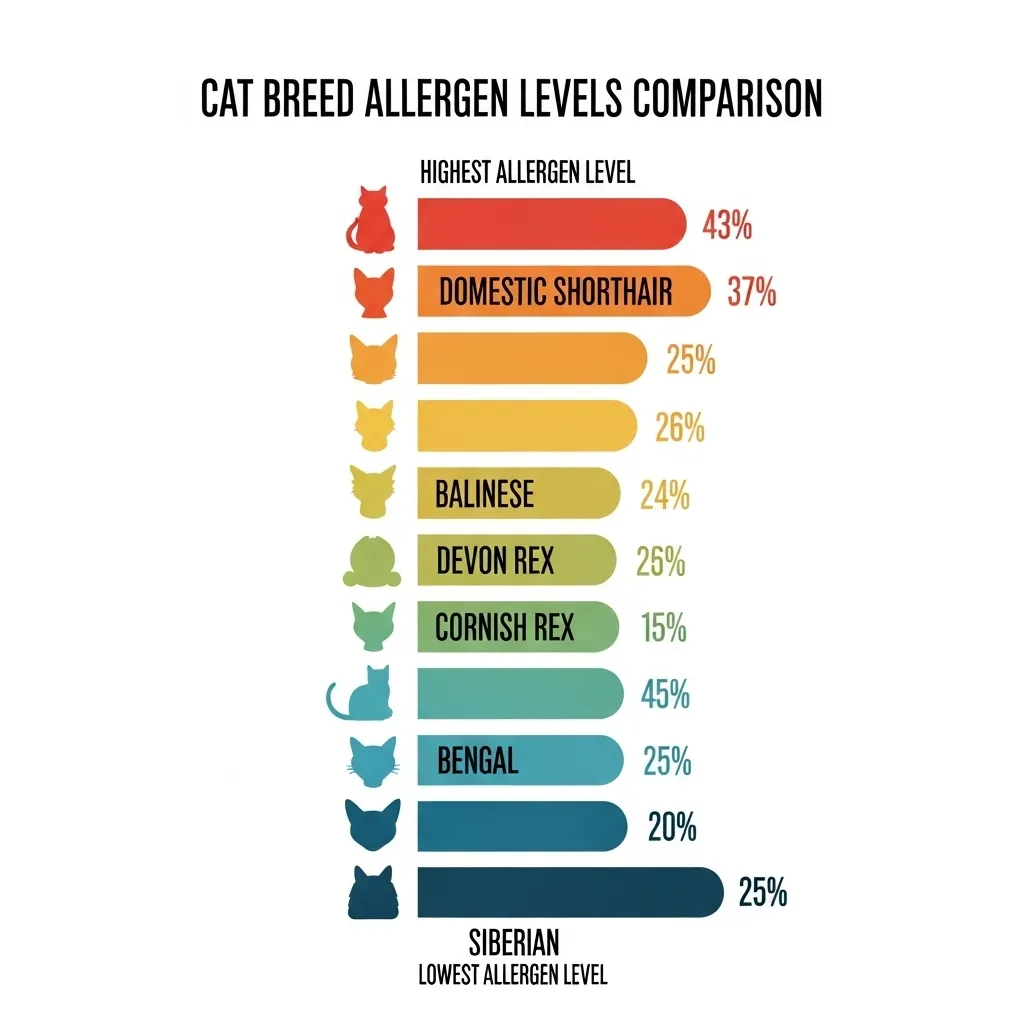
No breed is truly allergen-free, but these produce significantly less Fel d 1:
- Siberian (paradoxically often the best for allergic owners)
- Balinese / Javanese
- Russian Blue
- Bengal (many owners report low reactions)
- Sphynx (less fur = less distribution, but still produce Fel d 1 on skin)
Light-colored cats and females tend to produce less allergen than dark males.
See our full guide: Best Hypoallergenic Cat Breeds for Allergy Sufferers
Natural Remedies for Cat Allergies That Actually Have Evidence
| Remedy | Evidence Level | How to Use | Effectiveness |
|---|---|---|---|
| Local raw honey | Mild | 1 tsp daily (contains trace pollen) | May help seasonal allergies, minimal for cats |
| Quercetin + Bromelain | Moderate | 500 mg quercetin + 200 mg bromelain twice daily | Natural antihistamine + anti-inflammatory |
| Butterbur | Moderate | 50–75 mg twice daily (PA-free version) | Comparable to some OTC meds |
| Nasal saline irrigation | High | Neti pot or NeilMed sinus rinse daily | Removes allergens from nasal passages |
| Probiotics (L. rhamnosus GG) | Emerging | 10–20 billion CFU daily | May reduce allergic response over months |
Always check with your doctor before starting supplements.
Can You Build Immunity to Cat Allergies?
Yes about 30–40% of owners notice major improvement after 6–24 months of consistent low-level exposure combined with the steps above.
Allergen immunotherapy (allergy shots or sublingual drops) using cat extract is 70–80% effective and now widely available.
Cat Allergies and Asthma Special Precautions
If you have asthma:
- Monitor peak flow daily.
- Keep rescue inhaler handy.
- Consider seeing a pulmonologist + allergist together.
- Never compromise breathing for cuddles.
Visiting Homes with Cats – Allergy Survival Tips
- Take a non-drowsy antihistamine 1–2 hours before arrival.
- Bring a travel HEPA purifier if staying overnight.
- Ask host to vacuum and run purifier 24 hours beforehand.
- Shower and change clothes when you get home.
Frequently Asked Cat Allergy Questions
Q: Do air purifiers help with cat allergies?
A: Yes – quality HEPA units reduce airborne allergens by 50–90% depending on room size and model.
Q: Can you live with a cat if you’re allergic?
A: Absolutely. Most allergic owners become symptom-free or near symptom-free with the protocol in this guide.
Q: Can you build immunity to cat allergies?
A: Partial immunity develops in many people over 1–2 years. Allergy shots speed this up dramatically.
Q: Are there truly hypoallergenic cats?
A: No cat is 100% hypoallergenic, but Siberians, Russian Blues, and Bengals cause far fewer reactions in most people.
Q: Will spaying/neutering reduce allergens?
A: Yes – neutered males produce significantly less Fel d 1.
Your Step-by-Step 30-Day Plan to Reduce Cat Allergies
Week 1: Bedroom ban + air purifier + mattress encasement
Week 2: Start weekly cat baths + daily wipes
Week 3: Deep clean entire house + switch to HEPA vacuum
Week 4: Add natural supplements + nasal rinse routine
Most people notice 70%+ improvement by day 30.
Final Thoughts
Living with cat allergies doesn’t mean living without cats.
It means being strategic, consistent, and willing to change a few habits. I’ve watched clients go from daily antihistamines and red eyes to falling asleep with their cat on their chest – no tissues required.
You’ve got this. Your cat is worth it. And so is breathing.
Ready for more feline behavior, health, and fun? Explore hundreds more expert guides at Cat Bloom Haven – from why your cat won’t leave you alone to the best beds for allergy-friendly breeds.
Let’s keep the cat, lose the sneezing.