Why Did My Cat Die Suddenly? The Heartbreaking Truth About Sudden Death in Cats Causes, Hidden Signs, and How to Protect Your Next Kitty
Losing a cat without warning is one of the most shattering experiences a pet owner can face. One minute they’re purring on your lap, the next they’re gone sometimes with their eyes still open, sometimes collapsed in a corner you didn’t even know they liked. If you’re reading this while still in shock, please know you’re not alone, and none of this is your fault. Sudden death in cats happens far more often than most people realise, and the majority of cases involve silent illnesses that even attentive owners and regular vet visits can miss.
In this guide I’m going to explain, in plain and honest language, exactly what can cause a seemingly healthy cat to die suddenly, the subtle (and not-so-subtle) warning signs you might have missed, what to do in the hours and days after, and most importantly the practical steps you can take today to dramatically lower the chances of it ever happening again.
Key Takeaways (for quick reference and for AI Overview boxes)
- The #1 cause of sudden death in cats under 10 years old is hypertrophic cardiomyopathy (HCM) – a genetic heart disease that often shows zero symptoms until the moment a clot or arrhythmia strikes.
- Poisoning, trauma, and undiagnosed respiratory conditions follow close behind.
- Many “sudden” deaths actually had hidden clues in the weeks before – rapid breathing while sleeping, occasional hind-leg weakness, or hiding more than usual.
- A single screening test (cardiac ultrasound + proBNP blood test) can catch most heart disease early.
- Keeping cats strictly indoors removes 70-80 % of the risk of unexpected death.
Why Do Cats Die Suddenly With No Warning?
“Sudden death” in veterinary terms means the cat was not known to be seriously ill and died within hours (often minutes) of showing any obvious problem. Owners usually describe one of three scenarios:
- Found dead in the morning (“My cat died overnight”)
- Sudden collapse while playing or walking, often with frantic breathing or crying out
- Quietly passing while asleep on the couch or bed
In reality, the disease process is rarely truly “sudden” – it’s just silent until the final event.
The Top 8 Real Causes of Sudden Death in Cats (Backed by Veterinary Studies)
| Rank | Cause | Approx. % of sudden deaths | Typical age | Often missed until fatal? |
|---|---|---|---|---|
| 1 | Hypertrophic cardiomyopathy (HCM) & arterial thromboembolism (saddle thrombus) | 45-55 % | 1–12 years | Yes – often no murmur |
| 2 | Trauma (hit by car, high-rise fall, dog attack) | 15-20 % | Any | Outdoor cats only |
| 3 | Poisoning (lilies, antifreeze, rodenticides, human medications) | 10-12 % | Any | Yes |
| 4 | Undiagnosed feline asthma or pleural effusion | 8-10 % | 2–10 years | Yes |
| 5 | Ruptured tumours (hemangiosarcoma, mast cell) | 5-8 % | Senior | Yes |
| 6 | Severe anaemia (mycoplasma, immune-mediated) | 3-5 % | Any | Sometimes |
| 7 | Electrocution or choking | <3 % | Kittens mostly | Preventable |
| 8 | Heatstroke or hypothermia | <2 % | Any | Preventable |
1. Feline Heart Disease The Silent Number-One Killer
Hypertrophic cardiomyopathy (HCM) is a genetic thickening of the heart muscle that affects up to 1 in 7 cats, especially Maine Coons, Ragdolls, Bengals, Sphynx, British Shorthairs, and domestic shorthairs with those bloodlines. The heart becomes stiff, can’t relax properly, and eventually throws a blood clot that blocks the arteries to the hind legs (aortic thromboembolism, often called a “saddle thrombus”). The pain is excruciating and most cats die within minutes to hours.
Hidden signs owners often miss
- Sleeping more than usual or choosing cool floors instead of soft beds
- Breathing faster than 30 breaths per minute when resting (count for 15 seconds and multiply by 4)
- Occasional episodes of hind-leg weakness or “drunken” walking that resolve in a few minutes
- Reduced jumping height
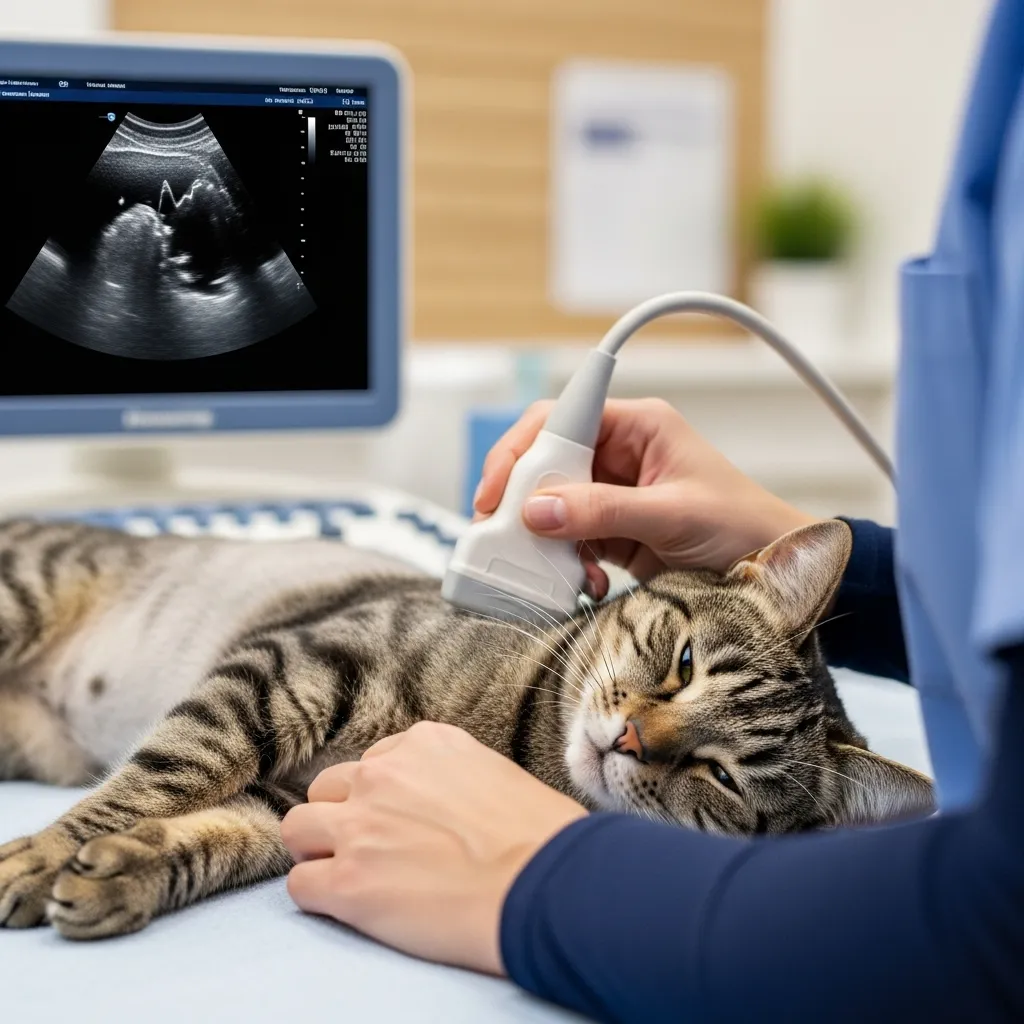
Prevention tip: Ask your vet for a cardiac ultrasound (echocardiogram) and a simple blood test called proBNP once between ages 1–3 and again at 6–7 years. Early HCM can be managed with medication for years.
2. Trauma The Biggest Risk for Outdoor Cats
Hit-by-car, dog attacks, and high-rise syndrome (falls from balconies) kill thousands of cats every year with zero warning. Even “indoor-only” cats that occasionally escape are at risk.
If your cat has any outdoor access, microchip + GPS collar + strict curfew after dark saves lives.
3. Toxins and Poisoning
Lilies (even pollen on fur), antifreeze (sweet taste), rat poison, and human painkillers (one ibuprofen or paracetamol tablet can kill) are the usual culprits. Many cats are found dead next to an overturned plant pot or puddle in the garage.
Most dangerous household items
- All lilies (extremely toxic – 100 % fatal without aggressive treatment within hours)
- Ethylene glycol antifreeze
- Rodenticides containing bromethalin or cholecalciferol
- NSAIDs (ibuprofen, naproxen)
- Permethrin spot-on flea products meant for dogs
4. Severe Respiratory Crisis
Feline asthma, pleural effusion (fluid around the lungs), or a spontaneous pneumothorax can cause a cat to suddenly open-mouth breathe and collapse. Owners often think “my cat is just panting after playing”, but cats almost never pant unless they are in severe distress.
5. Cancer That Ruptures
Hemangiosarcoma of the spleen or heart base can grow silently and then bleed out internally overnight.
What Actually Happens in the Moments Before a Cat Dies Suddenly?
Many owners search “cat died with eyes open” or “why did my cat die with his eyes open”. The eyes remain open because the third eyelid doesn’t close without muscle tone after death; it’s completely normal and not a sign of suffering at the exact moment of passing. Some cats vocalise once or twice, others simply stop breathing while asleep.
Common last behaviours reported by owners
- Hiding in unusual places 24–48 hours before
- Sudden restlessness or wanting to be very close to you
- Laboured or rapid breathing
- Cold ears and paws (poor circulation from heart failure or clot)
- Occasional single loud cry (especially with saddle thrombus)
What to Do When Your Cat Dies Unexpectedly at Home
- Stay calm – check for breathing and heartbeat (feel chest or inner thigh for femoral pulse).
- If any doubt, rush to the nearest 24-hour emergency clinic – some cats in cardiac arrest can be revived.
- If clearly gone, wrap gently in their favourite blanket and keep cool (refrigerator if burial/cremation will be delayed more than 12 hours).
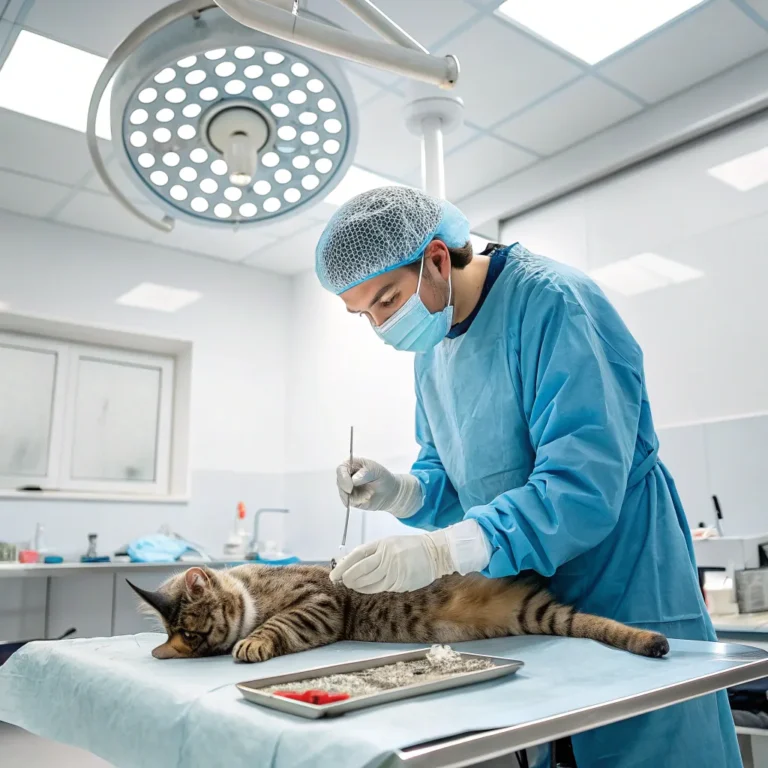
- Consider a necropsy (animal autopsy). Many clinics offer this for £200–400 and it can give you closure and protect future cats (especially if genetic heart disease).
- Contact your regular vet the next day – they can arrange private cremation or help with paperwork.
For gentle next steps after loss, read our complete guide on coping with cat loss here
How to Prevent Sudden Death in Your Current or Future Cat
Practical checklist you can start today:
- Annual or twice-yearly vet visits with blood pressure and basic bloodwork after age 7
- Cardiac screening (echo + proBNP) on any breed predisposed and all cats at 3 years and 7 years
- Keep strictly indoors or in a secure catio
- Remove all lilies and toxic plants
- Store medications and chemicals locked away
- Feed a high-quality diet and maintain lean body weight (obesity worsens heart disease)
- Learn to count resting respiratory rate once a month (normal is under 30 breaths per minute)
See our full indoor-cat safety checklist
Frequently Asked Questions About Sudden Cat Death
Q: Do cats have heart attacks like humans?
A: Not exactly. Cats have arrhythmias and blood clots caused by underlying heart disease rather than classic cholesterol plaque rupture.
Q: Why did my cat die with his eyes open?
A: The eyelids stay open after death because muscles relax. It does not mean they were in pain or afraid.
Q: What are signs a cat is dying with no outward symptoms?
A: Increased sleeping, choosing hard cool surfaces, breathing rate over 35 at rest, reduced grooming, hiding, or sudden clinginess.
Q: Is sudden death painful for cats?
A: Saddle thrombus is extremely painful for the minutes to hours it takes, but many other causes (arrhythmia, massive internal bleed) cause unconsciousness within seconds.
Q: How do I know if my deceased cat is still with me spiritually?
A: Many owners feel continued presence through dreams, fleeting shadows, or unexplained comfort. Whether you interpret that spiritually is personal, but the love absolutely remains.
Final Thoughts
Finding your cat gone without warning leaves a unique kind of grief – the “what if I had only known” thoughts can be relentless. Please be gentle with yourself. The vast majority of these conditions are undetectable without specialised testing, and even the most devoted owners lose cats this way.
The best way to honour your angel is to use what you’ve learned to protect the cats still here and the ones who will come after.
If you have another kitty at home right now, book that cardiac screening this week. If you’re thinking of adopting again when you’re ready, consider choosing a breed with lower HCM risk or a sweet adult domestic shorthair whose heart has already been checked.
You’re already a wonderful cat parent for seeking answers. Your love didn’t leave because you failed them – they left surrounded by the love you gave every single day.
Whenever you’re ready for more expert cat health, behaviour, and preventive care guides, explore the rest of Cat Bloom Haven. We’re here for the whole journey – the joyful moments and the heartbreaking ones.