What Are the Chances of Getting Rabies from a Cat Scratch? A Clear, Vet-Backed Guide to Staying Safe
You’re bleeding from a tiny scratch, your cat just gave you during zoomies at 2 a.m., and suddenly your brain goes straight to the worst-case scenario: rabies.
I get it. I’ve been there (both as a cat owner and as someone who’s spent years writing about feline health). The good news? The actual risk of getting rabies from a cat scratch is extremely low – borderline negligible in most parts of the world – but it’s not zero. This article breaks everything down plainly: the real odds, what actually puts you in danger, exactly what to do after a scratch, and when (if ever) you need post-exposure shots.
Quick TL;DR for Answer Engine Optimization (AEO)
- Chance of rabies from a cat scratch alone: < 0.001% in vaccinated-cat households, still < 0.01% even with unvaccinated indoor cats in low-rabies areas.
- Rabies is almost always transmitted through bites, not scratches can only transmit it if fresh, infected saliva gets deep into the wound.
- Clean the scratch aggressively for 15 minutes with soap and running water – this alone removes nearly all risk.
- You only need rabies post-exposure prophylaxis (PEP) if the cat is confirmed rabid, acting rabid, or is a stray in a high-rabies area, or can’t be observed for 10 days.
- Cat-scratch fever (Bartonella) is 1,000× more common than rabies from a scratch and usually the real worry.
Keep reading for the full picture, step-by-step actions, and peace of mind.
How Rabies Is Actually Transmitted (And Why Scratches Are Low-Risk)
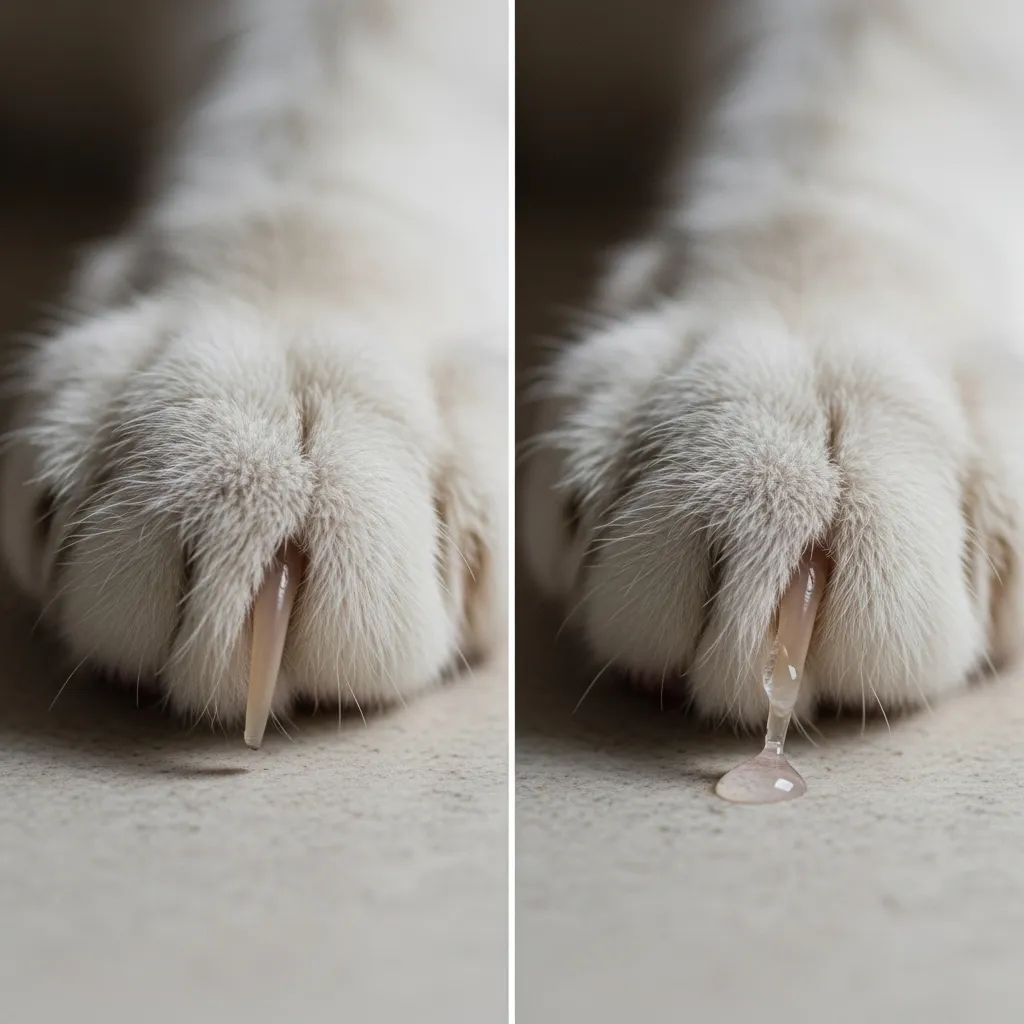
Rabies virus lives in saliva and nervous tissue. It does NOT live on claws for long. For a scratch to transmit rabies, three things have to happen at once:
- The cat must be actively shedding rabies virus in its saliva (only possible in the final symptomatic stage).
- Fresh, virus-rich saliva must be on the claw at the exact moment of scratching.
- The scratch has to be deep enough to push that saliva past the dead layer of your skin.
In real life, that almost never lines up. The CDC, WHO, and every major veterinary body agree: documented cases of rabies from cat scratches alone are extraordinarily rare – most reported “scratch” cases actually involved unnoticed licks into the fresh wound or a bite + scratch combo.
Rabies Risk: Indoor Vaccinated Cat vs Outdoor Unvaccinated vs Stray
| Cat Type | Approximate Rabies Risk Level | Real-World Odds (U.S. example) | What You Should Do After Scratch |
|---|---|---|---|
| Indoor-only, vaccinated | Virtually zero | < 1 in 10 million | Wash well, monitor scratch, relax |
| Indoor-only, never vaccinated | Extremely low | < 1 in 1–2 million | Wash well, call vet for booster record |
| Outdoor, vaccinated | Very low | ~1 in 500,000 | Wash, confirm vaccine current |
| Outdoor, vaccination unknown | Low to moderate | Varies by region | 10-day observation or vet consult |
| Stray / feral in high-rabies area | Highest | Depends on local rabies rates | Immediate medical evaluation |
In the United States, only 1–3 human rabies cases occur per year total, and almost all are from bats. Domestic cats account for < 5% of animal rabies cases, and most of those are unvaccinated outdoor cats.
Symptoms of Rabies in Cats Know Them Cold
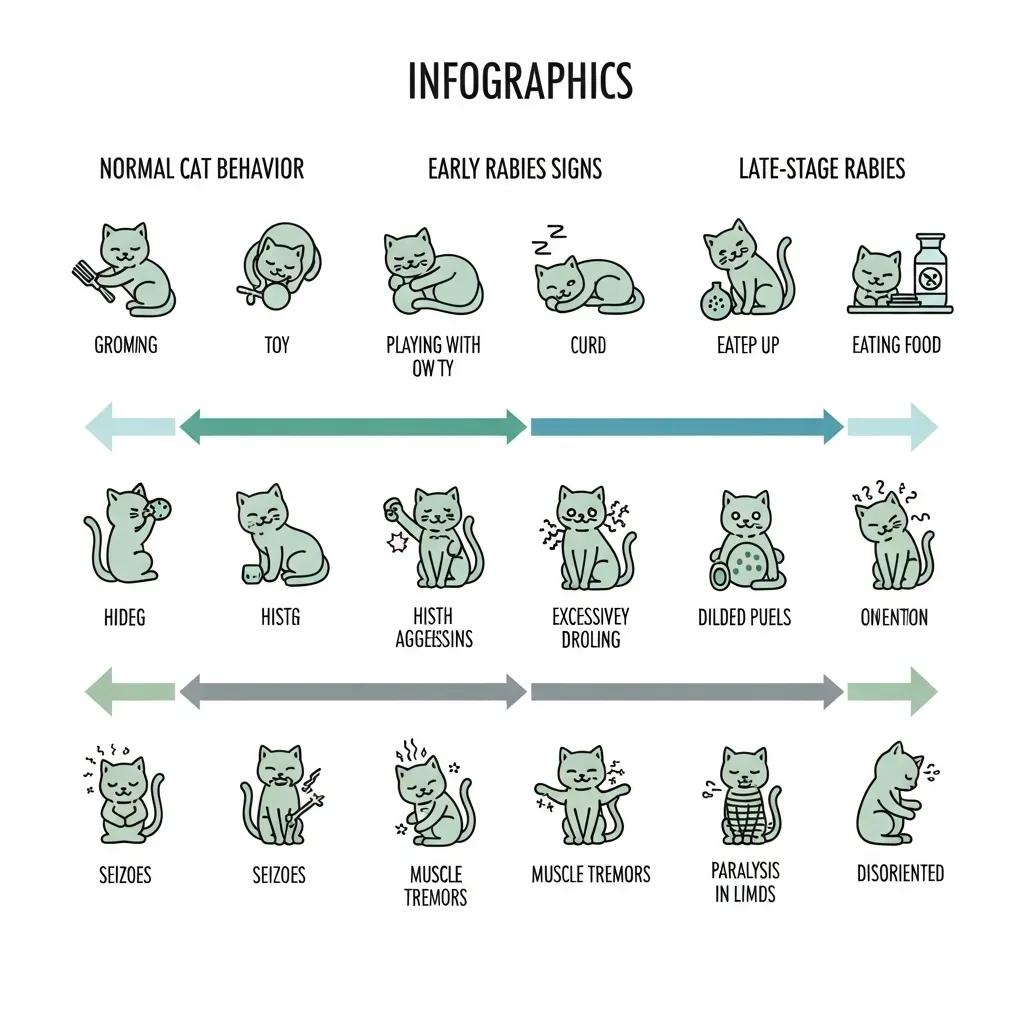
If your cat were rabid, you would notice dramatic behavior changes long before a random scratch:
- Extreme aggression or extreme fearfulness
- Drooling, foaming at mouth, difficulty swallowing
- Paralysis starting in hind legs
- Seizures, disorientation, attacking inanimate objects
- Unusual vocalization (hoarse meowing or growling)
A happy, purring house cat that suddenly scratches you during play is not rabid.
Step-by-Step: What to Do Immediately After Any Cat Scratch
- Wash the scratch under running water with soap for a full 15 minutes. Studies show this reduces rabies risk by 90%+ and Bartonella risk dramatically.
- Apply an antiseptic (povidone-iodine or chlorhexidine if you have it).
- Cover with a breathable bandage.
- Take a clear photo of the wound (date-stamped) – useful if you later need a doctor.
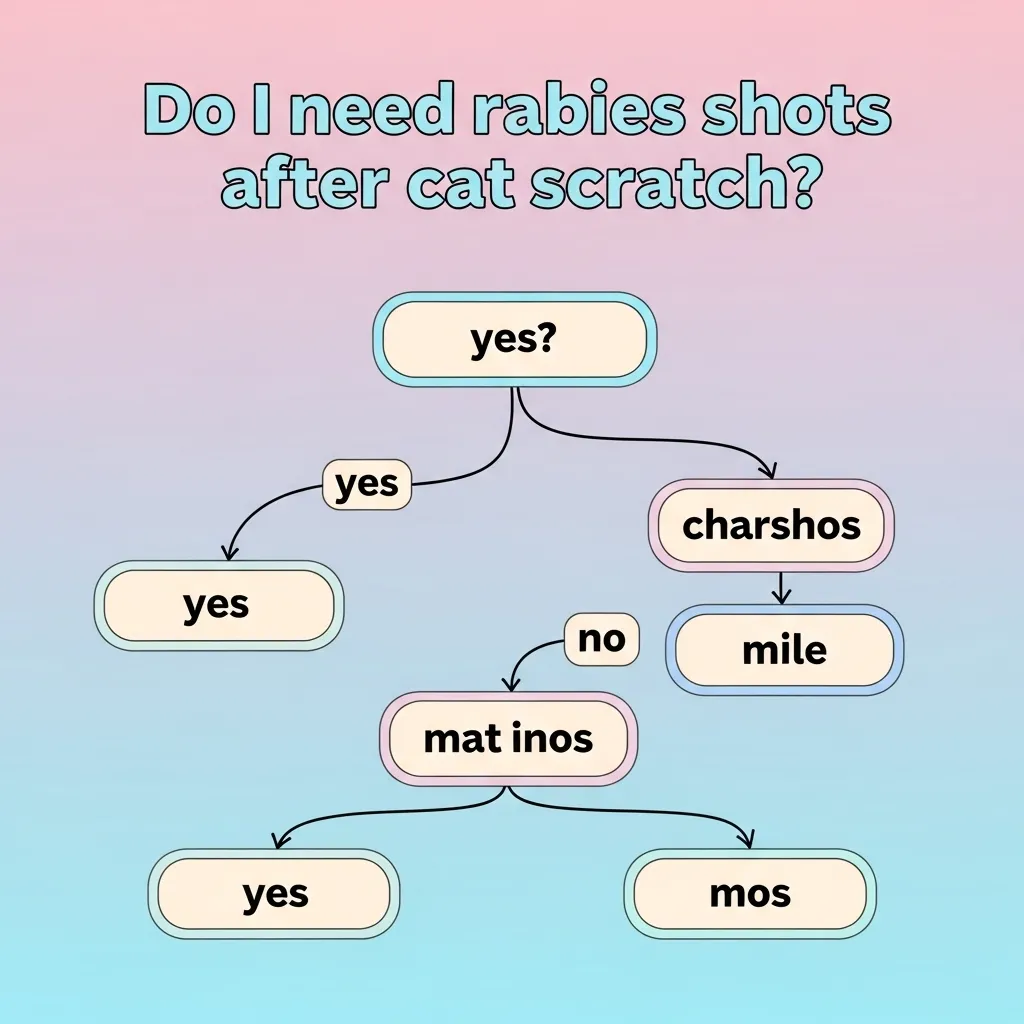
- Assess the cat: Is it your own vaccinated indoor cat? → You’re done.
Is it a stray or acting strange? → Continue to step 6. - Contact animal control or a vet to start a 10-day observation period (standard protocol worldwide). Cats that are still healthy after 10 days could not have transmitted rabies at the time of the scratch.
When Do You Actually Need Rabies Shots After a Cat Scratch?
You need post-exposure prophylaxis (PEP) only if:
- The cat tests positive for rabies, or
- The cat shows signs of rabies and dies/disappears, or
- It’s a stray in a rabies-hotspot country and can’t be quarantined.
In practice, in the U.S., Canada, UK, EU, Australia, Japan almost nobody gets PEP for a household cat scratch, even if the cat is unvaccinated but observable.
The Other Scratch Worry: Cat-Scratch Disease (Bartonella)
99% of the time when people panic about a cat scratch, the real culprit is Bartonella henselae – not rabies. Symptoms appear 3–14 days later:
- Red bump or pustule at scratch site
- Swollen lymph nodes (especially armpit or neck)
- Mild fever, fatigue, headache
- Rarely more serious in immunocompromised people
Treatment: Usually self-limiting, but antibiotics (azithromycin) speed recovery if nodes stay swollen > 3 weeks.
First Aid Kit Every Cat Owner Should Have
- Liquid soap
- Povidone-iodine or chlorhexidine
- Sterile saline
- Non-stick bandages
- Digital thermometer (for you and cat)
- Phone numbers: regular vet + 24-hour emergency vet + local animal control
How Common Is Rabies in Cats Worldwide? (2024–2025 Data)
| Region | Rabid Cats Reported (2024) | Human Cases from Cats |
|---|---|---|
| United States | ~250 | 0 |
| Europe (EU) | < 50 | 0 |
| India | Thousands | Occasional |
| Southeast Asia | High | Rare but occurs |
| Africa (sub-Saharan) | Very high | Multiple per year |
If you live in the U.S., Canada, UK, Western Europe, Australia, or Japan, rabies from any cat scratch is essentially a non-issue if you follow basic wound care.
FAQ – Straight Answers to the Questions Keeping You Up at Night
Can you get rabies from a cat scratch without a bite?
Yes, technically possible, but documented cases are extraordinarily rare worldwide.
Do I need a rabies vaccine after my own cat scratched me?
Almost never, if the cat is indoor-only or vaccinated and acting normal.
How soon after a cat scratch should I get the rabies vaccine if needed?
Ideally within 24–48 hours, but PEP is still effective days later.
Should I worry about a small cat scratch?
No. Wash it well and move on with your day.
Can rabies be on cat claws?
Only for minutes after the cat licks them while actively shedding virus.
Do all cat scratches need antibiotics?
No. Only if signs of infection appear (increasing redness, pus, red streaking, fever).
**What if an unvaccinated stray cat scratches me?
Wash aggressively, contact local health department for risk assessment and possible 10-day observation or PEP.
How long does it take for rabies symptoms to appear in humans?
Usually 1–3 months, sometimes weeks, very rarely years.
Image placement 4
Prompt: Clean, friendly FAQ layout with cat paw icons next to each question
Alt text: Most asked questions about rabies risk from cat scratches answered
Final Peace-of-Mind Checklist
- Wash every scratch or bite for 15 full minutes with soap
- Know your cat’s vaccination status (and keep it current – it protects you too)
- If the cat is a stray or behaving bizarrely, call animal control immediately
- Trust the 10-day rule: a cat that’s still alive and healthy 10 days later could not have given you rabies
- Keep an eye on the wound for normal infection, not rabies
You’re far more likely to need a tetanus booster than rabies shots from a cat scratch.
Want to dig deeper into everyday cat health and safety? Explore our complete guide to first aid for pet injuries or learn why your cat sometimes gets the zoomies at 3 a.m. in Why Won’t My Cat Leave Me Alone – The Real Reasons Behind Clingy Behavior.
Stay safe, keep loving your furry little velociraptors, and remember – a clean scratch is almost always just a scratch.
Cat Bloom Haven your trusted place for calm, science-backed cat advice.