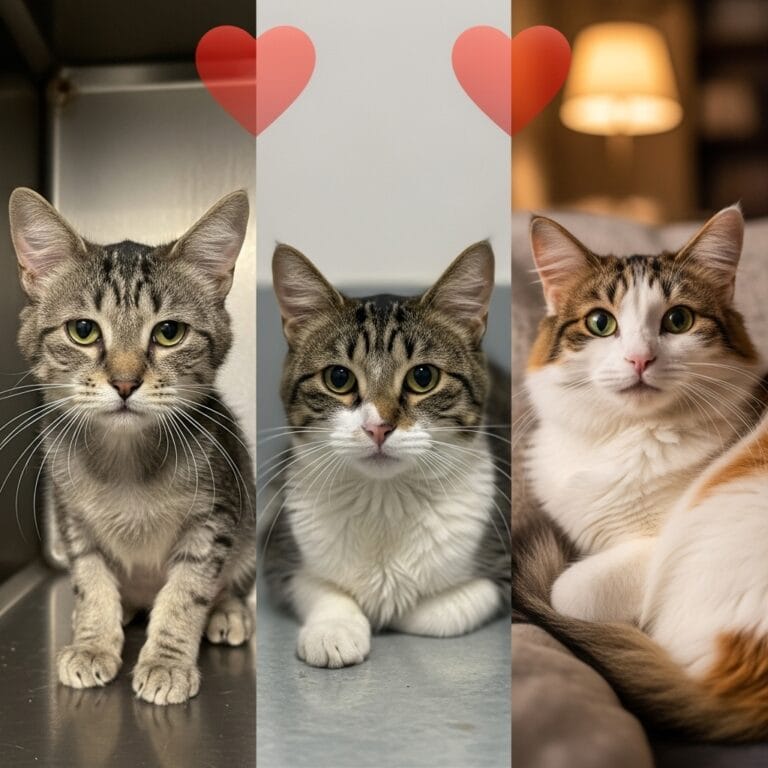
When a Cat Imprints on You: 12 Unmistakable Signs of a Feline Soulmate
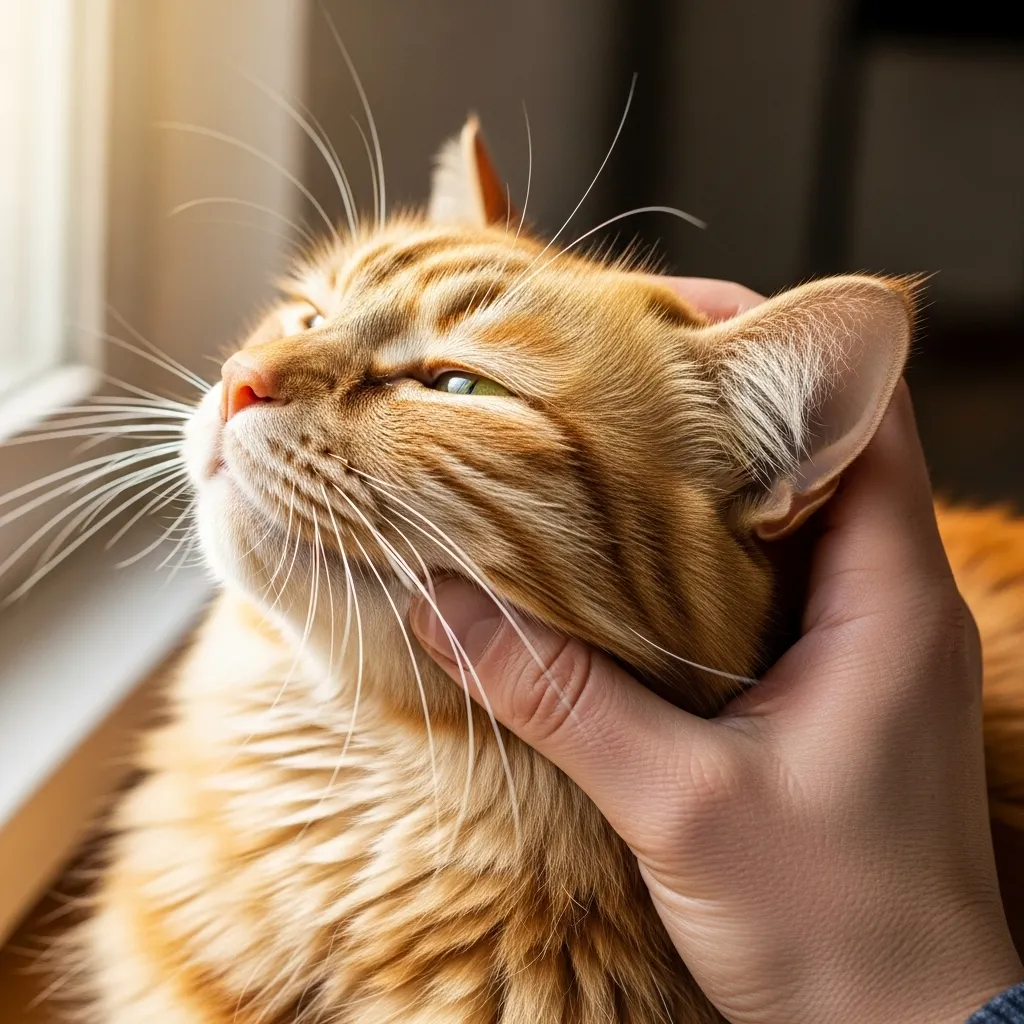
Key Takeaways:
- Cat imprinting is a profound form of attachment where a cat selects a specific human as their primary source of security and comfort, transcending simple affection.
- Signs your cat has imprinted on you include constant, quiet proximity, allogrooming (licking you), slow blinking, and bringing you “gifts.”
- This deep feline-human bond is built on trust and is most influenced by positive, consistent interactions, not just food.
- Understanding cat body language is crucial to recognizing the subtle and overt ways your cat shows you they’ve chosen you.
There’s a unique magic in the air when your cat seeks you out not for food, but for comfort. When they look at you, and you feel an unspoken understanding pass between you. It’s more than just pet and owner; it feels like they’ve chosen you, heart and soul.
This profound connection isn’t just in your imagination. It’s a real behavioral phenomenon often called cat imprinting. When a cat imprints on you, you become their safe harbor, their trusted confidant, and their chosen family. It’s the highest compliment in the feline world.
But what does this look like in everyday life? How can you be sure your cat’s affection is this deep-rooted emotional connection? In this comprehensive guide, we’ll decode the mysteries of feline attachment, explore the 12 unmistakable signs your cat has imprinted on you, and reveal how you can nurture this extraordinary cat-human relationship.
What Does “Cat Imprinting” Truly Mean?
While the term “imprinting” is often borrowed from ethology (like ducklings following their mother), in the context of domestic cats, it describes a powerful and selective social bonding behavior. It’s the process by which a cat forms an irreversible-seeming attachment to a specific person, viewing them as a primary source of safety, security, and emotional regulation.
Dr. Samantha Ellis, a feline behaviorist, explains: “When we talk about a cat imprinting on a human, we’re describing a level of trust and attachment that goes beyond the basic ‘you feed me, I tolerate you’ dynamic. This cat sees you as their anchor. Your presence calms them, your absence stresses them, and your relationship is the cornerstone of their social world.”
This isn’t about dependency; it’s about devotion. An imprinted cat is confident and secure because of their bond with you.
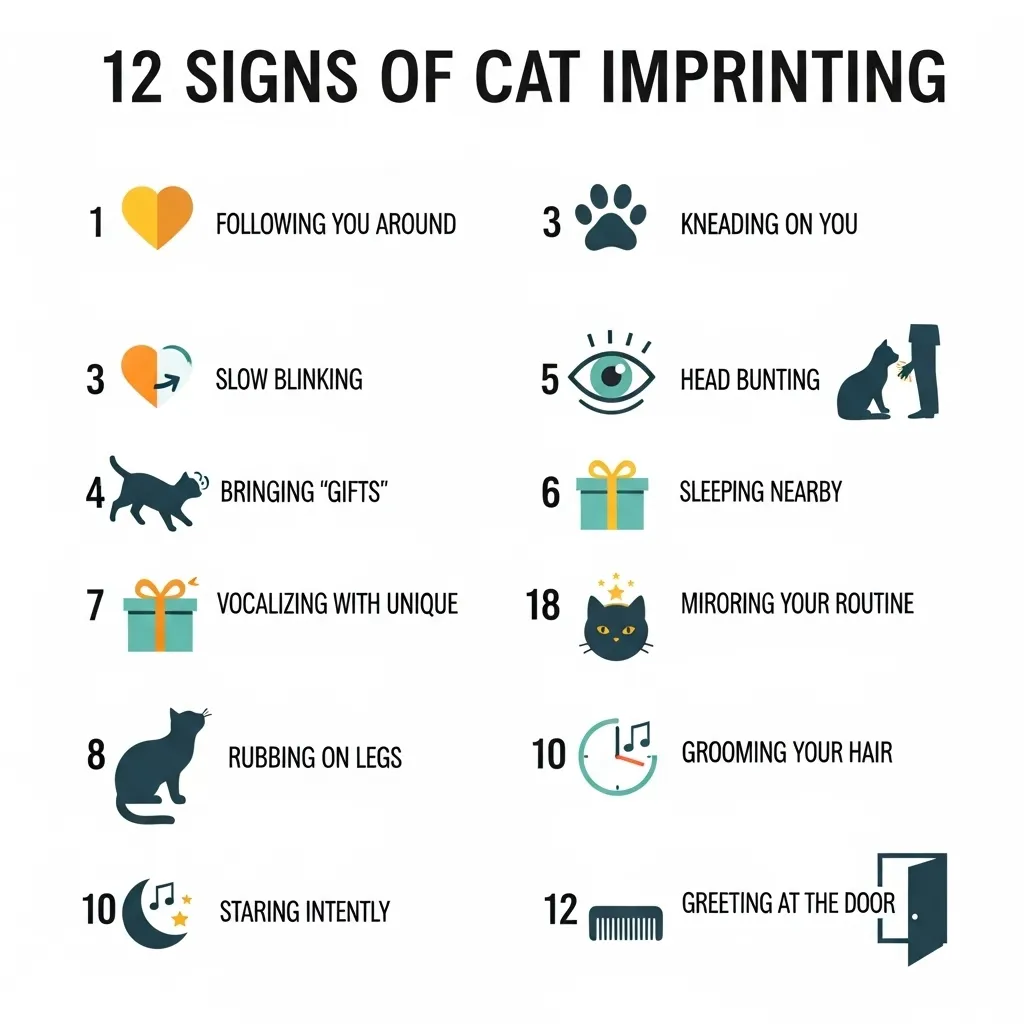
The 12 Unmistakable Signs Your Cat Has Imprinted on You
How can you tell if you’ve been chosen? Look for these powerful behavioral cues that signal a deep cat trust and attachment.
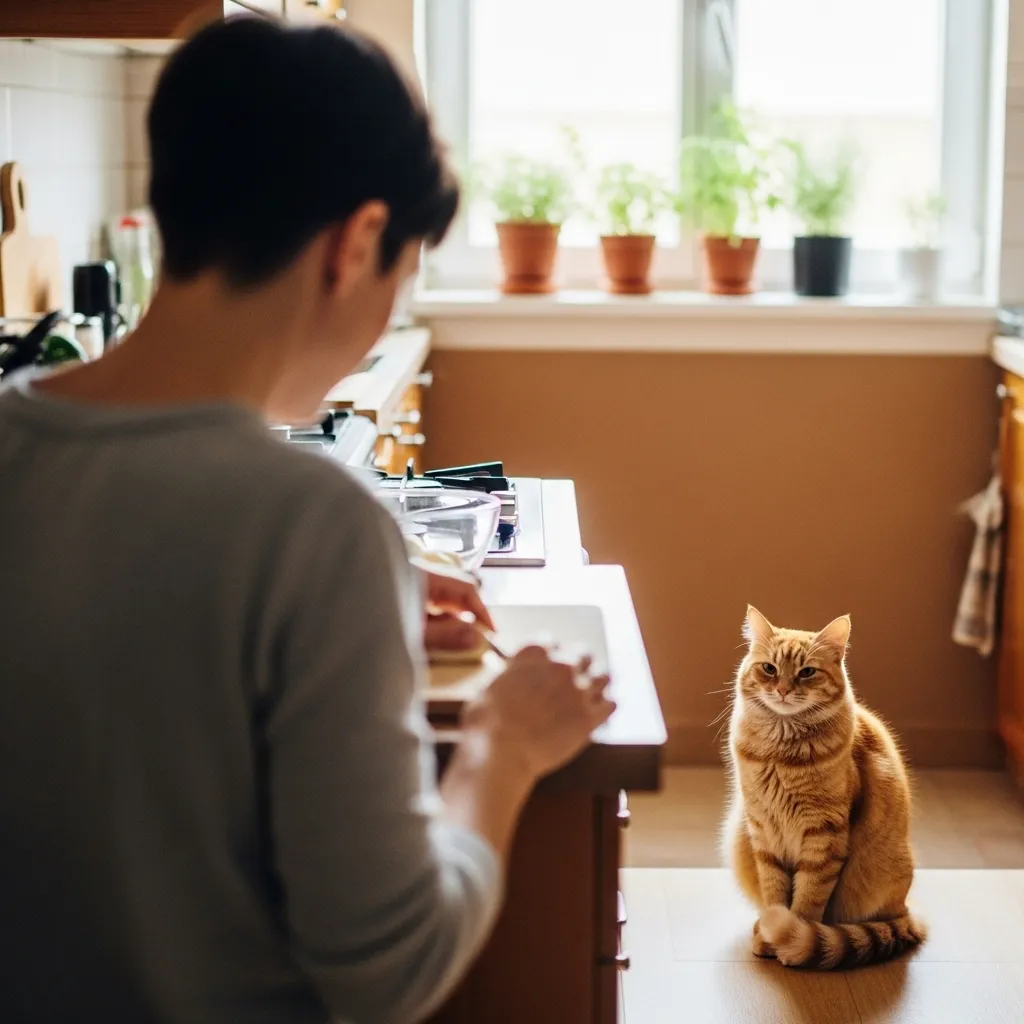
1. The Constant, Quiet Shadow
Does your cat follow you from room to room, not demanding anything, but simply wanting to be where you are? Whether you’re working at your desk, cooking in the kitchen, or reading on the couch, they find a spot nearby to settle. This behavior, a core sign of why cats follow their owners, signifies that your presence is their peace. They don’t need interaction every moment; they just need to know you’re close.
2. The “Love Blink” is Reserved for You
The slow blink is the feline equivalent of a kiss. When your cat looks at you from across the room, relaxes, and closes their eyes slowly and deliberately, they are expressing ultimate trust. Returning this slow blink tells them you understand and reciprocate their affection. It’s a silent conversation of “I love and trust you” that is a hallmark of a deep cat emotional connection.
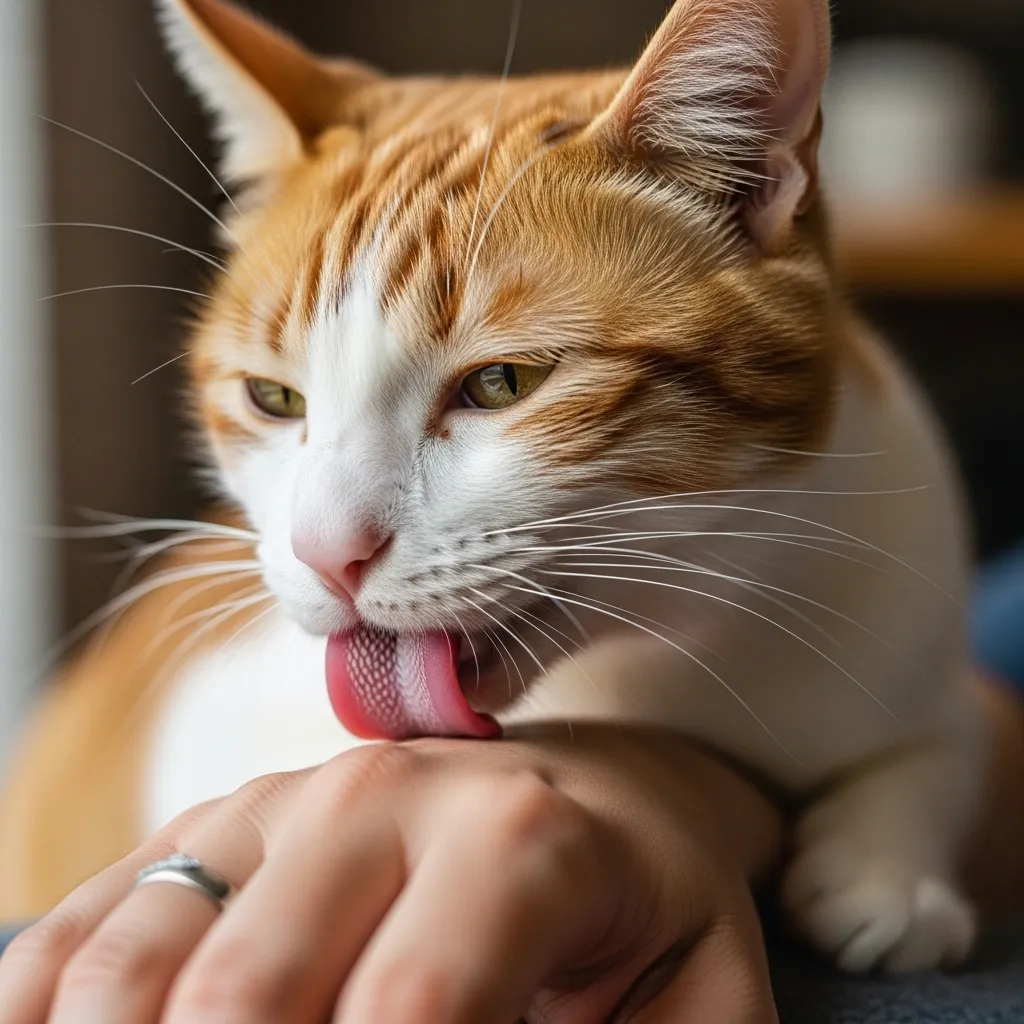
3. Allogrooming: The Ultimate Compliment
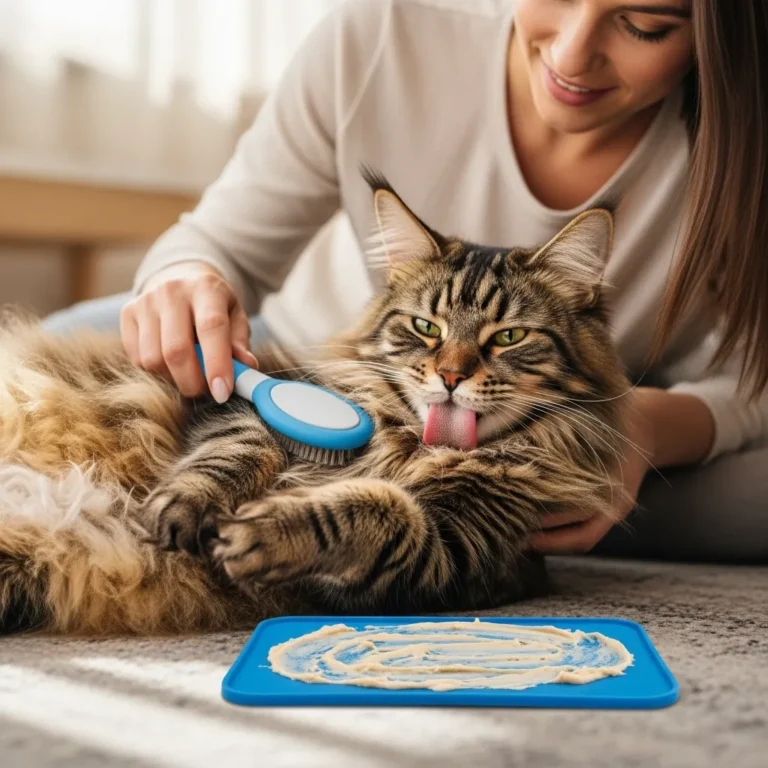
If your cat licks your hand, hair, or even your face, they are treating you as family. This behavior, known as allogrooming, is what mother cats do for their kittens and what bonded cats do for each other. It’s a nurturing gesture that reinforces social bonds. When your cat grooms you, they are saying, “You are part of my colony.” For more on how different breeds show affection, explore our guide to the Bengal cat personality.
4. Kneading: A Throwback to Kittenhood
That rhythmic pressing of paws against your lap or chest, often called “making biscuits,” is a deeply ingrained, comforting behavior. Kittens knead their mother to stimulate milk flow. When an adult cat kneads you, it means they associate you with the ultimate comfort and safety of kittenhood. This kneading behavior in cats is a clear sign they feel completely at ease in your presence.
5. The Gift-Giver
While unsettling, the “gift” of a dead (or sometimes still alive) mouse or bird is a genuine sign of affection and a desire to provide for you. Your cat sees you as part of their family—a family member who is, in their opinion, a terrible hunter. They are trying to teach you and share their success. It’s a behavior rooted in care, not cruelty. Discover what to do when your cat catches a mouse.
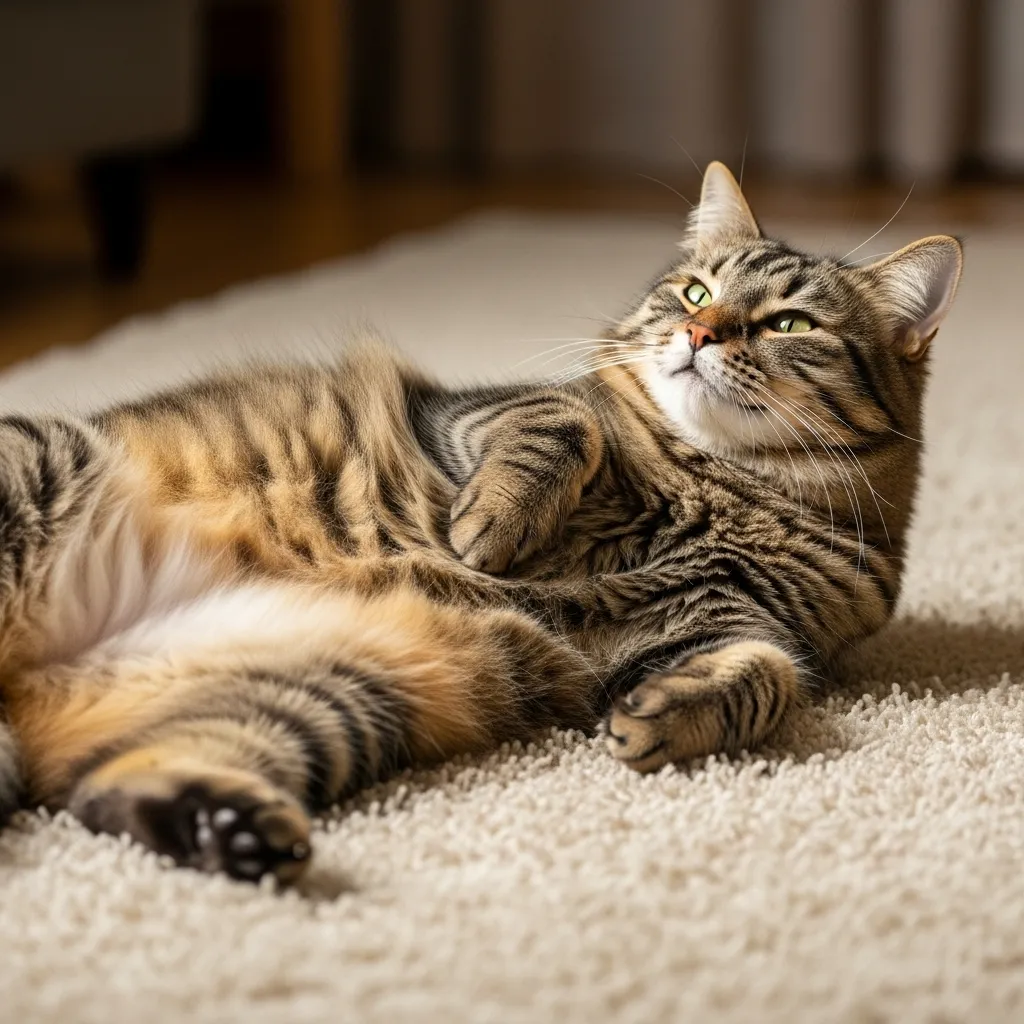
6. Belly-Up Display of Ultimate Trust
A cat’s belly is its most vulnerable area. Exposing it is a sign of absolute trust, indicating they feel no threat from you. While it’s not always an invitation for a belly rub (many cats will still playfully grab your hand), the act of rolling over in your presence is a powerful declaration of safety and security.
7. Head Bunting and Cheek Rubbing
When your cat bumps its head or rubs its cheek against you, they are depositing pheromones from scent glands located on those areas. They are essentially marking you as “theirs.” This scent-marking tells other cats that you are a familiar, safe, and claimed part of their territory. It’s their way of saying, “This human is mine.”
8. They Sleep On or Pressed Against You
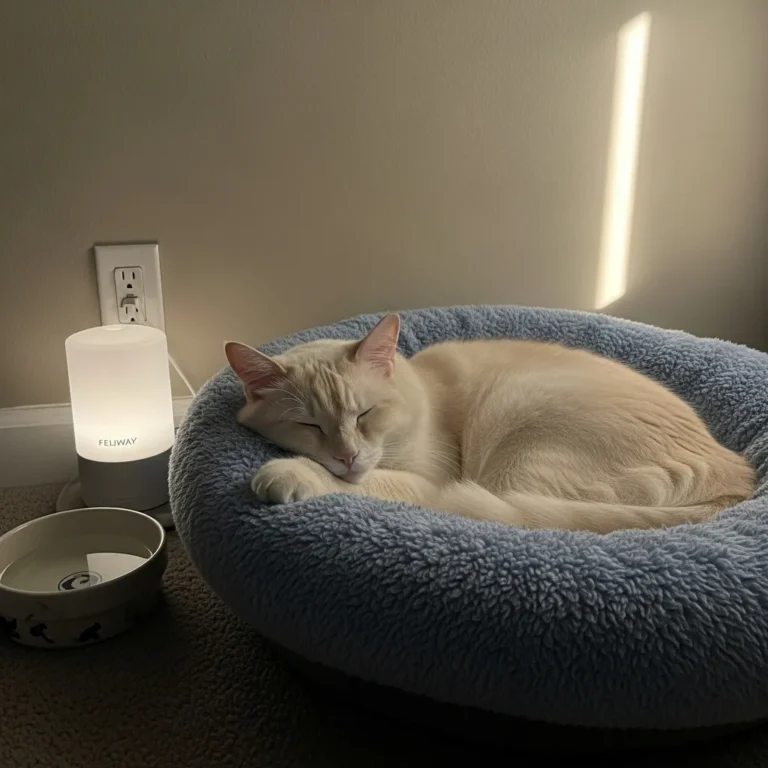
Cats are at their most vulnerable when they sleep. Choosing to sleep on your lap, curled against your side, or even on your head is the ultimate sign of trust. They are stating that they can let their guard down completely because they know you will keep them safe. This is a profound aspect of the feline-human bond.

9. Vocal Communication Just for You
Has your cat developed a unique set of meows, chirps, and trills that they use only with you? The cat meowing meaning changes with context, but these exclusive vocalizations are a form of conversation aimed directly at their favorite person. They are talking to you because they expect you to understand, reinforcing your special connection.
10. They Greet You at the Door
A cat that is genuinely excited to see you come home—rubbing against your legs, meowing a hello, and showing a raised-tail “flagpole” greeting—is a cat that has missed your presence. This is a clear sign that you are a central figure in their daily life and emotional world.
11. They “Nurse” on Your Clothes or Blankets
Some cats, especially those weaned early, will suckle softly on wool, blankets, or even your clothing while kneading. This self-soothing behavior is a throwback to kittenhood and is a strong indicator that they associate you and your scent with the deepest comfort and safety they have ever known.
12. They Respond to Your Emotional State
An imprinted cat is often highly attuned to your feelings. They may come to sit with you when you’re sad or stressed, purr loudly when you’re petting them, or even gently pat your face if you’re upset. This empathetic response shows a deep level of connection and a desire to offer comfort, just as you do for them. Learn more about what your cat is thinking to deepen this understanding.
Why Did Your Cat Choose You? The Science of Feline Attachment
Contrary to popular belief, the person who fills the food bowl isn’t always the chosen one. While providing resources helps, the bond of imprinting is built on consistent, positive social interactions.
- Respect for Boundaries: Cats gravitate towards people who let them initiate contact and don’t force affection.
- Positive Reinforcement: Using treats, gentle play, and a soft voice during interactions builds positive associations.
- The Power of Routine: Cats are creatures of habit. A predictable and calm human provides a sense of security that fosters deep trust.
- Early Socialization: While not a strict rule, a positive cat adoption timeline and early, gentle handling can predispose a kitten to form strong human bonds. However, even adult and rescue cats can imprint with patience and love.
Nurturing the Bond: How to Strengthen Your Connection
If you’re seeing these signs, congratulations! You have a feline soulmate. Here’s how to honor and deepen that bond:
- Respect Their Communication: Learn their cat body language. If they slow-blink, slow-blink back. If their tail is twitching, give them space.
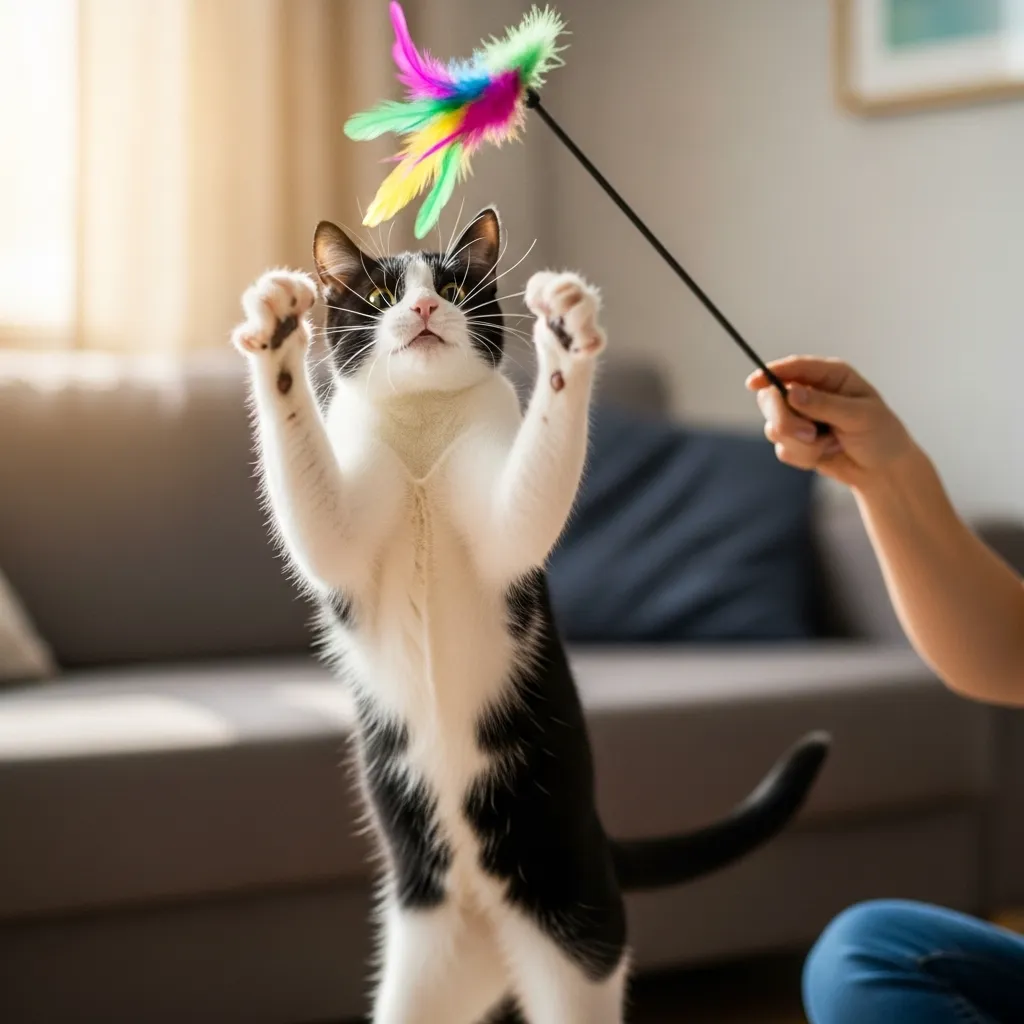
- Engage in Daily Play: Use wand toys to simulate hunting. This builds trust and satisfies their natural instincts. Understand your cat’s exercise needs for a healthy routine.
- Provide Vertical Space: Cat trees and shelves give them confidence and a sense of security, which strengthens their overall well-being.
- Establish Rituals: A morning petting session or an evening playtime creates predictable positive moments they will come to rely on and cherish.
- Never Use Punishment: Yelling or spraying a cat with water destroys trust. Use positive reinforcement for desired behaviors instead.
Frequently Asked Questions (FAQ)
What is cat imprinting?
Cat imprinting is a deep, selective bonding behavior where a cat forms an intense emotional attachment to a specific human, viewing them as their primary source of safety, comfort, and security, much like a parent or favored sibling.
How can I recognize if my cat has imprinted on me?
The most common signs include following you quietly from room to room, giving you slow blinks, grooming you, kneading on you, sleeping on or pressed against you, and greeting you enthusiastically at the door. These behaviors indicate a high level of cat trust and attachment.
Are some cat breeds more likely to imprint than others?
While any cat can form a deep bond, some breeds known for their people-oriented nature, like Ragdolls, Siamese, and Maine Coons, may be more overt in their displays of attachment. However, a cat’s individual personality and experiences are the most significant factors. Learn about the loyal Ragdoll cat breed as an example.
Can an older cat imprint on a new owner?
Absolutely. While early positive experiences help, cats of any age can learn to trust and form a deep, imprint-like bond with a patient and loving owner who respects their boundaries and provides consistent care and affection.
My cat is very independent. Does that mean they don’t love me?
Not at all. Cat affection signs vary widely. Some cats show love through quiet proximity rather than cuddles. An independent cat sitting in the same room as you is still choosing to be with you, which is a sign of trust. Understanding cat psychology helps interpret these subtle cues.
Why does my cat follow me everywhere, even to the bathroom?
This “cat obsession with owner” behavior is a classic sign of imprinting. The bathroom is a small, enclosed space where you are a captive audience. Your cat likely sees it as a perfect, safe opportunity for undisturbed togetherness.
Conclusion: Embracing Your Role as a Chosen One
When a cat imprints on you, it’s a gift. It’s a testament to the safe, loving, and predictable world you have created for them. This profound cat emotional connection is a two-way street, offering companionship, reducing stress, and bringing immense joy into our lives.
By recognizing the signs and understanding the language of this unique bond, you can fully appreciate the incredible privilege of being chosen by a cat. It’s not just ownership; it’s a soulmate connection, a quiet promise of mutual trust and affection that can last a lifetime.
Ready to decode more of your cat’s mysterious behaviors and strengthen your bond? Explore our library of expert cat behavior and training guides at Cat Bloom Haven.