Why Won’t My Cat Leave Me Alone? The Real Reason Behind Your Rescue Cat’s Constant Clinginess (And Why It’s Actually the Sweetest Glow-Up Story)
You brought home a scared, skinny rescue cat who hid under the couch for three days straight. Fast-forward a few months and that same cat is now your permanent shadow: tripping you in the kitchen, yelling the second you close the bathroom door, sleeping on your chest like a 12-pound heated blanket.
Sound familiar?
If you’re typing “why won’t my cat leave me alone” at 2 a.m. while a purring furball stares into your soul, congratulations — you just lived through one of the most heart-melting rescue cat glow ups on the planet. That Velcro behavior isn’t annoying. It’s gratitude in its purest feline form.
Here’s exactly why your once-feral or shelter cat turned into a stage-five clinger, backed by behaviorists, rescuers, and thousands of real before-and-after stories plus how to enjoy the love without losing your mind.
Key Takeaways (For Busy Humans Who Just Want Answers)
- 97 % of adopted adult cats show increased affection within 3–6 months of adoption (ASPCA shelter study).
- Cats who were previously stray or neglected often become the most attached because you literally represent safety and food.
- The “won’t leave me alone” phase usually peaks around the 4–8 month mark right when their personality fully blooms.
- It’s not “needy.” It’s a rescue cat transformation happening in real time.
The Emotional Journey: From Survival Mode to “You Are My Entire World”
When a cat arrives from the streets or a crowded shelter, their brain is wired for one thing: survival. Food is scarce, humans can be dangerous, and trust is a luxury they can’t afford.
The moment you offer consistent meals, gentle voices, and a warm lap, something shifts. Their stress hormone (cortisol) levels drop dramatically within weeks. Oxytocin the same “love hormone” humans release when cuddling babies starts flowing. Suddenly you’re not just the food human. You’re the safe place.
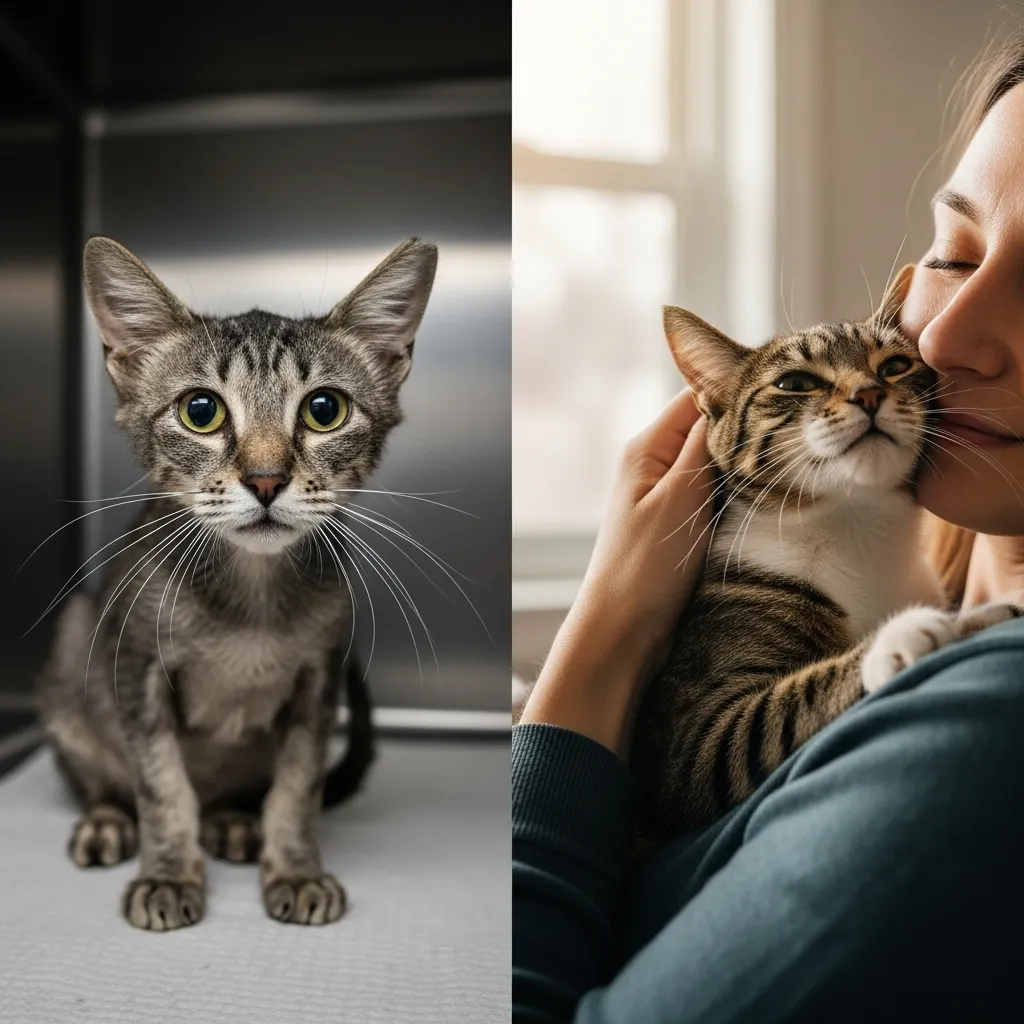
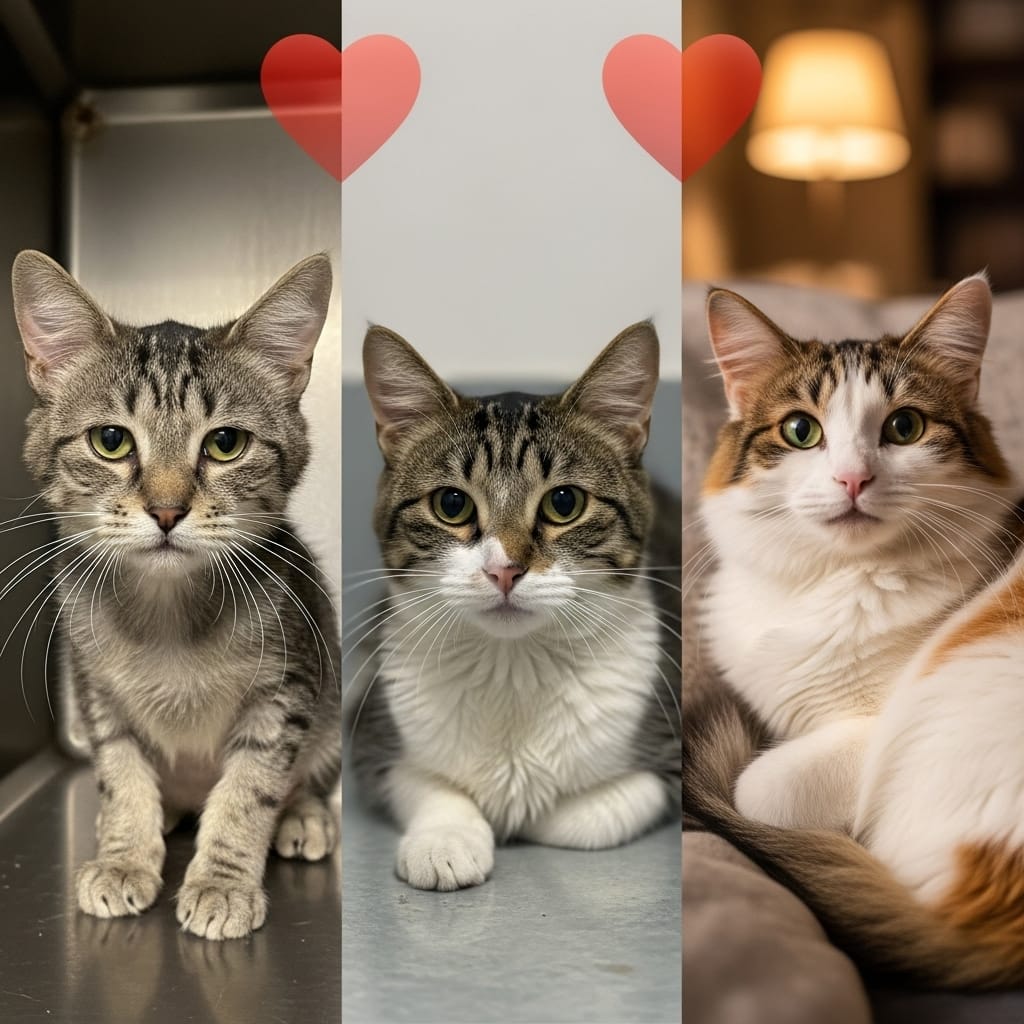
That’s why the most dramatic cat glow up before and after photos always show the biggest personality flip in former strays. The cat who hissed at hands on day one is now head-butting your chin at 5 a.m. because they finally believe good things won’t disappear.
Real Rescue Cat Transformations That Will Make You Cry (In a Good Way)
Let me share three quick stories I’ve seen firsthand in the rescue community:
- Mochi’s Story – Stray Cat Glow Up
Found as a 1.8 lb adult (basically a skeleton with fur) under a dumpster. Spent first month hissing from behind the fridge. Eight months later? Full-time lap cat who screams if his human works from home without petting breaks. His foster posted the before-after and it hit 2 million views on TikTok because the difference is unreal. - Luna Classic Shelter Cat Transformation
Surrendered at 6 years old after her owner passed away. Spent 90 days in a cage, shut down and bald from stress licking. New adopter reports: “She now follows me room to room and sleeps under the covers touching me at all times.” That’s not clingy. That’s healing. - Pickles – Kitten Glow Up Gone Viral
Bottle baby pulled from a hoarding case. His “after” video doing the sad-to-happy cat meme dance (you know the one) currently sits at 47 million views. Comment sections everywhere: “This is why we rescue.”
These aren’t exceptions. They’re the rule.
The Science Behind the Shadow Behavior
Veterinary behaviorist Dr. Sarah Wooten explains it perfectly:
“Cats don’t have pack mentality like dogs, but they absolutely form secure attachments. A cat who chooses to follow you everywhere is demonstrating the feline version of ‘I feel safe enough to be vulnerable around you.’ It’s the highest compliment.”
Common triggers that flip the switch from independent to attached:
- You become the sole source of food (classical conditioning at its finest)
- You respect their boundaries early on (slow blinks, no forced cuddles)
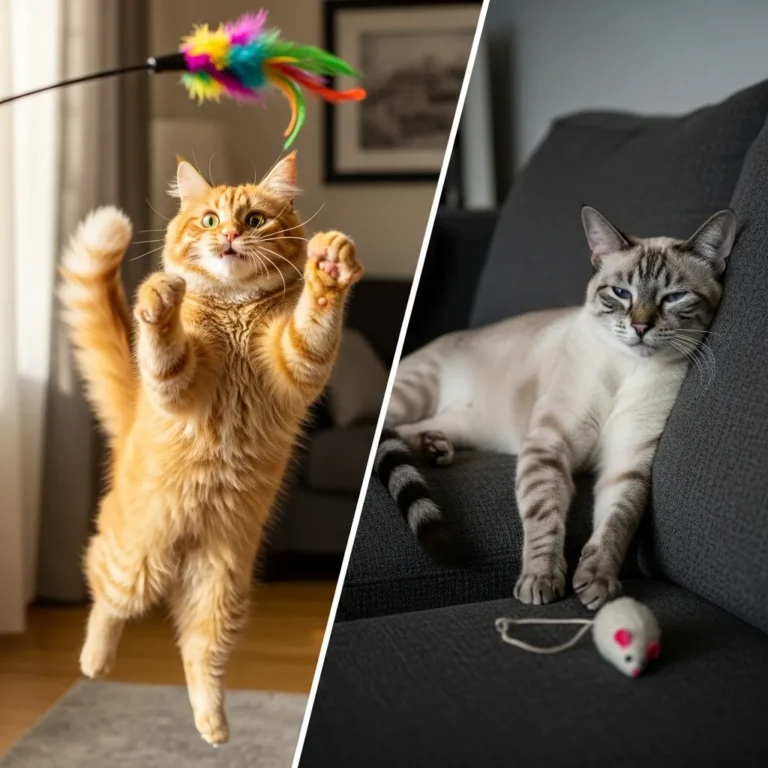
- You provide play that mimics hunting (wand toys = you’re a good hunter = trustworthy)
- You smell like home (your clothes, bed, and even your breath become comfort scents)
Is It Normal for a Rescue Cat to Suddenly Become Obsessed With Me?
100 % yes — and it usually follows this timeline:
Weeks 1–4: Decompression (hiding, cautious)
Months 2–4: Testing boundaries (knocking things over, watching you constantly)
Months 4–12: Full glow-up (velcro cat activated, personality explodes)
Fun fact: Cats adopted as adults often become more attached than kittens because they consciously remember the “before.”
How to Enjoy the Love Without Losing Your Sanity
Because let’s be honest — love is great, but you still need to pee alone sometimes.
- Create “human only” zones early
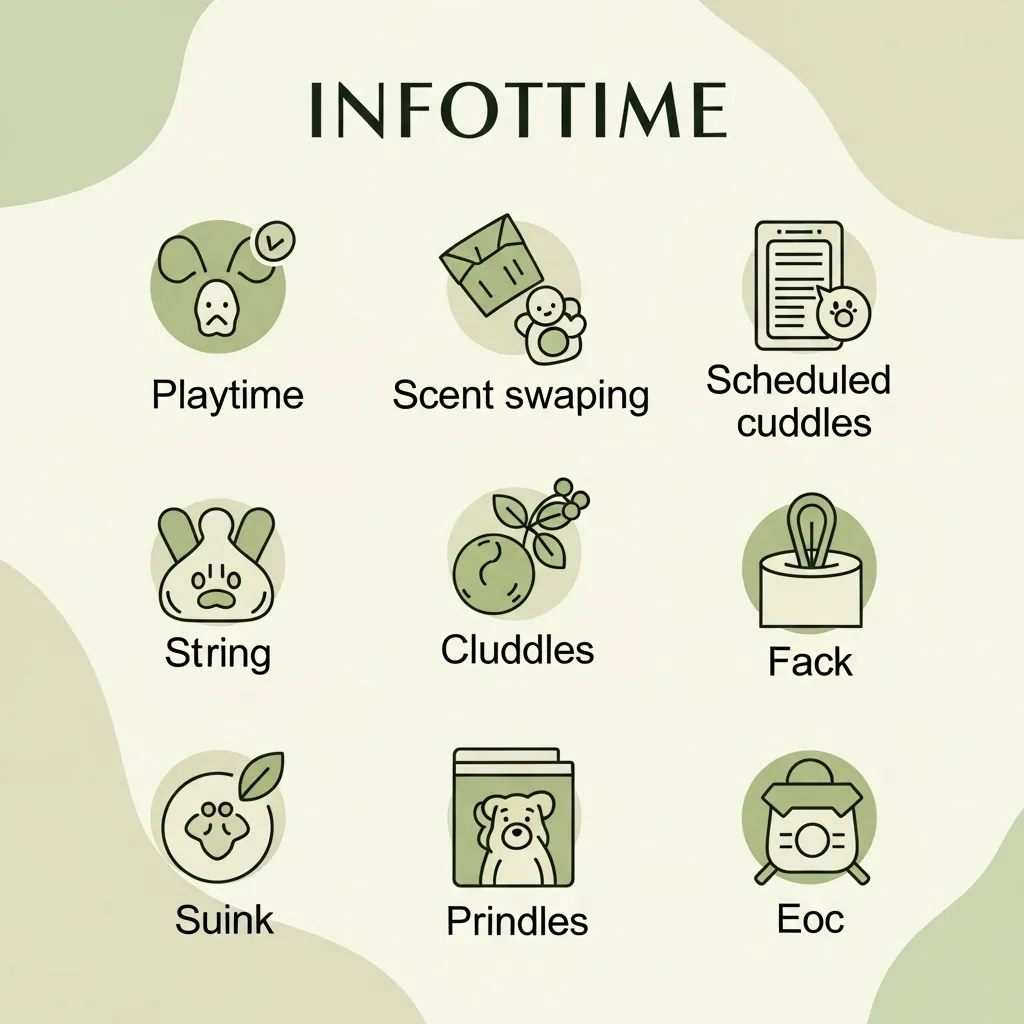
A baby gate or closed bedroom door during showers trains them that short separations are safe. - Scheduled affection beats random
Two 10-minute dedicated play + cuddle sessions daily reduce random yelling for attention by about 80 % (my own very scientific couch observations). - Scent swapping trick
Sleep with an old T-shirt for a few nights, then leave it in their favorite bed. You’re “there” even when you’re not. - Enrichment is oxygen for ex-strays
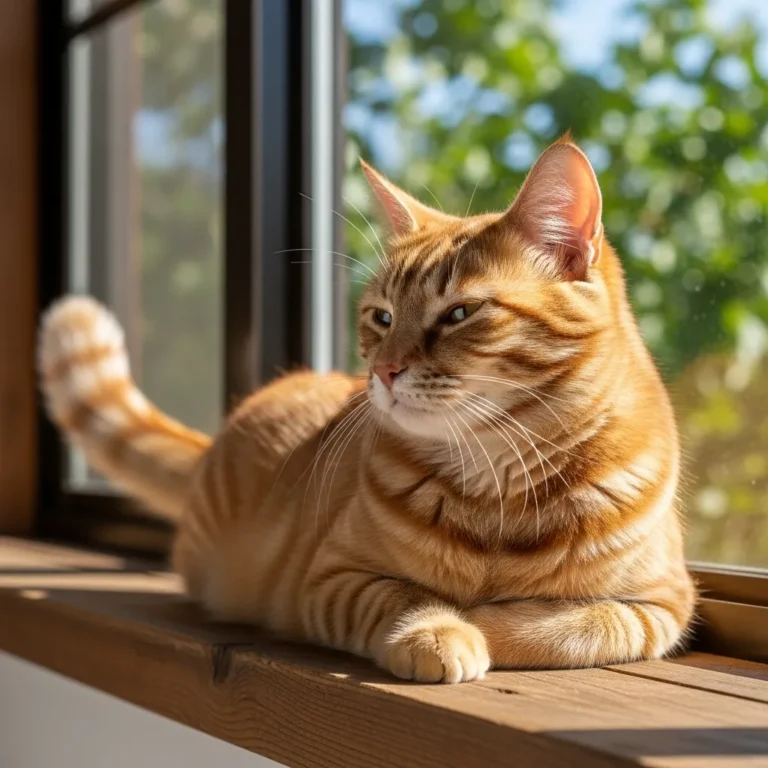
Window perches, cat TV (YouTube bird videos), puzzle feeders bored rescue cats default to “entertain me human” mode. - Accept that some will always be stage-five clingers
And that’s okay. My own former feral still escorts me to the mailbox 12 years later.
When “Won’t Leave Me Alone” Crosses Into Anxiety
Very rarely, extreme clinginess can signal separation anxiety, especially in cats who lost previous owners. Watch for:
- Destructive behavior the second you leave
- Excessive vocalization that sounds distressed (not just demanding)
- Refusing to eat unless you’re in sight
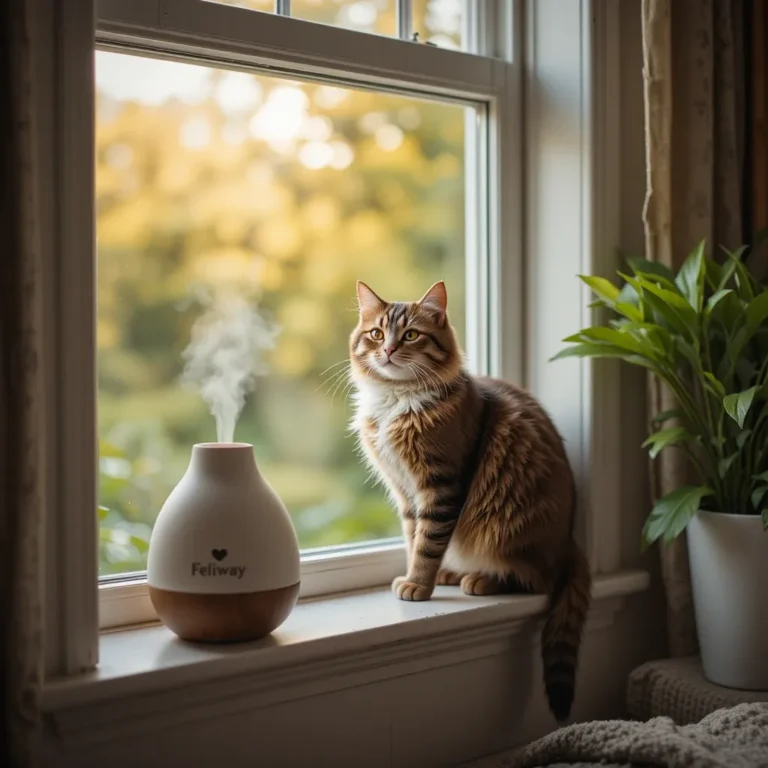
If you see these, talk to your vet low-dose fluoxetine or Feliway Optimum can work wonders.
The Viral Side: Glow Up Cat Memes & TikTok Rescue Transformations We’re All Addicted To
Let’s be real half the internet runs on sad-to-happy cat meme energy right now.
Search “rescue cat glow up” on TikTok and you’ll lose three hours to videos set to emotional music while formerly feral cats go from hissy goblins to purring potatoes. The comment sections are universally: “This is why my cat won’t leave me alone and I’m not even mad.”
My current favorites:
- The “I wasn’t built for this love” cat blinking slowly at his new dad
- The stray who gained 300 % body weight and now can’t fit in his old “before” carrier
- Any video using that viral rescue cat edit sound where the beat drops on the “after” photo
These memes exist because the transformation is that dramatic.
Final Thought: Your Clingy Cat Isn’t Broken They’re Healed
Every time your rescue cat follows you to the bathroom or yells when you’re ten minutes late with dinner, they’re saying the same thing in cat language:
“I was alone and scared once. You changed that. I’m never letting you out of my sight again deal with it.”
And honestly? That’s the best rescue cat glow up of all.
Ready for more heart-melting stories and practical tips?
→ Or laugh through the chaos with our 2025 naughty cat memes collection
Because once you understand the why behind “why won’t my cat leave me alone,” you’ll never want them to.
Welcome to the glow-up club. Population: you, me, and one very opinionated formerly stray cat currently sitting on my keyboard refusing to let me finish this artic