Chicken Meal in Cat Food: The Complete Guide Every Cat Owner Needs in 2025
If you’ve ever stood in the pet food aisle staring at an ingredient list and wondered, “Is chicken meal actually good for my cat, or is it just cheap filler?” – you’re not alone.
The phrase “chicken meal” sparks instant debate among cat parents. Some swear it’s a concentrated protein powerhouse. Others hear “meal” and immediately picture something low-grade that shouldn’t go near their cat’s bowl.
Here’s the truth: chicken meal is one of the most misunderstood and most valuable ingredients in quality cat food when it’s done right. Done wrong, it can be mediocre at best. This guide cuts through the noise and shows you exactly how to tell the difference.
Key Takeaways (Read This First)
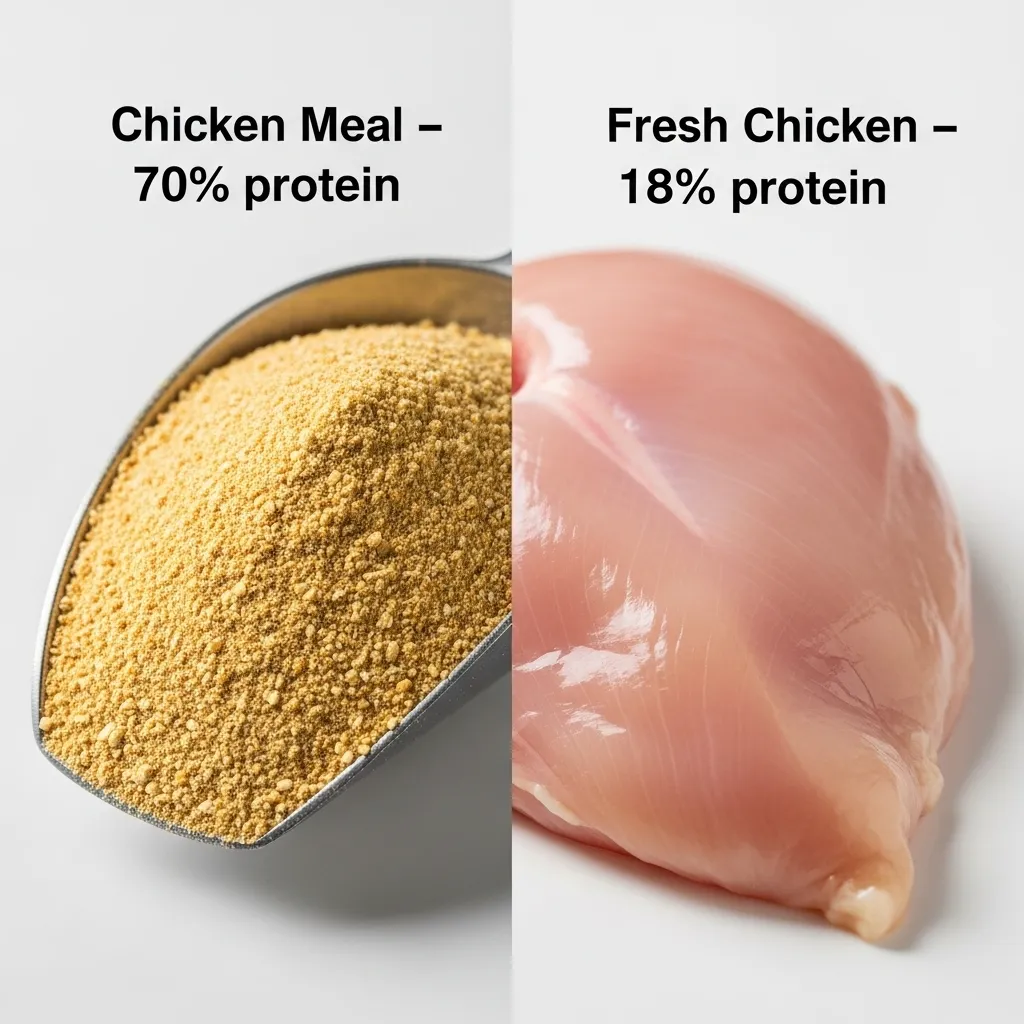
- Chicken meal is rendered, cooked-down chicken meat with most water and fat removed – making it 4–5× more protein-dense than fresh chicken.
- It is NOT the same as “chicken by-product meal.” The difference matters hugely for nutrition.
- High-quality chicken meal is an excellent, highly digestible protein source for cats.
- Low-quality versions exist. You can spot them in under 10 seconds on the label.
- AAFCO allows both good and not-so-good versions – that’s why you need to know what to look for.
By the time you finish this article, you’ll read any cat food label with total confidence.
What Exactly Is Chicken Meal in Cat Food?
Chicken meal is chicken meat (usually muscle meat, skin, and sometimes adhering bone) that has been cooked at high temperatures to remove water and fat, then ground into a fine, brown powder.
The end result is a dry ingredient that is roughly 65–70% protein and only 10–12% moisture – compared to fresh (raw) chicken, which is about 70% water and only 18–20% protein.
Because cats are obligate carnivores who thrive on concentrated animal protein and low moisture, chicken meal is actually biologically closer to what a cat would eat in the wild (think dehydrated mouse) than watery fresh chicken.
Chicken Meal vs Chicken vs Chicken By-Product Meal – The Table Every Cat Owner Needs
| Ingredient | What It Is | Protein % (approx.) | Typical Quality Level | Named Protein Source? |
|---|---|---|---|---|
| Chicken | Raw, whole chicken with water (70% moisture) | 18–20% | High | Yes |
| Chicken Meal | Cooked, rendered chicken meat/skin/bone, water removed | 65–70% | Usually high | Yes |
| Chicken By-Product Meal | Cooked necks, feet, undeveloped eggs, intestines (no feathers) | 60–65% | Varies widely | No |
| By-Product Meal (unnamed) | Mixed species leftovers | 50–60% | Usually lower | No |
The single most important rule: if the word “chicken” comes directly before “meal,” the ingredient must come from chicken muscle meat or skin. “Chicken by-product meal” follows different (looser) rules.
How Chicken Meal Is Made: The Rendering Process Explained Step-by-Step
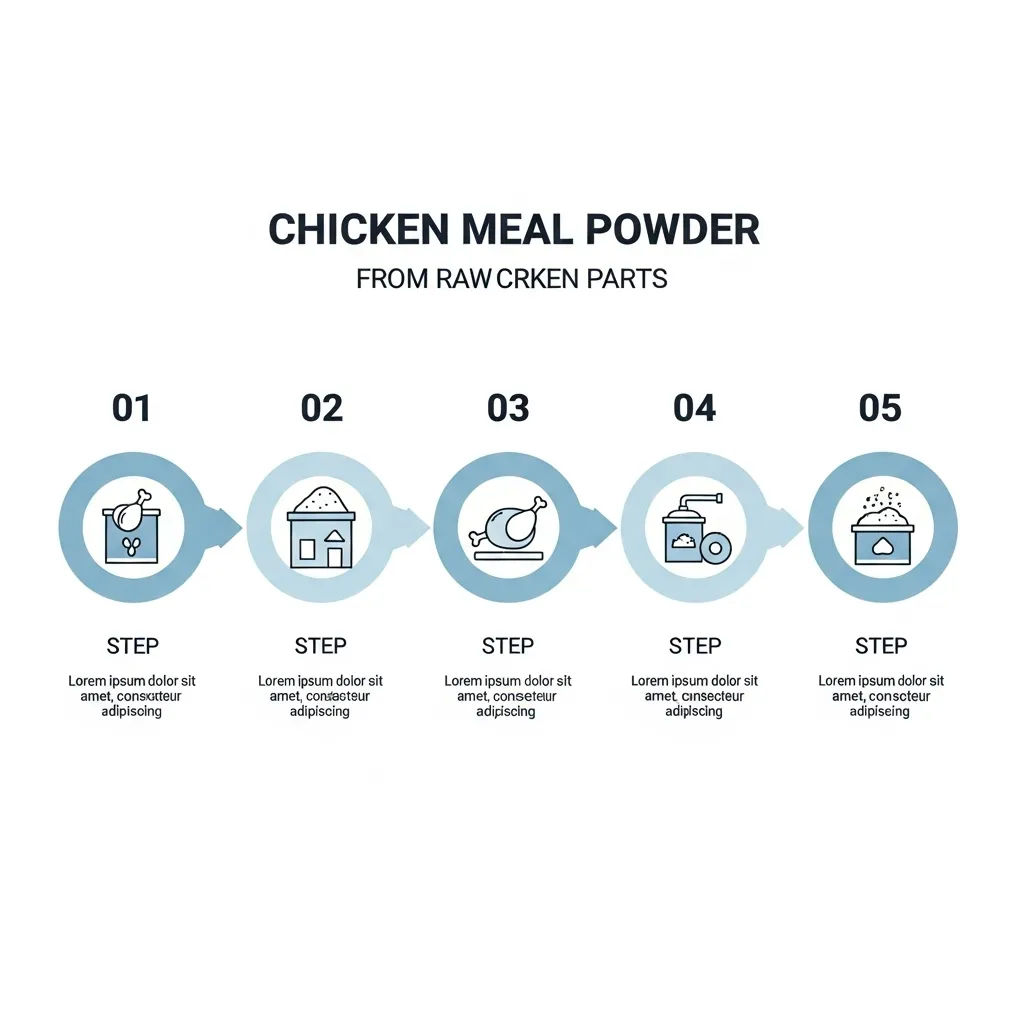
- Fresh chicken trimmings (mostly muscle meat and skin from human-grade processing plants) arrive at the rendering facility.
- Material is ground and cooked at 240–280°F for 30–60 minutes to kill bacteria and separate fat.
- A centrifuge spins out most of the fat (which becomes chicken fat for pet food – another excellent ingredient).
- The remaining solids are pressed to remove more moisture.
- The pressed cake is dried into a powder and tested for safety and nutrient content.
Reputable renderers follow strict USDA or FDA oversight even though the final meal is labeled “feed grade.”
Is Chicken Meal Safe for Cats? (The Short Answer Is Yes – When It’s Done Right)
High-quality chicken meal consistently scores 95%+ digestibility in feeding trials – higher than many fresh meats – because the rendering process breaks down connective tissue and makes protein easier for cats to absorb.
It is also shelf-stable, meaning manufacturers don’t need to rely on synthetic preservatives the way they often do with wet food or raw.
The “Unfit for Human Consumption” Myth
Yes, the raw material going into the renderer was declared unfit for people – usually because it’s simple trimmings (backs, necks, skin) rather than breast meat we prefer.
The high-heat rendering process makes it completely safe and often cleaner microbiologically than the chicken in your refrigerator.
Pros and Cons of Chicken Meal in Cat Food
Pros
- 4–5× more concentrated protein than fresh chicken
- Highly digestible (often 95%+)
- Stable source of amino acids like taurine (critical for cats)
- Reduces total carbohydrate content in kibble
- Lower risk of bacterial contamination after rendering
Cons
- Quality varies dramatically between suppliers
- Some brands use low-grade “chicken meal” that includes more bone than meat
- Loses a small amount of heat-sensitive nutrients (usually added back synthetically)
How to Spot High-Quality Chicken Meal on the Label (Takes 10 Seconds)
Look for these green flags:
- “Chicken meal” listed in the first or second position
- Brand names the protein source (e.g., “chicken meal” not just “poultry meal”)
- Guaranteed crude protein 38% or higher (dry food)
- Added taurine listed separately (shows they’re not relying solely on the meal)
Red flags:
- “Chicken by-product meal” as the only or main protein
- “Meat meal” or “animal meal” with no species named
- Protein below 34% on dry food
For a deeper dive into reading labels, check our full guide on how to choose quality cat food.
Chicken Meal Nutritional Value: What the Numbers Actually Mean
A typical high-quality chicken meal delivers:
- Crude Protein: 65–70%
- Taurine: 0.2–0.3% (preserved well during proper rendering)
- Fat: 10–15%
- Ash: 12–18% (minerals + bone content)
Because it’s so concentrated, only 25–35% of a kibble recipe needs to be chicken meal to deliver 40%+ total protein – leaving room for healthy fats and minimal carbs.
Chicken Meal vs Chicken By-Product: Why the Difference Matters So Much
Chicken by-product meal can legally include necks, feet, intestines, and undeveloped eggs – parts that are nutritious but lower in essential amino acids and higher in ash.
Many premium brands (Orijen, Acana, Dr. Elsey’s, Tiki Cat Born Carnivore) proudly use named chicken meal and avoid by-product meals entirely.
AAFCO Regulations and What They Actually Guarantee
AAFCO defines chicken meal as:
“The dry rendered product from a combination of clean chicken flesh and skin with or without accompanying bone, derived from whole carcasses of chicken, exclusive of feathers, heads, feet, and entrails.”
That definition is strict and helpful – but AAFCO does not police quality day-to-day. That’s why third-party testing and brand reputation still matter.
Best Cat Foods with Chicken Meal (2025 Examples That Pass Our Tests)
- Dr. Elsey’s cleanprotein Chicken Formula
- Orijen Original Cat & Kitten
- Farmina N&D Ancestral Grain Chicken
- Young Again Zero Carb (uses pork + chicken meal)
- Tiki Cat Born Carnivore (dry line)
All of these list chicken meal in the top two ingredients and deliver 40–52% protein.
Want wet food instead? See our roundup of the best wet cat foods many use fresh chicken plus chicken meal for texture.
Frequently Asked Questions About Chicken Meal in Cat Food
Is chicken meal better than fresh chicken for cats?
For dry food, yes – because fresh chicken is 70% water. Chicken meal gives far more usable protein per gram.
Is chicken meal safe for cats with allergies?
Usually yes. Most chicken-allergic cats react to proteins in fresh chicken or skin oils. Rendering denatures many of those allergens. That said, every cat is different – monitor closely.
Is chicken meal a filler?
No. Fillers are low-protein, high-carb ingredients like corn, wheat, or rice. Chicken meal is concentrated protein.
Why do some vets say to avoid “meal” ingredients?
Many vets were taught 20–30 years ago that all meals were low quality. Modern rendering and transparency have changed the game.
Can kittens eat food with chicken meal?
Absolutely. In fact, most high-quality kitten foods rely on chicken meal for growth-supporting protein levels.
Final Verdict: Should You Choose Cat Food with Chicken Meal?
When the ingredient is “chicken meal” (not by-product) from a transparent brand you trust, it’s one of the best protein sources available in dry cat food – period.
Your cat gets more bioavailable protein, fewer carbs, and a lower risk of bacterial issues than with most fresh-meat-only recipes.
Combine that with a rotational diet, plenty of wet food for hydration, and regular vet checkups, and you’ve built a rock-solid nutritional foundation.
Ready for more label-reading superpowers? Dive into our complete guide on cat food ingredients explained or learn how to switch foods safely without upsetting your cat’s stomach.
Your cat’s nine lives just got a serious upgrade.
Explore more expert cat care and behavior guides on Cat Bloom Haven – because every curious, sassy, or sleepy moment deserves the best information. 🐾