Why Won’t My Cat Leave Me Alone? The Real Reasons Behind Clingy Cat Behavior (And Exactly What to Do About It)
If you’ve ever tried to work from home, take a shower, or simply breathe without a furry shadow glued to your side, you’re not alone. One minute your cat is an independent creature who ignores you for 22 hours a day; the next, she’s a full-time Velcro cat who follows you to the bathroom, sits on your laptop, and screams the moment you close a door.
That sudden (or not-so-sudden) clinginess can feel flattering at first. Then it becomes exhausting.
The good news? Almost every case of a cat that won’t leave you alone has a clear reason and most of them are fixable once you know what’s really going on in your cat’s head.
Quick Summary: The 8 Most Common Reasons Your Cat Is Suddenly (or Always) Clingy
| Rank | Reason | Usually Fixable at Home? | Vet Visit Needed? |
|---|---|---|---|
| 1 | Normal bonding & affection | Yes | No |
| 2 | Boredom / lack of enrichment | Yes | No |
| 3 | Hunger or irregular feeding | Yes | No |
| 4 | Stress or recent change | Usually | Sometimes |
| 5 | Separation anxiety | Sometimes | Often helpful |
| 6 | Breed predisposition | Manageable | No |
| 7 | Illness or pain | No | Yes |
| 8 | Senior cognitive changes | Partially | Yes |
Keep reading for the deep dive including exactly how to tell which one applies to your cat and the step-by-step fixes that actually work.
1. She’s Just Really, Really Into You (Normal Affection vs. Excessive)
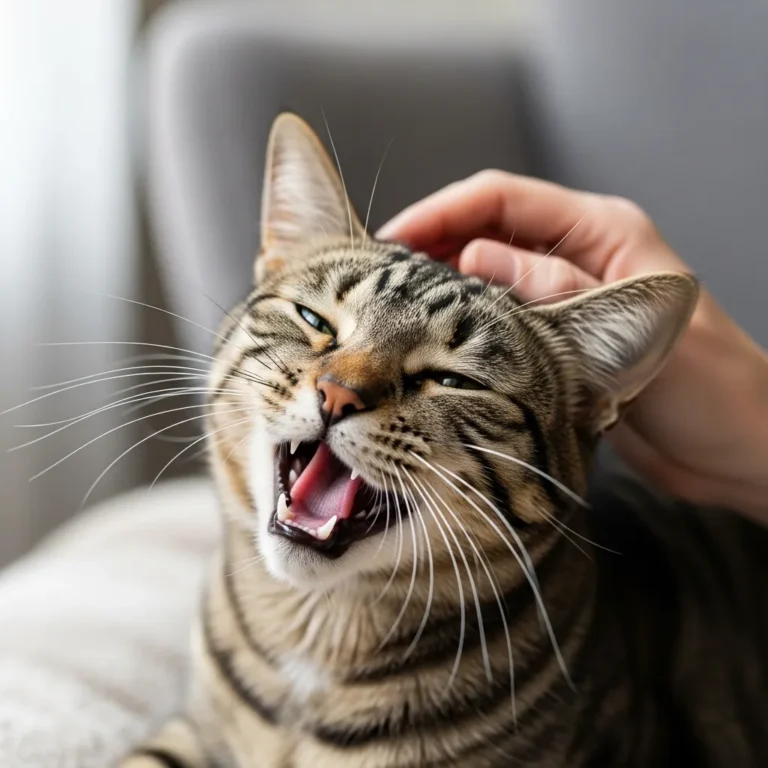
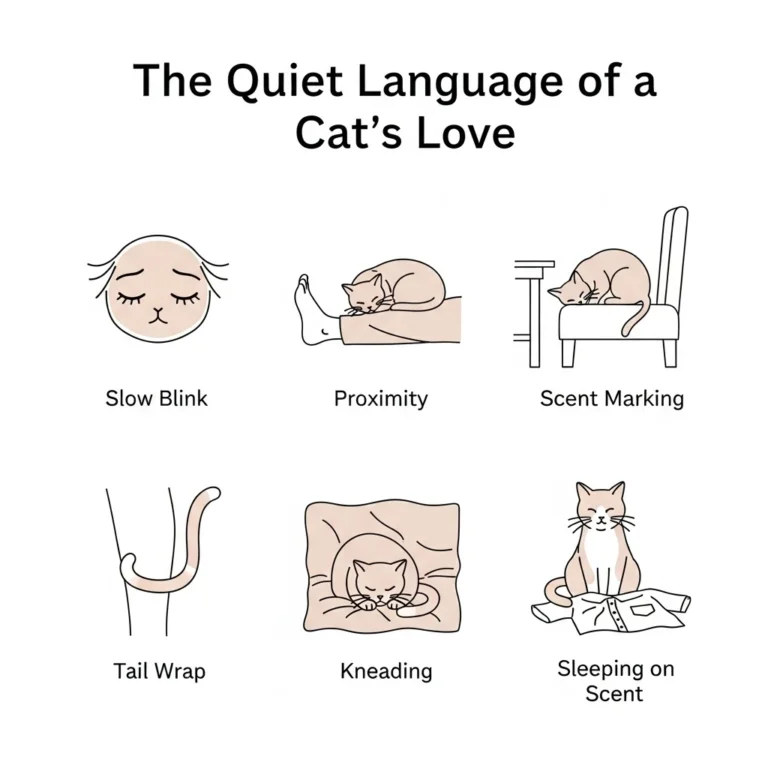
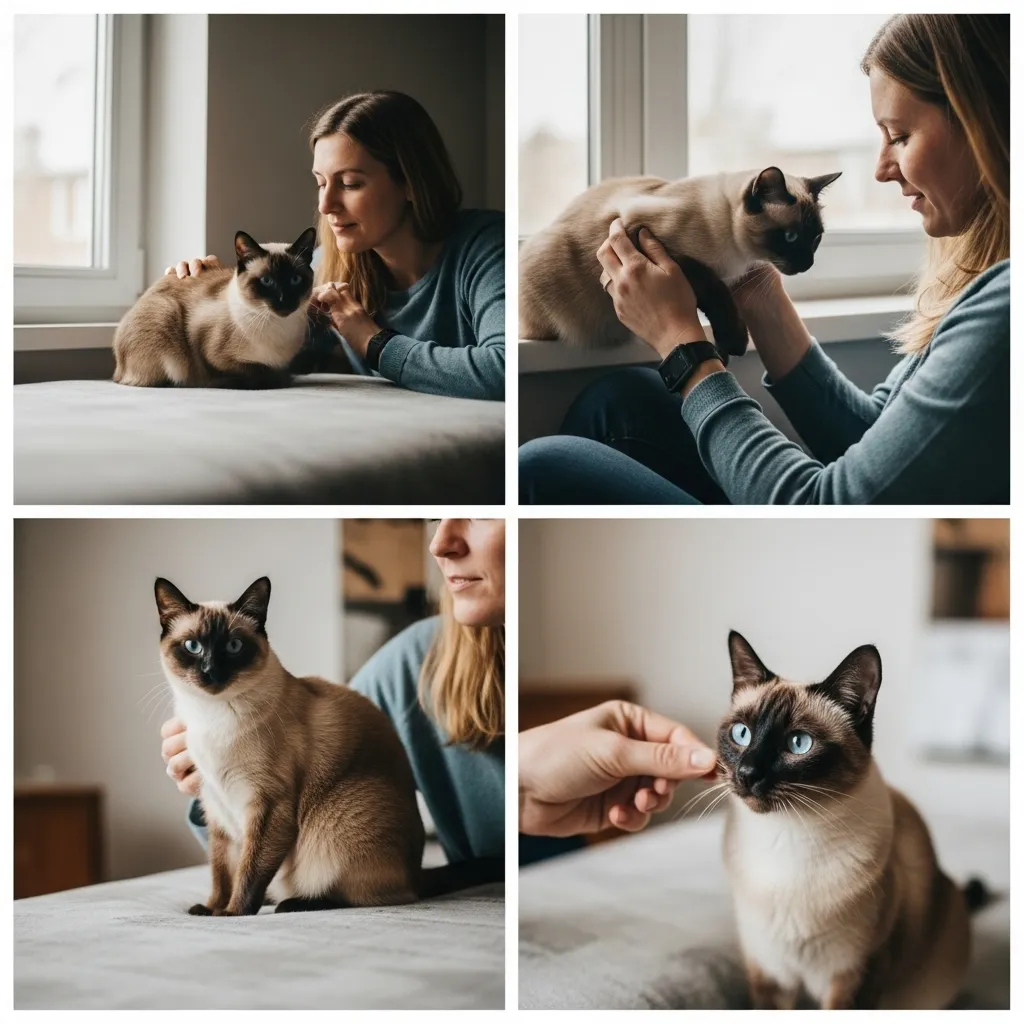
Cats show love differently than dogs. Slow blinks, head bumps, tail-up greetings, and following you from room to room are all signs you’ve been chosen as her favorite human.
Some cats simply have a higher “affection setpoint.” Ragdolls, Siamese, Burmese, and Tonkinese top most lists of clingy cat breeds, but any cat can become a lap magnet if she imprinted strongly on you as a kitten.
How to know if it’s healthy affection:
- She’s relaxed — loose tail, normal appetite, playful at times
- She’ll settle once she’s near you or touching you
- She still grooms, eats, and uses the box normally
Red flag it’s crossed into needy territory:
- Constant vocalizing even when you’re in the same room
- Destructive behavior the moment you leave
- Refusing to eat unless you’re present
If your cat is otherwise healthy and happy, enjoy the love. If it’s interfering with your life, keep reading for boundary-setting tips later in the article.
2. Boredom: The Silent Clinginess Trigger Most Owners Miss
Indoor cats sleep 12–18 hours a day, but the other 6–8 hours they need stimulation. When they don’t get it, many default to the most entertaining thing in the house: you.
A bored cat will:
- Follow you constantly looking for play
- Meow excessively for attention
- Knock things off shelves when ignored
- Pounce on your feet under the blanket at 3 a.m.
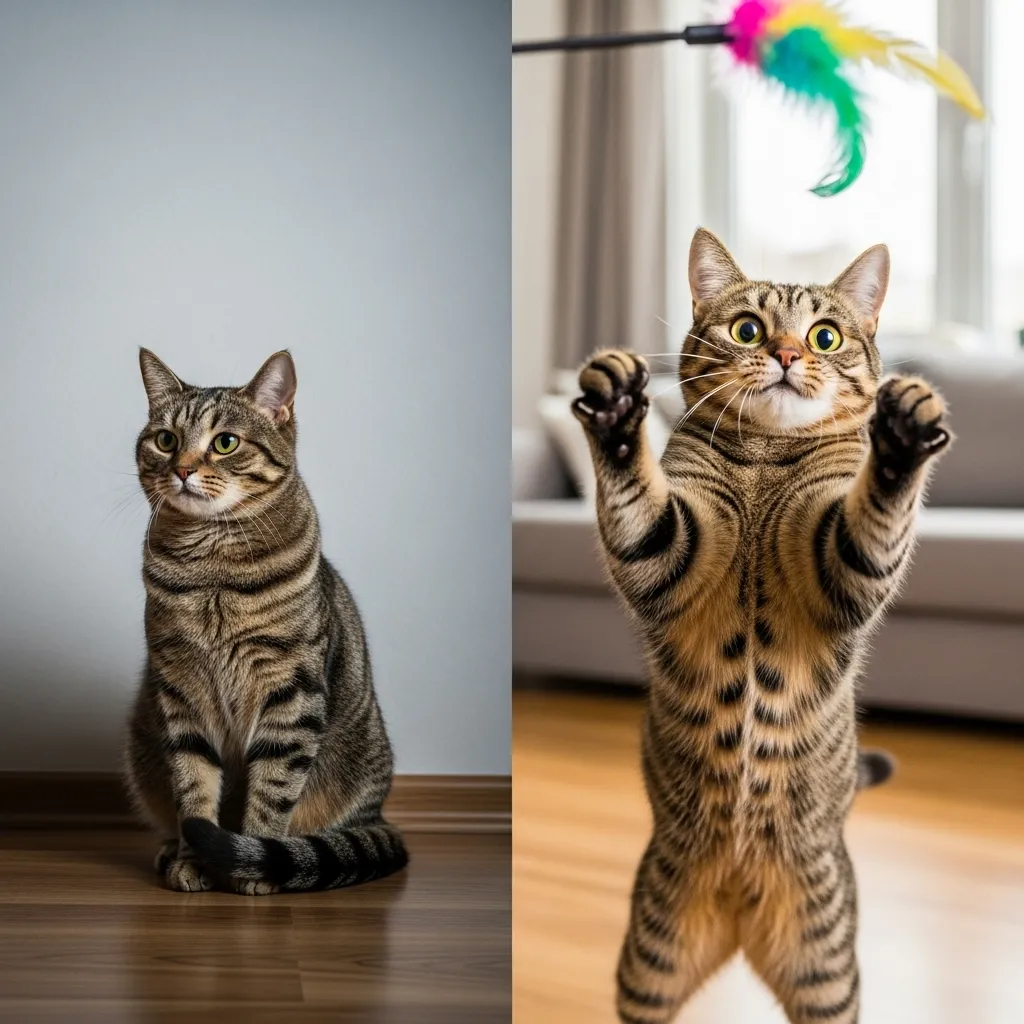
Fix: Give her a job. Ten minutes of interactive play twice a day (wand toys, laser chase, fetch) plus environmental enrichment cuts clingy behavior in 80 % of cases I’ve seen.
For more enrichment ideas that look beautiful in your home, see our minimalist cat shelves and DIY cat tower guides.
3. Feeding Schedule (Or Lack Of One) Is Training Your Cat to Bug You
If meals are random or you free-feed dry food, your cat learns that meowing at you = food appears. That quickly becomes meowing at you = anything good happens.
Automatic feeders are the single most effective tool I recommend for cats who won’t leave owners alone around meal times. They remove you from the equation and create predictability.
Pro tip: Split daily food into 4–6 small meals. Cats are natural grazers, and frequent small feedings reduce hunger-driven clinginess and nighttime wake-ups.
4. Stress and Life Changes Why Your Cat Suddenly Became Clingy Overnight
Moved furniture? New baby? New roommate? Construction next door? Even subtle changes can spike stress hormones for weeks.
Common stress triggers that cause sudden clinginess:
- Moving to a new home (see our full guide on cat behavior after moving home)
- New pet or person in the house
- Change in your work schedule (suddenly home all day or gone all day)
- Loss of a companion animal
- Rearranging furniture or closing off “her” room
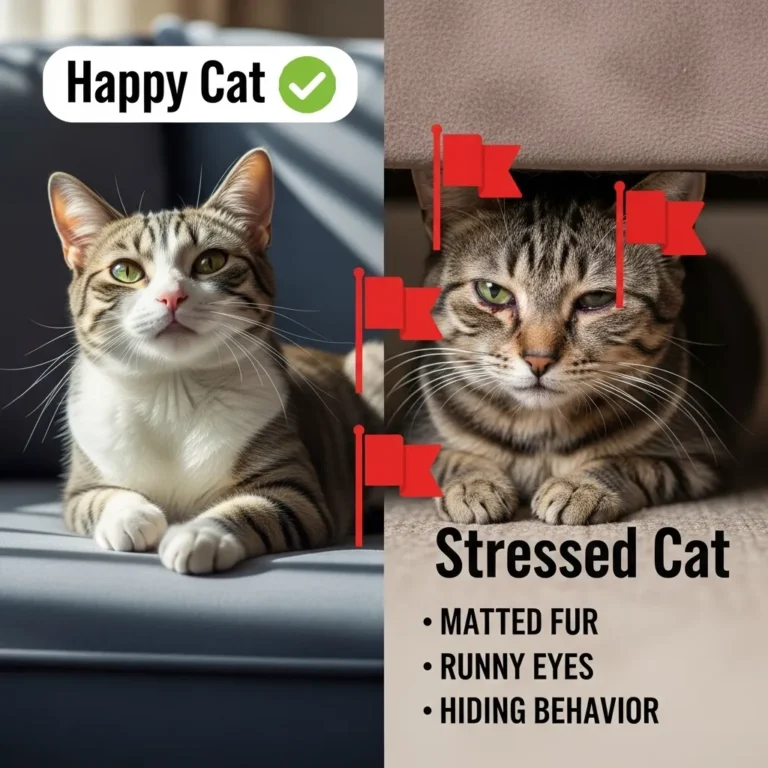
Signs of stress beyond clinginess: hiding, reduced appetite, over-grooming, litter-box avoidance.
Calming solutions that work fast:
- Feliway Optimum diffusers (clinically proven to reduce stress-related behaviors in 9 out of 10 cats)
- Consistent daily routine
- Safe “home base” spots (covered beds, high perches)
- Temporary confinement to a quiet sanctuary room when stressors are high
5. True Separation Anxiety in Cats More Common Than Most People Realize
Yes, cats can develop separation anxiety. It’s not just a dog thing.
Classic signs:
- Destructive behavior only when you’re gone (chewed wires, scratched doors)
- Excessive vocalization audible from outside the house
- Inappropriate elimination the moment you leave
- Refusing to eat or use the box when alone
These cats often improve dramatically with a multi-step protocol: confidence-building alone time training, anxiety wraps, pheromone therapy, and sometimes short-term medication from your vet.
6. Medical Causes When “Needy” Actually Means “I Don’t Feel Well”
Pain and illness are masters of disguise in cats. Many sick cats become extra clingy because they feel vulnerable and want the safety of their trusted person.
Top medical reasons for sudden or worsening clinginess:
- Hyperthyroidism (especially seniors they seek warmth and comfort)
- Arthritis or dental pain
- Urinary tract infections or crystals
- Gastrointestinal issues
- Cognitive decline in older cats
When to call the vet immediately:
- Clinginess started literally overnight
- Accompanied by hiding, aggression when touched, or appetite changes
- Cat is senior (10+ years)
- You notice limping, squinting, bad breath, or vomiting
Never assume it’s “just behavioral” if the change was sudden.
For a complete checklist of subtle pain signs, read our senior cat care guide.
7. Nighttime Clinginess and Sleep Disruption Why She Won’t Leave You Alone When You’re Trying to Sleep
Cats are crepuscular (most active at dawn and dusk). Combine that with boredom, hunger, or anxiety and you get the 4 a.m. zoomies and yowling.
Solutions that actually work:
- Exhausting evening play session ending 30–60 minutes before bedtime
- Last meal of the day right before you go to bed (try an automatic feeder set for 10 p.m.)
- Blackout curtains + white noise machine
- Heated bed in another room (many cats choose warmth over you once offered a better option).
8. Breed Tendencies Some Cats Are Just Wired to Be Velcro
Most clingy breeds in order:
- Siamese & Oriental types (literally talk and follow all day)
- Ragdoll (floppy, people-oriented)
- Burmese
- Tonkinese
- Sphynx (need body warmth + attention)
- Bengal (high energy, demand interaction)
If you own one of these breeds and suddenly think “my cat won’t leave me alone,” congratulations you picked a shadow cat.
How to Set Gentle Boundaries With a Needy Cat (Without Breaking Her Heart)
- Ignore attention-seeking behavior completely (no eye contact, no talking, no pushing away any reaction rewards it).
- Reward calm, independent behavior with treats or play the moment it happens.
- Use scheduled attention sessions (10–15 minutes of undivided play or cuddles) so she learns good things come when she’s patient.
- Provide “you substitutes” warmed bed with an article of your clothing, heartbeat plush toys, window perches with bird feeders outside.
FAQ Your Most Common “Cat Won’t Leave Me Alone” Questions Answered
Q: Why does my cat follow me to the bathroom?
A: Scent marking, curiosity, and the bathroom is usually cool, quiet, and you’re a captive audience.
Q: Why is my cat suddenly clingy after I’ve been sick?
A: Cats notice changes in routine, scent, and your stress hormones. Many become protective or worried.
Q: What is the clingiest cat breed?
A: Siamese and Oriental Shorthair top every survey, followed closely by Ragdoll and Burmese.
Q: My cat won’t leave me alone at night — help!
A: Late-night play session + bedtime snack + heated alternative bed solves 90 % of cases.
Q: Should I worry if my senior cat suddenly wants to be on me 24/7?
A: Yes schedule a vet visit to rule out pain, hyperthyroidism, or cognitive decline.
Final Thoughts
A cat who won’t leave you alone is usually trying to tell you something “I love you,” “I’m bored,” “I’m scared,” or “I hurt.” Figuring out which one makes all the difference.
Start with the easy fixes: more play, predictable feeding, enrichment, and routine. If those don’t help within 2–3 weeks, bring in pheromone therapy or talk to your vet.
You don’t have to choose between a happy cat and your personal space. With the right adjustments, most Velcro cats learn to love you just as much from a polite distance when you need it.
Want more expert behavior guides? Explore the full cat behavior section at Cat Bloom Haven, or start with our comprehensive guide to cat separation anxiety.
Your lap is precious real estate. Let’s help your cat enjoy it on terms that work for both of you.