Red Flags When Adopting a Cat: The Ultimate Guide to Spotting Warning Signs and Choosing Wisely
Adopting a cat can transform your life with purrs, playtime, and endless companionship but rushing into it without spotting red flags when adopting a cat often leads to heartbreak, unexpected vet bills, or a mismatched pet. As a first-time adopter or seasoned cat parent, you deserve a feline friend who thrives in your home, not one burdened by hidden health issues, trauma, or behavioral challenges.
This comprehensive cat adoption guide arms you with expert insights to identify warning signs when adopting a cat, from subtle cat health red flags to glaring cat behavior red flags. By the end, you’ll master cat personality assessment, ask the right questions to ask before adopting a cat, and sidestep common first-time cat adopter mistakes.
Key Takeaways Upfront (for Quick Wins):
- Always request medical records and observe the cat in multiple settings lethargy or aggression can signal deeper problems.
- Signs of past trauma in cats, like flattened ears or excessive hiding, often predict long-term adjustment hurdles.
- Budget $500–$1,500 yearly for financial responsibilities of cat ownership, including emergencies.
- Test compatibility early: Introducing cats to other pets or kids requires gradual steps to avoid stress.
- Prioritize trauma-informed pet adoption by choosing shelters with foster programs for accurate cat temperament evaluation.
Ready to adopt responsibly? Let’s dive deep into every red flag you can’t afford to miss.
Why Spotting Red Flags Early Saves Lives (and Your Sanity)
Every year, millions adopt cats, but up to 20% return them within six months due to unforeseen cat behavioral problems or cat health problems. Shelters overflow with returns from overlooked issues like cat anxiety signs or behavioral issues in rescue cats. This isn’t just statistics it’s preventable with a solid shelter cat adoption guide.
Expert tip from veterinarians: A cat’s first 72 hours post-adoption reveal 80% of potential red flags. Watch for the post-adoption adjustment period; sudden changes signal pre-existing concerns.
Explore our Cat Adoption Timeline for a week-by-week breakdown of what to expect.
Understanding the Cat’s Background: The Foundation of a Happy Adoption
A cat’s history shapes its future. Skipping this step is the #1 mistake in adopting a cat.
Questions to Ask the Shelter or Previous Owner
Don’t rely on vague answers. Probe with these:
- Was the cat a stray, surrender, or breeder release?
- Any known exposure to trauma, abuse, or hoarding?
- Vaccination, spay/neuter, and microchip status?
- Previous homes and reasons for rehoming?
Red flag: Evasive responses or “we don’t know” for basics. Discover more in our Cat Adoption Guide.
How to Identify Neglected Cats Through Physical and Behavioral Clues
Neglect leaves scars visible and invisible. Check for:
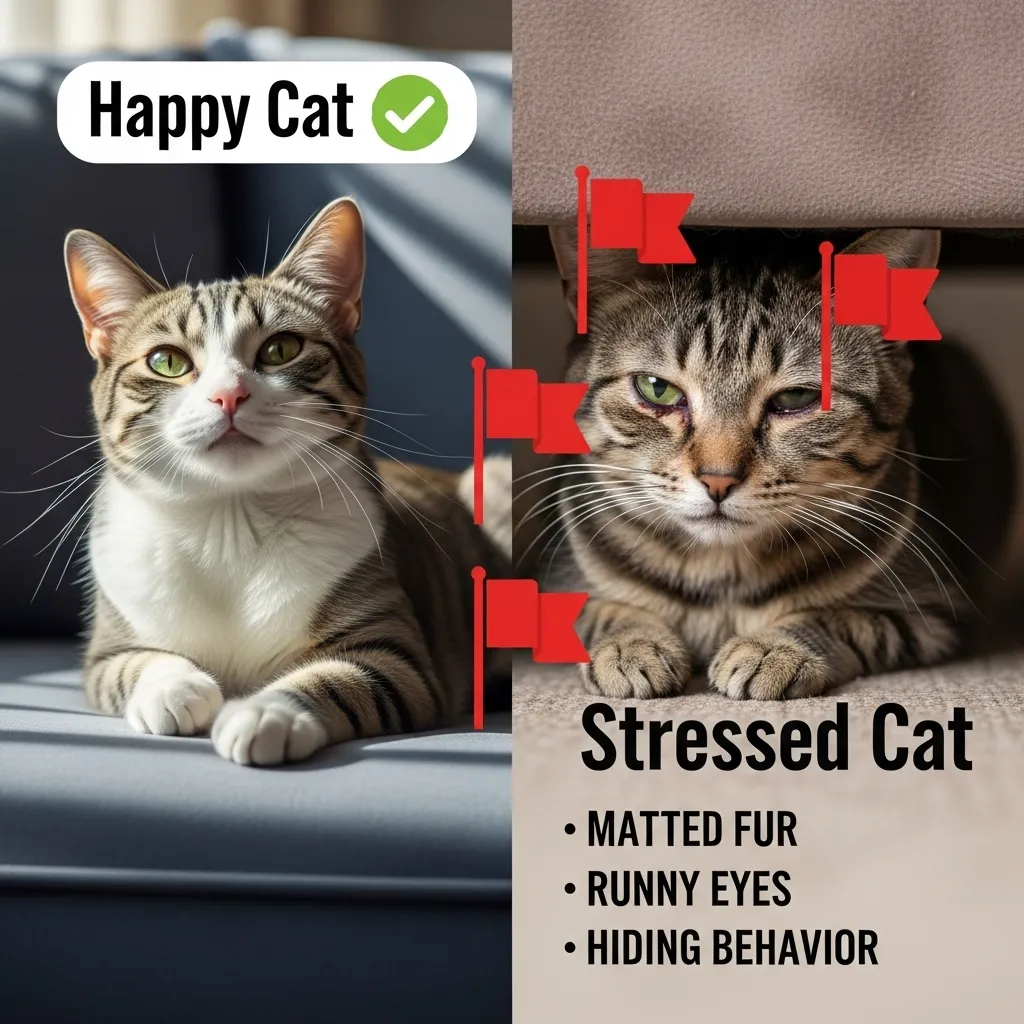
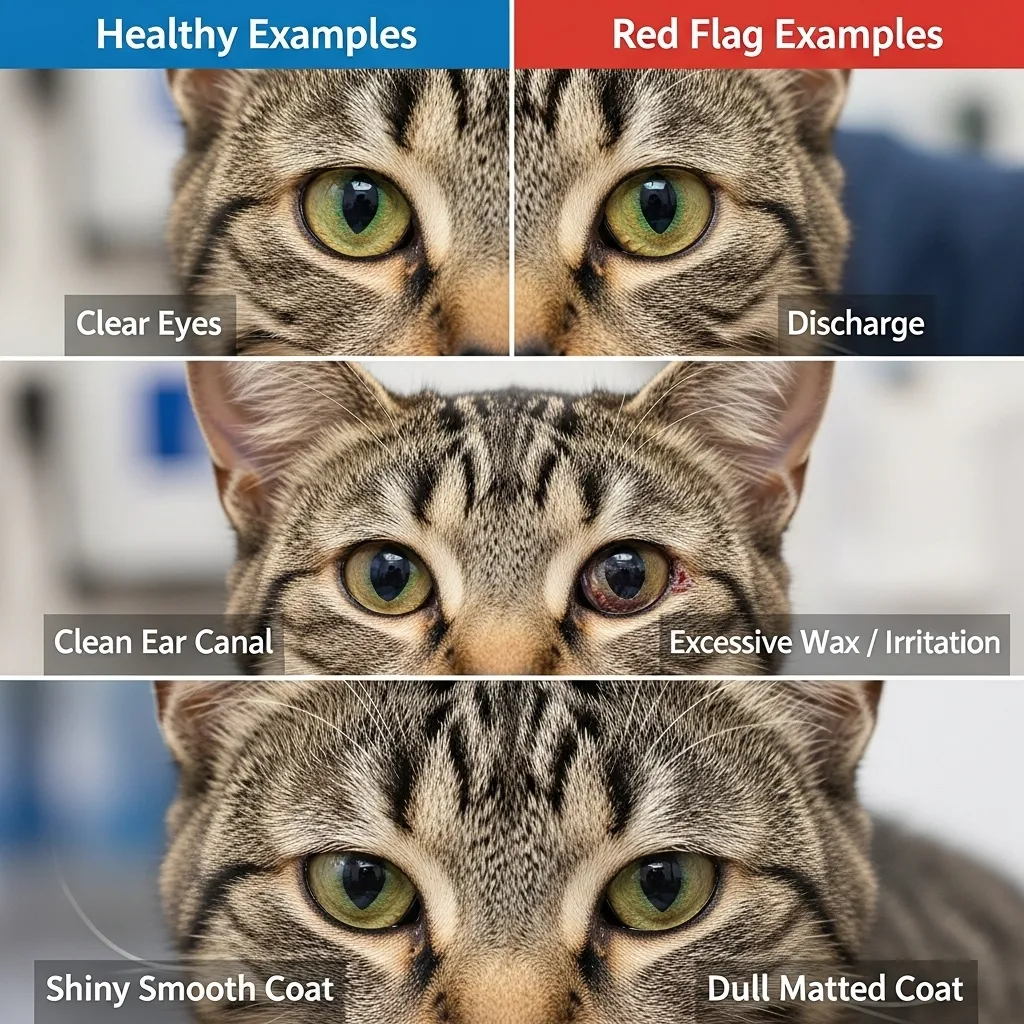
- Matted fur or bald patches: Indicates poor grooming or stress.
- Overweight/underweight extremes: Poor diet history.
- Dirty ears or flea dirt: Chronic parasite issues.
Table: Quick Neglect Checklist
| Sign | What It Means | Action Step |
|---|---|---|
| Dull coat | Malnutrition or illness | Request bloodwork |
| Crusty eyes/nose | Upper respiratory infection | Isolate until vet-cleared |
| Limping or swelling | Injury or arthritis | X-ray recommended |
Learn vet-backed checks in Finding the Best Vet for Your Cat.
Cat Health Red Flags: Spot Illness Before It’s Yours to Manage
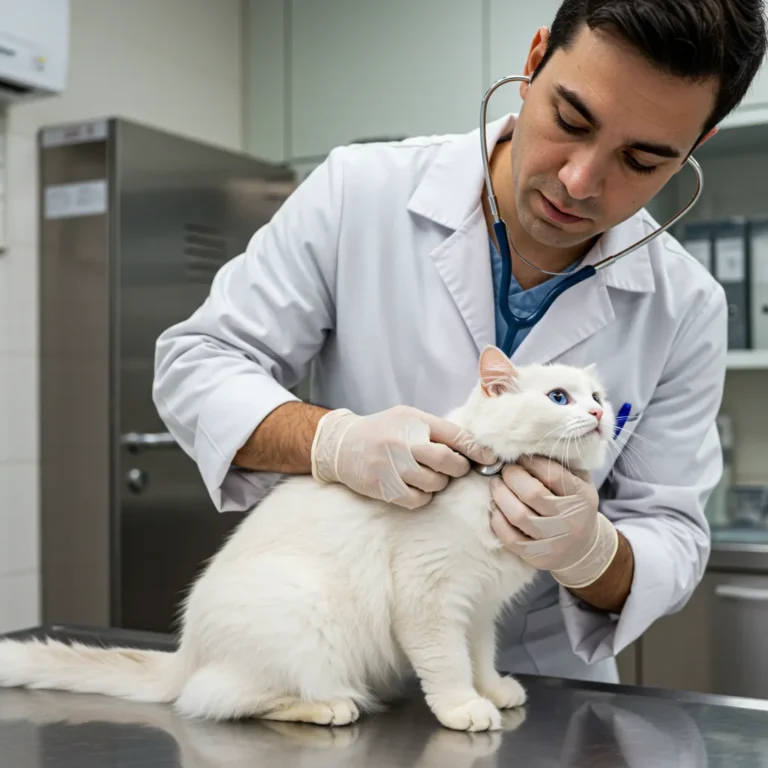
Health issues to check before cat adoption can balloon into thousands in costs. Always demand a vet exam within 48 hours of adoption.
Visible Physical Warning Signs
- Runny eyes/nose or sneezing: Chronic URI, common in shelters.
- Dental issues: Red gums, bad breath, or missing teeth signal pain.
- Lumps, wounds, or scabs: Untreated infections or fights.
Vet insight: FIV/FeLV-positive cats need special homes. Test results must be current. See our Cat Health Care for testing protocols.
Subtle Health Clues in Movement and Energy
- Lethargy or reluctance to jump: Pain or heart issues.
- Excessive scratching: Allergies or mites.
- Abnormal litter box habits: UTI or blockage risk.
Pro tip: Film the cat playing review for limps or breathing issues later.
Cat Behavior Red Flags: Decoding Demeanor for Long-Term Fit
Cat behavior red flags predict 70% of return reasons. Master cat temperament evaluation to avoid surprises.
Signs of Past Trauma in Cats
Trauma manifests subtly:
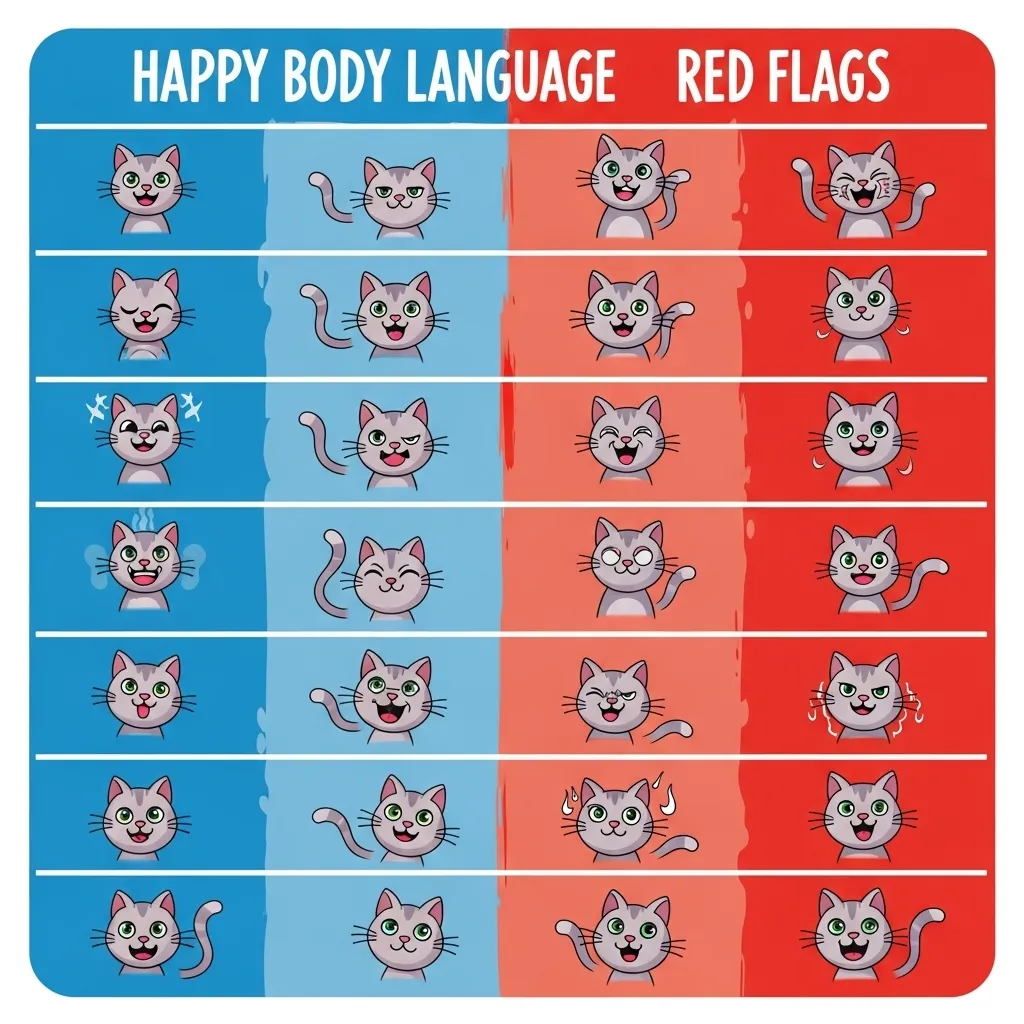
- Flattened ears/tail tucking: Fear response.
- Hissing at gentle touch: Abuse history.
- Excessive vocalization or silence: Stress extremes.
Adopting shy or fearful cats requires patience expect 3–6 months for trust. Read Rescue Cat Behavior Tips for proven strategies.
Aggressive or Antisocial Tendencies
- Swatting without provocation.
- Refusal to interact after 30 minutes.
- Resource guarding (food/toys).
Real-life example: A client adopted a “sweet” cat that later attacked feet at night turned out to be play aggression from lack of kitten socialization.
Overly Clingy or Hyperactive Behavior
Clinginess can indicate separation anxiety; hyperactivity might mask pain. Balance is key in cat personality assessment..
Assessing Compatibility: Will This Cat Fit Your Life?
How to choose the right cat for your family hinges on lifestyle match.
Compatibility Between Cats and Children
Kids + cats = magic or mayhem. Red flags:
- Hissing at sudden movements.
- Scratching when held.
- Avoiding family areas.
Safe intro tips: Supervised, short sessions. Discover kid-friendly breeds in American Shorthair Cats Kids Family Pet.
Introducing Cats to Other Pets
Multi-pet homes need slow intros:
- Scent swap first.
- Visual contact through gates.
- Supervised meetings.
Warning: Immediate aggression = reconsider. See Bengal Cats Dogs Compatibility.
Cat Allergy Management for Households
Even “hypoallergenic” breeds trigger some. Test with:
- 30-minute cuddle sessions.
- Allergy meds pre-visit.
Breeds like Bengal Cats Hypoallergenic reduce dander but aren’t foolproof.
Preparing Your Home for a New Cat: Safety and Comfort First
Preparing your home for a new cat prevents escapes and injuries.
Cat Home Safety Tips
- Secure windows/screens.
- Hide cords/toxins.
- Multiple litter boxes (one per cat + one).
Cat-proofing checklist: See Cat Home Safety Tips adapted for year-round.
Special Needs Cat Adoption Considerations
Blind, deaf, or tripod cats need:
- Low-entry boxes.
- Ramps to furniture.
- Quiet zones.
Their needs elevate long-term cat care plan accordingly.
Financial Responsibilities of Cat Ownership: The Real Cost Breakdown
Financial responsibilities of cat ownership shock many adopters.
Annual Budget Table:
| Category | Estimated Cost (USD) |
|---|---|
| Food | $300–$600 |
| Vet (routine) | $200–$400 |
| Emergencies | $500–$2,000 |
| Grooming/Supplies | $150–$300 |
| Total | $1,150–$3,300 |
Factor in special needs cat adoption—costs double. Learn budgeting in Best Wet Cat Food.
Cat Adoption Tips for Beginners: Your Step-by-Step Plan
- Research breeds: See Cat Breeds Personalities.
- Visit multiple times: Behavior changes daily.
- Bring a carrier: Test escape artistry.
- Foster-to-adopt: Trial period gold standard.
- Post-adoption vet visit: Within 72 hours.
Avoid first-time cat adopter mistakes like skipping microchipping read Adopt a Cat.
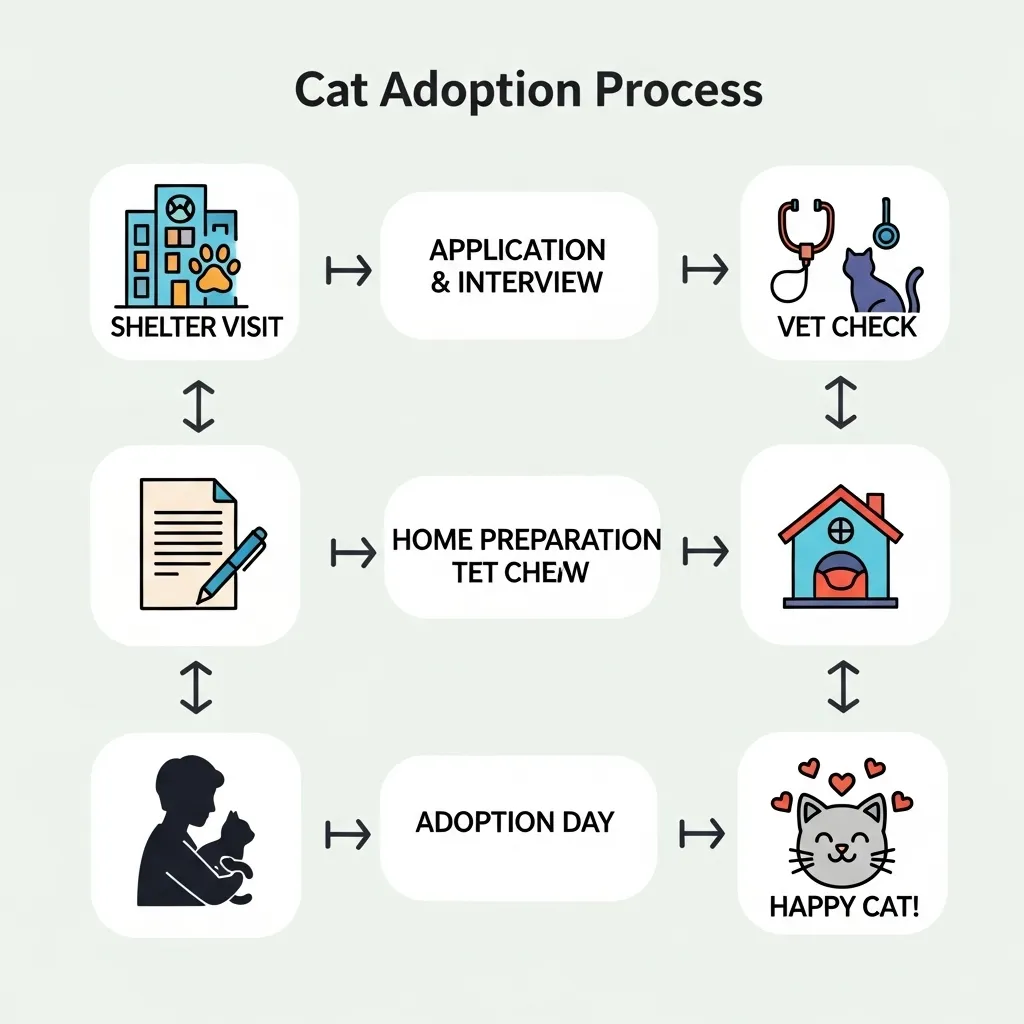
The Post-Adoption Adjustment Period: What to Expect
Weeks 1–2: Hiding, appetite changes normal.
Red flag: No eating after 48 hours = vet ASAP.
Rescue cat behavior tips: Pheromone diffusers, routine, patience. Explore Cat Stress Signs.
Responsible Pet Ownership: Beyond the Basics
Cat care basics include:
- Annual vet exams.
- Dental cleanings.
- Enrichment to prevent cat behavioral problems.
Commit to long-term cat care cats live 15+ years.
FAQ: Quick Answers to Common Cat Adoption Questions
What are the biggest red flags when adopting a cat?
Persistent aggression, untreated illness, or evasion about history. Always get vet records.
How can I spot signs of past trauma in cats?
Flattened ears, hiding, or startle responses. Trauma-informed shelters provide foster insights.
What questions to ask before adopting a cat?
Medical history, behavior triggers, and previous home details. See full list above.
Are there health issues to check before cat adoption?
Yes eyes, teeth, coat, weight, and FIV/FeLV status. Demand a pre-adoption exam.
How do I introduce a new cat to kids or pets?
Slowly, with supervision. Use scent swapping and baby gates.
What financial responsibilities come with cat ownership?
$1,000+ yearly minimum. Budget for emergencies.
Any tips for adopting shy or fearful cats?
Provide hiding spots, use Feliway, and allow 3–6 months for bonding.
How to choose the right cat for your family?
Match energy levels active kids need playful breeds like Bengals; calm homes suit Ragdolls.
Conclusion: Adopt Smart, Love Forever
Spotting red flags when adopting a cat isn’t about being picky it’s about responsible pet ownership and giving a cat its best shot at happiness. By mastering cat health red flags, cat behavior red flags, and compatibility checks, you’re not just avoiding pitfalls; you’re building a lifelong bond.
Ready for more? Explore expert cat care and behavior guides on Cat Bloom Haven from Cat Training Behavior to hilarious Naughty Cat Memes 2025. Your perfect purr-machine is waiting.