Stop Your Cat from Purring in the Laundry Basket: Understanding Cat Purring Behavior
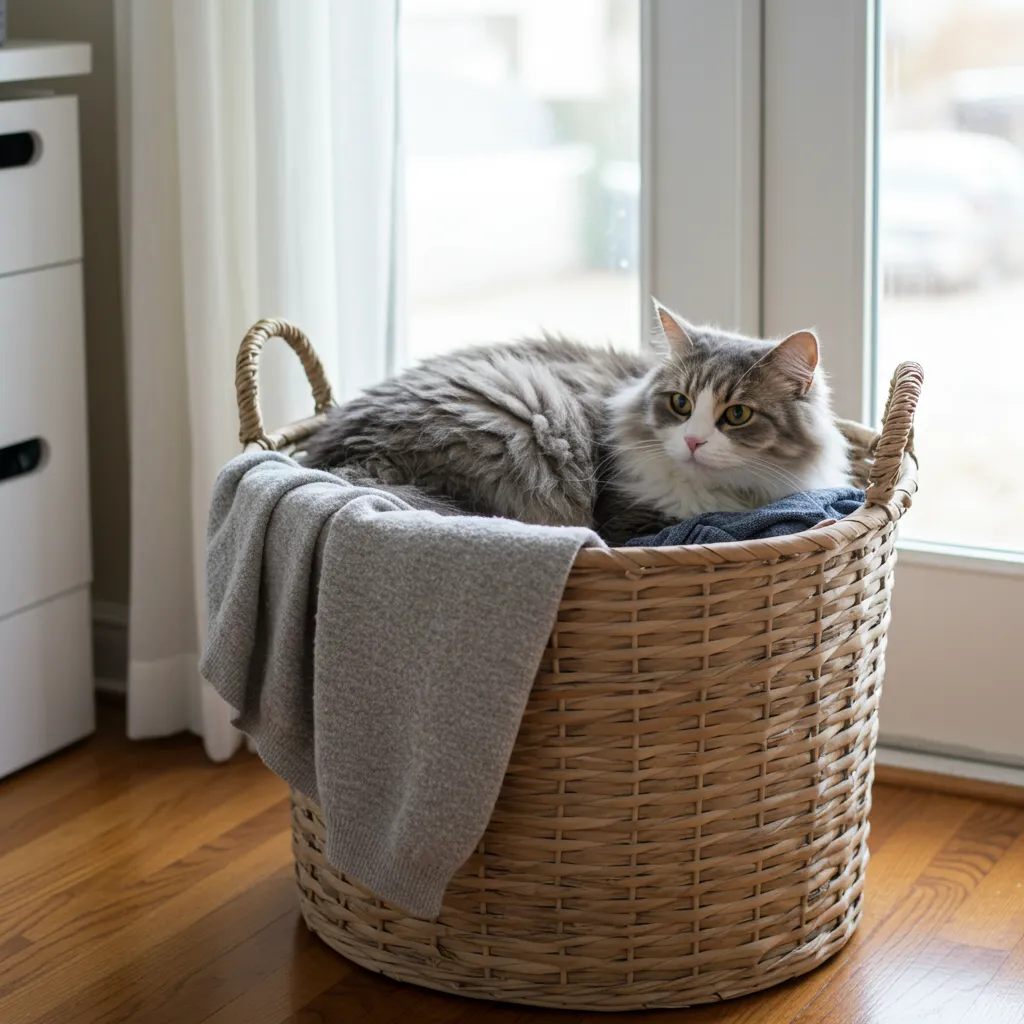
Is your cat turning your laundry basket into their personal purring haven? While the soft hum of a purring cat can be heartwarming, it’s less charming when it’s happening in a pile of clean clothes. Understanding cat purring behavior is key to addressing this quirky habit.
In this comprehensive guide, we’ll explore why cats purr, what might cause excessive purring in unusual spots like your laundry basket, and how to gently redirect this behavior. From cat health and purring to cat stress and purring, we’ll dive into the science, health factors, and behavioral triggers behind your feline’s serenade. Plus, we’ll share expert-backed tips to keep your cat happy and your laundry basket purr-free.
Key Takeaways
- Purring Explained: Purring is a natural feline behavior signaling contentment, but it can also indicate stress, pain, or health issues.
- Health Connections: Changes in cat purring behavior may point to cat respiratory issues, cat vocal cord health, or feline cognitive dysfunction (FCD) in senior cats.
- Behavioral Triggers: Cat stress and purring are linked—environmental changes or cat anxiety may lead to purring in cozy spots like laundry baskets.
- Solutions: Create alternative cozy spaces, monitor cat health and purring, and address cat environmental stressors to curb the behavior.
- Senior Cats: Senior cat purring changes may signal age-related conditions like feline cognitive dysfunction (FCD) or mobility issues.
Let’s unravel the mystery of your cat’s purring obsession and help you reclaim your laundry basket!
What Is Cat Purring and Why Does It Happen?
Purring is one of the most iconic sounds a cat makes, often associated with a happy, relaxed feline. But cat purring behavior is more complex than it seems. Cats purr by vibrating their vocal cords, controlled by muscles in the larynx, producing a low-frequency hum between 25–150 Hz. This cat purring mechanism is involuntary and can occur during both inhalation and exhalation, making it unique among animal vocalizations.
Why Cats Purr: Beyond Contentment
While purring is often a sign of comfort, cats also purr when they’re stressed, in pain, or seeking attention. Here’s a breakdown of why cats purr:
- Contentment: A relaxed cat may purr when curled up in a warm, soft spot—like your laundry basket.
- Self-Soothing: Cats purr to calm themselves during cat stress and purring moments, such as vet visits or loud noises.
- Healing: Research shows cat purring frequency (25–50 Hz) may promote tissue repair and reduce pain, explaining why injured or sick cats purr. Explore more in our cat health care guide.
- Communication: Cats purr to bond with humans or kittens, signaling trust or hunger (especially in young kittens).
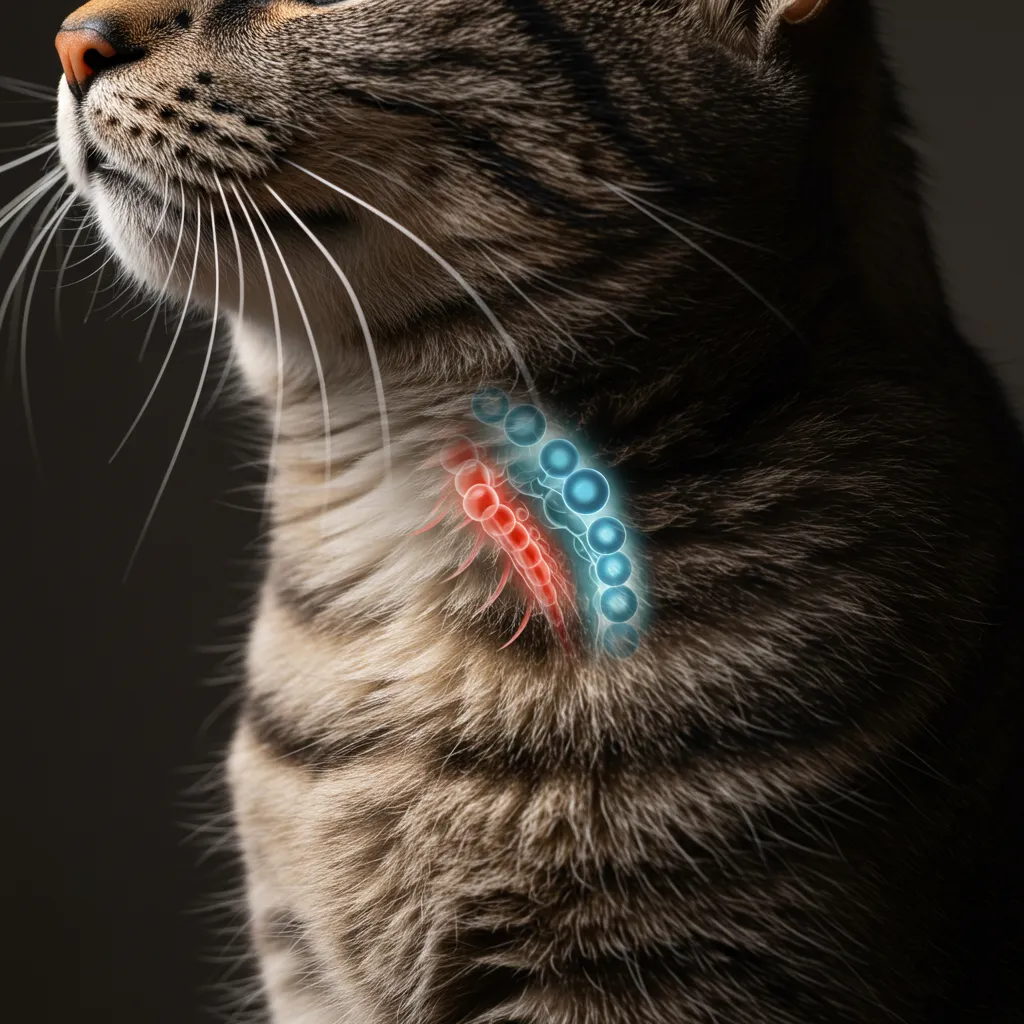
Understanding cat purring behavior is the first step to decoding why your cat chooses the laundry basket as their purring stage.
Why Is My Cat Purring in the Laundry Basket?
Your laundry basket is a magnet for cats—soft, warm, and full of your scent. But excessive purring in this spot could signal more than just coziness. Let’s explore the reasons behind this behavior.
1. Comfort and Security
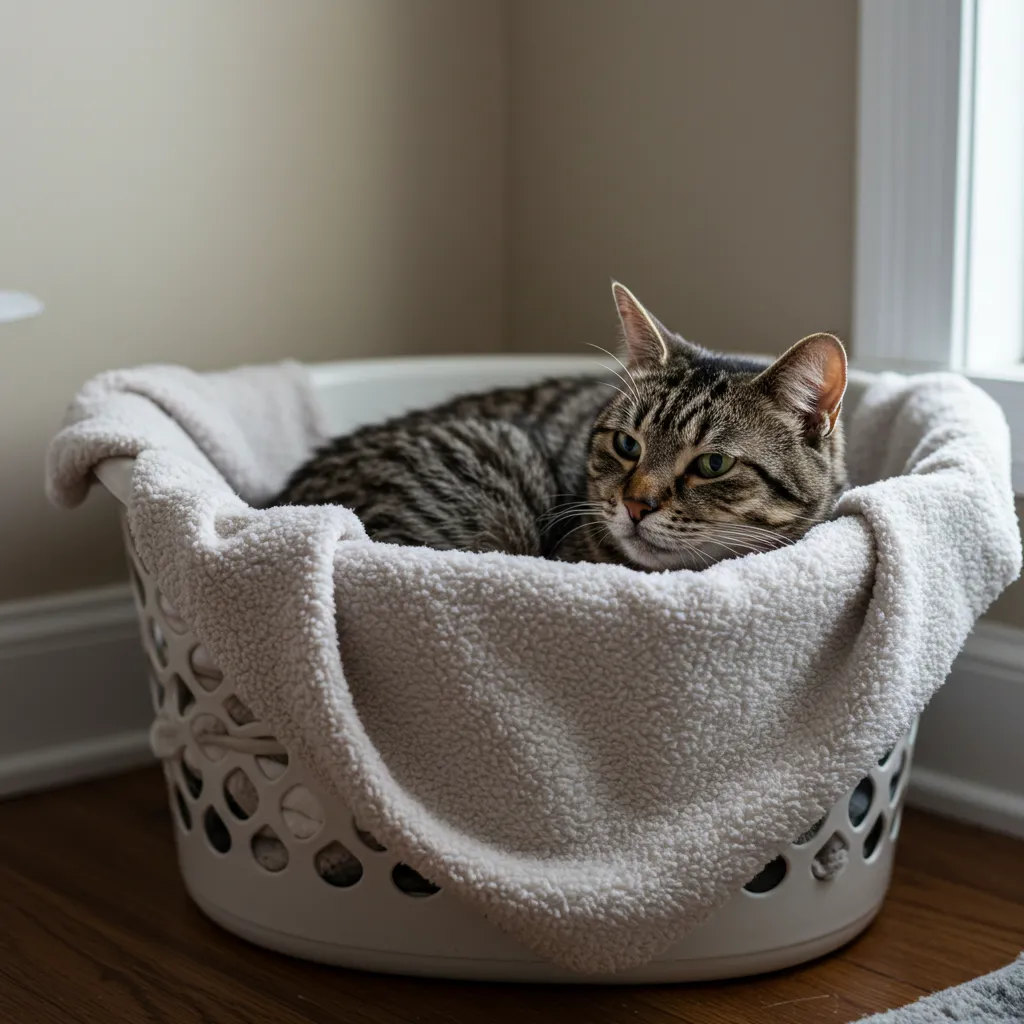
Laundry baskets are cozy, confined spaces that mimic a cat’s natural preference for small, safe hideaways. The soft texture of clothes and the familiar scent of their owner make it an ideal spot for cat behavior and communication. Purring here likely indicates your cat feels secure and content.
2. Stress or Anxiety
If your cat is purring excessively in the laundry basket, it could be a response to cat environmental stressors or cat anxiety and purring. Common triggers include:
- New pets or people in the home.
- Loud noises (e.g., construction, thunderstorms).
- Changes in routine, like rearranged furniture or a new feeding schedule.
Cats may retreat to the laundry basket to self-soothe through purring. Learn more about identifying cat stress signs.
3. Health-Related Purring
Changes in cat health and purring can signal underlying issues. Purring in the laundry basket might indicate:
- Pain or Discomfort: Cats purr to self-heal or cope with pain from cat respiratory issues or injuries.
- Feline Cognitive Dysfunction (FCD): In older cats, senior cat purring changes may point to cognitive decline, causing them to seek out familiar, comforting spots.
- Vocal Cord Issues: Cat vocal cord health problems, like laryngitis, could alter purring patterns.
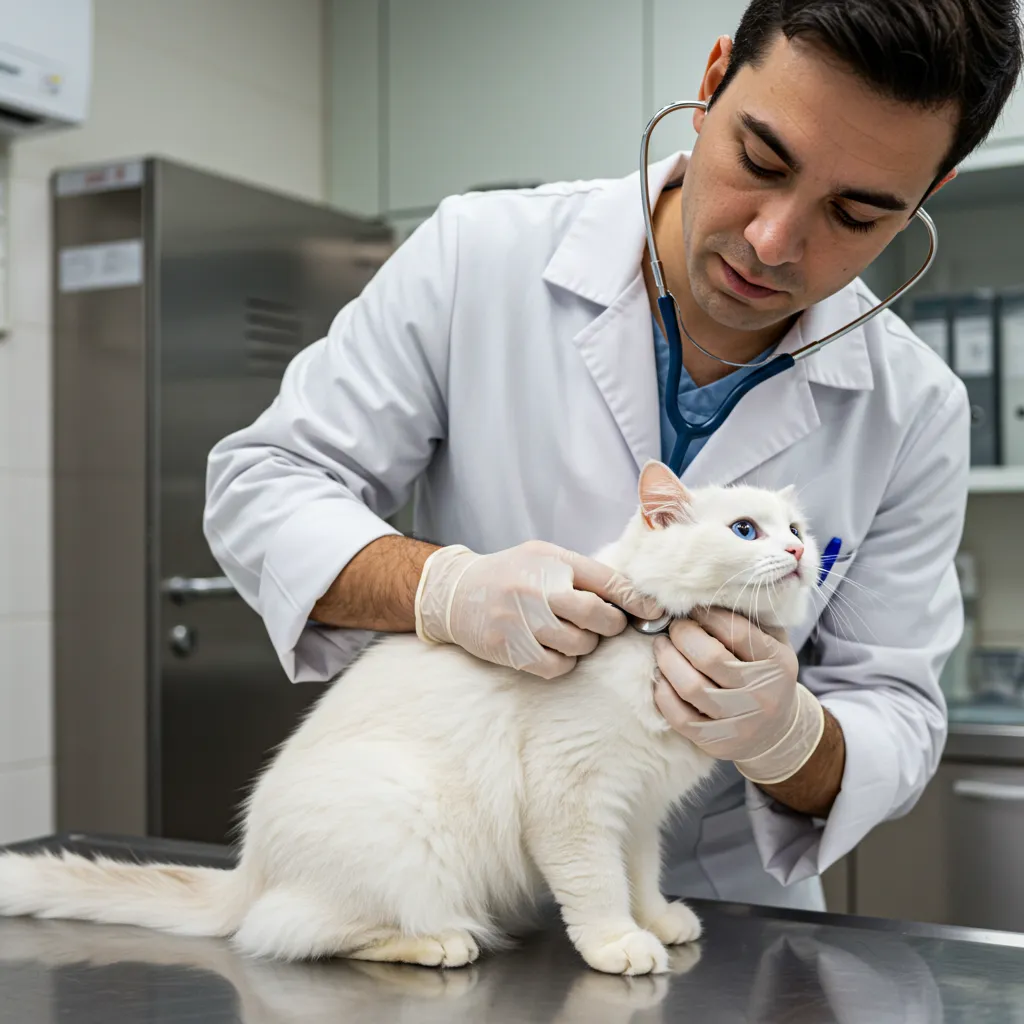
If your cat’s purring seems unusual (e.g., louder, softer, or constant), consult a vet. Check our guide on finding the best vet for your cat.
4. Age-Related Factors
Cat age and purring are closely linked, especially in senior cats. As cats age, their purring may change due to:
- Reduced Mobility: Senior cats may choose the laundry basket for its accessibility and comfort.
- Feline Cognitive Dysfunction (FCD): This condition, similar to dementia in humans, can lead to repetitive behaviors like excessive purring or hiding in confined spaces.
- Hearing or Vision Loss: Aging cats may rely on familiar textures and scents, making the laundry basket a go-to spot.
Discover more tips in our senior cat care guide.
Health Factors That Affect Cat Purring
Changes in cat purring behavior can be a window into your cat’s health. Here are key health issues to watch for:
Cat Respiratory Issues
Cat respiratory issues like upper respiratory infections (URIs) or asthma can alter purring sounds. Symptoms include:
- Wheezing or raspy purring.
- Sneezing or nasal discharge.
- Lethargy or reduced appetite.
If your cat’s purring sounds abnormal, it’s time for a vet visit. Learn about related symptoms in our cat sneezing guide.
Cat Vocal Cord Health
The cat purring mechanism relies on healthy vocal cords. Conditions like laryngitis or growths can weaken or change purring. Look for:
- Hoarse or faint purring.
- Difficulty meowing.
- Excessive throat clearing or coughing.
Feline Cognitive Dysfunction (FCD)
Feline cognitive dysfunction (FCD) affects up to 80% of cats over 15 years old, according to veterinary studies. Symptoms include:
- Disorientation or confusion.
- Excessive vocalization, including purring.
- Changes in sleep patterns or hiding in unusual places (like laundry baskets).
Other Health Conditions
Other issues like dental pain, arthritis, or cat stress and purring can trigger excessive purring as a coping mechanism. Regular cat health monitoring is crucial to catch these early.
| Health Issue | Symptoms | Action |
|---|---|---|
| Respiratory Issues | Raspy purring, sneezing, lethargy | Vet visit, monitor breathing |
| Vocal Cord Problems | Hoarse purring, weak meows | Check for infections or growths |
| Feline Cognitive Dysfunction | Confusion, excessive purring | Cognitive support, vet evaluation |
| Pain or Stress | Hiding, constant purring | Address stressors, vet checkup |
Behavioral Factors Influencing Purring
Cat stress and purring often go hand in hand. If your cat is purring excessively in the laundry basket, behavioral triggers might be at play.
Common Stressors
- Environmental Changes: New furniture, moving homes, or loud noises can cause cat anxiety and purring.
- Social Stress: Introducing a new pet or family member can disrupt your cat’s sense of security. See our cat introduction tips.
- Boredom: Lack of stimulation can lead cats to seek comfort in repetitive behaviors like purring in cozy spots.
Creating a Stress-Free Environment
To reduce cat environmental stressors:
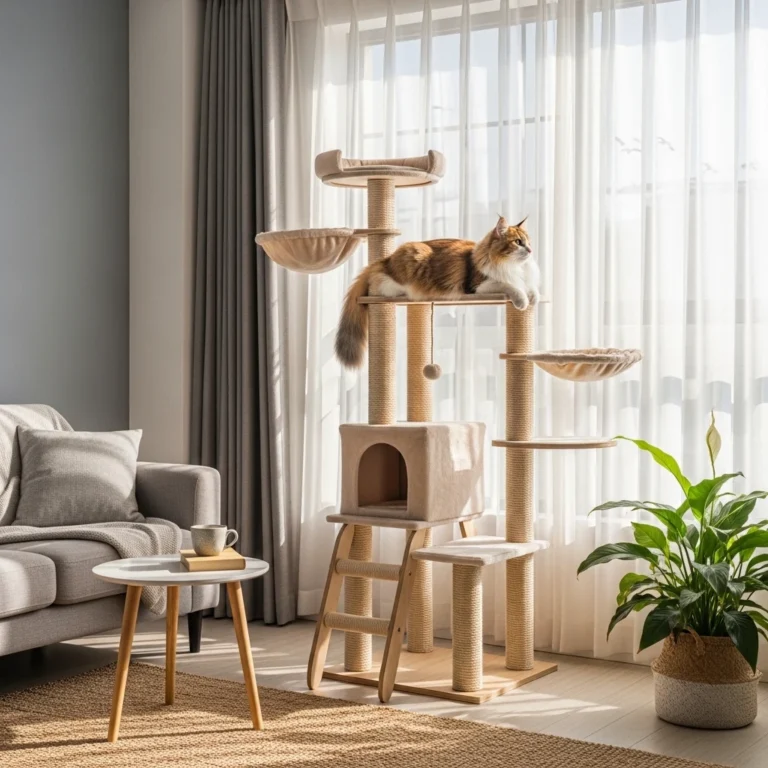
- Provide safe spaces like cat trees or beds. Explore best beds for cats.
- Use pheromone diffusers like Feliway to calm your cat.
- Maintain a consistent routine for feeding and playtime.
- Offer enrichment with toys or interactive games. Check our guide to keeping cats entertained.
The Science Behind Cat Purring: Healing and Therapy
Cat purring and healing is a fascinating area of research. Studies suggest that the cat purring frequency (25–50 Hz) aligns with vibrational frequencies that promote:
- Bone growth and fracture healing.
- Pain relief and reduced inflammation.
- Stress reduction in both cats and humans.
This is why cat purring therapy is gaining popularity in pet-assisted therapy programs. Purring in the laundry basket might be your cat’s way of self-healing or seeking comfort during stress or minor pain.
“Purring is like a feline superpower—it’s not just a sound but a mechanism for healing and bonding.” — Dr. Jane Brunt, Feline Veterinarian
How to Stop Your Cat from Purring in the Laundry Basket
Ready to reclaim your laundry basket? Here are practical, vet-approved strategies to redirect your cat’s purring obsession:
1. Provide Alternative Cozy Spots
Cats love soft, warm spaces. Offer alternatives like:
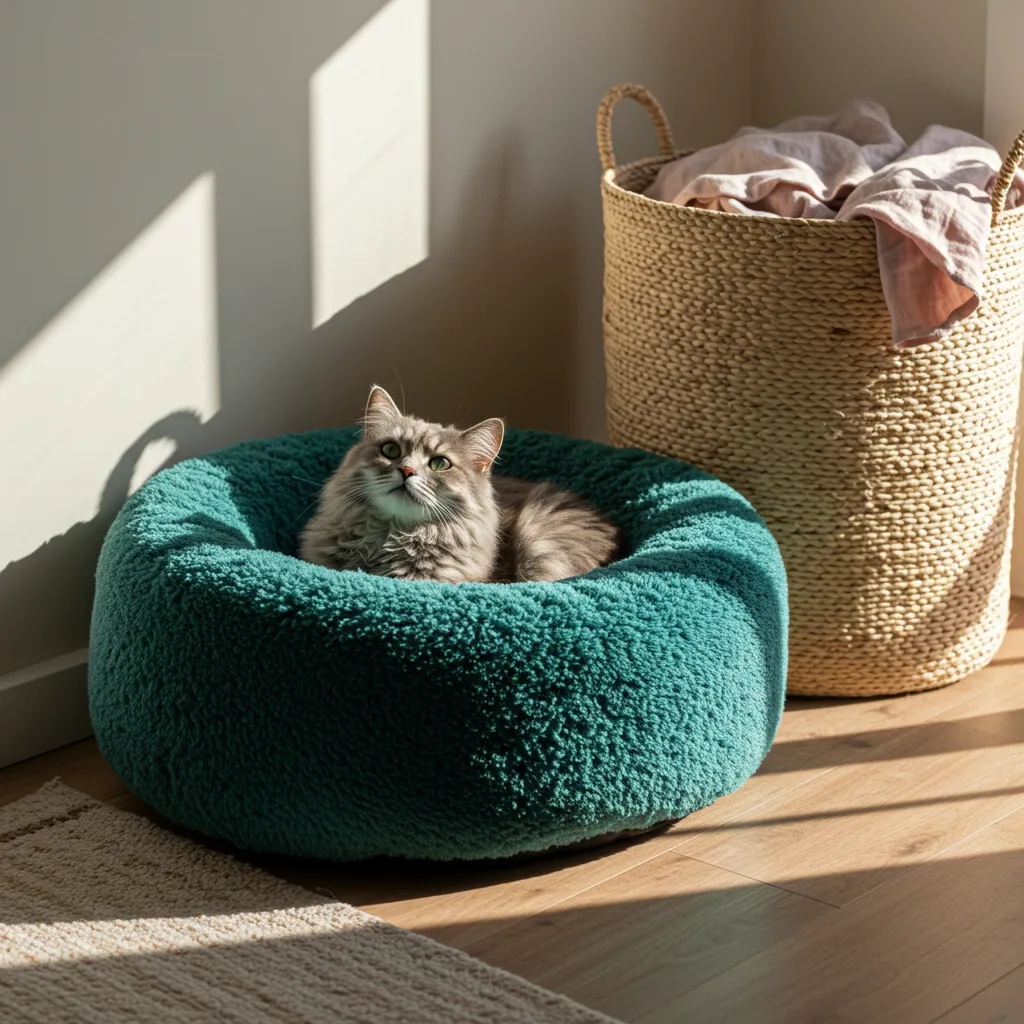
- A heated cat bed or blanket.
- A cardboard box lined with soft bedding.
- A dedicated cat tree with cozy perches.
Place these near the laundry basket to entice your cat away.
2. Address Stress and Anxiety
If cat anxiety and purring is the cause, try:
- Identifying and removing stressors (e.g., loud noises, new pets).
- Using calming aids like pheromone sprays or supplements.
- Spending quality time with your cat to build trust.
Learn more in our cat stress management guide.
3. Monitor Health Changes
If your cat’s purring seems excessive or unusual, schedule a vet checkup to rule out cat respiratory issues, cat vocal cord health problems, or feline cognitive dysfunction (FCD). Regular cat health monitoring can catch issues early.
4. Keep the Laundry Basket Inaccessible
- Use a lidded laundry basket or store it in a closed closet.
- Place deterrents like double-sided tape or aluminum foil around the basket (cats dislike sticky or crinkly surfaces).
- Wash clothes promptly to reduce your scent, making the basket less appealing.
5. Enrich Your Cat’s Environment
Boredom can lead to quirky habits. Keep your cat engaged with:
- Puzzle feeders or treat-dispensing toys.
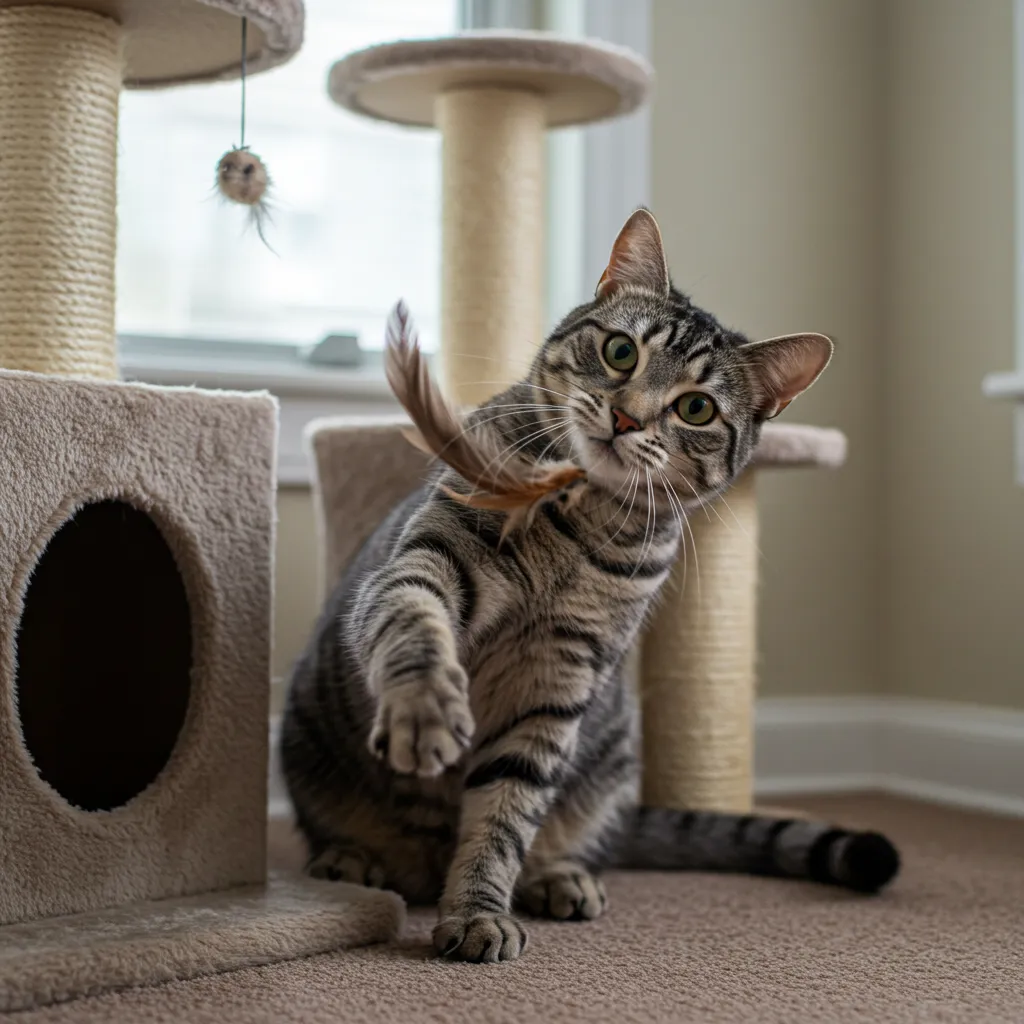
- Regular play sessions with laser pointers or feather wands.
- Window perches for bird-watching.
Check our cat training and behavior guide for more ideas.
Special Considerations for Senior Cats
Senior cat purring changes are common as cats age. If your older cat is purring excessively in the laundry basket, consider:
- Mobility Issues: Provide low-entry beds or ramps to make cozy spots more accessible.
- Feline Cognitive Dysfunction (FCD): Work with your vet to manage cognitive decline with diet, supplements, or medications.
- Comfort Needs: Older cats seek warmth and familiarity, so ensure their environment is cozy and stress-free.
Explore our senior cat care guide for tailored tips.
FAQ: Your Cat Purring Questions Answered
Why would a cat stop purring?
A cat may stop purring due to stress, pain, cat respiratory issues, or cat vocal cord health problems. Consult a vet if purring stops suddenly.
Can health issues affect a cat’s purring?
Yes, conditions like cat respiratory issues, dental pain, or feline cognitive dysfunction (FCD) can alter purring patterns. Regular cat health monitoring is essential.
How do behavioral factors influence a cat’s purring?
Cat stress and purring are linked—environmental changes, boredom, or cat anxiety can trigger excessive purring as a self-soothing mechanism.
What are the benefits of cat purring?
Cat purring and healing benefits include stress reduction, pain relief, and tissue repair due to the low-frequency vibrations of cat purring frequency.
Can age affect a cat’s ability to purr?
Yes, cat age and purring are connected. Senior cat purring changes may result from feline cognitive dysfunction (FCD), mobility issues, or weakened vocal cords.
Why is it important to pay attention to changes in a cat’s purring behavior?
Changes in cat purring behavior can signal health issues like cat respiratory issues or cat stress and purring, helping you catch problems early.
Why does my cat purr in the laundry basket?
Your cat may find the laundry basket cozy and comforting, or they could be purring to self-soothe due to cat environmental stressors or health issues.
Conclusion
Your cat’s purring in the laundry basket is more than just a quirky habit—it’s a window into their emotions, health, and needs. By understanding cat purring behavior, monitoring cat health and purring, and addressing cat stress and purring, you can keep your feline friend happy and your laundry basket free of fur. Whether it’s creating alternative cozy spots, tackling cat environmental stressors, or watching for senior cat purring changes, these expert tips will help you and your cat thrive.
Explore more expert cat care and behavior guides on Cat Bloom Haven to deepen your bond with your feline companion!