The Feline Food Connoisseur: Why Cats React So Differently to New Foods and Textures
You carefully selected a new wet food a premium brand, a high-protein recipe, rave reviews. You place it in the bowl, expecting a feast. Instead, your cat gives it a single skeptical sniff, looks at you with profound disappointment, and walks away. Sound familiar? If so, you’ve witnessed the complex sensory world of your feline’s palate in action.
Cats are not simply picky eaters; they are highly specialized hunters whose entire perception of food is radically different from our own. Understanding why they react so differently to new foods and textures from icy disdain to curious acceptance requires a deep dive into their unique biology, psychology, and instinctive behavior. This knowledge is the key to navigating mealtime frustrations and ensuring your cat is both well-nourished and content.
How Your Cat Experiences the World: The Feline Sensory Toolkit
To comprehend a cat’s reaction to food, you must first understand the tools they use to evaluate it. Their senses are not just sharper than ours; they are wired for a completely different purpose.
The Dominant Sense: Smell
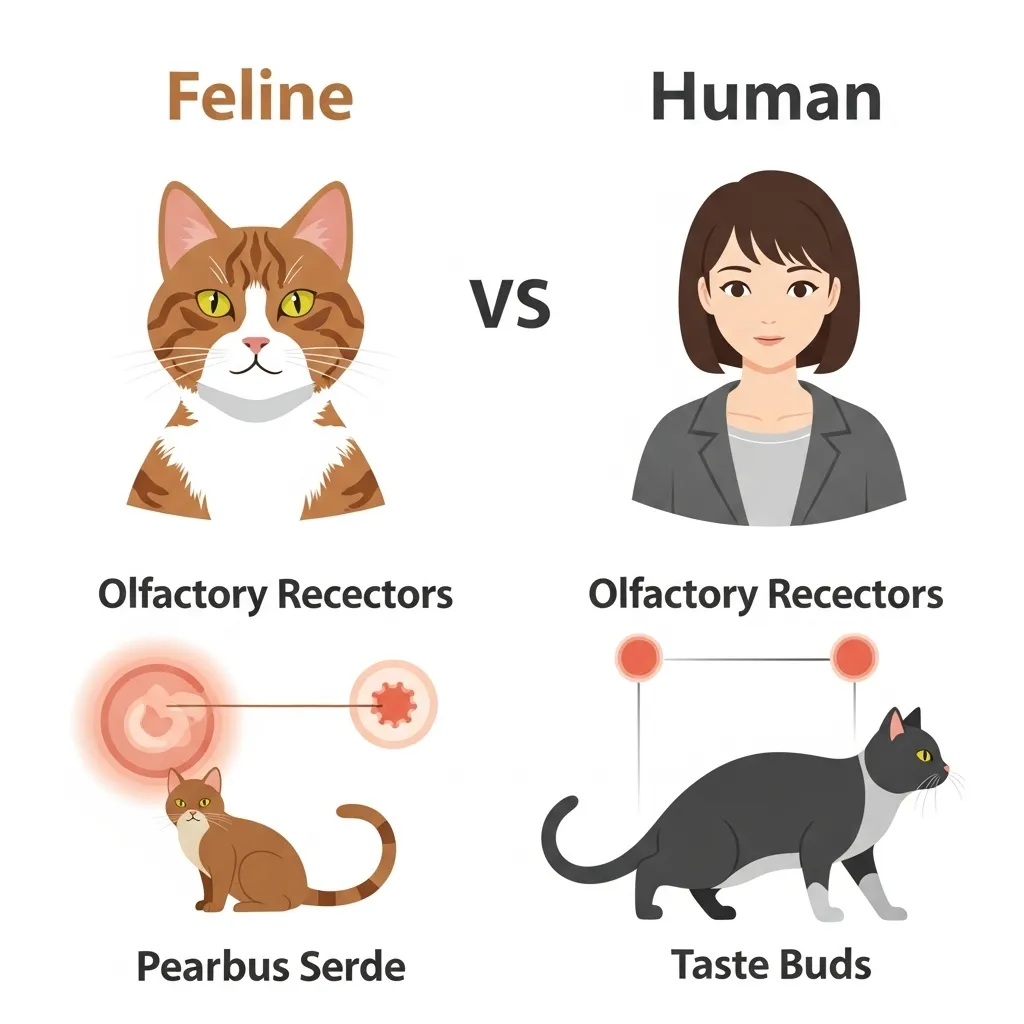
While humans have about 5-6 million scent receptors, cats possess a staggering 65 million olfactory receptors. For them, smell is the primary gatekeeper. Before taste or texture even come into play, a food must pass the critical “sniff test.” An unappealing aroma can end the meal before it begins, which is why cats with upper respiratory infections (and stuffed noses) often stop eating entirely. The importance of smell explains why warming refrigerated wet food can increase its appeal; the heat releases more aromatic compounds into the air.
Taste: A Secondary Player
Contrary to popular belief, flavor plays a surprisingly minor role. Humans have around 9,000 taste buds; cats have only about 500. They lack the taste receptors for sweetness entirely. Their sense of taste is fine-tuned to detect the amino acids in meat the building blocks of protein. A “tasty” food to a cat is one that signals high-quality, fresh meat, not a complex flavor profile.
Mouth-Feel and Texture: The Crucial Final Test
This is where a cat’s reaction to new foods is truly determined. “Mouth-feel” the ease of picking up, chewing, and swallowing food is paramount. In the wild, a cat’s prey (birds, mice, insects) all have distinct textures, so texture preference is deeply instinctual. Some cats instinctively prefer the resistance of a chunky piece, mimicking muscle meat. Others may favor the softness of a pâté or the slurpable quality of shredded meat in gravy. A texture they find unpleasant perhaps too gelatinous, too hard, or too slimy will cause instant rejection, regardless of how good it smells.
Decoding the Reaction Spectrum: From Refusal to Reluctant Acceptance
When you offer a new food, your cat’s reaction falls on a spectrum. Here’s what each behavior likely means.
The “Instant Rejection”
- Behavior: A brief sniff followed by immediate retreat, sometimes with a head shake or paw-wiping motion.
- Likely Cause: The food has failed the first or second sensory checkpoint. The aroma may be unappealing or unfamiliar. Alternatively, the visual presentation (though less important) or the immediate texture under the nose is off-putting. This is a clear, instinctive “no.”
The “Hesitant Inspector”
- Behavior: Repeated sniffing, tentative licks, picking up and dropping pieces. The cat may eat a tiny amount and walk away, returning later.
- Likely Cause: The smell is acceptable but not exciting. The texture is unfamiliar and requires cautious testing. The cat is gathering more data. This is a common reaction to a new texture, like switching from dry kibble to a stew.
The “Selective Eater”
- Behavior: Eating the gravy or broth but leaving the solid pieces, or vice versa.
- Likely Cause: A strong preference for a specific mouth-feel. A cat that loves broth but leaves chunks may dislike the work of chewing larger pieces. Conversely, a cat that picks out chunks may find the gravy unappealingly slick. This highlights why a food’s “texture dictionary” matters.
The “Reluctant Acceptor”
- Behavior: Eating the new food but with less enthusiasm, or only when very hungry.
- Likely Cause: The food is “good enough” but not a favorite. This often happens when a cat’s preferred food is unavailable, and they adapt out of hunger. It doesn’t mean they love it; it means they tolerate it.
A quick-reference guide to common wet food textures can help you understand your cat’s preferences:
| Common Texture Name | Description | Best For Cats Who… |
|---|---|---|
| Pâté | Smooth, uniform, and spreadable. | Prefer easy-to-lap textures, have dental issues, or are traditionalists. |
| Chunky / Stew | Tender chunks of meat in a gravy or sauce. | Enjoy “chewing” and prefer varied mouth-feel. |
| Shredded / Sliced | Long, thin strips or flat slices in light gravy. | Like to pick up individual pieces; mimics shreds of prey. |
| Flaked | Flat, delicate pieces (common in fish recipes). | Are gentle eaters or enjoy fish-based foods. |
| In Broth / Soup | Small shreds or flakes in a savory, transparent liquid. | Need extra hydration or prefer drinking their food; often used as a topper. |
Beyond “Picky Eating”: Medical and Psychological Red Flags
Sometimes, a sudden or extreme reaction to food is a signal, not a preference. It’s crucial to distinguish finickiness from distress.
When to Suspect a Medical Problem
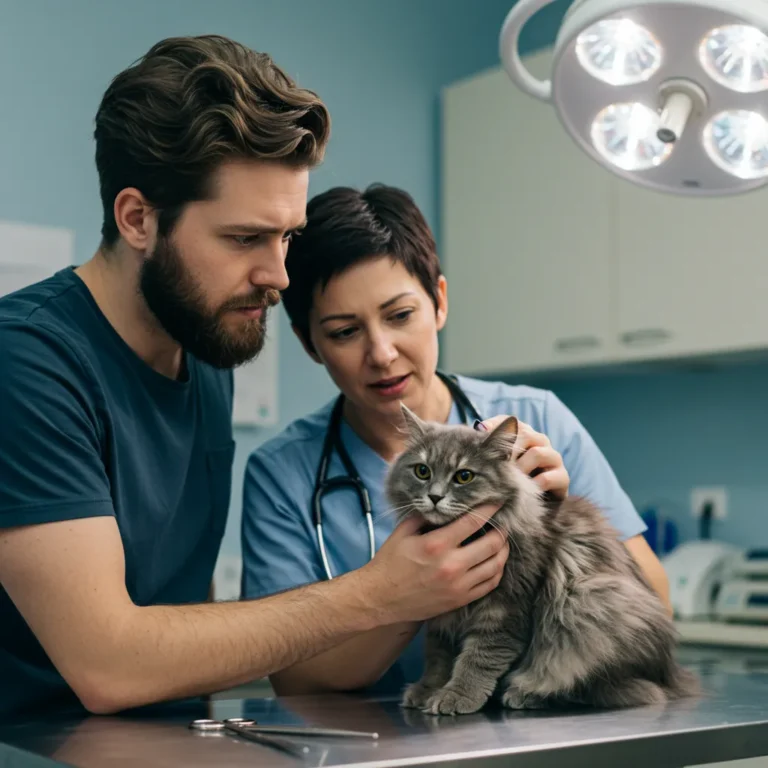
A cat that suddenly refuses food they once loved, especially if accompanied by other symptoms, requires a prompt veterinary visit. Common medical causes include:
- Dental Disease: Broken teeth, gingivitis, or oral tumors make chewing painful.
- Gastrointestinal Issues: Nausea, inflammatory bowel disease, or obstructions.
- Upper Respiratory Infections: A blocked nose impairs their critical sense of smell.
- Systemic Illness: Kidney disease, diabetes, or hyperthyroidism can cause nausea and appetite changes.
Key Takeaway: If your cat stops eating entirely for more than 24 hours, seek veterinary care immediately. Cats, especially overweight ones, are prone to hepatic lipidosis (fatty liver disease), a life-threatening condition that can develop from just a few days of not eating.
The Role of Anxiety and Stress
Cats are creatures of habit and control. Stress can profoundly impact their appetite. Changes like a new home, a new pet or person, loud noises (construction, thunderstorms), or even moving their food bowl can trigger anxiety that manifests as food refusal.
Signs of stress-related feeding issues include:
- Eating only when you are present or in a “safe” location.
- Startling easily and abandoning the meal.
- Over-grooming, hiding, or increased vocalization around mealtime.
For more on identifying these subtle cues, explore our detailed guide on common signs of stress in cats.
A Proven Strategy: How to Successfully Introduce New Foods and Textures
If your cat needs a diet change for health reasons or you simply want to add variety, a strategic approach is essential.
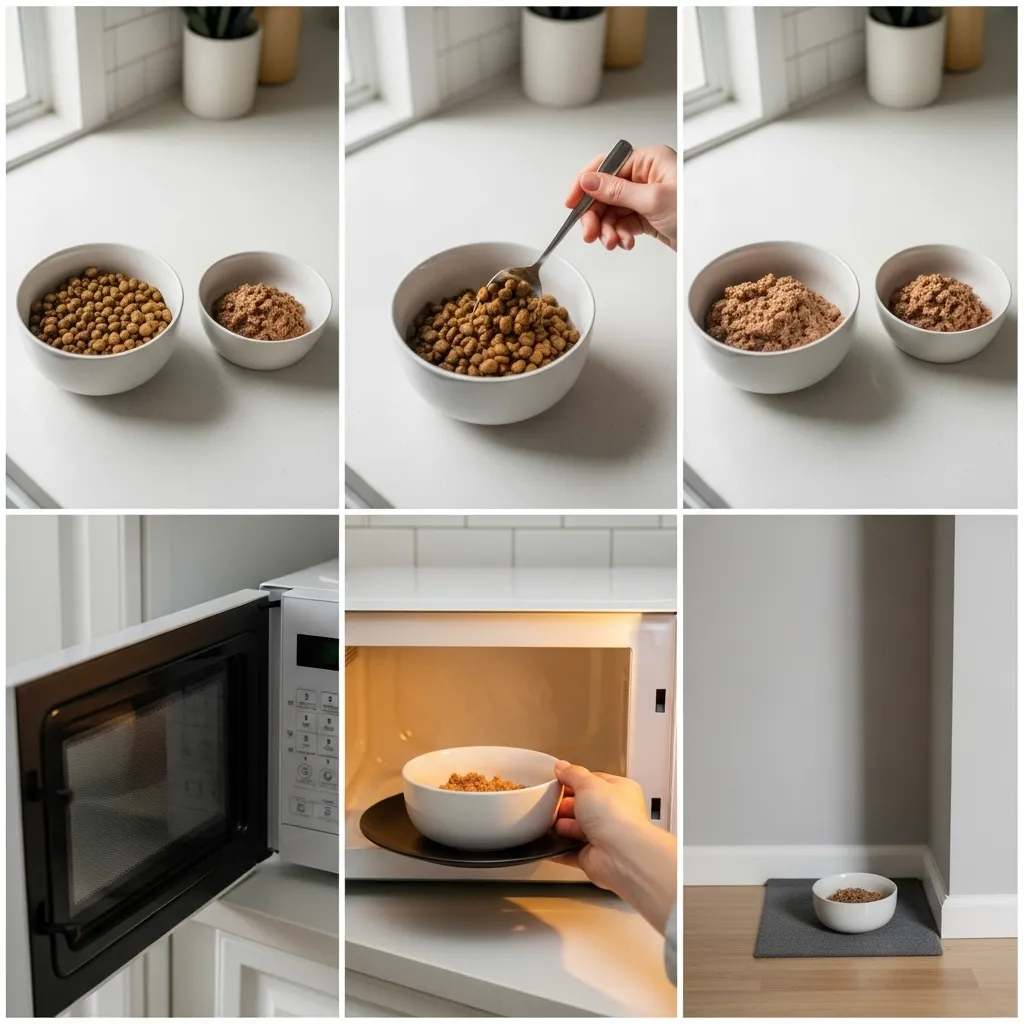
Step 1: The Food Trial. Instead of committing to a whole case, acquire small samples of different textures (pâté, chunks, shreds). Offer them in separate, clean bowls at the same time. Observe which one your cat investigates first and eats most eagerly. This is their Goldilocks texture the one that’s “just right”.
Step 2: The Gradual Transition. Never switch foods abruptly. Over 7-10 days, slowly mix the new food with the old, increasing the ratio of new to old. This allows your cat’s digestive system and their expectations to adjust gradually.
Step 3: Optimize the Environment. Ensure mealtime itself is stress-free. Place food bowls in a quiet, low-traffic area where your cat has a clear view of their surroundings they hate feeling vulnerable while eating. Use shallow, wide bowls that don’t press on their whiskers.
Step 4: Make it Appealing. For wet food, ensure it’s at room temperature or slightly warmed. A sprinkle of a “topper” like a broth designed for cats, or a tiny amount of a preferred food, can encourage investigation.
Step 5: Patience and Consistency. If your healthy cat refuses a new food during a transition, employ the “15-minute rule.” Offer the mixed food for 15 minutes, then take it away until the next scheduled meal. This prevents grazing on old favorites and builds appetite, teaching them that the food offered is what’s available. Avoid the temptation to offer a buffet of alternatives, which can train them to hold out for something better.
Special Considerations: From Kittens to Seniors
Setting Up Kittens for Success
The “socialization period” for food occurs early, typically between weaning and 14 weeks old. Exposing kittens to a variety of high-quality textures kibble, pâté, shreds during this window can help them become more adaptable adult eaters.
Catering to the Senior Cat
Older cats may develop changing needs. Dental pain, a declining sense of smell, or conditions like arthritis (which can make bending over a bowl uncomfortable) may necessitate a texture change. Softer pâtés or finely minced foods are often easier for seniors to manage. If you notice significant changes in your older cat’s eating habits, our resource on senior cat care can provide further guidance.
Conclusion: Embracing Your Cat’s Unique Palate
Understanding why cats react differently to new foods and textures transforms a frustrating puzzle into an act of empathetic care. Your cat is not trying to be difficult. They are navigating the world with a sensory system exquisitely tuned for survival, assessing every meal through a lens of smell, instinct, and mouth-feel.
By learning their language respecting their sniff test, identifying their preferred texture, and ruling out health concerns you can turn mealtime into a source of comfort and health, not conflict. The goal is not to have a cat that eats anything, but to have a well-nourished cat that feels secure and satisfied by the food you provide.
For more insights into understanding your cat’s unique behaviors and needs, from playful antics to health essentials, explore the full library of expert guides here at Cat Bloom Haven.