Why Does My Cat Sneeze on Me? Unraveling the Mystery of Feline Sneezes
Picture this: you’re cuddling with your furry friend, enjoying a cozy moment, when suddenly—achoo!—your cat sneezes right on you. It’s cute, maybe a little gross, but it leaves you wondering, Why does my cat sneeze on me? Is it a sign of affection, a health issue, or just a quirky feline habit? If you’re puzzled by your cat’s sneezing habits, you’re not alone.
This behavior can stem from harmless quirks to serious health concerns, and understanding the root cause is key to keeping your cat healthy and your bond strong.
In this comprehensive guide, we’ll dive deep into cat sneezing causes, explore feline sneezing triggers, and provide actionable cat care tips to address cat sneezing and a runny nose or cat sneezing a lot.
Whether it’s a cat cold symptom, cat allergy sneezing, or something else, we’ve got you covered with expert insights, practical solutions, and the latest trends like cat sneezing 2025 concerns. By the end, you’ll know when to worry, how to act, and how to keep your cat’s respiratory health in top shape. Let’s get started!
Understanding Feline Sneezing: What’s Behind the Achoo?
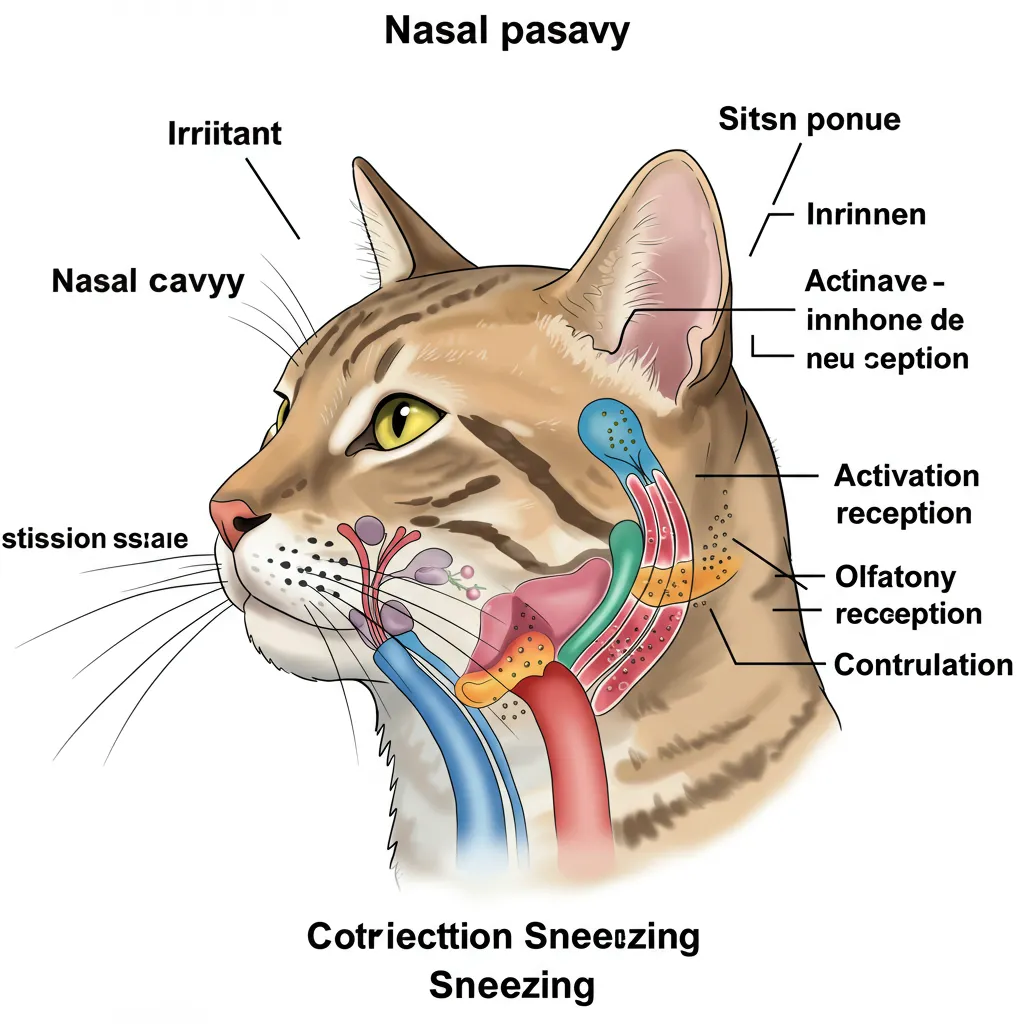
Sneezing in cats is a reflex, much like in humans, triggered by irritation in the nasal passages. But when your cat sneezes on you, it feels personal! Feline sneezing can be a one-off event or a sign of an underlying issue. To understand why cats sneeze, we need to look at the anatomy and environment of your feline friend.
Cats sneeze to clear their nasal passages of irritants, allergens, or mucus. When they’re close to you—say, during a cuddle session the sneeze might land on you simply because you’re in the line of fire. But there’s more to it. Cats are curious creatures, and their sneezing could be tied to their environment, health, or even their affection for you. Let’s break down the common cat illnesses and other factors that might explain this behavior.
Common Causes of Cat Sneezing
There are many reasons your cat might be sneezing, ranging from harmless to concerning. Here’s a detailed look at the most common cat sneezing causes, with insights to help you identify what’s going on:
1. Environmental Irritants
Cats have sensitive noses, and everyday household items can trigger cat sneezing from litter or dust. Common culprits include:
- Dust or litter particles: Low-quality or dusty cat litter can irritate your cat’s nasal passages. For example, clumping clay litters often release fine particles that cats inhale while digging.
- Household cleaners: Strong chemical odors from cleaning sprays or air fresheners can cause cat sneezing and watery eyes.
- Pollen or mold: Outdoor cats or those near open windows may react to environmental allergens, leading to cat allergy sneezing.
Real-Life Example: Sarah noticed her cat, Luna, sneezing every time she used a new air freshener. Switching to a pet-safe, fragrance-free option stopped the sneezes within days.
Actionable Tip: Use dust-free, unscented litter (like corn or walnut-based options) and avoid aerosol sprays near your cat’s space.
2. Upper Respiratory Infections (URIs)
Cat cold symptoms like sneezing, runny nose, and watery eyes often point to an upper respiratory infection, sometimes called cat flu. These are caused by viruses like feline herpesvirus (FHV) or feline calicivirus (FCV), or bacteria like Bordetella.
- Symptoms: Cat sneezing and runny nose, lethargy, reduced appetite, or fever.
- Contagiousness: URIs are highly contagious among cats, especially in multi-cat households or shelters.
- Duration: Mild cases resolve in 7–10 days, but severe cases may require veterinary care.
When to Worry: If your cat is sneezing a lot, has thick or colored nasal discharge, or stops eating, it’s time to consult a vet.
Actionable Tip: Keep your cat’s vaccinations up to date, as some (like FVRCP) protect against common URI viruses.
3. Allergies
Just like humans, cats can suffer from allergies, leading to cat allergy sneezing. Common allergens include:
- Pollen, grass, or mold
- Certain foods or treats
- Flea bites or grooming products
Case Study: Max, a tabby, started sneezing during spring. His owner noticed watery eyes and frequent sneezing near the garden. A vet confirmed pollen allergies and recommended keeping Max indoors during high pollen counts, reducing symptoms significantly.
Actionable Tip: Monitor when and where your cat sneezes to identify patterns. Consult a vet for allergy testing if symptoms persist.
4. Foreign Objects
Cats love to explore, and sometimes they sniff something they shouldn’t—like a blade of grass or a small particle—that gets stuck in their nose, causing feline sneezing.
- Symptoms: Sudden, intense sneezing, pawing at the nose, or one-sided nasal discharge.
- Risk: Foreign objects can lead to infections if not removed.
Actionable Tip: If sneezing is sudden and persistent, have a vet check for obstructions using a scope.
5. Dental Issues
Surprisingly, dental problems like tooth abscesses can cause cat sneezing and a runny nose because the roots of upper teeth are close to the nasal passages.
- Symptoms: Bad breath, drooling, difficulty eating, and sneezing.
- Solution: Regular dental checkups and cleanings can prevent this issue.
Actionable Tip: Brush your cat’s teeth weekly with pet-safe toothpaste or schedule professional cleanings annually.
6. Serious Conditions
In rare cases, a cat sneezing a lot could signal serious issues like nasal tumors, fungal infections, or chronic rhinitis. These are more common in older cats and require immediate veterinary attention.
- Red Flags: Persistent sneezing, blood in discharge, facial swelling, or behavioral changes.
- Action: Diagnostic tests like X-rays or biopsies may be needed.
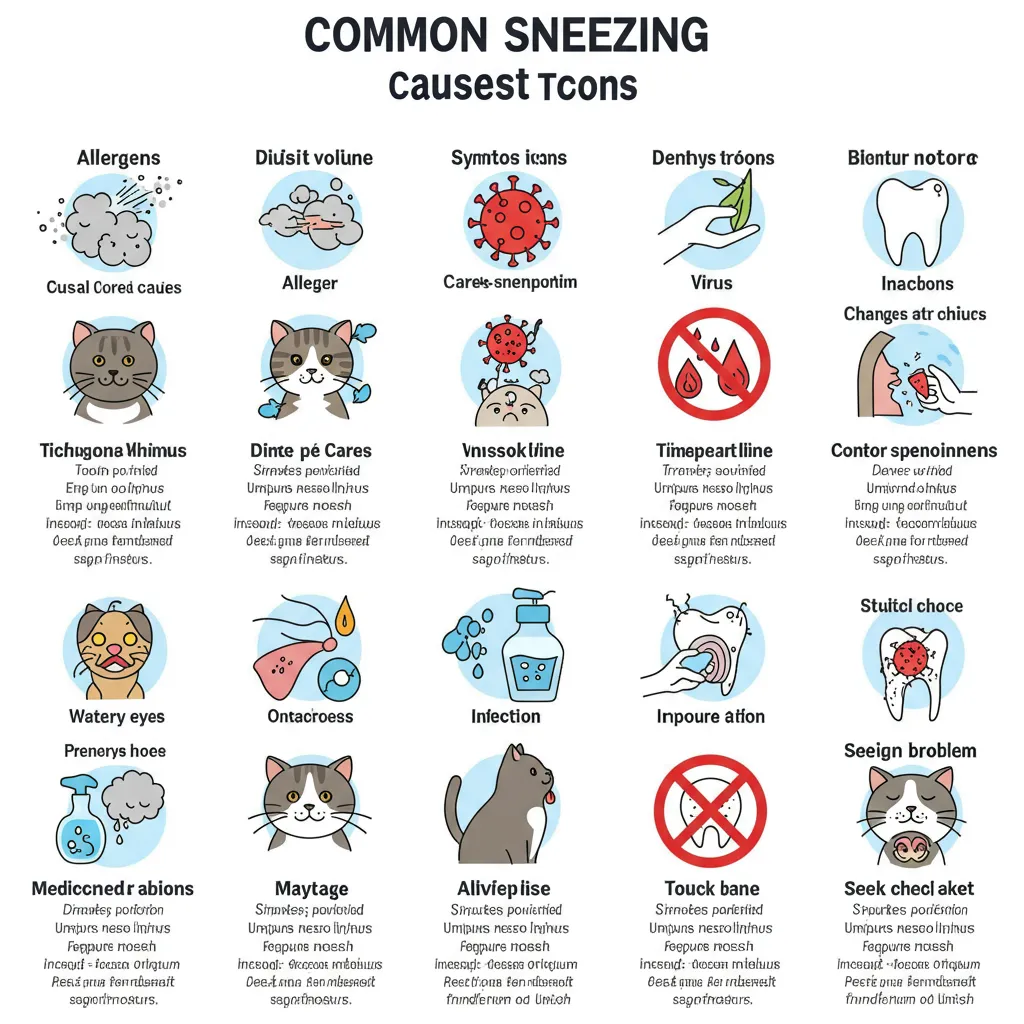
Table: Common Cat Sneezing Causes and Symptoms
| Cause | Symptoms | Action Needed |
|---|---|---|
| Environmental Irritants | Sneezing, watery eyes, mild discomfort | Remove irritants, improve air quality |
| Upper Respiratory Infection | Sneezing, runny nose, lethargy | Vet visit, supportive care |
| Allergies | Seasonal sneezing, itchy skin | Identify allergen, limit exposure |
| Foreign Object | Sudden sneezing, pawing at the nose | Vet exam for removal |
| Dental Issues | Sneezing, bad breath, drooling | Dental checkup, cleaning |
| Serious Conditions | Persistent sneezing, bloody discharge | Immediate vet diagnostics |
When to Worry About Cat Sneezing
Not every sneeze is cause for alarm, but knowing when to worry about your cat sneezing is crucial for your cat’s health. Here’s a guide to help you decide when it’s time to act:
Normal vs. Concerning Sneezing
- Normal: Occasional sneezing (1–2 times a day), no other symptoms, and your cat is eating and acting normally. This is often due to dust or a minor irritant.
- Concerning: Frequent sneezing (cat sneezing a lot), accompanied by cat sneezing and watery eyes, nasal discharge (especially yellow, green, or bloody), loss of appetite, or lethargy.
Red Flags to Watch For
- Sneezing for more than a few days
- Thick, colored, or bloody nasal discharge
- Cat sneezing and runny nose with fever or weight loss
- Coughing, wheezing, or difficulty breathing
- Behavioral changes like hiding or aggression
Real-Life Example: Emily’s cat, Whiskers, sneezed occasionally for a week, but when he stopped eating and developed a green nasal discharge, a vet diagnosed a bacterial URI. Antibiotics cleared it up within days.
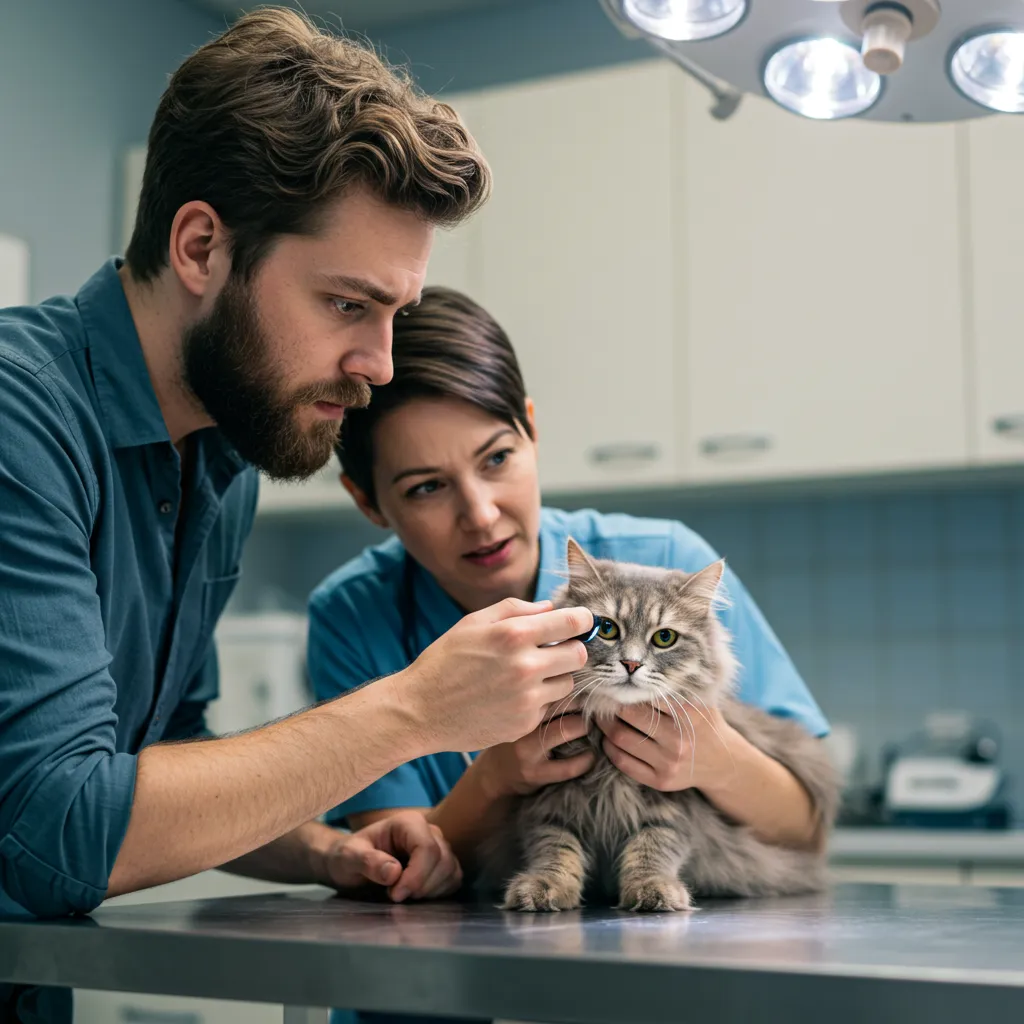
Actionable Tip: Keep a symptom log (frequency of sneezing, discharge color, behavior) to share with your vet for a faster diagnosis.
Cat Sneezing Treatment Options
Treating cat sneezing depends on the cause. Here’s a breakdown of cat sneezing treatment options, including cat sneezing home remedies and veterinary interventions:
Home Remedies for Mild Sneezing
For minor cases caused by irritants or mild allergies, try these cat sneezing home remedies:
- Humidify the Air: Use a humidifier to keep your cat’s nasal passages moist, reducing irritation from dry air.
- Clean the Environment: Vacuum regularly, use dust-free litter, and avoid strong-smelling cleaners.
- Steam Therapy: Let your cat sit in a bathroom with a hot shower running (not in the water!) to loosen mucus.
- Hydration: Ensure your cat drinks plenty of water to thin nasal mucus.
Caution: Never give human medications like antihistamines or decongestants to cats without veterinary approval.
Veterinary Treatments
For cat flu symptoms or persistent sneezing, a vet may recommend:
- Antibiotics: For bacterial infections like secondary URIs.
- Antivirals: For severe cases of feline herpesvirus.
- Antihistamines: For cat allergy sneezing, prescribed by a vet.
- Nasal Flushes: To remove foreign objects or clear chronic mucus.
- Surgery or Diagnostics: For tumors or severe dental issues.
Cost Estimate: A vet visit for sneezing typically costs $50–$150, with diagnostics (X-rays, bloodwork) adding $100–$500, depending on location and severity (data from 2025 pet care trends).
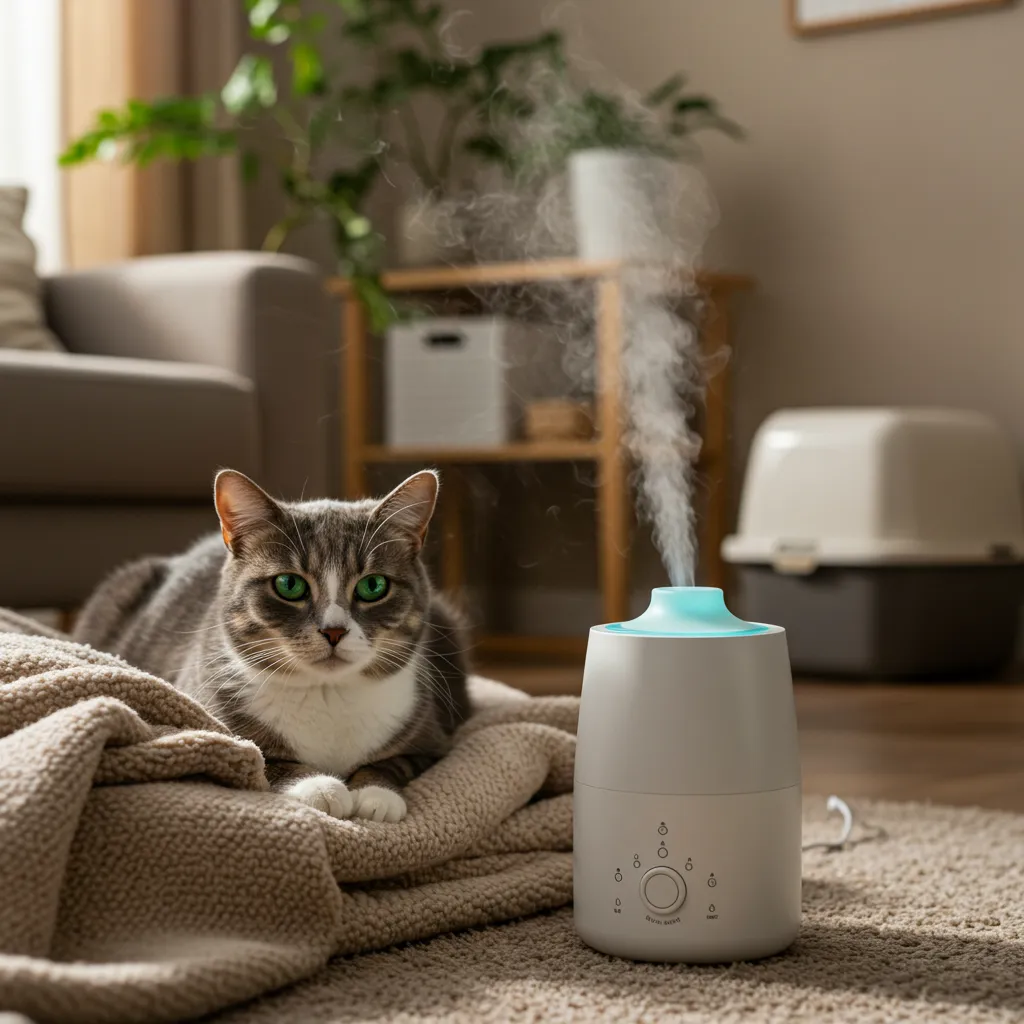
Actionable Tip: Schedule a vet visit if symptoms last more than 3–5 days or worsen. Early intervention prevents complications.
Preventive Measures for Cat Sneezing
Keeping your cat’s respiratory health in check can minimize sneezing episodes. Here are cat care tips to prevent feline sneezing:
- Maintain a Clean Environment
- Use low-dust, unscented litter (e.g., World’s Best Cat Litter).
- Vacuum and dust weekly to reduce cat sneezing from litter or dust.
- Wash bedding and toys regularly to prevent allergen buildup.
- Regular Vet Checkups
- Annual exams catch dental issues or early signs of common cat illnesses.
- Keep vaccinations current to protect against cat flu symptoms.
- Monitor Diet and Allergies
- Feed high-quality, hypoallergenic food to rule out food-related cat allergy sneezing.
- Avoid sudden diet changes, which can stress your cat’s system.
- Reduce Stress
- Stress can weaken immunity, making cats prone to URIs. Provide a calm environment with hiding spots and playtime.
- Example: A scratching post and interactive toys reduced stress-related sneezing in a multi-cat household.
Cat Sneezing in 2025: Emerging Trends and Concerns
As we move into 2025, pet owners are increasingly searching for cat sneezing 2025 trends, reflecting growing awareness of feline health. Here’s what’s trending:
- Eco-Friendly Litters: New biodegradable litters (e.g., tofu-based) are reducing cat sneezing from litter or dust by minimizing airborne particles.
- Telehealth for Pets: Virtual vet consultations are making it easier to diagnose cat sneezing and watery eyes without stressful clinic visits.
- Climate Impact: Warmer winters in 2025 are increasing pollen seasons, contributing to cat allergy sneezing in outdoor cats.
Actionable Tip: Stay updated on cat health and hygiene by following trusted sources like PetMD for the latest in feline care.
FAQs About Cat Sneezing
Why does my cat sneeze on me?
Your cat may sneeze on you due to proximity during an irritant-triggered sneeze (like dust or litter) or as a reflex from a mild cat cold symptom. If it’s frequent, check for allergies or infections.
What are the common causes of cat sneezing?
Cat sneezing causes include environmental irritants (dust, litter), allergies, upper respiratory infections, foreign objects, dental issues, or, rarely, tumors.
When should I be concerned about my cat’s sneezing?
Worry if your cat is sneezing a lot, has colored or bloody discharge, shows cat sneezing and a runny nose, or stops eating. Contact a vet immediately.
What can I do to prevent my cat from sneezing?
Use dust-free litter, keep the environment clean, ensure regular vet checkups, and monitor for allergens to maintain cat respiratory health.
Are there home remedies for cat sneezing?
Yes, try humidifiers, steam therapy, or clean litter to ease mild cat sneezing home remedies. Avoid human medications and consult a vet for persistent issues.
Conclusion: Keep Your Cat Sneeze-Free and Happy
Understanding why your cat sneezes on you is the first step to ensuring their health and happiness. From cat sneezing causes like dust or allergies to serious cat flu symptoms, this guide has covered the essentials to help you act fast. By using cat care tips like maintaining a clean environment, scheduling regular vet visits, and exploring cat sneezing home remedies, you can keep your feline friend’s respiratory health in check.
Let’s keep those kitties purring, not sneezing!