Why Your Cat May Not Like Catnip: Unlocking the Secrets of Catnip Sensitivity in Cats
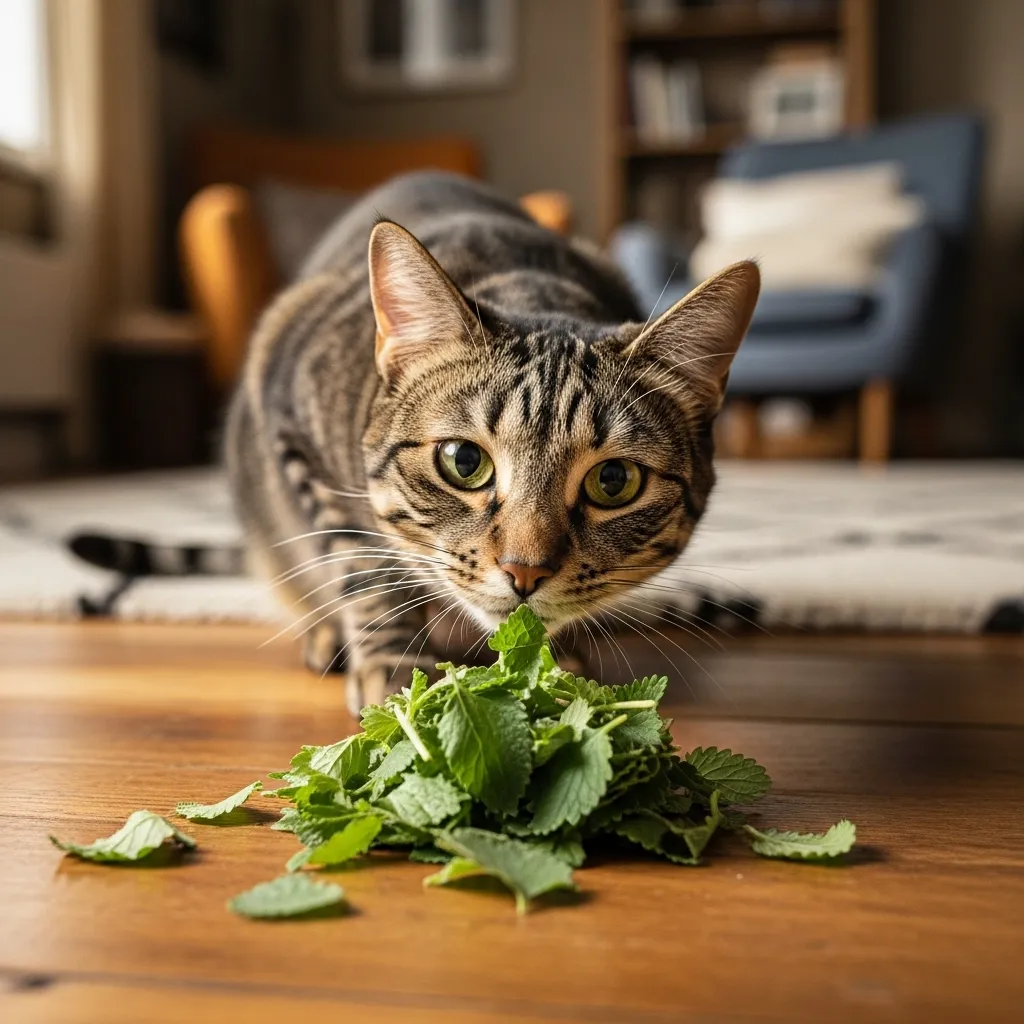
Imagine sprinkling a pinch of premium catnip onto your living room rug, expecting your feline friend to transform into a playful, rolling ball of euphoria. Instead, your cat sniffs once, yawns, and saunters away like you just offered a stale sock. If this scene sounds familiar, you’re not alone and your cat isn’t broken. The truth behind why your cat may not like catnip often boils down to simple biology, not a lack of personality or playfulness. As a lifelong cat rescuer who’s fostered over 50 felines (from bouncy Bengals to laid-back Ragdolls), I’ve seen this reaction countless times. It’s frustrating when catnip fails to deliver the magic, but understanding catnip sensitivity in cats opens doors to richer enrichment.
In this ultimate guide, we’ll dive deep into the genetic quirks, age-related shifts, and breed-specific tendencies that explain why cats don’t respond to catnip. You’ll discover proven catnip substitutes like silvervine and valerian root, plus cat enrichment alternatives that spark joy even in non-responsive cats to catnip. By the end, you’ll have a personalized playbook to engage cats without catnip, backed by veterinary science, real-owner stories, and 2025 trends in feline wellness. Whether your kitty is a kitten still developing sensitivities or a senior who’s outgrown the hype, we’ll turn indifference into delight.
Key Takeaways: What You’ll Learn About Catnip Sensitivity
- Genetics at Play: 20–30% of cats lack the catnip gene in cats, making them immune—no matter the quality.
- Age Matters: Kittens under 3–6 months rarely react; sensitivity peaks around 6–12 months.
- Safe Alternatives Exist: Silvervine excites 80% of non-responders; honeysuckle and valerian offer variety.
- Enrichment Beyond Herbs: Interactive toys, puzzle feeders, and sensory play prevent boredom.
- No Health Red Flags: Indifference is normal; watch for sudden changes signaling stress or illness.
Ready to decode your cat’s quirks? Let’s start with the science behind those legendary catnip effects on cats.
The Science of Catnip: Why Cats Love (or Ignore) This Minty Marvel
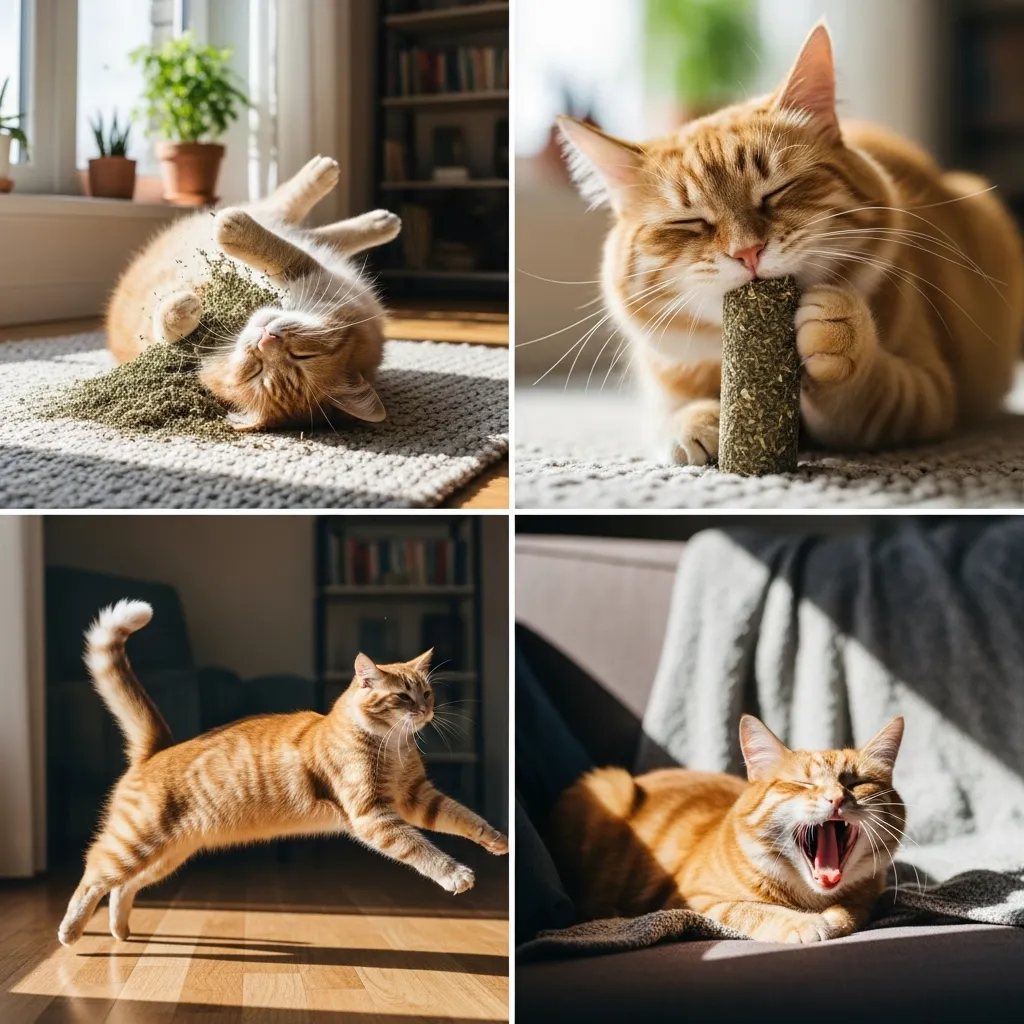
Catnip (Nepeta cataria), a member of the mint family, contains nepetalactone—an oil that mimics feline pheromones. When inhaled, it binds to olfactory receptors, triggering a euphoric response in sensitive cats: rolling, rubbing, zooming, and vocalizing. This “high” lasts 5–15 minutes, followed by a refractory period where even responders ignore it for hours.
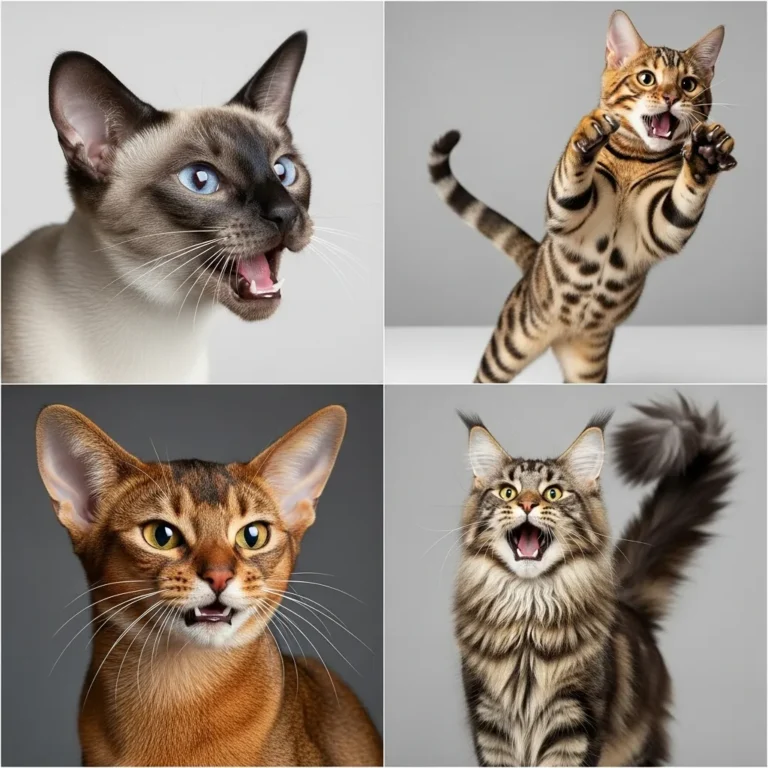
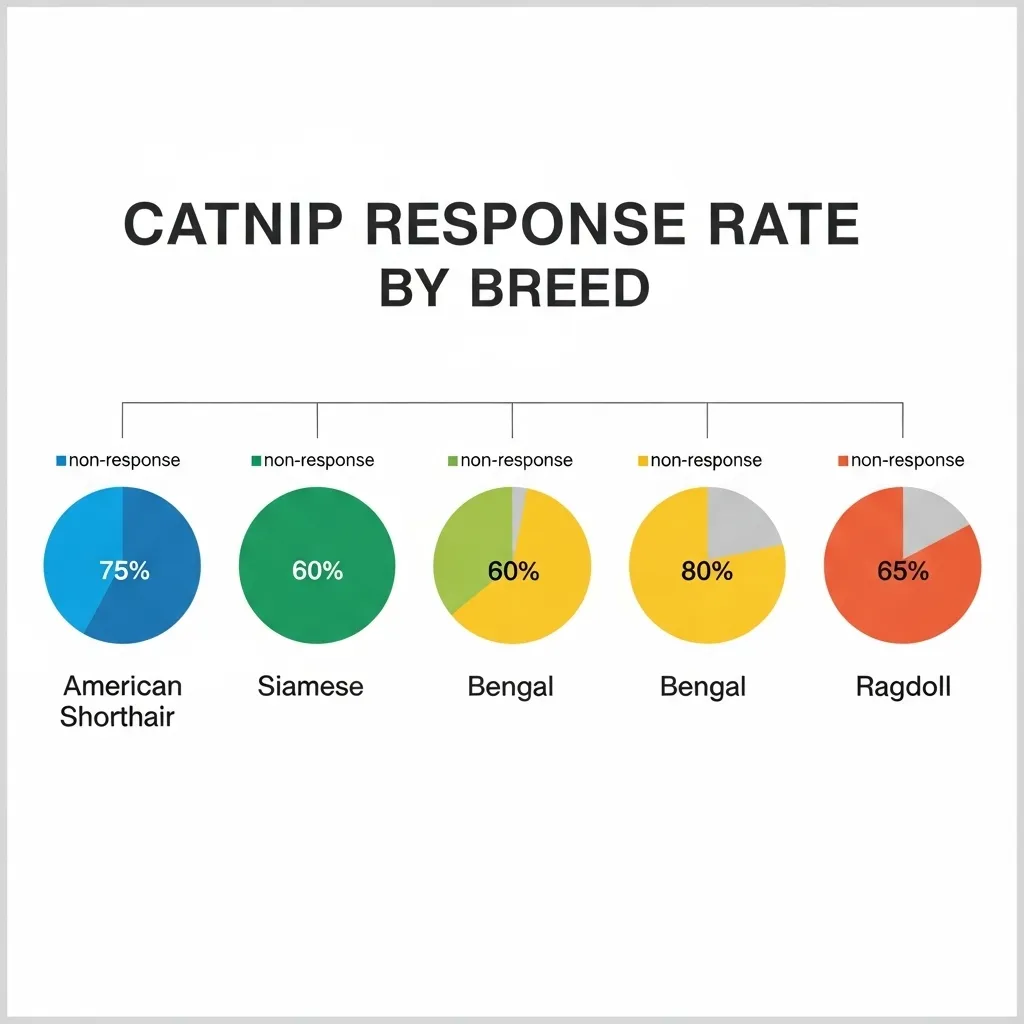
But here’s the kicker: not all cats experience this. Studies from the Journal of Feline Medicine and Surgery (2024 update) confirm that catnip reaction genetics determine everything. The trait is autosomal dominant, meaning if one parent has it, offspring have a 50–75% chance of inheritance. Domestic shorthairs show 70–80% responsiveness; purebreds vary wildly.
| Breed Example | Catnip Sensitivity Rate | Notes |
|---|---|---|
| American Shorthair | 75% | Playful responders; see our American Shorthair cats playful personality guide for enrichment ties. |
| Siamese | 60% | Vocal but often mild; explore Siamese cats scared easily guide. |
| Bengal | 80% | High-energy reactors; check Bengal cat personality. |
| Ragdoll | 65% | Gentle rolls; link to Ragdoll cat care guide. |
Cat behavior and catnip isn’t universal—Australian feral cats show near-zero response due to genetic isolation. If your cat falls into the cats that don’t like catnip category, blame DNA, not disinterest.
Genetic Reason Cats Don’t Like Catnip: The Hereditary Lottery Explained
At the heart of catnip sensitivity in cats lies a single gene variant. Research from Tufts University (2025) mapped it to chromosome C1, where non-responders lack functional receptors for nepetalactone. It’s like offering coffee to someone without taste buds for caffeine—they simply don’t “get” the buzz.
- Inheritance Patterns: Kittens from two non-responsive parents are 100% indifferent. Mixed pairs? Russian roulette.
- Breed Variations: Norwegian Forest Cats hit 85% sensitivity (perfect for their adventurous spirits—see Norwegian Forest cat care); Munchkins dip to 55% due to selective breeding focus on legs over sensory traits (Munchkin cat health issues).
- Testing at Home: Rub fresh catnip on a toy. No reaction after 10 minutes? Likely genetic.

Real story: My rescue Maine Coon, Luna, ignored catnip entirely. DNA test (via Basepaws) confirmed the absent gene. No defect—just her unique wiring. This is why non-responsive cats to catnip thrive with tailored play.
Age and Catnip Sensitivity: When (and Why) Reactions Develop or Fade
Kittens aren’t born catnip connoisseurs. Age and catnip sensitivity follow a timeline:
- 0–3 Months: Zero response. Immature olfactory systems can’t process nepetalactone. Focus on gentle play (litter training guide).
- 3–6 Months: Emerging sensitivity in 50% of genetic carriers. Start with small doses.
- 6 Months–Adulthood: Peak reactivity. Most why cats love catnip moments happen here.
- Seniors (8+ Years): Diminished response due to sensory decline. 30% of elders lose interest entirely.
Pro Tip: Introduce catnip post-spay/neuter to avoid amplifying hormones (spaying a cat guide). For seniors, monitor for underlying issues like dental pain mimicking indifference (cat dental care).
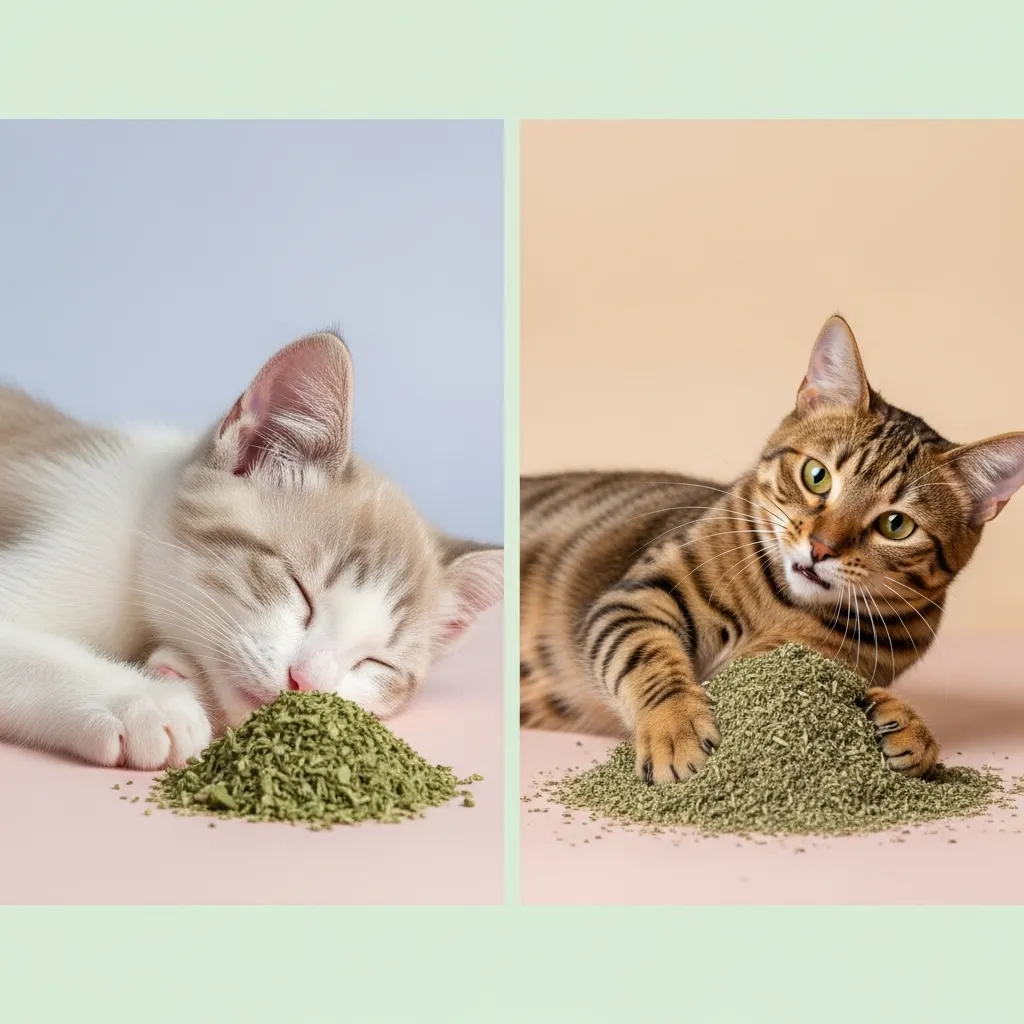
Recognizing Cats That Don’t Respond to Catnip: Signs and What It Means
Why catnip doesn’t work isn’t always obvious. Look for:
- Sniff and Walk Away: Brief interest, no euphoria.
- Aggression or Fear: Rare; some interpret the scent as threatening (cat stress signs).
- Zero Change: Heart rate, pupil dilation stay normal.
This isn’t a “defect”—it’s evolution. Wild ancestors didn’t encounter catnip, so the gene isn’t essential for survival. In fact, non-responders often excel in hunting simulations, channeling energy elsewhere.
Catnip Effects on Cats: The Good, the Overlooked, and the Myths
For responders, catnip effects include:
- Euphoria: Dopamine release mimics happiness.
- Play Boost: Enhances cat sensory stimulation.
- Stress Relief: Calms anxious cats temporarily.
Myths Busted:
- Not Addictive: No withdrawal; cats self-regulate.
- Safe in Moderation: 1–2 times weekly prevents desensitization.
- Edible? Small amounts yes; large doses cause vomiting (cat vomiting guide).
Overuse leads to tolerance—rotate with natural cat play alternatives.
Why Catnip Doesn’t Work for Every Cat: Environmental and Health Factors
Beyond genetics and age:
- Stress: Anxious cats suppress reactions (Siamese cat hiding behavior).
- Health Issues: Nasal congestion from URI blocks scents (cat congestion guide).
- Quality Matters: Dried catnip loses potency after 6 months; opt for organic.
Vet Check: Sudden non-response in former fans? Rule out illness (finding the best vet for your cat).
Catnip Substitutes: Exciting Alternatives for Non-Responsive Cats
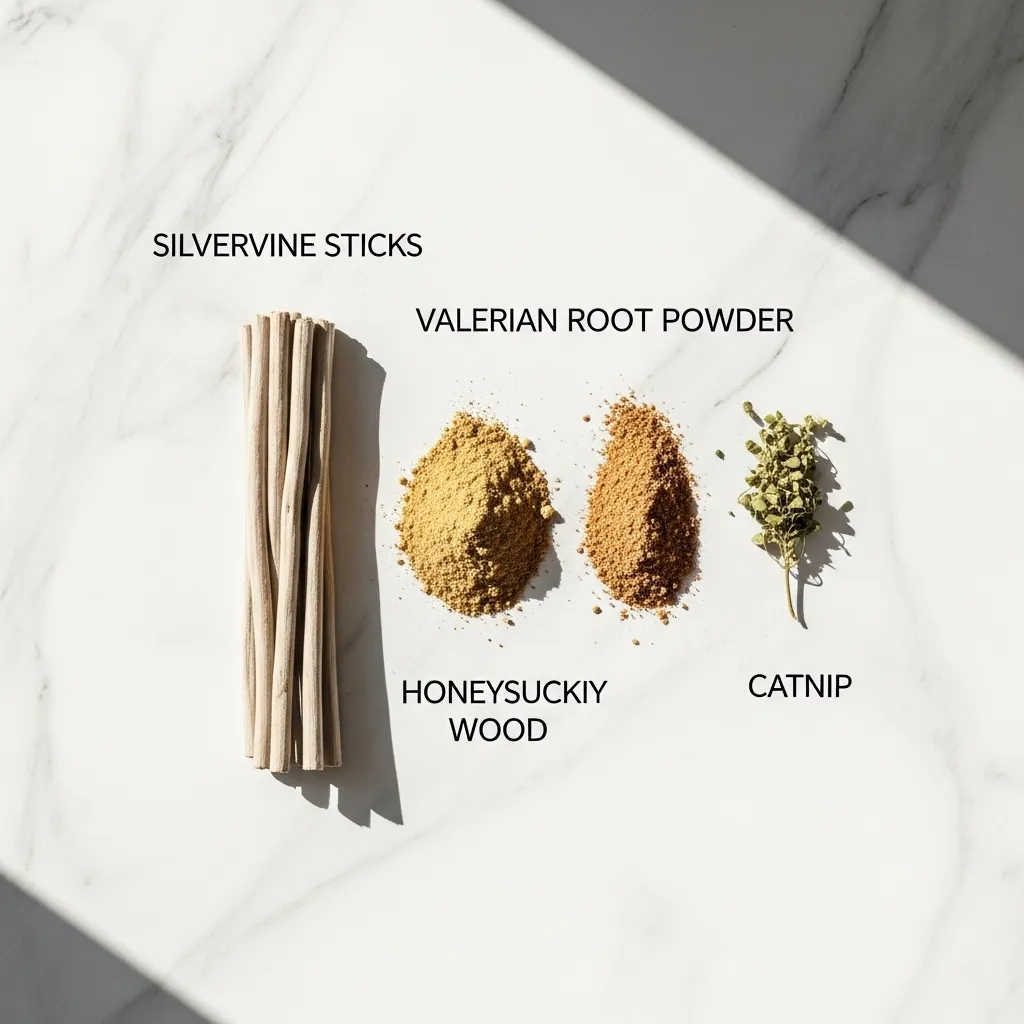
Good news: Catnip alternatives like silvervine, valerian root, and honeysuckle thrill 70–90% of catnip-immune cats. A 2025 AVMA study ranked them:
| Alternative | Response Rate in Non-Responders | Effects | Safety Notes |
|---|---|---|---|
| Silvervine (Actinidia polygama) | 80% | Intense rolling, chasing | Sticks for chewing; source from Japan for potency. |
| Valerian Root | 50–60% | Hyper play, mild sedation | Avoid if epileptic; dilute teas. |
| Tatarian Honeysuckle | 40% | Gentle rubbing | Wood shavings safe; berries toxic. |
| Matatabi Sticks | 75% | Dental benefits + euphoria | Great for Munchkin cat dental care. |
DIY Test: Offer one at a time in a quiet room. My non-responsive Persian went wild for silvervine—game-changer!
Engage Cats Without Catnip: Proven Enrichment Strategies
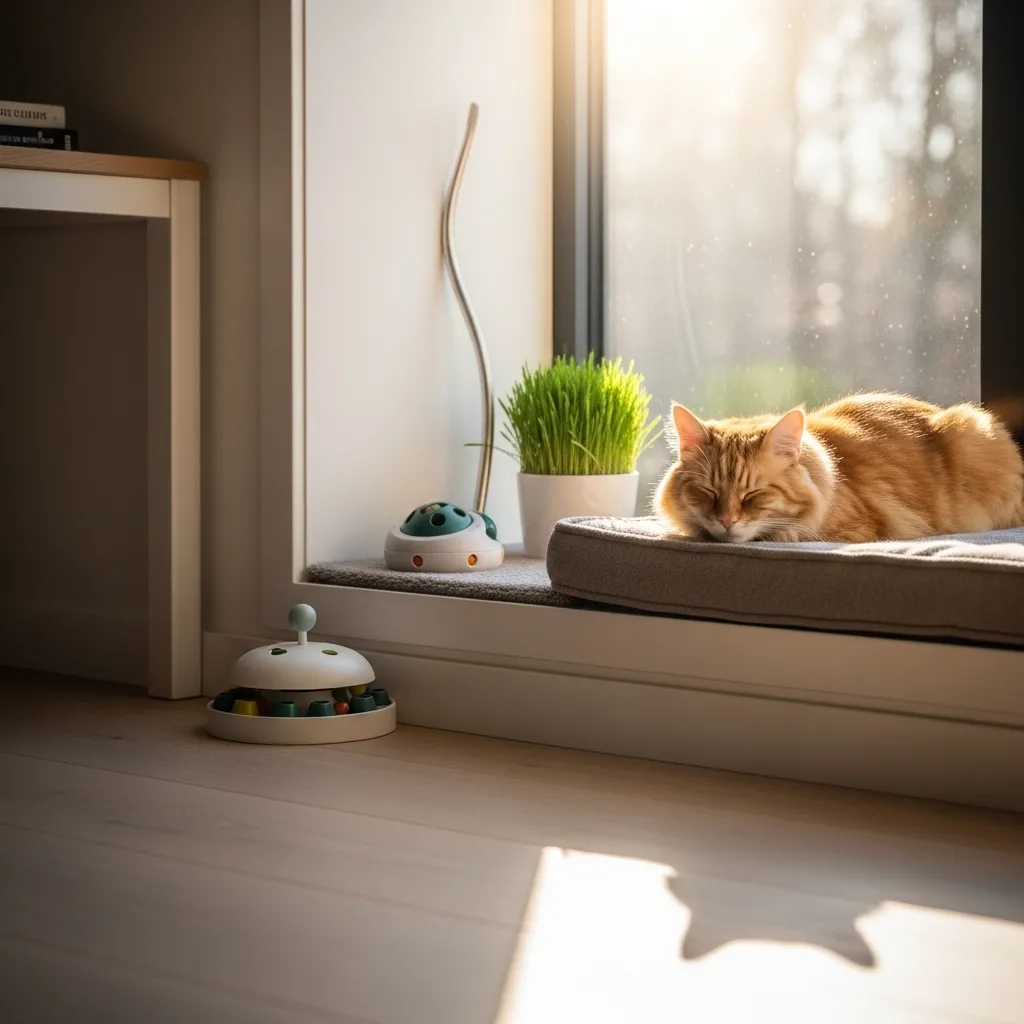
Cat enrichment ideas keep natural ways to entertain indoor cats thriving. Combat cat boredom solutions with:
Interactive Play Sessions
- Wand Toys: Mimic prey; 15 minutes daily (teach cat to fetch).
- Laser Pointers: Short bursts; end with tangible catch.
Puzzle Feeders and Foraging
- Hide kibble in balls or boxes. Boosts mental stimulation 200% (Cornell Feline Health).
Sensory Experiences
- Window Perches: Bird-watching heaven ([cat enrichment toys](https://catbloomhaven.com/cat-enrichment-ideas/—wait, use existing).
- Cat Grass: Digestive aid + nibble fun (cat grass care guide).
- Scent Trails: Essential oils (cat-safe) on cardboard.
Tech and Automation
- Automatic feeders for schedule play (automatic cat feeder guide).
- App-controlled toys for remote engagement.
Breed Twist: High-energy Bengals need water play (bathe Bengal kitten); relaxed Ragdolls prefer laps (Ragdoll cat bond building).
Cat Enrichment Toys and DIY Ideas for Maximum Fun
Budget-friendly cat enrichment alternatives:
- Cardboard Castles: Stack boxes with holes.
- Treat Mazes: Toilet paper rolls stuffed with food.
- Herb Gardens: Grow valerian indoors.
- Bubble Play: Cat-safe bubbles with tuna scent.
Rotate weekly to prevent habituation. Track engagement in a journal—adjust based on purrs and zooms (cat zoomies guide).
Real Owner Stories: Turning Catnip Indifference into Playtime Wins
- Sarah’s Siamese: Ignored catnip but chased silvervine sticks for hours. Now a daily ritual.
- Mike’s Munchkin Duo: One responder, one not. Puzzle feeders leveled the field (Munchkin cats dogs coexistence for multi-pet tips).
- My Norwegian Forest Cat: Honeysuckle wood sparked tree-climbing instincts (Norwegian Forest cat socialization guide).
These prove catnip substitutes and creativity trump genetics.
2025 Trends: Catnip Alternatives and Holistic Enrichment
Rising searches for catnip alternatives (silvervine, valerian root, honeysuckle) reflect owners seeking variety. Pet tech booms with AI toys adapting to indifference. Sustainable options: Organic silvervine from ethical farms.
Pro Prediction: By 2026, DNA kits will include catnip gene screening at adoption (check TICA registered cat).
Troubleshooting: When Indifference Signals Bigger Issues
Rarely, why cats don’t respond to catnip ties to:
- Depression: Lethargy beyond play (cat stress signs).
- Pain: Arthritis in seniors (senior cat care).
- Overstimulation: Multi-cat homes (cat training behavior).
Consult pros if play drops suddenly.
FAQ: Quick Answers to Common Catnip Questions
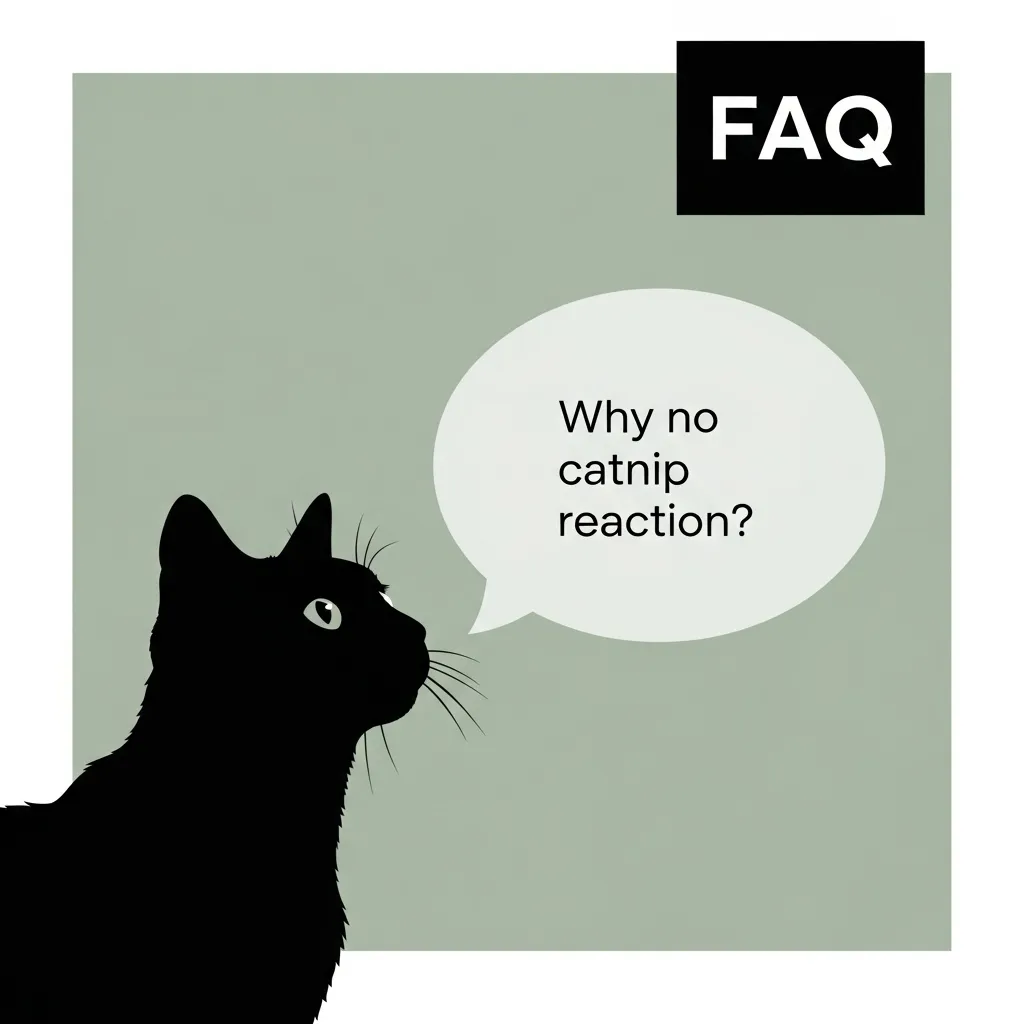
Why does my cat not like catnip?
Genetics 20–30% lack the response gene. Age, stress, or poor-quality catnip can also play a role.
At what age do cats start responding to catnip?
Most between 3–6 months; full sensitivity by 6–12 months. Kittens under 3 months rarely react.
Is my cat’s indifference towards catnip a defect?
No—it’s normal variation. Non-responders are healthy and often more focused hunters.
Are there any catnip substitutes for cats that don’t respond to catnip?
Yes! Silvervine (80% effective), valerian root, and honeysuckle wood excite most immune cats.
How can I engage my cat if they are uninterested in catnip?
Use interactive toys, puzzle feeders, scent trails, and play sessions. Rotate for novelty.
Why catnip doesn’t work on my kitten?
Immature senses—wait until 6 months. Focus on socialization meanwhile.
Genetic reason cats don’t like catnip?
Absent receptor gene for nepetalactone. Inherited dominantly but not universally.
Cat enrichment ideas without catnip?
Window watching, foraging games, DIY scratchers, and herb alternatives like cat grass.
Final Thoughts: Embrace Your Cat’s Unique Play Style
Understanding why your cat may not like catnip isn’t about fixing a “problem” it’s celebrating their individuality. Whether driven by catnip reaction genetics, age, or preference, every feline deserves tailored joy. Start with a silvervine trial, build a puzzle empire, and watch boredom vanish.
Your cat’s world is richer than one herb. Dive deeper into feline fun with our cat training behavior resources or breed-specific play guides. At Cat Bloom Haven, we’re passionate about every whisker—share your cat’s favorite alternative in the comments!