Why Does My Cat Eat Litter? Comprehensive Solutions to Stop This Behavior
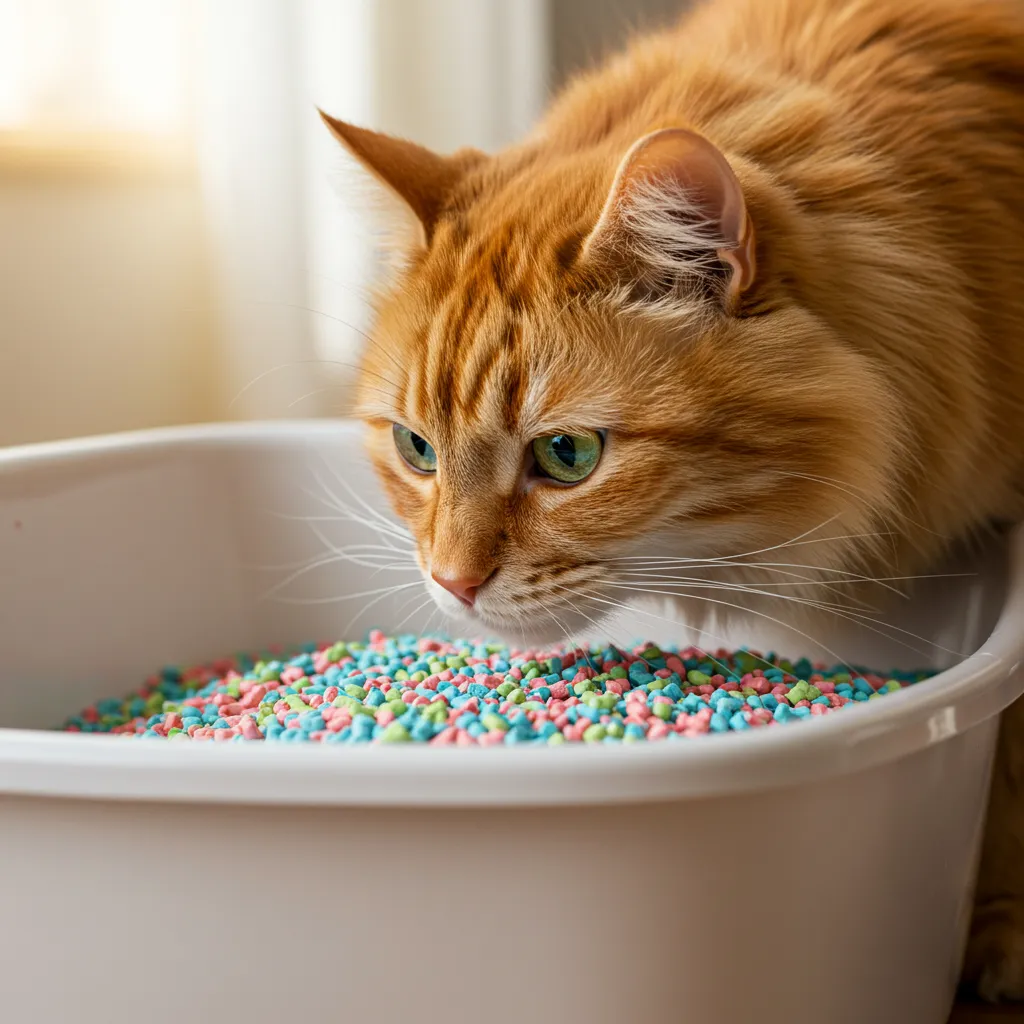
Imagine scooping your cat’s litter box only to catch them munching on the litter like it’s a gourmet treat. It’s puzzling, concerning, and maybe even a little gross. Cat eating litter is a behavior that can leave pet owners worried, wondering if it’s a quirky habit or a sign of something serious.
Whether it’s a curious kitten or an adult cat, this issue known as pica can stem from medical, behavioral, or environmental causes. This article is your ultimate guide to understanding why cats eat litter, addressing cat pica behavior, and providing actionable cat eating litter solutions to stop it for good. Packed with expert insights, practical tips, and natural remedies, we’ll help you keep your feline friend safe and healthy.
Understanding Why Cats Eat Litter: The Root Causes
Cats don’t eat litter because they love the taste—it’s usually a sign something’s off. Cat eating litter causes range from medical issues to boredom, and pinpointing the reason is the first step to finding cat eating litter solutions. Let’s break it down.
What Is Pica in Cats?
Pica is a condition where cats eat non-food items, like litter, plastic, or fabric. It’s not just a quirky habit; it’s a behavior that signals an underlying issue. Cat pica behavior can affect cats of all ages, but kittens are particularly prone due to their exploratory nature (why do kittens eat litter 2025 is a trending concern for a reason). Pica can be triggered by:
- Medical issues: Nutritional deficiencies, anemia, or digestive problems.
- Behavioral factors: Stress, boredom, or anxiety.
- Environmental triggers: Lack of stimulation or unsuitable litter types.
Common Causes of Cats Eating Litter
Here’s a detailed look at why your cat might be eating litter:
- Nutritional Deficiency in Cats
A lack of essential nutrients like iron, zinc, or fiber can drive cats to eat litter, especially cat eating clay litter, which might seem appealing to a nutrient-deficient cat. For example, a cat with anemia might crave clay-based litter due to its mineral content. - Medical Conditions
Conditions like hyperthyroidism, diabetes, or gastrointestinal issues can cause pica. If your cat is eating litter and showing signs like weight loss, vomiting, or lethargy, a vet visit is crucial. - Boredom or Stress
Cats stuck in a monotonous environment may turn to litter-eating out of boredom. Stress from changes like a new pet or moving can also trigger cat behavioral problems and solutions are needed here. - Teething in Kittens
Kittens exploring their world might chew on litter to soothe teething discomfort. This is common with stop kitten from eating litter searches, as young cats are naturally curious. - Litter Type Attraction
Some litters, especially clay or corn-based ones, have textures or scents that entice cats. Cat eating clay litter is a frequent issue because it mimics natural soil.
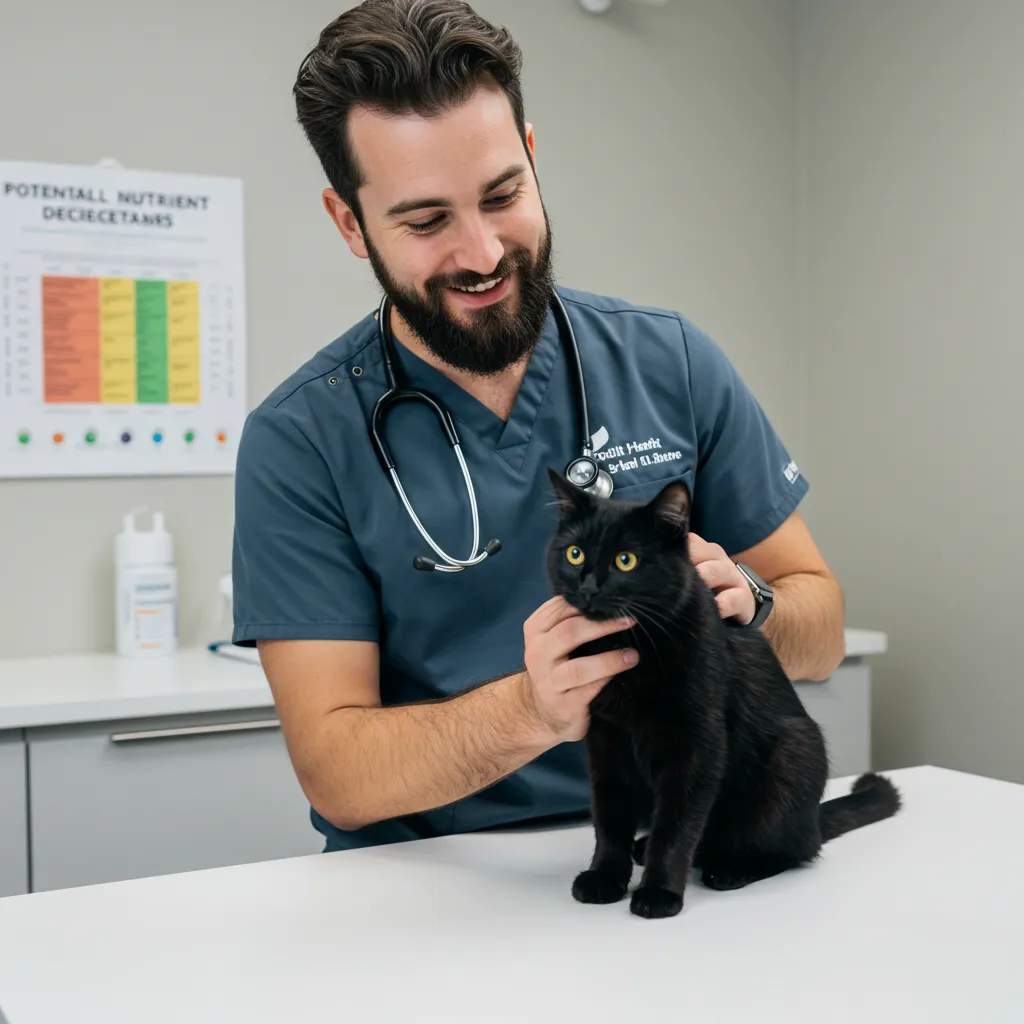
Real-Life Example: Sarah, a cat owner from Texas, noticed her kitten, Muffin, eating clumping clay litter. After a vet visit, she learned Muffin had a mild iron deficiency. Switching to a safe cat litter alternative and adjusting Muffin’s diet resolved the issue within weeks.
Health Risks of Cats Eating Litter
Eating litter isn’t just odd it can be dangerous. Here’s why you need to act fast:
- Intestinal Blockages: Clumping litters can form hard masses in the stomach, leading to life-threatening blockages.
- Toxicity: Some litters contain chemicals like silica dust, which can harm your cat’s respiratory system.
- Dental Damage: Chewing gritty litter can wear down teeth or cause gum irritation.
- Parasites or Bacteria: Litter can harbor germs, especially if not changed frequently.
Table: Risks of Common Litter Types
| Litter Type | Risk Level | Potential Issues |
|---|---|---|
| Clumping Clay | High | Blockages, toxicity, dust inhalation |
| Silica Gel | Medium | Toxicity, dental wear |
| Corn/Wheat-Based | Low | Mild digestive upset |
| Paper-Based | Low | Minimal risk, but possible blockages |
How to Stop Your Cat from Eating Litter: Actionable Solutions
Stopping your cat from eating litter requires a multi-faceted approach. Here’s a step-by-step guide to how to stop cat from eating litter and stop kitten from eating litter, tailored to address both causes and solutions.
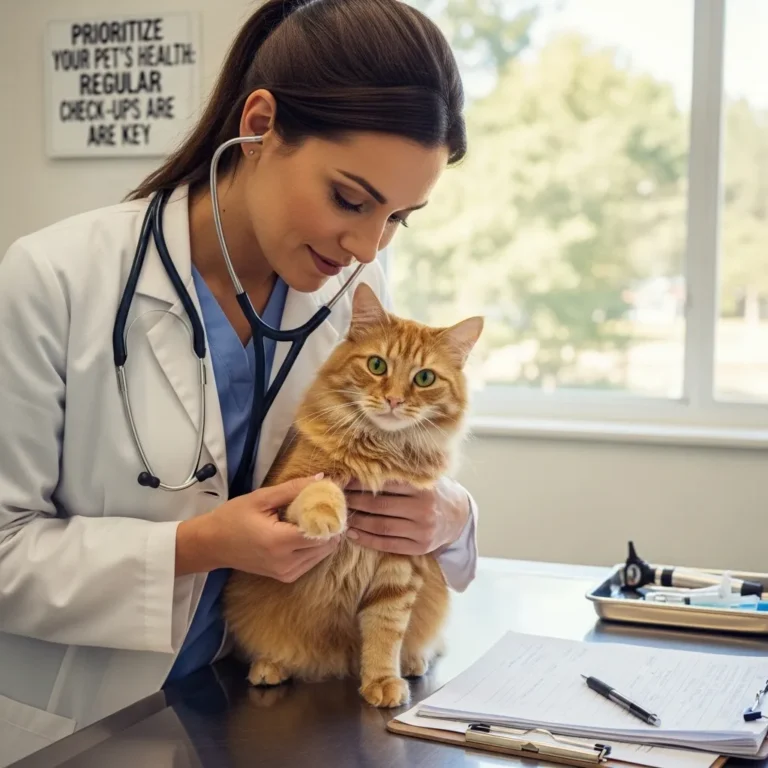
Step 1: Visit Your Veterinarian
Before trying behavioral fixes, rule out medical issues. A vet can:
- Run blood tests to check for nutritional deficiency in cats or conditions like anemia.
- Assess dental health, especially for kittens.
- Recommend dietary changes or supplements.
Pro Tip: Ask for a fecal test to rule out parasites, which can cause pica.
Step 2: Switch to Safe Cat Litter Alternatives
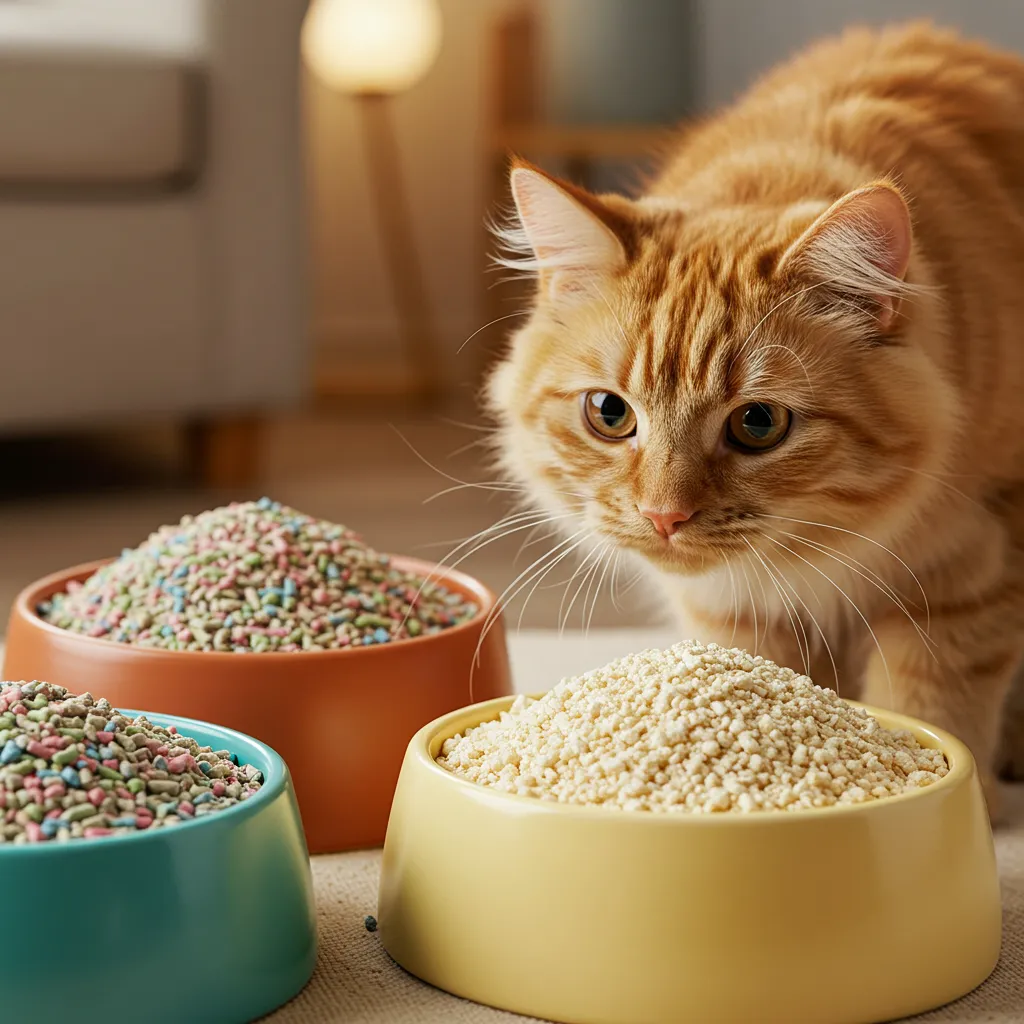
The type of litter matters. Cat litter alternatives can reduce the temptation to eat it. Here are top options:
- Paper-Based Litter: Made from recycled paper, it’s non-toxic and less appealing to eat. Brands like Yesterday’s News are popular.
- Pine or Wood Pellets: These have a natural scent that doesn’t mimic food. They’re also eco-friendly.
- Wheat or Corn-Based Litter: Biodegradable and less likely to cause blockages if ingested (e.g., World’s Best Cat Litter).
- Homemade Cat Litter Solution: Mix shredded newspaper with a bit of baking soda for a budget-friendly, non-toxic litter alternative.
Comparison Table: Safe Cat Litter Alternatives
| Litter Type | Pros | Cons | Best For |
|---|---|---|---|
| Paper-Based | Non-toxic, soft, eco-friendly | Less clumping, frequent changes | Kittens, sensitive cats |
| Pine Pellets | Natural scent, biodegradable | May track, less odor control | Adult cats, eco-conscious owners |
| Corn-Based | Clumps well, low dust | Possible mold if stored poorly | Cats with pica tendencies |
| Homemade (Paper) | Cheap, customizable, safe | Labor-intensive, no clumping | Budget-conscious owners |
Step 3: Address Nutritional Deficiencies
A balanced diet is key to cat nutrition and diet balance. If your cat’s eating litter due to deficiencies, try:
- High-Quality Cat Food: Choose brands with AAFCO approval, rich in protein, vitamins, and minerals (e.g., Hill’s Science Diet or Royal Canin).
- Supplements: Consult your vet about adding fiber or multivitamins to address deficiencies.
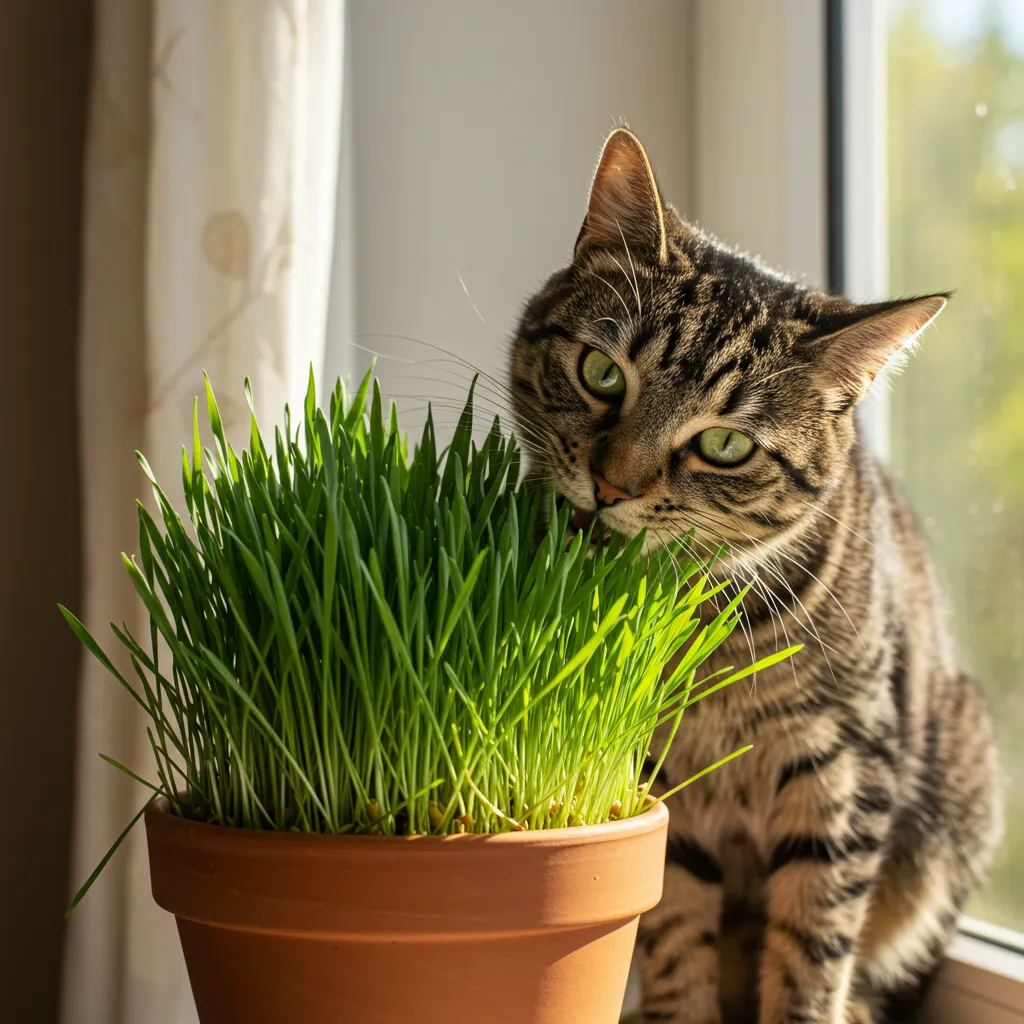
- Cat Grass: Best cat grass for indoor cats like wheatgrass or barley can satisfy chewing urges and provide fiber. Place a pot near the litter box as a distraction.
Example: When Max, a 2-year-old tabby, started eating litter, his owner added wheatgrass to his diet and switched to a nutrient-rich wet food. The litter-eating stopped within a month.
Step 4: Modify Behavior with Environmental Enrichment
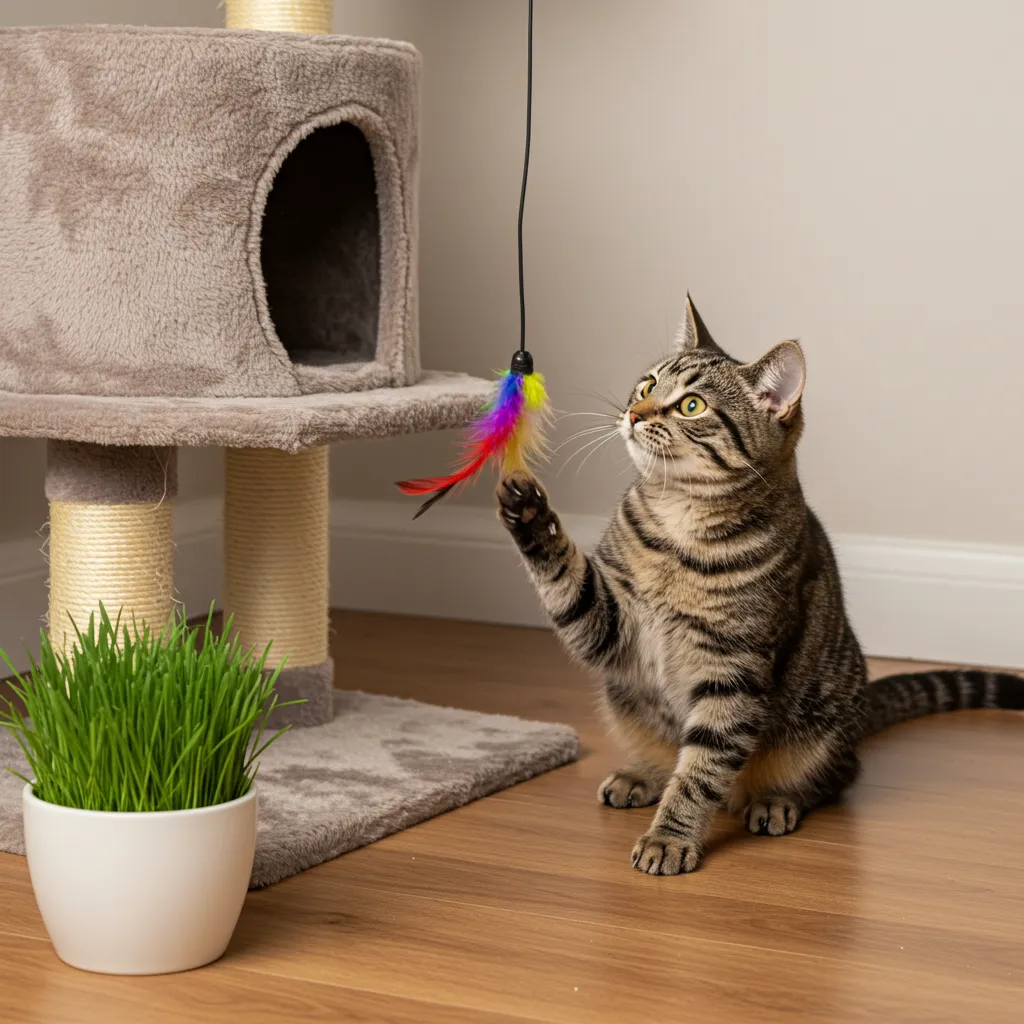
Preventing unhealthy cat habits often comes down to keeping your cat engaged. Try these natural ways to stop cats from eating litter:
- Interactive Toys: Feather wands, laser pointers, or puzzle feeders keep cats mentally stimulated.
- Using Catnip for Behavior Training: Sprinkle catnip on toys or scratching posts to redirect attention. About 60% of cats respond to catnip, per studies from Cornell University.
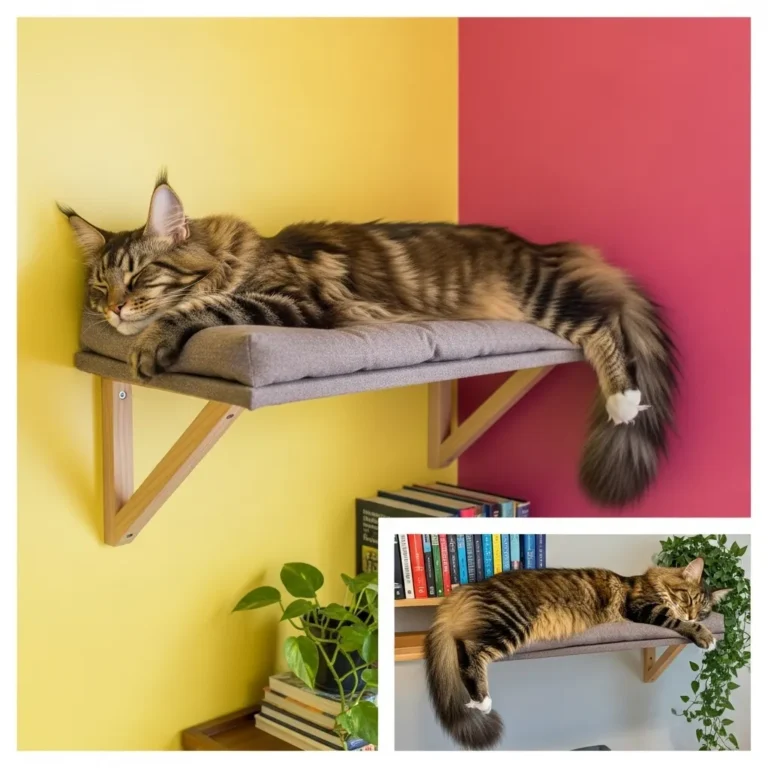
- Safe Spaces: Create perches or hideaways to reduce stress-induced pica.
- Routine Playtime: Spend 15–20 minutes daily playing with your cat to curb boredom.
Step 5: Train Your Cat to Avoid the Litter Box
Cat eating litter treatment often involves behavior modification. Here’s a practical training plan:
- Supervise and Redirect: If you catch your cat eating litter, gently interrupt with a toy or treat.
- Cover the Litter Box: Use a covered box to limit access, though ensure your cat is comfortable with it.
- Positive Reinforcement: Reward your cat with treats or praise for using the litter box correctly.
- Gradual Transition: If switching litter, mix the new type with the old over 7–10 days to avoid stress.
Case Study: Lisa’s kitten, Tinker, kept eating corn-based litter. She switched to paper-based litter, added a puzzle feeder, and used catnip for behavior training. Within two weeks, Tinker stopped eating litter entirely.
Special Considerations for Kittens
Why do kittens eat litter 2025 is a hot topic because young cats are naturally curious. Their smaller size makes them more vulnerable to blockages, so act quickly:
- Use non-toxic litter alternatives like paper or pine.
- Offer teething toys to soothe gums.
- Monitor closely during the first year, as stop kitten from eating litter requires extra vigilance.
Benefits of Cat Grass and Natural Distractions
Cat grass isn’t just trendy it’s a game-changer for cat eating litter treatment. Here’s why:
- Nutritional Boost: Provides fiber and micronutrients.
- Chewing Outlet: Satisfies the urge to chew, reducing litter attraction.
- Easy to Grow: Kits like Pet Greens are affordable and grow in 5–7 days.
How to Introduce Cat Grass:
- Buy a cat grass kit or plant wheatgrass seeds in a small pot.
- Place it near the litter box but in a separate area.
- Encourage exploration with a sprinkle of catnip.
- Replace every 2–3 weeks for freshness.
Choosing the Best Litter for Your Cat
Not all litters are created equal. Here’s a quick guide to cat litter alternatives:
- Avoid Clumping Clay: High risk for cat eating clay litter cases.
- Test Biodegradable Options: Corn, wheat, or pine are safer and eco-friendly.
- Monitor Preferences: Some cats dislike certain textures, so experiment to find the right fit.
Pro/Con List: Popular Litter Types
- Clumping Clay
Pros: Great odor control, easy to scoop.
Cons: Risky if ingested, dusty, non-biodegradable. - Corn-Based
Pros: Clumps well, biodegradable, safer if eaten.
Cons: Can attract pests if not stored properly. - Paper-Based
Pros: Safe, low dust, eco-friendly.
Cons: Less clumping, needs frequent changes.
Long-Term Prevention: Building Healthy Habits
To ensure preventing unhealthy cat habits sticks, maintain these practices:
- Regular Vet Checkups: Annual exams catch issues early.
- Consistent Environment: Avoid sudden changes to reduce stress.
- Balanced Diet: Stick to vet-recommended foods to prevent nutritional deficiency in cats.
- Ongoing Enrichment: Rotate toys and activities to keep your cat engaged.
FAQs About Cats Eating Litter
Q: How can I stop my cat from eating litter?
A: Visit a vet to rule out medical issues, switch to safe cat litter alternatives like paper or pine, offer cat grass, and enrich their environment with toys and catnip for behavior training.
Q: What causes cats to eat litter?
A: Cat eating litter causes include nutritional deficiency in cats, medical conditions (e.g., anemia), stress, boredom, or attraction to litter texture like cat eating clay litter.
Q: Is eating litter a sign of a health problem?
A: Yes, it can indicate cat pica behavior, nutritional deficiencies, or conditions like diabetes. Consult a vet for blood tests and a thorough exam.
Q: How can I modify my cat’s behavior to prevent litter ingestion?
A: Use positive reinforcement, redirect with toys or catnip, switch to non-toxic litter alternatives, and provide best cat grass for indoor cats to distract them.
Q: What should I feed my cat to prevent litter eating?
A: Offer high-quality, AAFCO-approved cat food rich in protein and nutrients, supplemented with cat grass or vet-recommended vitamins to address deficiencies.
Q: What are the safest cat litter alternatives?
A: Paper-based, pine, or corn-based litters are safest. Homemade cat litter solutions like shredded newspaper with baking soda are also non-toxic litter alternatives.
Conclusion: Keep Your Cat Safe and Happy
Cat eating litter is a concerning behavior, but it’s manageable with the right approach. By understanding cat pica behavior, addressing nutritional deficiency in cats, and implementing cat eating litter solutions like safe cat litter alternatives and cat grass, you can stop this habit and prevent health risks. Start with a vet visit, enrich your cat’s environment, and stay consistent with natural ways to stop cats from eating litter. Your feline friend deserves a safe, healthy life—and you’ve got the tools to make it happen.